Champagne and Sustainability: A Decade of UNESCO’s Heritage, Innovation, and Collective Responsibility
Source: Comité Champagne UK
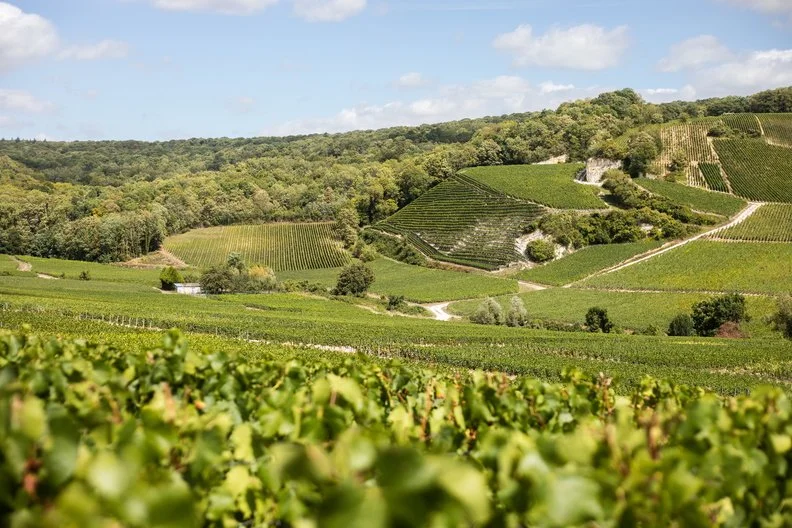
For more than three centuries, Champagne has been synonymous with celebration, elegance, and craftsmanship. Yet behind every bottle lies a deeper story that goes beyond luxury. It is a story of land, labour, stewardship, and a steadfast commitment to sustainability. In 2025, the region celebrates ten years since the UNESCO World Heritage recognition of its landscapes, architecture, and savoir-faire. This anniversary offers a moment to reflect on how Champagne has become not only a global icon of taste but also a model for responsible and forward-thinking winemaking.
Today, sustainability sits at the heart of the region’s identity. The Corporate Social Responsibility Impact Report (CSR Impact Report) from Comité Champagne, published at the beginning of the year, highlights a clear vision for the future, rooted in collective effort, scientific innovation, environmental protection, and a profound respect for heritage. To David Chatillon, President of the Union des Maisons de Champagne and Co-President of the Comité Champagne, these efforts are “beyond words”, as they demonstrate that “collective responsibility and excellence are the unfailing links that unite the people of Champagne, generation after generation”.
A Legacy of Sustainability and a Culture of Innovation
The Champagne sector has long stood at the forefront of environmental responsibility. It was the first wine region in the world to undertake a complete carbon footprint assessment in 2003, setting a historic benchmark for sustainability within the global wine industry. This initial assessment marked the beginning of a long-term transformation. Between 2003 and 2018, the region succeeded in reducing emissions per bottle by 20 per cent and continues to work toward its ambitious goal of achieving Net Zero Carbon by 2050.

Source: Comité Champagne UK
One of the most innovative outcomes of this journey is the development of the Voltis grape. Grown at the Plumecoq experimental vineyard, Voltis was created as a response to climate change and the environmental pressures affecting vineyards across Europe. It allows for reduced pesticide use and increased resilience, while still meeting the strict standards of quality associated with Champagne. Its existence represents a remarkable blend of science, tradition, and regional pride.
Addressing the Material Challenges Shaping the Future
Champagne faces several key environmental and societal challenges. These include adapting vineyards to the consequences of climate change, managing water resources responsibly, and protecting the ecosystems surrounding the Champagne hillsides. The region is also committed to preserving biodiversity through careful land management and sustainable agricultural practices.
There is an equally important human dimension. The Champagne community is built on collaboration between Growers, Houses, cooperatives, and the many workers who protect and preserve this cherished landscape. Strengthening this collective spirit is essential. It ensures that decisions prioritise people, fair distribution of value, responsible governance, and the well-being of those who work the land and craft the wines.
Source: Comité Champagne UK
The region is also embracing circular economy initiatives, focusing on innovative packaging solutions, waste reduction, and improved recycling throughout the production chain.
A Regional and Global Economic Force
Beyond its environmental commitments, Champagne remains a powerful driver of economic growth and innovation. The region accounts for nearly half of the Grand Est’s agri-food exports and produces 27 per cent of the national vineyard sales from only 4 per cent of the vineyard surface area. Champagne also plays a major role in international markets, with strong demand in the United States, the United Kingdom, Japan, Germany, and Italy.
The industry continues to inspire progress across sectors such as logistics, research, glass manufacturing, marketing, and technology. It showcases how sustainability and economic development can coexist when guided by a long-term vision.
Experiencing the Future of Champagne First-Hand
Visitors to the Champagne region can witness these innovations in real time. The Plumecoq Experimental Vineyard offers an immersive look at sustainable viticulture, including trials with the Voltis grape and new approaches to reducing environmental impact.

Source: Comité Champagne UK
The region also experiments with modern glass designs, creating lighter bottles that lower emissions without compromising strength or aesthetics. The Qanopée greenhouse serves as a dynamic research centre for genetic preservation, providing crucial insights into climate-resilient plant varieties.
Meanwhile, robotic vineyard tools and smart technologies are becoming increasingly common. These innovations assist winegrowers with precision tasks, making production more efficient and environmentally responsible.
Collective Action and Transparent Governance
One of Champagne’s defining strengths is its collective governance model. Policies are designed with neutrality, transparency, and the shared interest of the region in mind. This collaborative framework allows the industry to align on sustainability goals, prioritise long-term resilience, and preserve the integrity of the Champagne name for future generations.
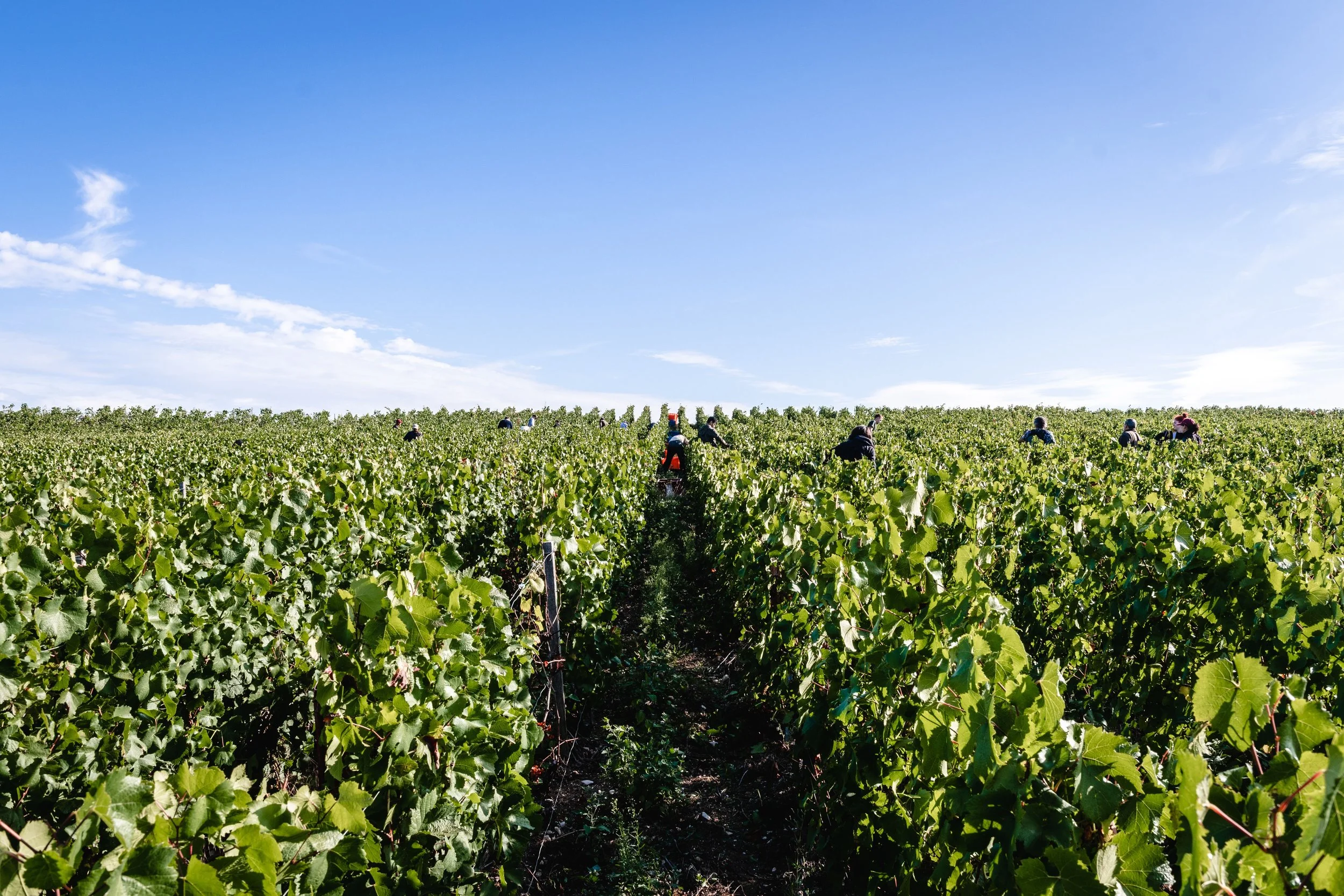
The CSR Impact Report emphasises the importance of social responsibility, fair value sharing, and worker wellbeing. This includes improving working conditions in vineyards and cellars, supporting training programmes, and ensuring that every person involved in the process is respected and empowered. To Maxime Toubart, President of the Syndicat Général des Vignerons de la Champagne and Co-President of the Comité Champagne, “the people of Champagne have always been imbued with the same pioneering spirit for respect of tradition”. For him, “it's only natural that CSR should be at the heart of our collective strategy”
Ten Years of UNESCO Recognition: A Moment for Reflection and Renewal
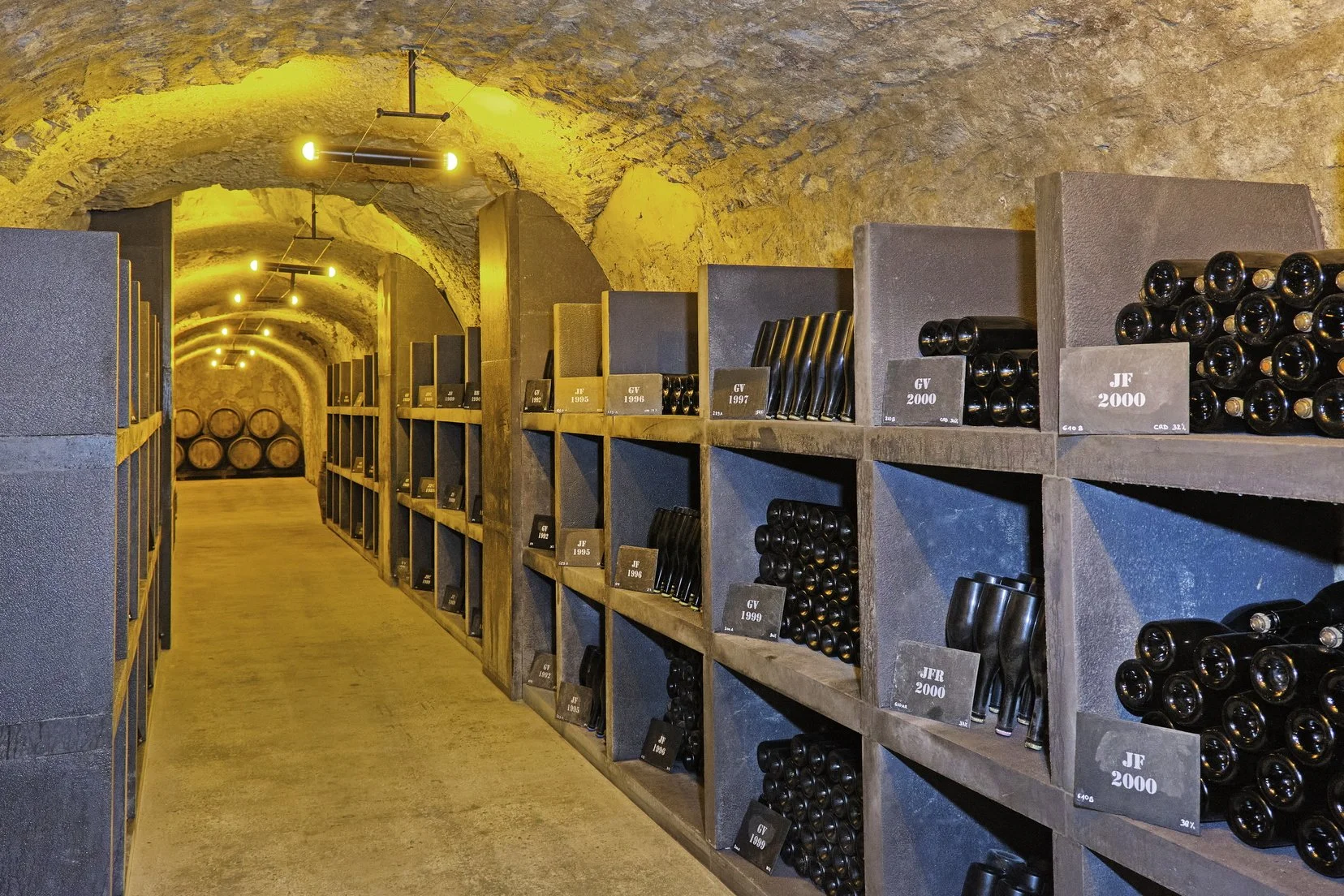
The tenth anniversary of UNESCO World Heritage recognition serves as a reminder that the beauty and identity of Champagne extend far beyond its cellars. The hillsides, houses, and underground crayères represent centuries of innovation and tradition.
This milestone also highlights the responsibility to ensure that these landscapes continue to thrive. Sustainability is not an abstract concept in Champagne. It is a means of safeguarding a cultural and environmental legacy so that future generations can inherit the same richness that exists today.
A Shared Vision for Tomorrow
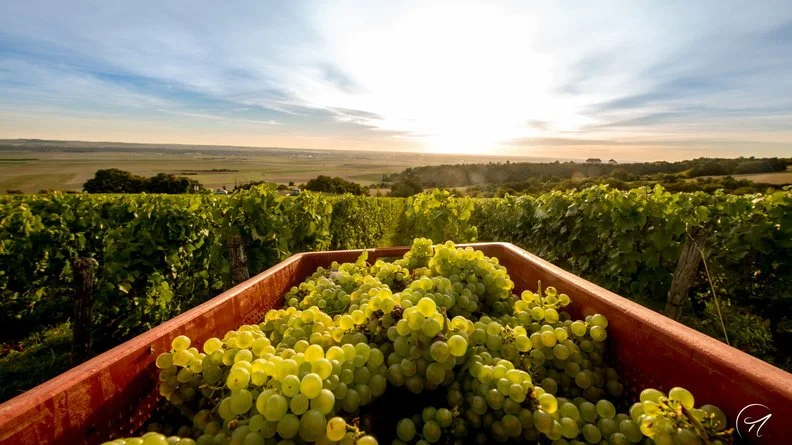
The Champagne community is united under a clear and inspiring vision. It aims to protect vineyards, strengthen regional identity, foster innovation in viticulture and production, promote responsible consumption, and prepare for the global challenges of the coming decades.
Source: Comité Champagne UK
This vision highlights that sustainability is inseparable from quality. Every step matters, from soil management to energy efficiency and from bottle design to community wellbeing. The goal is not only to create exceptional wines, but to do so in a way that honours people, enhances the environment, and preserves Champagne’s heritage.
Conclusion: Champagne as a Beacon of Responsible Excellence
In 2025, Champagne stands as a symbol of how a region can remain deeply rooted in tradition while embracing the future with courage and clarity. Its commitment to sustainability reflects more than compliance with global expectations. It is a testament to collective pride, shared responsibility, and a belief that excellence must always be accompanied by care for the planet and its people.

Source: Comité Champagne UK
As the world raises its glasses to celebrate the tenth anniversary of UNESCO recognition, Champagne invites us to appreciate not only its effervescence but also the values, innovation, and stewardship that make every bottle a tribute to both heritage and progress.