Paradiso: From Dream to Legacy
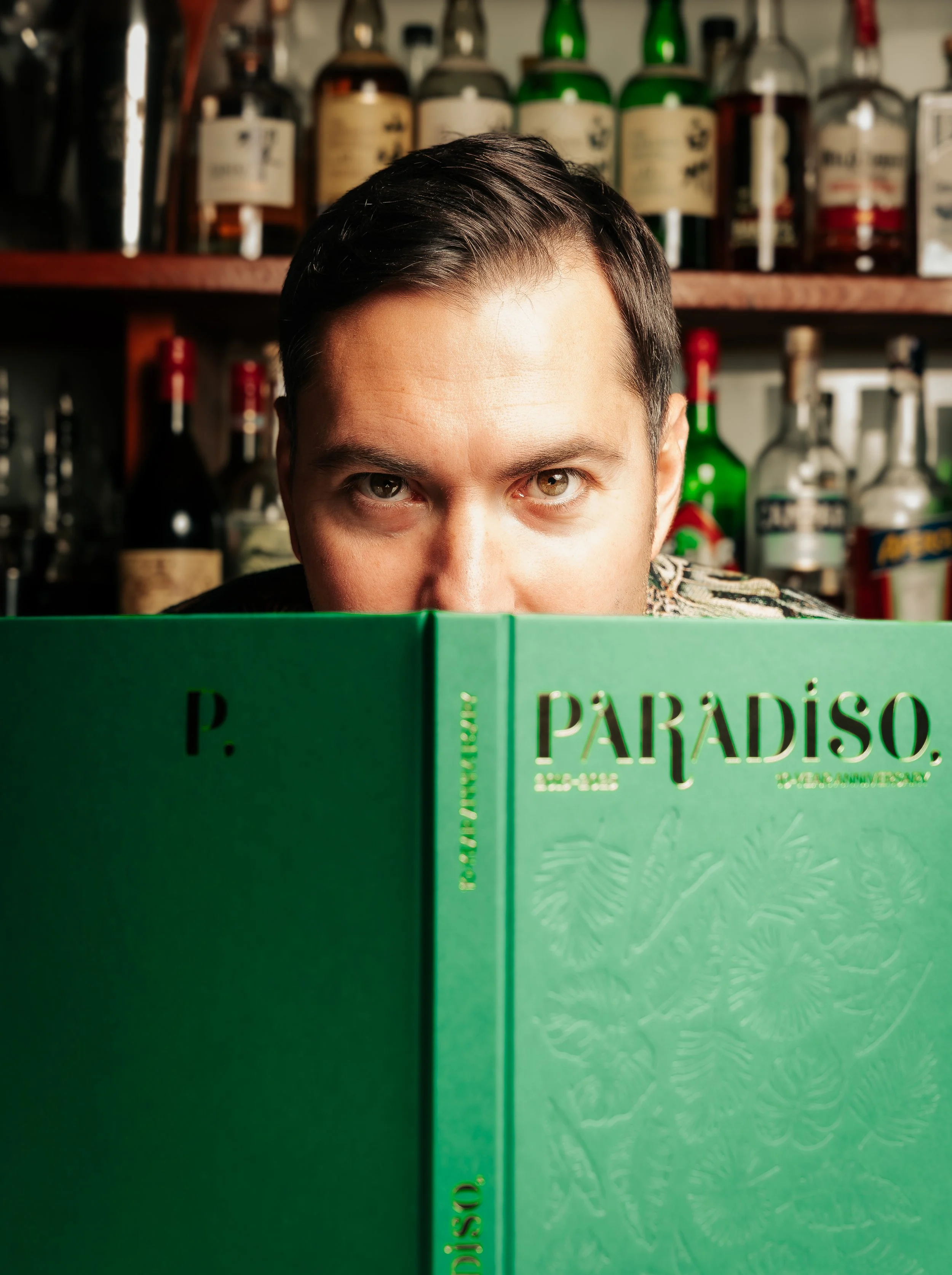
In Barcelona’s El Born district, behind what appears to be the refrigerator door of a pastrami shop, lies one of the most influential cocktail bars of the past decade. Paradiso has never been simply about drinks. It has been about imagination, theatre and the quiet discipline that underpins creativity.
Now, as it marks its tenth anniversary, founder Giacomo Giannotti has chosen to reflect not with spectacle, but with permanence. The publication of Paradiso: From Dream to Legacy is more than a commemorative gesture. It is a meditation on craft, resilience and the evolution of a modern icon.
Source: Paradiso
From Tuscany to Barcelona
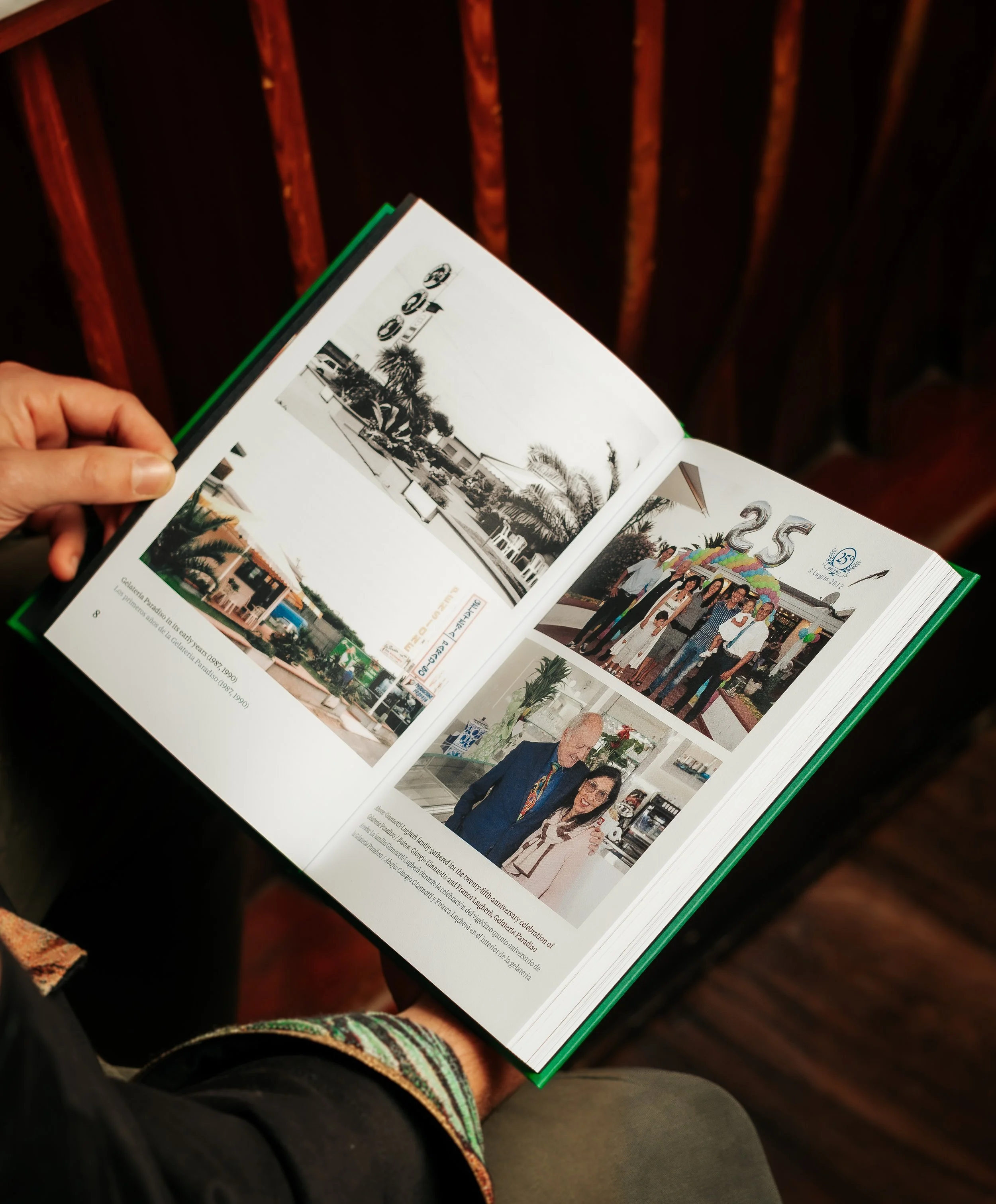
Giacomo Giannotti’s journey begins in Tuscany, in his family’s gelateria. There, long before liquid nitrogen and experimental glassware, he learned the fundamentals of flavour, patience and repetition. The gelateria was not glamorous. It was disciplined. Each batch required balance, precision and an understanding of seasonality. These early lessons would later shape his approach to cocktails.
After moving to Barcelona in 2012, Giannotti refined his understanding of hospitality at the Eclipse Bar at the W Hotel and later at the Ohla Hotel under Giuseppe Santamaria. Barcelona, with its layered cultural identity and appetite for reinvention, proved fertile ground for experimentation.
Source: Paradiso
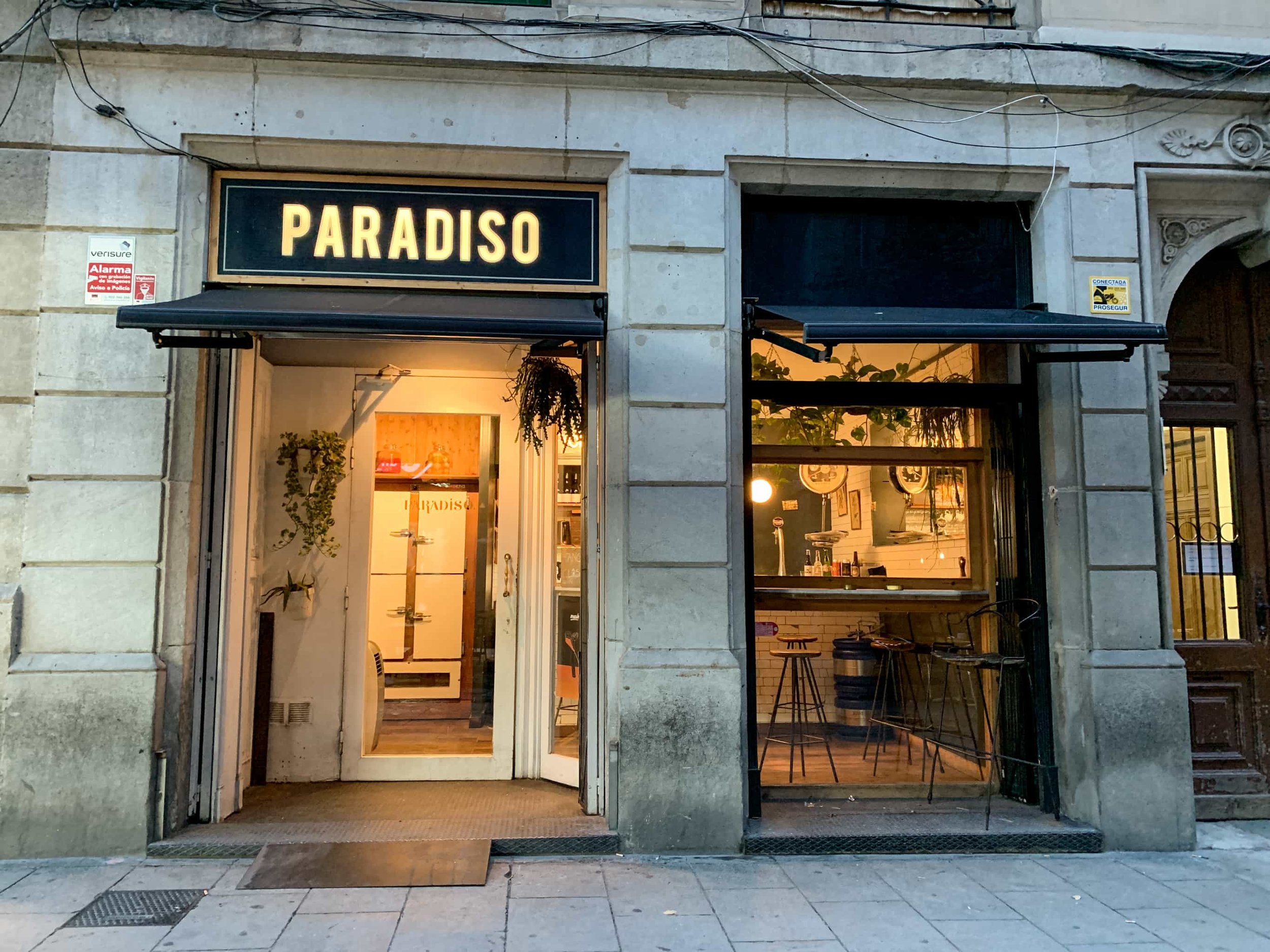
When Paradiso opened in 2015, concealed behind a fridge door in a modest sandwich shop, it tapped into the romance of the speakeasy while subverting it. This was not nostalgia for prohibition. It was a deliberate act of storytelling. Guests crossed a threshold and entered a world defined by sculptural interiors, surrealist influences and cocktails that felt almost architectural.
A Decade of Reinvention
Over the past ten years, Paradiso has consistently challenged the boundaries of mixology. It reached a defining milestone in 2022 when it was named The World’s Best Bar, and it continues to rank among the top bars globally.
Source: Paradiso
Yet the bar’s significance lies not only in awards. It lies in its commitment to reinvention. Each menu has functioned as a conceptual exploration, most recently delving into themes such as the mysteries of the universe. At the heart of these explorations is the Paradiso Lab, where the team develops techniques that blend innovation with sustainability. Clarified liquids, textural contrasts and unexpected ingredients are not used for spectacle alone. They are deployed in service of narrative and flavour.
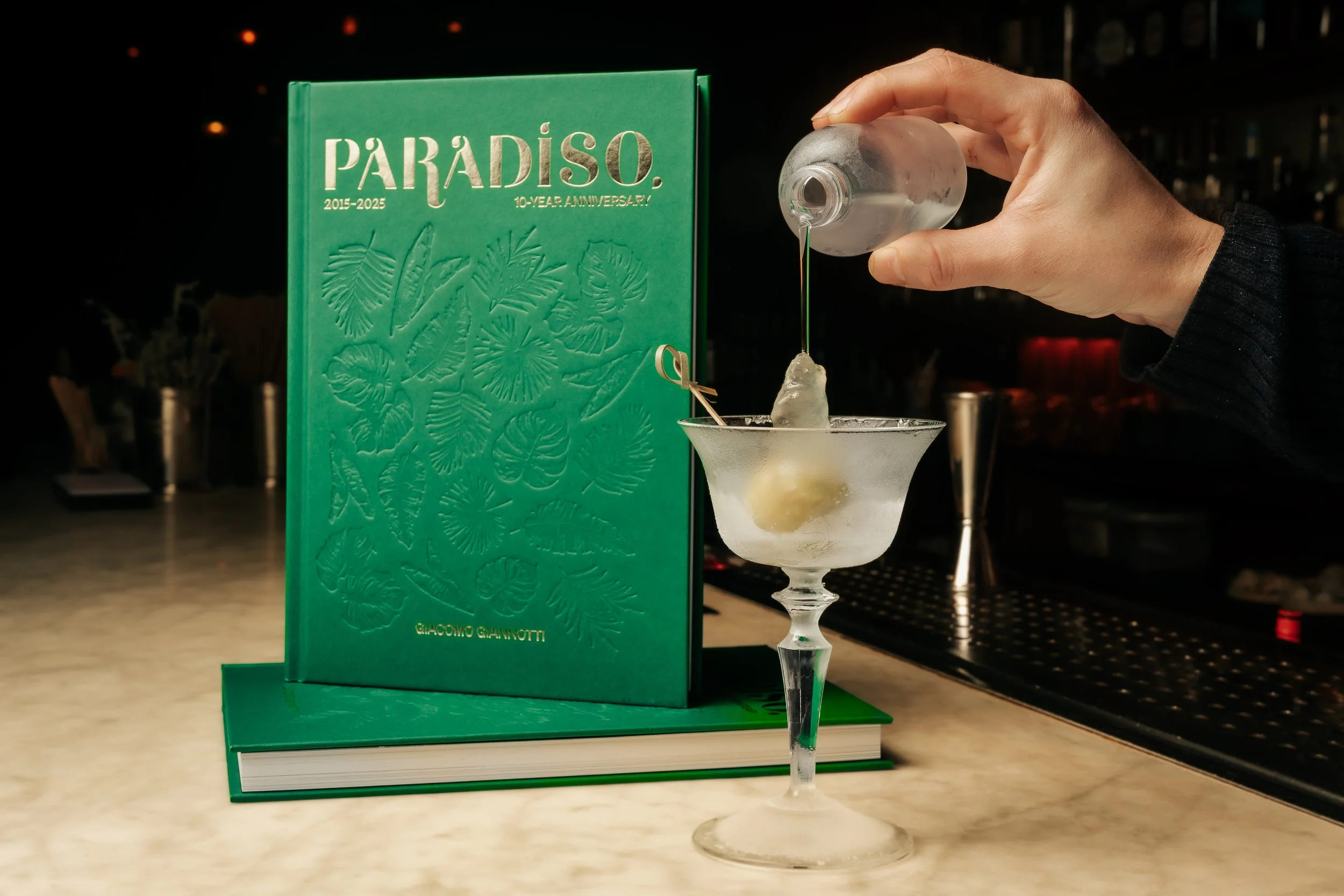
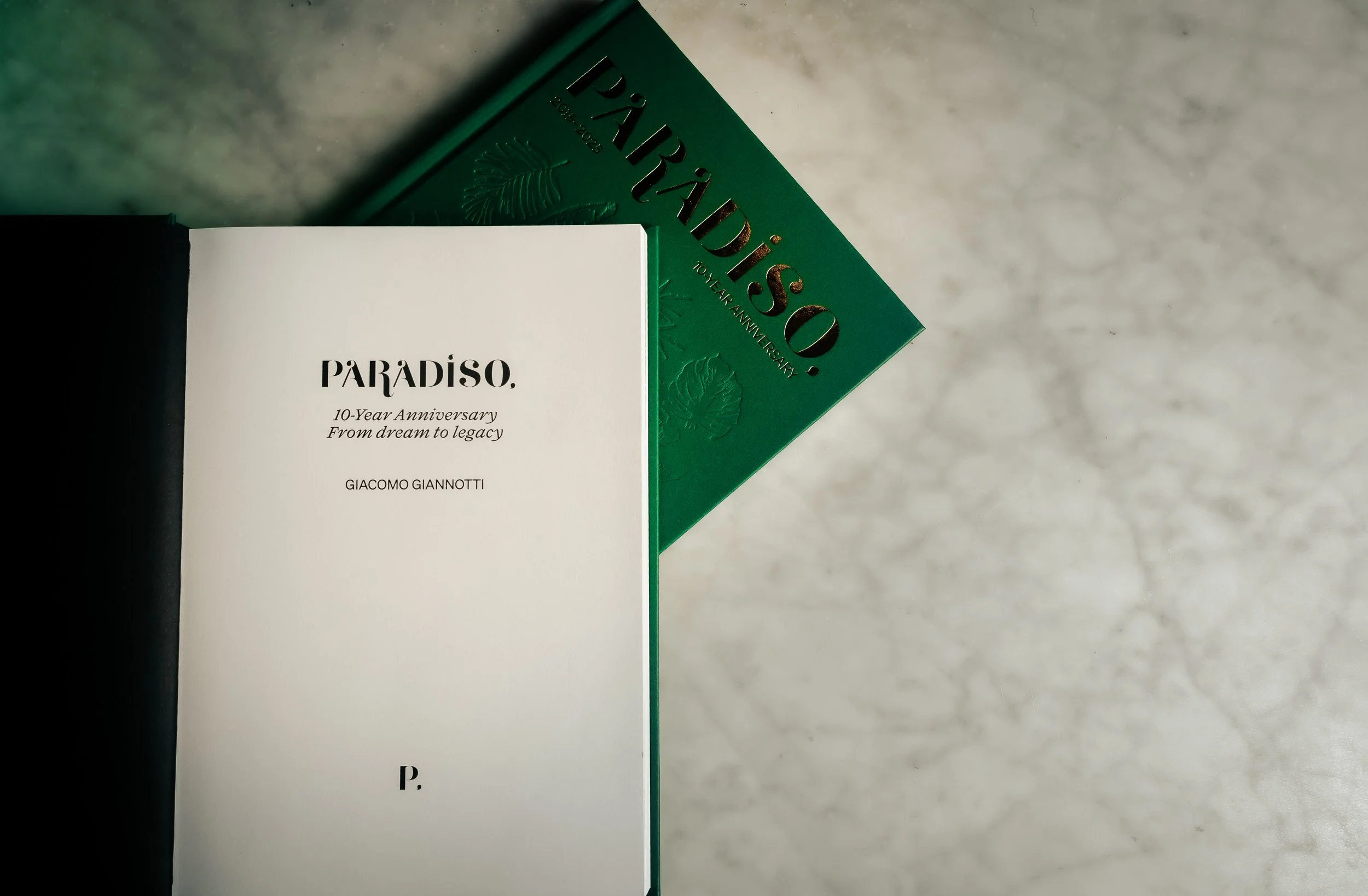
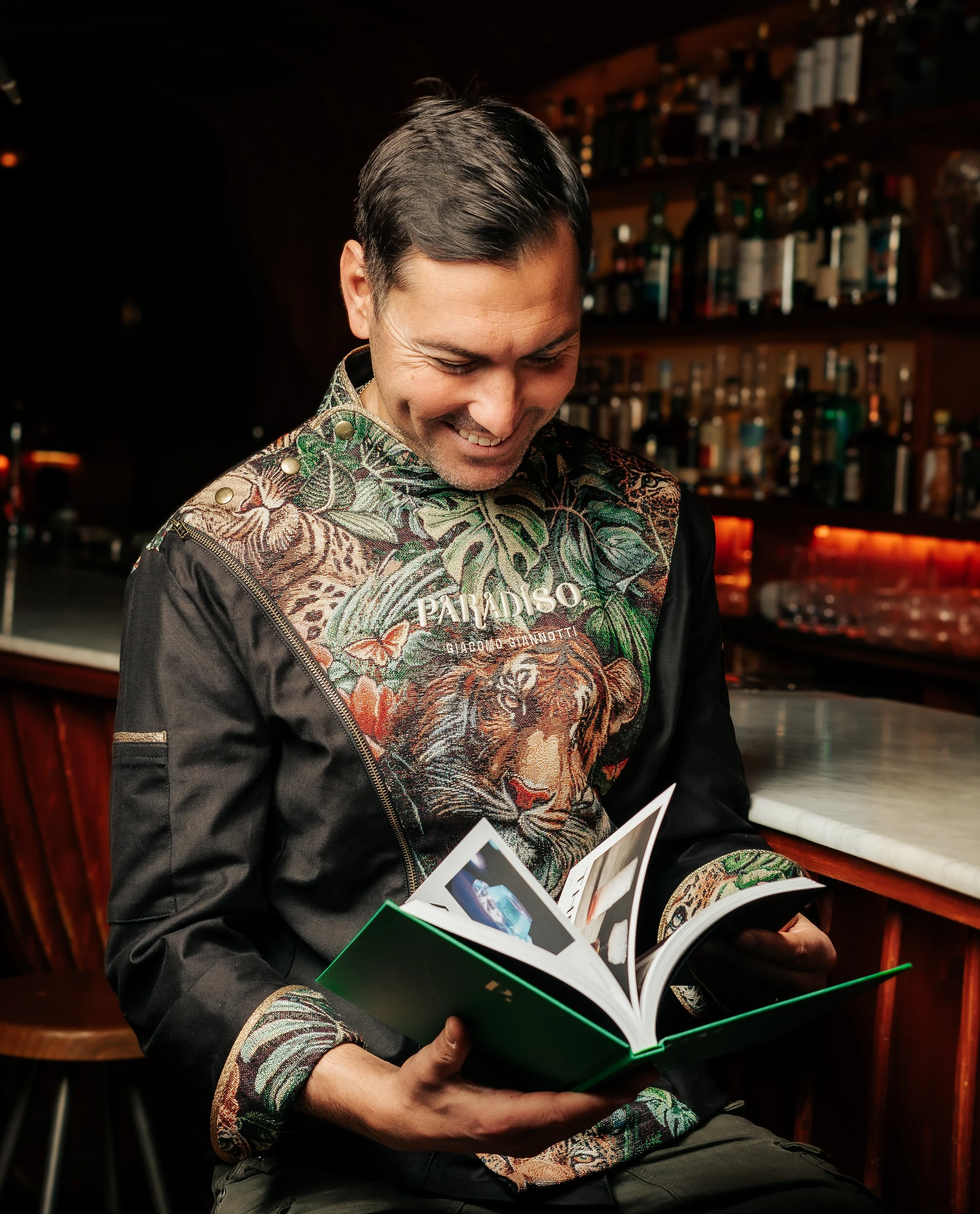
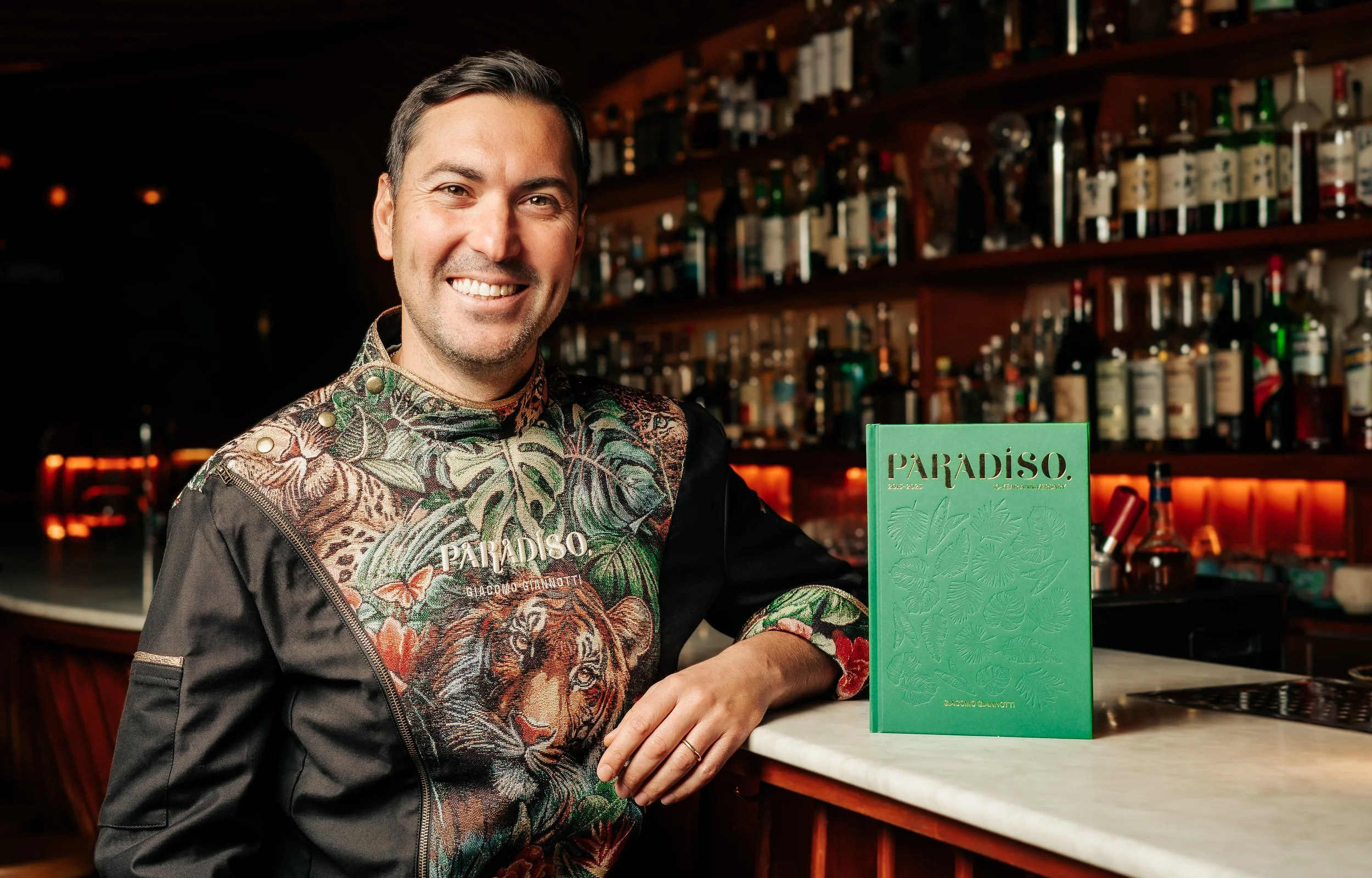
In Paradiso: From Dream to Legacy, readers encounter these menus as chapters in an unfolding story. The book is bilingual, in English and Spanish, reflecting the bar’s local roots and global reach. Rather than presenting a static collection of recipes, it traces an arc from Giannotti’s formative years to Paradiso’s emergence as an international reference point.
Source: Paradiso
Each cocktail selected for the book represents a moment in time, capturing the ethos of a particular era. Together, they form a portrait of a bar that has matured without losing its sense of curiosity.
Design as Identity
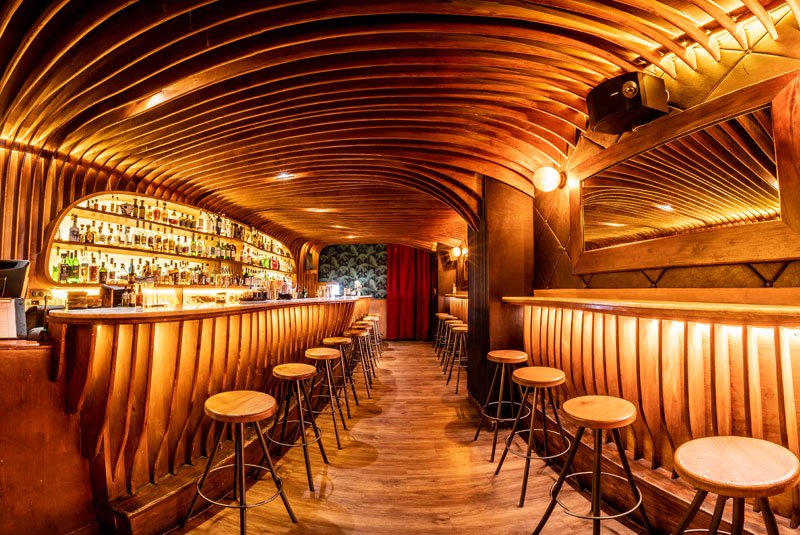
Paradiso’s aesthetic is inseparable from its philosophy. The interior, often described as Daliesque, draws on Catalan surrealism and contemporary design. Warm wood curves envelop the space, guiding the eye towards a bar that feels sculpted rather than constructed. Lighting is theatrical yet intimate, casting shadows that heighten anticipation.
Source: Paradiso
This commitment to spatial storytelling aligns with the broader European tradition of cafés and bars as cultural salons. In Barcelona, where art and gastronomy intertwine, Paradiso sits comfortably within that lineage while projecting something distinctly modern.
The book mirrors this sensibility. It is conceived not merely as a manual but as an object. Its pages document glassware experiments, ingredient sourcing and behind the scenes processes that reveal how ideas are translated into experience. It honours the team as much as the founder, acknowledging that longevity in hospitality is always collective.
Sustainability and Responsibility
In an era where innovation often risks excess, Paradiso has quietly integrated sustainability into its creative process. The Paradiso Lab prioritises responsible sourcing and techniques that minimise waste. Ingredients are repurposed, seasonal produce is celebrated and the theatrics of presentation are balanced with practical awareness.
Source: Paradiso
This approach reflects a broader shift in global hospitality, where sustainability is no longer a secondary consideration but an intrinsic component of excellence. The book underscores this evolution, demonstrating how environmental consciousness can coexist with technical ambition.
Expansion Without Dilution
Over the past few years, Giannotti has expanded the Paradiso vision beyond Barcelona, opening venues in Dubai and Ibiza while maintaining a presence in the city that gave the concept its soul. Each new opening carries elements of the original philosophy but adapts to its context.
Such expansion raises questions about authenticity. Yet what distinguishes Paradiso is its clarity of identity. The core remains intact: a belief that cocktails can tell stories, that hospitality is theatre grounded in generosity, and that creativity flourishes through discipline.
A Personal Reflection on Legacy
Reading Paradiso: From Dream to Legacy, one senses that Giannotti understands something essential about time. A decade in hospitality is both fleeting and monumental. Bars rise quickly and disappear just as fast. Sustaining relevance requires constant recalibration.
What the book ultimately offers is not merely technical insight, but reassurance. It reminds aspiring bartenders and seasoned professionals alike that mastery is cumulative. It is built in small acts of refinement, in quiet mornings preparing syrups, in late nights perfecting balance.
Source: Paradiso
For Avesso’s readers, who appreciate the intersection of design, gastronomy and cultural narrative, Paradiso’s story resonates beyond the bar counter. It speaks to the broader question of how dreams evolve into institutions. How spaces become landmarks not through grand declarations, but through consistency of vision.
As Barcelona continues to redefine itself as a global gastronomic capital, Paradiso stands as a symbol of what happens when imagination is sustained by rigour. The book is a milestone, certainly. But it is also an invitation to consider the legacy we build when we commit to craft over time.
In that sense, Paradiso’s first decade is less a conclusion than a beginning.