A Midsummer Night in Soho: Retro Chic and the Art of Carrying the Past Forward
Credits: Courtesy of Retro Chic
There are objects we choose because they belong to a particular moment, and others that seem to resist the idea of time altogether. Jewellery has always occupied an intriguing space between the two. It responds to fashion, yet often outlives it through history. It can be decorative, symbolic, sentimental or political. A necklace may begin as an object of adornment and eventually become a repository of memory, carrying with it the places where it was worn, the people who gave it and the lives through which it passed.
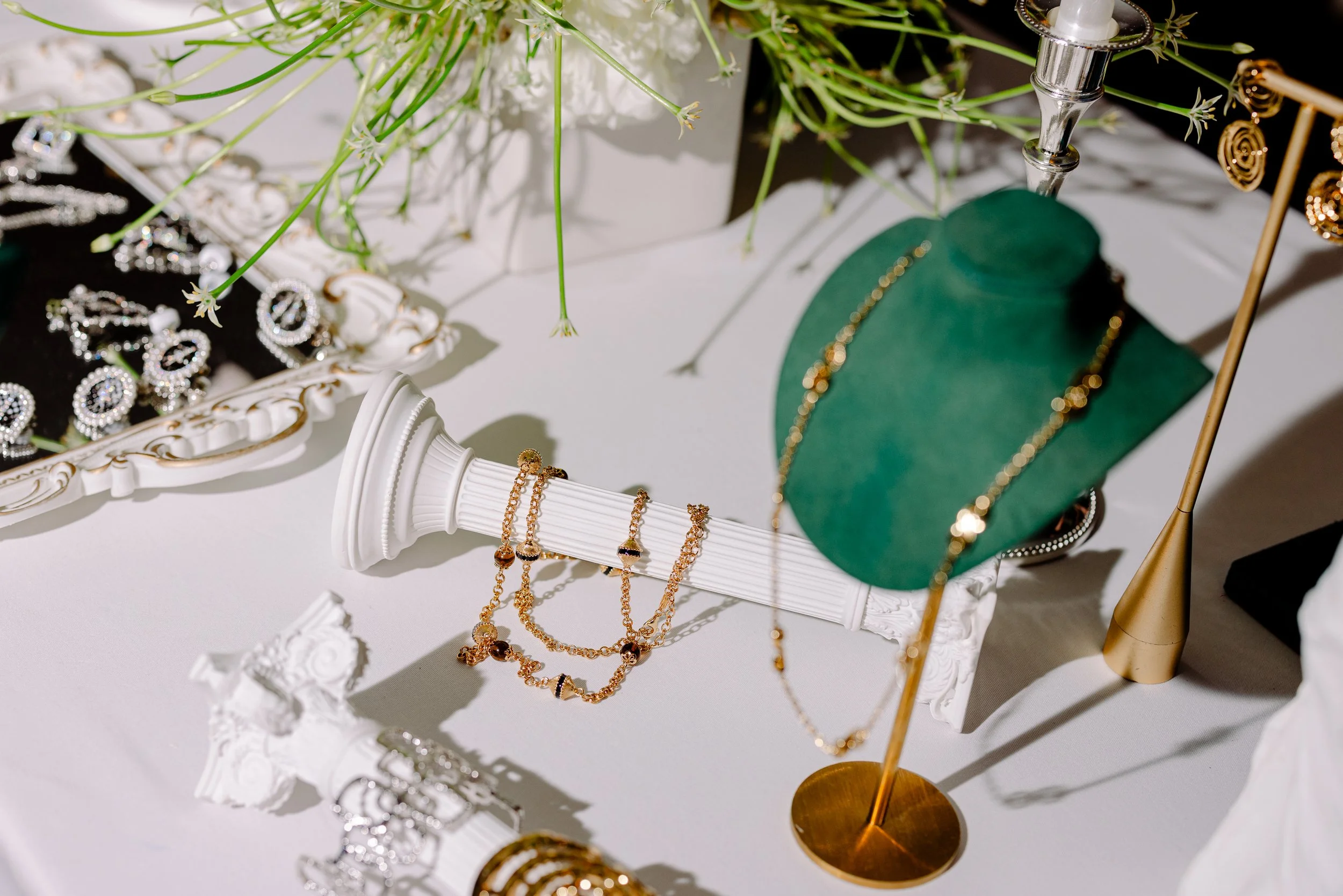
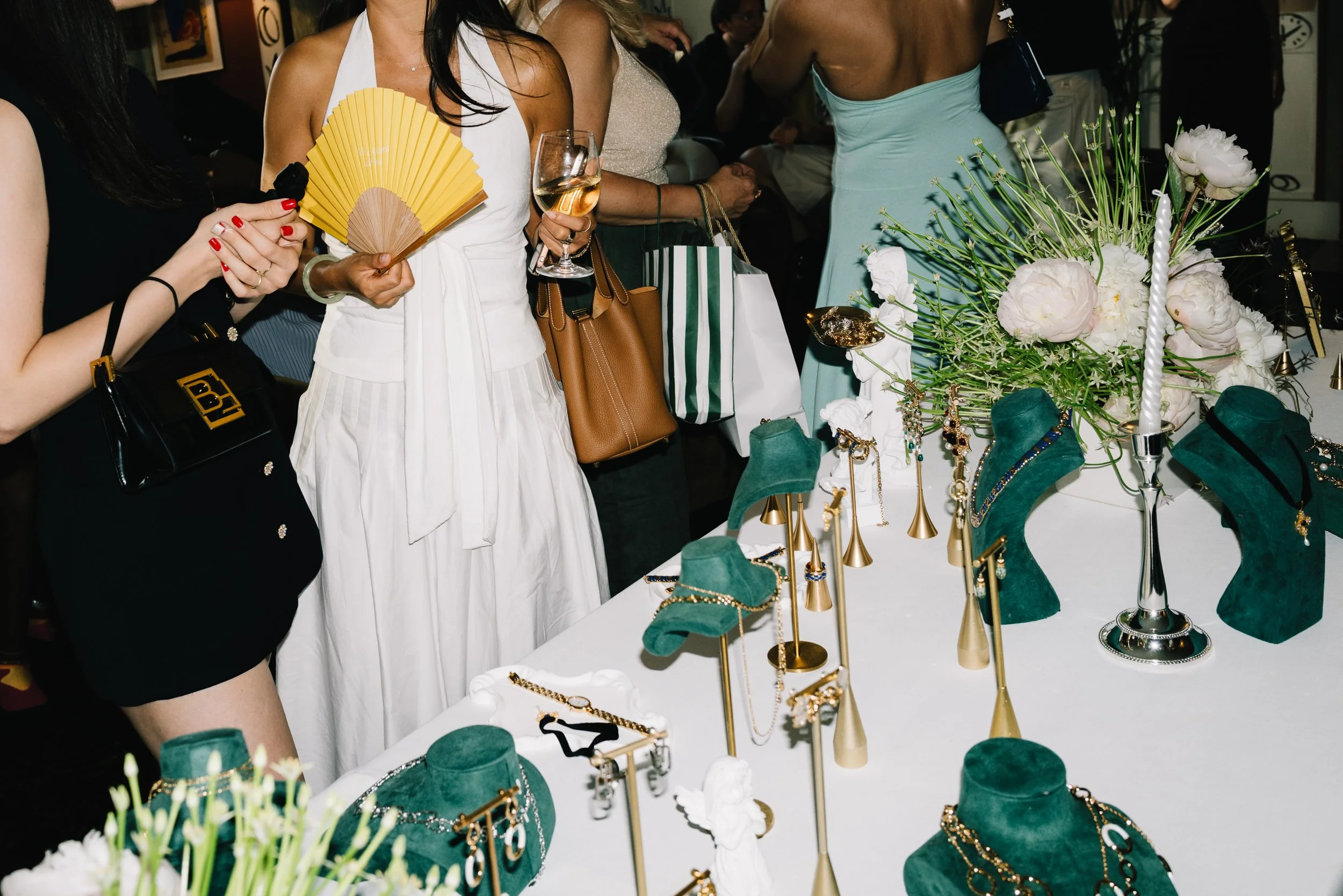
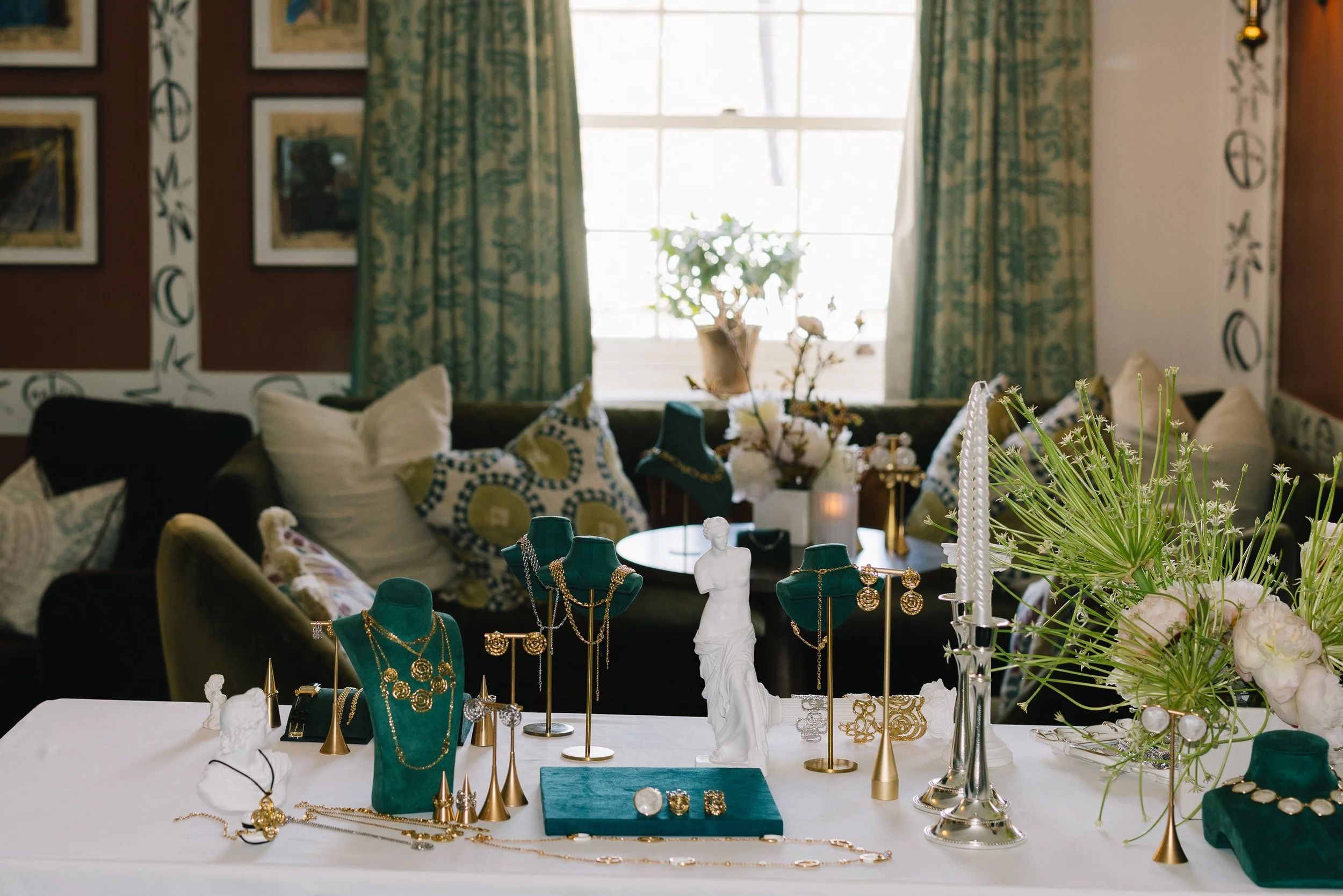
It was this relationship between past and present that seemed to run quietly through Midsummer Night's Dream, an evening hosted by Retro Chic at Soho House on Dean Street in London in June. Avesso Magazine was invited to attend the London event, which brought together jewellery, cocktails, flowers, ballet and music in an immersive introduction to the brand's collections. Such an interesting night that I was able to be part of it on behalf of the magazine.
Rather than presenting jewellery in the conventional language of a showroom, Retro Chic constructed an atmosphere around it, inviting guests to encounter the pieces through movement, storytelling and experience. Against the familiar intimacy of Soho House, the evening unfolded slowly. Cocktails and canapés circulated between conversations. Flowers became part of the experience through a workshop. Ballet introduced another form of craftsmanship, one built upon repetition, discipline and the body. Later, DJ sets shifted the atmosphere towards the rhythms of a London summer night. At the centre of it all was jewellery.
And beneath the romantic language of midsummer was a more interesting question: what does it mean for a contemporary jewellery brand to build its identity around the past?
Florence, Craft and the Seduction of History
Retro Chic describes itself as a Florence-born jewellery and watch brand inspired by vintage design and grounded in thousands of years of jewellery heritage. Its pieces are handcrafted by Italian artisans, with the brand positioning classical artistry alongside contemporary femininity and individual expression. Florence provides an evocative point of departure for such an identity.
Few European cities have a relationship with craftsmanship quite like it. Art, architecture and decorative traditions are embedded into the city's cultural identity, while the history of Florentine goldsmithing stretches across centuries. Jewellery in this context belongs not simply to fashion, but to a broader ecosystem of making.
That distinction matters significantly. At a moment when the language of luxury is being reconsidered, craftsmanship has acquired renewed significance. The most interesting conversations around luxury today increasingly move beyond exclusivity and visibility towards provenance, longevity, cultural knowledge and the human skills required to make an object. Retro Chic's aesthetic draws upon this territory through designs that borrow from historical forms without attempting to reproduce history literally.
Credits: Courtesy of Retro Chic
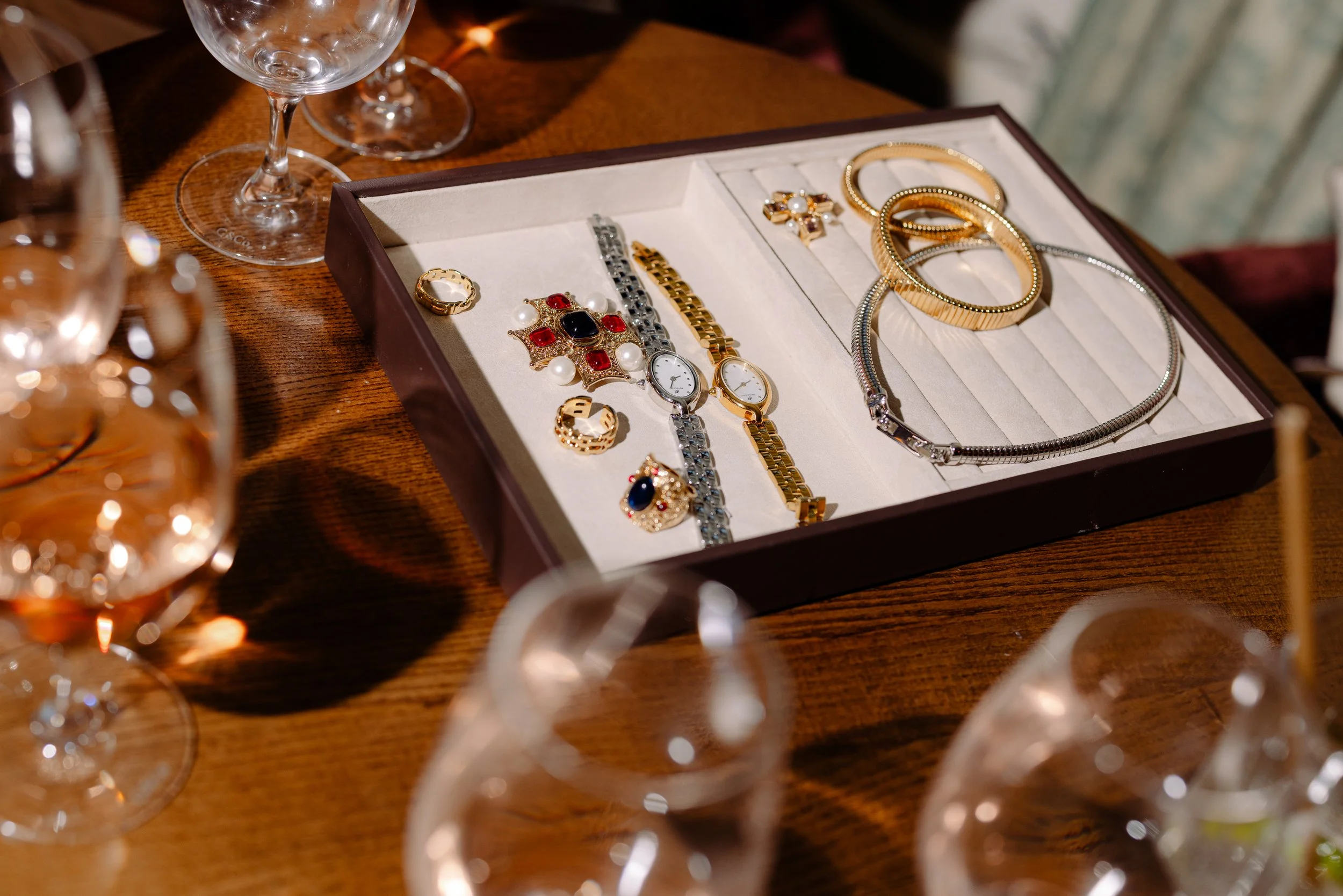
Throughout the evening, guests encountered pieces from the brand's signature collections, including its British Museum collaboration, Garden of Eden designs and its SS26 collection. Watches and jewellery existed alongside the theatrical elements of the night, creating a dialogue between object and performance rather than presenting the pieces as isolated products.
It was a fitting approach because jewellery has rarely existed in isolation. It belongs to bodies, ceremonies, belief systems, courtship, mourning, celebration, power and identity. Long before jewellery became part of the modern fashion industry, humans were already using objects worn against the body to communicate who they were and what they valued.
When a Museum Becomes a Design Archive
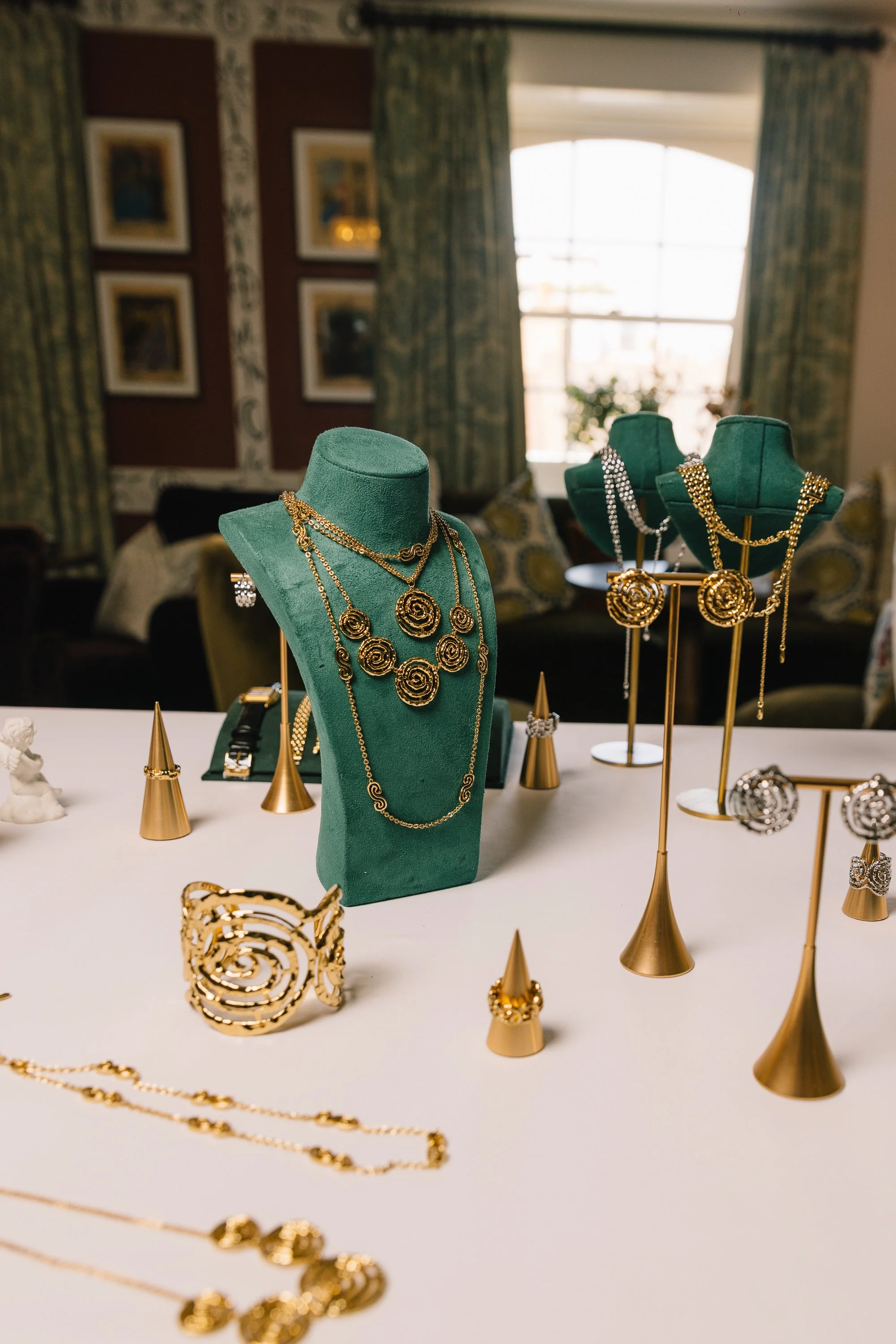
Among the collections presented, the British Museum collaboration offered perhaps the most interesting entry point into the relationship between jewellery and cultural memory. The collection includes pieces inspired by historical forms, including designs associated with Ishtar and a series constructed around the spiral motif. Retro Chic's materials present Ishtar Goddess earrings, necklace and ring alongside a broader group of spiral designs that includes rings, earrings, drop earrings, hoops and a necklace.
Retro Chic's Spiral collection translates visual language into textured golden forms. After the event, I was sent the Spiral Necklace and matching Spiral Earrings from the British Museum collaboration, allowing me to encounter the pieces away from the choreography of the launch itself. The brand's own collection materials identify the necklace and earrings among the designs within the collaboration.
Credits: Courtesy of Retro Chic
Seen closely, the necklace is organised around five spiral motifs, graduating towards a larger central form. The earrings repeat the circular vocabulary on a smaller scale. Rather than relying upon a completely smooth surface, the pieces have a deliberately tactile appearance, allowing light to move irregularly across the metal.
It is a detail that becomes more apparent in the hand than in an image. And it changes the experience of the design. The spiral does not feel like a graphic symbol placed onto jewellery. It feels dimensional, almost archaeological in character, while remaining sufficiently restrained to be worn with contemporary clothes. Heritage-inspired design is most convincing when history functions as a source rather than a costume.
Soho as a Setting
Location also mattered. Soho has long been one of London's great spaces of reinvention. Its identity has been shaped by migration, nightlife, restaurants, music, publishing, theatre and changing ideas of creative freedom. Even as its streets have become increasingly polished, the neighbourhood retains a certain ability to accommodate contradiction.
Italian-inspired jewellery informed by historical references, presented through ballet and flowers inside a London members' club, could easily have become an exercise in aesthetic excess. Instead, the intimacy of Dean Street kept the evening relatively contained.
Credits: Courtesy of Retro Chic
The contrast was part of its appeal. Ancient motifs encountered contemporary London. Italian craftsmanship met the social rituals of Soho. Museum references existed alongside cocktails and DJ sets. It reflected the way cultural influence actually operates in contemporary cities: not as a neat sequence of traditions, but as constant circulation.
The Question of Timelessness
The word timeless appears frequently in luxury. It is an appealing promise, particularly in industries built upon seasonal change. Yet perhaps nothing is truly timeless. Objects endure precisely because they move through time, acquiring different associations as the societies around them change. Jewellery makes this especially visible.
A motif can originate in one cultural or historical context and appear centuries later in another. Its original meaning may evolve or disappear entirely, while its visual power survives.
Credits: Courtesy of Retro Chic
This is where Retro Chic's historical references become more interesting than nostalgia alone. The most compelling pieces do not ask their wearer to recreate another era. Instead, they take fragments of an older visual language and place them within contemporary life.
The brand's reference imagery reinforces this approach, styling historically influenced jewellery not as costume but with modern tailoring, shirts and everyday clothing. It suggests that heritage becomes most relevant when it is allowed to live rather than simply to be admired. The distinction is subtle, but significant. A museum protects an object by preserving it. Jewellery survives differently. It survives by being worn.
Avesso Magazine attended Retro Chic's Midsummer Night's Dream at Soho House as a guest. Following the event, Retro Chic gifted the writer pieces from its British Museum collaboration. Editorial opinions remain independent.