Between Hand and Moment: Kumori and the Precision of Now in Soho
Source: Kumori
There is a particular kind of energy that defines Soho. It is not only the movement of people or the density of culture, but the way in which different worlds intersect without effort. Food, music, fashion and nightlife coexist here in a rhythm that feels instinctive rather than curated.
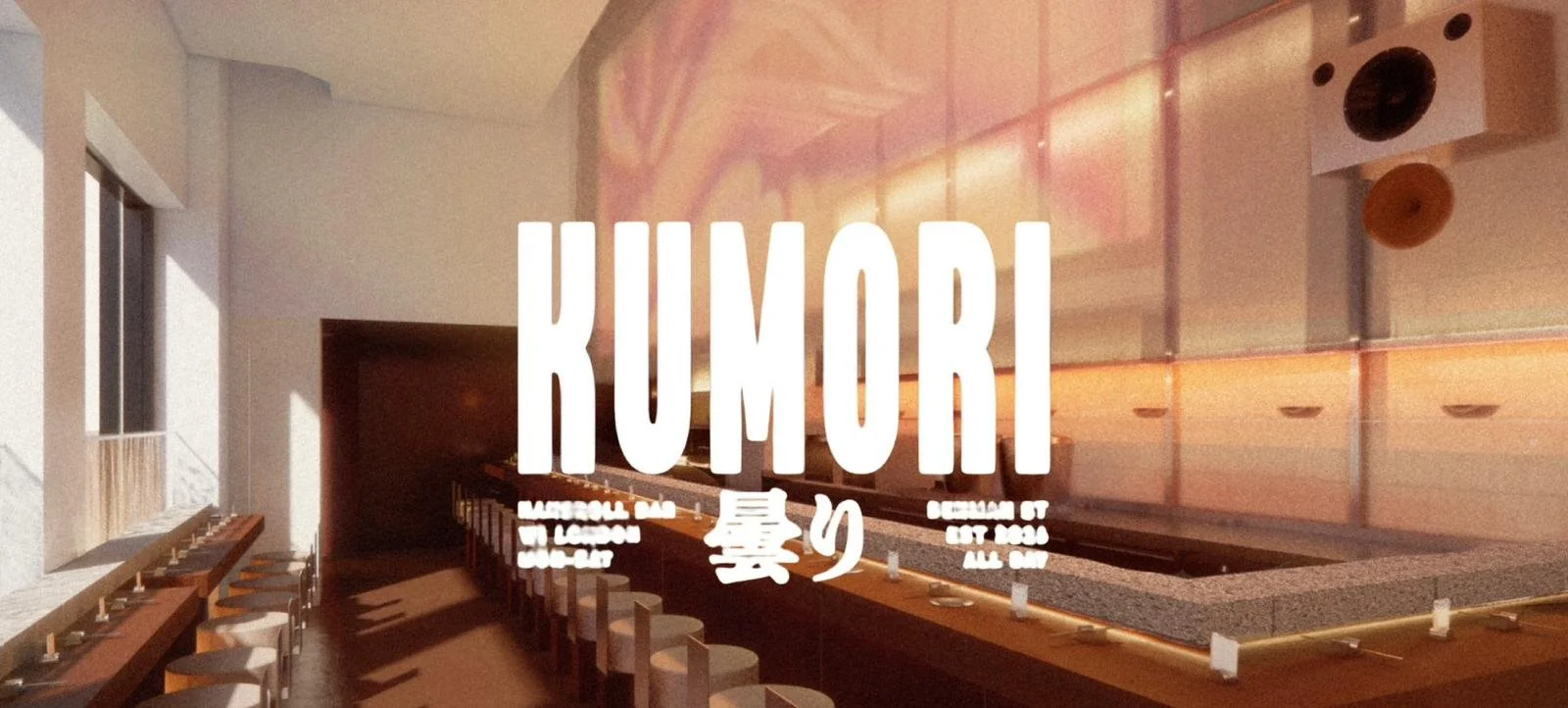
It is within this context that Kumori has found its place. Opening its first permanent home on Denman Street this spring, Kumori introduces a hand roll concept that feels both grounded in tradition and distinctly shaped by the tempo of London. The space is compact, counter-led and immediate. From the moment you step inside, there is a sense that everything is in motion.
The Art of Timing
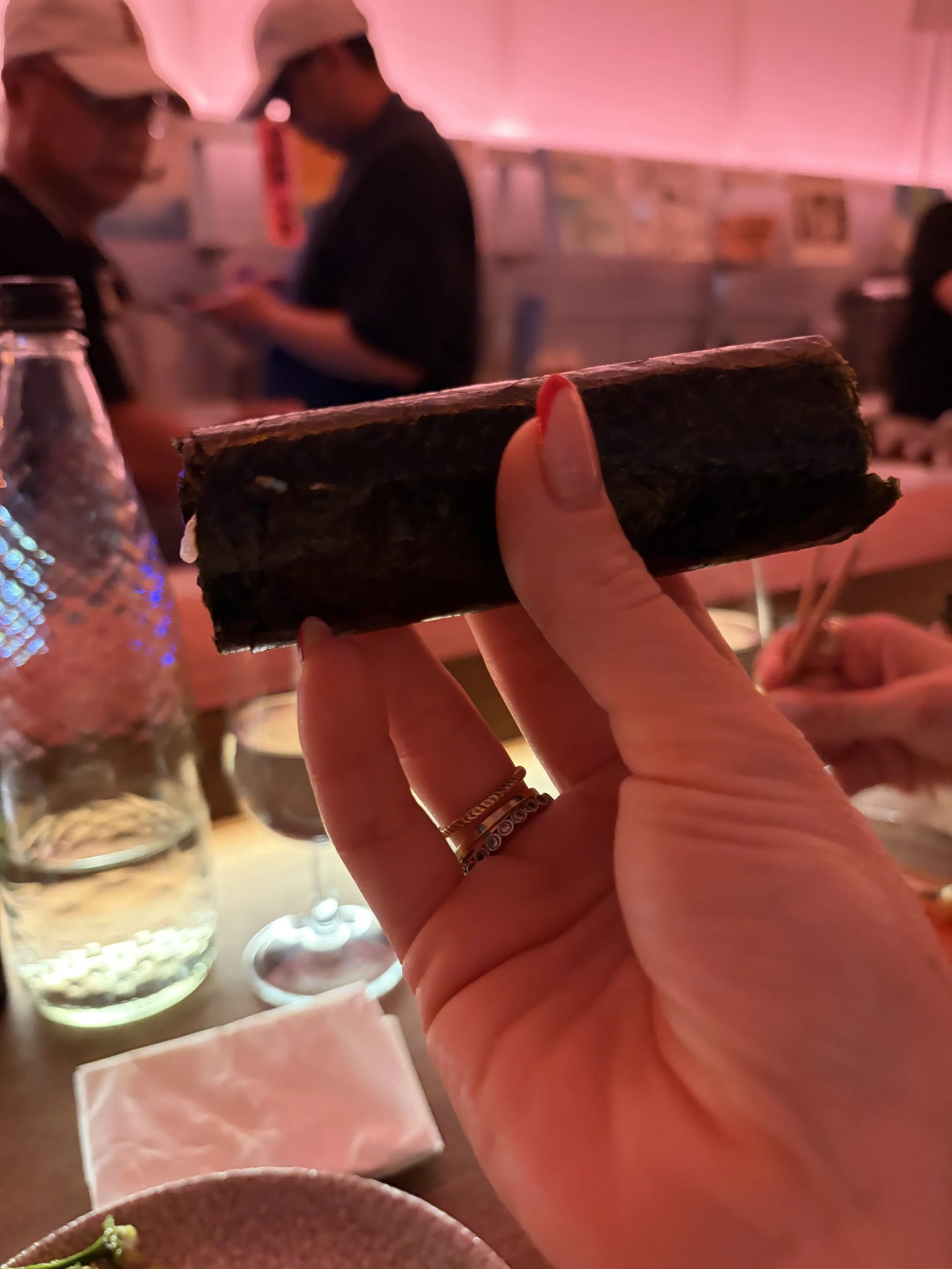
The philosophy behind a hand roll bar is deceptively simple. It is built around timing. Unlike more formal sushi formats, where dishes arrive composed and complete, here the experience unfolds in seconds. A hand roll is made in front of you and passed directly into your hand. No plate. No delay. The expectation is clear. It must be eaten immediately.
This immediacy transforms the act of dining. Texture becomes central. Warm rice meets cool fish. Nori remains crisp for only a fleeting moment. The balance is precise, almost fragile. At Kumori, this fleeting moment becomes the focus.
Founder Marc Flekei speaks of an obsession with fundamentals, particularly the seconds between preparation and the first bite. It is a detail that might seem small, yet it defines the entire experience. In a city where dining often leans towards spectacle or complexity, this return to timing feels almost radical.
A Counter as Stage
The design of Kumori reinforces this philosophy. Created by CAKE Architecture, the space draws inspiration from the idea of Tokyo Bay at sunset. A meeting point between nature and industry, where light softens the edges of structure. At its centre is a long counter, crafted from timber and stone. It functions as both a table and a stage. Here, the chefs work in full view, their movements precise and continuous.
During our visit, we were seated directly at the counter, a position that allows for a deeper understanding of the process. Our favourite place to sit. Each gesture carries intention. The slicing of fish, the shaping of rice, and the careful placement of ingredients before the roll is closed and handed over.
There is a quiet choreography to it. A rhythm that builds over the course of the evening. Music plays an essential role in this atmosphere. Custom-built speakers fill the space with a warm, immersive sound, shifting from day to night with a selection that leans into house and rap. It is not background. It is part of the experience, shaping the tempo of service and the mood of the room. The playlists are indeed amazing and worth the buzz.
Between Tradition and Interpretation
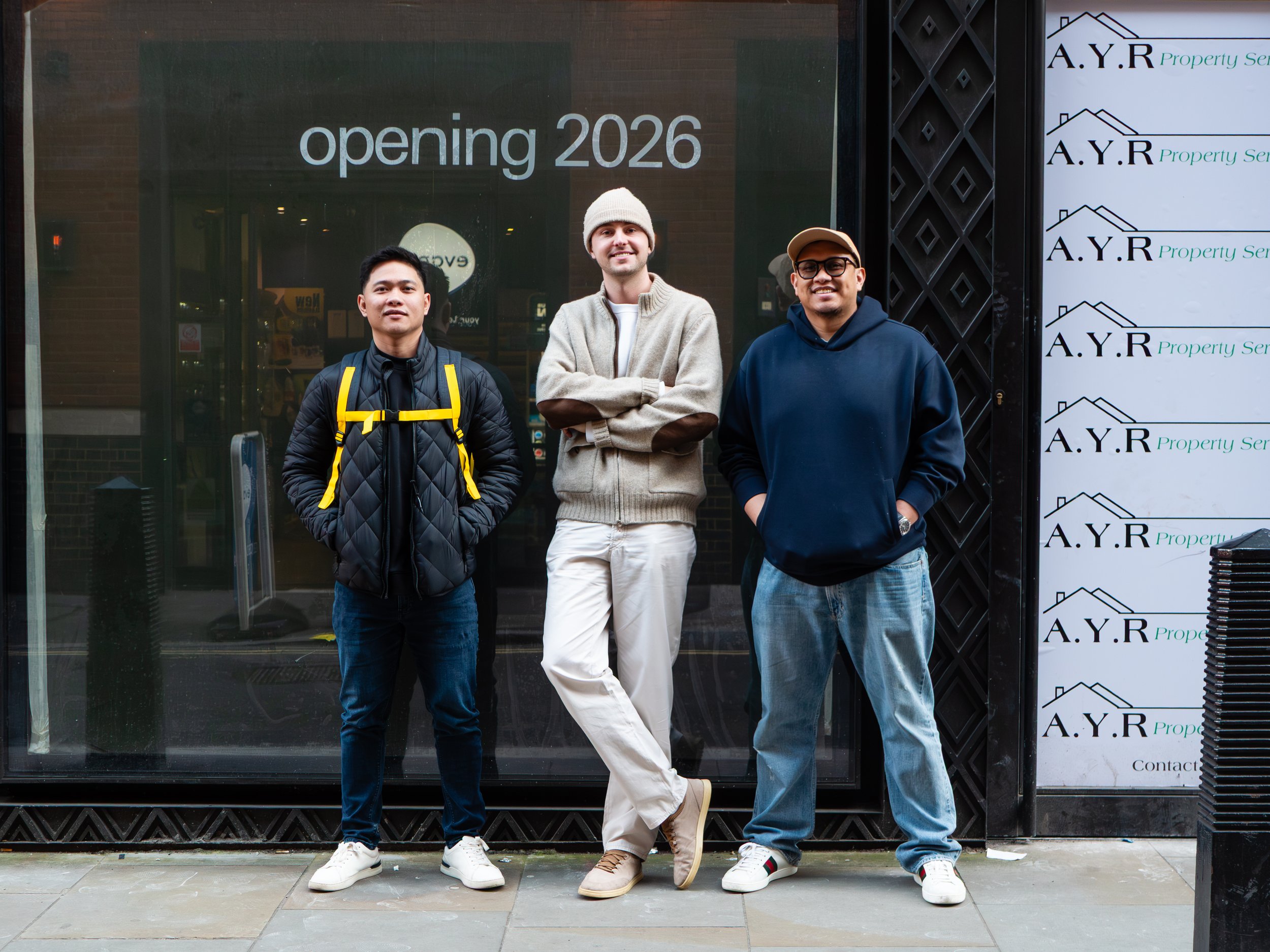
At the heart of Kumori’s culinary approach is Head Chef John Randy De Guzman, whose background spans some of the most respected names in Japanese cuisine. His experience in traditional omakase is evident in the precision of technique, yet there is also a willingness to experiment.
Source: Kumori - Left (Alvin), Middle (Marc), Right (John)
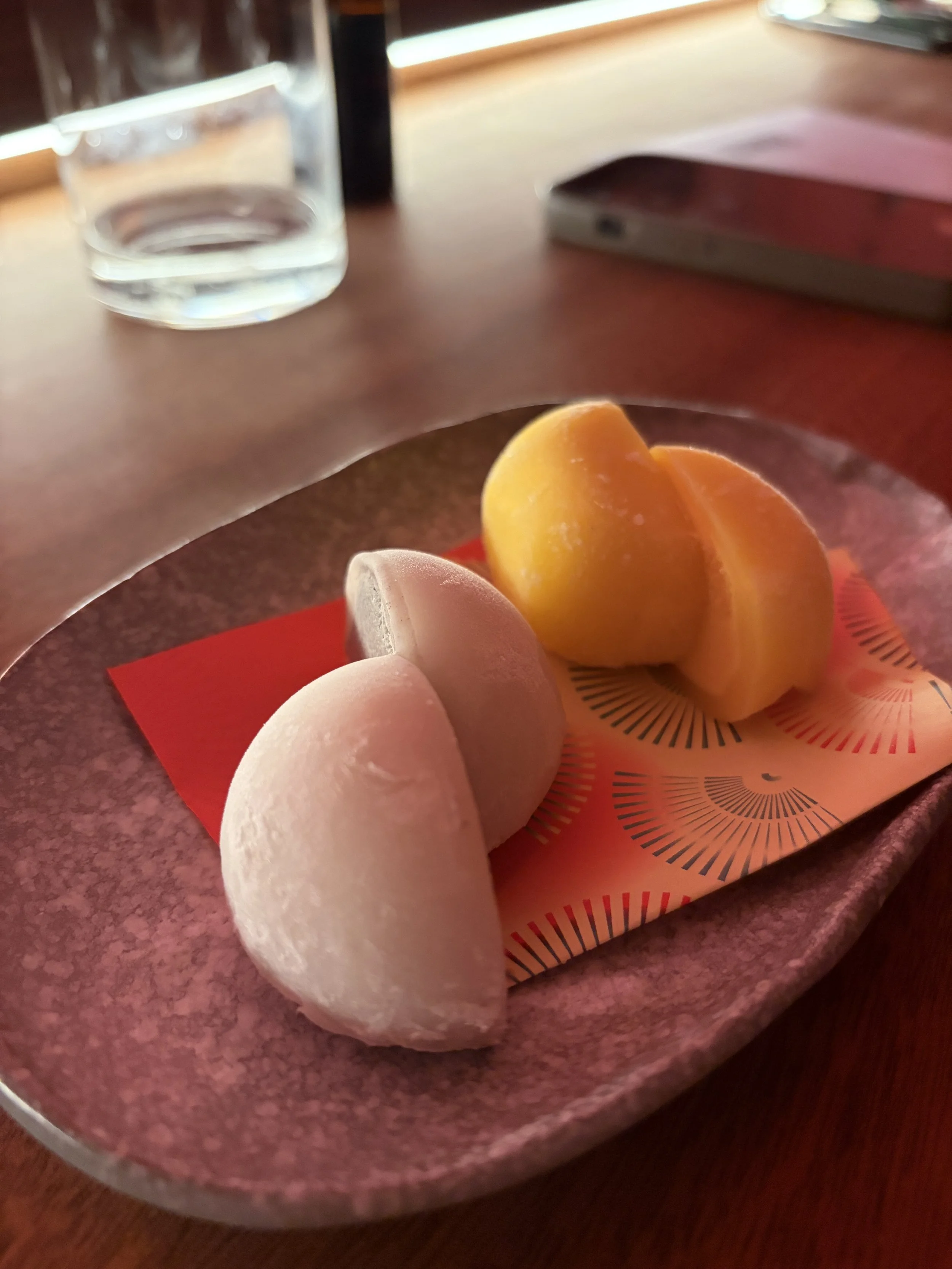
This duality is reflected in the menu. Hand rolls take centre stage, supported by a selection of sashimi, small plates and nigiri. Classic combinations sit alongside more indulgent interpretations. The aim is not to replicate tradition, but to reinterpret it. During our visit, we began with padrón peppers, followed by dishes such as salmon karashi su miso and yellowtail with yuzu truffle. Each plate offered a different perspective on balance, moving between acidity, richness and freshness.
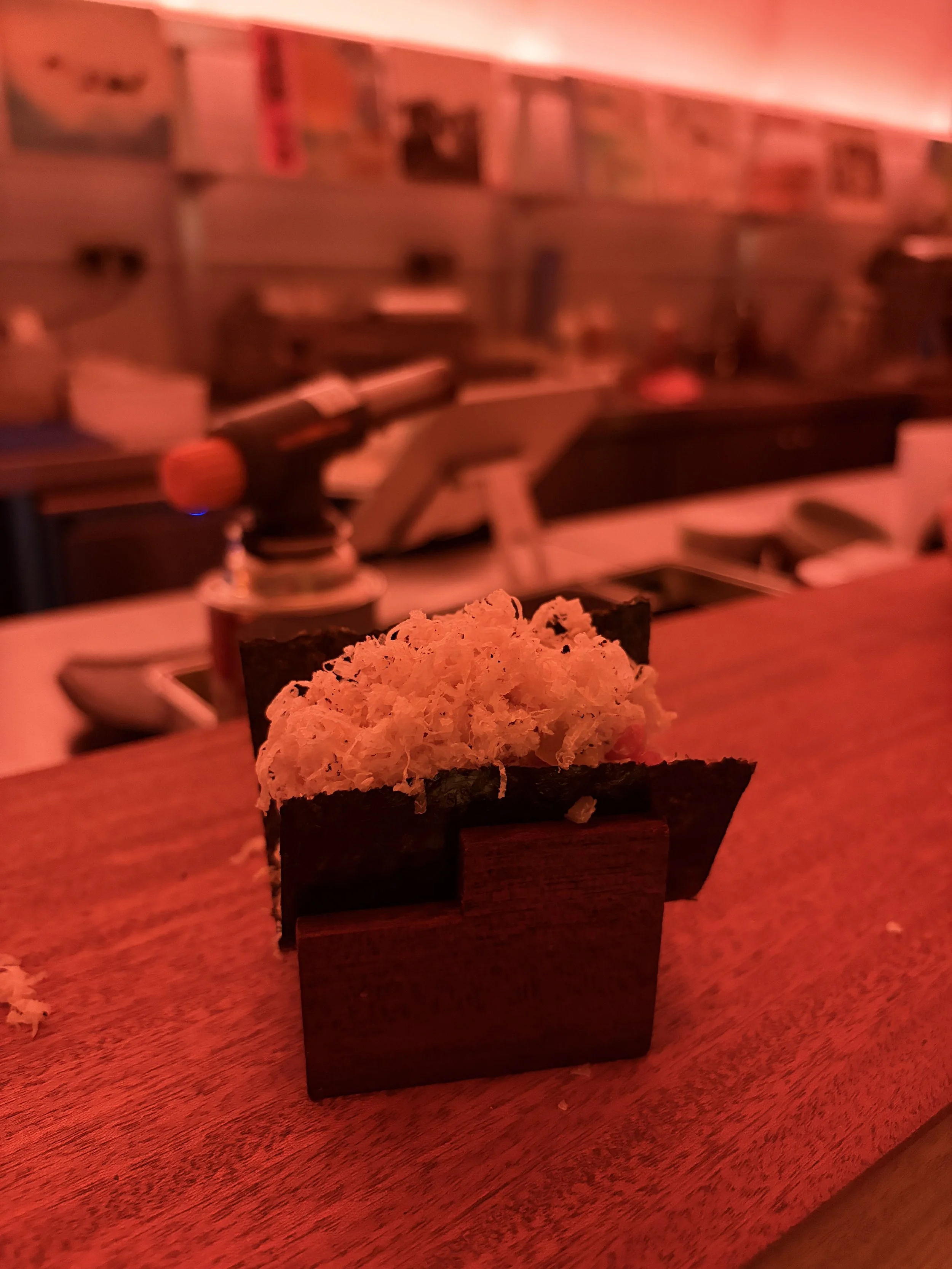
The hand rolls themselves formed the core of the experience. Negi toro, burnt salmon, toro taku and spicy tuna each delivered a distinct texture and flavour profile. The unagi foie gras stood out for its depth, a combination that felt both unexpected and harmonious.
Source: own archive
One of the most memorable moments came in the form of an off-menu creation. A hand roll combining salmon, white truffle, nori and pickled radish. It was prepared directly in front of us, a spontaneous gesture that captured the essence of the space. Responsive, creative and rooted in the moment. Each roll was handed over with a quiet expectation. Eat now. Do not wait. It is a simple instruction, yet it changes the way you engage with the food.
The Human Dimension
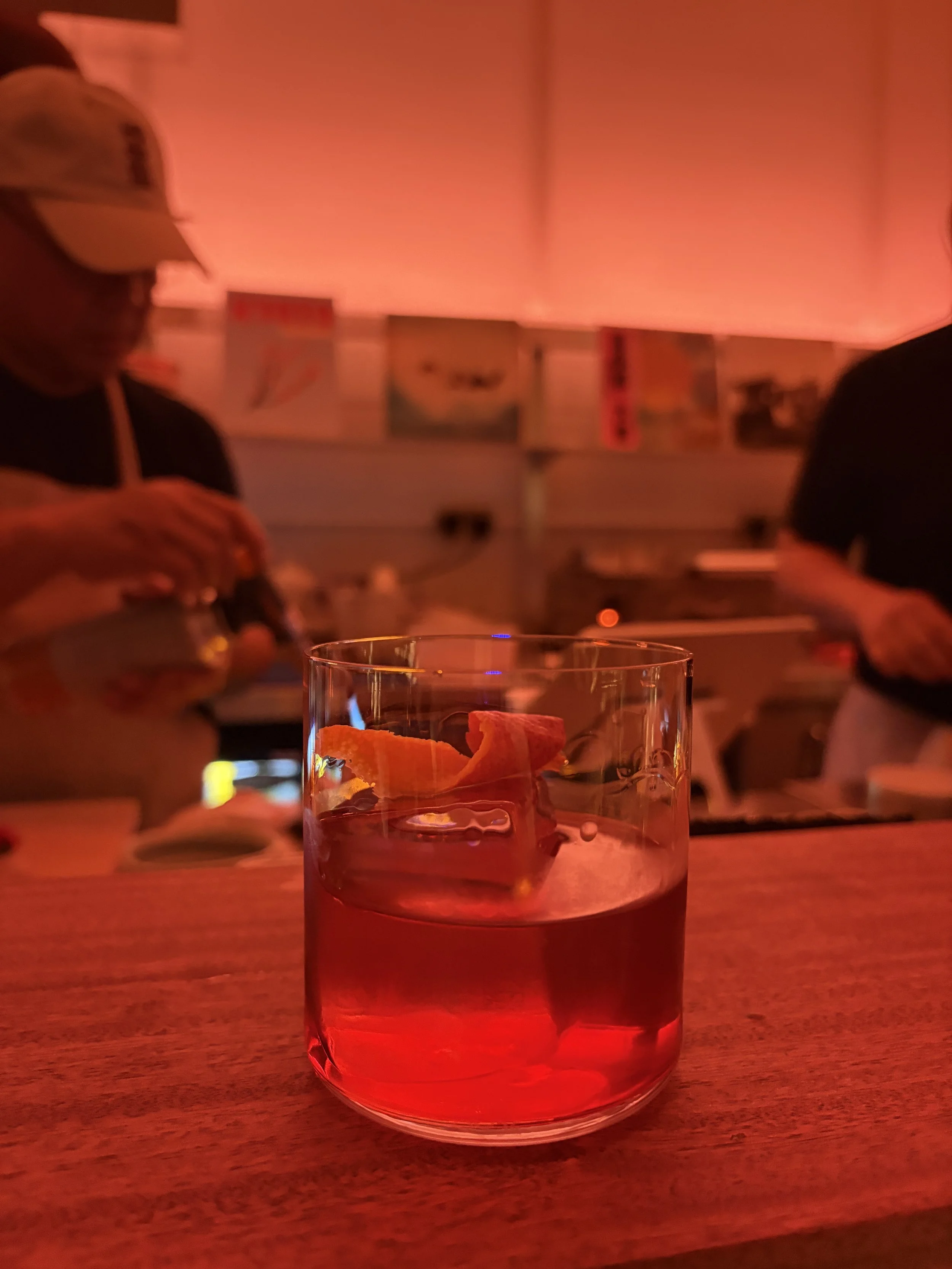
Hospitality, at its core, is shaped by people. At Kumori, this is immediately evident. We were guided through the experience by Fionn, whose approach combined knowledge with a natural ease. The menu was explained not as a list, but as a narrative, each dish contextualised within the broader concept.
Source: own archive
At the counter, chefs Lorenzo, John, Alvin and Cristian moved seamlessly between preparation and interaction. There is an openness in the way they engage, a willingness to share insight without disrupting the flow of work. Meeting Marc Flekei added another layer to the experience. His background, shaped by movement across countries and disciplines, is reflected in the concept itself. Kumori is not rooted in a single place, but in an idea of convergence.
A New Rhythm for London
What Kumori offers is not simply a new restaurant, but a different way of thinking about dining. It sits comfortably within Soho’s energy, drawing from its diversity and pace. At the same time, it introduces a level of precision that feels considered rather than performative.
The space is versatile. It can accommodate a quick lunch, a meeting, or a more extended evening. Yet regardless of the context, the experience remains centred on the same principle. Presence. To sit at the counter is to engage fully. To watch, to listen, to taste in real time.
In a world that often prioritises anticipation, Kumori focuses on immediacy. The idea that the value of something lies in the moment it is experienced. This perspective extends beyond food. It reflects a broader cultural shift towards experiences that are authentic, responsive and grounded in interaction. For those of us who move between different worlds, constantly navigating new spaces and ideas, this approach feels particularly relevant. It offers a pause. A return to something direct and unfiltered.
Conclusion
Kumori is defined by contrast. Between tradition and innovation. Between structure and spontaneity. Between the precision of technique and the fluidity of experience.
It is fresh, dynamic and balanced. A space that feels alive, shaped by the people within it and the moments that unfold there. In Soho, where the city’s many layers converge, Kumori adds another dimension. One that is not about spectacle, but about timing. About the quiet understanding that sometimes, the most meaningful experiences are those that exist only for a few seconds.
And that, once passed from hand to hand, cannot be recreated.