From Closed Doors to Creative Communities: How a Brazilian Ecosystem Is Redefining the Relationship Between Established Brands and Cultural Innovation
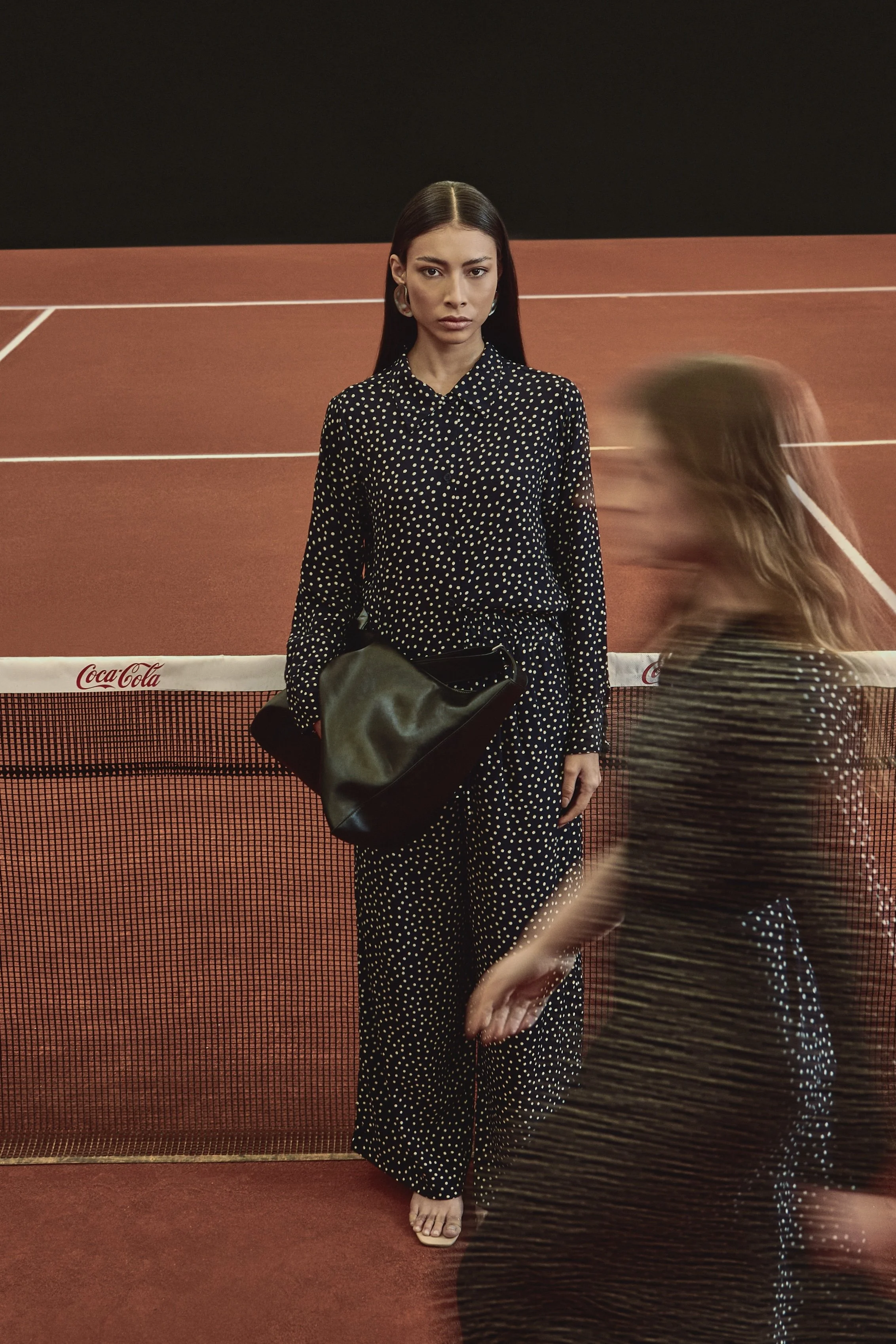
For decades, Brazil’s fashion industry operated within an exclusive ecosystem where access often mattered more than talent. Opportunities were largely driven by private networks, closed-door meetings and established circles, leaving many emerging creatives without a pathway into major campaigns, editorial projects or product development.
That model is now undergoing a profound transformation.
As global consumer behaviour shifts—particularly among Generation Z—brands are increasingly recognising that cultural relevance can no longer be built through reach alone. In an era where authenticity, community and meaningful engagement outweigh vanity metrics, the most valuable brand asset has become genuine cultural connection.
It is within this context that The Cultural Shift has emerged as one of Brazil’s most compelling new creative ecosystems.
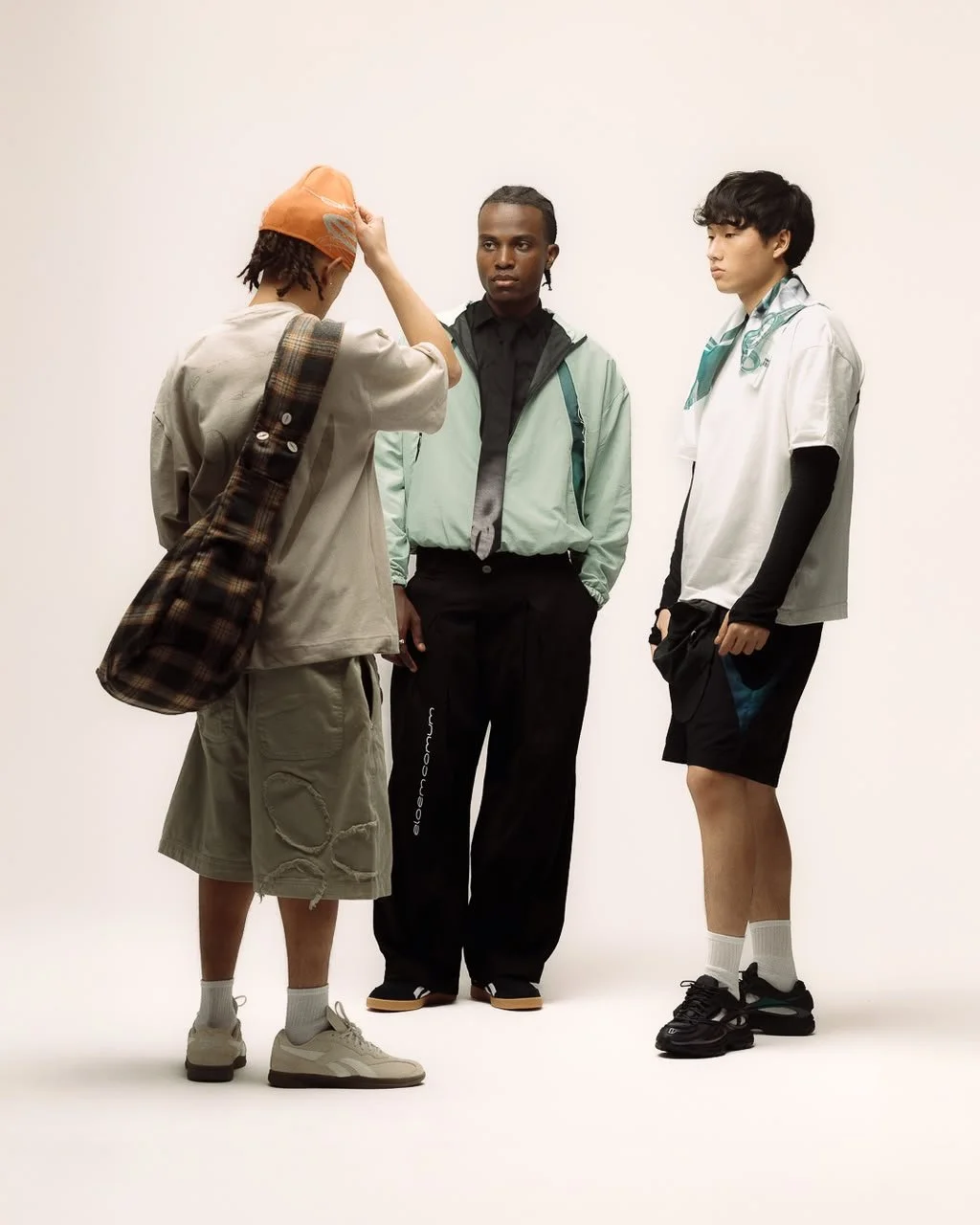
Founded by Alexsander Rosa, who has spent more than twelve years connecting different sectors of the creative industry, the initiative functions less as a traditional communications agency and more as a strategic cultural platform. Its role is to bridge the gap between long-established brands seeking reinvention and a new generation of designers, artists and creative professionals shaping contemporary culture.
The concept challenges the industry’s former “door-to-door” mentality, replacing exclusivity with strategic curation. Instead of relying on traditional gatekeepers, The Cultural Shift identifies authentic communities and culturally relevant talent, creating meaningful partnerships that benefit both emerging creatives and legacy businesses.
Among the established names connected to the ecosystem are Náutica, Coca-Cola Jeans, Grupo AMC, Grupo TRM and Grupo Aste—companies that have helped define Brazil’s fashion and retail landscape. Alongside them are internationally recognised creative figures such as Renata Stefan, whose career includes leadership roles at Louis Vuitton, Hermès and Faith Connexion, together with a new generation of designers whose work reflects the language of today’s streets, culture and consumer behaviour.

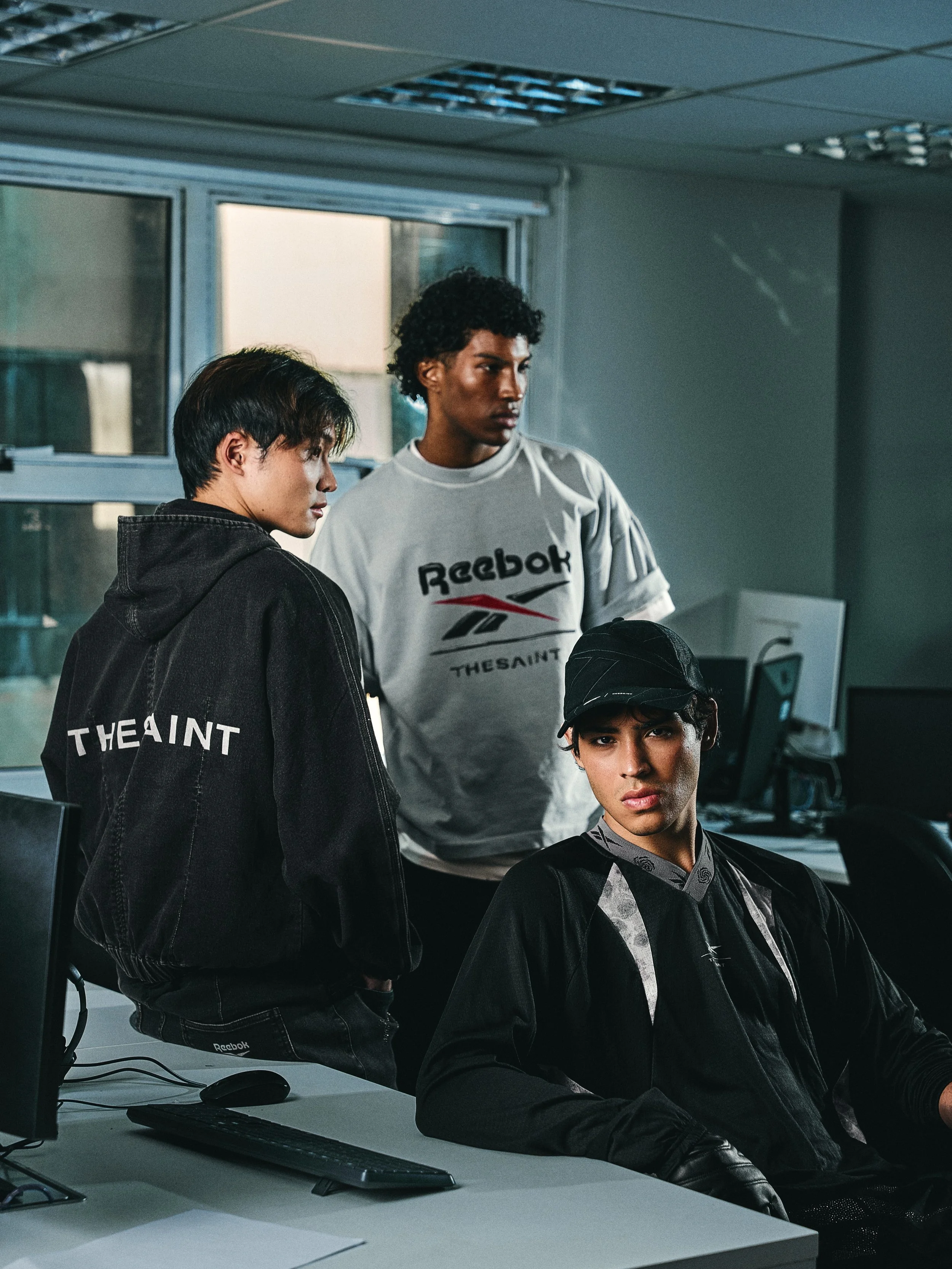




Rather than focusing solely on visibility or digital performance, The Cultural Shift positions itself as a strategic curator of relationships. It connects established businesses with creators who bring not only creativity, but also cultural credibility—an increasingly valuable currency in today’s luxury and lifestyle industries.
This evolution reflects a broader movement taking place in São Paulo, a city that continues to consolidate its position as Latin America’s creative capital. Beyond hosting many of Brazil’s largest fashion groups, São Paulo has become a laboratory for innovation, entrepreneurship and design, producing brands and creative talent that are increasingly attracting international attention.

As Brazilian companies look beyond domestic borders, strategic partnerships have become essential to amplifying their global presence.
One of these partnerships is with Avesso Magazine UK, the London-based luxury lifestyle publication. Through this collaboration, Brazilian brands gain access to an international editorial platform capable of presenting their stories to a global audience interested in fashion, luxury, travel and culture.
For Avesso Magazine UK, the relationship represents more than editorial coverage. It reinforces the publication’s role as a bridge between Europe and Brazil, offering readers early access to one of the world’s most dynamic creative markets while highlighting the evolution of Brazilian design, entrepreneurship and cultural innovation.
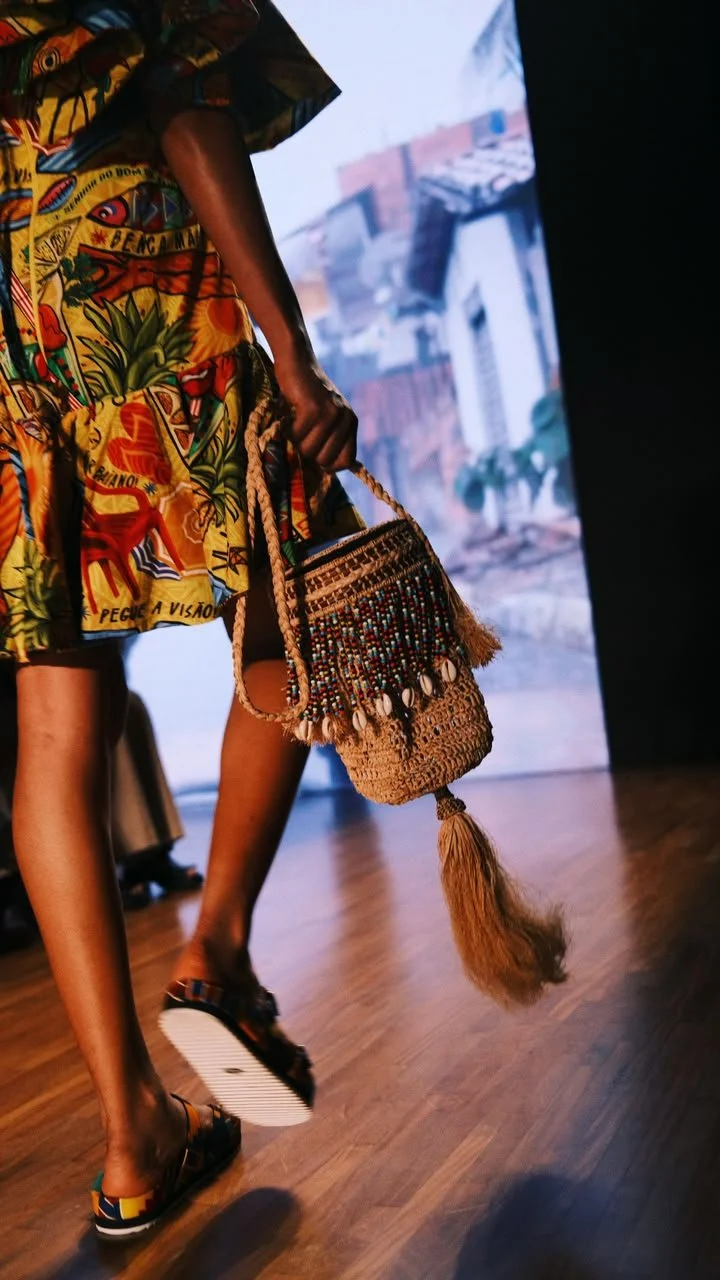
In an industry increasingly defined by authenticity rather than advertising, initiatives such as The Cultural Shift demonstrate that the future belongs to ecosystems rather than isolated campaigns.
Between São Paulo and London, a new generation of collaborations is emerging—one where legacy brands embrace fresh perspectives, creative communities gain meaningful opportunities, and cultural relevance is built not through exclusivity, but through intelligent curation, genuine partnerships and shared vision.

In many ways, this is no longer simply the story of a communications platform. It is the story of how Brazilian creativity is positioning itself on the global stage, transforming local talent into international conversations and proving that the next chapter of fashion and lifestyle will be shaped as much by culture as by commerce.