In Mexico City, luxury can mean a meticulously choreographed tasting menu or a tortilla handed across a counter, still warm from the comal. The city’s culinary appeal lies in experiencing both.
In Mexico City, one of the most memorable meals of a trip might arrive on handmade ceramics after a succession of carefully timed courses. It might also arrive wrapped in paper, eaten standing beside a taco counter.
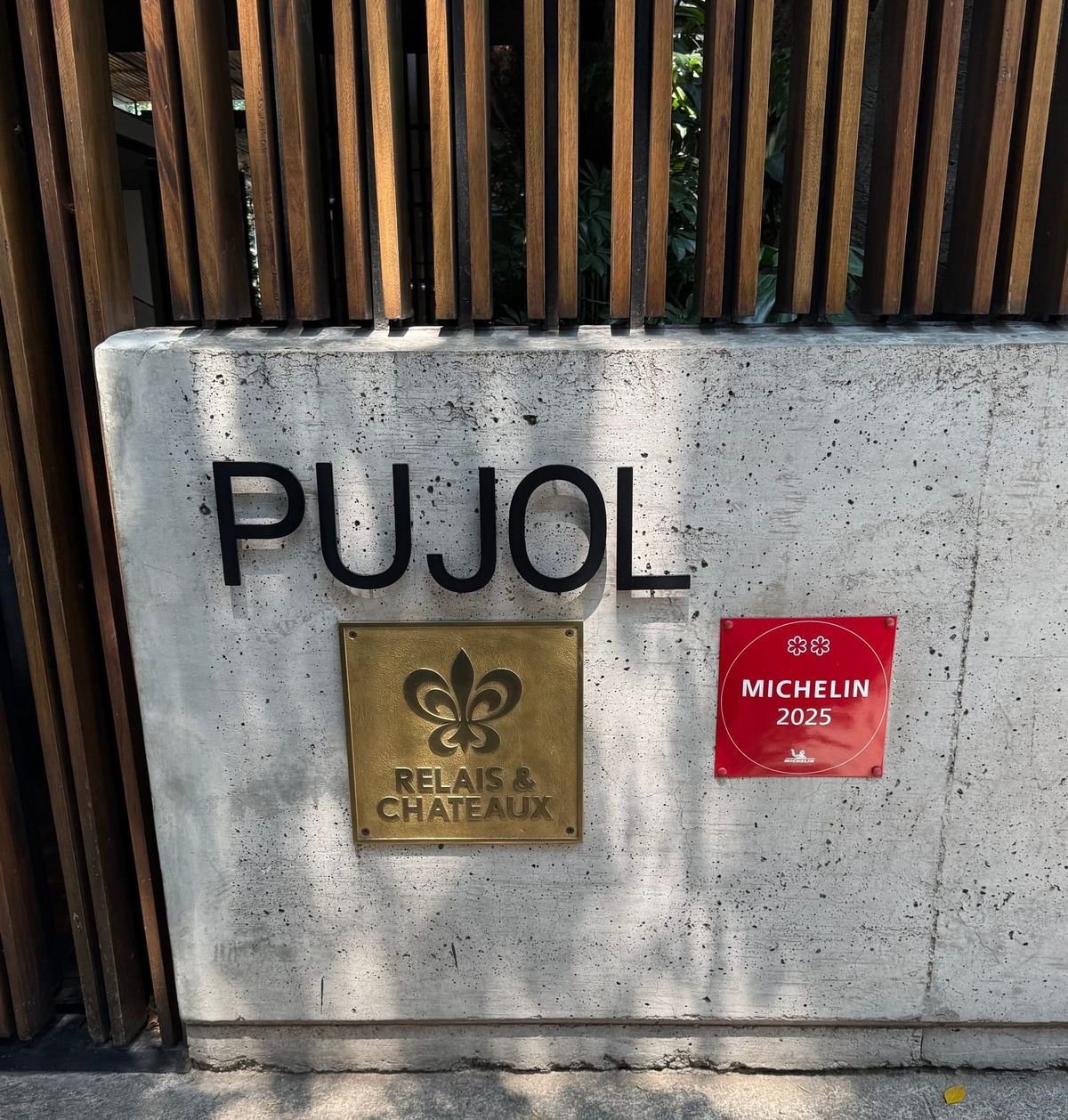
Over the past decade, Mexico City has become one of the most closely watched culinary destinations in the world. Michelin’s 2026 selection reflects that range: Pujol and Quintonil retain two stars, while restaurants including Rosetta, Máximo, Esquina Común, Expendio de Maíz and Masala y Maíz hold one.
But the pleasure of eating here does not begin with stars. It begins with ingredients.
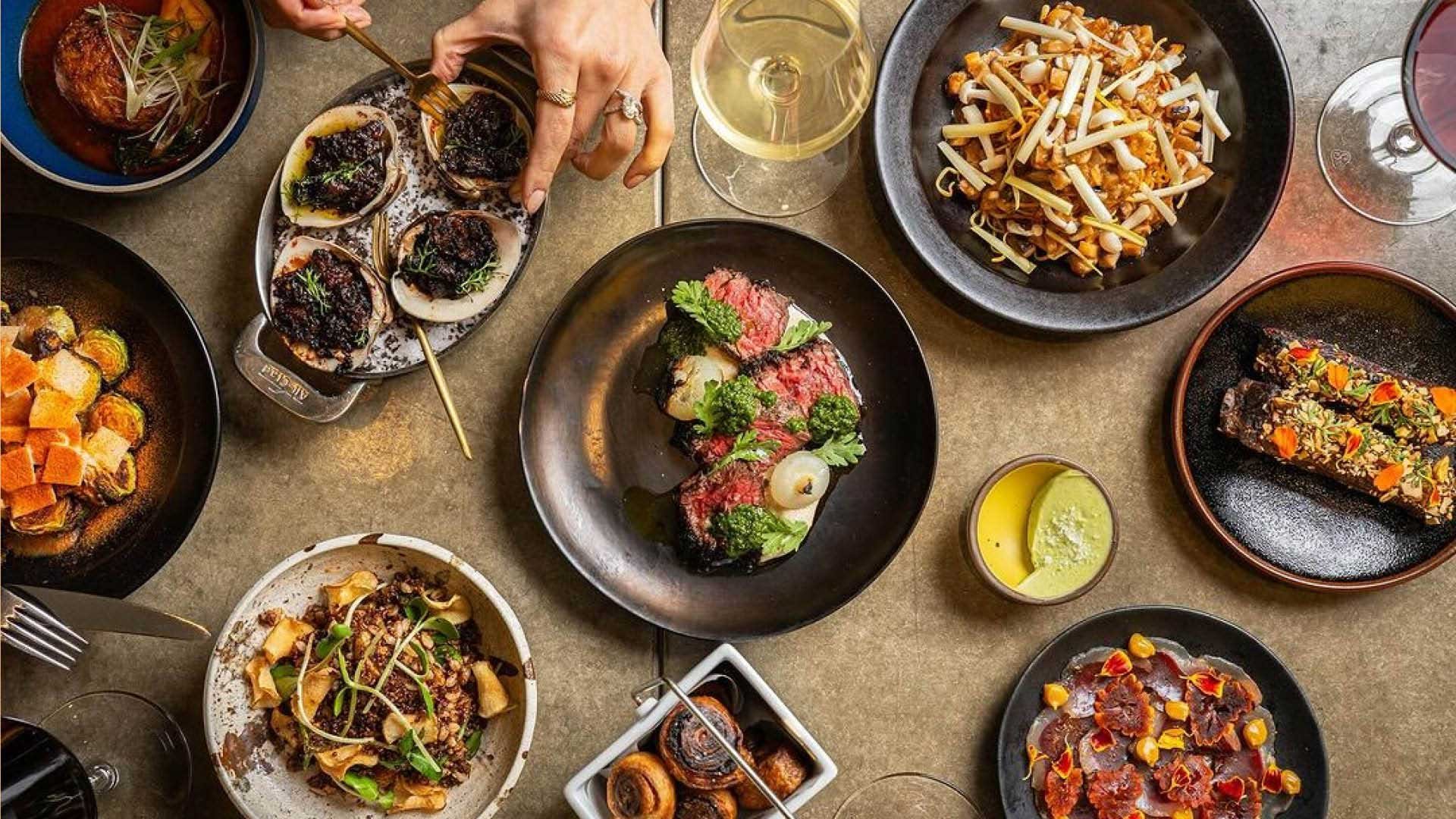
Expendio de Maiz, Picture from Michelin Guide 2026
Maize, chilli, smoke
Mexican food can look deceptively simple. A tortilla, salsa, slow-cooked meat with a squeeze of lime. Yet simplicity here is often the final stage of a much longer process.
Maize must be prepared and transformed. Chillies may be fresh, dried, toasted, smoked or blended. Mole can bring together dozens of ingredients. Meat cooks slowly. Salsas change character depending on the chilli, the roasting and even the texture.
Maize, beans and chilli form the foundation of a culinary tradition so closely connected to agriculture, ritual and community that traditional Mexican cuisine was inscribed by UNESCO as Intangible Cultural Heritage in 2010.
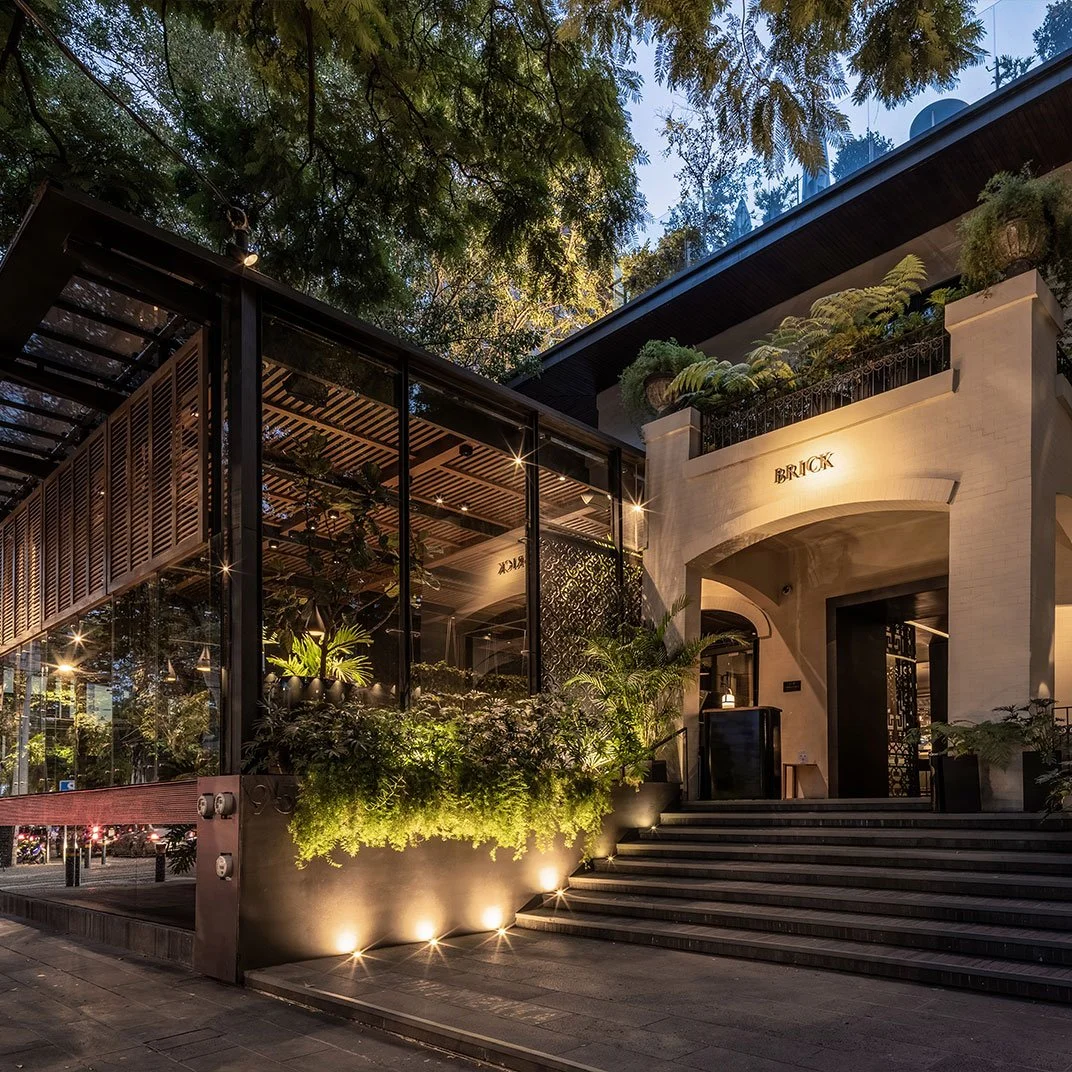
Quintonil Restaurant, picture from Michelin Guide.
The taco as a luxury experience
The word luxury usually suggests rarity, formality or price. Mexico City complicates that definition. A taco can be inexpensive and still contain the things luxury dining claims to value most: exceptional ingredients, specialised knowledge, precision and time.
And the pleasure comes partly from watching the whole thing happen within seconds: tortilla, filling, onion, coriander, chilli, lime. And a highly refined food culture disguised as casual eating.
Michelin itself now recognises that range. Its Mexico City selection includes inexpensive taquerías alongside contemporary restaurants and tasting-menu destinations.
Perhaps the clearest example is Expendio de Maíz.
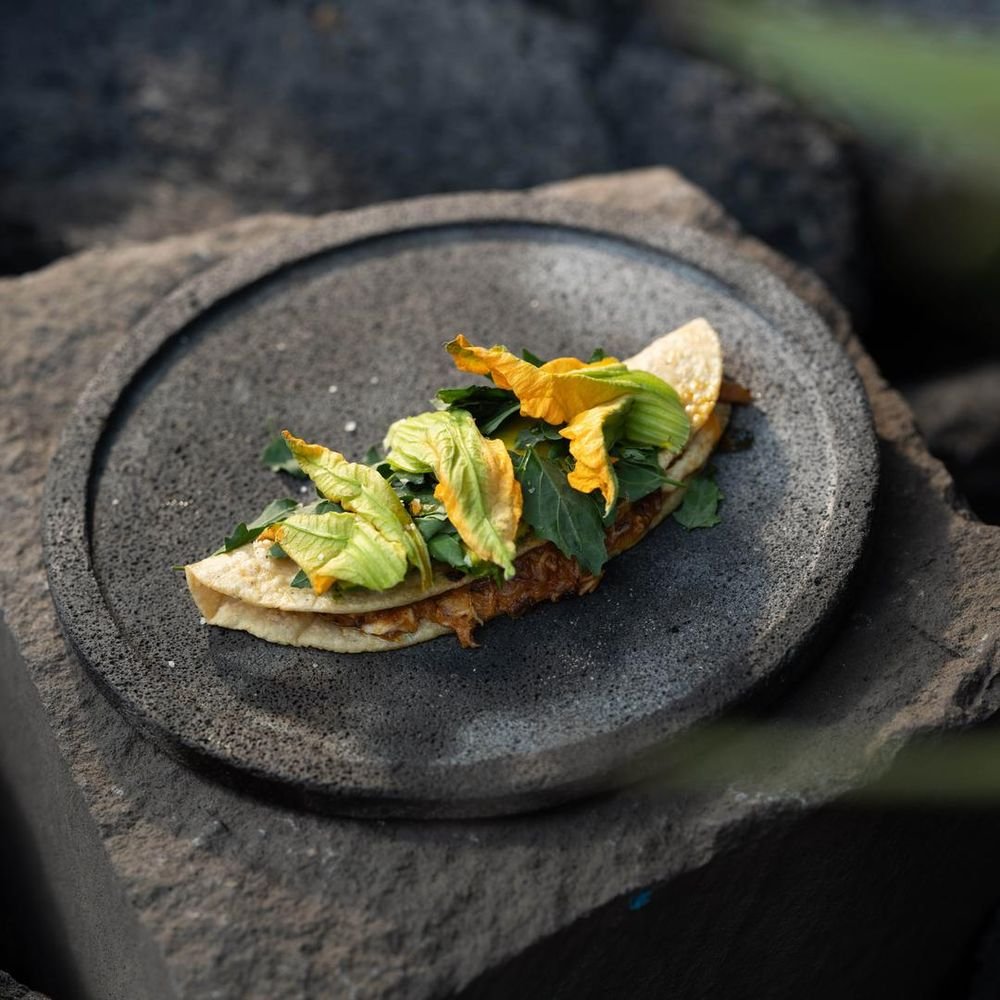
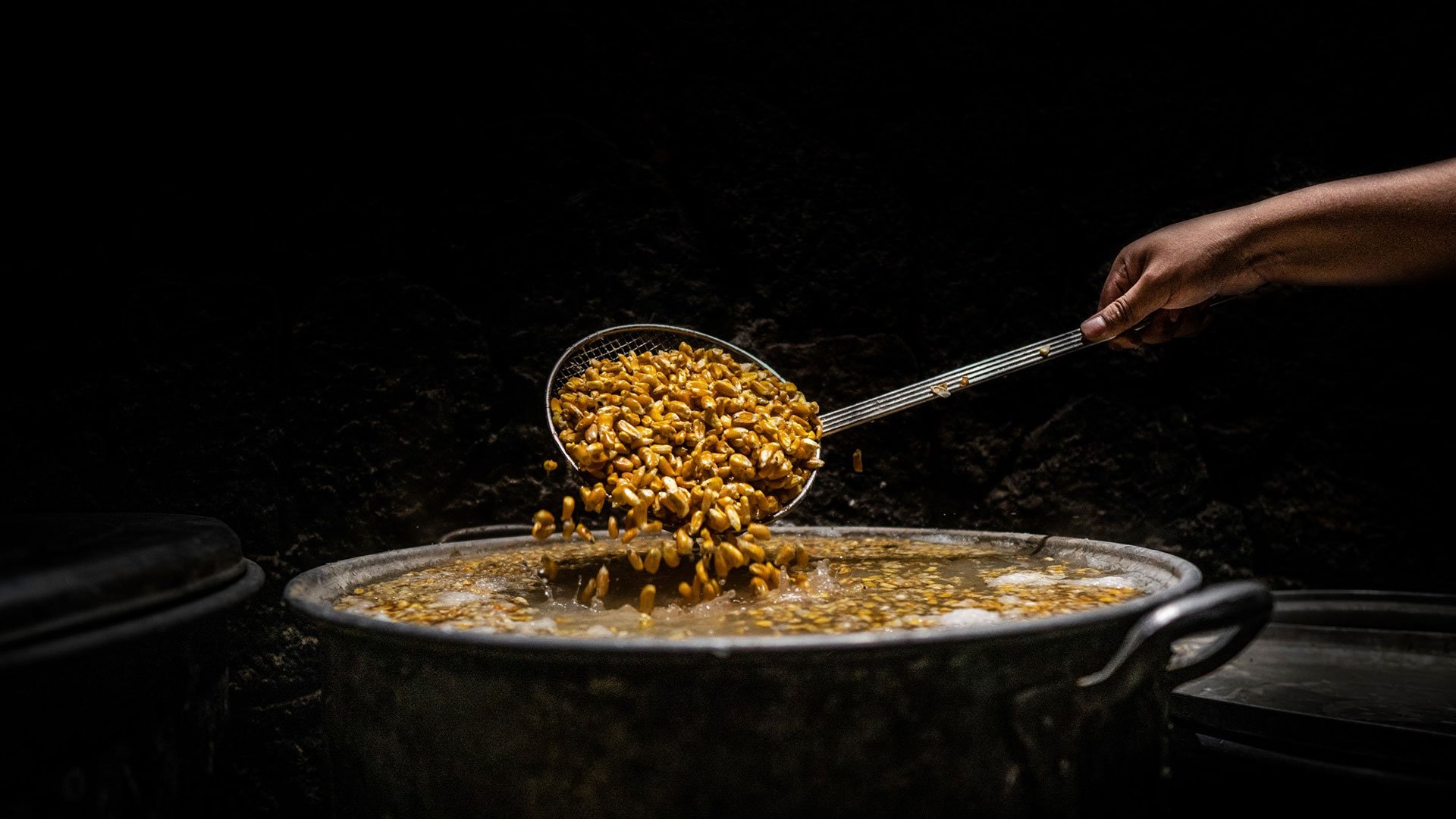
Expendio de Maiz, pictures from Michelin Guide 2026
The experience is deliberately informal. There is no conventional menu in the usual sense, and dishes arrive according to what the kitchen is preparing.
The focus is maize and it is found by paying closer attention to something that has always been there.
That alone says something important about contemporary Mexican gastronomy: one of the most basic ingredients in the country can also become the centre of a Michelin-starred experience.
At the tasting-menu table
At Pujol or Quintonil, dining becomes choreography. Courses arrive one by one. Ingredients are presented with precision. The room, ceramics, pacing and service become part of the meal itself.
But what makes them interesting is that the language remains distinctly Mexican.
Maize returns. So do chillies, herbs, vegetables, traditional preparations and ingredients associated with everyday cooking.
For much of its history, international luxury dining was strongly associated with European cuisine, particularly French techniques and codes of service. Mexico City offers something different.
Markets, bakeries and neighbourhood tables
And then there are all the experiences in between.
A culinary trip through Mexico City does not need to move neatly from inexpensive to expensive. It can move between completely different moods.
The afternoon might involve walking through a market surrounded by dried chillies, fruit, spices and unfamiliar ingredients. Dinner might take place in Roma Norte in a beautifully designed dining room, followed the next day by seafood, a neighbourhood cantina or another taco stand.
The Michelin Guide itself reflects that breadth, listing seafood restaurants, contemporary kitchens, taquerías and ambitious Mexican restaurants within the same city selection.
That variety is part of what makes Mexico City feel luxurious as a food destination.
Luxury without hierarchy
Perhaps the best way to eat in Mexico City is to abandon the idea that one experience must outrank another as all of them have something to offer.
A Michelin-starred restaurant may transform an ingredient through technique and presentation. A street vendor may reveal the same ingredient through repetition, instinct and decades of practice.
Both can be extraordinary while belonging to the same culinary landscape.
That may be Mexico City’s greatest luxury: not choosing between the taco stand and the tasting menu, but having both within the same city, sometimes within the same afternoon.
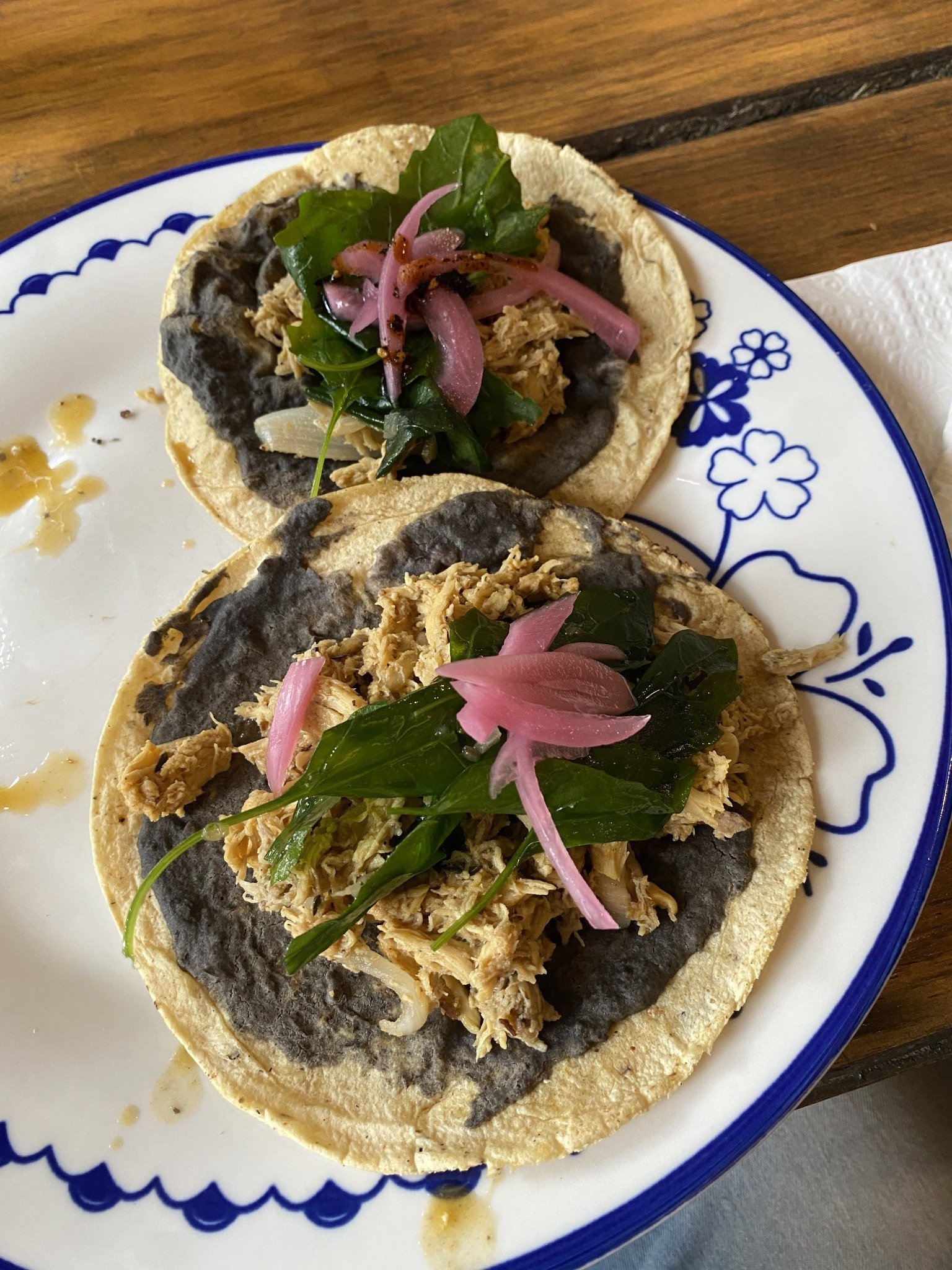
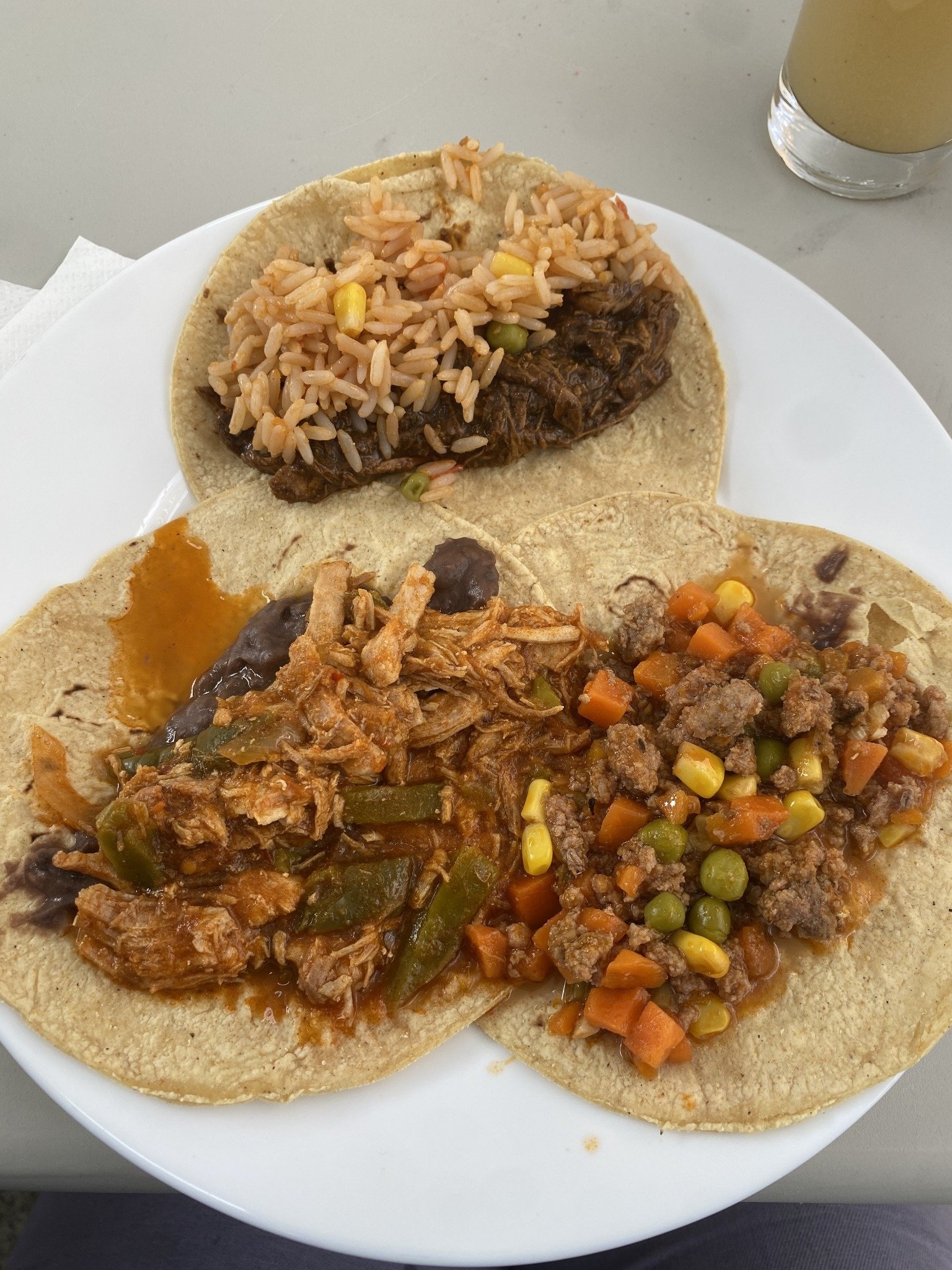
Own archive, 2026