Halloween: From Ancient Traditions to the Art of Modern Make-up
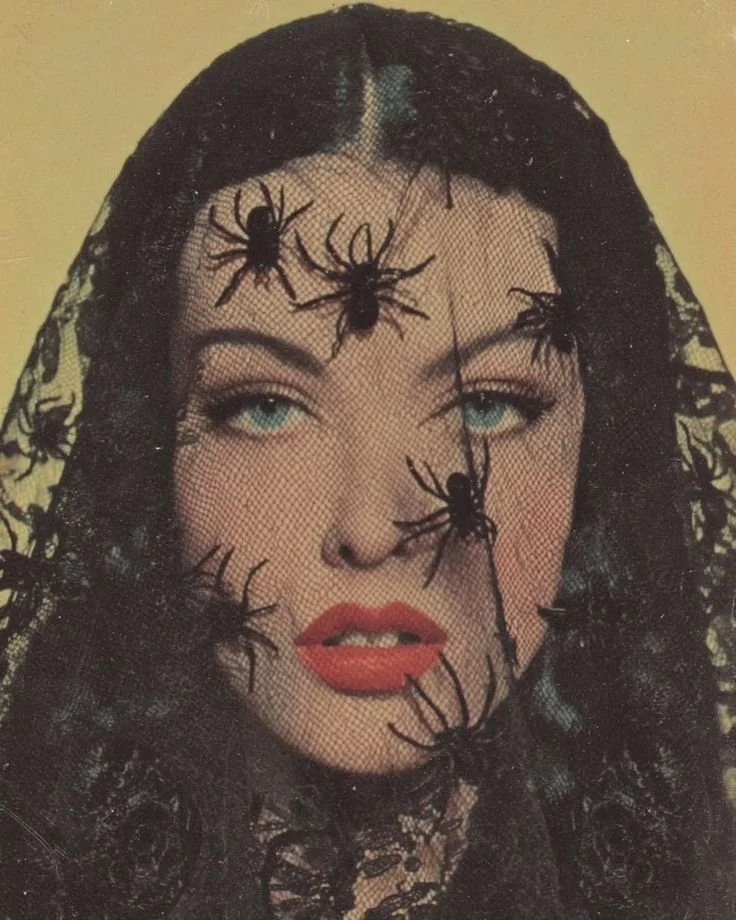
Cortesy of Public Archive
From Celtic rituals and Hollywood's legendary transformations to the viral porcelain doll and Rococo beauty trends, Halloween has evolved into a celebration of imagination, artistry and self-expression.
Every October, Halloween transforms the beauty world into a fascinating display of creativity. Dramatic eyes, theatrical characters, elaborate hairstyles and extraordinary make-up techniques turn faces into works of art.
Yet behind the glamorous transformations and viral beauty trends lies a celebration with roots stretching back more than two thousand years.
What began as a seasonal tradition associated with mystery and the supernatural has evolved into an international cultural phenomenon, where make-up plays an increasingly important role.
The Ancient Origins of Halloween
The history of Halloween is closely connected to Samhain, an ancient Celtic festival celebrated in Ireland, Scotland and other parts of the Celtic world.
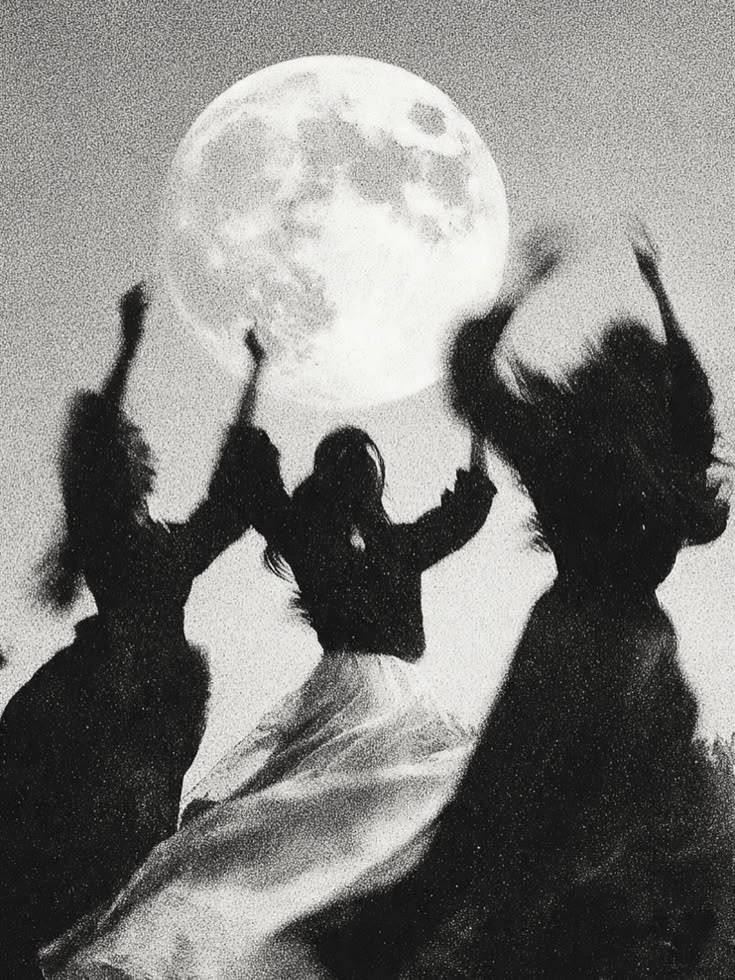
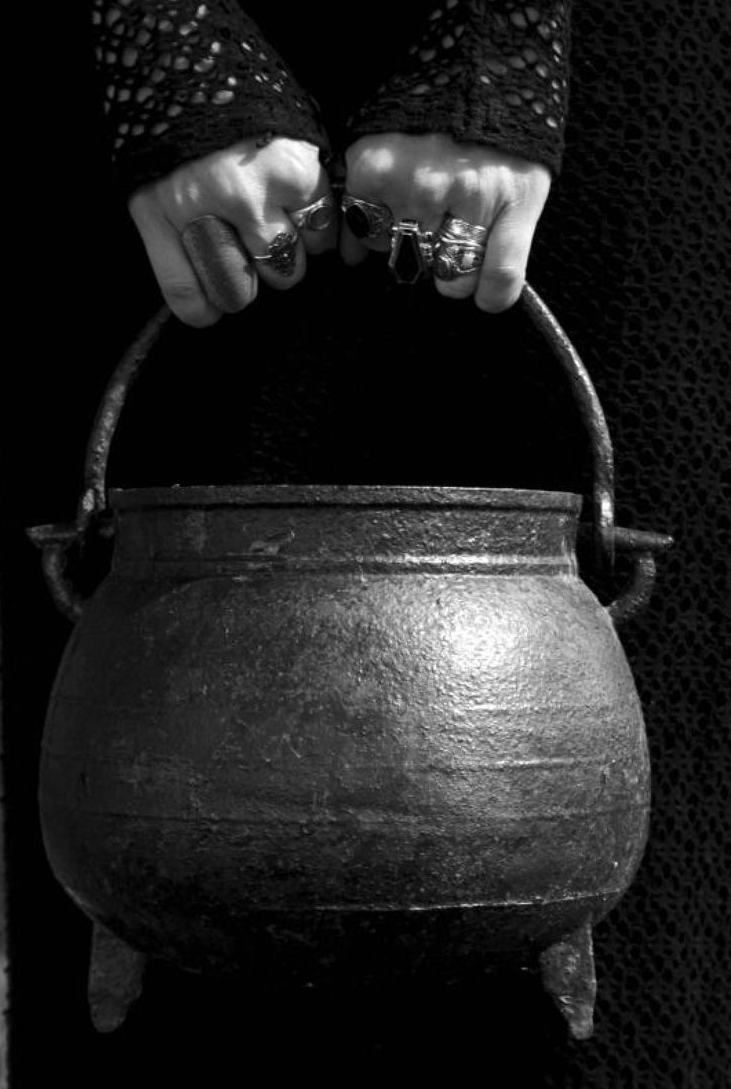
Cortesy of Public Archive
Marking the end of the harvest season and the beginning of winter, Samhain was associated with the transition between light and darkness. Traditional beliefs suggested that the boundary between the living and the spirit world became particularly thin during this period.
Over time, masks and disguises became associated with seasonal customs, allowing participants to represent or symbolically protect themselves from supernatural beings.
With the spread of Christianity, these traditions became intertwined with All Saints' Day on 1 November. The preceding evening was known as All Hallows' Eve, eventually giving rise to the name Halloween.
As Irish and Scottish communities migrated to North America, their customs contributed to the development of the modern celebration, which gradually became associated with costumes, parties and imaginative transformations.
From Traditional Disguises to Hollywood Make-up
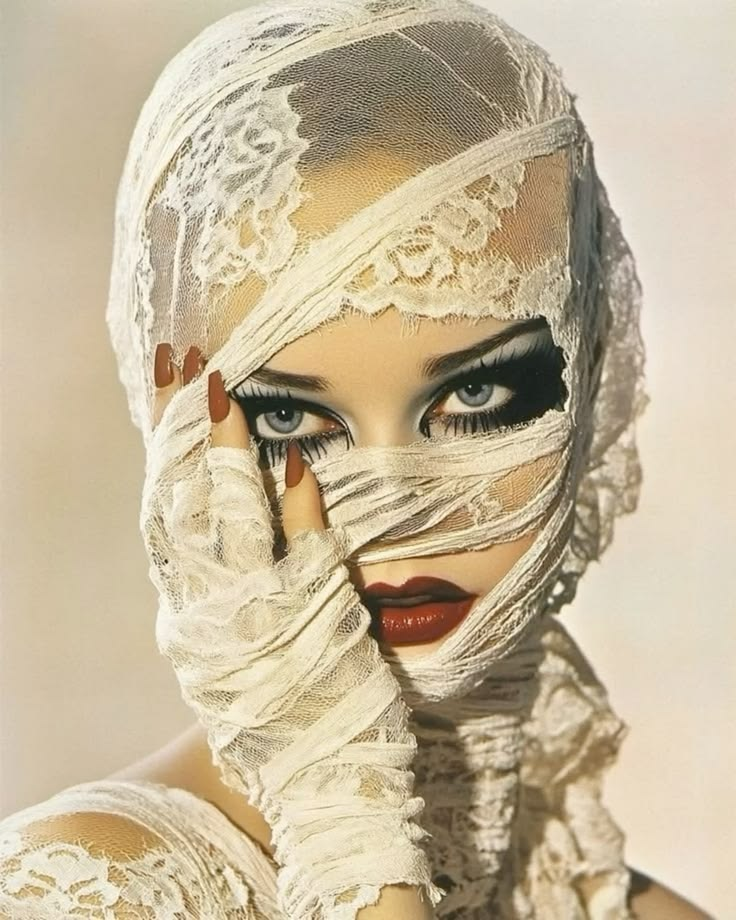
Long before modern cosmetics became essential to Halloween, masks, costumes and simple forms of face painting were used to create mysterious appearances.
The development of theatre and cinema introduced an entirely new dimension to character transformation.
During the early twentieth century, performers began experimenting with theatrical cosmetics, shading and artificial facial features to create more convincing characters.
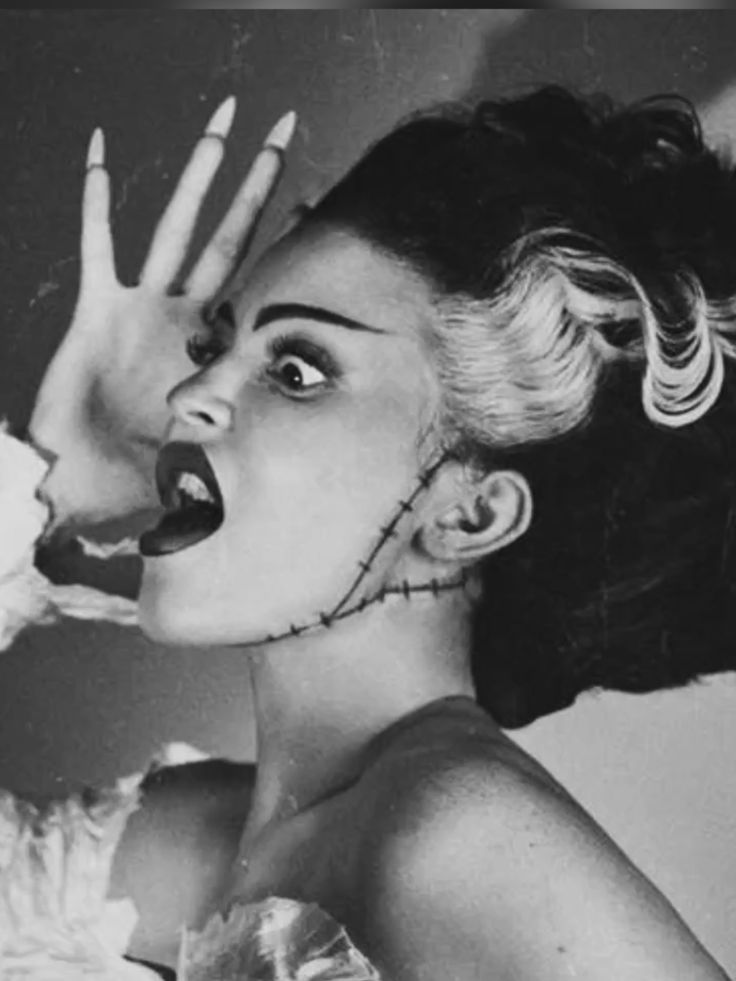
One of the most influential figures was actor Lon Chaney, famously known as The Man of a Thousand Faces. His remarkable transformation in the 1925 film The Phantom of the Opera demonstrated the extraordinary possibilities of character make-up.
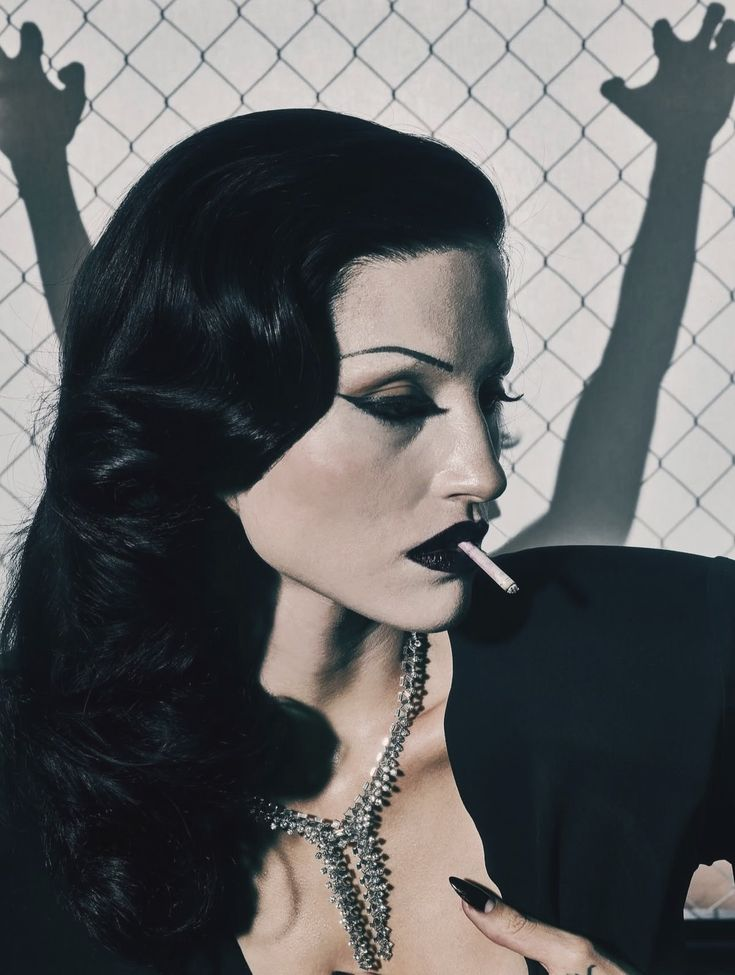
Cortesy of Public Archive
The rise of horror cinema during the 1930s further popularised the distinctive appearances of vampires, monsters and supernatural creatures.
As filmmaking techniques advanced, professional make-up artists introduced increasingly sophisticated methods, including prosthetics, sculpted facial details and special effects.
These innovations helped establish the visual language of Halloween beauty, inspiring generations of creative transformations.
When Halloween Make-up Became Fashion
By the late twentieth century, Halloween make-up had expanded beyond traditional horror characters.
The influence of fashion, music and popular culture introduced a more glamorous interpretation of the celebration.
Dark smoky eyes, dramatic lashes, sculpted cheekbones and deep burgundy lips transformed classic witches and vampires into sophisticated beauty icons.
Photography by Carlos Moura
Celebrity Halloween parties and the growing influence of social media further encouraged elaborate costumes and professional-level make-up.
Today, Halloween beauty moves effortlessly between gothic elegance, cinematic fantasy, historical inspiration and contemporary fashion.
One of the most interesting developments is the popularity of beauty trends that reinterpret the past through a distinctly modern aesthetic.
Porcelain Doll Make-up: The Viral Beauty Transformation
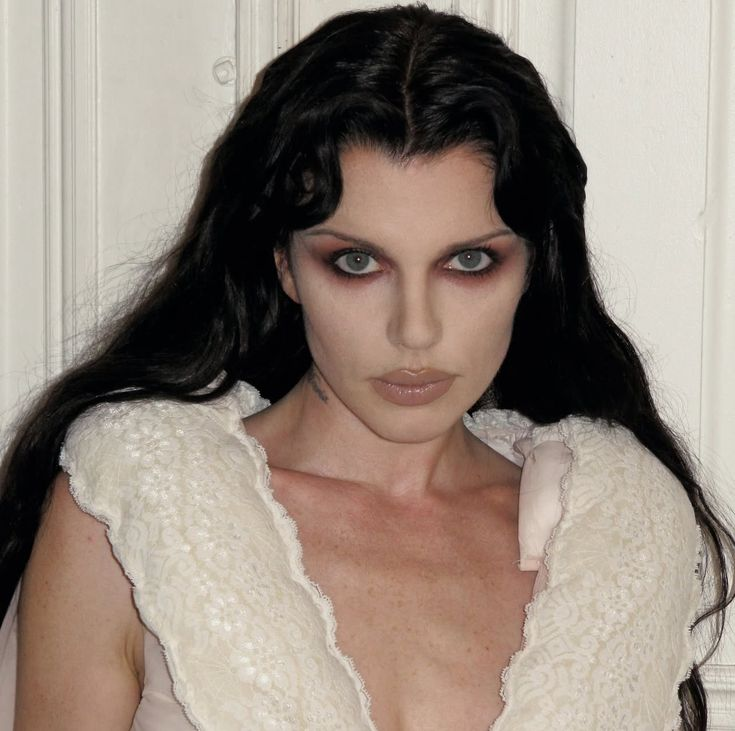
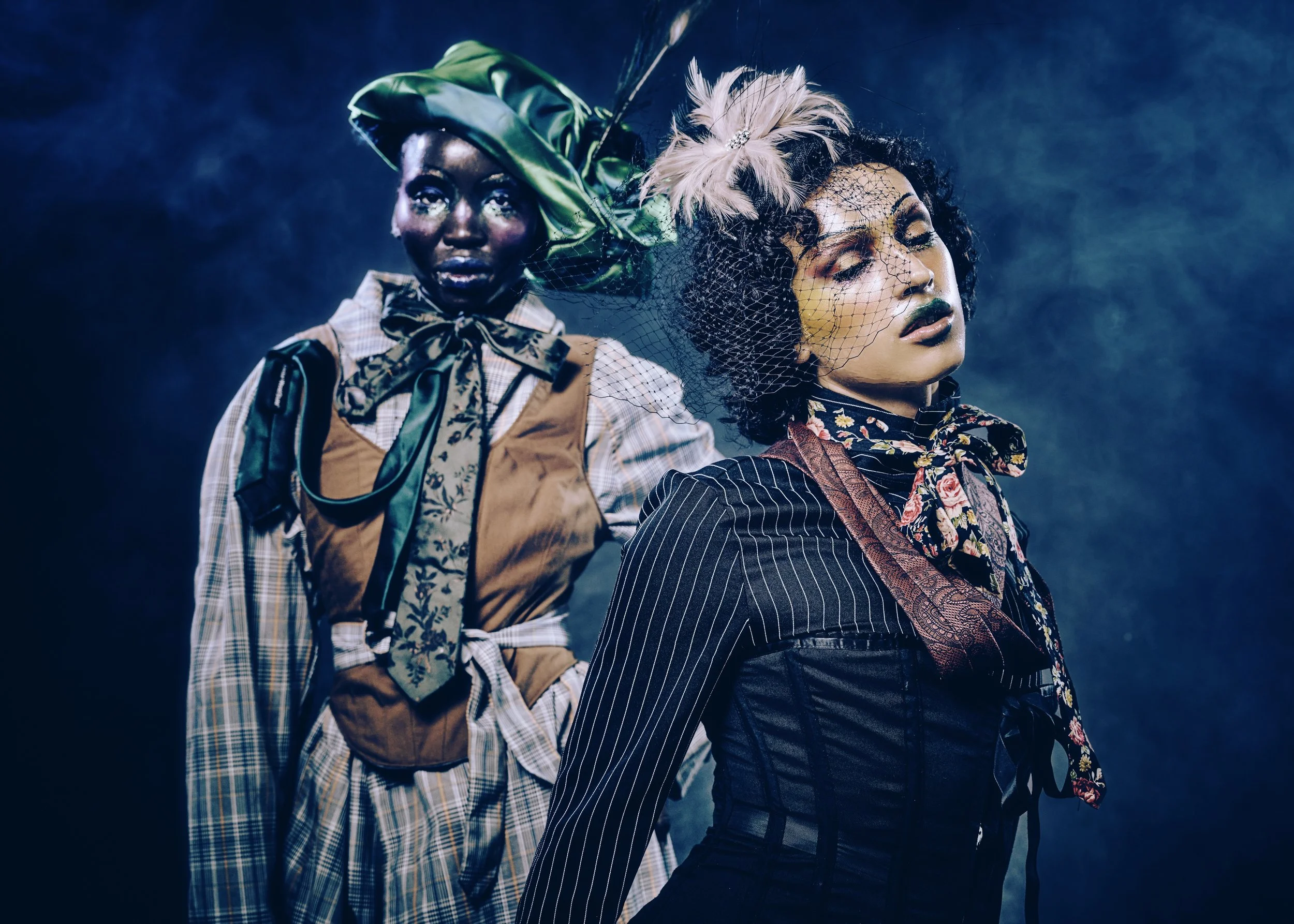
Among the most captivating Halloween beauty looks is porcelain doll make-up, an aesthetic that combines delicate femininity with an intriguing, sometimes unsettling appearance.
Inspired by antique dolls, the look focuses on creating an almost flawless complexion, with softly powdered skin, rosy cheeks, exaggerated eyelashes and carefully defined lips.
Blush is often concentrated on the apples of the cheeks, whilst white or nude eyeliner can be used to create the illusion of larger, rounded eyes.
Photography by Carlos Moura
Some interpretations introduce painted freckles, miniature bows or fine lines resembling cracks in porcelain, giving the face an artistic, doll-like finish.
The contrast between innocence and mystery makes this aesthetic particularly effective for Halloween.
Its appeal also reflects a wider fascination with romantic, vintage-inspired beauty, where traditional femininity is reimagined through theatrical details.
For a more elegant interpretation, softly luminous skin, muted pink blush, delicate lashes and rose-coloured lips can create a sophisticated porcelain effect without excessive theatricality.
Rococo Beauty: The Return of Aristocratic Glamour
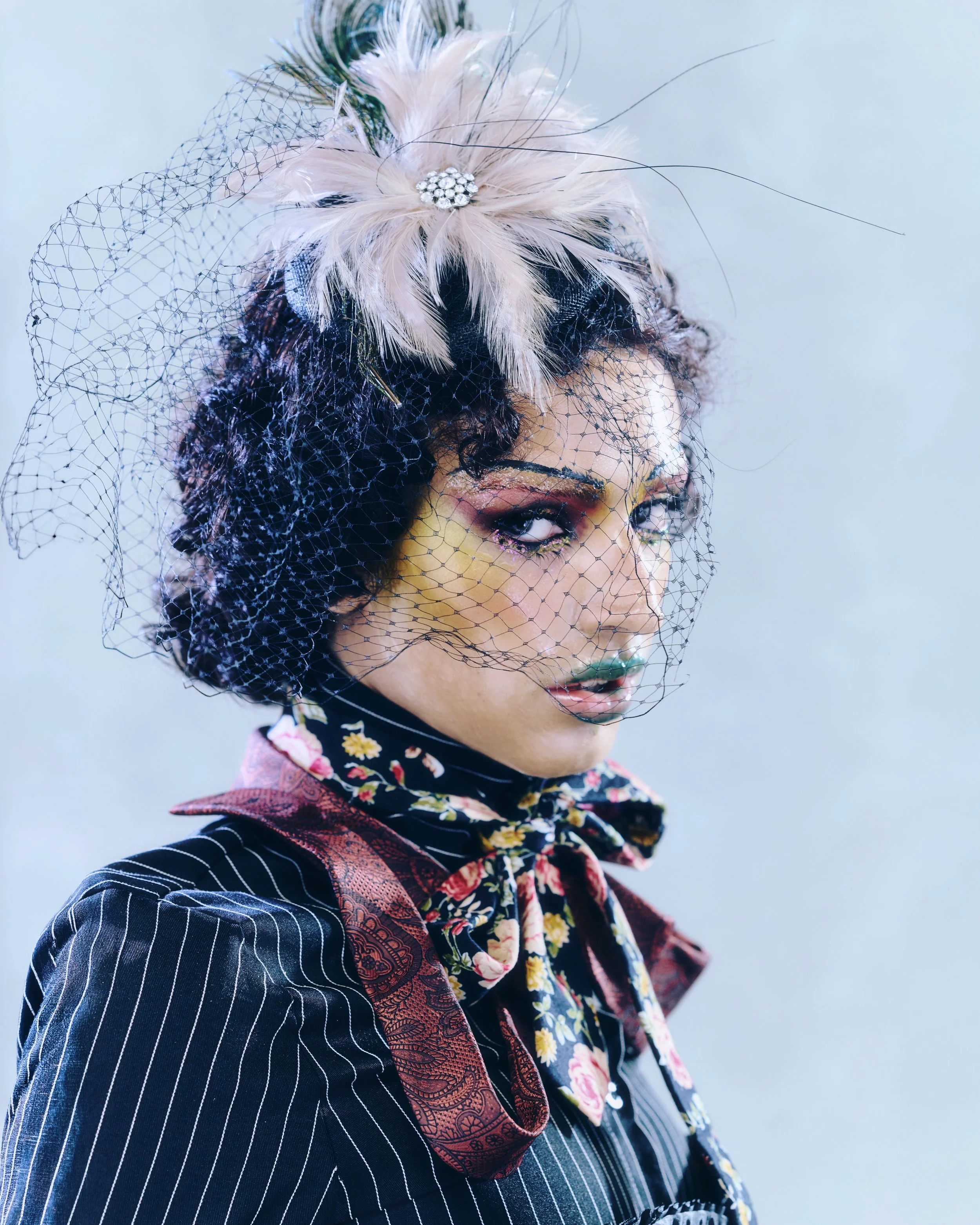
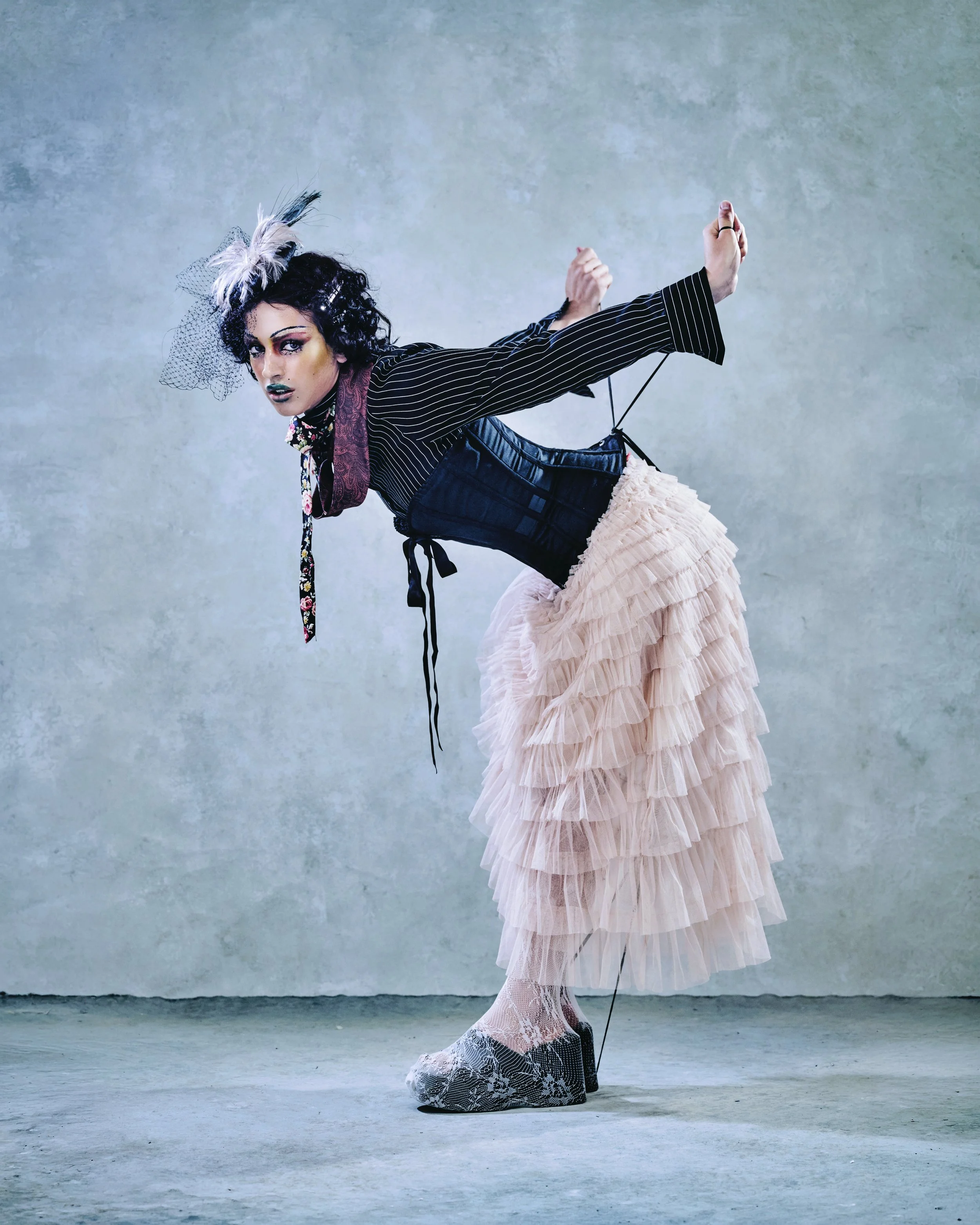
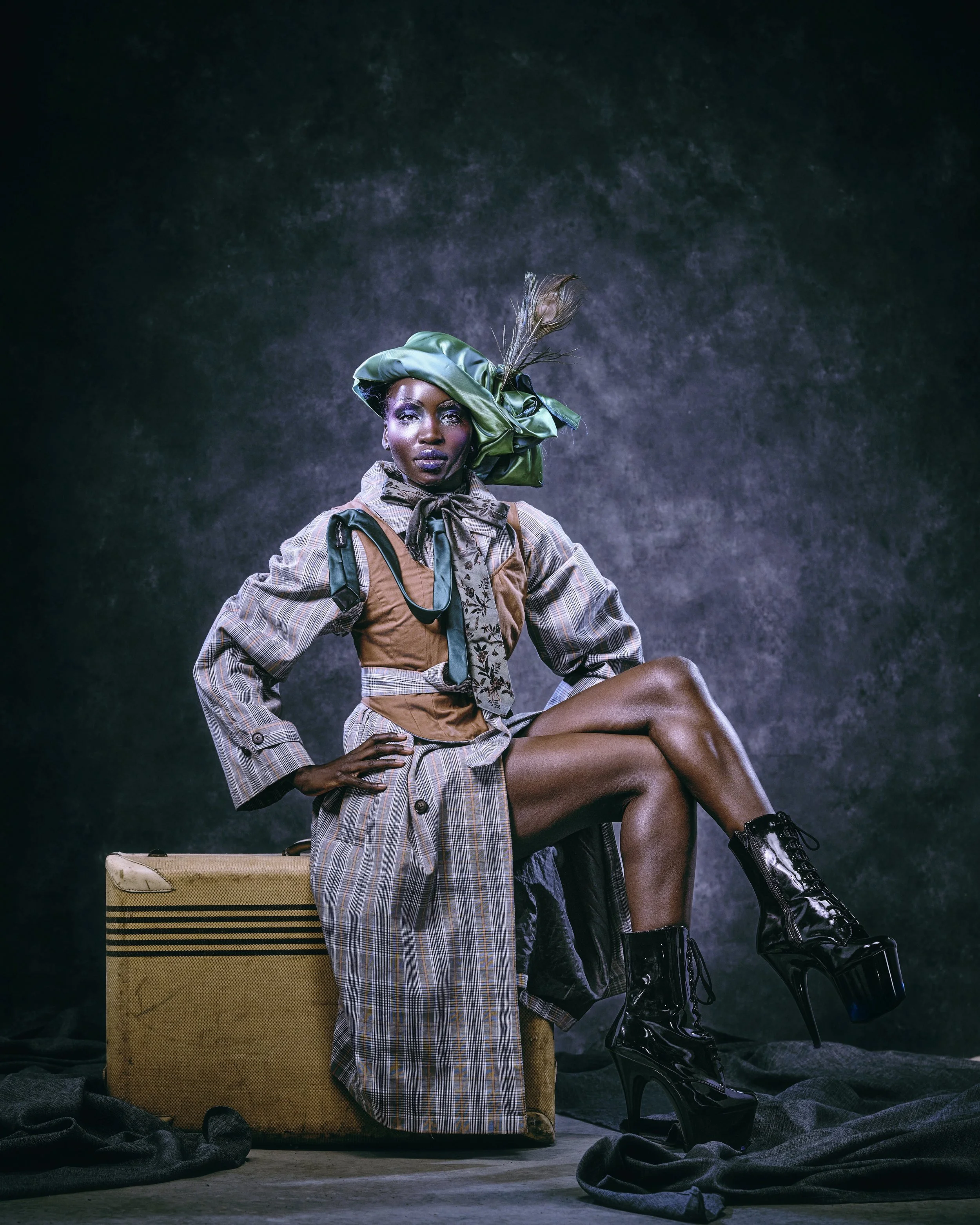
Another striking aesthetic attracting attention online is Rococo-inspired make-up, which draws inspiration from the decorative elegance of eighteenth-century European aristocratic culture.
Associated particularly with the French court and the visual world of Marie Antoinette, Rococo beauty celebrates ornamentation, pastel colours and a highly stylised appearance.
Photography by Carlos Moura
Historically inspired interpretations feature powdered complexions, pronounced pink blush, delicately defined lips and decorative beauty marks.
Modern versions introduce shimmering eyeshadows, pearlescent highlights, soft lavender and powder-blue tones, creating a romantic yet theatrical effect.
Pearls, ribbons, elaborate hairstyles and ornamental accessories complete the look, transforming the face into part of a larger artistic composition.
Although contemporary Rococo make-up is often a playful reinterpretation rather than an exact recreation of eighteenth-century cosmetics, its popularity reflects the enduring fascination with historical glamour.
For Halloween, the aesthetic offers an elegant alternative to conventional costumes, combining fashion history, fantasy and sophisticated beauty techniques.
The Beauty Trends Defining Modern Halloween
The evolution of Halloween make-up has created space for several distinctive interpretations.
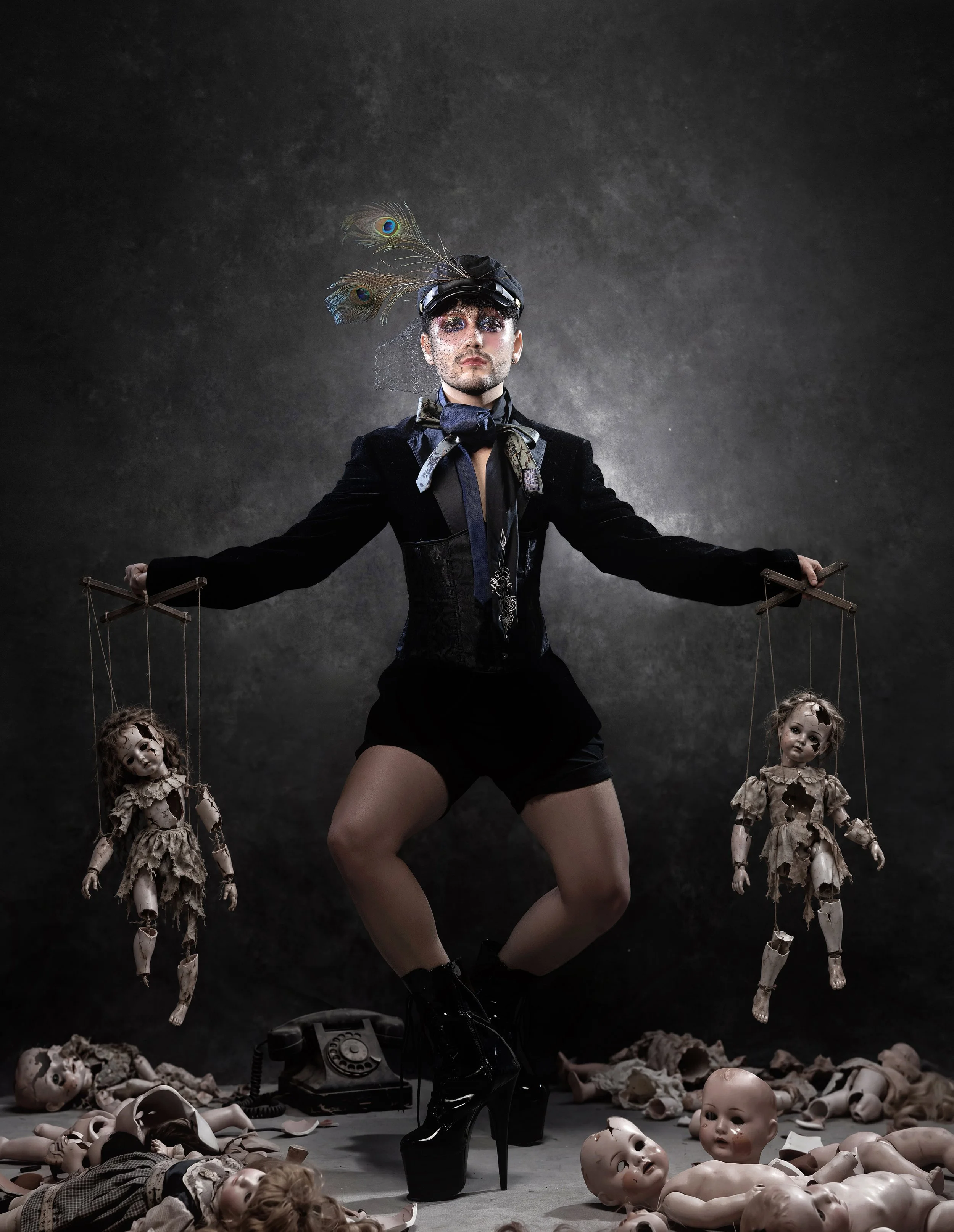
Gothic Glamour embraces smoky charcoal eyes, deep plum or burgundy lips and sculpted features, creating a mysterious yet polished appearance.
Photography by Carlos Moura
Porcelain Doll Beauty combines softly powdered skin, rosy cheeks, rounded eyes and delicate details inspired by antique dolls.
Rococo Romance celebrates pastel eyeshadows, decorative beauty marks, luminous textures and aristocratic-inspired accessories.
Fantasy and Metallic Beauty introduces iridescent pigments, crystals, silver accents and imaginative colour combinations.
Modern Minimalist Halloween favours precise graphic eyeliner, subtle character references and carefully placed details, proving that transformation does not always require elaborate effects.
Across these styles, the emphasis is increasingly on creativity and personal interpretation rather than following a single beauty ideal.
The Digital Age of Transformation
Social media platforms such as TikTok and Instagram have changed the way Halloween make-up is created, shared and celebrated.
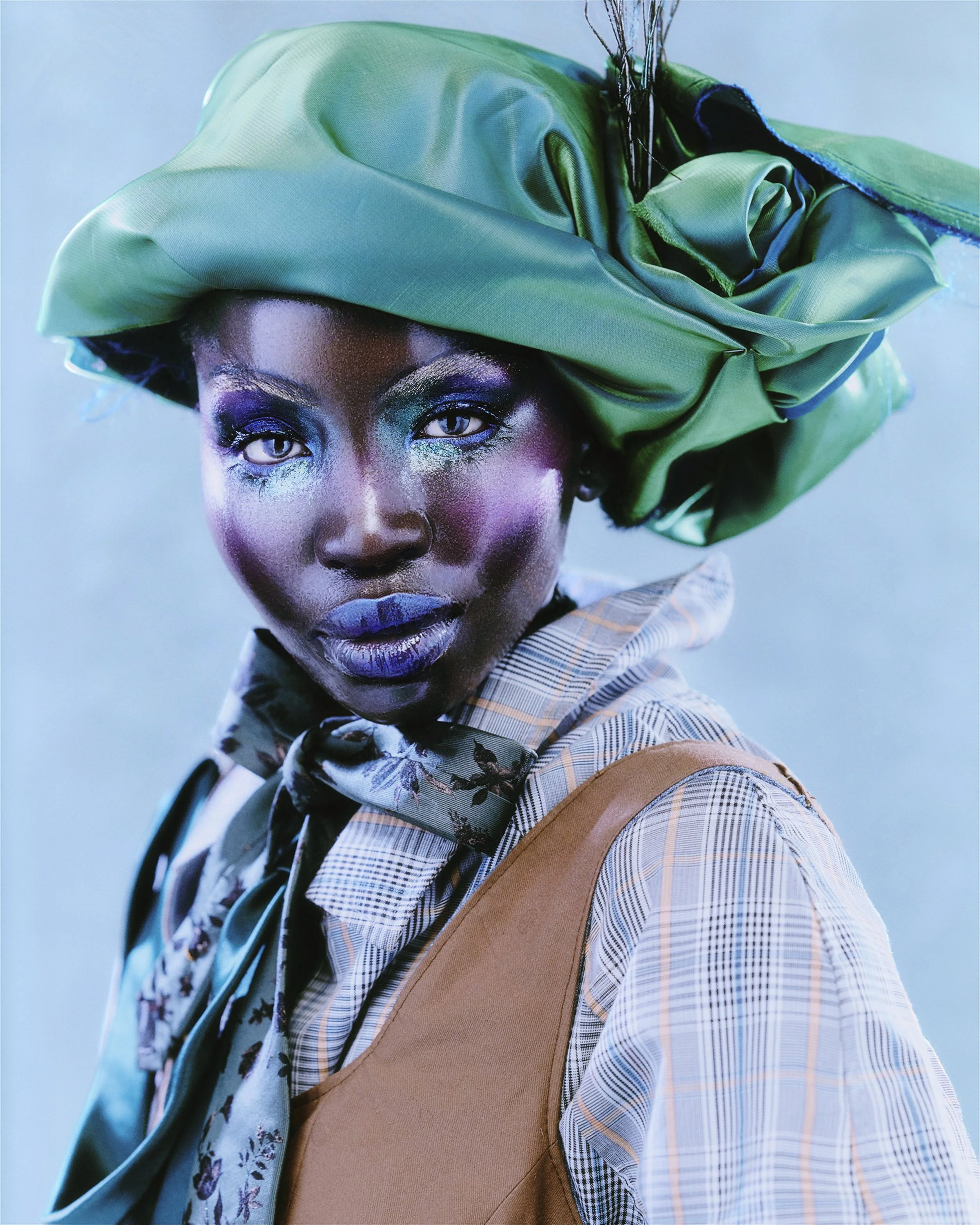
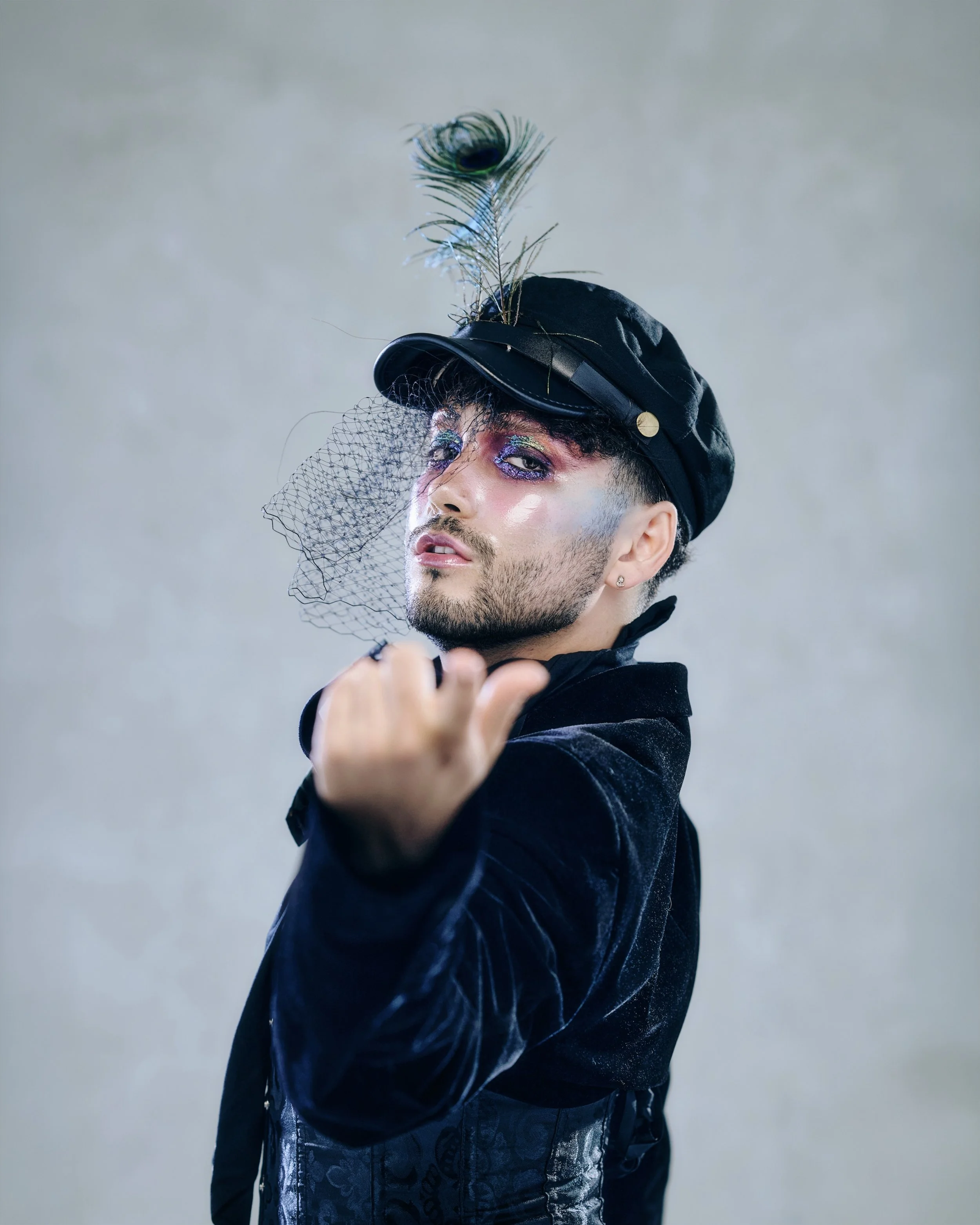
Photography by Carlos Moura
Professional artists and beauty enthusiasts now explore techniques once associated primarily with film studios, from optical illusions and intricate face painting to elaborate prosthetic effects.
At the same time, viral aesthetics such as porcelain doll and Rococo beauty demonstrate how historical references can find new relevance through contemporary beauty culture.
The result is a fascinating dialogue between past and present, where traditional artistry meets modern cosmetics, digital inspiration and individual expression.
The Timeless Art of Halloween Beauty
From ancient Celtic celebrations to Hollywood's legendary characters and today's viral beauty transformations, Halloween has undergone a remarkable evolution.
Make-up, once used primarily as a simple form of disguise, has become an expressive art form capable of combining history, fantasy, fashion and personal identity.
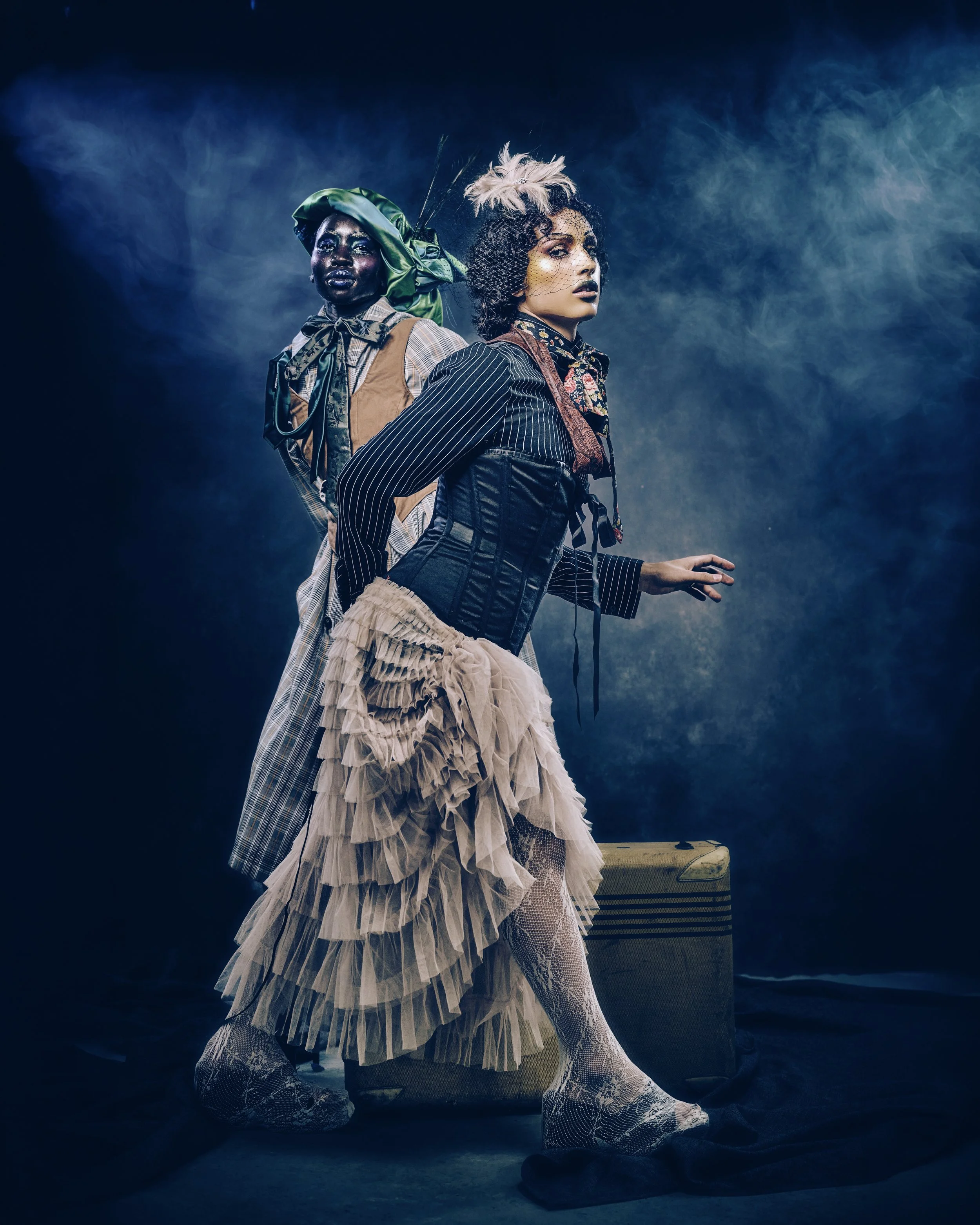
Photography by Carlos Moura
Whether through the mysterious elegance of gothic glamour, the delicate appearance of a porcelain doll or the extravagant romance of Rococo beauty, Halloween continues to celebrate the transformative power of cosmetics.
Ultimately, Halloween reminds us that beauty is not always about enhancing what already exists. Sometimes, its greatest fascination lies in the freedom to imagine, experiment and become someone entirely different, even if only for one night.
