Latin America in the house: Camila Flechas and the Alchemy of Change
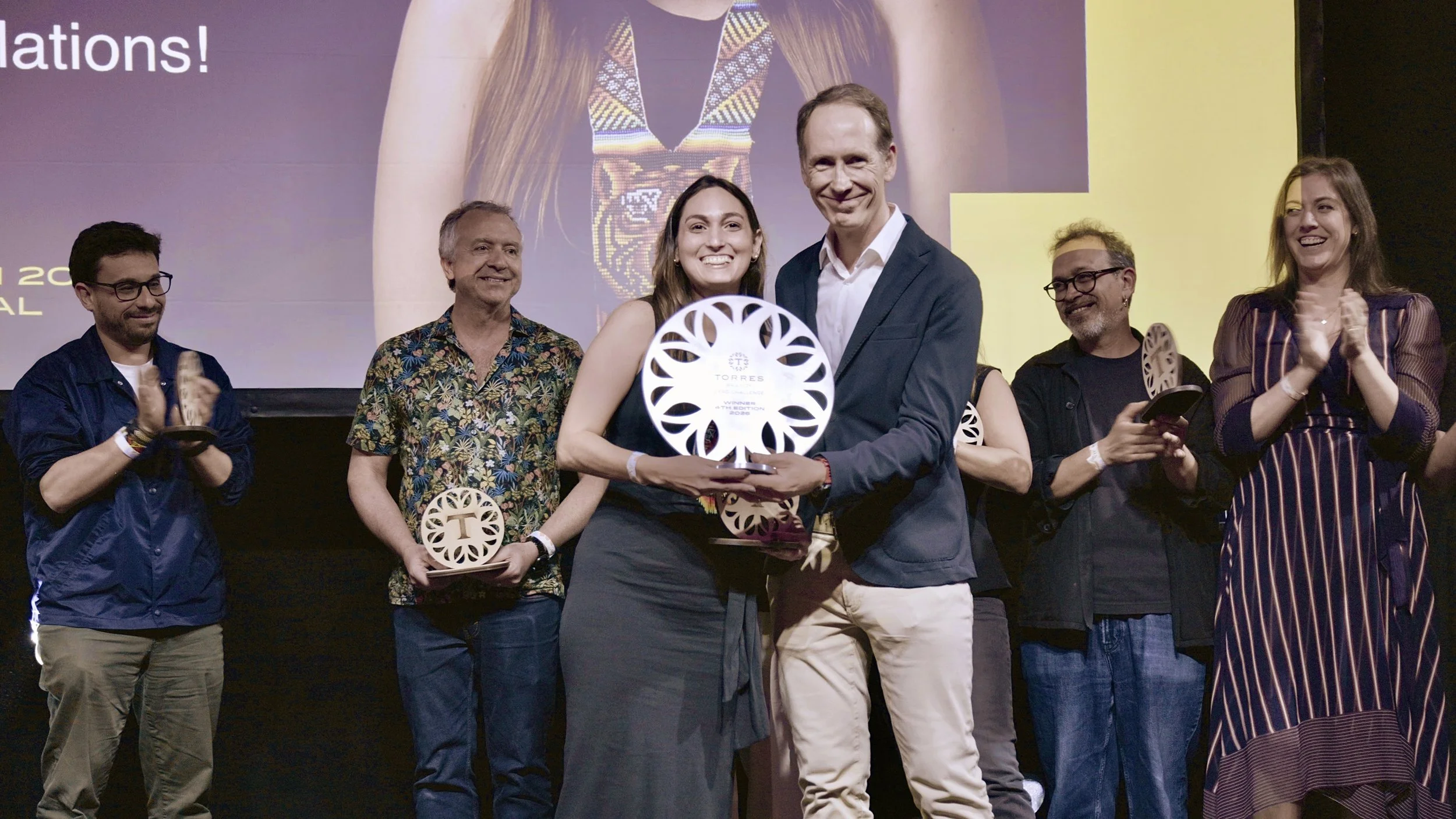
There are moments in hospitality when a story extends far beyond the glass. When what is being recognised is not only technique or creativity, but intention. The kind that reshapes how we understand the industry itself.
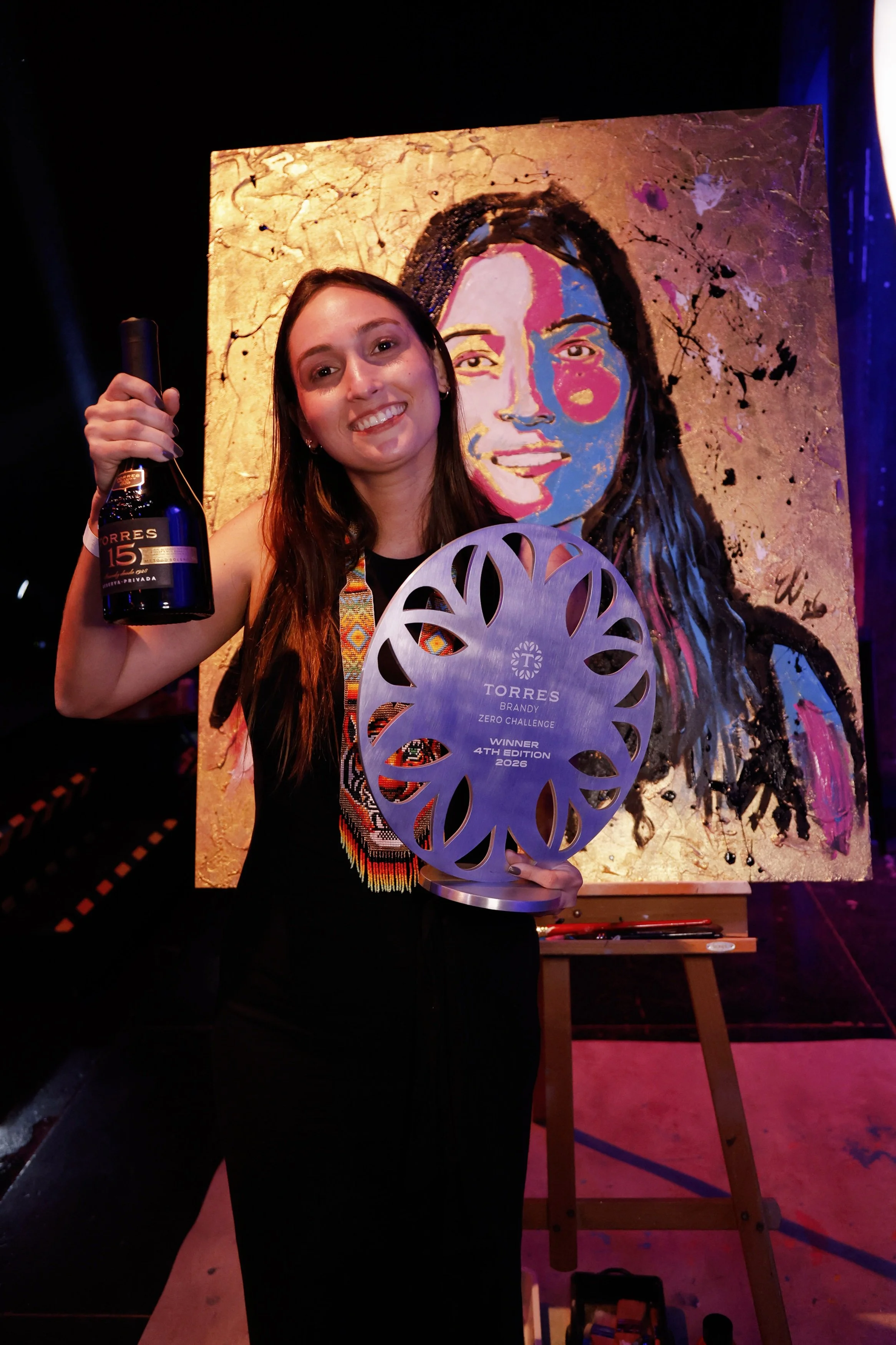
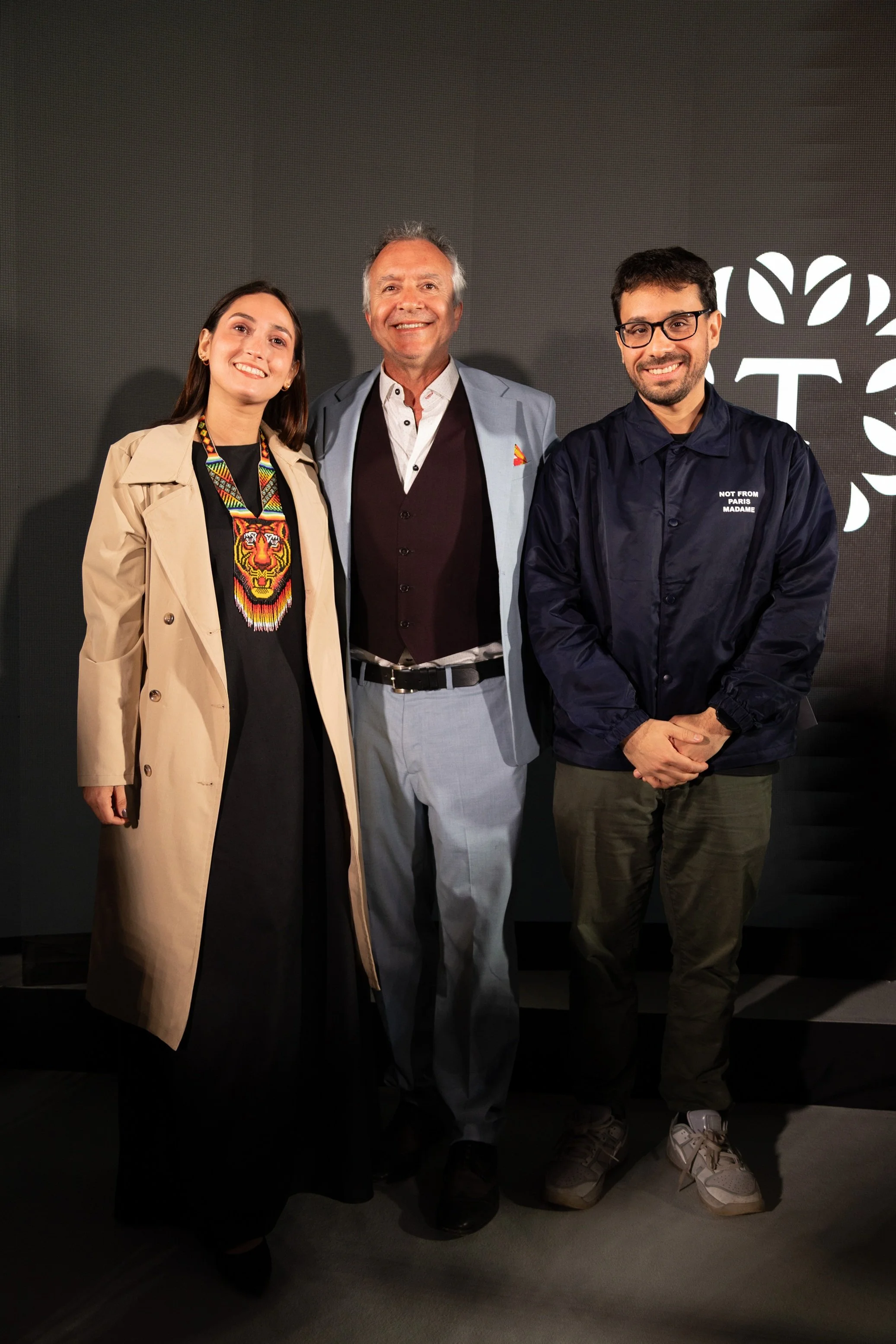
The recent announcement of Camila Flechas, bartender at Alquímico in Cartagena de Indias, as the winner of the Torres Brandy Zero Challenge 2026 is one of those moments. Her project, the Alquímico School of Hospitality, is not simply an idea awarded for its innovation. It is a reflection of a broader shift within the global hospitality landscape, where sustainability is increasingly understood not only in environmental terms, but as a social responsibility. To understand the significance of this recognition, it is necessary to look beyond the competition and into the context from which it emerges.
Latin America, Cartagena and the Rise of a New Hospitality Culture
Cartagena has, in recent years, become one of the most compelling destinations in the global bar scene. A city where colonial architecture, Caribbean rhythms and a dynamic creative energy intersect, it offers a setting that feels both deeply rooted and constantly evolving.
At the centre of this transformation stands Alquímico. More than a bar, it has become a symbol of Colombia’s growing influence in international hospitality. Ranked among the world’s leading bars, it is known not only for its approach to flavour and storytelling, but for its connection to local culture and ingredients.
The name itself, Alquímico, suggests transformation. An alchemy of elements that, when combined with care and intention, produce something entirely new. It is within this environment that Camila Flechas’ vision takes shape.
Education as Craft and as a Social Dimension of Sustainability
The Alquímico School of Hospitality is, at its core, an educational initiative. Yet to describe it simply as a school would be to miss its broader ambition. Designed for young people between the ages of seventeen and twenty five, particularly those at risk of social exclusion, the programme seeks to create a pathway into the hospitality industry that is both practical and transformative. Students are not confined to classrooms. They are immersed in real working environments, gaining experience through paid roles within Alquímico itself.
This integration of learning and practice reflects a philosophy that has long been central to craft. Knowledge is not only transmitted. It is lived. In a sector that continues to face a shortage of skilled professionals, such initiatives respond to a clear need. Yet the project goes further. It reframes hospitality as a cultural practice. A space where identity, creativity and community intersect.
The Torres Brandy Zero Challenge was established to encourage environmental and social responsibility within the industry. Over the years, it has become a platform for ideas that challenge conventional approaches to sustainability.
In this context, the Alquímico School of Hospitality stands out for its emphasis on people. While environmental impact remains essential, the project recognises that sustainability also depends on inclusion, education and opportunity.
By creating access to professional pathways for those who might otherwise be excluded, the initiative addresses a structural imbalance. It offers not only skills, but a sense of belonging. The expected employability rate of its graduates, many of whom are anticipated to work in internationally recognised bars, speaks to the programme’s potential. Yet its true value lies in its ability to redefine what hospitality can be.
A Global Conversation
The final of the competition, held in Barcelona, brought together participants from across the world. Each project reflected a different interpretation of sustainability. From Norway, an initiative focused on supporting the wellbeing of hospitality professionals through tailored nutrition. From Canada, a project aimed at reducing food waste by creating networks to redistribute overlooked produce.
These ideas, diverse in their focus, share a common thread. A recognition that the future of hospitality depends on innovation that is both creative and responsible. In this sense, the competition becomes more than an award. It becomes a space for dialogue. A meeting point for perspectives that extend across continents and cultures.
Craft, Responsibility and the Future of Luxury
Within Avesso’s universe, luxury is increasingly defined by meaning. It is no longer sufficient for an experience to be refined or aesthetically pleasing. It must also be considered. The Alquímico School of Hospitality reflects this evolution. It positions craftsmanship not only as a technical skill, but as a vehicle for change. A way of creating value that extends beyond the immediate moment.
This perspective resonates with a broader shift in consumer expectations. There is a growing desire for authenticity. For stories that are grounded in purpose. For experiences that contribute to something larger than themselves. In this context, hospitality becomes a form of cultural exchange. A space where ideas circulate, where identities are expressed and where connections are formed.
What remains most striking in Camila Flechas’ project is its focus on people. Her own words reflect this clearly. Hospitality, she suggests, is at its most powerful when it creates opportunity and purpose. This emphasis on the human dimension is perhaps what gives the initiative its depth. It moves beyond abstract concepts and into lived experience. In an industry often defined by speed and pressure, it offers a different rhythm. One that values care, patience and long term impact.
A Broader Reflection for the Bar Industry
As I reflect on this moment, I am reminded of the many spaces I have encountered through my work and travels. Bars, restaurants and hotels that, at their best, function as more than places of consumption. They become sites of connection.
The Alquímico School of Hospitality extends this idea further. It suggests that these spaces can also be sites of transformation. That through education and inclusion, they can contribute to shaping futures. In a world that often feels fragmented, such initiatives offer a sense of cohesion. A reminder that change does not always come from large scale interventions, but from carefully constructed systems that prioritise people.
Camila Flechas’ recognition at the Torres Brandy Zero Challenge 2026 is not only a personal achievement. It is a reflection of a broader movement within hospitality. A movement that understands sustainability as multidimensional. That values education as much as innovation. That sees community not as an afterthought, but as a foundation.
In Cartagena, within the walls of Alquímico, a new model is taking shape. One that blends craft, culture and responsibility in a way that feels both grounded and forward looking. And in doing so, it reminds us that the true alchemy of hospitality lies not in what is created, but in what it enables.