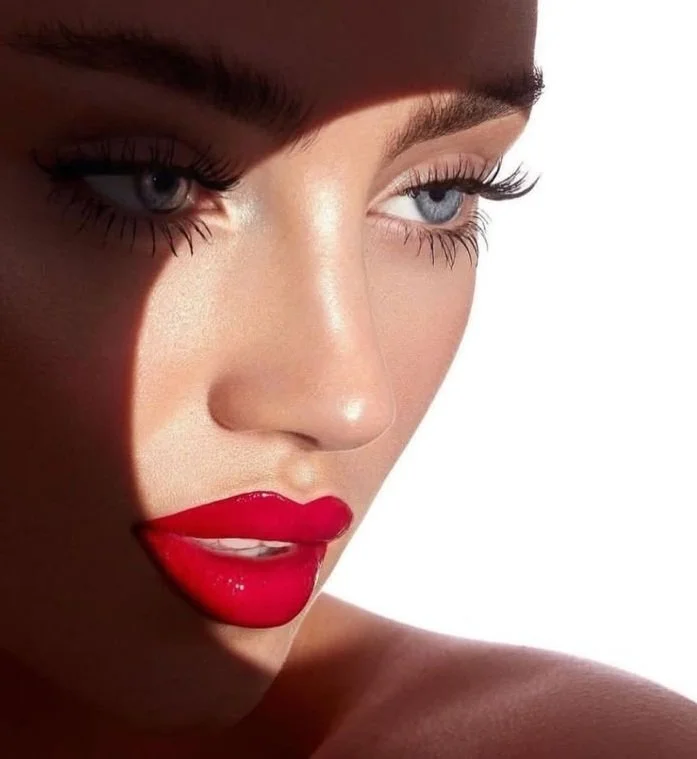
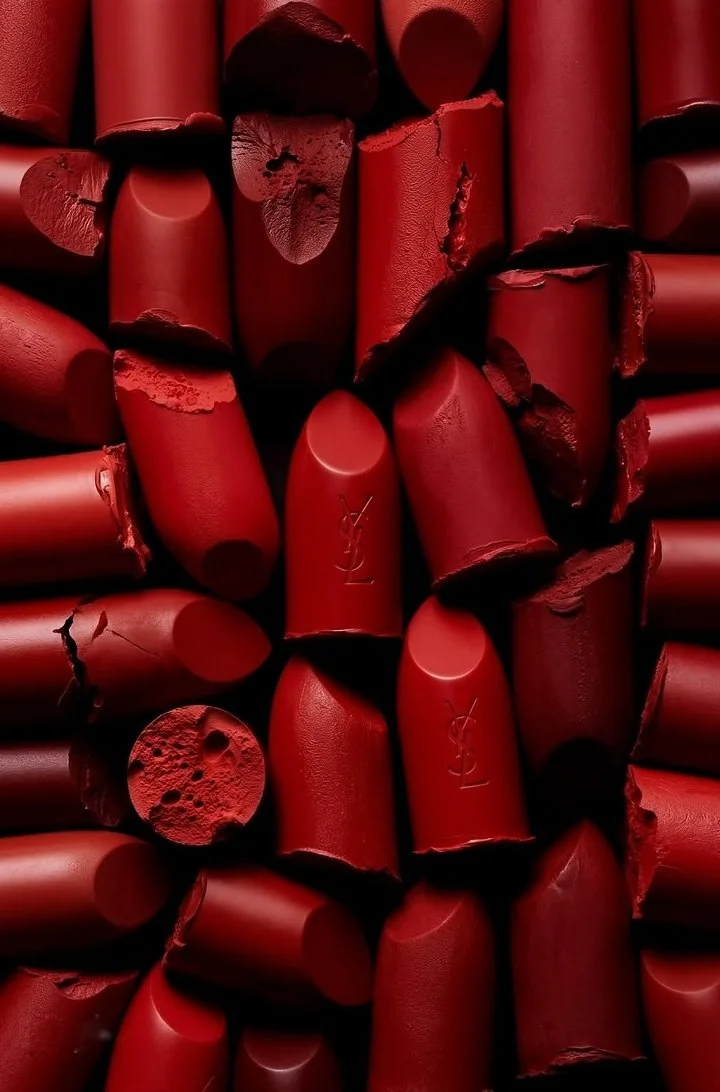
Lipstick: the story of the small object that changed the way we express ourselves
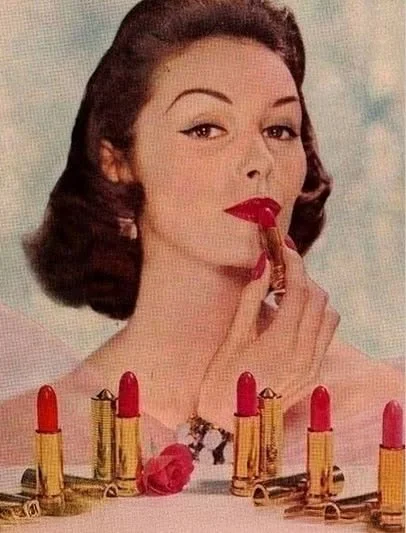
Before becoming one of the most recognised and best-selling products in the beauty industry, lipstick already carried a meaning far greater than simply adding colour to the lips. Small in size but powerful in symbolism, it has travelled through civilisations, social movements and cultural transformations, becoming a reflection of power, identity and freedom.
More than makeup, lipstick has always been a language, a silent, and often revolutionary, way of communicating who we are.
The first colours: when lips began telling stories.
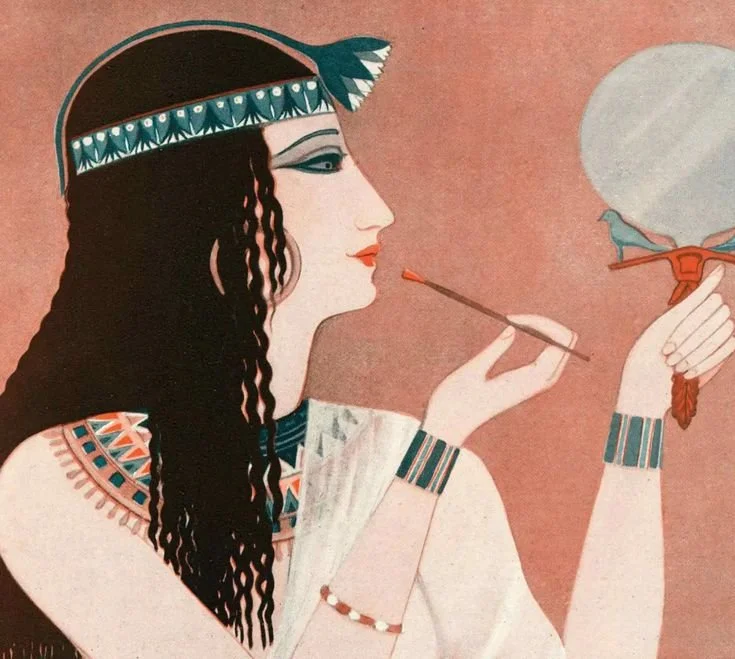
Humanity’s relationship with coloured lips began thousands of years ago. In ancient Mesopotamian civilisations, both men and women used pigments made from crushed minerals to decorate their mouths, associating beauty with status and social position.
In Ancient Egypt, the practice became even more significant. Coloured lips became part of the beauty rituals of the elite. Cleopatra, one of history’s most iconic figures, became known for wearing intense shades created from natural pigments, transforming colour on the lips into a symbol of influence and sophistication.
From the very beginning, painting the lips was never just about appearance, it was about presence.
From judgement to desire
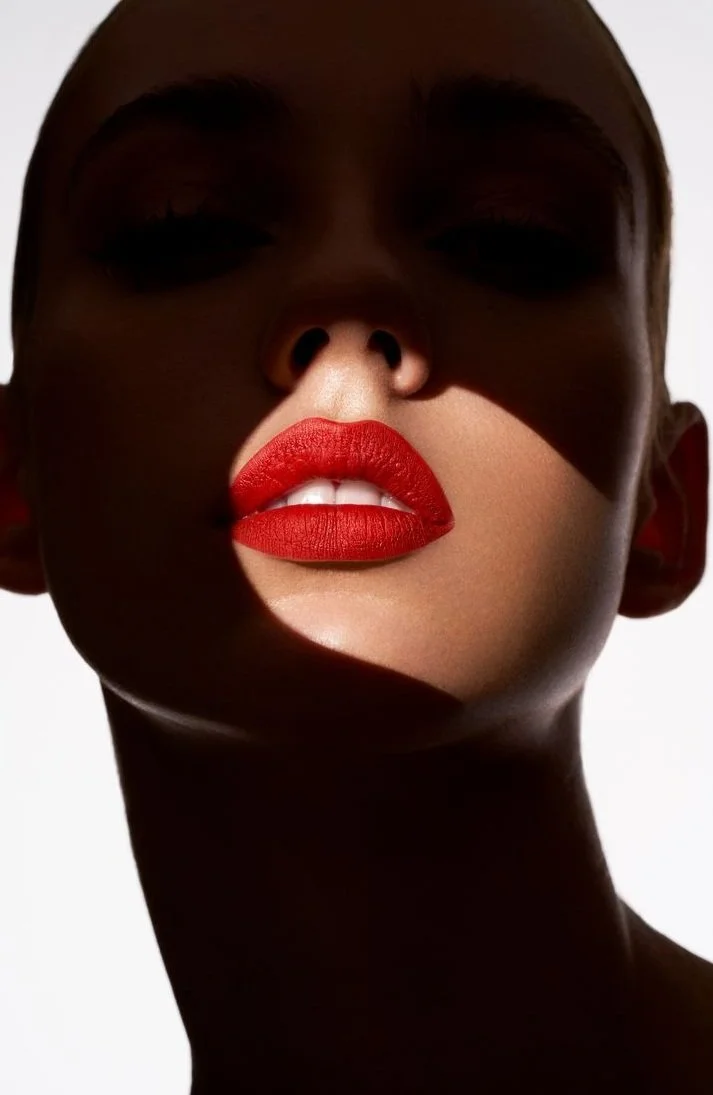
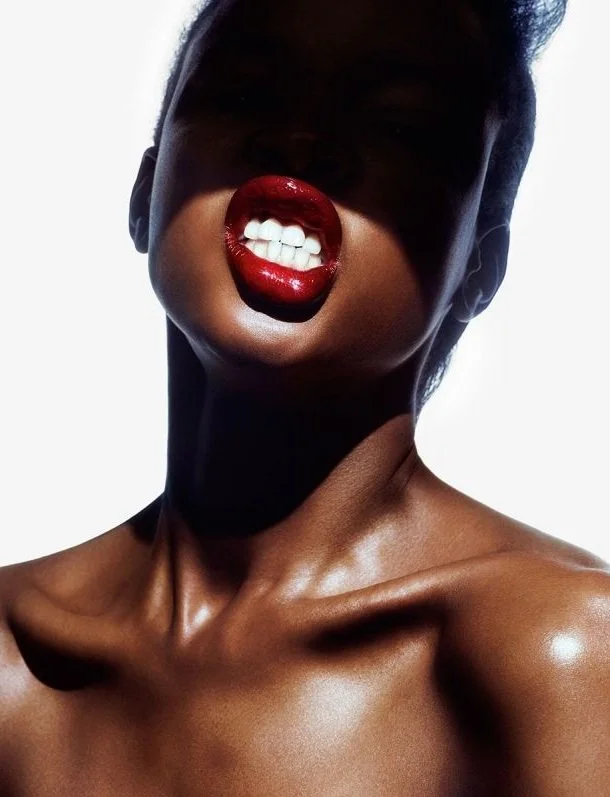
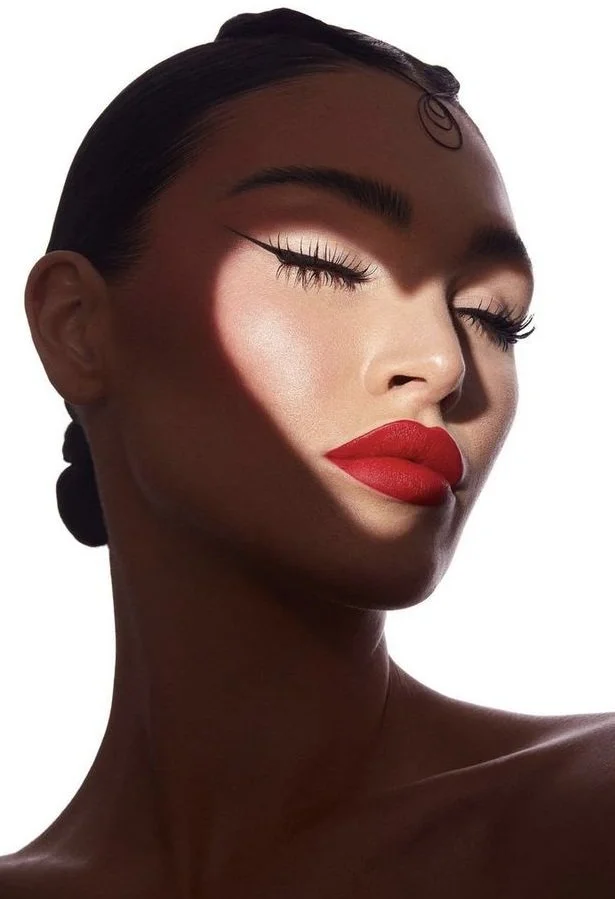
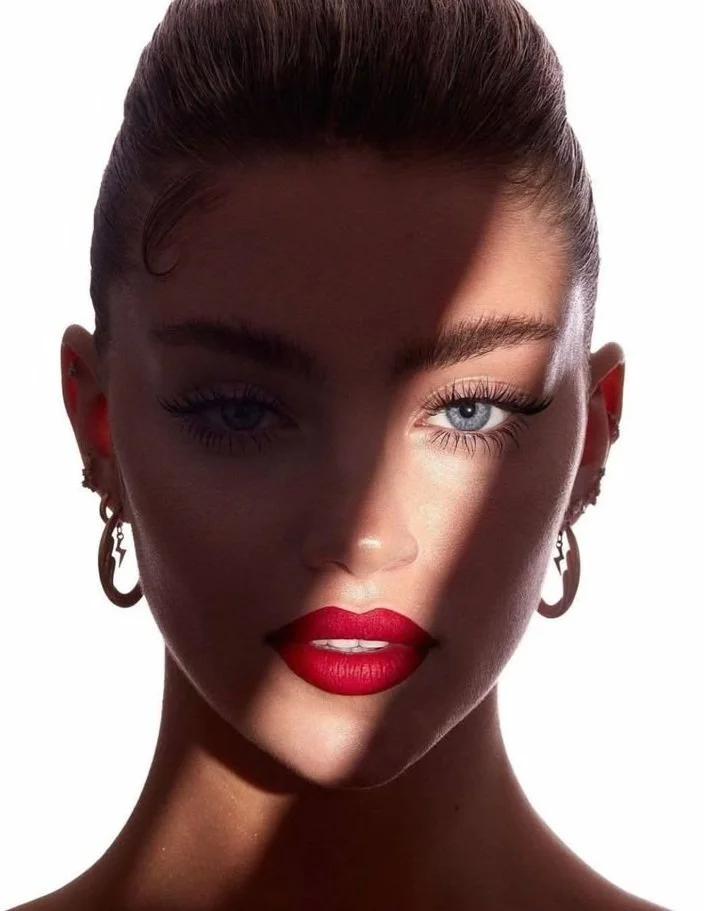
Despite its origins being linked to luxury and power, lipstick’s history also went through moments of rejection.
During different periods of European history, the use of cosmetics was associated with excessive vanity and was often socially condemned. The relationship between makeup and society has always revealed something deeper: how each era interpreted expression, freedom and identity.
But lipstick endured.
Century after century, it returned as a tool of transformation.
Red lipstick and the female revolution
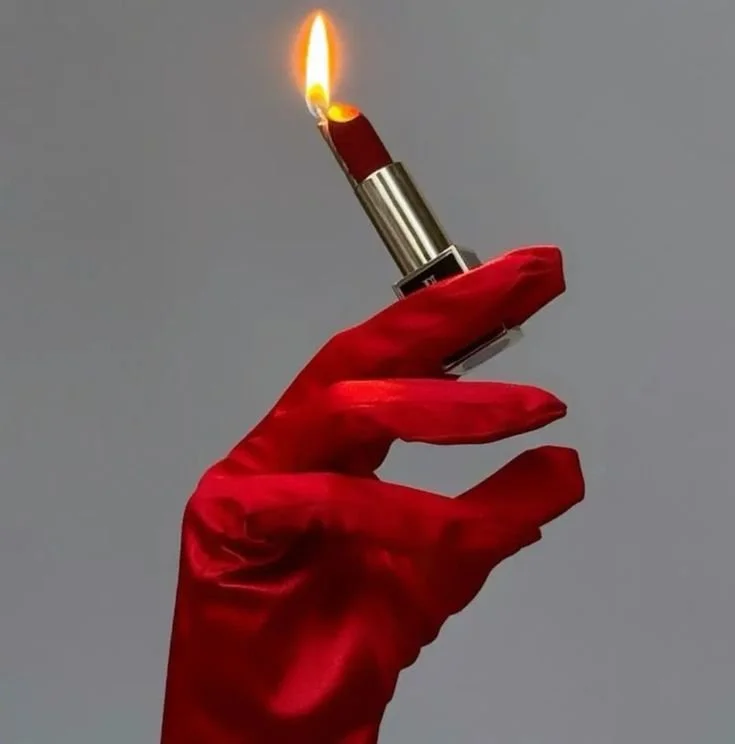
Few colours carry as much history as red.
At the beginning of the 20th century, red lipstick stopped being just a beauty product and became a political symbol. During women’s rights movements, red lips were adopted as a statement of strength, independence and defiance against imposed standards.
What was once seen as provocative became a symbol of courage.
Decades later, during periods of war and instability, lipstick remained present as a small gesture of confidence, hope and control over one’s own image.
It was a quiet way of saying: we are still here.
The lipstick phenomenon: the little luxury that never disappears
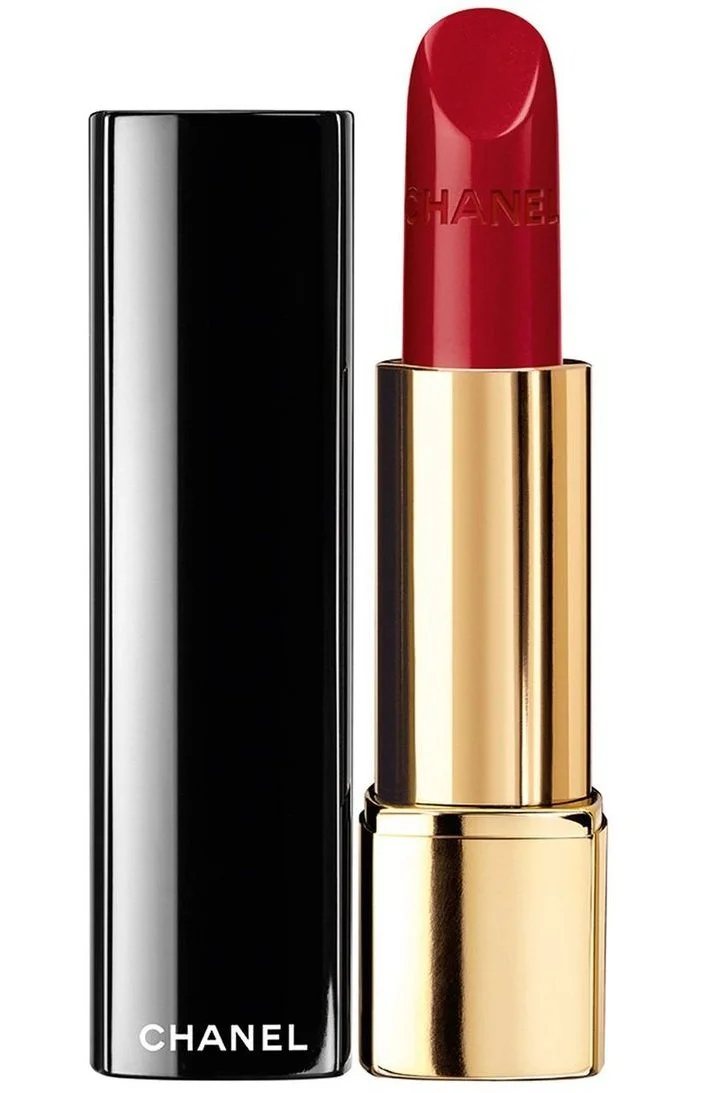
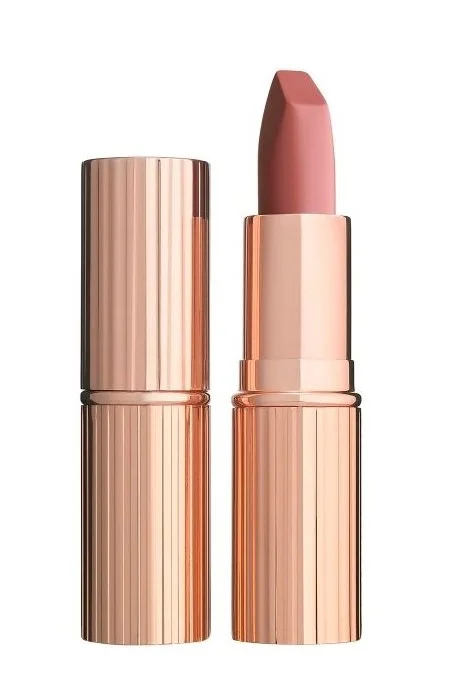
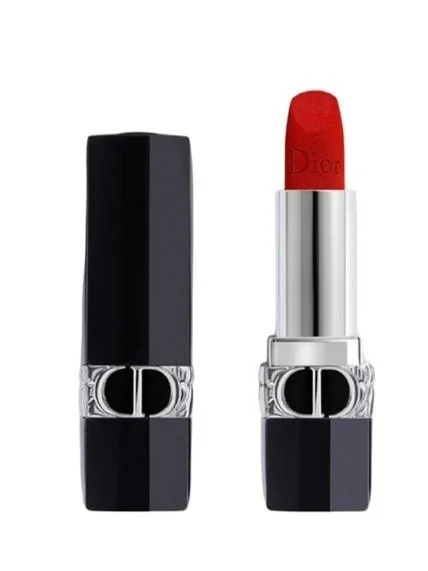
Beyond its cultural impact, lipstick also became one of beauty’s greatest commercial phenomena.
It remains one of the most consumed makeup products worldwide and one of the industry’s most democratic items: accessible, transformative and capable of changing an entire look within seconds.
This relationship even inspired an economic concept known as the “Lipstick Effect” the theory that, even during times of financial uncertainty, consumers continue investing in small affordable luxuries, such as lipstick, as a source of pleasure, confidence and self-care.
For many beauty houses, a single lipstick shade has been powerful enough to define an entire identity.
Some shades have gone beyond trends and become true beauty icons:
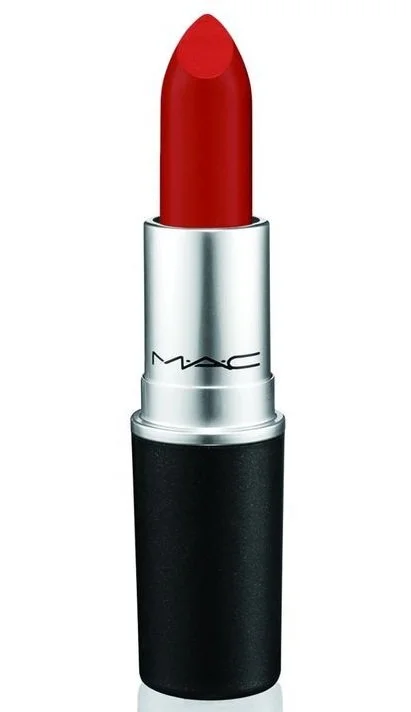
MAC Ruby Woo :considered one of the most famous red lipsticks in the world. Its intense matte finish and universally recognised red shade transformed it into a signature of the brand.
Charlotte Tilbury Matte Revolution Pillow Talk : one of modern beauty’s biggest phenomena, known for its pink-nude tone designed to enhance a wide range of skin tones.
Dior Rouge Dior 999 : inspired by the maison’s classic red, representing the connection between haute couture and beauty.
Chanel Rouge Allure Pirate : a sophisticated red shade that reflects the timeless glamour associated with Chanel.
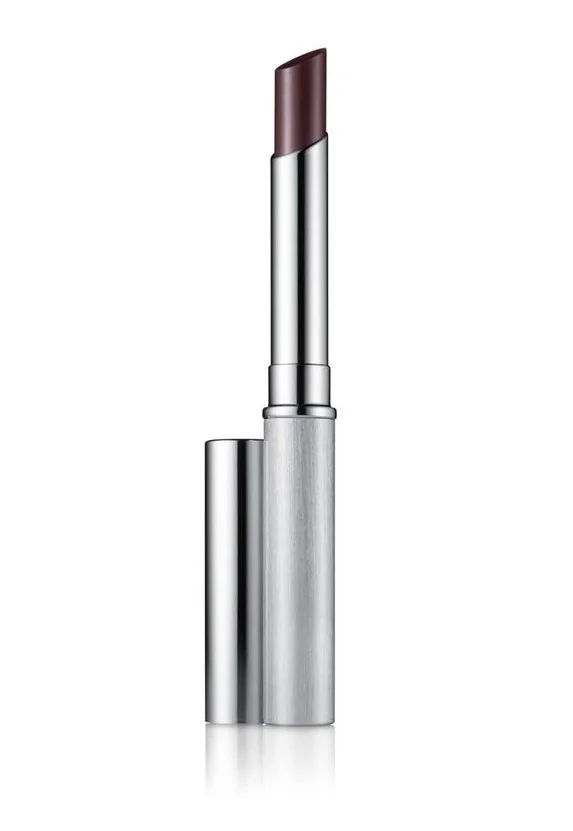
Clinique Almost Lipstick Black Honey : originally launched in the 1970s, it became a phenomenon thanks to its sheer berry tone that adapts beautifully to the lips and returned as a viral favourite decades later.
These products prove how a simple tube of lipstick can become an object of desire and a piece of cultural memory.
From bullet to liquid: the evolution of lipstick formulas
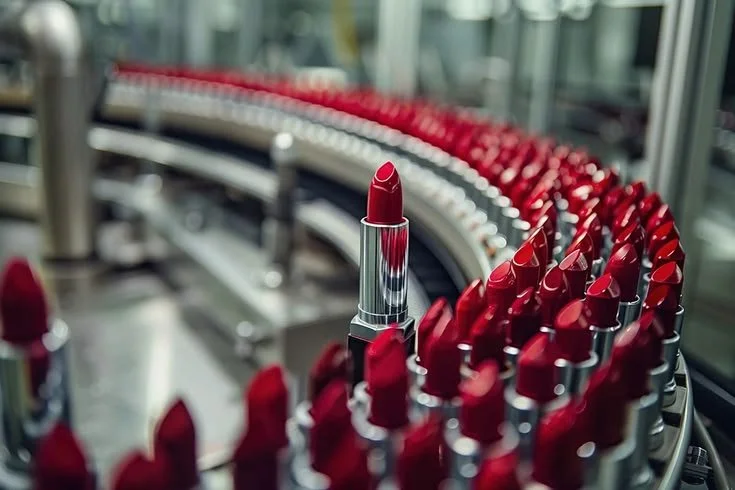
Over time, lipstick also evolved through different formulas and finishes, each one responding to a different beauty desire. The classic bullet lipstick remains the most traditional format, known for its practicality, elegance and almost ritualistic gesture of application. Cream lipsticks offer comfort, hydration and rich colour, making them timeless choices for everyday wear. Matte lipsticks became associated with intensity and sophistication, delivering strong pigmentation and a shine-free finish. Liquid lipsticks brought precision, durability and high-impact colour, becoming especially popular for long-lasting statement lips. Glosses and high-shine formulas introduced a fresher, more playful effect, while tinted balms, lip oils and sheer lipsticks reflect the current search for hybrid products that combine colour, skincare and comfort.
Hollywood and the birth of glamour
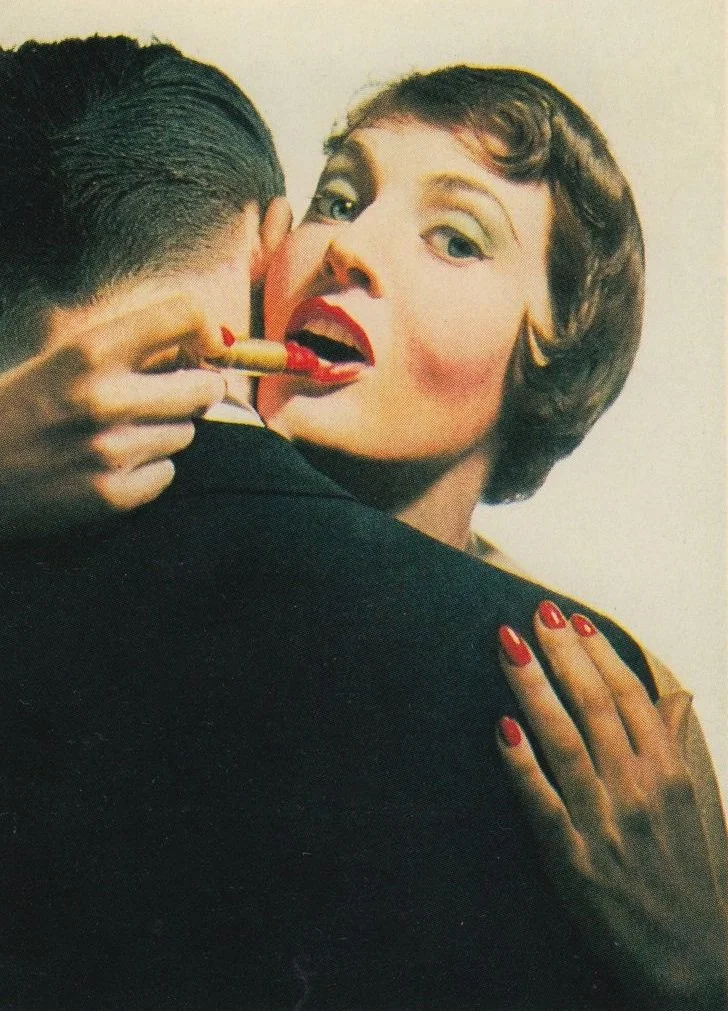
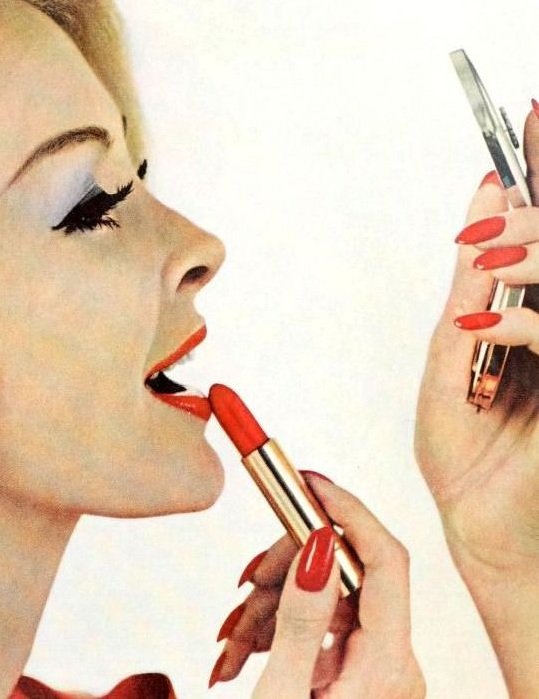
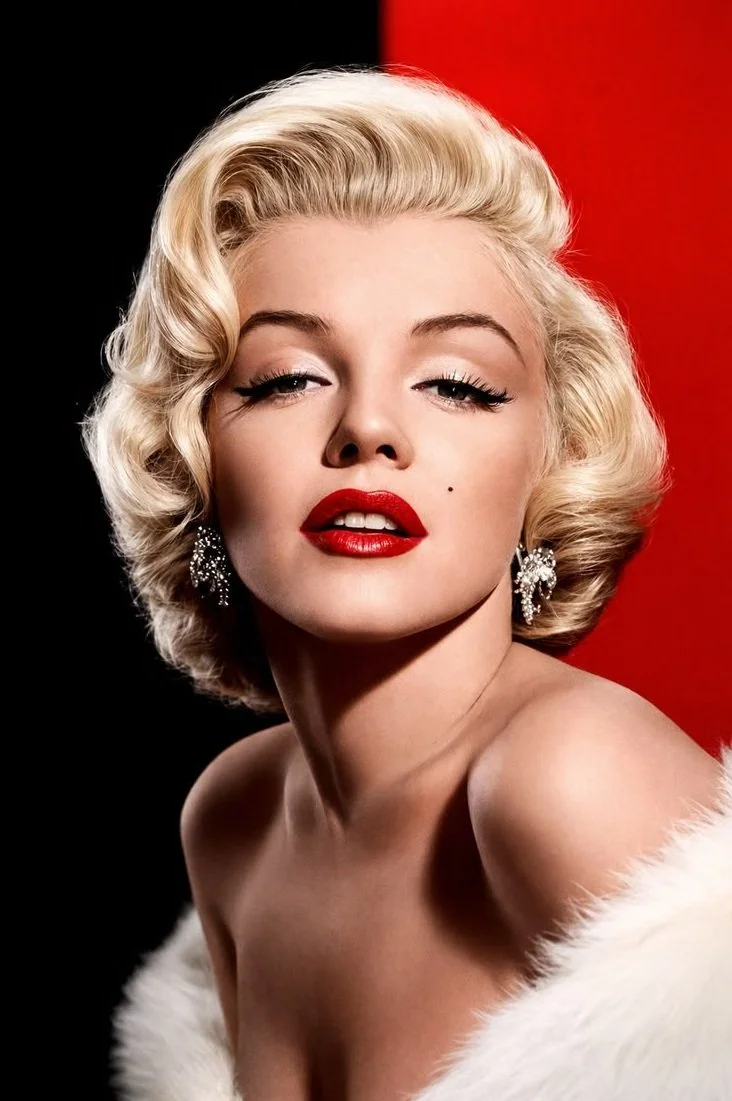
With the rise of cinema, lipstick entered a new era.
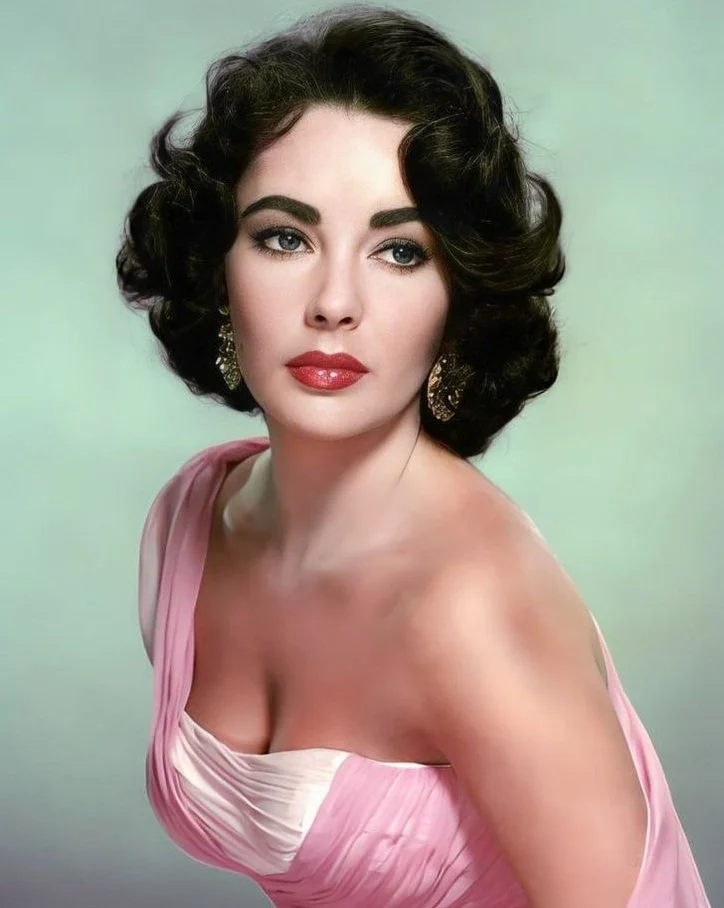
The great stars of Hollywood transformed statement lips into a visual signature. Intense red shades became associated with elegance, sensuality and power.
Icons such as Marilyn Monroe and Elizabeth Taylor helped establish red lipstick as an eternal symbol of classic beauty.
From that moment, new formulas, luxurious packaging and endless shades began bringing a piece of Hollywood glamour into everyday life.
From rules to freedom
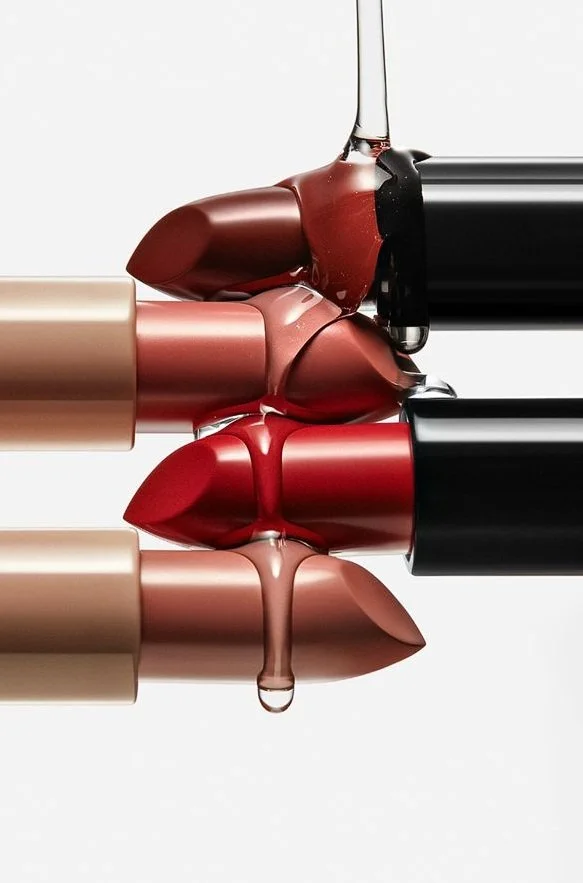
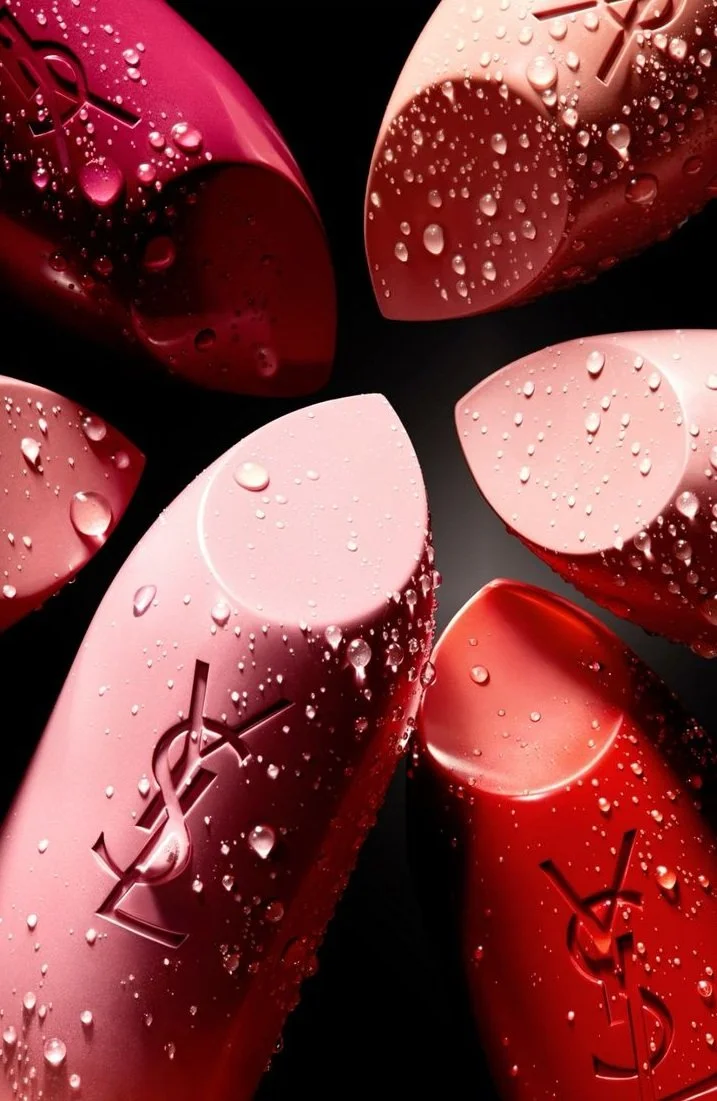
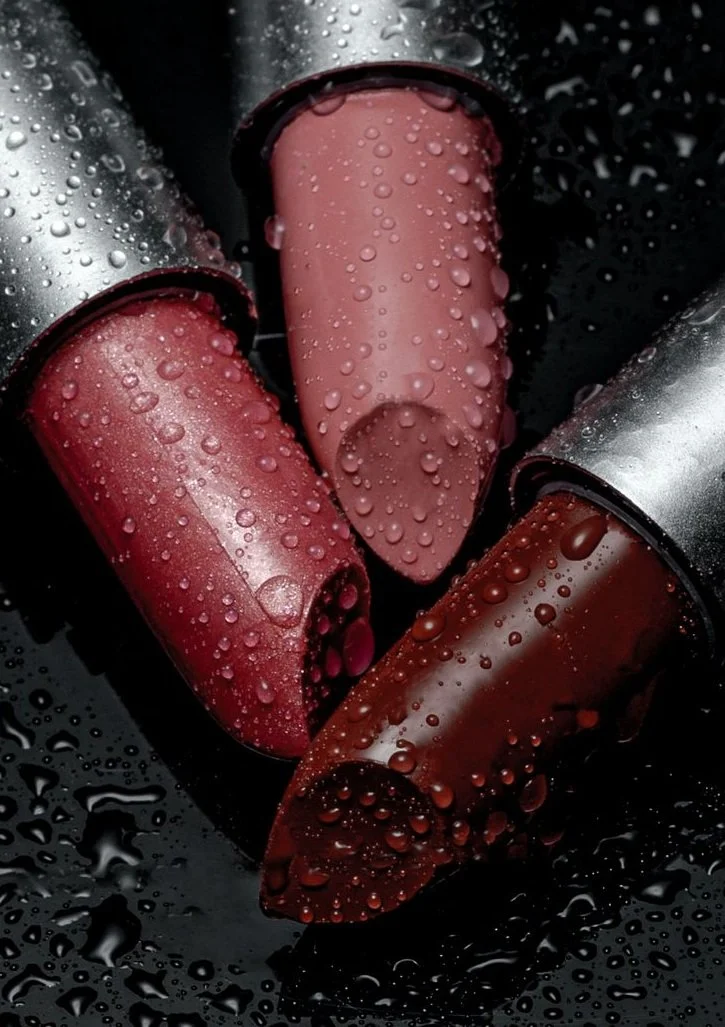
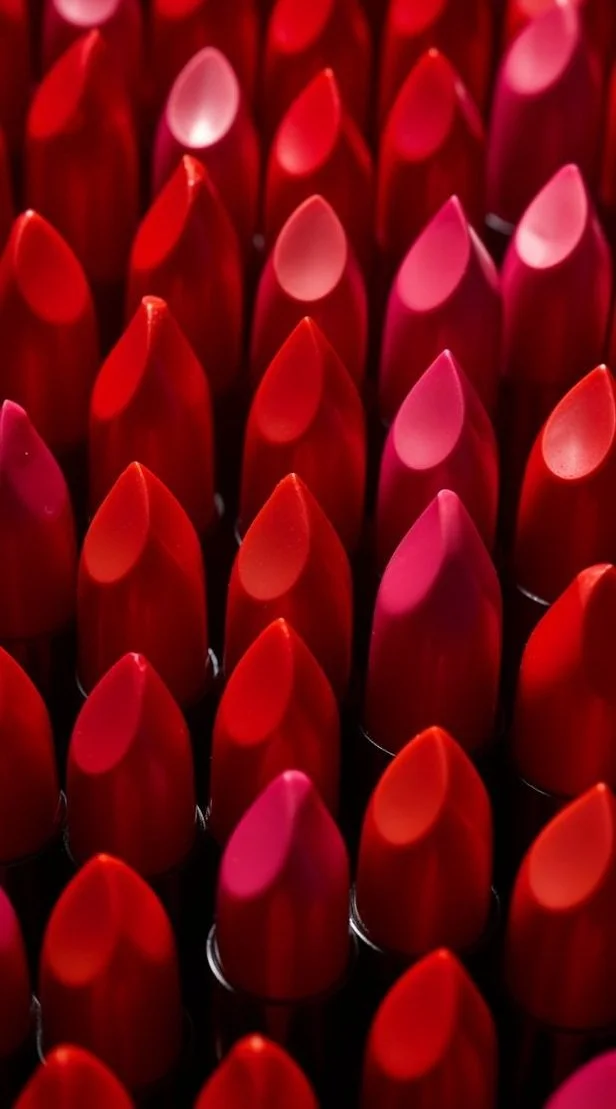
Over the decades, lipstick has followed every cultural transformation.
The 1990s immortalised brown shades and defined lip liners. The 2000s introduced the glossy era. Today, we live in a moment where all these references coexist.
A classic red, a minimalist nude, a dark dramatic shade or simply a transparent balm: choice itself has become the real trend.
Beyond colour
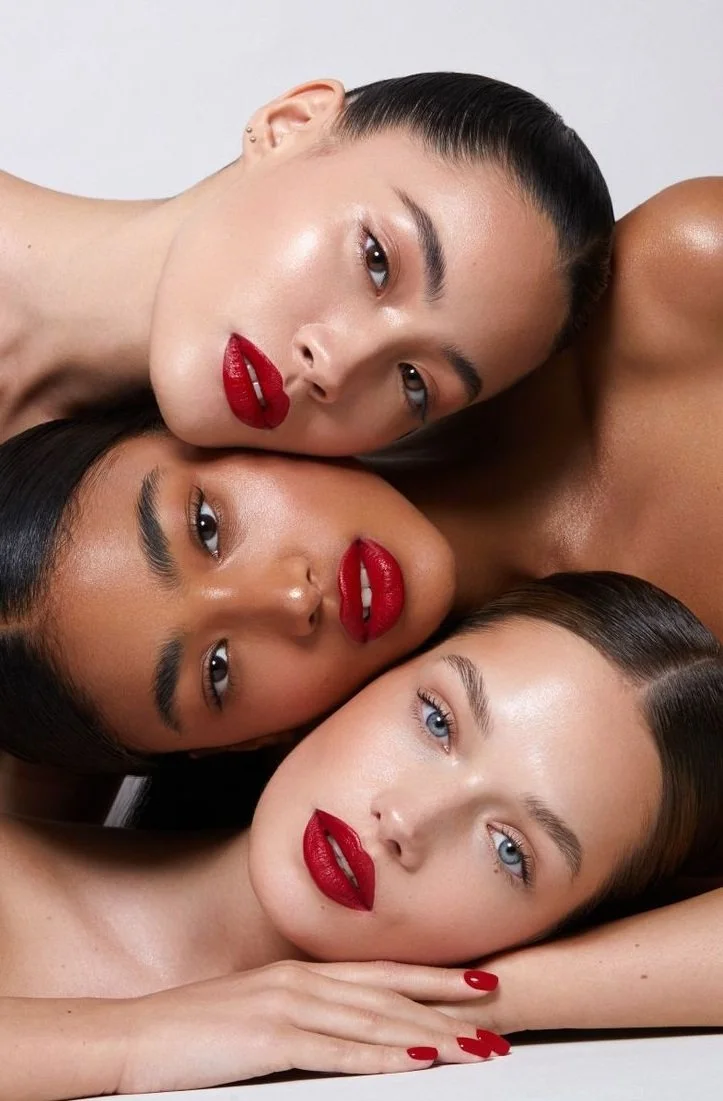
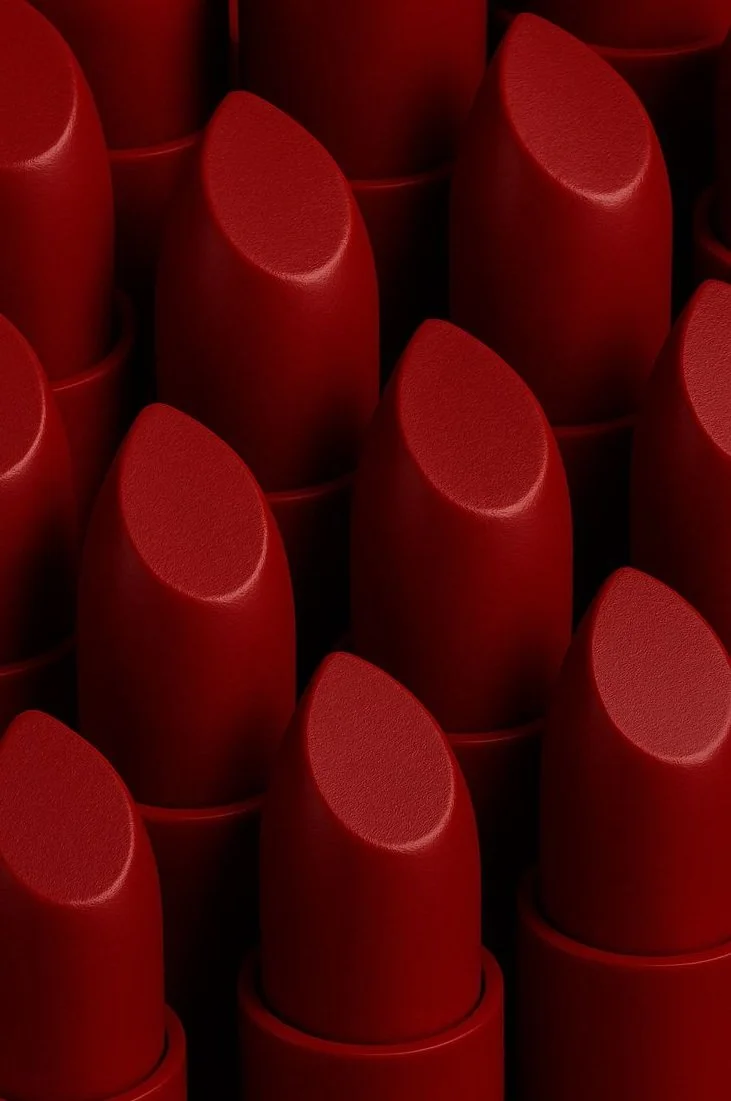
Today, lipstick represents much more than traditional femininity or glamour. It belongs to everyone who sees makeup as a tool for self-expression.
New generations have transformed the product into something without rules or limits, while technology has introduced hybrid formulas that combine makeup with skincare benefits.
Lipstick can hydrate, care, transform or simply accompany a moment.
A small object, a powerful history
The journey of lipstick proves that some products go far beyond their original purpose.
It has represented status, rebellion, luxury, resistance and freedom. It has appeared in revolutions, on cinema screens, across runways and within personal moments of transformation.
Because, in the end, applying lipstick has never been just about adding colour to the lips.
It was and continues to be a way of taking up space.