Manchester Fashion Week Returns With a Bold Vision to Redefine the Future of British Fashion
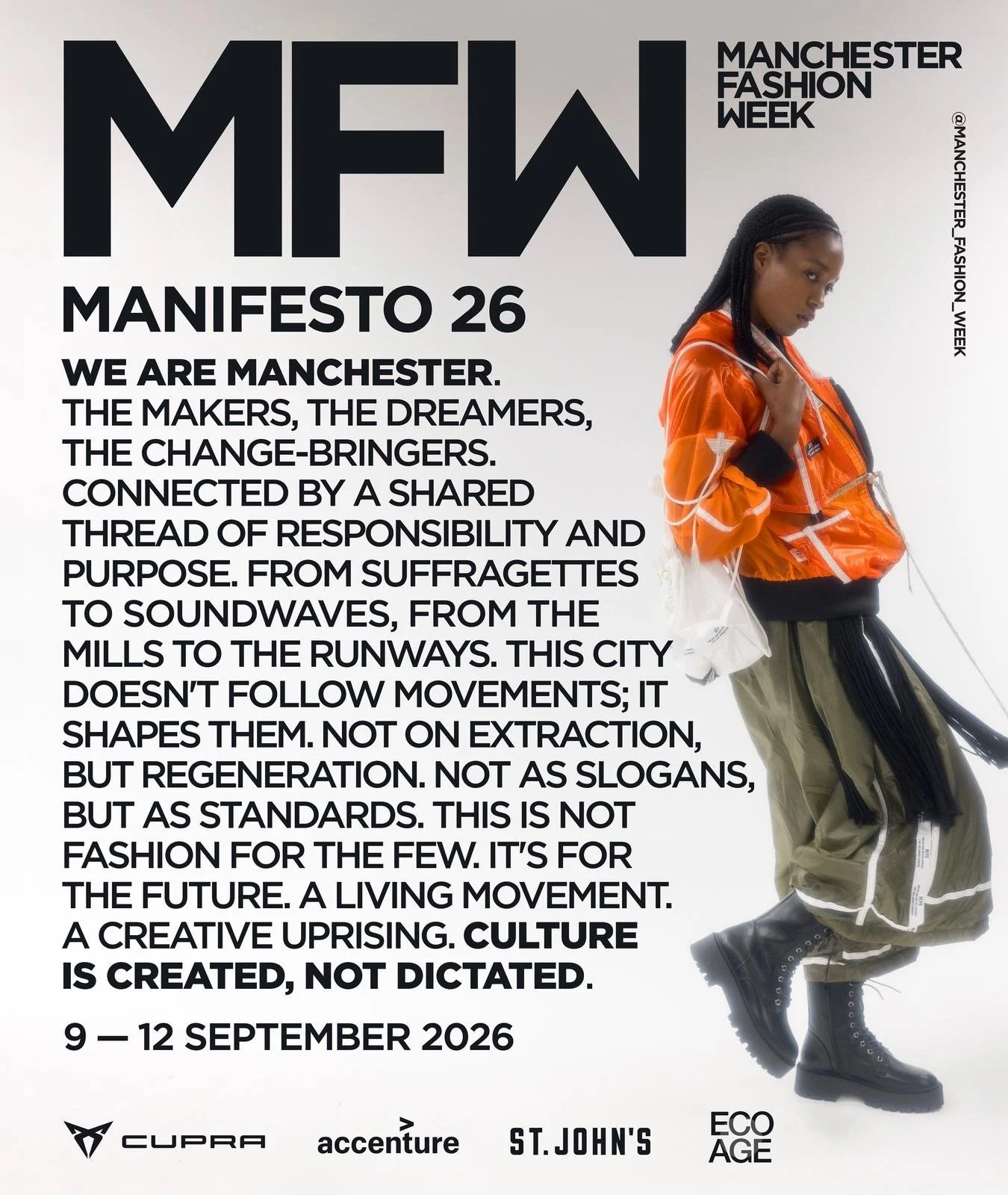
While London continues to dominate international headlines, another British city is quietly reshaping the conversation around fashion. Manchester Fashion Week returns from 9–12 September 2026 with an ambitious programme that signals far more than a series of runway shows. It reflects a broader shift in how the industry is beginning to define influence, sustainability and long-term cultural impact.
This year’s edition is expected to welcome around 5,000 attendees, a significant increase from last year’s inaugural return, positioning Manchester Fashion Week among Europe’s fastest-growing fashion events. Yet its greatest ambition lies beyond attendance figures.
At the centre of this evolution is the launch of C.T.E.M. Fashion Collective — an independent non-profit initiative whose name stands for Culture, Technology, Education and Manufacturing. Rather than limiting its activity to a four-day fashion calendar, the organisation aims to create year-round educational programmes, skills development initiatives and industry partnerships across Greater Manchester, connecting young talent directly with fashion, manufacturing and innovation.
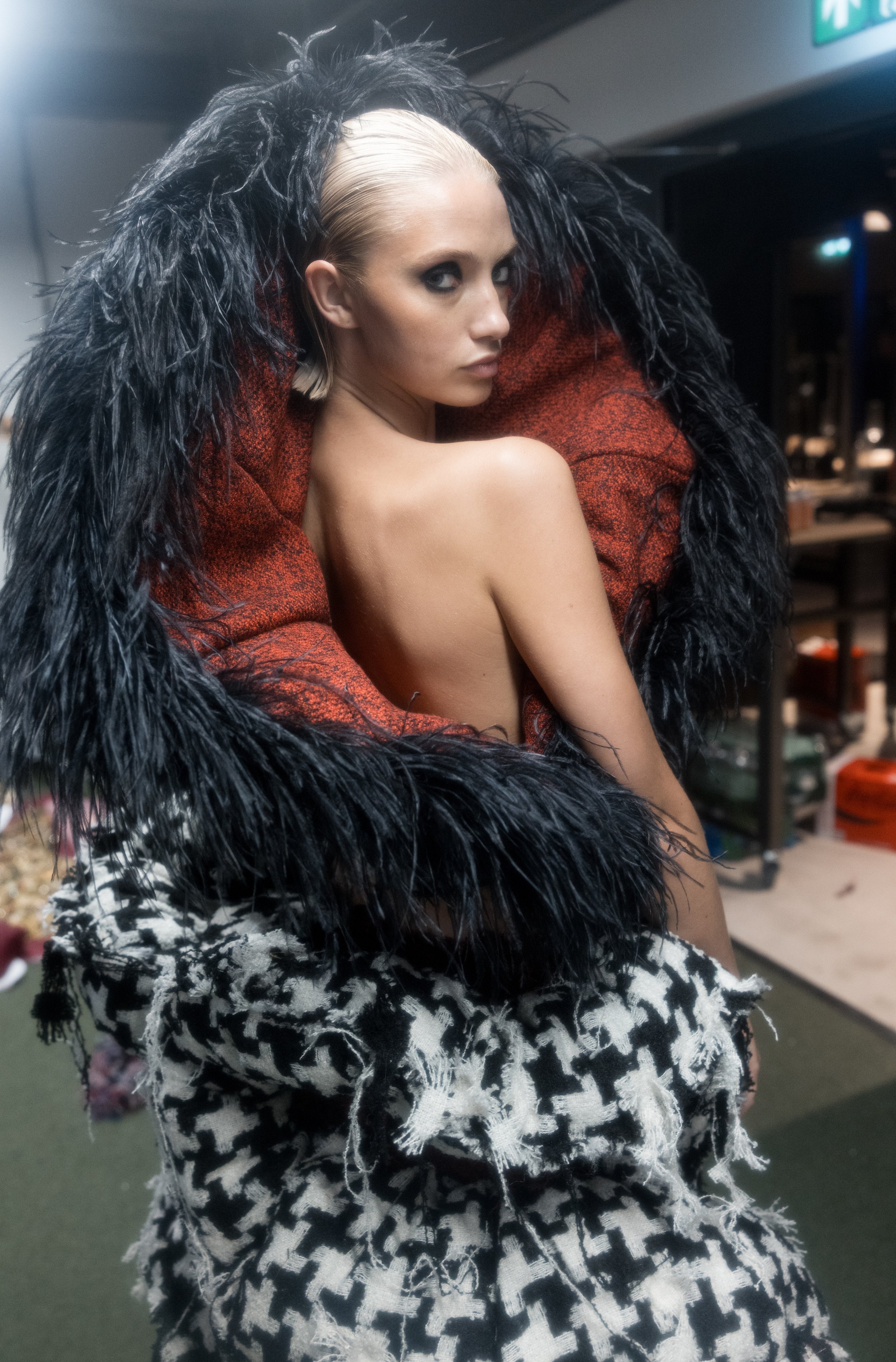
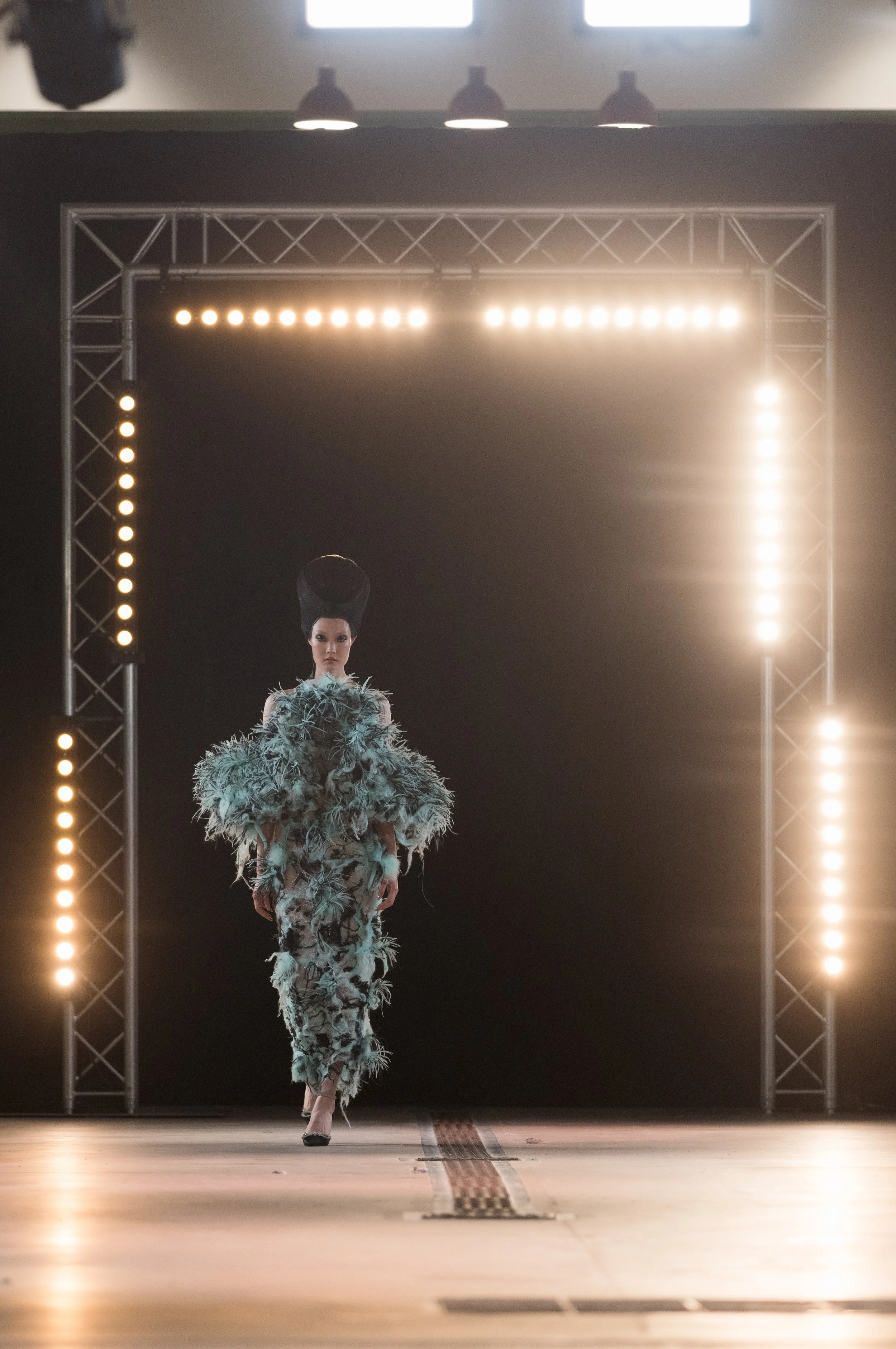
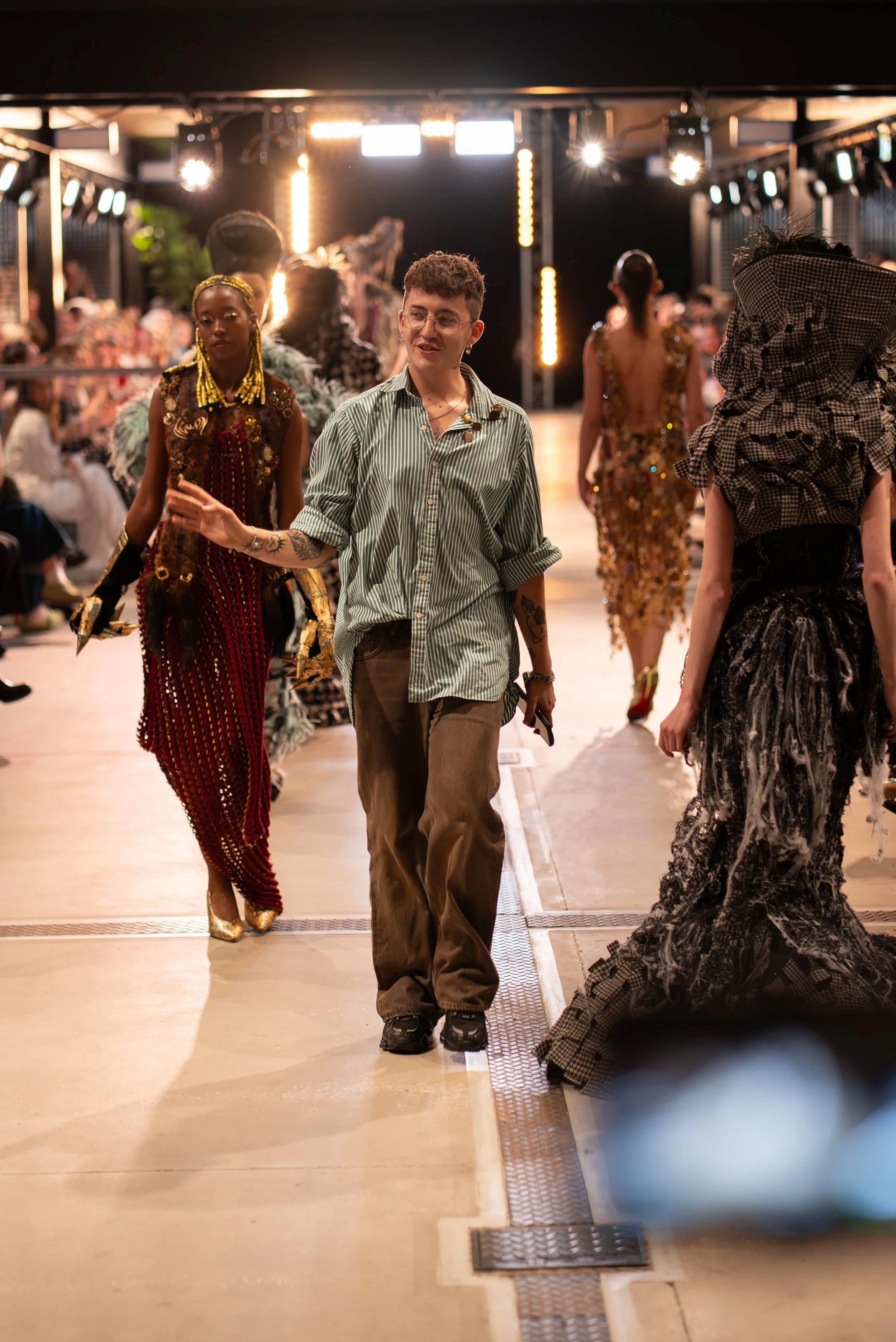
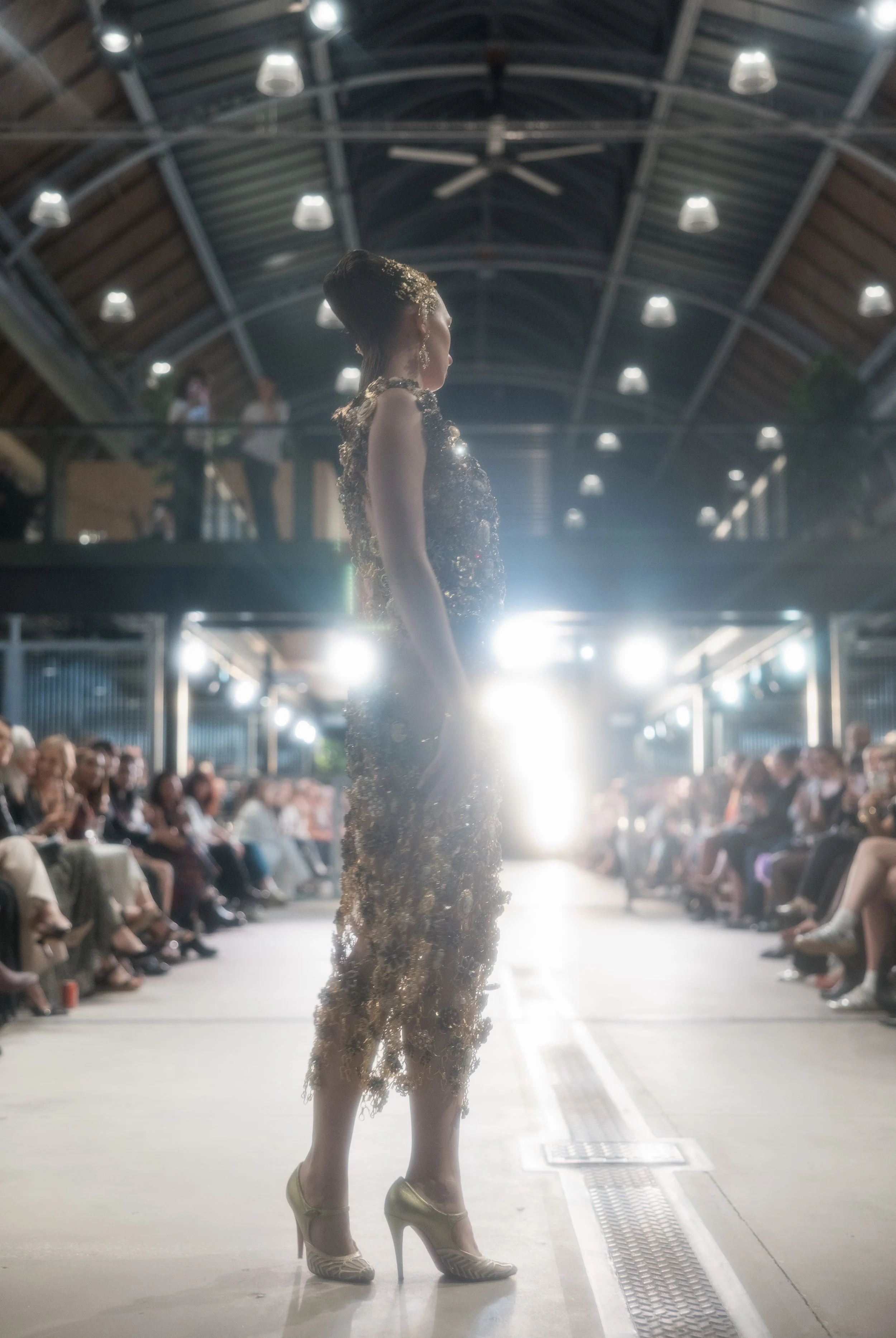
The strategy reflects a growing movement within luxury and contemporary fashion: success is no longer measured solely by front rows and celebrity appearances, but increasingly by investment in future talent, responsible production and local creative economies.
Manchester has long possessed the foundations for such a transformation. Its industrial heritage helped shape Britain’s textile industry, while its cultural influence continues to resonate globally through music, design and independent creativity. Fashion Week now seeks to position the city not as an alternative to London, but as a complementary creative powerhouse with its own distinct identity.
This year’s programme brings together runway presentations, exhibitions and industry conversations featuring respected names including Katharine Hamnett CBE, whose work has long combined fashion with activism, and Lynne Franks OBE, one of the architects behind the commercial success of London Fashion Week. International participation will also include Malon Fashion and IGC Fashion, highlighting the event’s commitment to showcasing emerging global perspectives.
One of the initiative’s most compelling elements is its emphasis on measurable community impact. Through collaborations with schools, youth organisations and educational institutions, hundreds of young people will already have participated in design workshops and sustainability projects before the first runway show even begins. It is an approach that positions fashion not simply as entertainment, but as an engine for education, opportunity and social mobility.
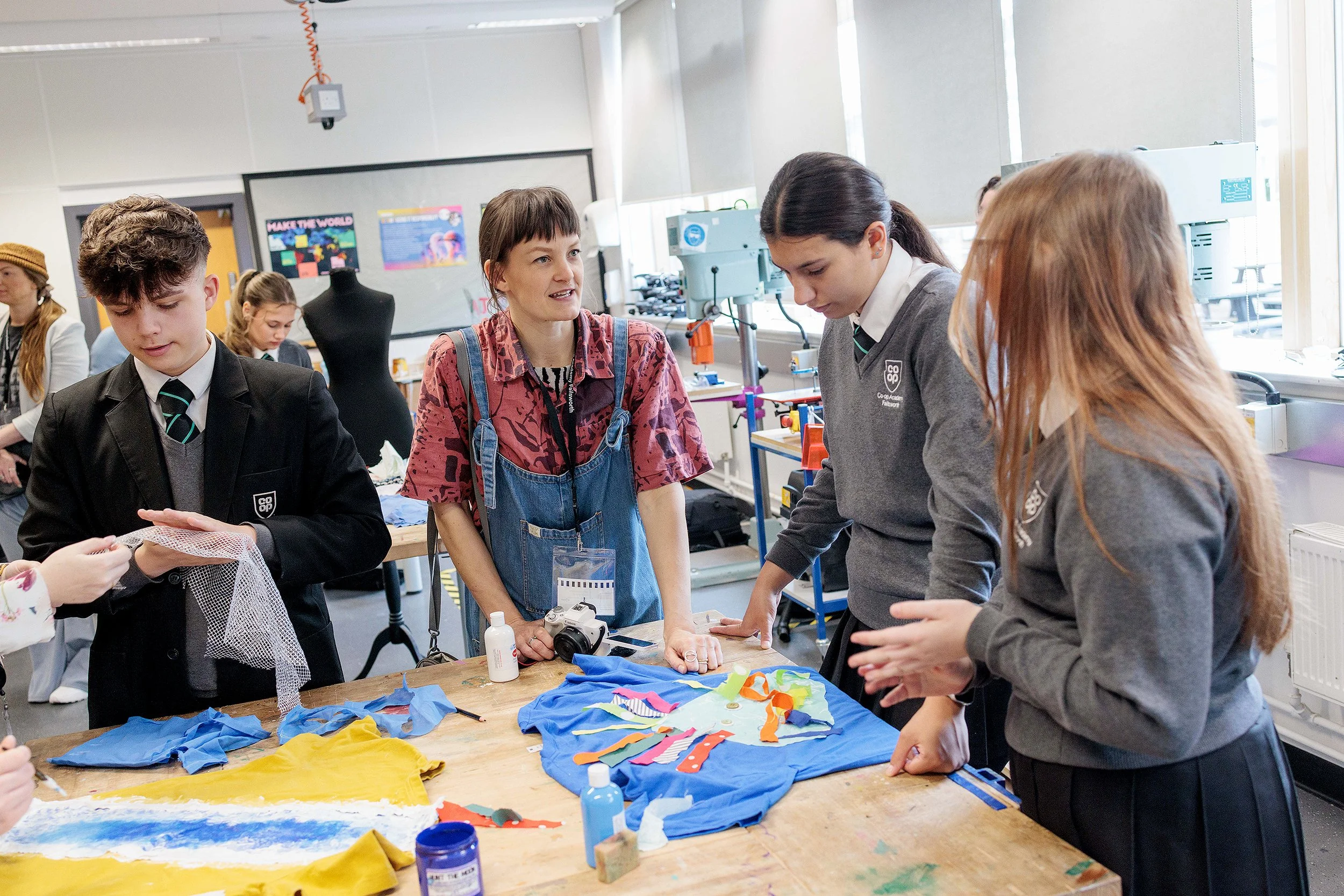
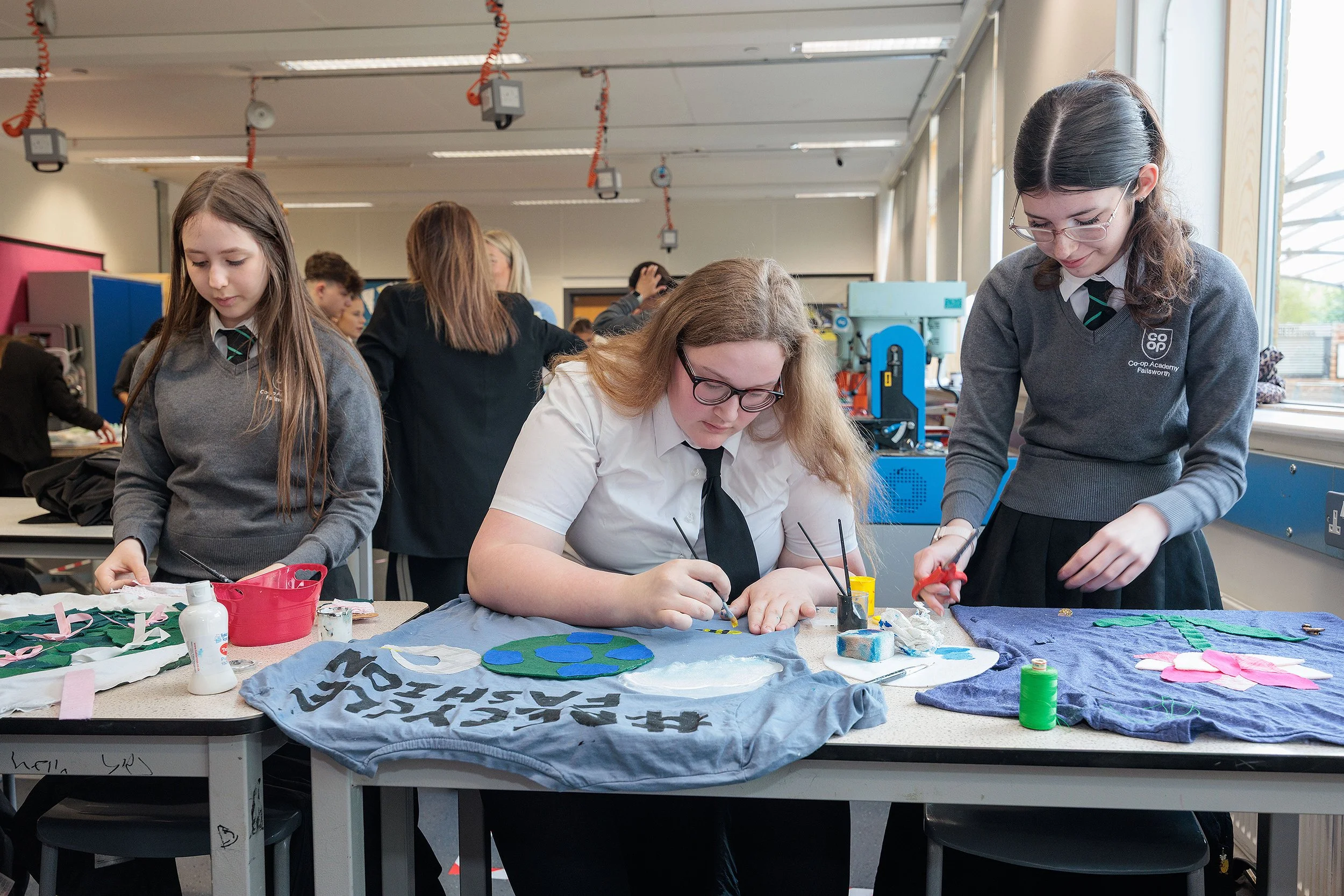

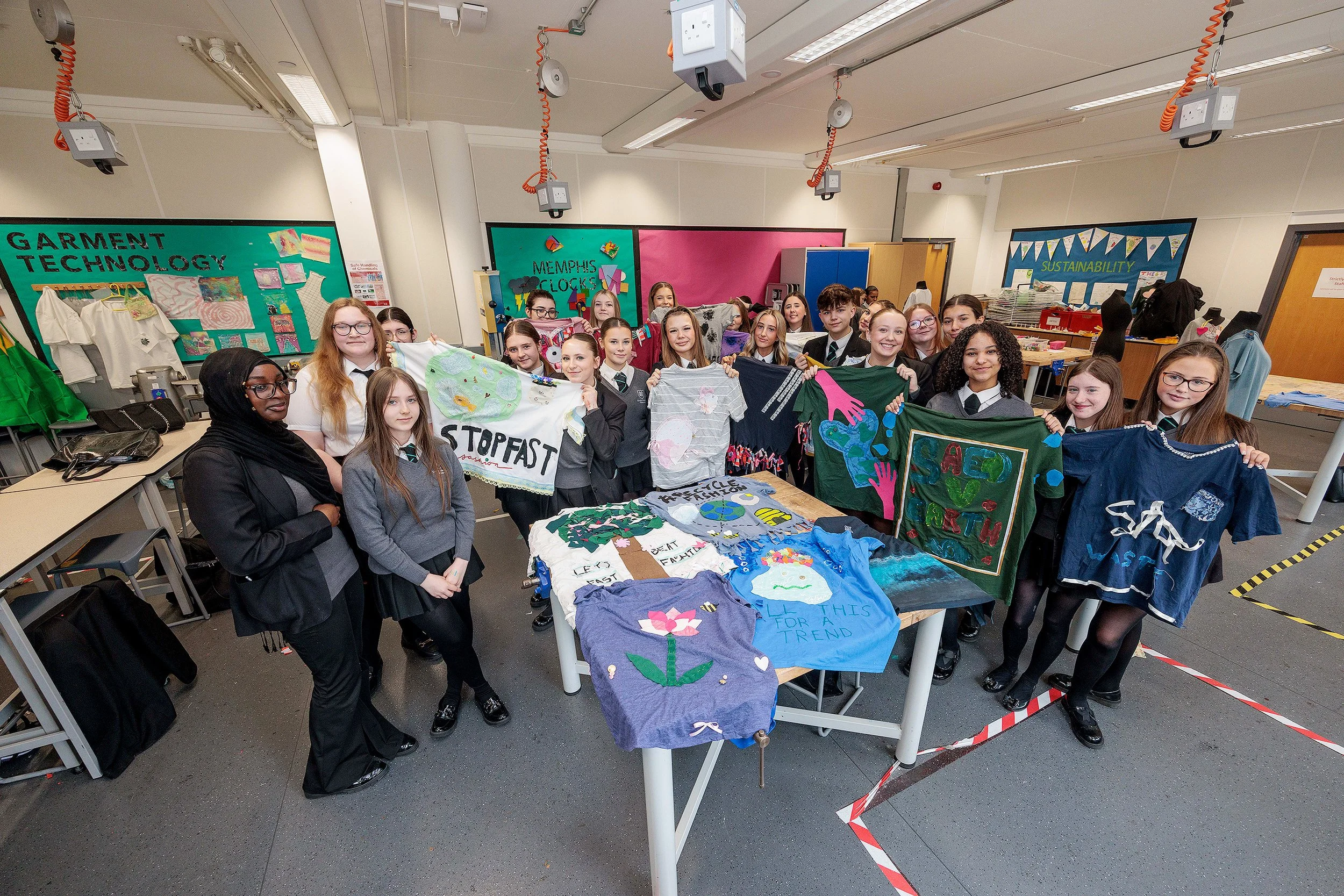
Supported by partners including CUPRA and Accenture, Manchester Fashion Week is gradually establishing a model that blends creativity with technology, manufacturing and regional investment — areas that increasingly define the future competitiveness of Britain’s fashion industry.
Whether Manchester ultimately becomes a permanent fixture on the international fashion calendar remains to be seen. What is already evident, however, is that the city is no longer content with being viewed as Britain’s second fashion destination. Instead, it is building an ecosystem designed to influence how fashion weeks themselves may evolve in the years ahead.
As luxury increasingly intersects with innovation, craftsmanship and purpose, Manchester Fashion Week is making a persuasive case that the future of British fashion may be shaped as much in the North as it is in the capital.