Milan Awaits: How The World's 50 Best Bars Is Shaping the Future of Global Hospitality
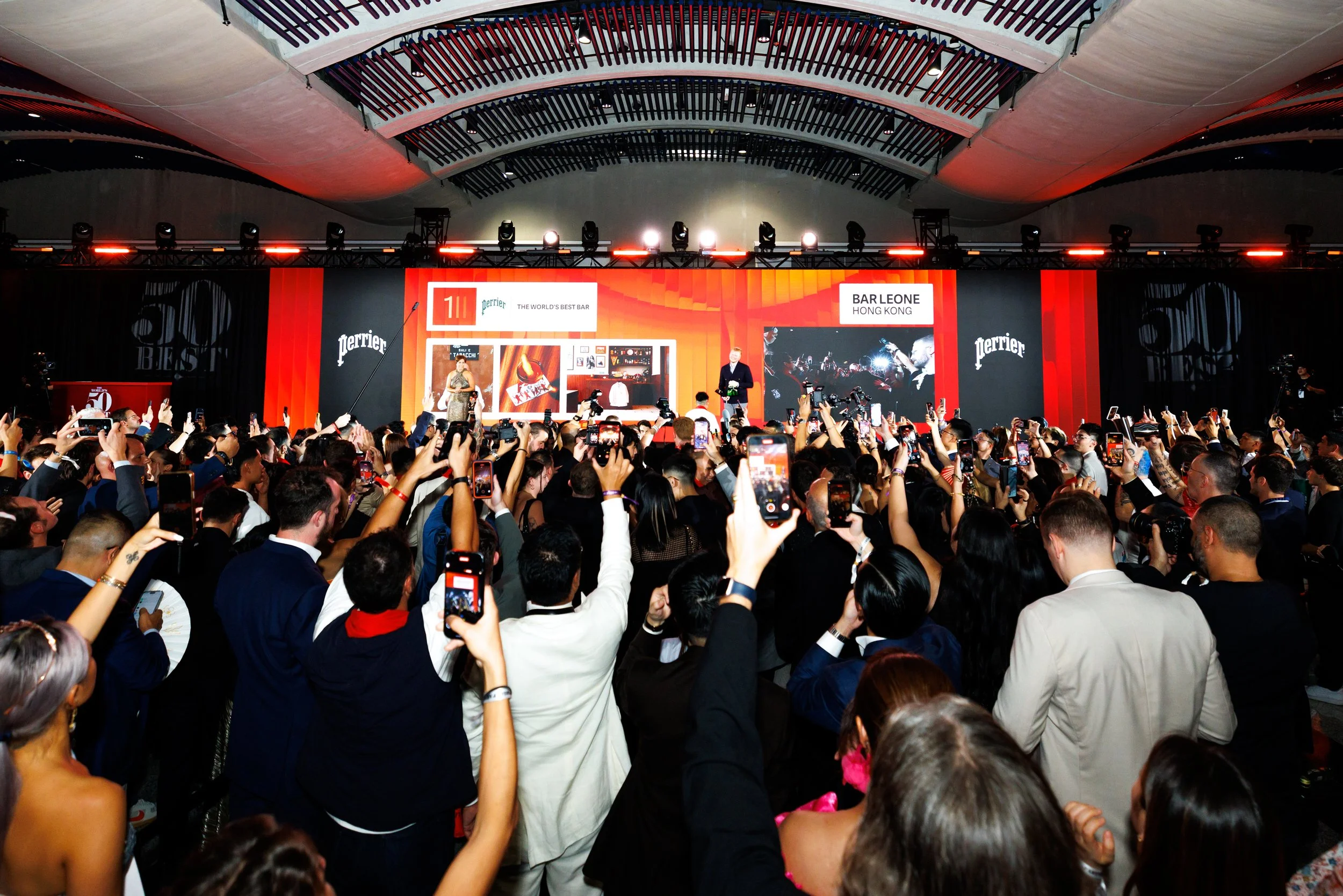
The World's 50 Best Bars 2025 - Awards Ceremony. Credits: The World's 50 Best Bars
Few events have influenced the global cocktail landscape as profoundly as The World's 50 Best Bars. More than an annual ranking, it has become a meeting point for the international hospitality community, recognising excellence while celebrating the creativity, craftsmanship and cultural exchange that continue to redefine the industry.
Following the inaugural edition of Europe's 50 Best Bars in Amsterdam last June, which I had the opportunity to attend in person, attention now turns to Milan, the city selected to host The World's 50 Best Bars 2026. The announcement reflects not only the Italian city's growing international influence, but also the remarkable evolution of its hospitality scene over the past decade.
Ahead of the celebrations, I spoke with Faye Huggett, Director of Community for The World's 50 Best Bars, about why Milan was chosen, the changing landscape of European cocktail culture, and what the global bar community can expect from this year's programme.
Why Milan, Why Now?
For Huggett, the decision was a natural one. "Milan stood out as a clear choice, not only because of its consistent strength in our rankings over the years, but also thanks to the richness and creativity of its bar scene," she explains.

Faye Huggett,
Director of Community The World's 50 Best Bars.
Credits: The World's 50 Best Bars
While Italy has long been synonymous with aperitivo culture, Milan has emerged as one of Europe's most dynamic cocktail destinations, where historic cafés coexist with internationally acclaimed bars that continue to shape contemporary mixology. The city has maintained a consistent presence within The World's 50 Best Bars rankings for more than a decade, establishing itself alongside long-standing cocktail capitals such as London, Barcelona and New York. Yet Huggett believes Milan's appeal extends beyond its impressive collection of bars.
"It has a distinct buzz, shaped by some of the most influential and forward-looking figures in the industry," she says. "Together, these qualities make it an exceptional host for the upcoming edition, and a vibrant setting for the global bar community to gather and celebrate."
For anyone who has spent time exploring Milan, like me, this choice feels particularly fitting.
The city has always occupied a unique position within Italy's cultural identity. Internationally recognised for fashion, architecture and design, it is equally defined by craftsmanship, innovation and an ability to reinterpret tradition without losing sight of its heritage. Those same qualities increasingly characterise its hospitality scene.
A Continent Defined by Collaboration
Across Europe, the cocktail landscape is undergoing a remarkable transformation. While iconic destinations continue to set global standards, new cities are emerging with distinctive identities, challenging conventional ideas about where world-class hospitality can flourish.
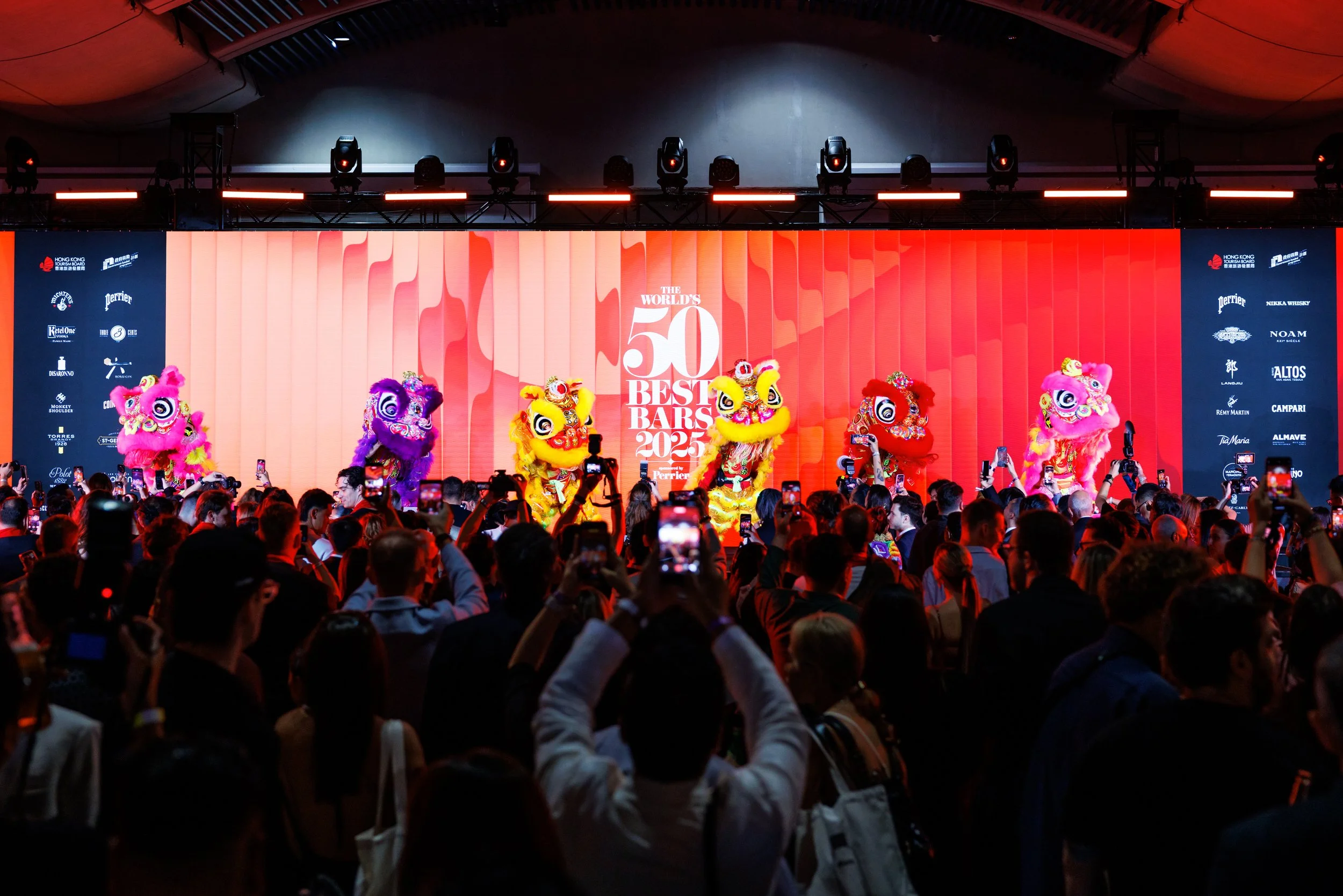
The World's 50 Best Bars 2025 - Awards Ceremony. Credits: The World's 50 Best Bars
According to Huggett, this diversity is one of Europe's greatest strengths. "Undoubtedly, Europe has a thriving cocktail and hospitality scene, both creatively and culturally," she says. "What feels especially exciting right now is the balance between heritage and forward momentum."
That balance is perhaps most visible in the coexistence of legendary institutions with a new generation of independent bars redefining service, sustainability and guest experience. Rather than replacing tradition, these venues build upon it. The result is a hospitality landscape that feels both deeply rooted and constantly evolving.
One example Huggett highlights is Mirror Bar in Bratislava, which became the first Slovak venue ever to enter the World's 50 Best Bars ranking. "It was the first Slovak bar ever to make the 1 to 50, and the only bar from Central Europe on last year's list," she explains. "Moments like that really show how the European scene continues to evolve, with new markets gaining visibility alongside the more established capitals."
Recognition of destinations beyond Europe's traditional hospitality centres reflects a broader shift within the industry. Excellence is no longer concentrated in a handful of cities. Instead, creativity is emerging from increasingly diverse cultural contexts, enriching the continent's cocktail scene as a whole.
Hospitality Without Borders
Perhaps the most significant transformation taking place within European bars is less about cocktails than about people. According to Huggett, collaboration has become one of the defining characteristics of today's hospitality industry. "Bartenders and bar teams are travelling more, sharing ideas and learning from each other, which is raising standards everywhere."
This spirit of exchange has become increasingly visible through guest shifts, international residencies, collaborative menus and educational programmes that connect professionals across borders. Knowledge moves more freely than ever before. Techniques developed in Copenhagen influence menus in Lisbon. Ingredients discovered in Mexico appear in cocktails served in Stockholm. Local products from Brazil are now found in bars in Barcelona. Sustainability initiatives pioneered in London inspire bars in Paris and Athens.
The result is a community that views competition not as isolation but as collective progress. While cities such as London, Barcelona and Milan continue to lead the conversation, Huggett is equally enthusiastic about the rapid development taking place across Central and Eastern Europe and the Nordic countries. It is a reminder that hospitality has become one of the world's most international creative industries, where innovation often emerges through dialogue rather than rivalry.
More Than an Awards Ceremony
Although the annual rankings remain the most visible moment of The World's 50 Best Bars calendar, the event itself has evolved into something far broader. Each host city becomes a temporary gathering place for bartenders, producers, journalists and hospitality professionals from around the world.
"It's designed to bring the global bar community together, spark new ideas and shine a light on the most exciting bars and bartenders shaping the industry right now," says Huggett. While details of this year's programme are yet to be announced, she emphasises that the experience extends well beyond the awards ceremony itself.
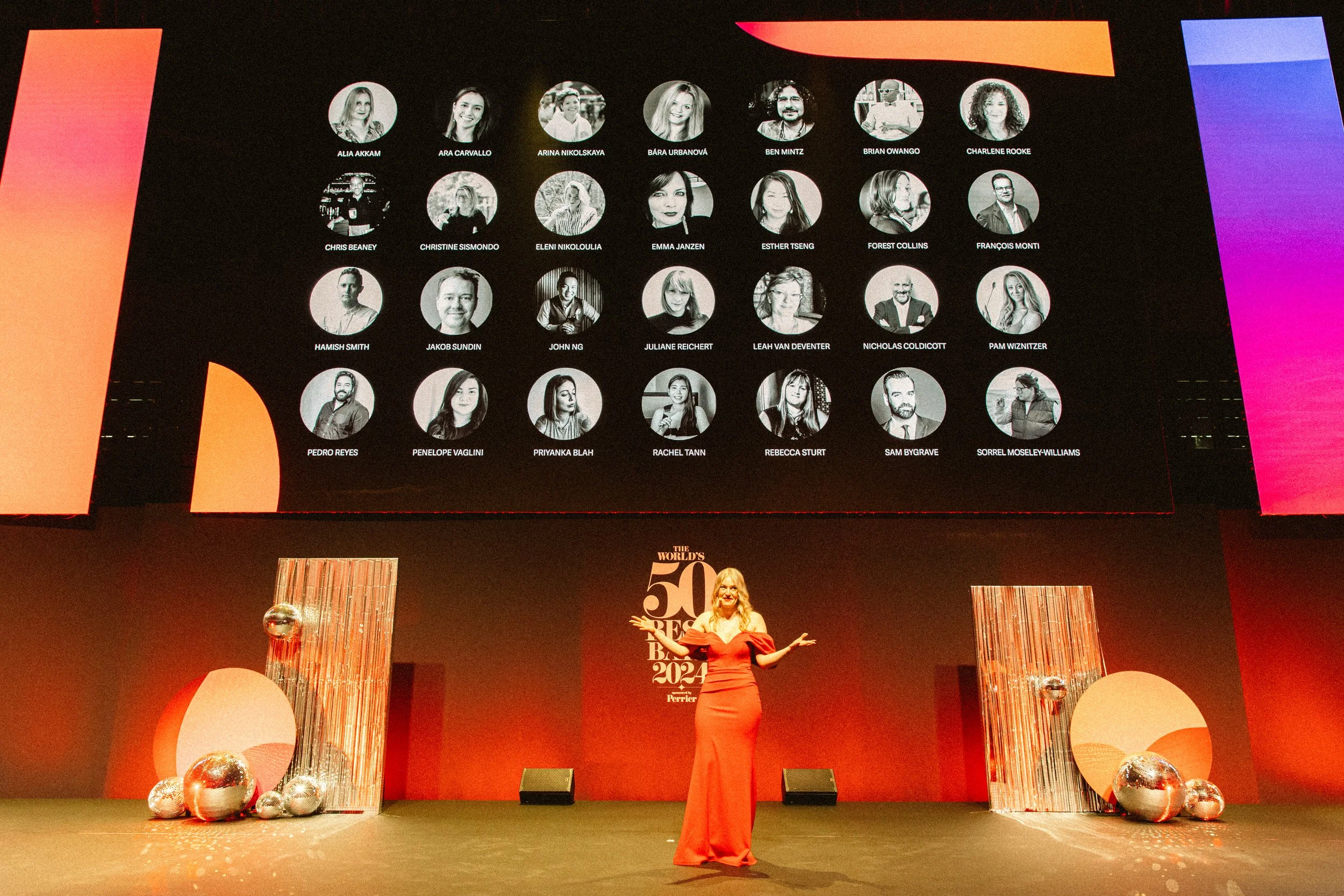
The World's 50 Best Bars 2024 - Awards Ceremony. Credits: The World's 50 Best Bars
The host destination plays an essential role in shaping every edition. "What sets each year apart is the location," she explains. "Every host city brings its own culture, talent and perspective, which naturally shapes the overall experience." For Milan, that means embracing the city's distinctive identity. "As we bring the awards to Milan, we'll be embracing the city's style, creativity and sense of hospitality, weaving elements of Italian culture throughout the programme to create a memorable experience for our guests and the global bar community."
Looking Ahead
As hospitality continues to evolve, rankings alone no longer define success. Today's most influential bars are recognised not simply for technical excellence, but for creating meaningful experiences rooted in authenticity, creativity and genuine connection. That philosophy increasingly mirrors broader shifts across luxury hospitality, where storytelling, sustainability and cultural identity have become just as important as impeccable service.
The World's 50 Best Bars has grown alongside this transformation. What began as a list has become a global platform for celebrating people, places and ideas that continue to shape the future of hospitality.
As the international bar community prepares to gather in Milan later this year, the city feels like an appropriate stage for that conversation. A place where design, craftsmanship, gastronomy and aperitivo culture have long defined everyday life, Milan represents the intersection of heritage and innovation that characterises the industry's most exciting destinations today.
Perhaps that is why the choice feels so appropriate. In the end, the world's best bars are never only about what is served in the glass. They are about the people behind the counter, the communities they create, and the cultural exchanges that unfold across every shared table.