Sidi Bou Said: Tunisia’s most poetic coastal escape
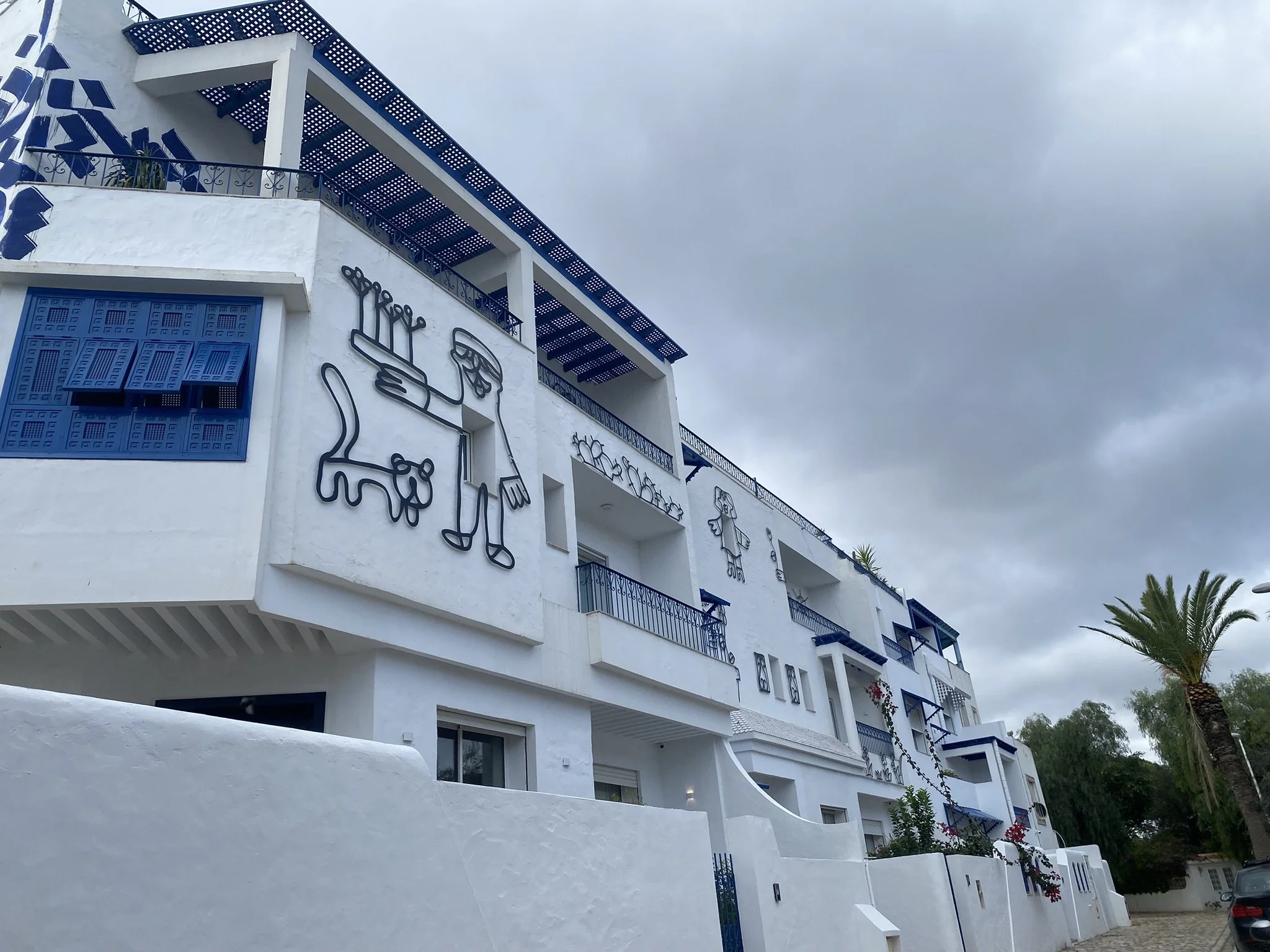
Boutique Hotel in Sidi Bou Said: own archive. 2025
With its boutique stays, sunlit alleys and quietly glamorous rhythm, Sidi Bou Said is one of North Africa’s most seductive destinations: a place where whitewashed beauty, Mediterranean calm, rich flavours and the deep historical echo of Carthage come together in perfect balance.
There are places that impress instantly, and then there are places that draw you in slowly, almost gently, until you realise they have settled somewhere under your skin. Sidi Bou Said, in Tunisia, is very much the latter.
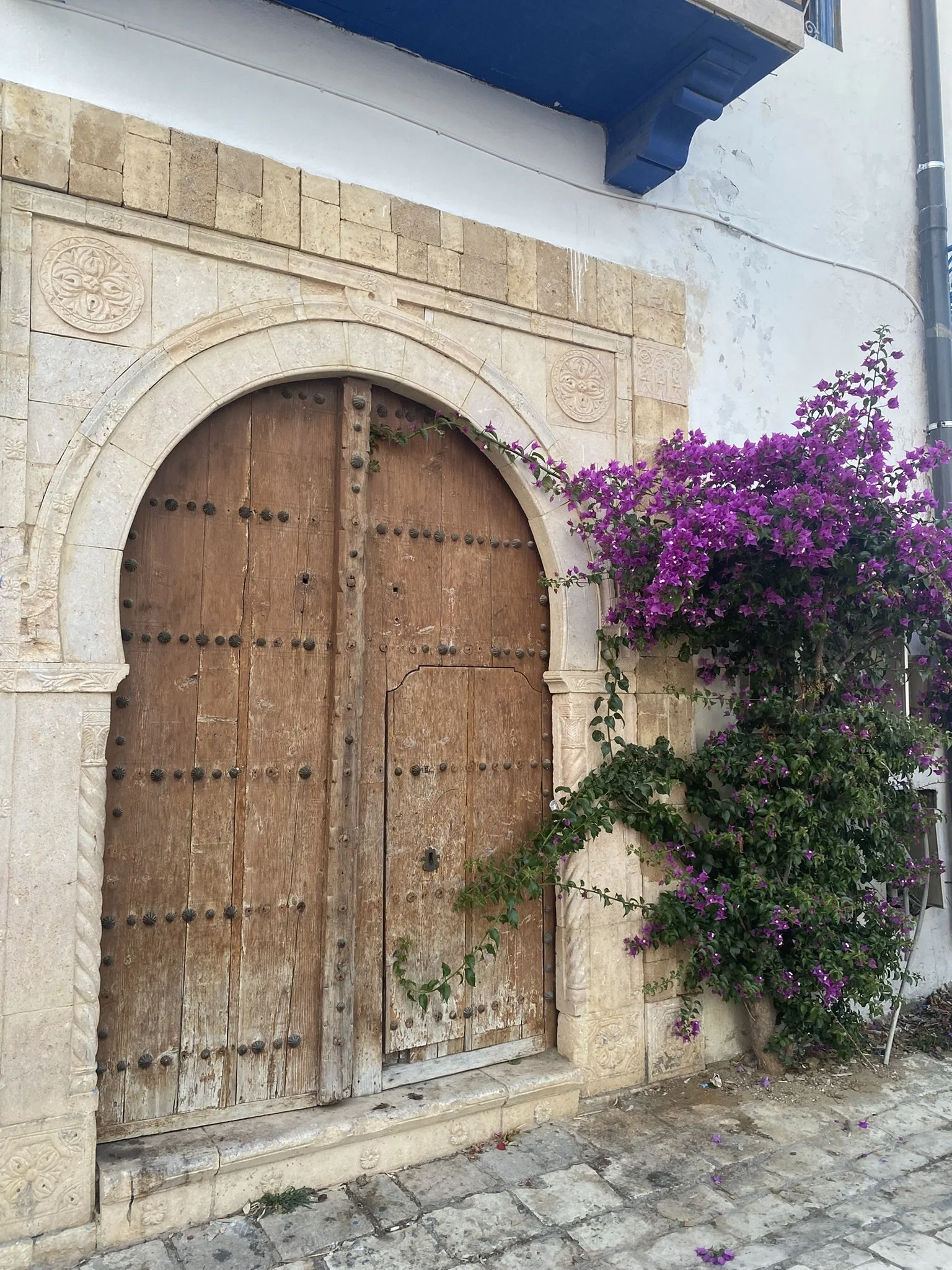
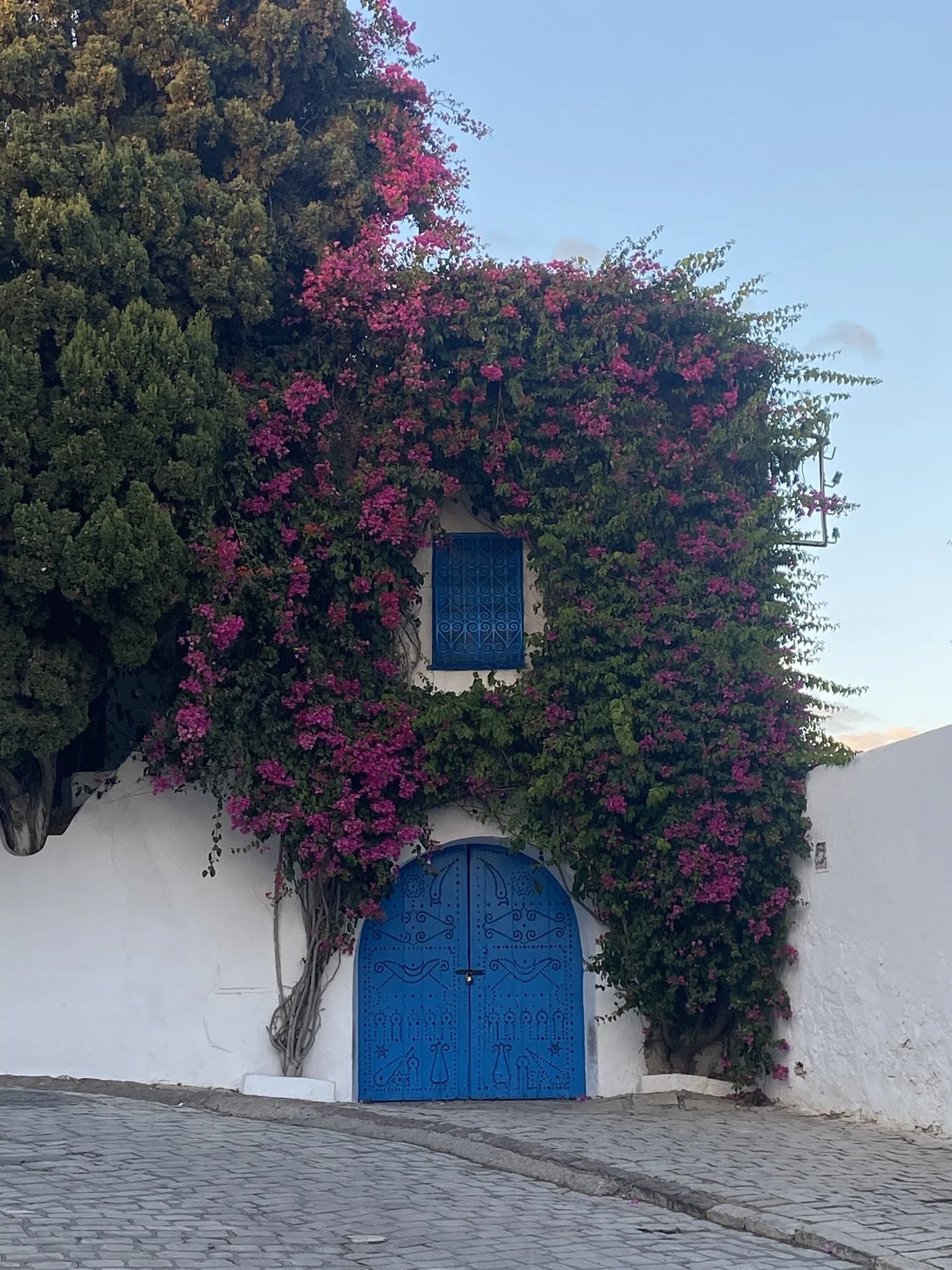
At first glance, it has all the ingredients of an idyllic Mediterranean escape: whitewashed walls, vivid blue doors, bougainvillea tumbling over terraces, and the sea shimmering below in impossible shades of silver and blue. It is undeniably beautiful, but what makes Sidi Bou Said truly memorable is not only the image it presents. It is the feeling of being there.
Perched above the Gulf of Tunis, just beyond the capital and close to the ruins of ancient Carthage, Sidi Bou Said unfolds at a slower, more graceful pace than many of today’s overexposed coastal destinations. It is refined without being stiff, quiet without being sleepy, and vibrant without ever becoming chaotic. That balance is what gives the village its particular magic.
The streets are narrow, winding and made for wandering rather than rushing. They climb gently uphill, opening onto sea views, hidden courtyards and sun-drenched corners that seem to invite pause. You do not come here to tick off landmarks at speed. You come to drift. To stop for coffee on a terrace. To admire a doorway more beautiful than it has any right to be. To feel the heat of the afternoon soften as the light changes across white facades and cobalt shutters.
There is a quiet luxury to that rhythm.
In Sidi Bou Said, the simplest rituals become part of the experience. Morning begins with stillness and light. The village feels almost hushed, as if it is waking slowly with the sun. By midday, there is a little more movement: boutiques opening onto the lanes, small cafés filling with conversation, the occasional burst of colour from ceramics, textiles or flowers catching the eye against the white-and-blue palette. By evening, a different energy appears. Not loud, not crowded, but softly animated: terraces filling, glasses clinking, voices carrying lightly through the warm air.
This is perhaps what makes the atmosphere here so captivating: it is serene, but never lifeless. Stylish, but never performative.
That same sensibility extends to Sidi Bou Said’s boutique hotels, which feel less like conventional places to stay and more like an extension of the village itself. Here, luxury does not arrive in grand gestures. It appears in intimate courtyards, in shaded terraces overlooking the sea, in carefully restored architecture, in rooms where linen, light and old stone do all the work. The most memorable stays are the ones that preserve a sense of place, where you feel not as though you have checked into a generic room, but that you have entered the mood of the village itself.
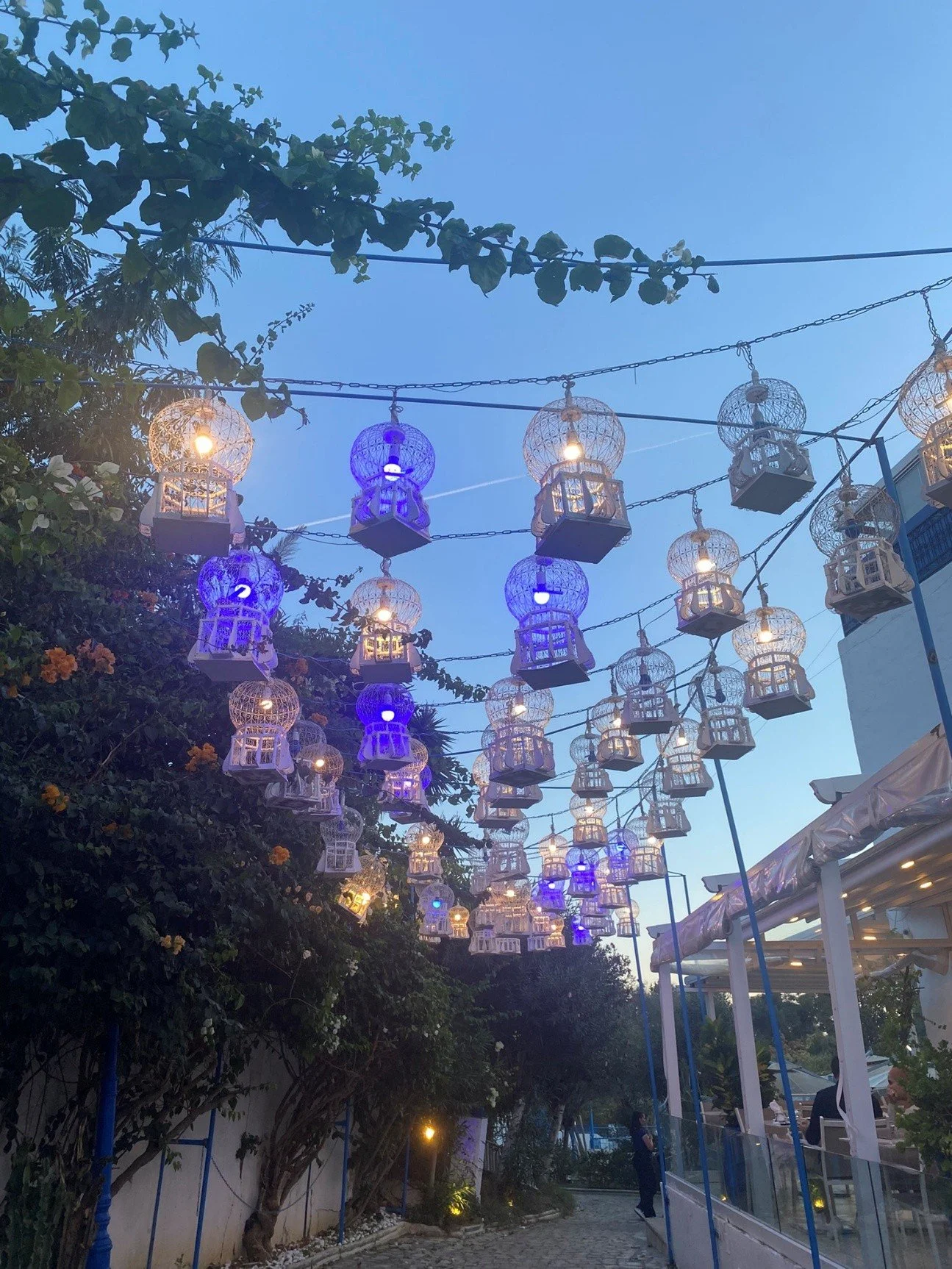
Sidi Bou Said at night. Own Archive, 2025.
And mood, in Sidi Bou Said, is everything.
It is in the hush of side streets just after breakfast. In the contrast of sunlight and shadow on old staircases. In the glimpses of the Mediterranean at the end of a lane. In the feeling that beauty here is not staged for visitors, but woven into daily life. This is the kind of destination that understands the art of restraint. It does not need to overwhelm to seduce.
But Sidi Bou Said is not only a feast for the eyes. Part of its charm lies in the invitation to discover new tastes, slower rituals and the kind of flavours that become inseparable from memory. Yet to think of Sidi Bou Said only as a charming coastal village would be to miss what gives it real depth. Because part of what makes the experience so compelling is its proximity to Carthage.
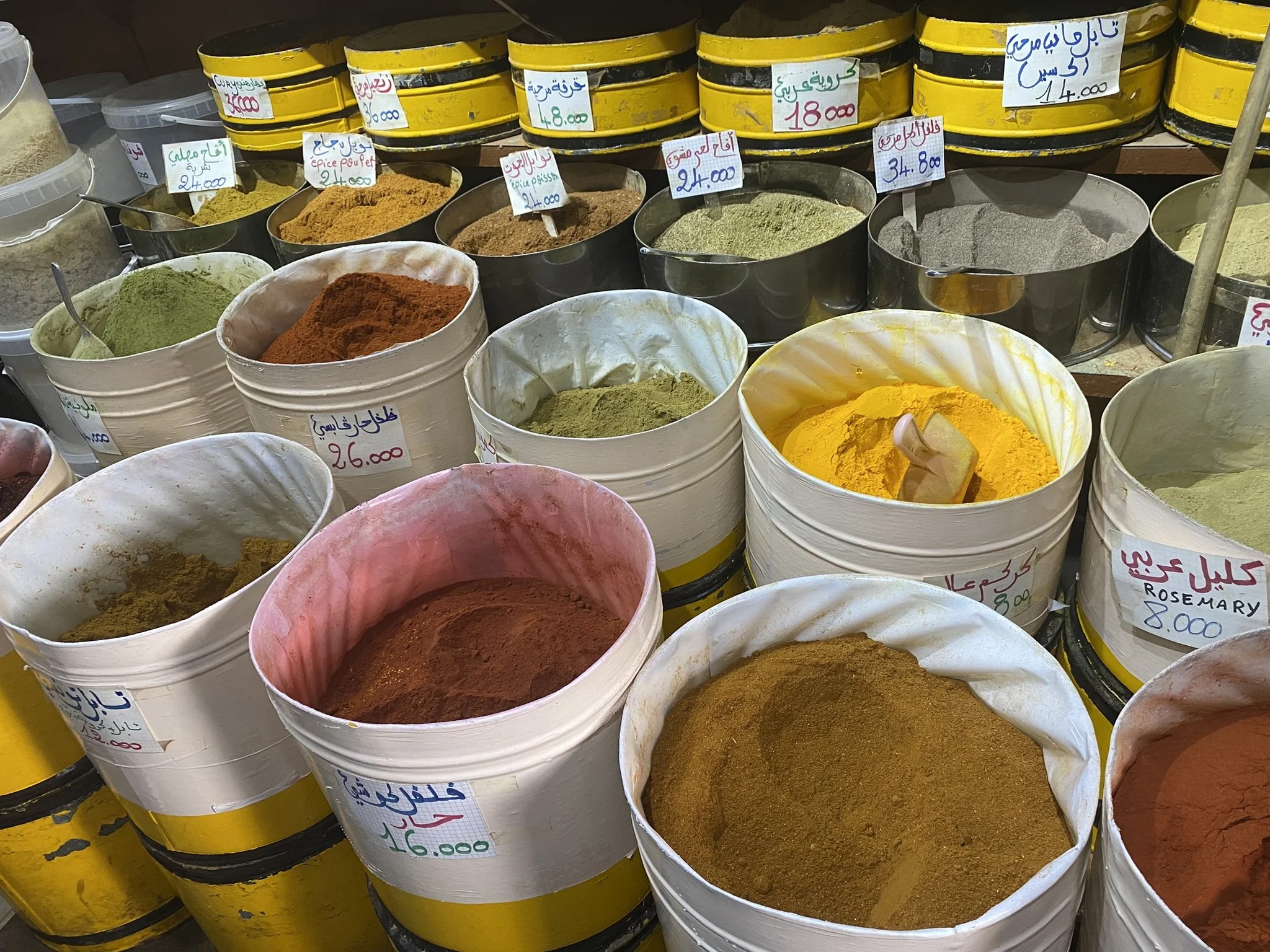
Photo own archive.
That historical closeness changes the way the landscape feels. The sea below is no longer only scenic; it becomes storied. The surrounding hills seem to hold memory. The air of cultivated calm that defines Sidi Bou Said begins to feel richer, almost layered with time. You spend the morning strolling through elegant lanes, pausing outside artisan shops and boutique stays, perhaps stopping for tea or discovering unfamiliar local flavours, and then, only minutes away, find yourself confronted with the remains of Carthage a name that still carries myth, empire, conquest and cultural grandeur.
It is this contrast that elevates Sidi Bou Said beyond mere prettiness.
So many beautiful destinations today feel consumed by their own image, reduced to a sequence of photo opportunities. Sidi Bou Said, by contrast, still feels inhabited by something deeper. Its beauty is immediate, yes, but it is not empty. It is supported by atmosphere, by history, by taste and by that increasingly rare sense of local rhythm that cannot be manufactured.
For travellers drawn to smaller luxury hotels, emotionally resonant places and destinations where elegance comes with substance, Sidi Bou Said has enormous appeal. It offers the visual pleasure of a classic coastal escape, but also the intellectual and sensory richness of being close to Carthage, with all the weight that name still carries. It is a place where one can spend a day doing very little, walking, looking, resting, lingering, tasting and still feel entirely fulfilled.
That, perhaps, is the greatest luxury it offers.
Not excess, but intimacy.
Not spectacle, but atmosphere.
Not urgency, but presence.
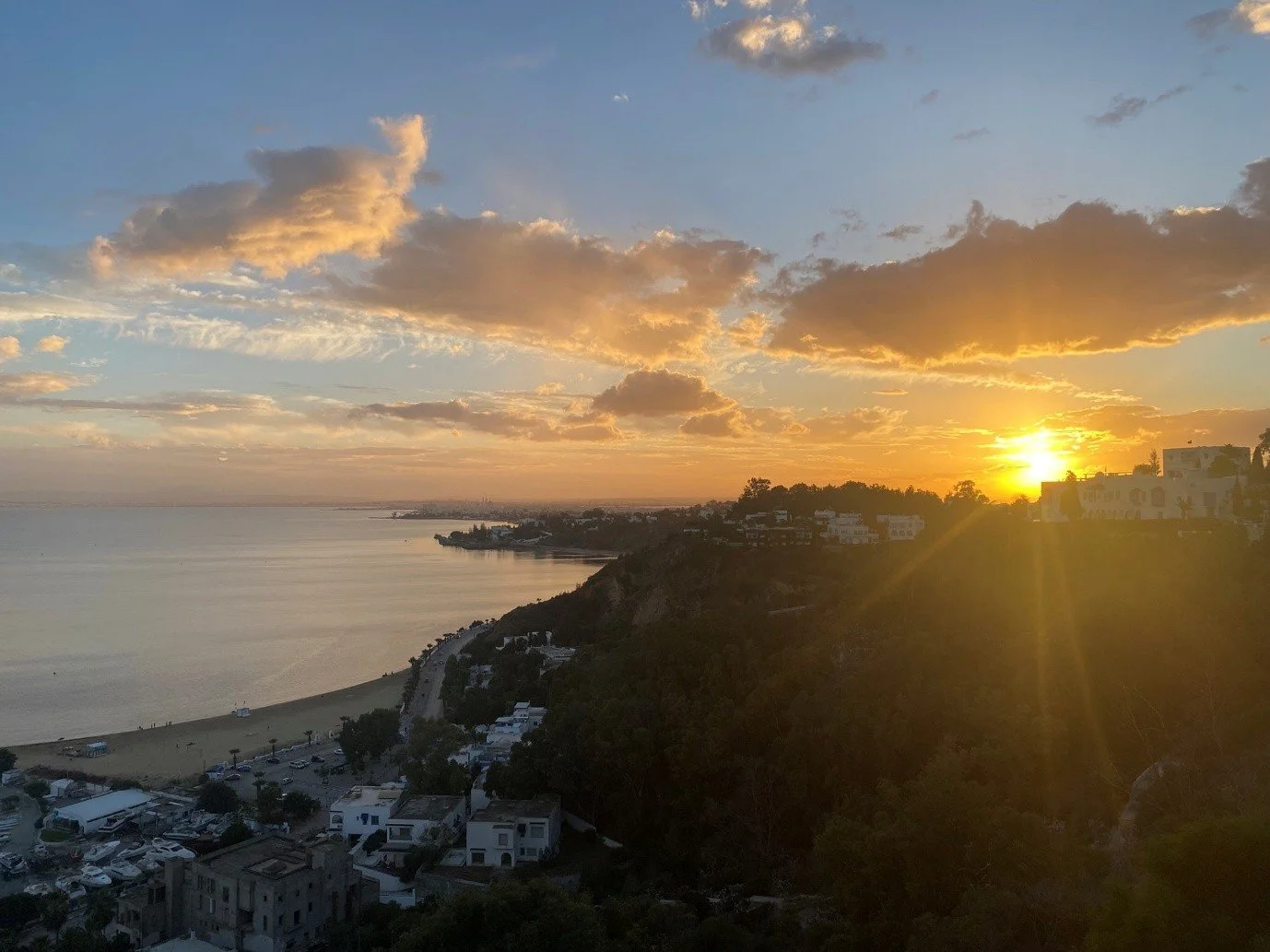
Sunset in Sidi Bou Said, own archive, November 2025.
There is something deeply modern in that kind of experience, even in a place so rooted in history. At a time when travel often feels fast, loud and transactional, Sidi Bou Said reminds us of the pleasures of slowness. Of places that are best understood through texture rather than itinerary. Of beauty that works quietly.
And perhaps that is why it remains so powerfully in the mind. Not because of one single monument, but because of a collection of impressions that remain long after leaving: white walls glowing in the late afternoon sun, blue-painted doors framed by flowers, the hush of a small street above the sea, the scent of spices in the market, a glass of tea with almonds, the distant shimmer of the gulf, and the knowledge that nearby lies Carthage, one of the ancient Mediterranean’s most extraordinary names.
Some places ask to be seen. Sidi Bou Said asks to be felt.