Spirits of the Island: Discovering the Craft of Gin on the Isle of Wight
Source: Isle of Wight Gin Company
For many travellers living in the United Kingdom, the Isle of Wight often appears on itineraries that are quietly postponed. It is close enough to feel accessible, yet somehow always waits behind other destinations. For years, this was also true for me. The island had been on my list for a long time, but it was never quite the priority.
This year, curiosity finally won. The reason was unexpected. Since last year, I have been hearing whispers within hospitality circles about the quality of gin produced on the island. The idea immediately intrigued me. The Isle of Wight is already known for its remarkable natural landscapes and its designation as a UNESCO Biosphere Reserve. Yet the suggestion that it might also be producing distinctive craft spirits gave the island a new dimension. A simple question stayed in my mind for quite some time: what was the reason behind it?
As I began researching, the story grew richer. Small distilleries, local ingredients, community engagement and careful production methods were shaping a quiet but confident gin culture. The island, it seemed, was not only a place of scenic beauty but also one of creative distillation.
The Landscape that Shapes the Spirit
Crossing the Solent towards the Isle of Wight introduces a subtle change in rhythm. The mainland slowly dissolves behind the ferry while cliffs, farmland and coastal villages emerge ahead. Despite its proximity to England’s southern coast, the island retains a sense of separation that feels restorative.
The designation of the Isle of Wight as a UNESCO Biosphere Reserve reflects the careful balance between environment and community that defines the island. Farming, conservation and local livelihoods have evolved together over generations. Landscapes such as these tend to nurture particular forms of creativity.
Source: Isle of Wight Gin Company
Gin, after all, is a spirit deeply shaped by place. While juniper remains the defining botanical, the character of a gin depends on the surrounding environment. Coastal herbs, citrus peels, spices and flowers can all influence its identity. On the Isle of Wight, the proximity of sea, woodland and farmland creates a distinctive palette of flavours.
An Evening at The Terrace
My deeper introduction to the island’s gin culture took place at The Terrace Ventnor, a restaurant and hotel perched above the coastline with sweeping views across the sea. Run by a warm and welcoming couple, the Terrace feels both elegant, exclusive and relaxed. It is also home to what might be one of the most remarkable wine collections on the island.
Sitting on the terrace as the light softened over the water, it became clear why this location has earned such admiration. The view alone is unforgettable, stretching across the horizon in a way that reminds visitors just how close the island remains to the elements that shape it. It was here that I met Cris Jackman and his wife, Leight, who introduced me to the story behind the Isle of Wight Gin Company. And for an exclusive tasting of the gins.
The Mood Gins
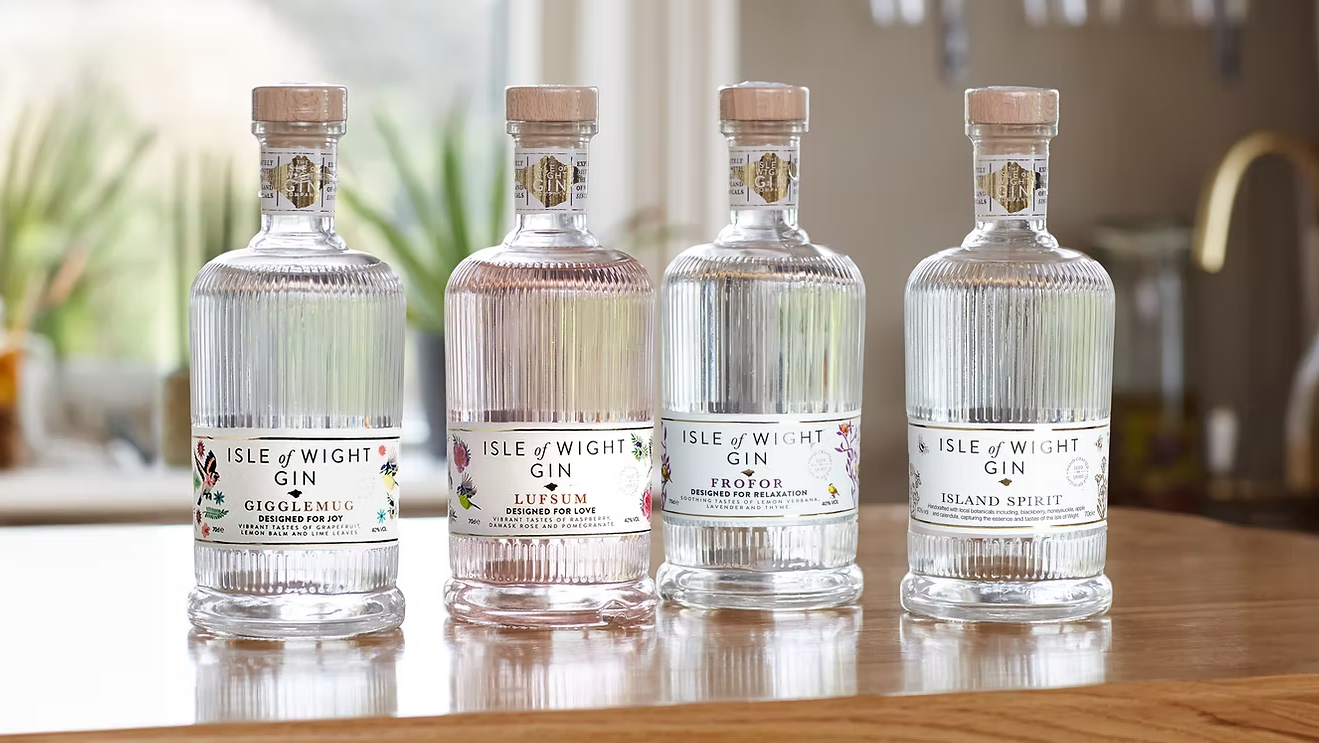
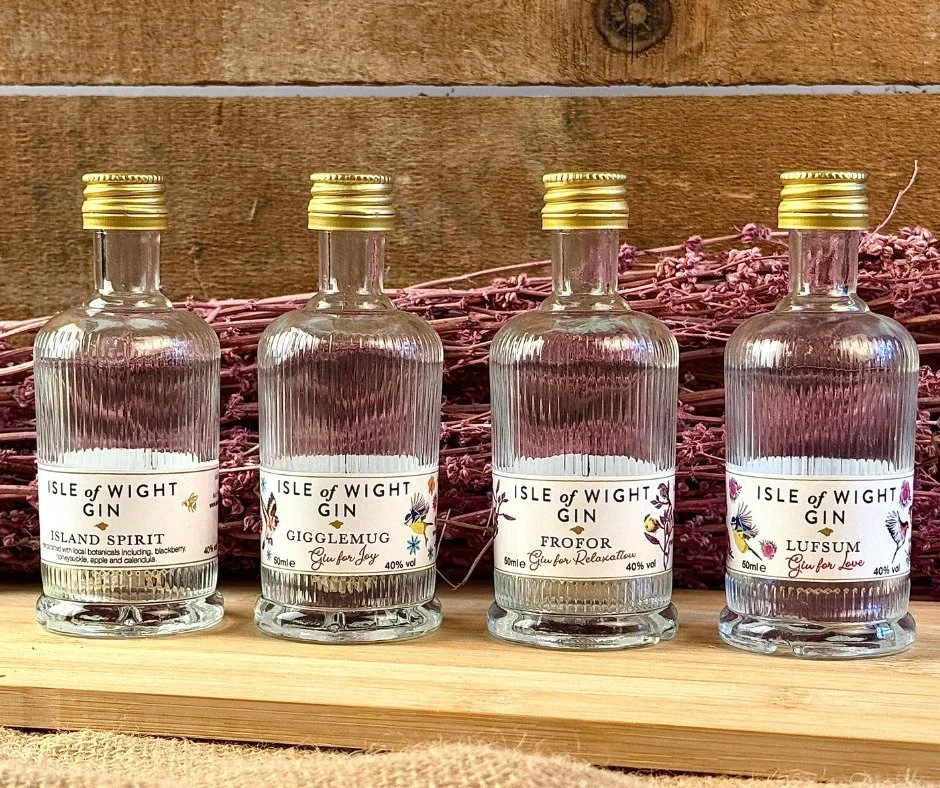
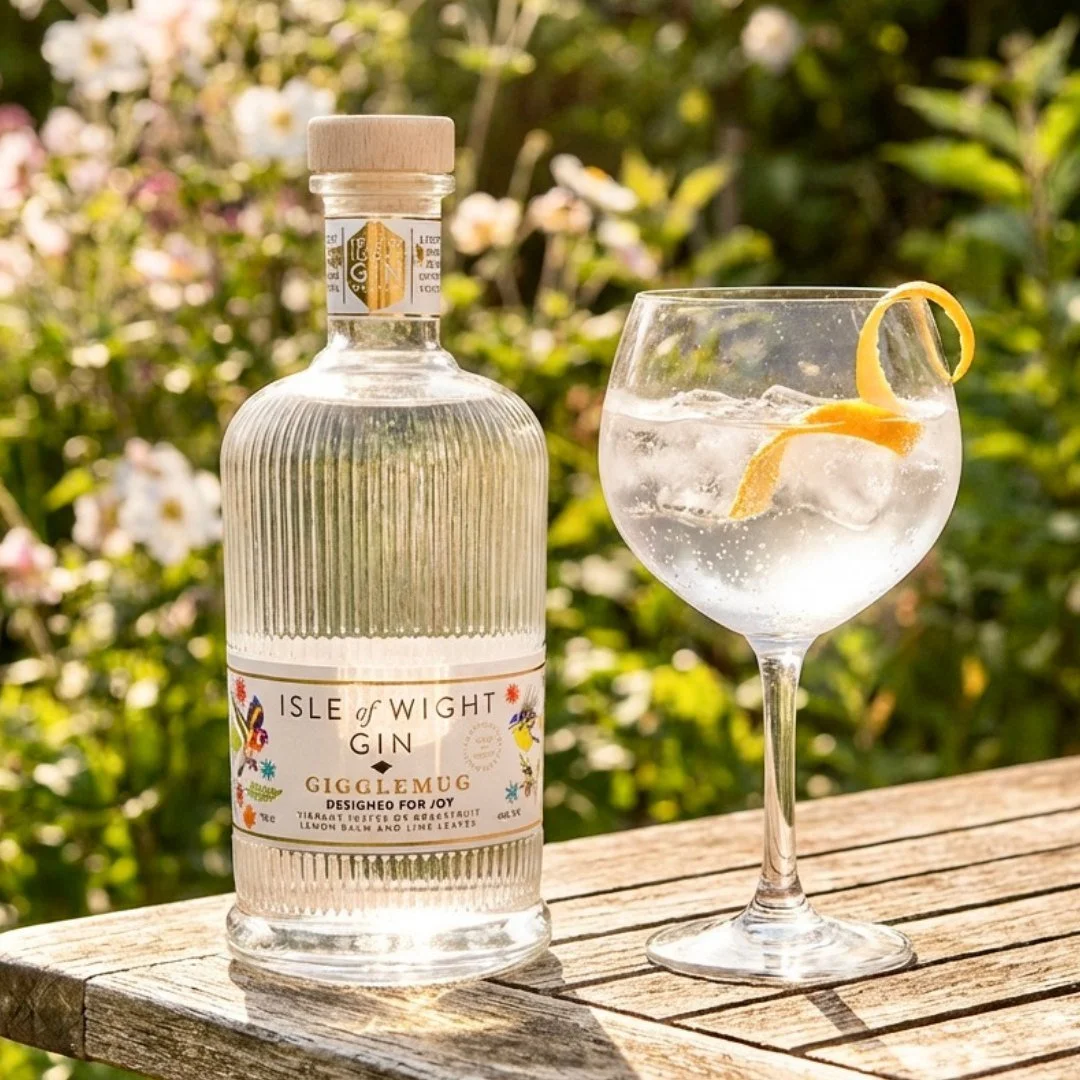
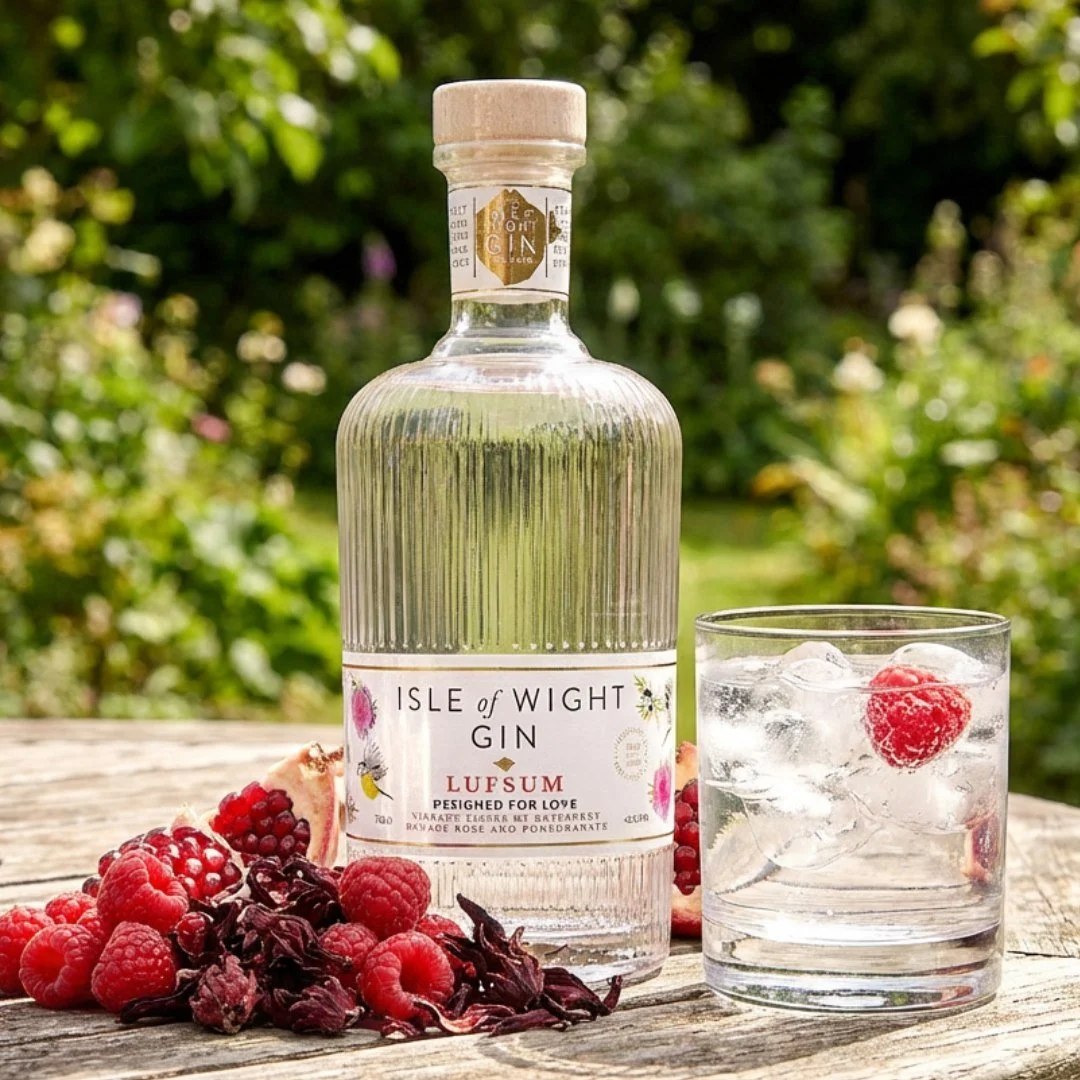
The distillery began with a concept that felt both creative and deeply personal. The first spirits developed by co-founder and recipe designer Leigh were known as Mood Gins. Rather than focusing solely on flavour profiles, the trio of spirits was designed to evoke specific emotional states.
Frofor represented calm, Lufsum expressed love, and Gigglemug captured joy. Each gin incorporated botanicals traditionally associated with wellbeing, creating spirits that balanced flavour with intention.
Leigh’s approach to recipe design is influenced by her experience of synaesthesia, a neurological condition in which sensory perceptions intertwine. For her, flavour can correspond with colours, emotions and textures. This perspective shapes how botanicals are combined and balanced, turning distillation into a highly intuitive creative process.
Source: Isle of Wight Gin Company
Listening to Cris and Leigh describe the development of these spirits revealed how closely the distillery’s identity is tied to experimentation and sensory exploration. Gin, in this context, becomes more than a drink. It becomes a medium for expression. It becomes art.
The Island Spirit Range
As the distillery evolved, a second collection emerged. The Island Spirit range pays tribute to the geography and history of the Isle of Wight itself. From a crisp, dry gin to a bitters-led pink expression and a bold navy strength version, these spirits draw inspiration from the island’s landscape and naval heritage.
The Isle of Wight has long held a strategic maritime position along England’s southern coast. Naval history, shipping routes and coastal trade have shaped its identity for centuries. The strength and clarity of these gins reflect that maritime character.
Source: Isle of Wight Gin Company
Production remains intentionally small-scale. The distillery has chosen not to pursue large distribution channels or mass production. Instead, it maintains an independent spirit that prioritises quality and authenticity. Their products are crafted for those who appreciate authenticity and the nuances of flavour.
Rocken End Rums
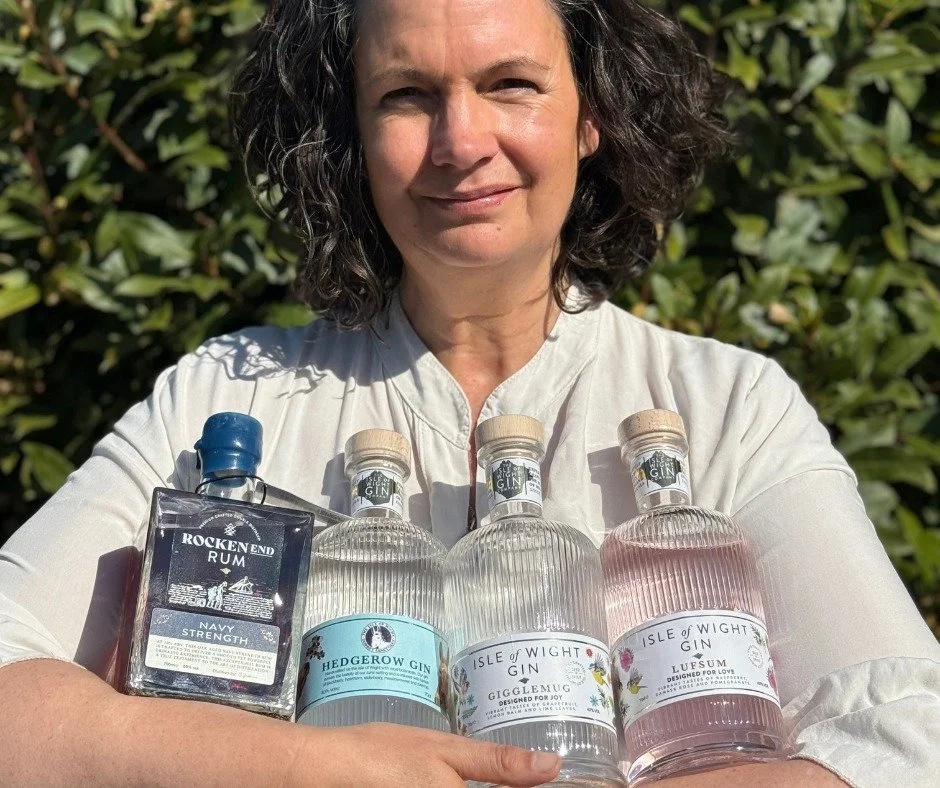
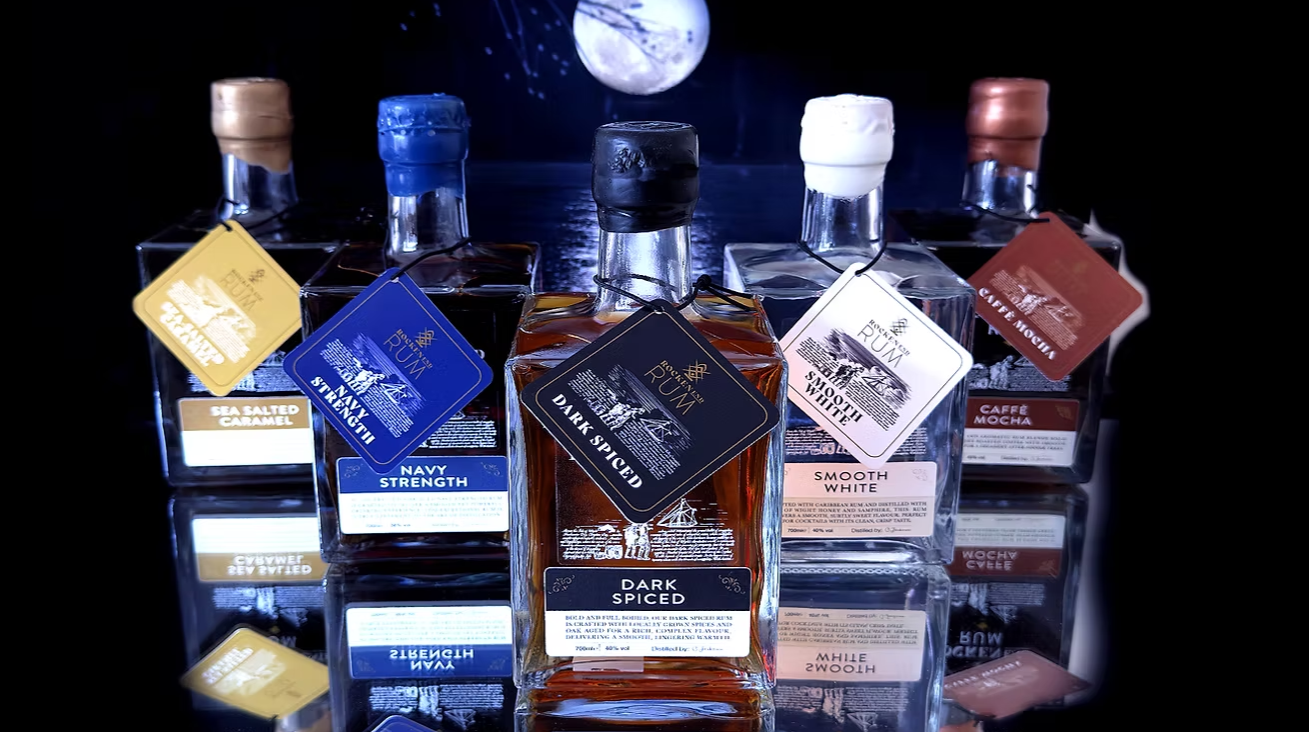
Alongside gin, the distillery has expanded into rum with its Rocken End range. These expressions capture another dimension of the island’s identity. Strong, smooth and rooted in place, the rums range from classic white and dark styles to spiced variations, café mocha, salted caramel and navy strength.
Source: Isle of Wight Gin Company
While the raw spirit originates from the Caribbean, it is carefully re-processed and refined on the island, creating a bridge between tropical heritage and local craftsmanship. The result is a collection that reflects both warmth and boldness.
Spirits with Purpose
What impressed me most during our conversation was the distillery’s commitment to community. One of the ways this manifests is through collaborations with local charities, where custom gins are developed to support specific initiatives.
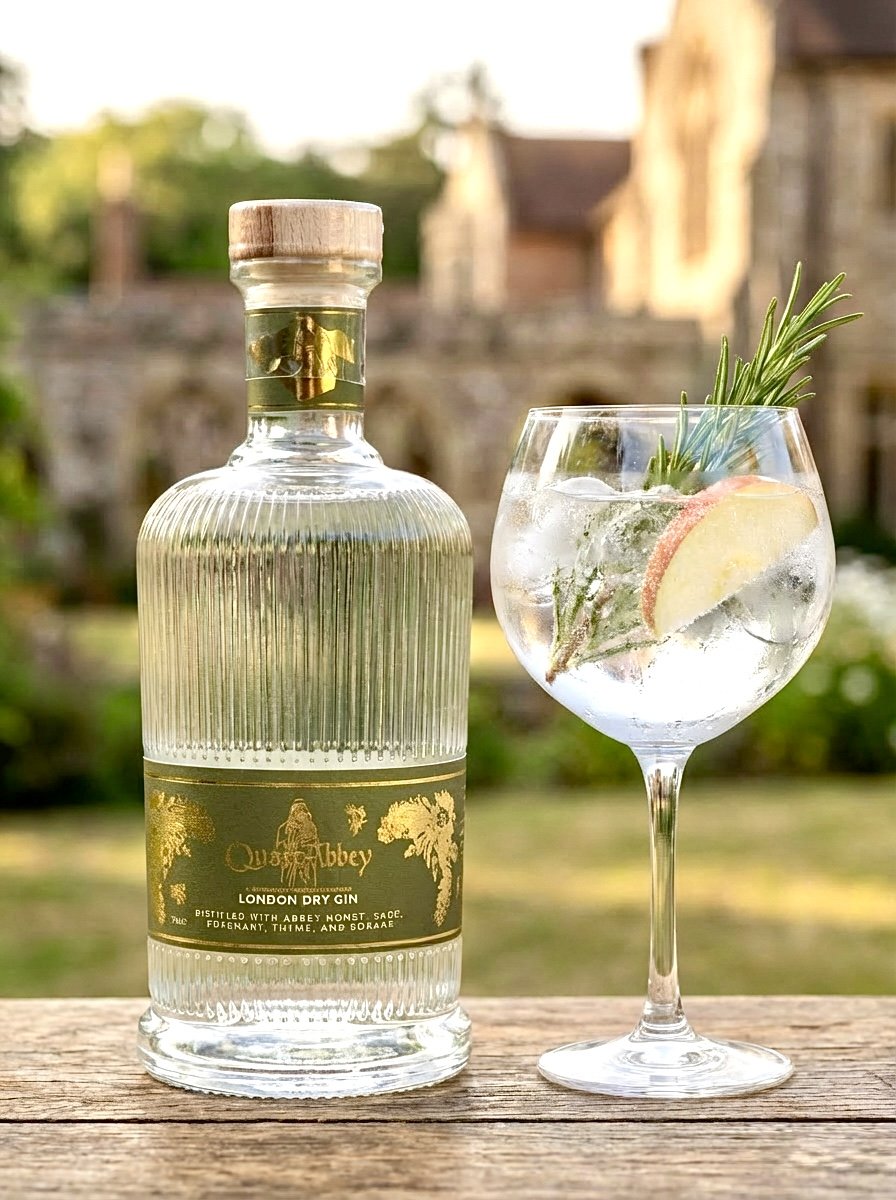
A beautiful example is the Quarr Abbey Gin, created in partnership with Quarr Abbey. The story of this gin begins in the Abbey’s own gardens. Herbs used in the recipe are grown directly on the monastery grounds, while the honey incorporated into the spirit comes from the Abbey’s beehives. The landscape itself becomes part of the distillation process.
Source: Isle of Wight Gin Company
The inspiration reaches further back in time. The recipe draws on the tradition of eleventh-century Italian monastic herb gardens, where early forms of distillation first appeared in Europe. Monks cultivated medicinal herbs and transformed them into herbal spirits believed to support health and well-being. Over time, these remedies evolved into what became known as aqua vitae, the water of life.
The Quarr Abbey Gin reflects this historical lineage. Smooth, botanical and quietly expressive, it captures something of the calm atmosphere that defines the Abbey itself. It is a spirit shaped not only by ingredients but by place, patience and memory.
Craft, Community and Place
What ultimately distinguishes the Isle of Wight’s spirits scene is not simply the quality of its distillation. It is the sense of place that permeates every stage of production. Distilleries operate at a scale that allows them to remain connected to their surroundings. Ingredients are selected thoughtfully, collaborations support local initiatives and growth is approached with care rather than haste.
For visitors, this creates an experience that feels both authentic and intimate. Tasting these spirits while overlooking the island’s coastline offers a deeper understanding of how landscape and craftsmanship intertwine.
An Island Worth Discovering
My initial motivation for visiting the Isle of Wight was curiosity about its gin. What I discovered was something more complex. The island reveals how local creativity can flourish when rooted in landscape and community. From the thoughtful experimentation of its distillers to the quiet beauty of its coastal views, the Isle of Wight offers a reminder that craft and environment often evolve together.
Sometimes the destinations we postpone become the most rewarding journeys. On this island, surrounded by sea and shaped by history, the spirit of place can quite literally be tasted.