Steel, Silence and Story: Revisiting the British Museum Through the Samurai
For those who travel with curiosity as their compass, museums often become more than institutions. They are spaces of encounter, where time folds and cultures reveal themselves through objects, textures and memory. Living in London for five years has offered me the privilege of moving through many of its most significant museums, each visit marking a different stage in my understanding of the world. Some places I have returned to more than once, each time discovering something new. Others remain tied to a specific moment, almost untouched in memory.

Source: own archive
The British Museum belongs to both categories. It was the first museum I visited when I arrived in London, and in many ways, it shaped my early relationship with the city. Returning now, years later, for its Samurai exhibition felt less like a visit and more like a quiet conversation with a place that had been there from the beginning.
The World of the Samurai
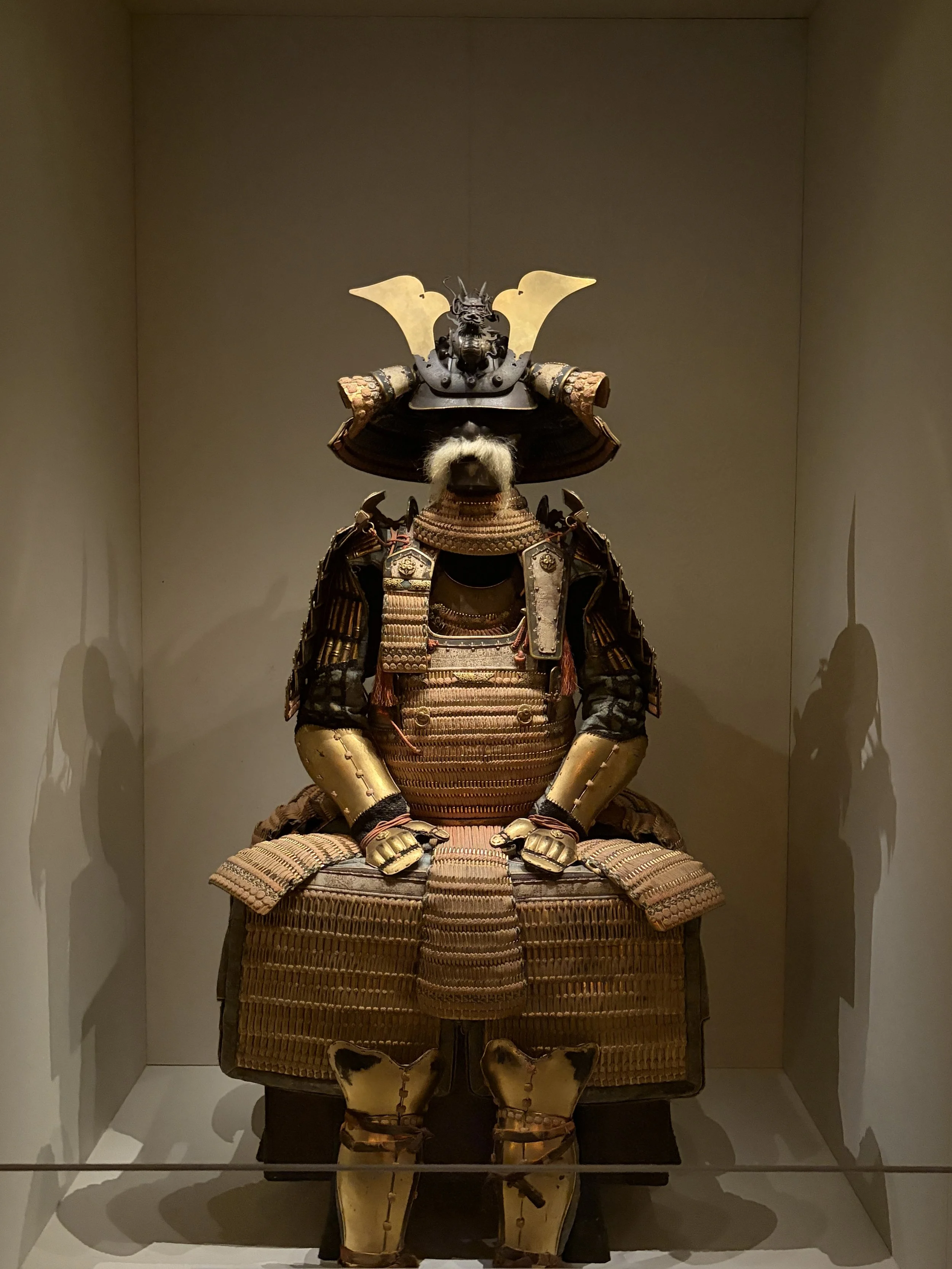
The Samurai are often imagined through a lens shaped by cinema and mythology. Warriors defined by honour, discipline and an almost poetic relationship with death. Yet the exhibition reveals a more layered reality. Armour, carefully constructed from lacquered plates and silk cords, speaks not only of protection but of identity. Each detail is deliberate. Helmets adorned with dramatic crests transform the wearer into a figure that is both human and symbolic. Swords, perhaps the most iconic element of Samurai culture, carry a quiet presence. They are not merely weapons, but objects of craftsmanship, spiritual significance and personal legacy.
Source: own archive
What becomes evident is that the Samurai were not solely warriors. They were also administrators, poets and patrons of the arts. Their world was one in which discipline extended beyond the battlefield into philosophy, aesthetics and daily life. There is a stillness in the exhibition that encourages reflection. The objects do not overwhelm. Instead, they invite attention. To look closely. To consider the hand that made them and the life that once moved within them.
Craft, Discipline and Identity
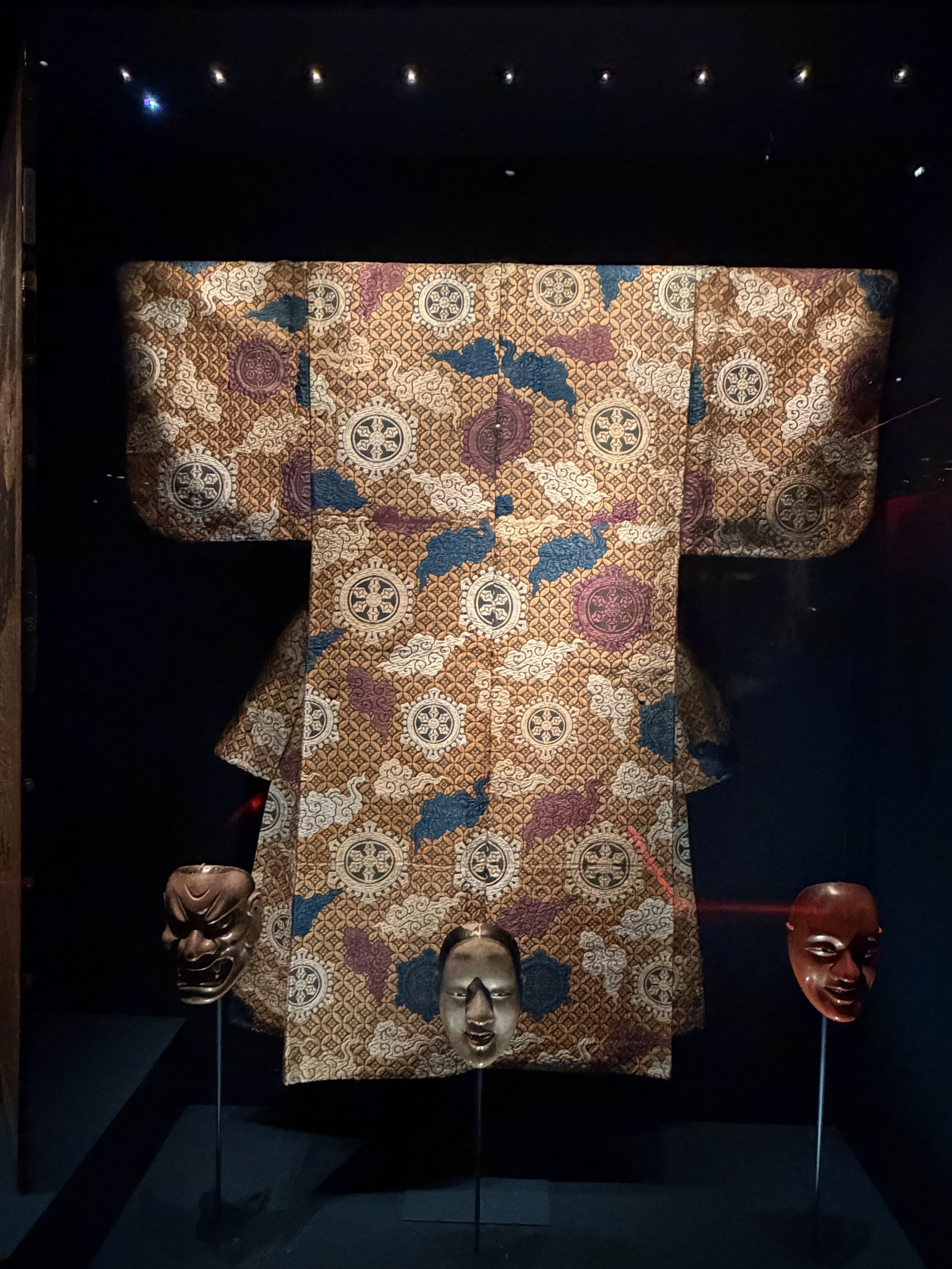
One of the most compelling aspects of the exhibition is its emphasis on craft. The making of armour and weaponry required not only technical skill but a deep understanding of materials and their behaviour. In a contemporary context, where speed often defines production, this level of dedication feels almost radical. Each piece represents time. Time spent forging, assembling, refining. Time that cannot be rushed.
Source: own archive
There is also an inherent sustainability in this approach. Objects were created to endure, to be repaired, to be passed on. The relationship between maker and object was one of responsibility. For an audience increasingly attentive to questions of origin and impact, this perspective resonates. It challenges us to reconsider our own relationship with the things we consume and the values they carry.
Between Myth and Reality
The exhibition also navigates the tension between the romanticised image of the Samurai and their historical reality. It acknowledges the codes of honour and loyalty that defined their role, while also recognising the political and social structures within which they operated.
This duality is important. It reminds us that culture is never singular. It is shaped by context, by power, by change. In this sense, the Samurai become more than a historical subject. They become a lens through which to consider broader questions of identity, duty and transformation.
The Museum as a Living Space
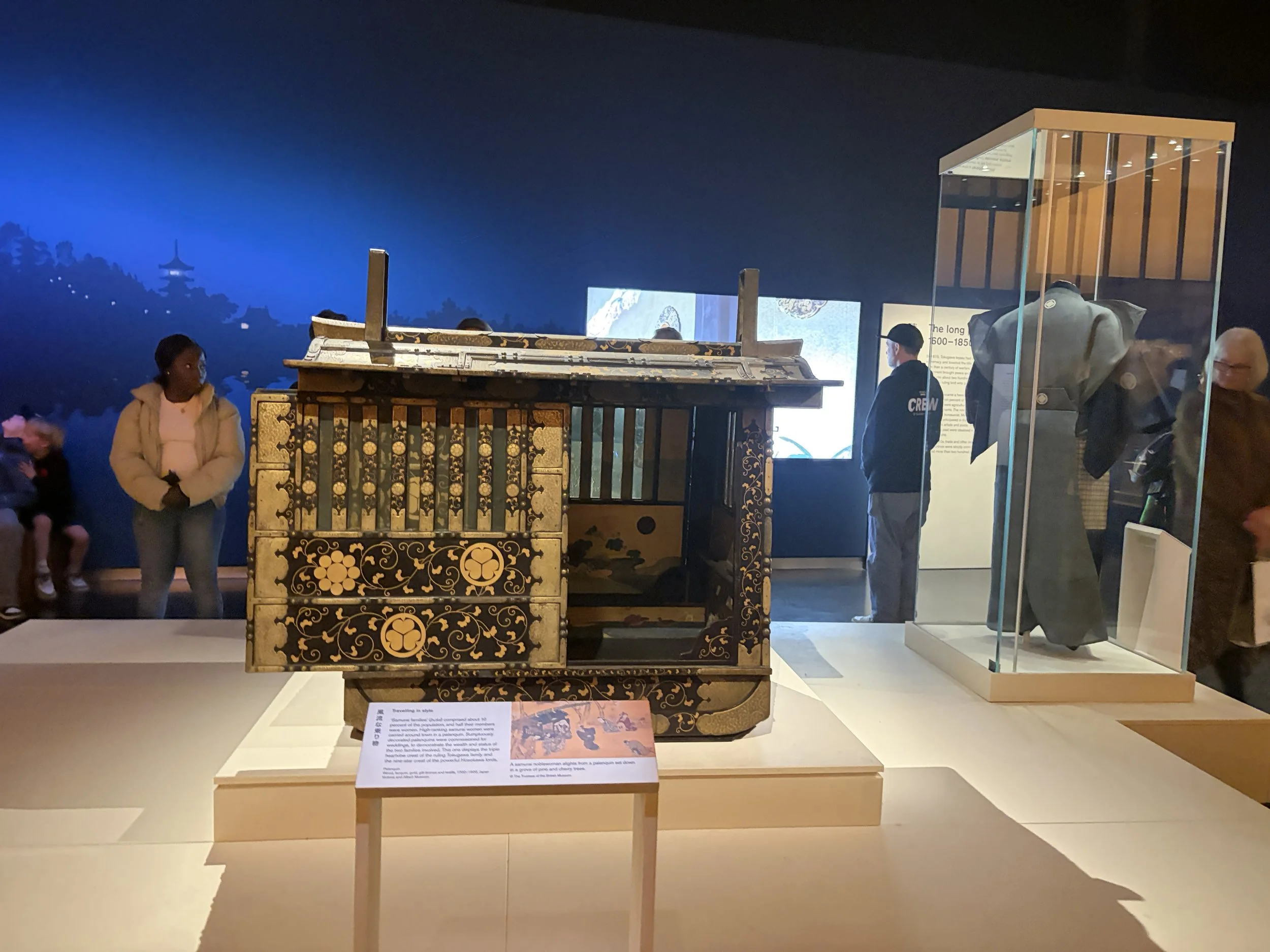
Returning to the British Museum through this exhibition also prompted a reflection on the role of museums today. They are no longer static repositories of objects. They are spaces of dialogue, where histories are revisited and reinterpreted. For those of us who engage with culture across different contexts, whether through travel, gastronomy or design, this evolution feels essential. It allows museums to remain relevant, to connect past and present in ways that are both meaningful and necessary.
Source: own archive
There is also something deeply personal in returning to a place that marked the beginning of one’s journey in a city. The British Museum, once a point of introduction, now feels like a space of return. A place where familiarity and discovery coexist.
A Quiet Conclusion
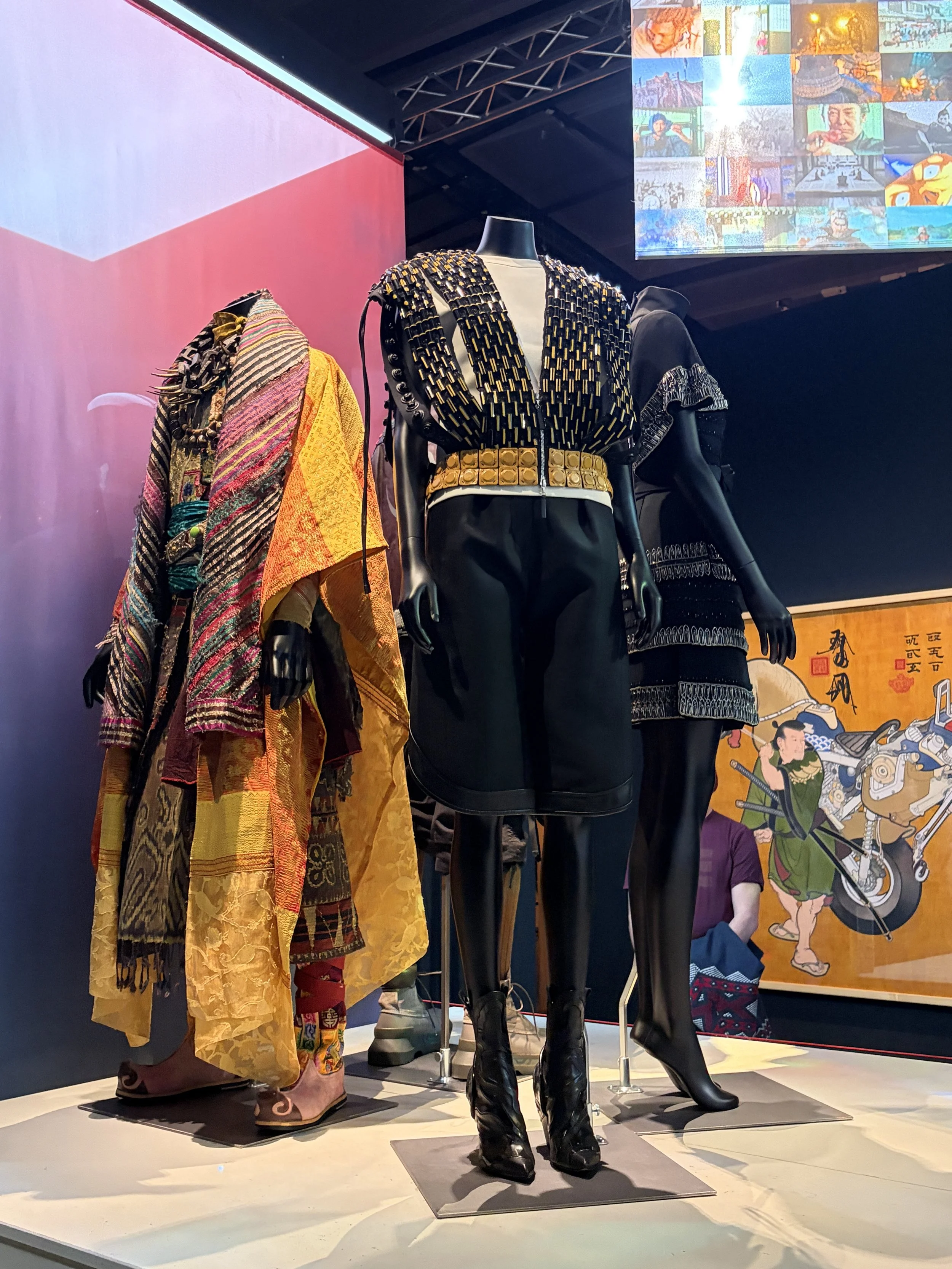
Leaving the exhibition, there is a sense of calm that lingers. Not the kind that comes from resolution, but from reflection. The Samurai, in their complexity, remind us that strength is often quiet. That discipline is not only about control, but about understanding. That beauty can exist within structures of function and purpose.
Source: own archive
In a world that often moves quickly, such lessons feel particularly relevant. Revisiting the British Museum through this lens is not simply about seeing something new. It is about seeing differently. About recognising that places, like people, evolve. And that sometimes, returning is the most meaningful way to move forward.
The exhibition is running until May 4, 2026. More information is available here: https://www.britishmuseum.org/exhibitions/samurai.