The Future of Luxury: Storytelling, Community and the Rewriting of Value
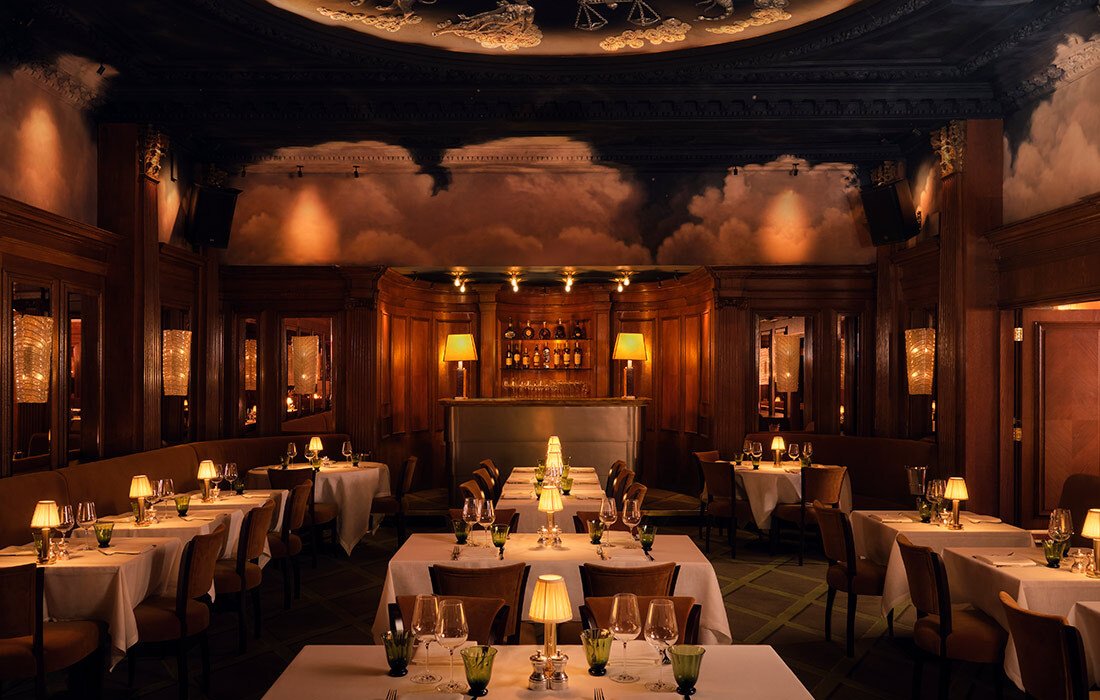
There are evenings in London when a space seems to hold more than conversation. It gathers ideas, tensions and possibilities that extend far beyond the room itself. The Future of Luxury symposium, organised by Issa PR, was one of those moments. Held at Tramp, the private members’ club on Jermyn Street, the setting itself offered a quiet prelude to the themes of the evening. Tramp has long been a space where culture, discretion and social life intersect. Yet, like many institutions of its kind, it is also evolving. It reflects a broader shift in how people gather, connect and define belonging.
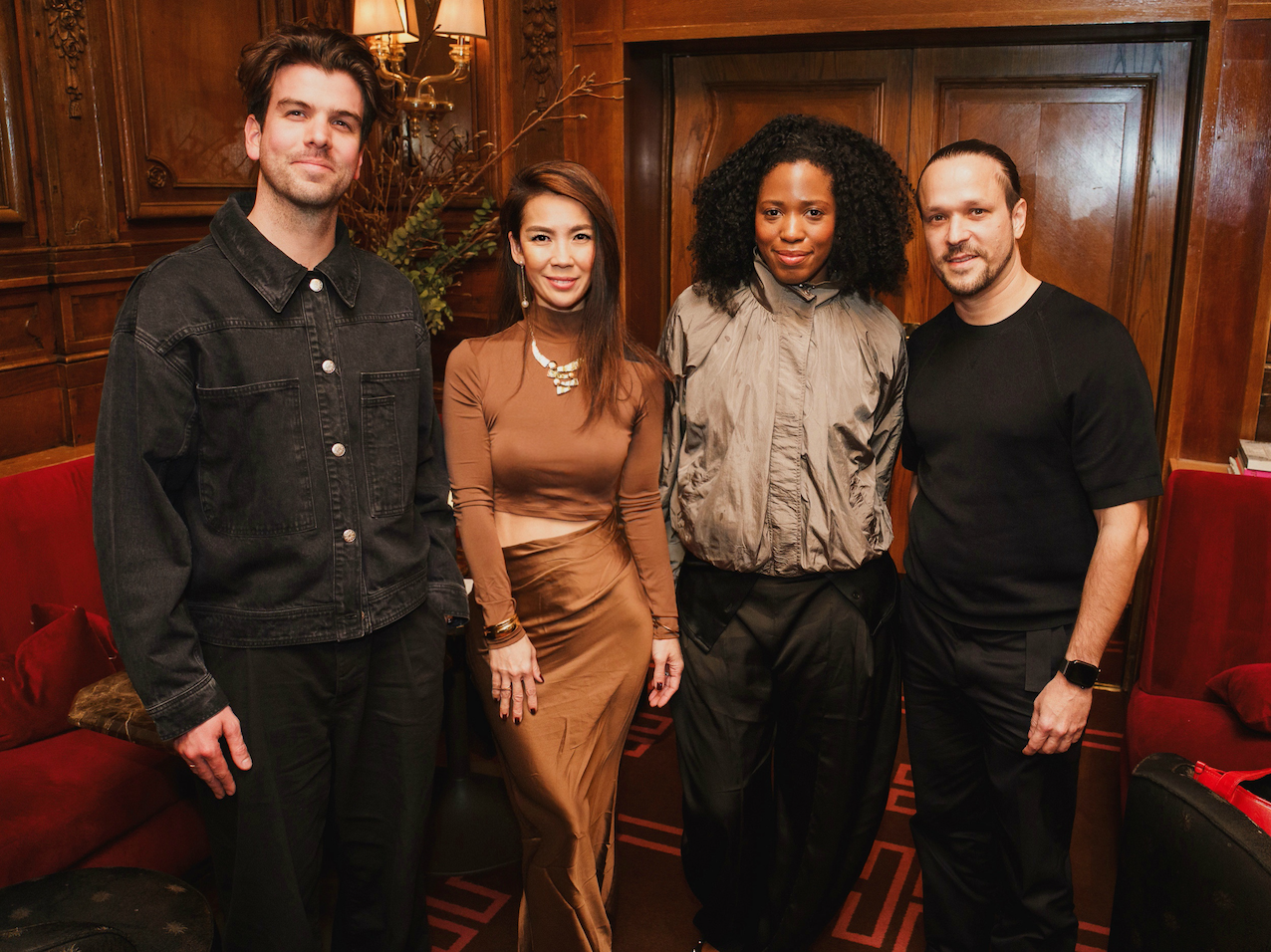
Arriving just before six, there was a sense of anticipation that felt less like a formal panel and more like a collective pause. One moderator, four speakers, and a room shaped by curiosity.
From Object to Narrative
If there was one idea that anchored the evening, it was the rise of storytelling. For decades, luxury relied on the power of the object. Craftsmanship, heritage and brand recognition defined its value. Today, those elements remain important, but they are no longer sufficient. Speakers returned repeatedly to the idea that people are seeking something deeper. They are looking for narrative. Not a constructed story, but one that feels personal, layered and authentic
Credit: Ollie Tomlinson
Bianca Saunders spoke of the role of personal experience in shaping creative output. In her work, storytelling is not an addition. It is the foundation. Each piece becomes an expression of identity, memory and cultural dialogue. This shift is visible across the luxury landscape. Consumers are no longer satisfied with owning something recognisable. They want to understand where it comes from, how it was made and what it represents. Luxury, in this sense, becomes interpretative.
The Value of the One Off
Closely linked to storytelling is the growing desire for uniqueness. Bespoke experiences, limited pieces and one off creations are increasingly valued not because they are rare in a traditional sense, but because they feel specific. They carry a sense of individuality that cannot be replicated. The emphasis is no longer on the label alone. It is on what lies behind it.
Collaboration plays a key role here. When creative worlds intersect, whether in fashion, design or hospitality, the result often carries a depth that feels more meaningful than isolated production. These collaborations create moments that are both culturally relevant and emotionally resonant.
Content, Saturation and Connection
The conversation then turned towards content. Not its presence, but its volume. We are living in a time where creation is constant. Images, videos and narratives circulate endlessly, shaping perception at a speed that is difficult to contain. In such a landscape, visibility is no longer the challenge. Connection is. Then, the questions is: How do brands create something that resonates rather than simply appears?
Credit: Stefan Jakubowski
The answer, as discussed, lies in precision. In understanding not just what to communicate, but who it is for. Luxury is moving away from broad appeal towards more defined communities. Niche access becomes a form of value. It is not about reaching everyone, but about creating spaces where individuals feel understood.
Spaces as Ecosystems
The choice of venue for the symposium was not incidental. Tramp itself became part of the conversation. Private members’ clubs are undergoing a transformation. They are no longer defined solely by exclusivity. They are becoming ecosystems where social life, culture and wellbeing intersect. The reference to “the little Tramp” carried a certain intimacy. A reminder that these spaces operate best when they feel personal rather than performative.
Members are no longer seeking access alone. They are seeking experience. A sense of belonging that extends beyond the moment. Branding remains essential, but it is no longer static. It evolves alongside the community it serves.
Technology and the Human Layer
Technology inevitably entered the discussion. Artificial intelligence, digital platforms and data continue to shape how luxury is produced and consumed. Yet what became clear is that technology alone cannot define the future. Human intelligence remains central. Intuition, creativity and emotional awareness are what transform a product or experience into something meaningful. The challenge is not to resist technology, but to integrate it in a way that preserves human depth. Luxury, at its core, is still about feeling.
Purpose Beyond Profit
Another thread that ran throughout the evening was the idea of purpose. What connects with people today is not simply price or status. It is intention. Brands that resonate are those that demonstrate a clear sense of purpose, whether through sustainability, cultural engagement or social responsibility. The personal touch becomes essential. It signals care, attention and authenticity.
This reflects a broader shift in values. Luxury is no longer detached from the world around it. It is expected to engage with it. Diversity, equity and inclusion are part of this evolution. Representation is not an afterthought. It is fundamental to how brands build trust and relevance.
Integration and the End of Silos
One of the most compelling insights of the evening was the idea that industries are no longer operating in isolation. Fashion, hospitality, art, technology and media are increasingly interconnected. The boundaries that once defined them are dissolving.
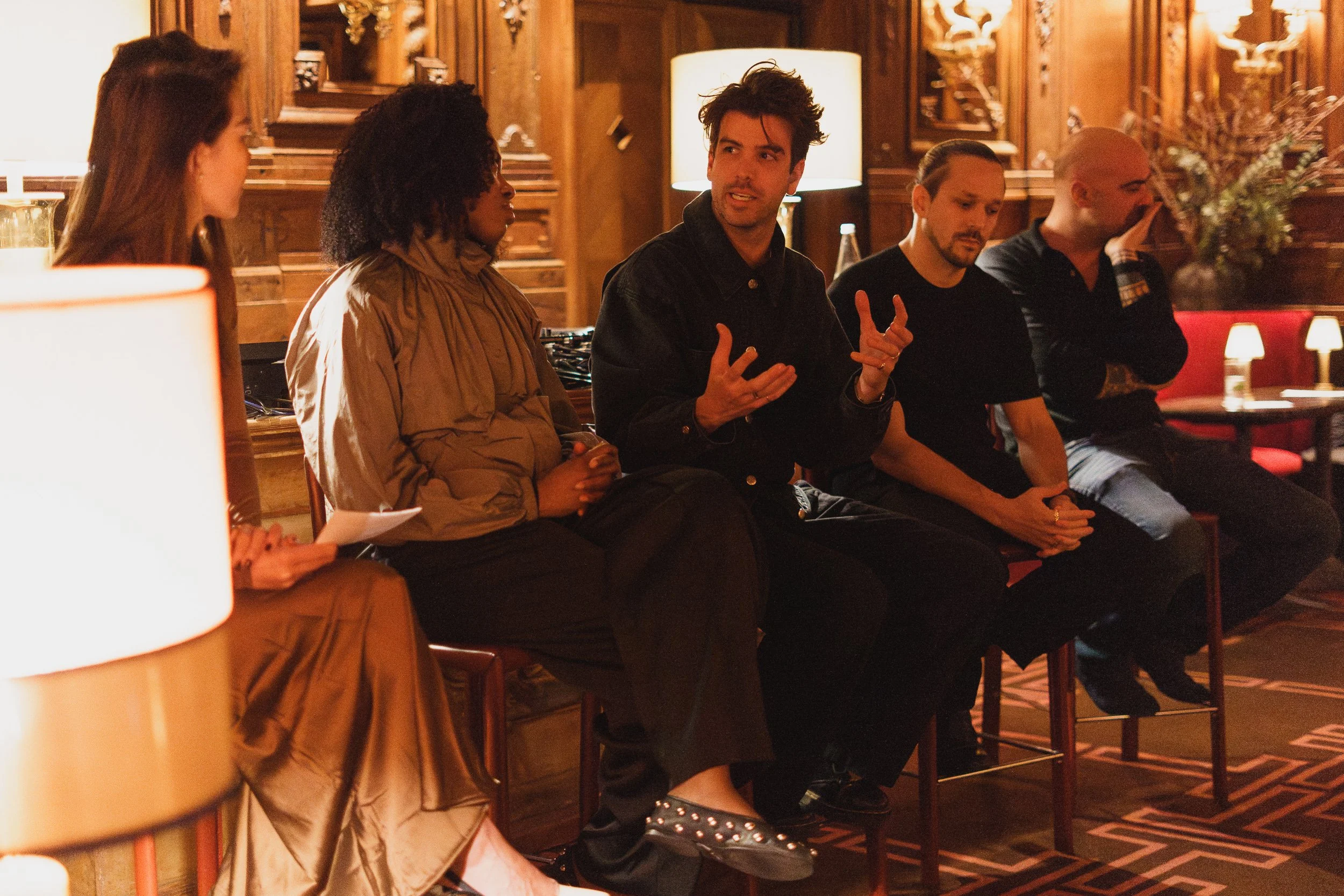
Credit: Stefan Jakubowski
Luxury is becoming a network rather than a category. This integration reflects how people live. Experiences are not compartmentalised. They flow across contexts, shaped by lifestyle rather than sector.
What ultimately emerges from these reflections is a redefinition of aspiration. Luxury is no longer about accumulation. It is about alignment. Individuals are building their own worlds. Their own communities, their own values, their own ways of engaging with culture. They seek experiences that reflect who they are, not simply what they can access. This creates a more intimate form of luxury. One that is less visible, but more deeply felt.
As the evening at Tramp drew to a close, the conversations lingered in a way that felt significant. Not because they offered definitive answers, but because they revealed a direction.Luxury is becoming more human. More reflective. More connected.
It is moving away from spectacle and towards substance. Away from uniformity and towards individuality. For those of us who navigate between global conversations and local experiences, this shift feels particularly resonant.
The future of luxury will not be defined by what is displayed, but by what is understood. By the stories we choose to tell, the communities we choose to build and the values we choose to carry forward.