The Return Economy: When Familiarity Becomes the Ultimate Luxury
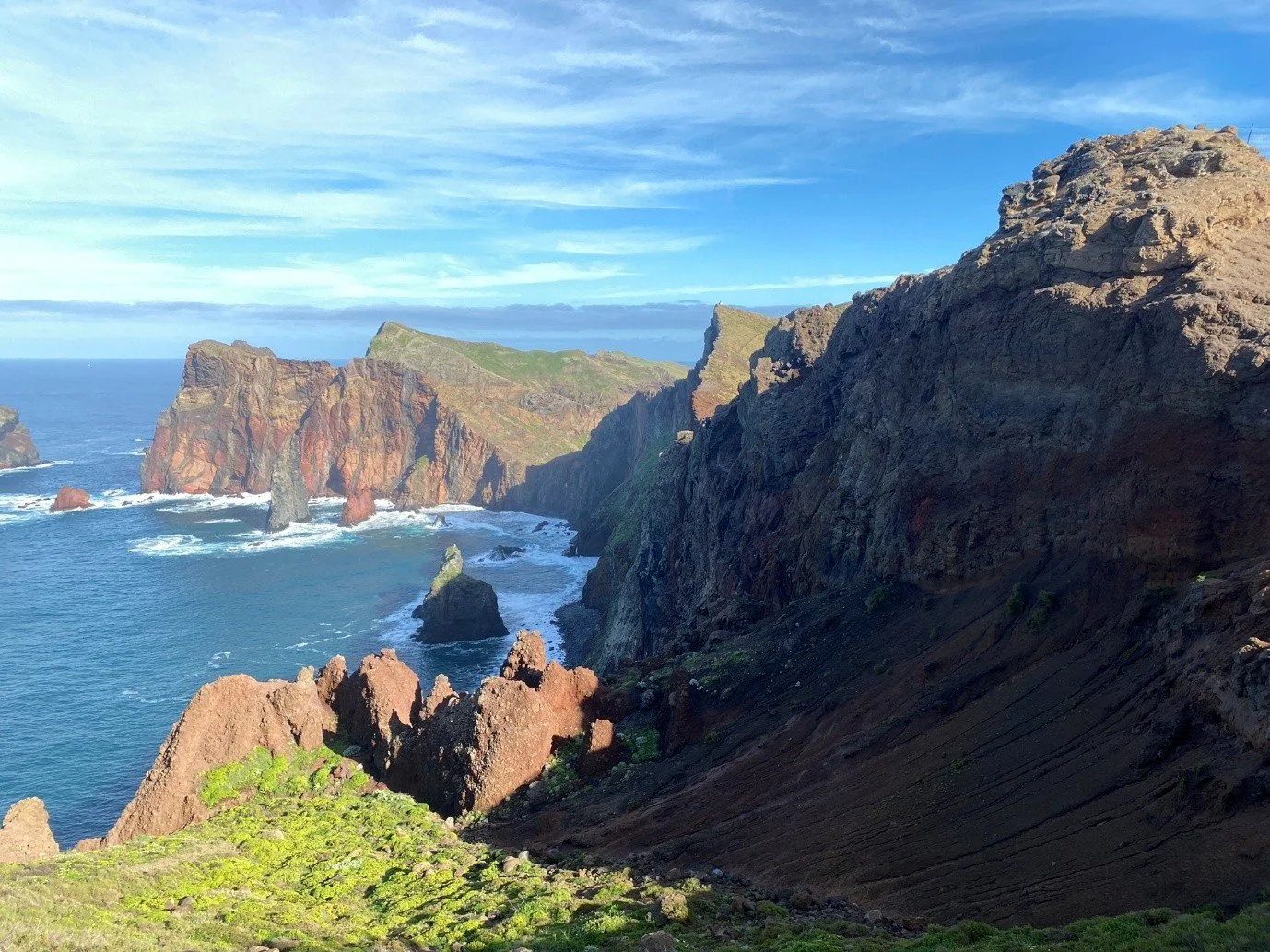
Madeira Island, own archive.
More and more, the most sophisticated travellers are not only asking where to go next. They are asking where they want to return.
There is something deeply attractive about going back to a place that already holds meaning. Not because it lacks surprise, but because it offers something rarer: familiarity, ease, and the quiet pleasure of already knowing. The light at a certain hour. The room worth requesting. The restaurant for a long lunch. The flavour of a gelato. The season when everything feels just right.
That may be the new luxury: not excess, but intimacy.
When a destination becomes part of your rhythm
The first visit to a place has its own magic. Everything feels heightened by discovery. But the second visit offers another kind of pleasure, and often a more lasting one.
When you return, the experience changes. You are no longer trying to decode everything at once. You move with more confidence, more calm, more instinct. The trip becomes less about planning and more about inhabiting.
I have felt this in very different places. In Madeira, for example, what stayed with me was not just the dramatic landscape, but the atmosphere. The sense that beauty there is woven into daily life rather than staged for the visitor. In Tenerife, the quietness of admitting an amazing sunset and just observe the majestic volcano El Teide. In Italy, the small villas in places like Lake Como, beyond the obvious elegance, there is a rhythm to the place that reveals itself more gently when you stop trying to “see it all” and simply let the destination unfold.
That is the difference between visiting a place and knowing it
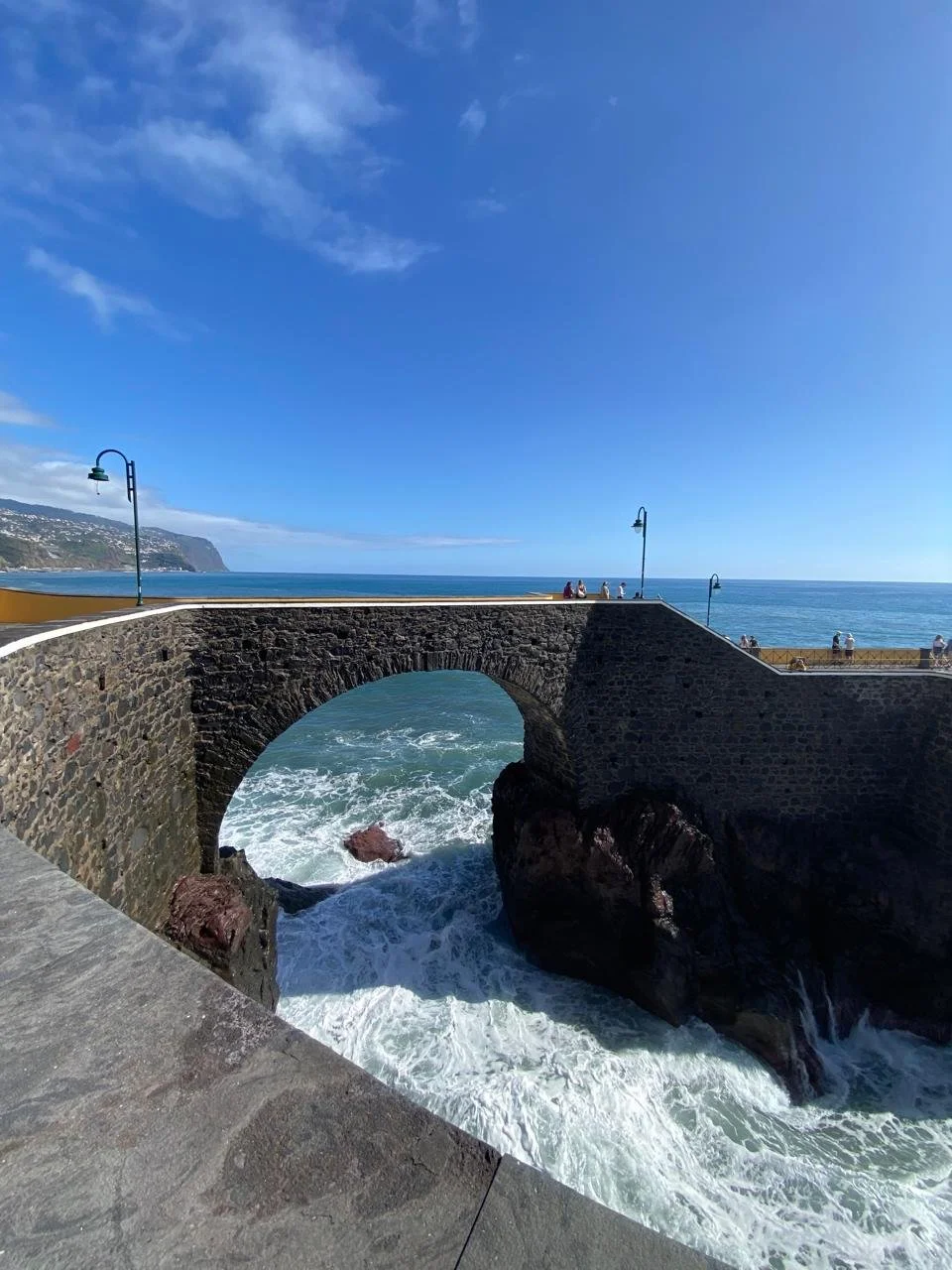
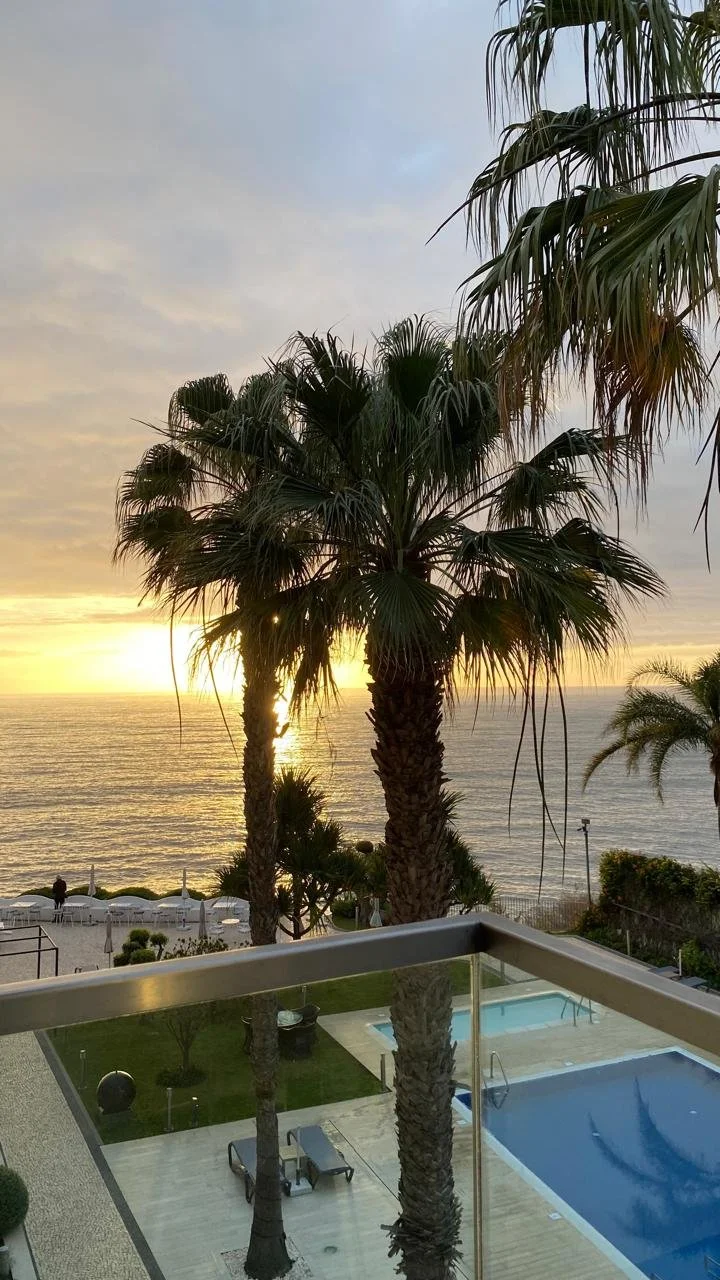
Madeira Island, own archive.
The charm of returning
For years, luxury was tied to the idea of having more: more destinations, more exclusivity, more access. But increasingly, luxury seems to be moving in another direction — toward experiences that feel more personal, more fluid, and less performative.
Returning to a destination reflects exactly that.
It suggests taste rather than urgency. Confidence rather than spectacle. To go back to the same place is not to repeat a trip in a lesser form. It is to choose a place that continues to reward attention.
Some destinations become more beautiful with familiarity. The first visit gives you the view; the second gives you perspective. Your perspective. You begin to notice the details that do not appear in brochures or guides: the quieter hour, the better table, the corner that feels like your own.
In that sense, returning is not the opposite of exclusivity. It may be its most refined form.
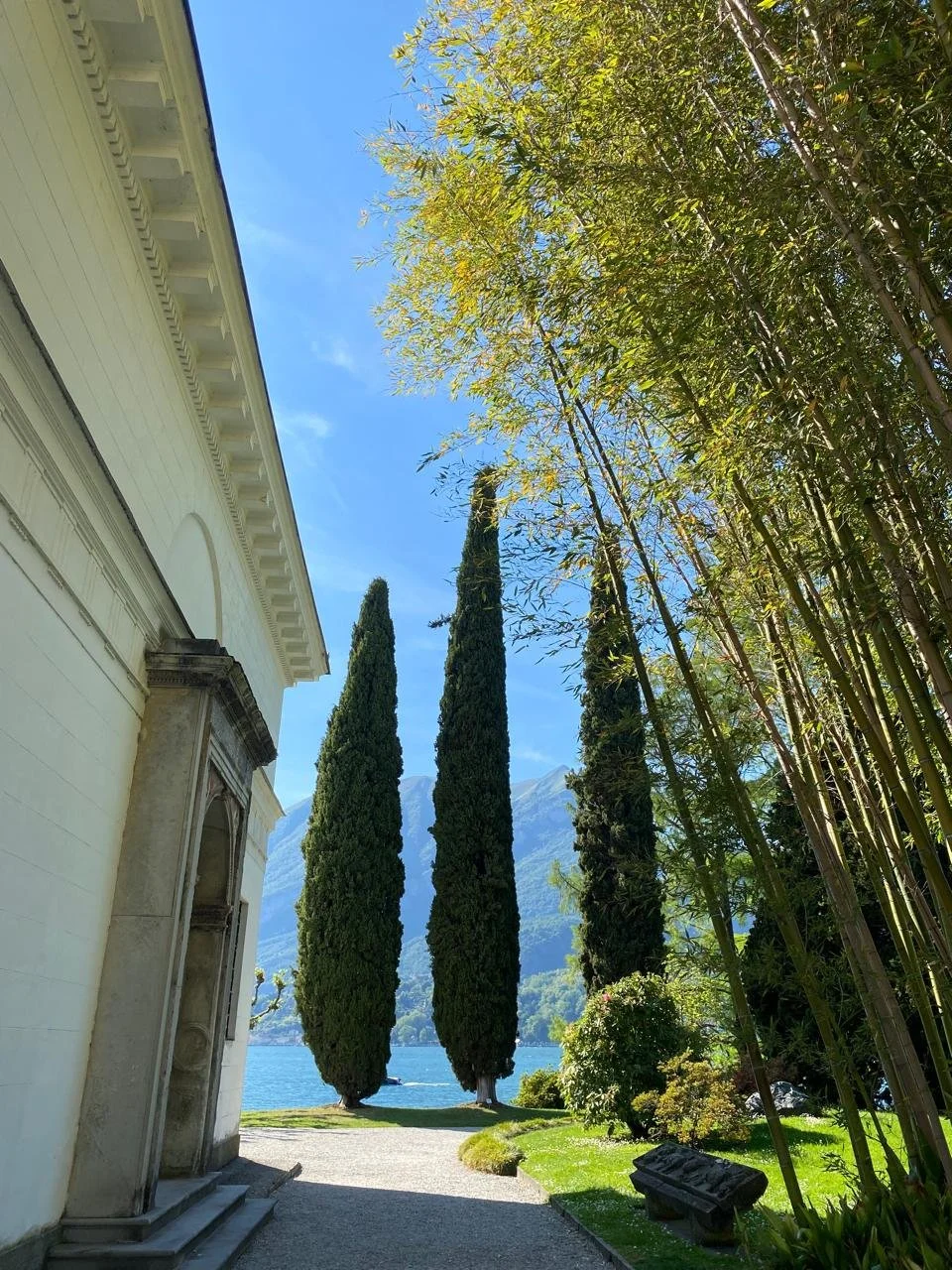
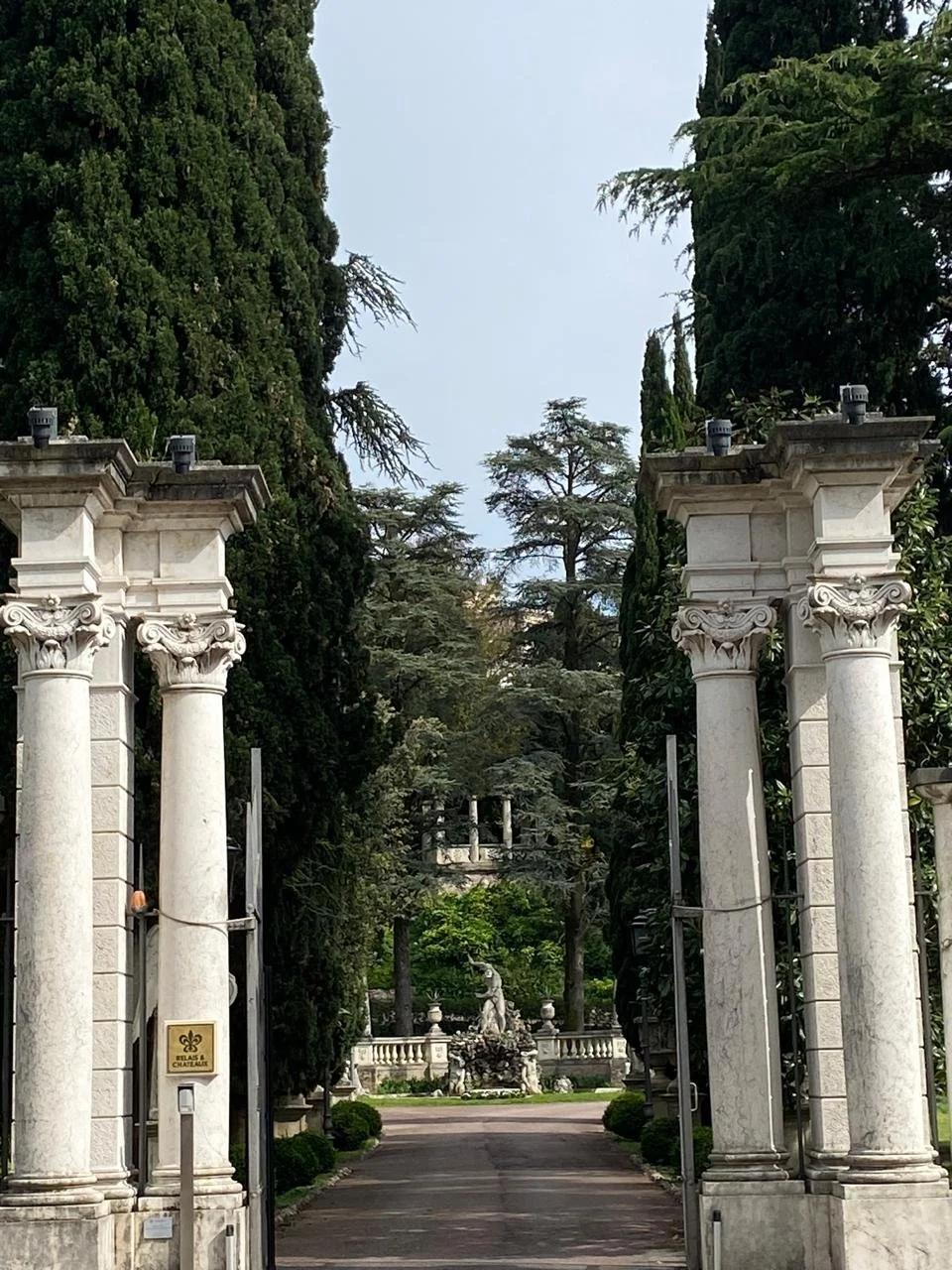
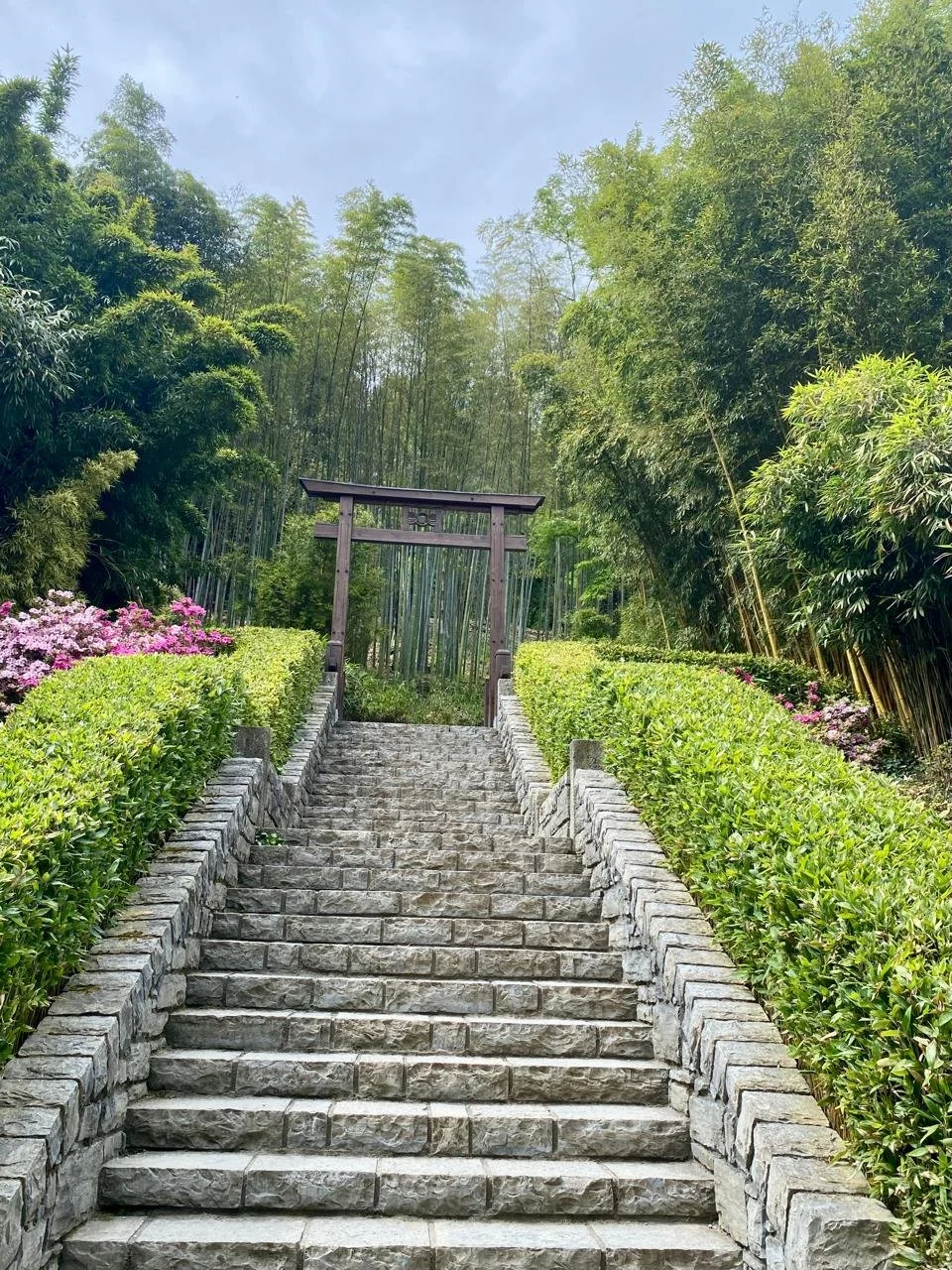
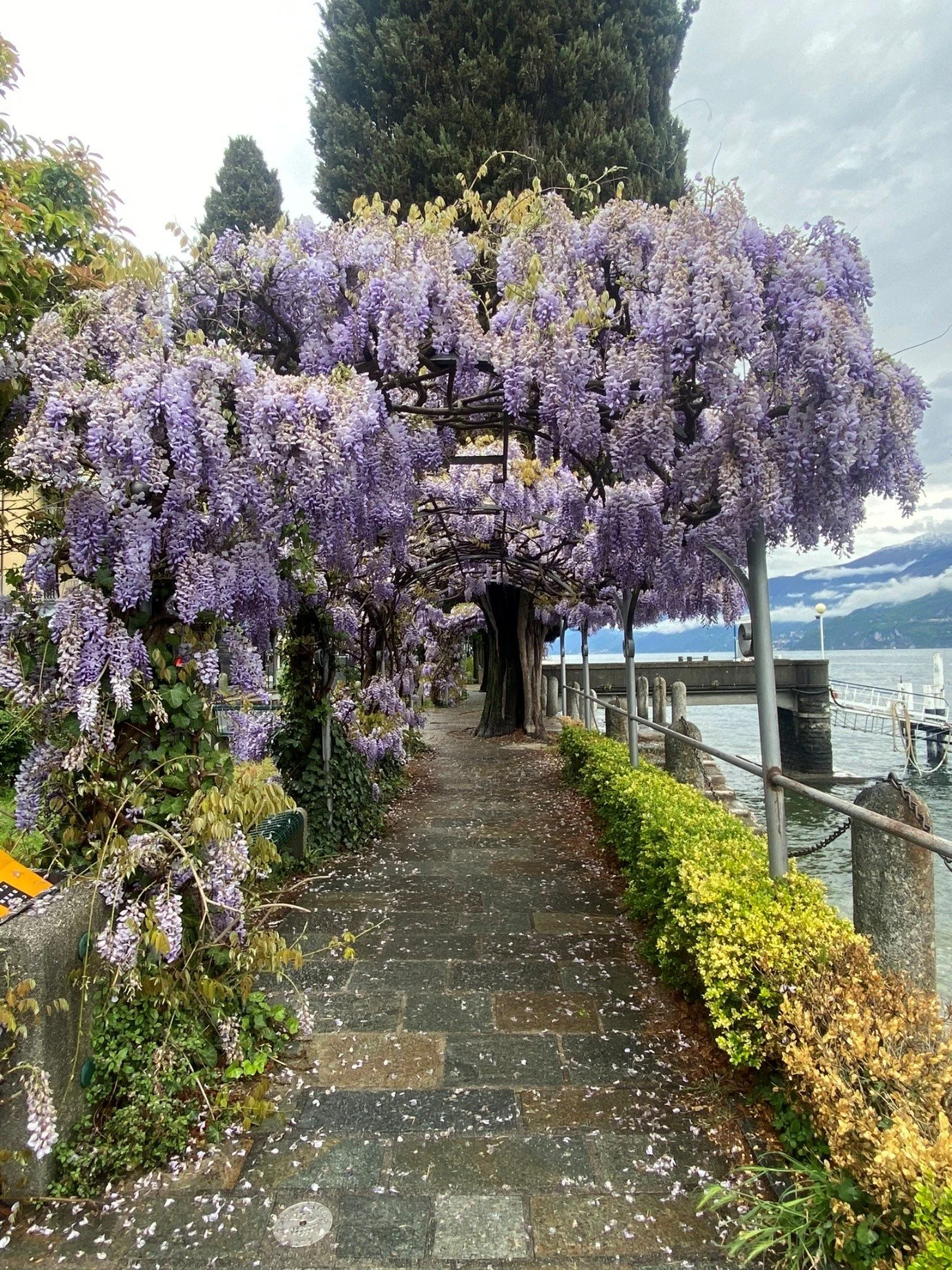
Lake Como, Lake di Garda, Villa Carlota, Lake Como. Own archive.
A quieter kind of luxury
There is also, perhaps, a growing fatigue with constant novelty. Too many destinations are sold as essential. Too many escapes are designed to impress before they are designed to be lived.
Returning offers something different. It removes friction. It replaces the pressure to consume a place quickly with the pleasure of already belonging, even temporarily. That feeling — of ease, of familiarity, of slipping back into a place that suits you — is difficult to replicate. And maybe that is why the idea feels so current now.
The most desirable escape is no longer always the most unexpected one. Sometimes, it is the destination that feels like an extension of your own rhythm. Somewhere beautiful, but also somewhere that allows you to arrive more softly.
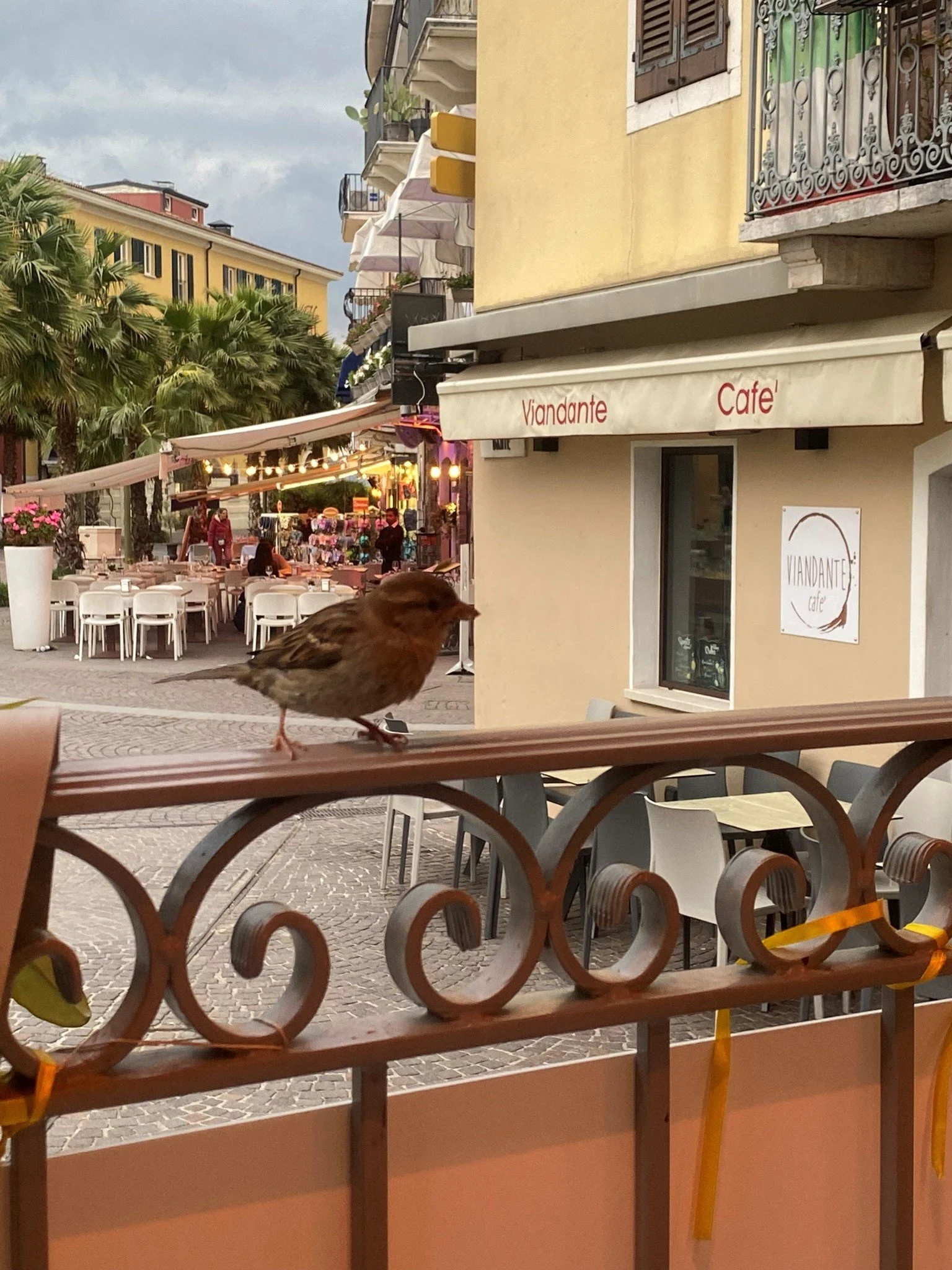
Bird in café in Lake Como. Own archive.
The elegance of going back
There will always be glamour in discovering somewhere new. But there is another kind of sophistication in recognising that some places deserve more than one visit.
In a culture obsessed with what is next, returning can feel quietly radical. It suggests that luxury is no longer only about movement, but about connection. Not only about seeing, but about feeling at home.
Perhaps the new luxury is not simply to travel beautifully. It is to know exactly where, and why, you want to return.
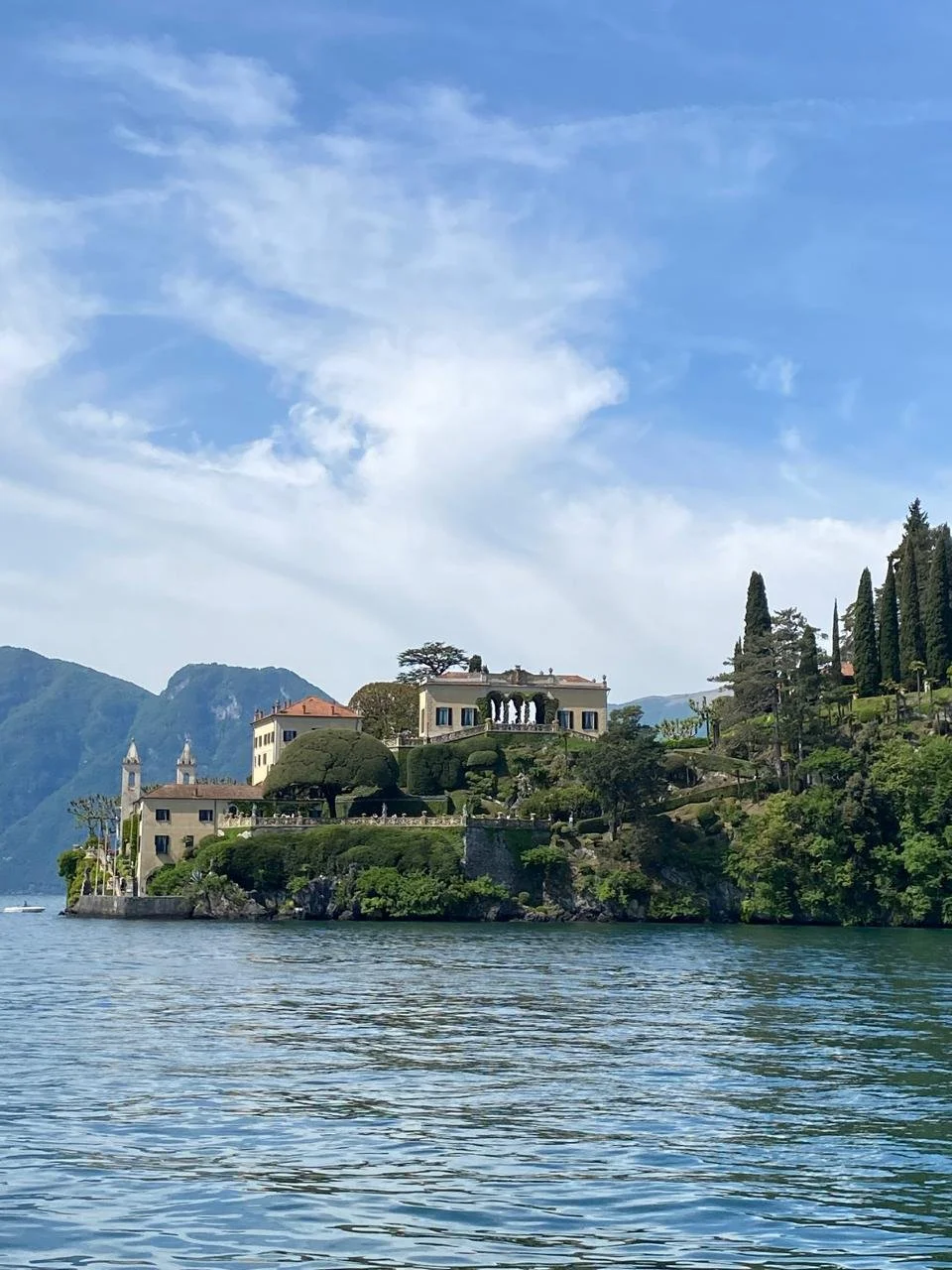
Villa del Balbianello- Own archive