The Tailored Armor and the Moving Monet
Dressing dreams... and why Milena Canonero is the ultimate architect of this illusion.
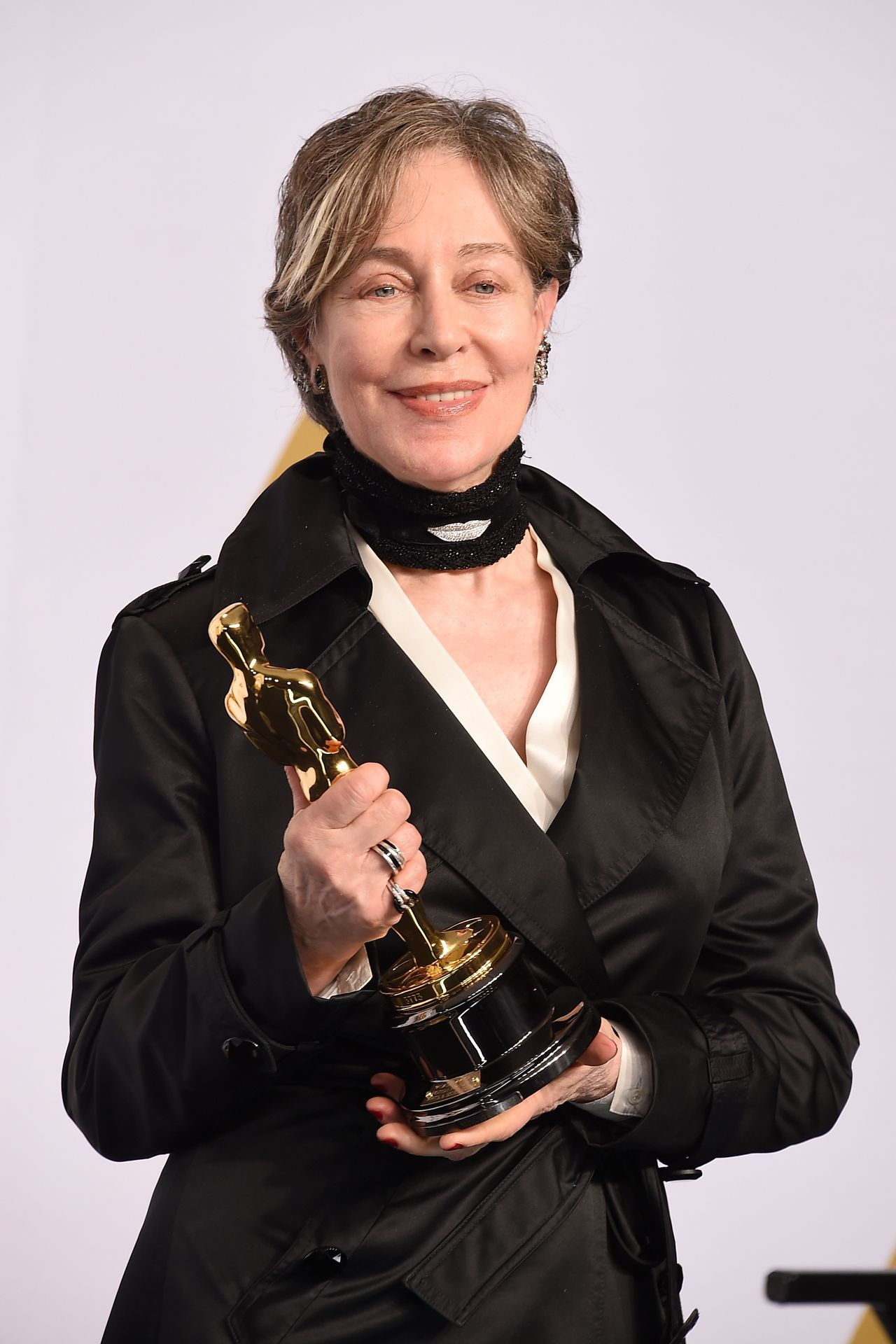
Four-time Academy Award winner Milena Canonero. Photo: Courtesy of the web.
We spend an eternity choosing the right outfit for nearly every meaningful occasion in life. It might be the dinner that could tilt the trajectory of a romance, the job interview demanding a specific necktie, or that party where we want to look effortlessly mysterious. Now multiply that existential indecision by the weight of dressing someone who will inhabit the collective imagination forever. Think of the attire that has to speak volumes all on its own inside a movie, summing up an entire life in three seconds of screen time.
If films relied on generic costumes or off-the-rack pieces that refuse to take any risks, we would be left staring at dusty, uninspired portraits. It is precisely to prevent this aesthetic disaster that brilliant minds exist—minds capable of transforming fabric into narrative. This is an art that finds its highest architect in Milena Canonero. Under her direction, every seam is a confession, every hat is a witty punchline, and every color is a state of soul.
Canonero does not dress characters. She gives them a second skin with very firm opinions.
The Tailored Rebellion of A Clockwork Orange
It takes a nearly insolent amount of talent to turn bowler hats and suspenders into symbols of a nihilistic yet impossibly chic youth, as she did for Stanley Kubrick in 1971. The young men of A Clockwork Orange are brutal, yes, but they wear impeccable tailoring that leaves us feeling slightly guilty for finding the whole spectacle so aesthetically magnetic. It is the supreme triumph of form over chaos.
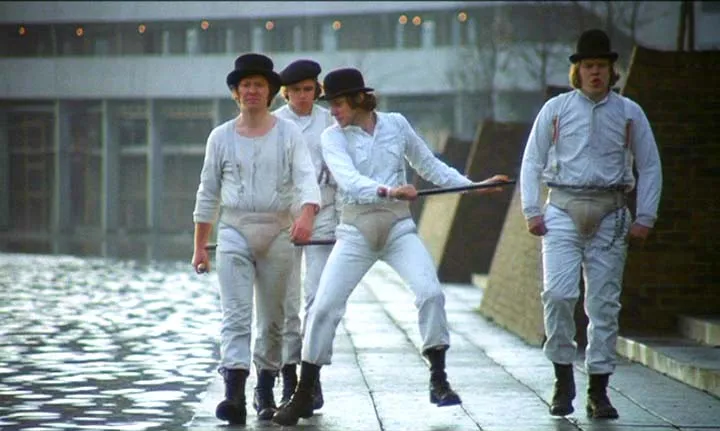
Scene from A Clockwork Orange. Photo: Courtesy of the web.
The Ladurée Banquet in Marie Antoinette
Later, in Sofia Coppola's Marie Antoinette, Milena dipped the history of France straight into a bowl of Ladurée macarons. The result was a delirious fever dream of pink taffeta, feathers, and shoes that defied historical accuracy to replace it with something infinitely better: pure charm. The clothes of that royal court did not whisper about the imminent collapse of an empire. Instead, they shouted with the breezy elegance of someone eating cake while the world burns down around them. It is the exact kind of attitude that makes us want to order a glass of champagne at four o'clock on an ordinary Tuesday just to see if the day improves.
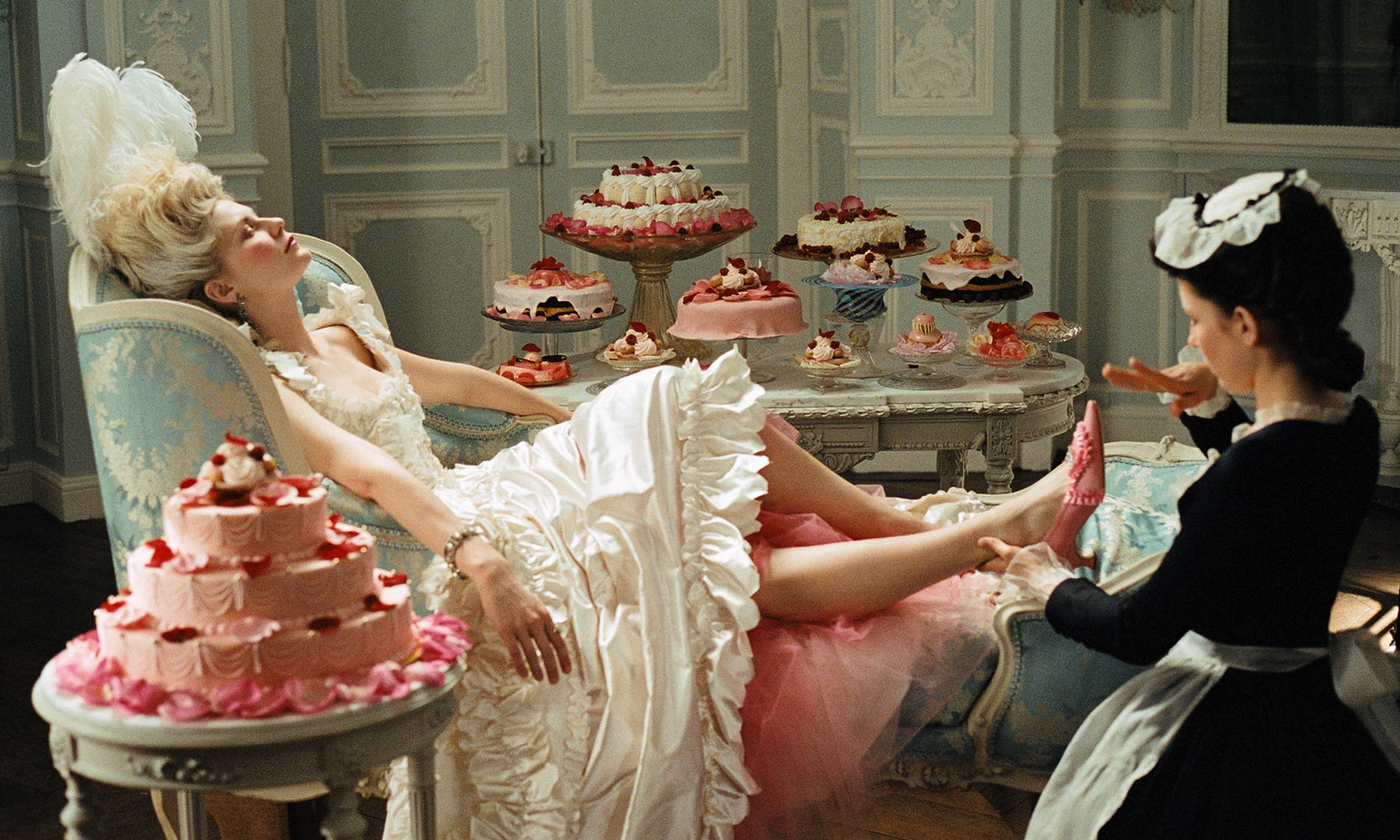
Scene from Marie Antoinette. Photo: Courtesy of the web.
The Music-Box Palette of The Grand Budapest Hotel
It is hardly a surprise that the Oscar statuette—which she took home for that film, as well as for Barry Lyndon, Chariots of Fire, and later The Grand Budapest Hotel—feels like a logical consequence for someone who understands that cinema is first and foremost a parade of unforgettable visions. In The Grand Budapest Hotel, for instance, she transformed Bolsheviks and concierges into figures from a colorful music box, where even the most bureaucratic lobby boy uniforms achieve a moving, cinematic dignity.
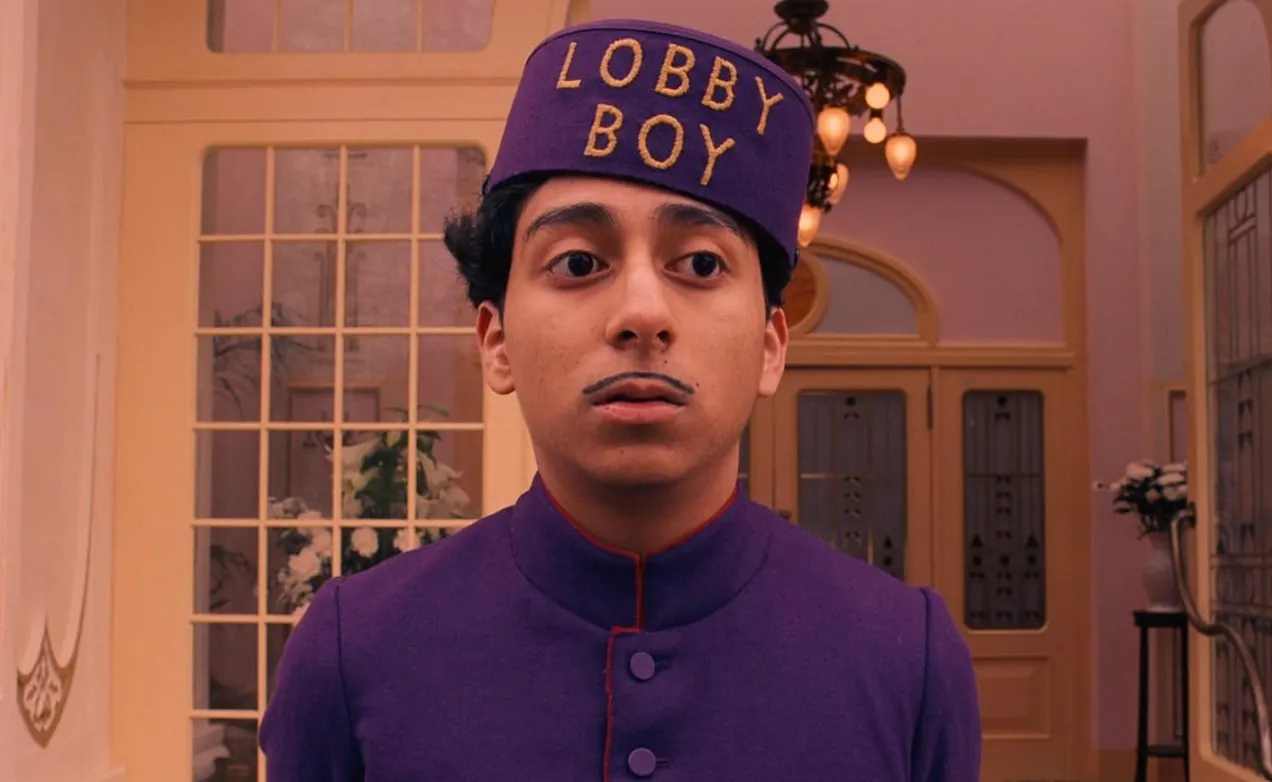
Scene from The Grand Budapest Hotel. Photo: Courtesy of the web.
What separates a standard costume designer from a genius like Canonero is the profound understanding that elegance is never a happy accident. It is the visible tip of an impeccable iceberg of reasoning. When we look at her work, we realize that costume has never been a mere disguise. It is raw, unfiltered truth, only perfectly pressed and immaculately cut.
At the end of the day, real life already demands enough juggling acts. And if Milena Canonero teaches us anything, it is that if we are going to face whatever comes next, we should at least do so wearing an unforgettable color palette and a coat that looks like it knows precisely where it is going.