UNESCO World Conference in Samarkand, a meeting between heritage, diplomacy and the future
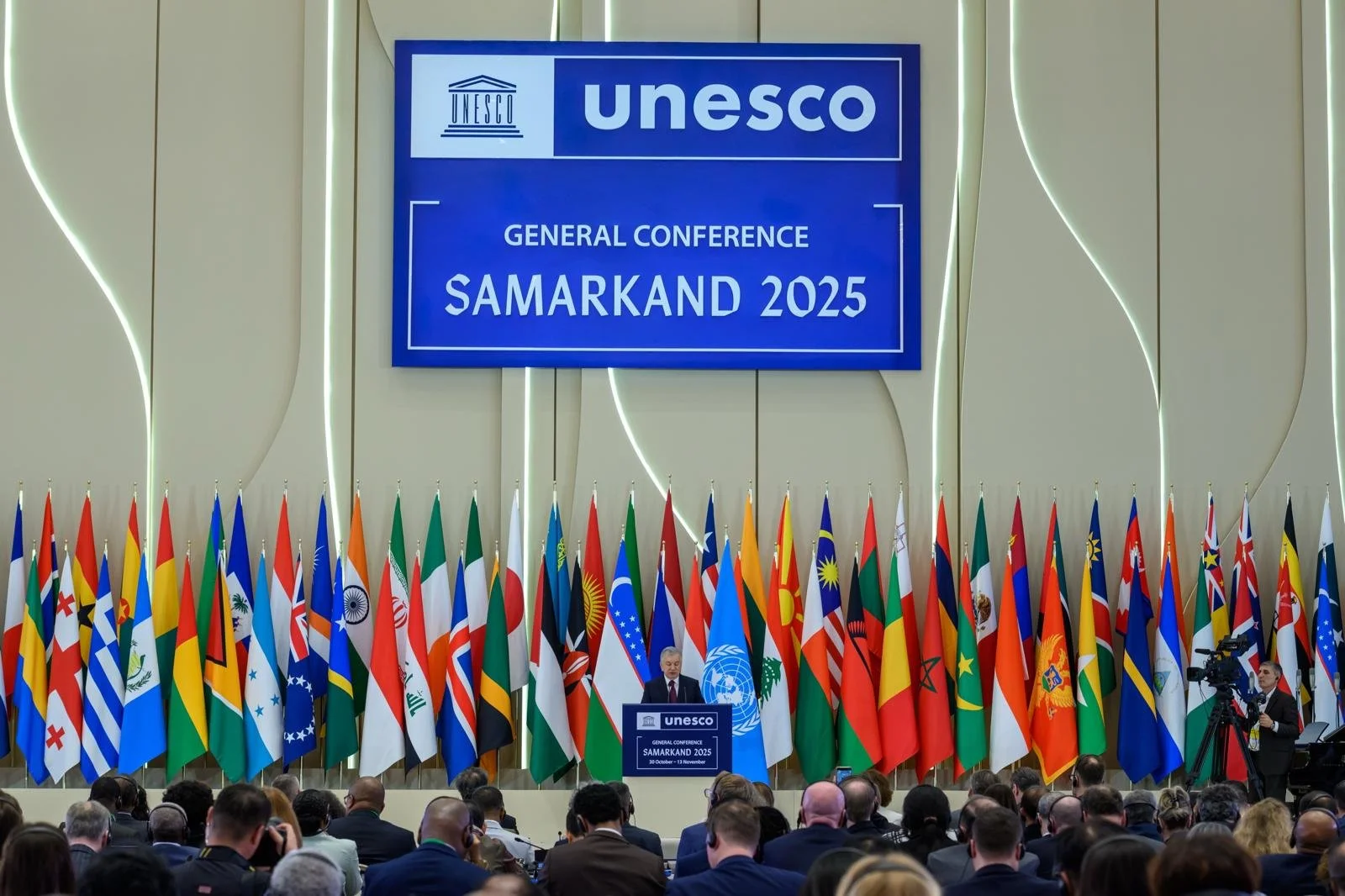
There are moments in the cultural calendar when history feels as if it rearranges itself, revealing new directions with quiet, decisive elegance. The UNESCO World Conference in Samarkand was one of these moments. To witness it as an invited journalist was not only an honour, but an immersion into a narrative where diplomacy, heritage and innovation moved in harmony against one of the most remarkable backdrops in the world.
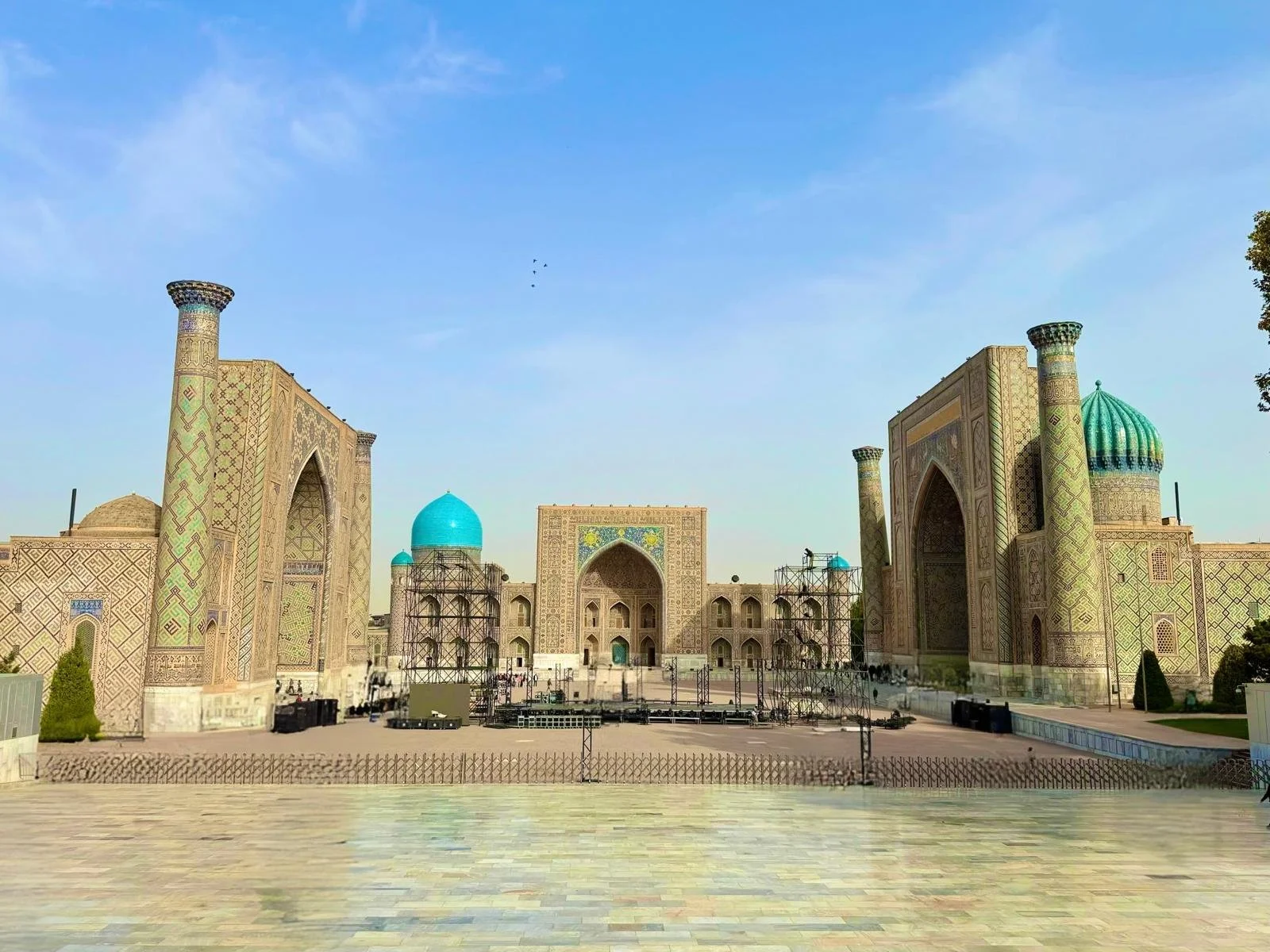
Samarkand, a city shaped by centuries of exchanges on the Silk Road, offered a stage worthy of a global gathering dedicated to the preservation of culture and the construction of the future. Hosting the Conference for the first time in four decades outside Paris, Uzbekistan affirmed its rising position as a guardian of memory and a nation ready to reintroduce itself to the world. Its architectural richness, its hospitality and its cultural pulse revealed a country pequeno in territorial scale but vast in legacy and ambition.
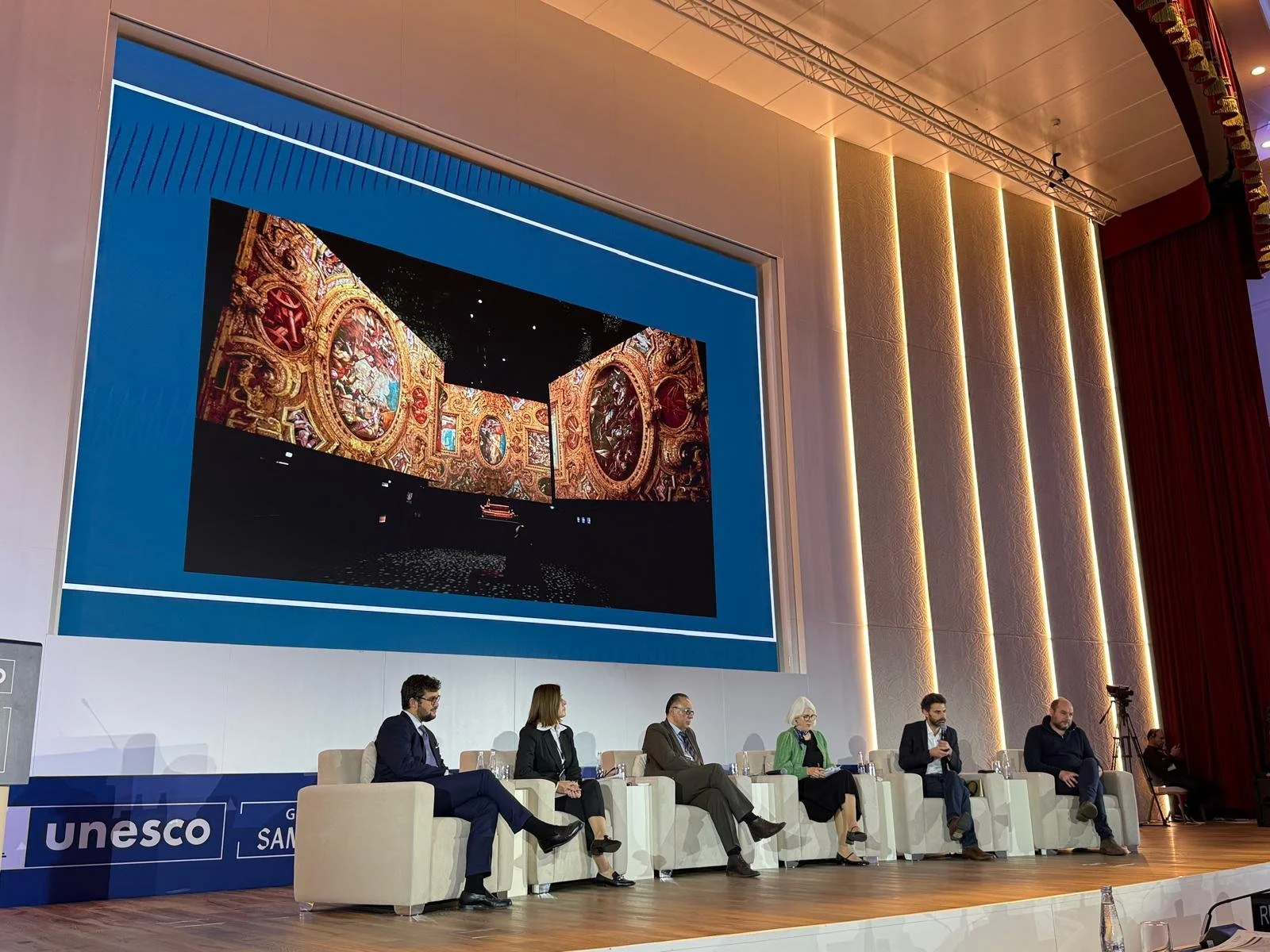
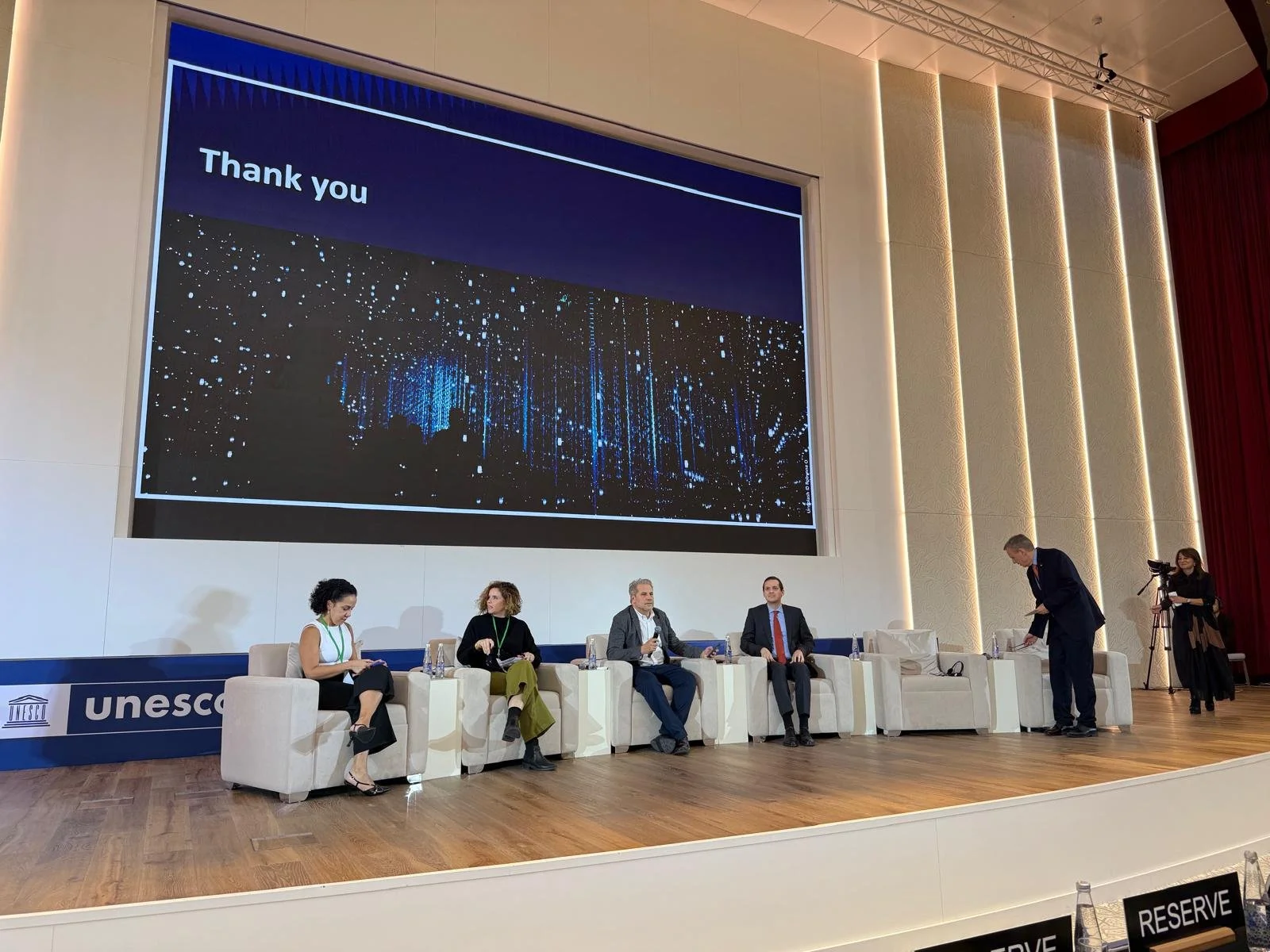
Inside the Silk Road Convention Centre, discussions unfolded with rare depth. Intelligence, ethics, museums, preservation, diplomacy and the meaning of cultural stewardship in the twenty first century were at the centre of the programme. What emerged was a shared understanding that technology must serve culture, not define it.
Among the voices that shaped this conversation, two Brazilian women stood out in the auditorium. Nailanna Tenório Lima from the Museum of Tomorrow presented the institution’s pioneering integration of artificial intelligence in cultural education, a project that has repositioned Brazil as a reference point for ethical innovation in museums. Sabrina Moura de Araújo, Director of Research and Development at the Louvre Abu Dhabi, reflected on the delicate task of using artificial intelligence to preserve nuance across Arabic, English and French, reinforcing that translation in a museum is never purely linguistic, it is conceptual, political and deeply cultural.
From France, Germany, Tunisia and other nations, curators and researchers presented visions that placed technology as an ally of preservation. Drones mapping fragile heritage sites, artificial intelligence accelerating catalogues without replacing scholars, immersive tools allowing young generations to rediscover stories erased by time: each contribution reinforced a simple truth, that innovation has meaning only when memory is protected.


Beyond the conference halls, one evening became unforgettable. In the monumental Registan Square, under the cold blue sky of Samarkand, Jean Michel Jarre — UNESCO Goodwill Ambassador and one of the most influential electronic composers of our time — transformed the ancient madrasahs into waves of light and sound. The performance was not merely a concert. It was a dialogue between past and future, between stone and technology, between the silence of history and the pulse of human imagination. For all of us who stood there in the night air, it was a reminder of why culture endures.
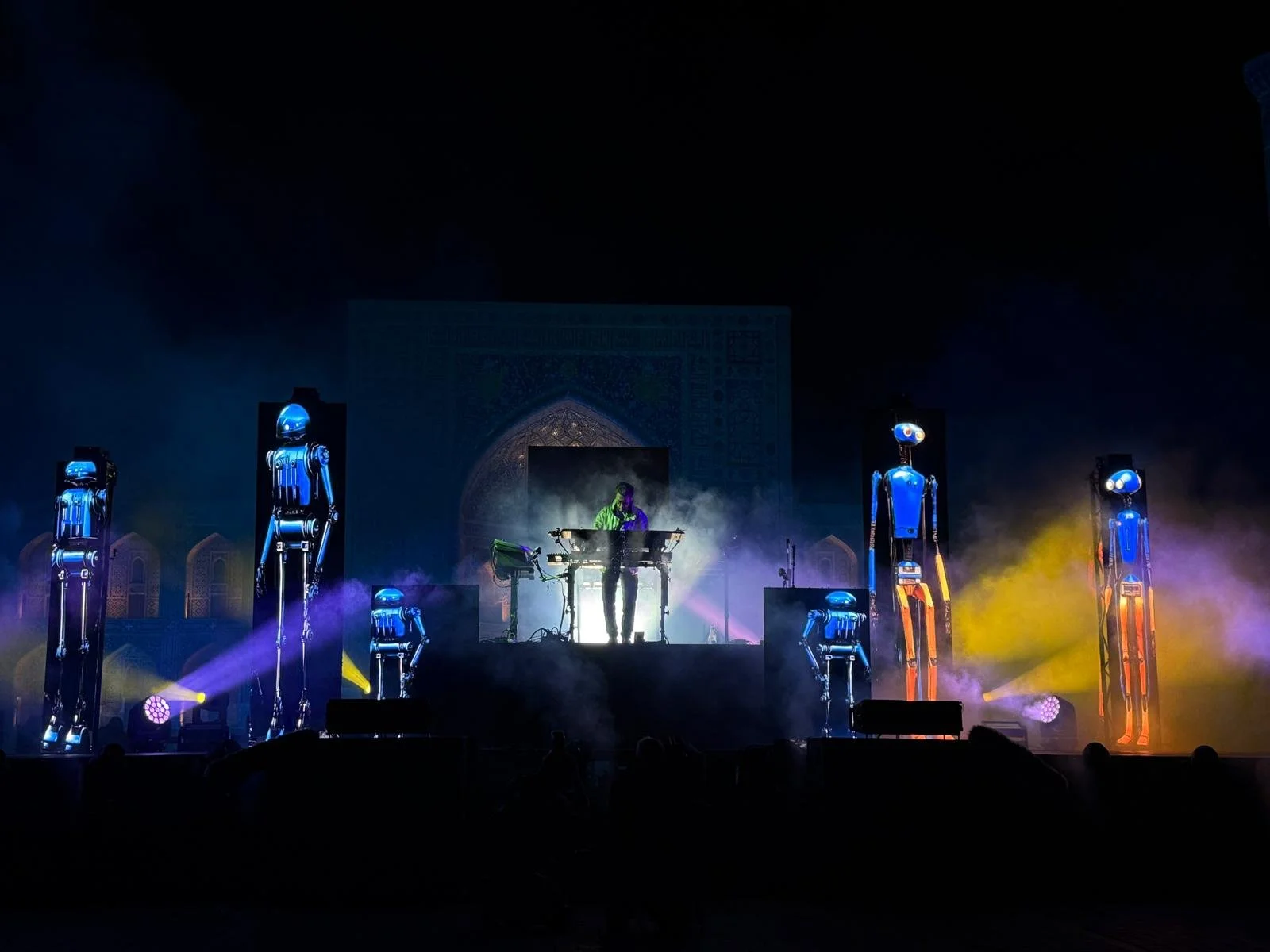

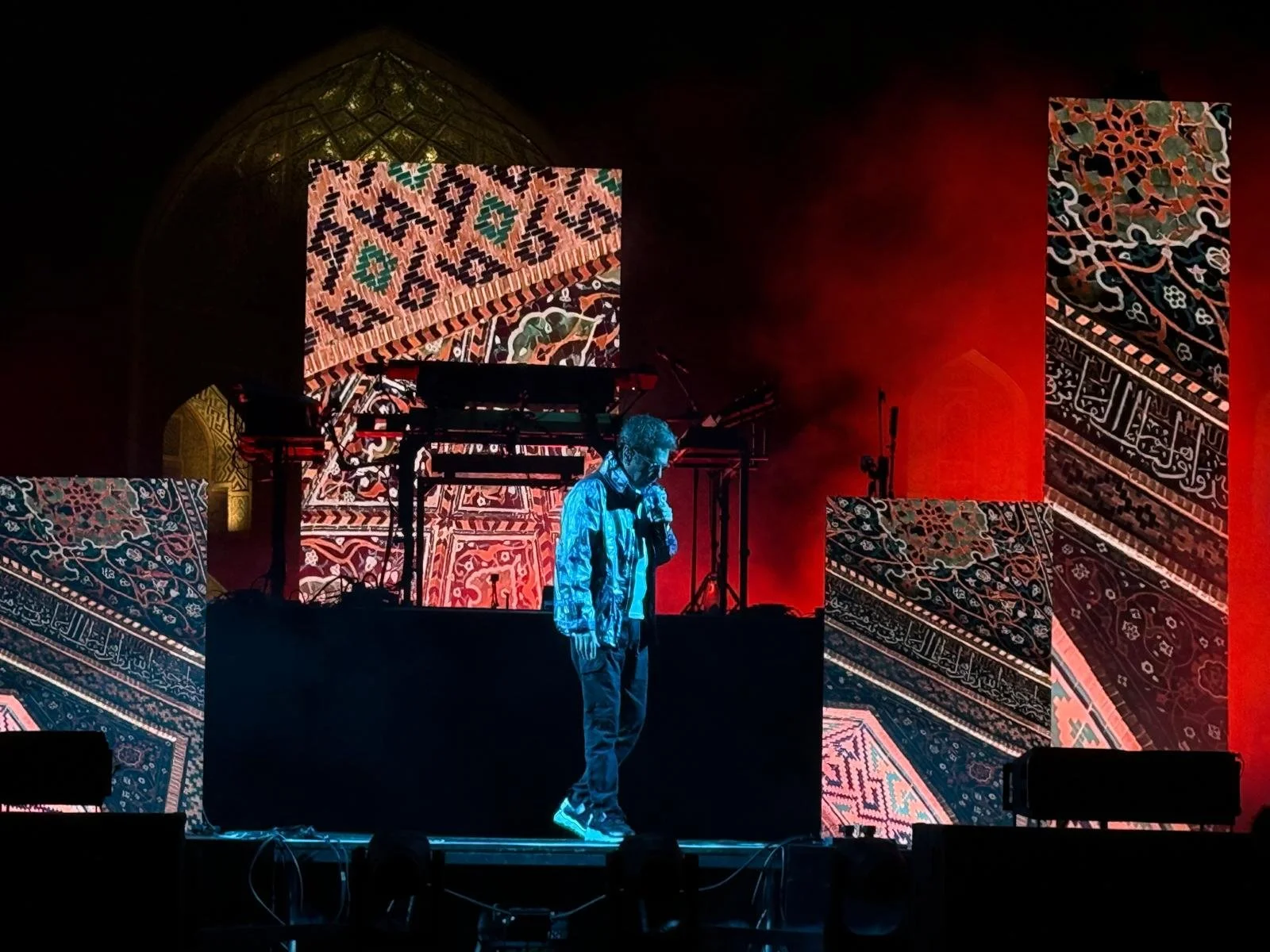
Covering this conference for Avesso Magazine was to witness heritage in movement, diplomacy in action and the future in construction. It was to experience Uzbekistan not as a destination, but as a revelation. A country disarmingly rich in identity, symbolism, tradition and vision, capable of offering the world both memory and renewal.
This journey opened doors to new stories that Avesso Magazine will continue to explore, stories that celebrate art, culture, preservation and the extraordinary nations that carry them. Because where a path ends, another begins.