Vines, Voices, and Vision: The Women Shaping Washington Wine
The air in Seattle was already thick with the scent of oak and anticipation as the city prepared for the sheer scale of the Taste Washington 2026 showcase.
While the event is a significant milestone on the calendar, some of the most compelling stories of the weekend belonged to the individual women currently defining the soul of the Washington wine scene.
From sixth-generation winemakers carrying the weight of a family legacy to solo entrepreneurs completely reinventing what it means to produce a bottle, the female leadership across this landscape has never been more vital or more collaborative.
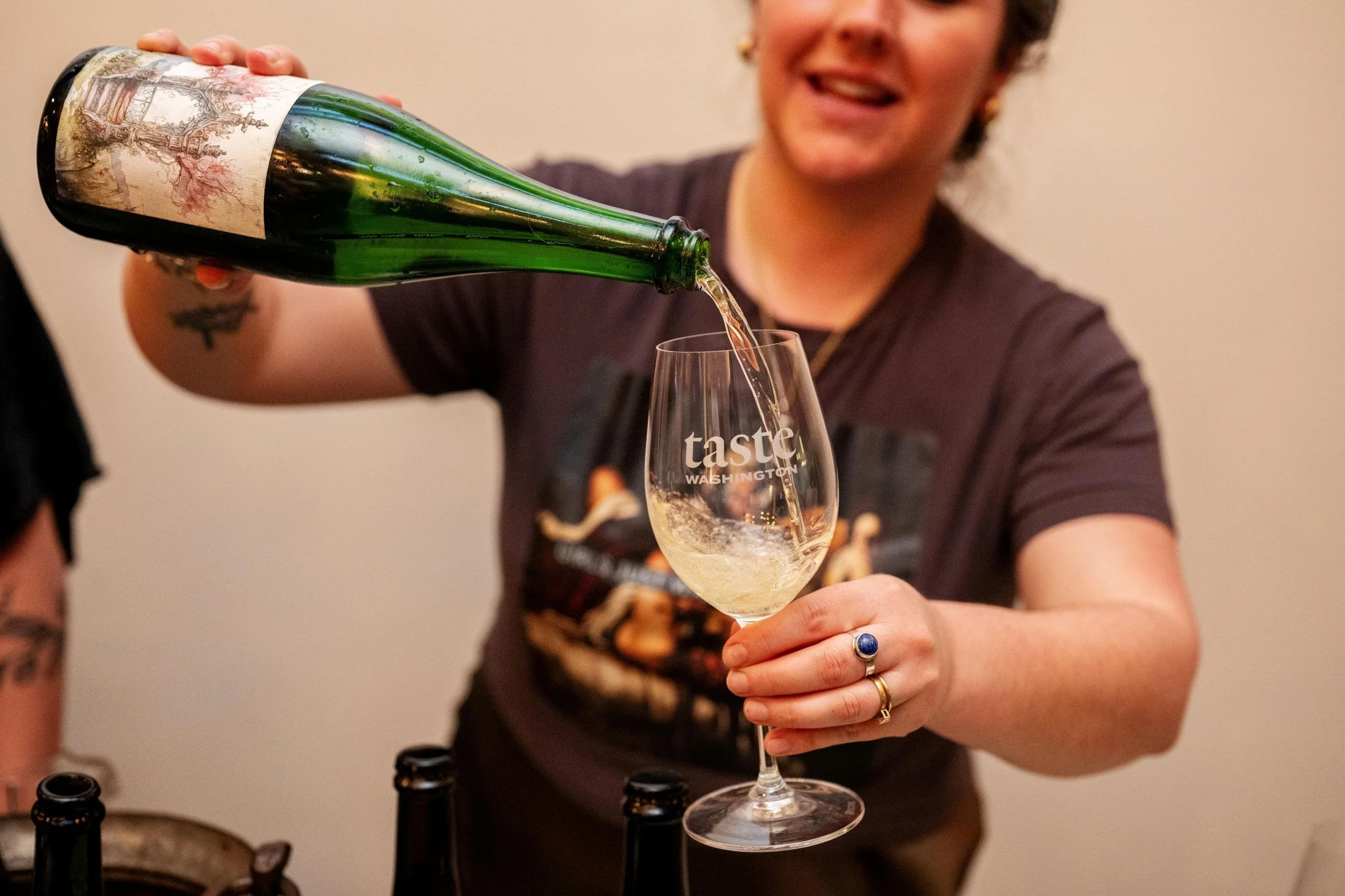
Photo Credits: Aubrie Le Gault
Vines of Heritage: A Grandmother’s Inspiration
At the Grand Tasting, I spoke to Kate Derby, a winemaker at Spring Valley who represents the sixth generation of her family business. As we discussed the history of the estate, she showed me the label of her Cabernet Franc. It bears the image of her great-great-grandmother, Katherine, who immigrated from Wales to Walla Walla and established the family legacy.
Kate was originally a psychology student, but her path shifted after she ran an event for a leadership class at the winery. She fell in love with the process and the lifestyle, eventually trading textbooks for the cellar. When asked about the specific hurdles women face in the trade, Kate noted that even now, some guests are surprised to encounter a female winemaker.
"There are definitely things that are harder," she explained. "For example, at these large tastings, people can walk up to the table and if you are pouring with a guy next to you, they will always make eye contact with them. People just think that it is the man." In big settings, it is about letting your voice be heard and having that confidence because you are often in a room where the majority are men."
Her advice for the next generation is rooted in the community she has found. "Do it. Follow your heart, follow your gut. All of the women are each other's best cheerleaders, I would say do it and do it with confidence."
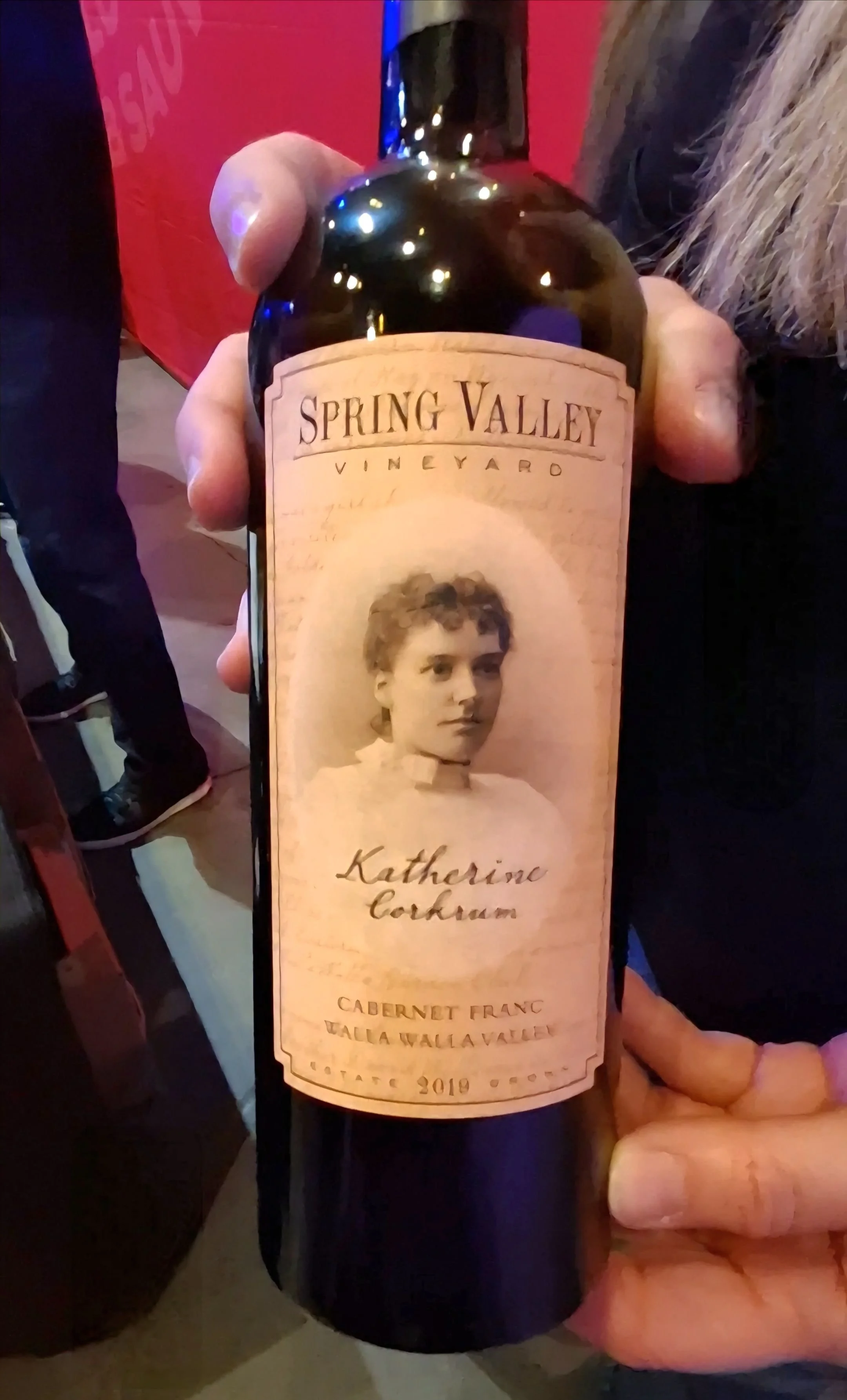
Photo Credits: Spring Valley Winery
Power in Pink: Fiona’s Rosé Rules
Fiona Mak, the owner and sole winemaker of Smak Wines in Walla Walla, is a woman on a mission to redefine a category. A Chinese American sommelier who moved into production, Fiona focuses exclusively on seasonal rosé. Her work is deeply influenced by her heritage, as she crafts flavour profiles designed to pair with the salt, spice, and heartiness of Asian cuisine.
By specialising in rosé, she is actively dismantling the stereotype that the style is merely girly or a secondary product. As a solo entrepreneur, she handles everything from the physical cellar work to the complex business operations. I waited behind a crowd of enthusiasts at Taste Washington to ask what drove her to launch her brand in 2018.
"I am known to make seasonal Rosé, one for each season and I use different winemaking techniques to have the wine channel the season. We promote a rosé all year concept," she told me. "I grew up in Hong Kong, appreciating wine and had a degree in hotel and restaurant management. When I graduated the market crashed and I went into restaurant management and that was the start of working in the wine industry."
Reflecting on her eight years in business, she noted that the journey has required a thick skin. "When I first started there probably was [struggles for women], but I think that as any business owner you really have to be present to represent your brand and keep telling your brand’s story. Sometimes as women we are, maybe a little bit more humble or not boastful or we’re not very good at talking about ourselves. That is definitely something that I have to overcome, but I’m a little more used to it now, you just kinda have to be ok with the constant self-promotion as a small brand."
Fiona encourages young women to explore the many facets of the industry. "I would tell them to do it. I feel like there are a lot of places for women in the wine industry. The wine industry is multi-faceted, you can be interested in many areas of it and still be successful at it. Just do it, listen to your instincts, find yourself good mentors."
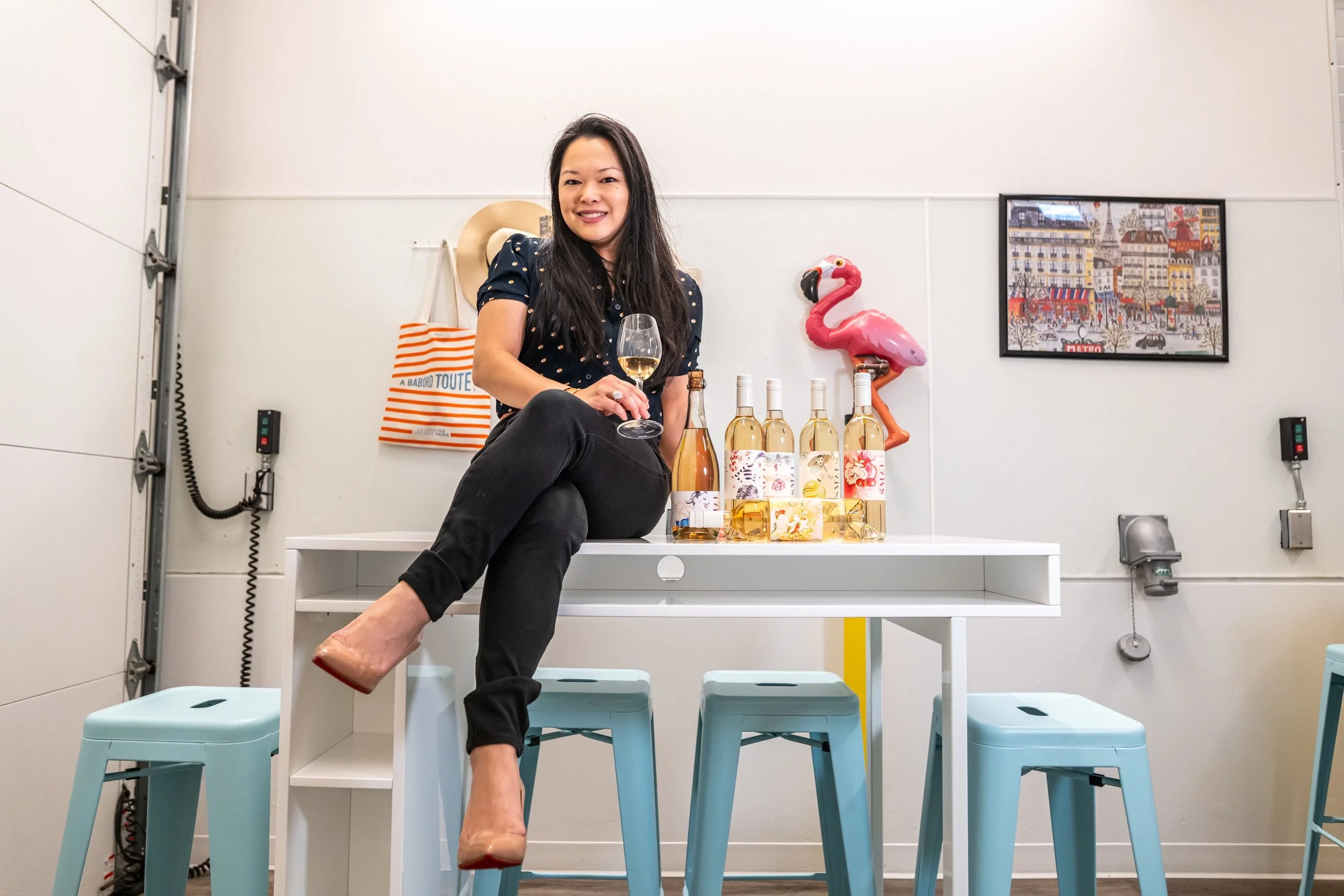
Photo Credits: Stephanie Forrer
The Collective Strength of the Alliance
One of those primary resources is the Alliance of Women in Washington Wine. To understand the infrastructure supporting these winemakers, I spoke with Dana Van Nest, the Communications Director and Board Chair. The Alliance was founded to inspire, connect, and advance women across every sector of the wine world.
The organisation provides a vital forum for issues that are often overlooked. "We were looking for a space where women could talk openly about issues that were specific to them," Dana explained. "For example, how do you learn to drive a forklift when co-workers insist that it's a man’s job? What do other folks do for childcare during the long hours of harvest? How do you handle locker room talk in the cellar?"
Alcohol has historically been a male-dominated industry, and while progress has been slow, it is happening. "The Washington wine industry was founded in the late 70s and early 80s and the names associated with this founding are all male. There were many founding mothers as well as founding fathers, but they did not receive proper recognition back in the day."
The Alliance is working to rectify this through events like Great Women of Washington Wine, which celebrates the pioneering enologists, growers, and winemakers who laid the foundation. Their mentorship programme also pairs emerging professionals with veterans, ensuring that the collaborative spirit of the region remains its defining characteristic.
For travellers visiting the region, Dana believes the soul of the culture is found in its versatility.
"Washington winemakers love to experiment with grape varieties, with winemaking techniques, with growing strategies. We know we make extraordinary wine and we aren’t content to stick to a few varieties or to rest on our laurels. Our soul seeks innovation. It seeks variety. It seeks hard work and it seeks pleasure. Our soul contains multitudes."
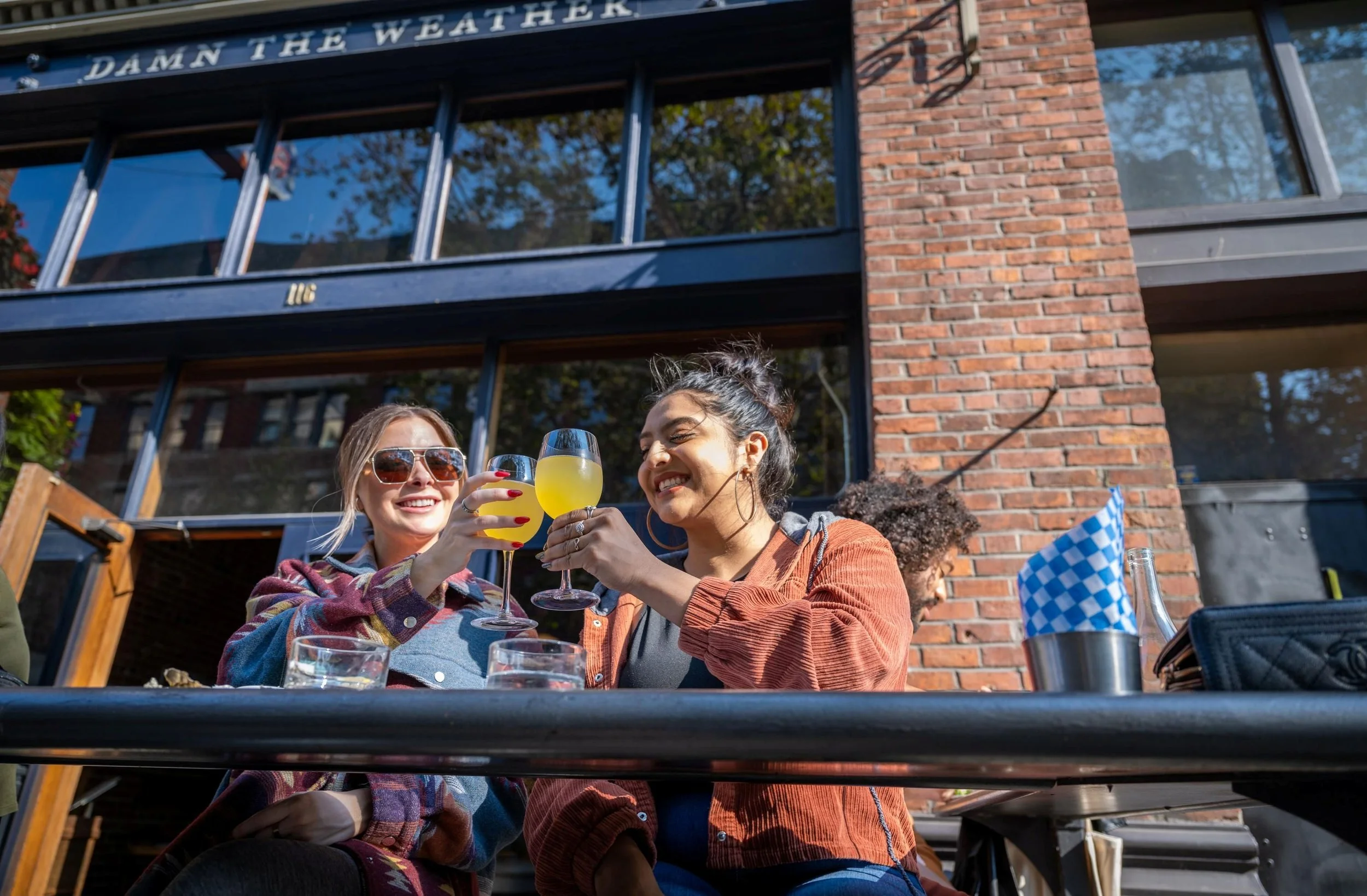
Photo Credits: Aubrie Le Gault
Meeting Hunger with Heart
While the wine was the primary focus of the week, the culinary talent supporting these labels is equally formidable. Back at the welcome reception, the menu was provided by Traci Calderon, the chef and owner of Atrium Kitchen at Pike Place Market.
Traci has been a chef for twenty years, but her entry into the world of food was inspired by her parents, Pat and Dave. When her mother was diagnosed with early onset Alzheimer’s, Traci became her caregiver. "One of the things that we would do together is cook together. As the disease progressed, my mom could no longer follow directions, read recipes or find any enjoyment in the cooking. It was frustrating for her."
The act of stocking her parents' fridge with homemade meals eventually led to a private chef business. In 2012, she did her first tour and cooking class at Pike Place Market in the Atrium Kitchen. "Fast forward five years and hundreds of cooking classes later, I opened the Atrium Kitchen as my business in October 2017."
For Traci, the pinnacle of her career is not the accolades or the television appearances, but the Nourished Neighborhood programme. "My biggest achievement is Nourished Neighborhood and serving over 200,000 free meals to the senior community, people living houseless, and people experiencing food insecurity."
Traci believes that her background in public relations and marketing helped her build the business, but it is the ability to listen that makes a chef successful. "In my younger years, I think I was so driven to prove how much I knew and how smart I was I failed to listen. As I’ve grown my business over the last 20 years, I have learned how important hearing someone truly is."
As an entrepreneur, she is always looking five steps ahead. "What is next? How can I best prepare for it now and who am I bringing with me?" Her story, much like the winemakers of Walla Walla, is one of adaptability and the courage to build a legacy on one's own terms.
"I’d like to add that my path was not a straight path. Having an ability to be adaptable, flexible and kind in the process of maintaining hope despite all evidence that points to being hopeless, is something that I am really proud of."
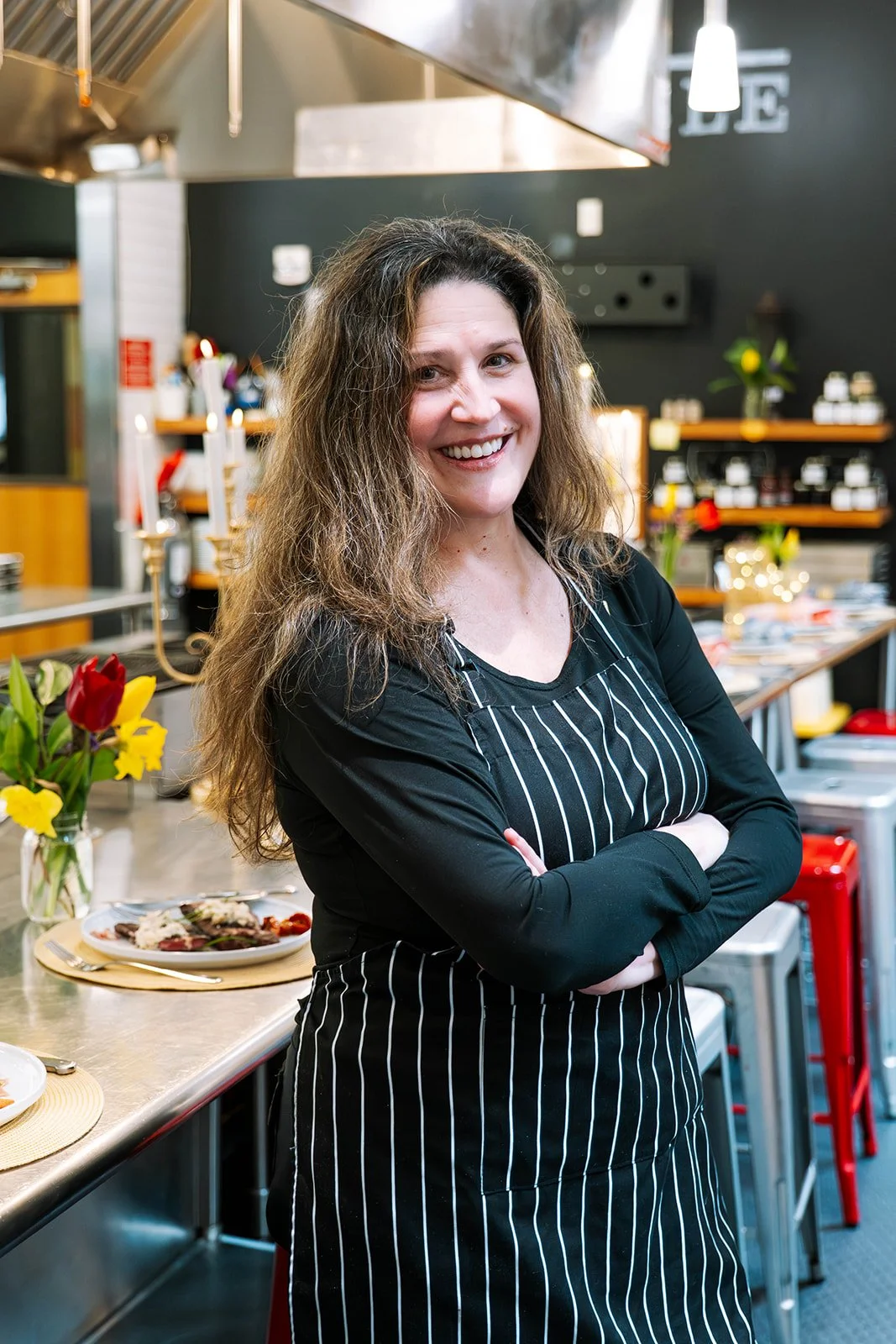
Photo Credits: Black Lantern