Volta do Mar: A Culinary Journey Through the Lusophone World
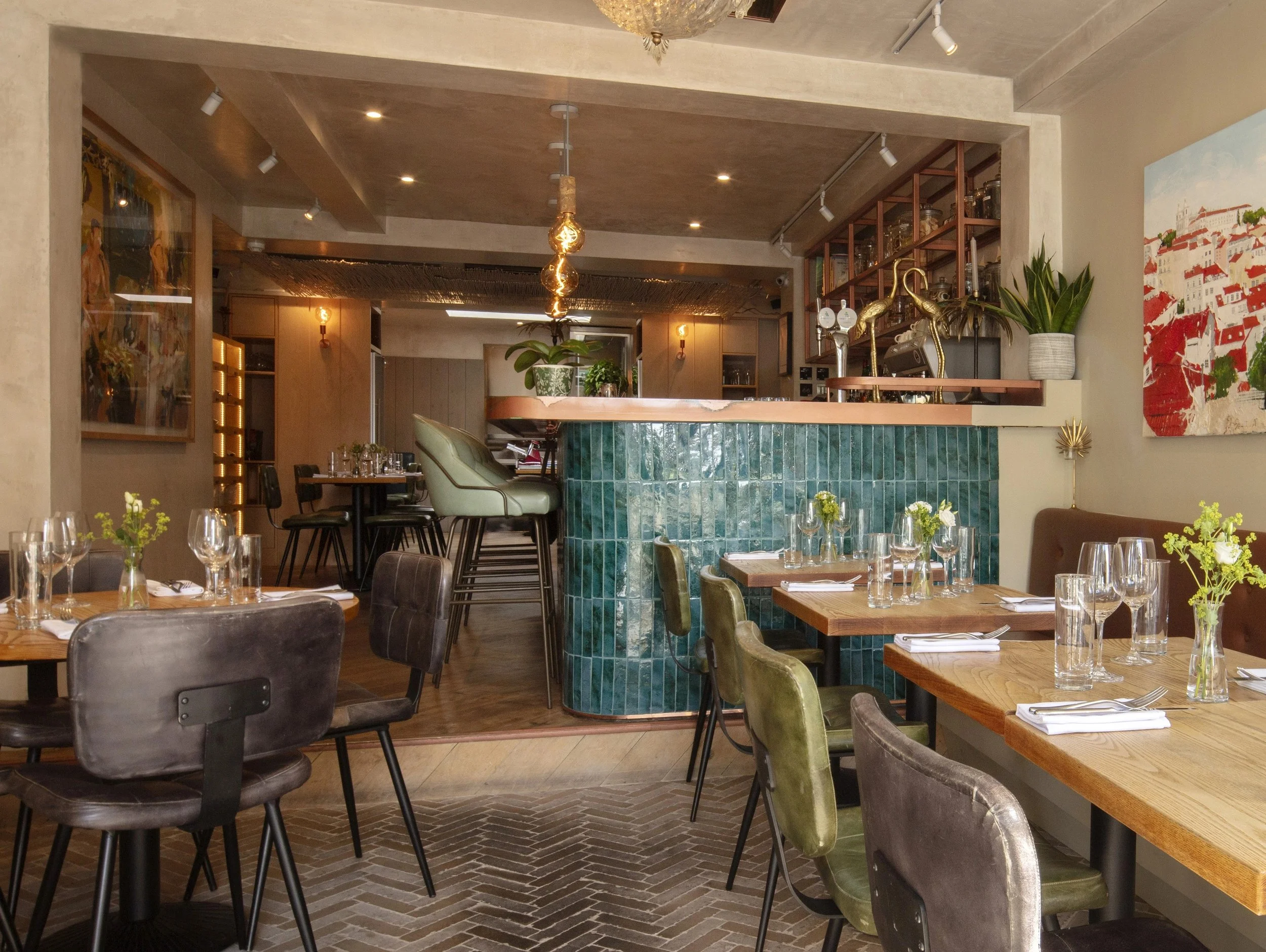
Credits: Courtesy of Volta do Mar
There is something particularly interesting about eating food that carries traces of your own culture while simultaneously belonging to somewhere else. As a Brazilian, Portuguese flavours can feel both familiar and distinct. Ingredients, preparations and even the way certain dishes are served reveal connections that have travelled across the Atlantic for centuries. Rice, seafood, pork, chicken, cod and tropical fruits appear in different forms across Portuguese-speaking countries, transformed by local ingredients, histories and traditions.
That movement is at the heart of Volta do Mar, a London restaurant dedicated not simply to Portuguese cuisine, but to the wider Lusophone world. Avesso was invited by chef Isabel to experience the restaurant and discover a menu that travels from Portugal to Brazil, Cape Verde and Angola, and as far east as Macau.
And perhaps the restaurant's name offers the first clue to understanding its philosophy. Volta do mar, or ‘turn of the sea’, refers to the navigational technique used by Portuguese sailors during the Age of Exploration, when ships would deliberately move away from the coast to use Atlantic winds and currents to complete their journeys. Here, the journey happens through food.
A menu shaped by movement
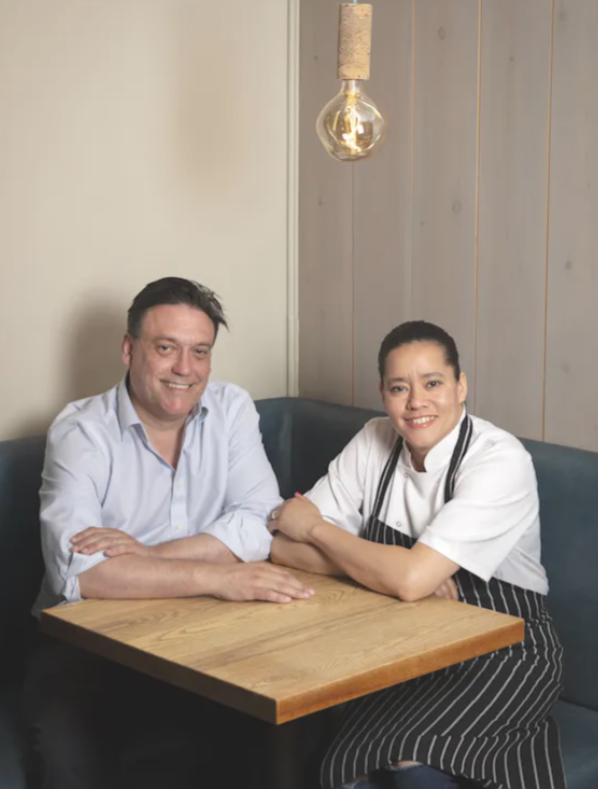
Chef Isabel is Portuguese, with family roots extending to Cape Verde and Angola. That personal geography inevitably finds its way onto the plate. Rather than organising the menu around rigid national boundaries, Volta do Mar explores the ways ingredients and culinary traditions have travelled between Portuguese-speaking cultures.
Credits: Courtesy of Volta do Mar
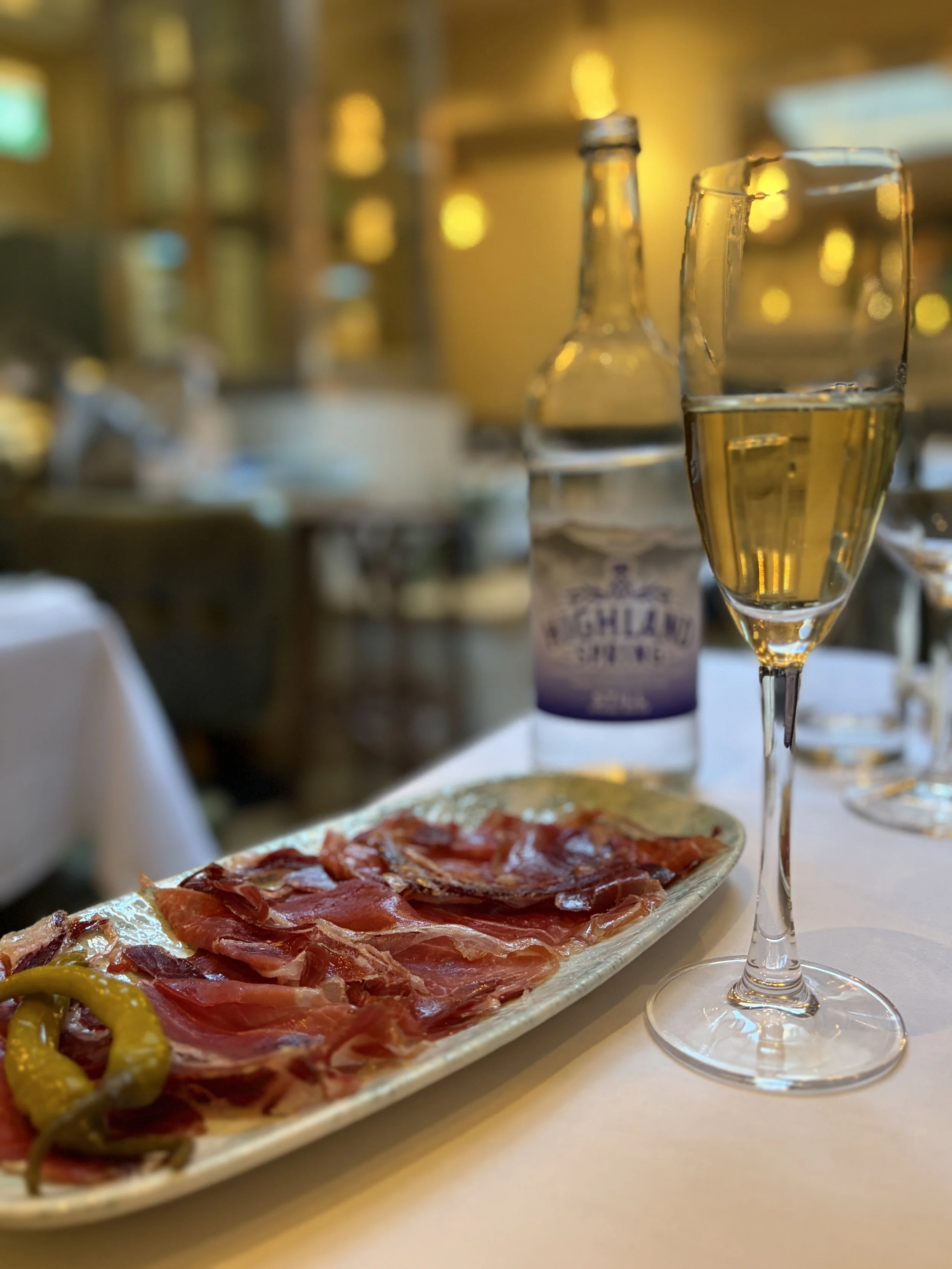
There are recognisably Portuguese elements: sardines, pork and Iberian ham appear alongside seafood and other ingredients closely associated with the country's gastronomic identity. But then the journey shifts. African influences emerge through dishes such as African chicken, while Brazilian references appear through preparations including moqueca. Macau, whose cuisine developed through centuries of encounters between Portuguese and Chinese traditions, provides another layer to the restaurant's interpretation of the Lusophone world.
Even something as simple as rice becomes part of that conversation. For Brazilians, rice is embedded in everyday eating. Yet its presence across Portuguese, African and Asian food cultures illustrates precisely what makes this culinary landscape so difficult to define through a single national cuisine. These foods have travelled. And, importantly, they changed along the way.
Portugal, Brazil and the question of influence
The relationship between Portuguese and Brazilian food is particularly fascinating because influence has never moved exclusively in one direction. Portugal inevitably shaped Brazilian gastronomy through colonisation, migration, ingredients and cooking techniques. But ingredients and culinary habits encountered in Brazil and elsewhere also travelled back across the Atlantic and became incorporated into Portuguese food culture.
The same happened throughout a much larger network connecting Europe, Africa, South America and Asia. At Volta do Mar, those historical connections are not presented as a lesson. Instead, you encounter them gradually through the menu. One dish leads to another geography.
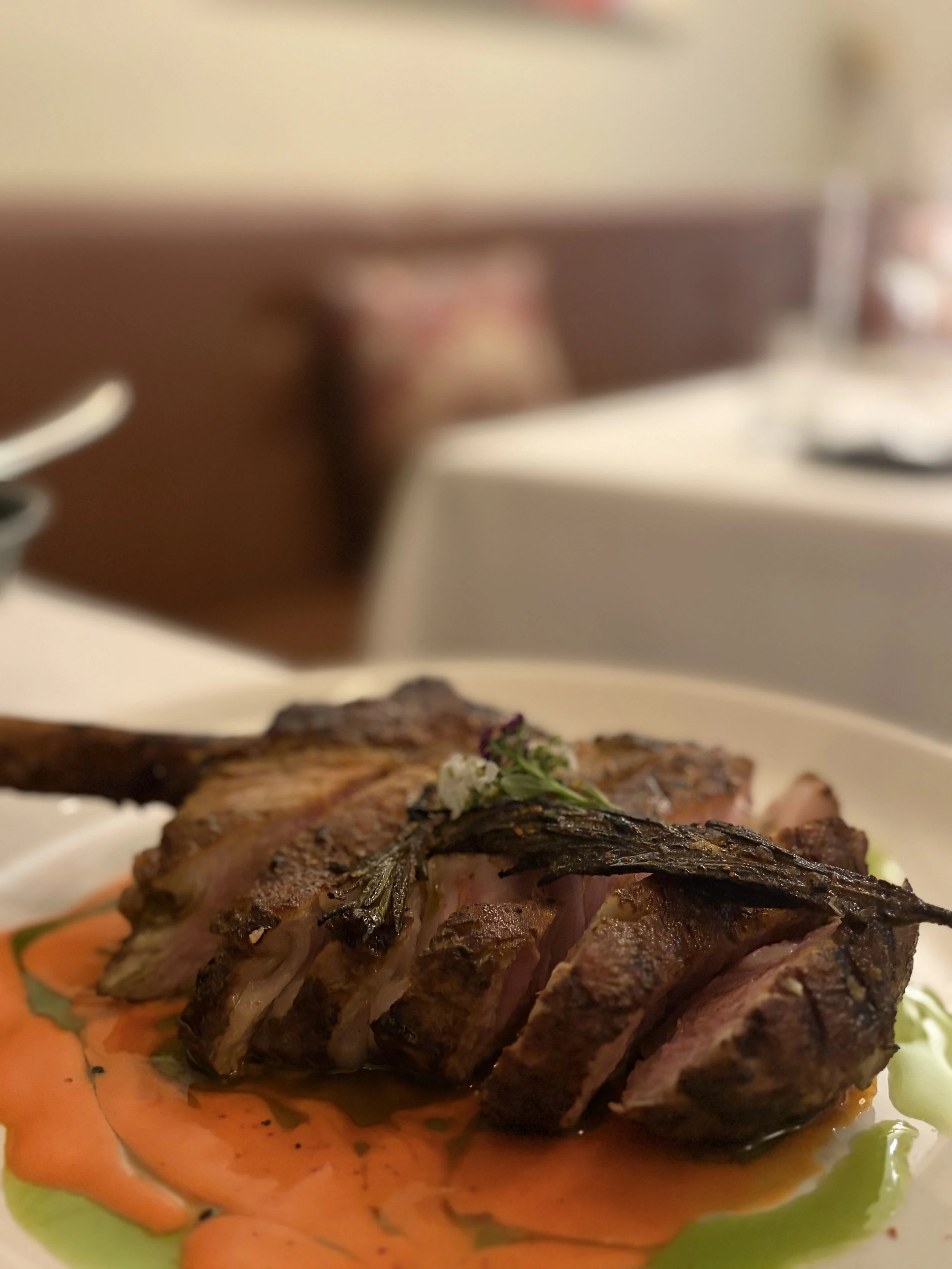
Credits: Isabela Espindola
The African chicken sits comfortably alongside Portuguese seafood. Brazilian flavours appear without requiring the restaurant to suddenly become ‘Brazilian’. Macau enters the conversation thousands of kilometres away. The result is less about reproducing traditional dishes exactly as they might appear in Lisbon, Luanda, Praia or Rio de Janeiro and more about exploring what connects them.
The Lusophone world, in a glass
That philosophy extends beyond the kitchen. For me, one of the most interesting parts of the experience was exploring the drinks list because it offers another way of travelling through the restaurant's identity. And, as a Brazilian, there is one almost unavoidable test when encountering a restaurant claiming connections to Brazil: is there a caipirinha?
At Volta do Mar, thankfully, the answer is yes. The restaurant works with Brazilian cachaça, including aged expressions that bring considerably more complexity than the spirit is sometimes afforded outside Brazil. One of the cachaças we tried had spent 24 months ageing in a barrel, resulting in a richer spirit that could equally invite drinking beyond its familiar role in a caipirinha.
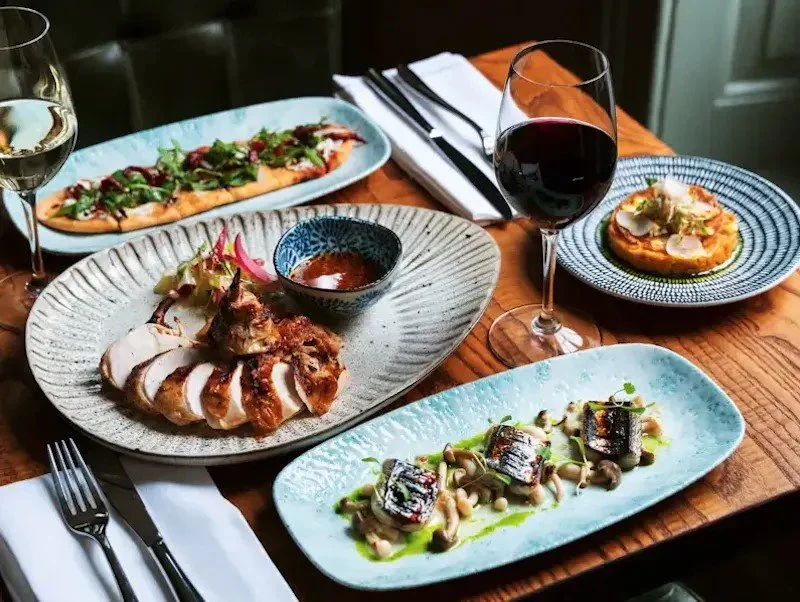
Credits: Courtesy of Volta do Mar
The cocktail list then moves between other ingredients associated with the Portuguese-speaking world. Passion fruit brings a tropical dimension, while Port naturally connects the drinks programme back to Portugal. It makes starting the meal with a cocktail particularly worthwhile. A caipirinha immediately establishes the Brazilian connection, while some of the restaurant's signature creations offer a less obvious introduction to the journey.
Portugal through wine
Wine provides perhaps the clearest expression of Portugal itself. The list travels through some of the country's most important wine regions, including the Douro, Alentejo and Vinho Verde, while also introducing bottles from areas that receive considerably less international attention. There are sparkling, white and red wines, with several indigenous Portuguese grape varieties represented alongside more internationally familiar styles. Vinho Verde deserves particular attention. Too often outside Portugal, it is treated almost as a single style of young, inexpensive wine. The selection here provides an opportunity to explore different expressions and producers from the region.
The Douro naturally appears prominently, while Alentejo brings another side of Portuguese winemaking. There are also bottles connected to Madeira and producers with histories extending across generations. Even the beer remains geographically appropriate: Super Bock and Sagres, two names almost inseparable from drinking culture in Portugal, both make an appearance. It creates a drinks programme that does more than accompany the food. It helps explain it.
More than Portuguese food
Calling Volta do Mar a Portuguese restaurant is therefore simultaneously correct and incomplete. Portugal provides its starting point, but the more interesting story lies in what happened when Portuguese language, ingredients and culinary traditions travelled around the world and encountered other cultures.
Those encounters were complex, and often inseparable from histories of empire and colonisation. But they also produced food cultures that developed identities entirely their own. Brazilian cuisine is not Portuguese cuisine. Angolan cuisine is not Portuguese cuisine. Cape Verdean cuisine is not Portuguese cuisine. Macanese cuisine is certainly not Portuguese cuisine.
Credits: Isabela Espindola
Yet there are threads connecting all of them. Chef Isabel's own family story, stretching between Portugal, Cape Verde and Angola, gives that idea a particularly personal dimension. Her menu does not need to manufacture a connection between those places because the connection already exists within her own history. That may be what makes Volta do Mar particularly compelling.
You can come for sardines, seafood, African chicken or moqueca. You can begin with a caipirinha, move into a Portuguese white and finish somewhere entirely unexpected. But taken together, the meal becomes something else: a reminder that cuisines are rarely static. They travel with people. They absorb new ingredients. They adapt to different landscapes. They cross oceans, return home and sometimes travel again. And somewhere in London, those journeys meet around the same table.