Where Fashion Breaks Form: Schiaparelli at the V&A
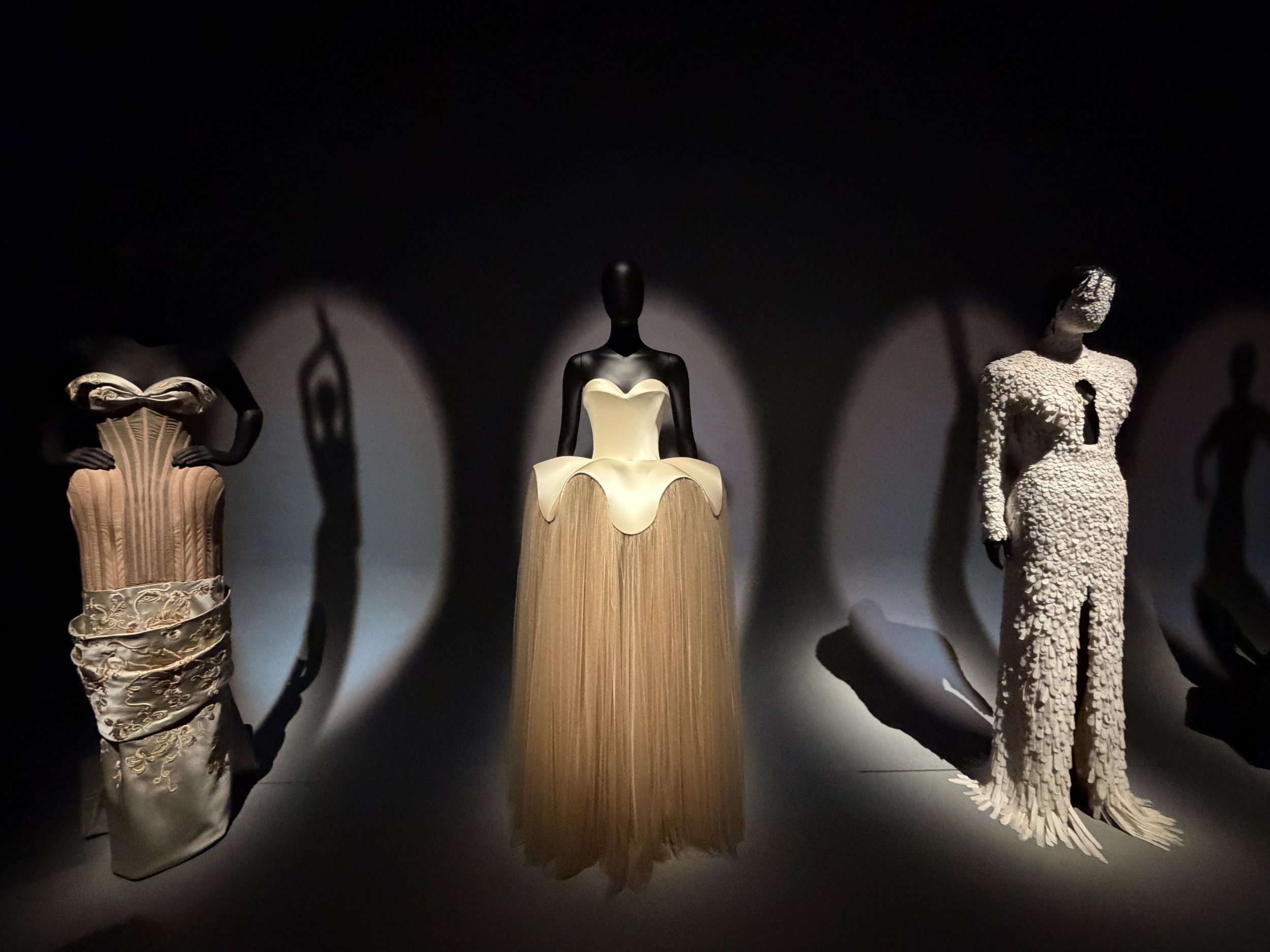
Source: own archive
Let me begin with a simple truth. I do not come from the world of high fashion. I have not been trained to read collections through seasons or silhouettes. Yet I have always been drawn to art. To the way it unsettles, provokes and, at times, transforms how we see the world. It is through this lens that I approached the exhibition dedicated to Elsa Schiaparelli at the Victoria and Albert Museum, one of my favourites museums in London. And perhaps it is also why the experience felt so immediate. So visceral. Because what Schiaparelli created was never only fashion. It was expression in its most daring and unfiltered form.
From the moment I entered the exhibition, there was a sense that this was not about garments, but about ideas made tangible. Each piece seemed to pulse with intention. With defiance. With imagination that refused to be contained.
A Shock to the System
When Elsa Schiaparelli arrived in London in the 1930s, opening her presence in Mayfair, her work must have felt like a rupture. At a time defined by restraint and convention, her designs appeared almost radical. Unexpected forms. Surreal gestures. Clothing that did not simply adorn the body, but challenged it.
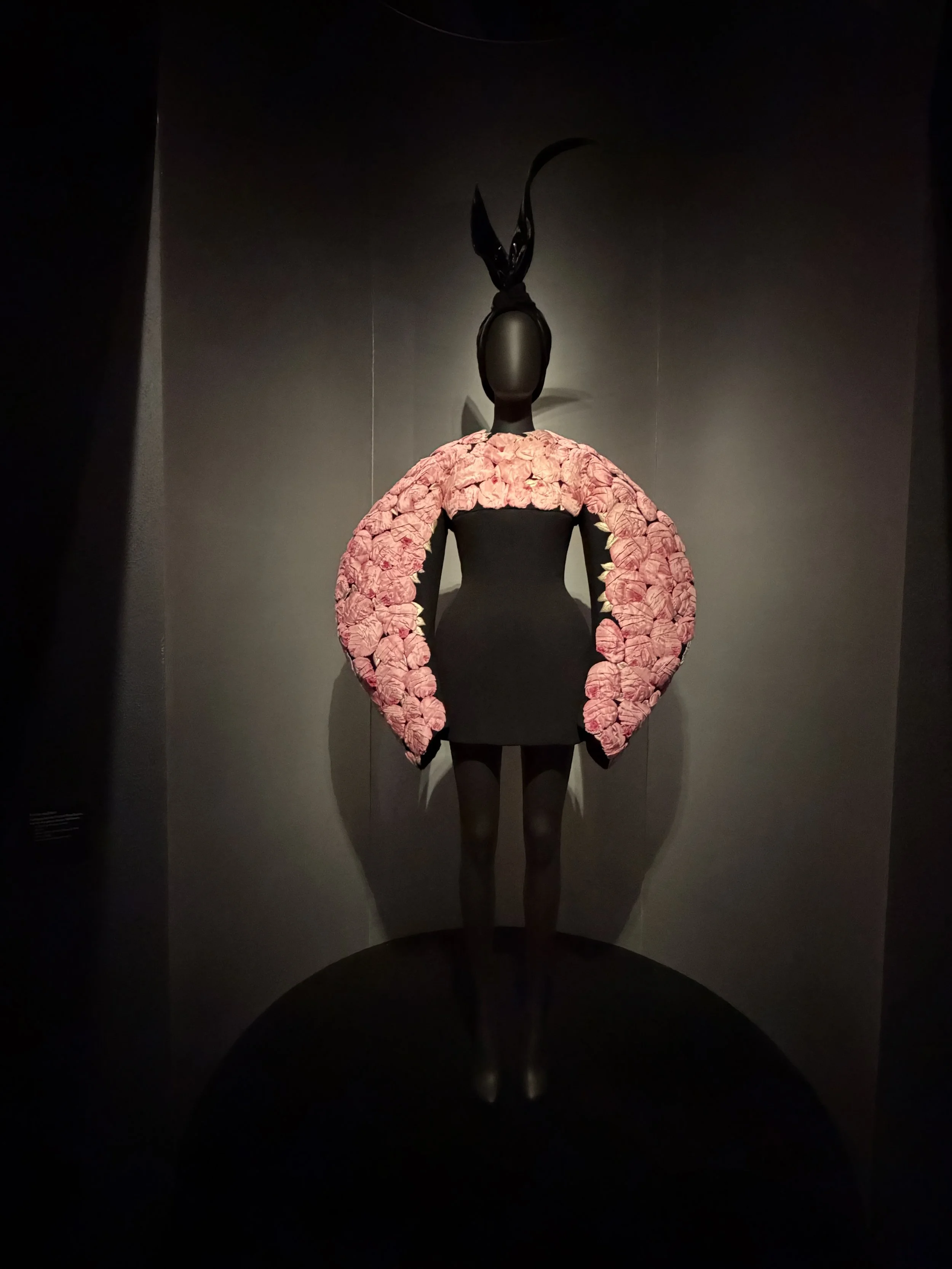
Source: own archive
Born into an intellectual and aristocratic family in Rome, Schiaparelli did not follow a traditional path into fashion. She had no formal training. What she possessed instead was instinct, curiosity and a deep connection to the artistic movements of her time. This distance from convention became her strength. She approached fashion not as a system to be followed, but as a language to be reinvented.
Fashion as Artistic Practice
The exhibition, titled Schiaparelli: Fashion Becomes Art, brings together more than two hundred objects, tracing the evolution of the house from its beginnings in the 1920s to its contemporary reinterpretation under current creative direction.
Yet what emerges most clearly is not a timeline, but a philosophy.
Schiaparelli’s work exists in constant dialogue with art. Not as inspiration alone, but as collaboration. Her relationships with figures such as Salvador Dalí, Pablo Picasso, Jean Cocteau and Man Ray were not superficial associations. They were creative exchanges that blurred the boundaries between disciplines. A dress becomes a canvas. A hat becomes sculpture. A garment becomes an idea.
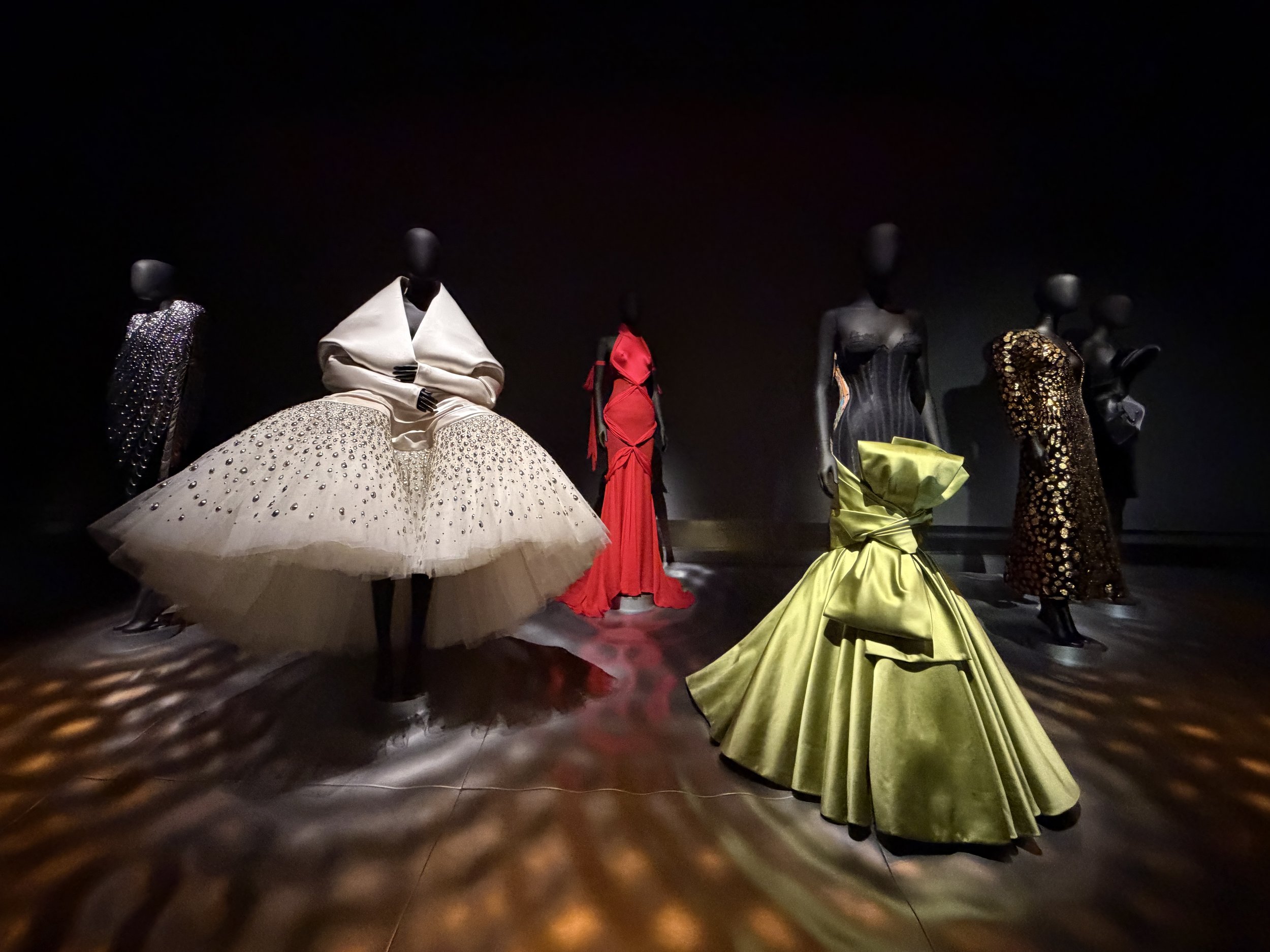
Source: own archive
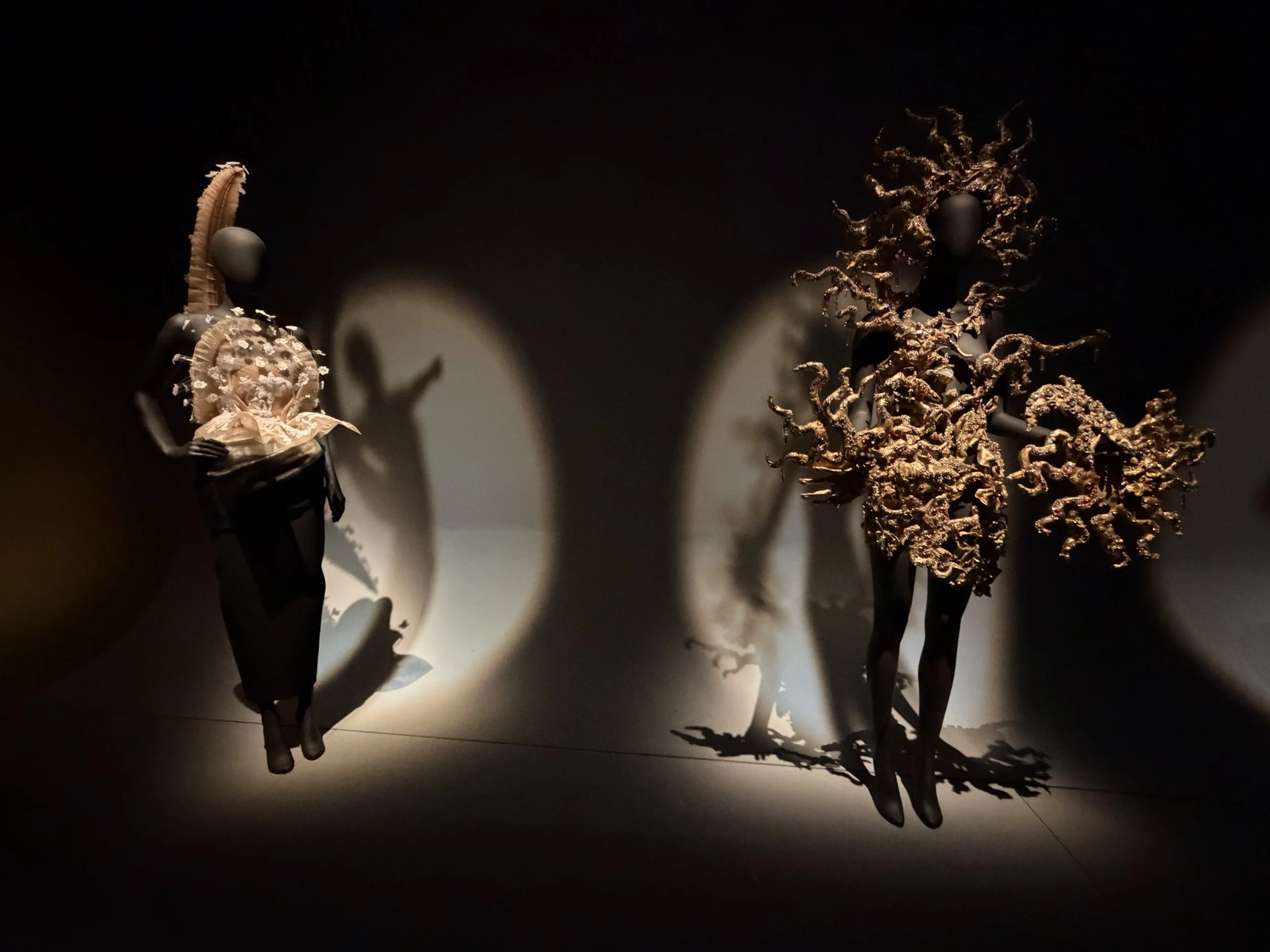
The famous Skeleton dress, with its raised, bone-like structure, challenges the body’s surface, revealing what lies beneath. The Tears dress evokes illusion and fragmentation. A shoe becomes a hat, shifting meaning through context alone. These are not pieces designed to please. They are designed to provoke.
Emotion and Imagination
What struck me most while moving through the exhibition was the emotional intensity of the work. Each piece seemed to demand a response. Not intellectual alone, but physical. There were moments where my heart felt almost accelerated, as if reacting instinctively to what I was seeing. It is rare for clothing to elicit such a response. Yet Schiaparelli’s creations operate on a different register.
They remind us that fashion, at its most powerful, is capable of expressing what words cannot. Desire. Fear. Humour. Rebellion. There is also a sense of play that runs through her work. A willingness to experiment, to embrace the unexpected. This playfulness, however, is never superficial. It is grounded in a deep understanding of form, material and meaning.
Context and Resistance
Schiaparelli’s rise took place during a period of significant cultural and political upheaval in Europe. The interwar years were marked by tension, transformation and a questioning of established norms.
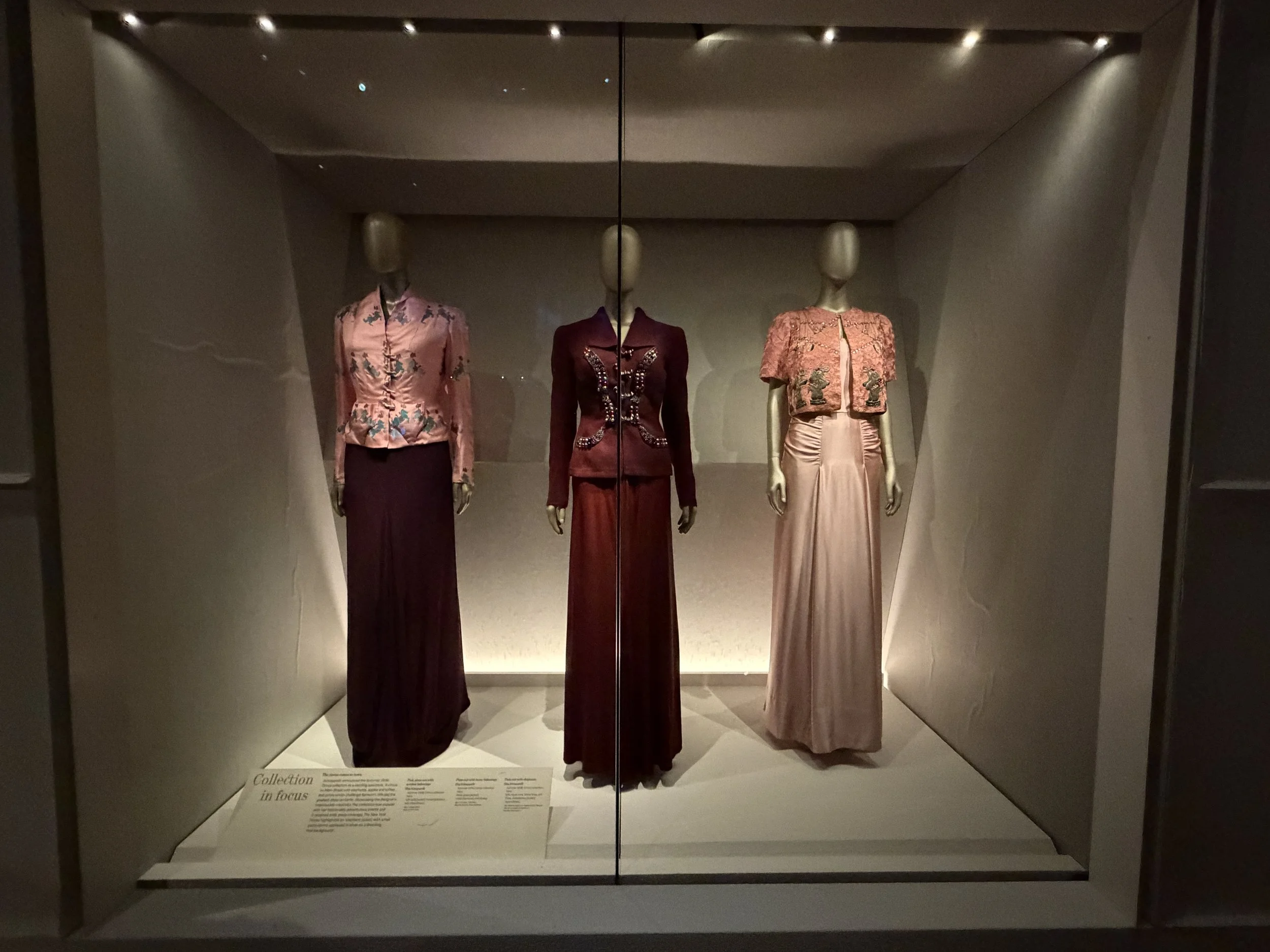
Within this context, her work can be understood as a form of resistance. Against conservative ideals of beauty. Against rigid definitions of femininity. Against the idea that clothing should remain purely functional or decorative.
Source: own archive
Her designs did not conform. They expanded what fashion could be. For London audiences of the time, this must have felt both unsettling and exhilarating. A glimpse into a different way of thinking. A reminder that creativity thrives in moments of disruption.
The Contemporary Dialogue
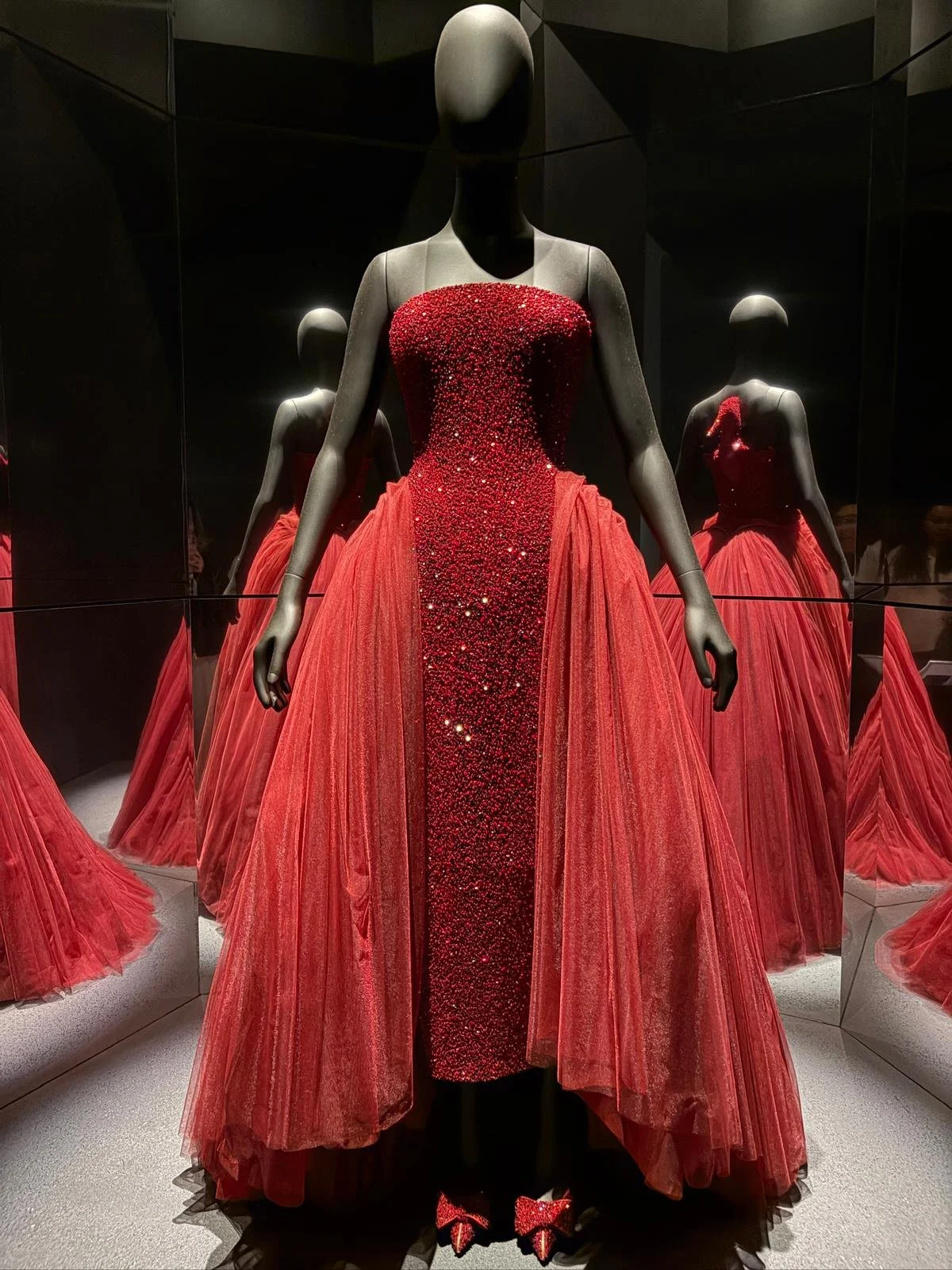
The exhibition also extends beyond Schiaparelli’s lifetime, tracing the evolution of the house into the present day. Under current creative direction, the spirit of experimentation continues, reinterpreted for a contemporary audience. This continuity is important. It demonstrates that Schiaparelli’s legacy is not fixed. It is alive. Evolving. Engaging with new contexts while remaining rooted in its original ethos.
Source: own archive
For a museum such as the V&A, which holds one of the most significant fashion collections in the world, this exhibition feels particularly fitting. It situates Schiaparelli not only within fashion history, but within a broader artistic narrative.
A Personal Reflection
As I moved through the final rooms, I found myself reflecting not only on the work, but on my own relationship with it. Perhaps not knowing the rules of high fashion allowed me to experience the exhibition more freely. Without expectation. Without the need to categorise or analyse in technical terms.
Instead, I responded to what I felt. And what I felt was a reminder that creativity, in its purest form, does not require expertise to be understood. It requires openness.
Beyond the Garment
Schiaparelli: Fashion Becomes Art is more than an exhibition. It is an invitation to reconsider how we define art, fashion and the spaces between them. In a world where categories often dominate, Schiaparelli’s work offers something different. A refusal to be confined. A celebration of imagination as a force that transcends discipline.
For those who approach fashion from the outside, as I do, it offers an entry point that is both accessible and profound. For those within the field, it serves as a reminder of the radical potential that lies at its core.
Source: own archive
Leaving the museum, there is a lingering sense that what has been encountered is not easily contained. That these pieces, once seen, continue to exist in the mind, reshaping perception. And perhaps that is the true power of Schiaparelli. Not simply to create, but to transform the way we see.
Schiaparelli: Fashion Becomes Art will run at the V&A South Kensington from 28 March until 1 November 2026.