Why Slovenian Fashion Deserves a Closer Look
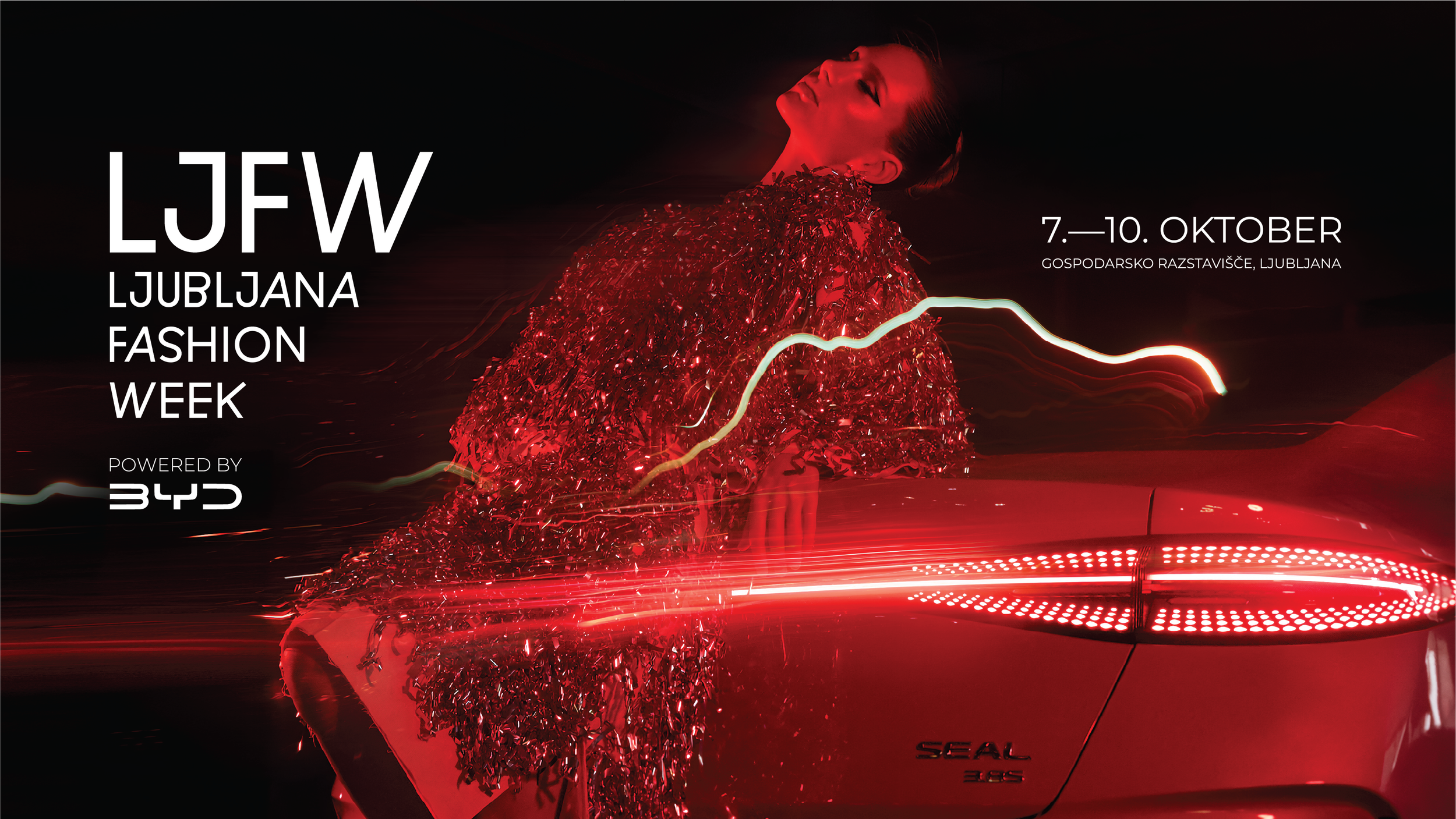
As Slovenian designers gain visibility in London and Berlin, the collections shown in Ljubljana reveal the creative thinking behind their growing international presence.
The grey jersey of a tracksuit might seem an unlikely starting point for a fantasy of luxury. For Sarivalenci, that incongruity is precisely the attraction. In FU FU Diamonds, everyday fabric meets graphic illusions of lingerie, distorted proportions and spiked textures. The desire to look expensive becomes a design proposition, delivered with a welcome sense of humour.
It is a compelling introduction to Slovenia’s fashion scene. The 17th Ljubljana Fashion Week, which concluded on 10 October, brought together designers developing distinctive approaches through textile experimentation and cultural references close to home.
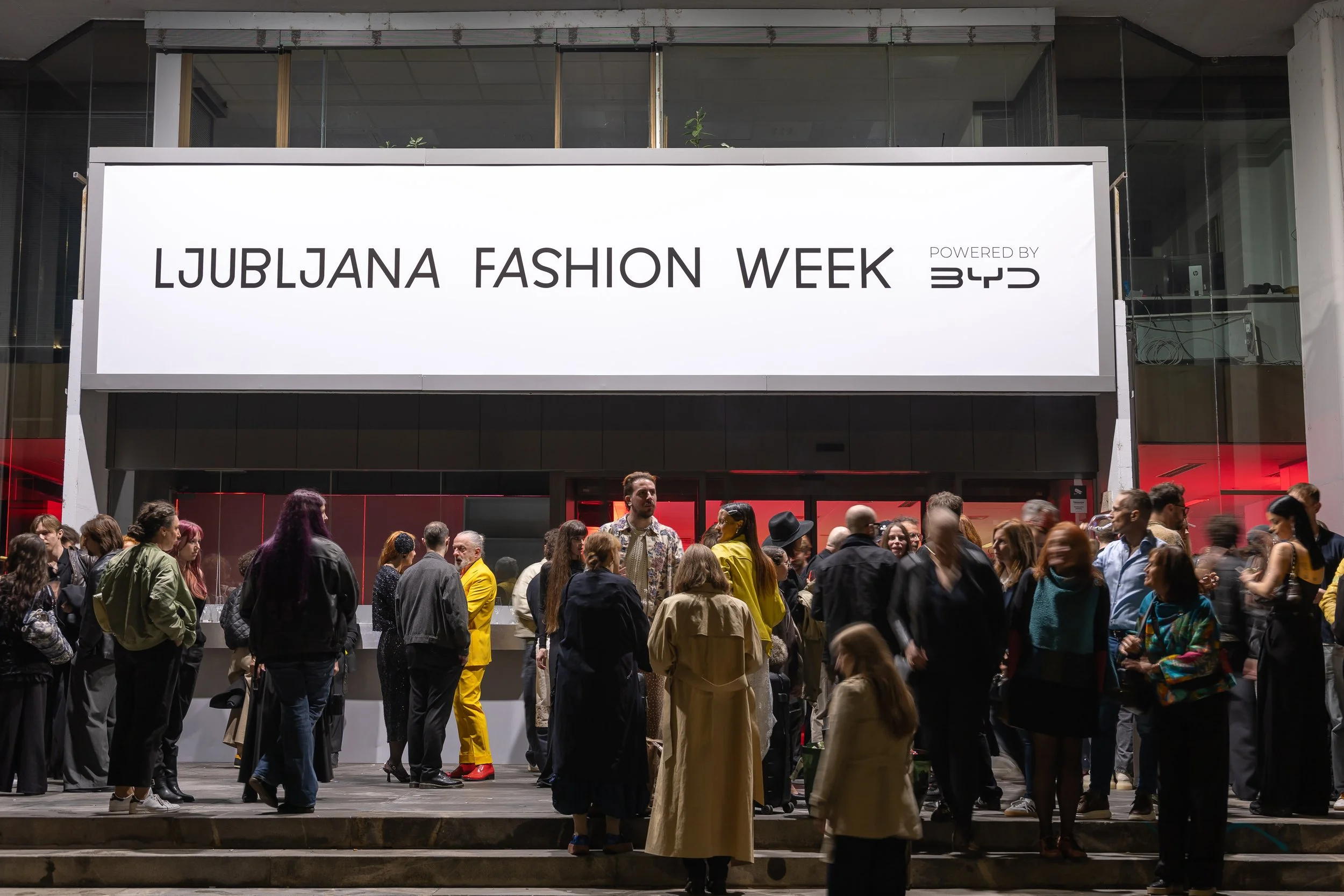
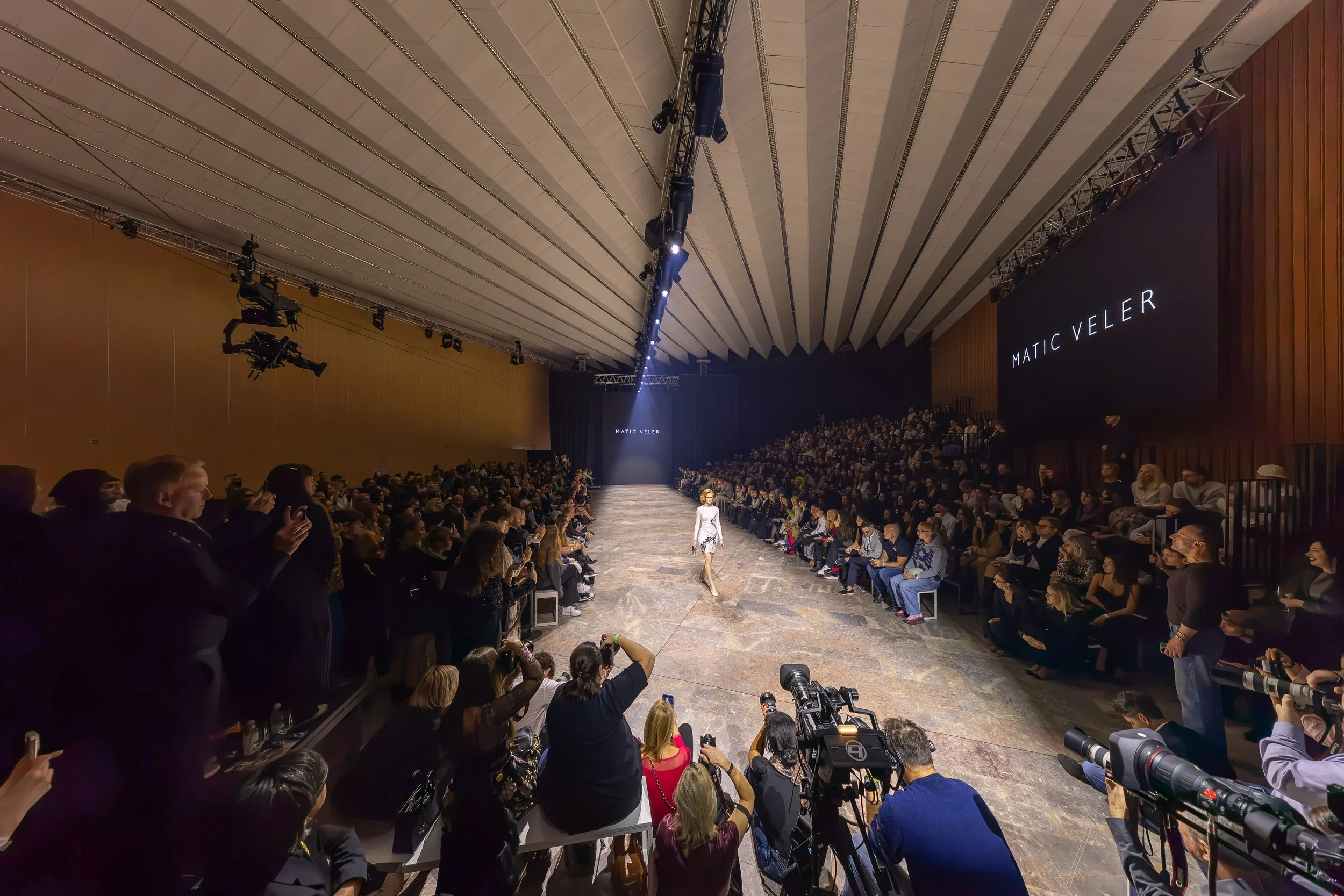
Photo Ziga Intihar
Their work is also finding an audience beyond Slovenia. In 2026, initiatives supported by the Centre for Creativity took Slovenian designers to Berlin Fashion Week and the Fashion Scout platform during London Fashion Week. Alongside these international showcases, training and mentoring programmes are helping designers develop the businesses behind their collections.
The creative appeal lies in transformation. Lan Krebs explores how far a familiar jersey fabric can be reworked through pleating, dyeing and devoré. Jona Bednjanec brings knitwear into conversation with other textiles and remnants from earlier projects. In both cases, an ordinary material becomes the starting point for an individual design language.
Sampled finds its distinctive voice in the heritage of Luče, drawing on stories of women who carried river trout to a nearby bishop’s seat. That narrative informs a collection combining masculine and feminine silhouettes, deconstruction and fabrics from different sources. Its local identity offers something specific to discover, even for those unfamiliar with the story.
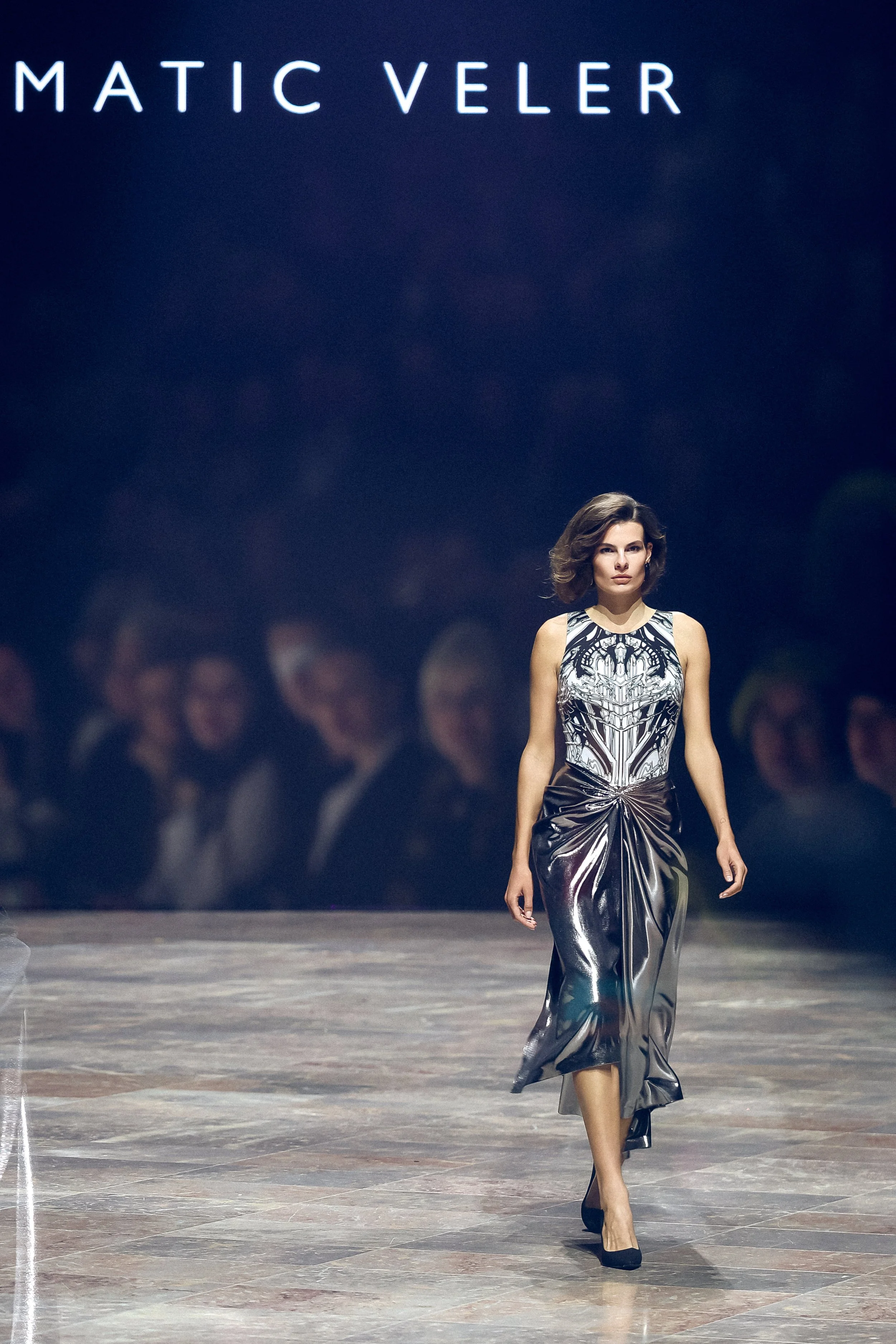
Photo Ziga Intihar
This meeting of cultural memory and experimentation gives Ljubljana a place in the wider fashion conversation. Reworking existing materials demands inventive construction; traditional handwork brings time and human effort into the value of a garment. These choices give substance to discussions that can otherwise remain at the level of a slogan.
The designers’ expanding international presence also underlines the role of fashion weeks as places of discovery. For editors, buyers and audiences, following a scene such as Ljubljana means encountering different ways of thinking about clothes. Sometimes, that begins with something as familiar as grey jersey and a designer who sees an unexpected possibility in it.
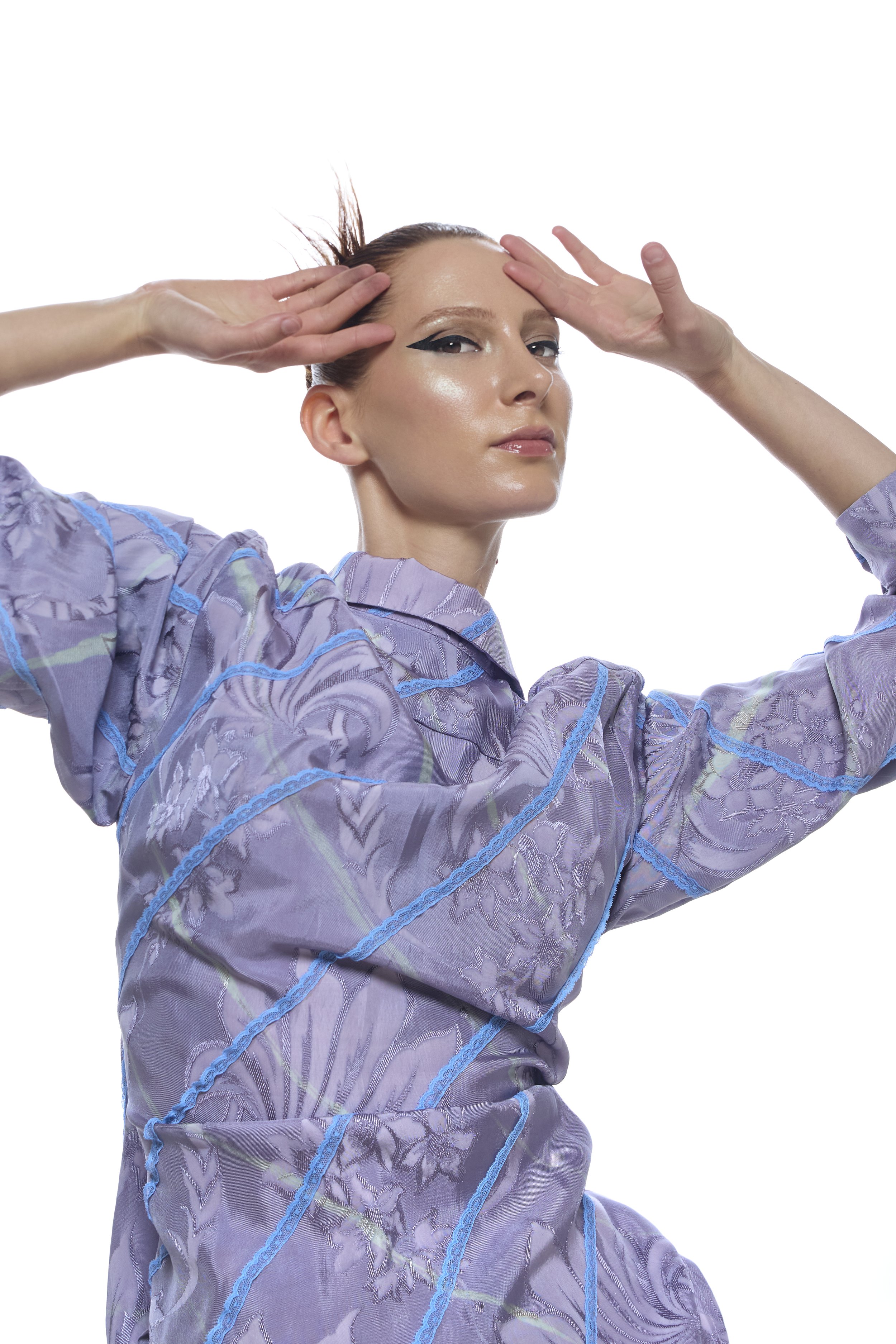
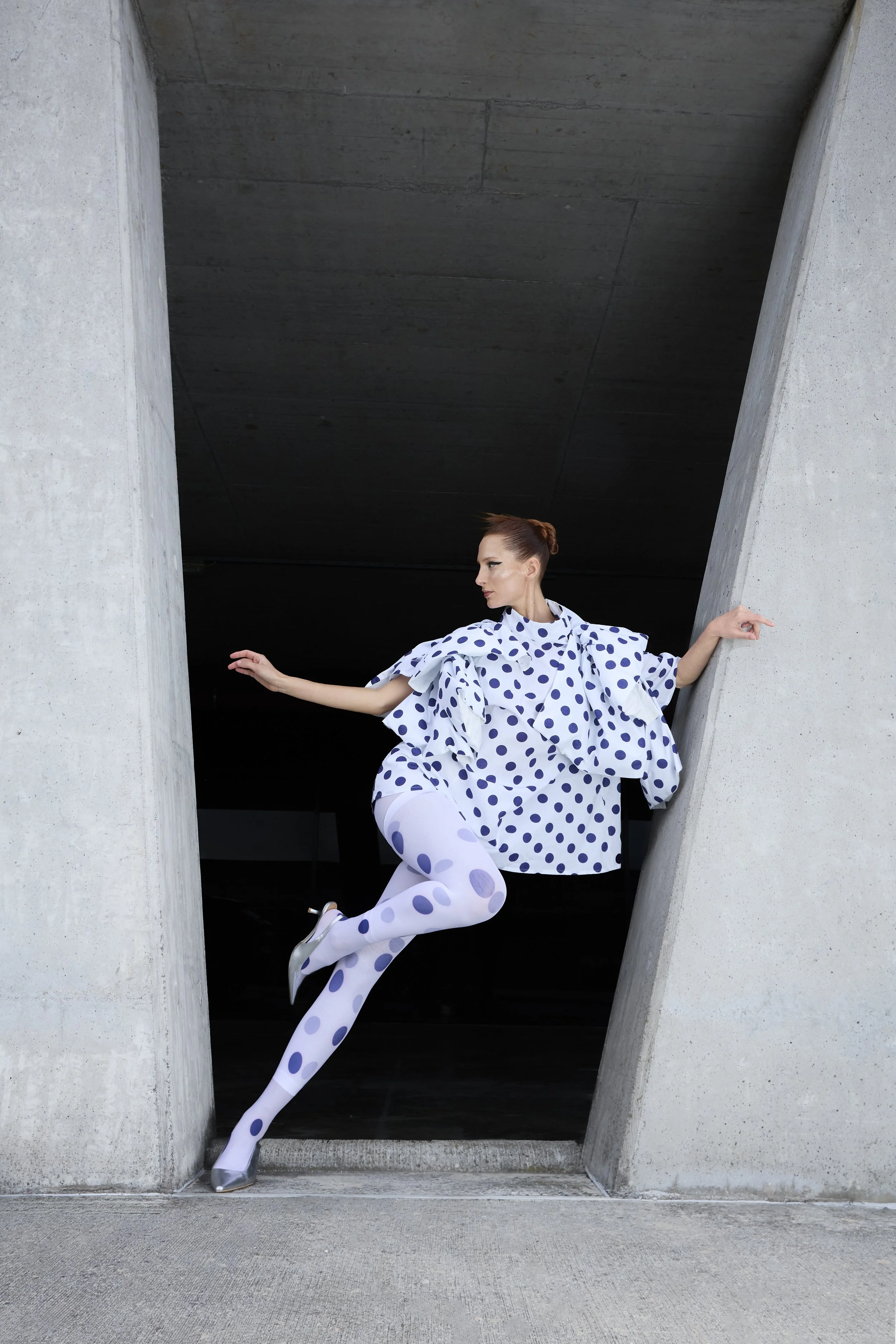
Photo Anja Smaka