A Different Way to Experience the National Gallery
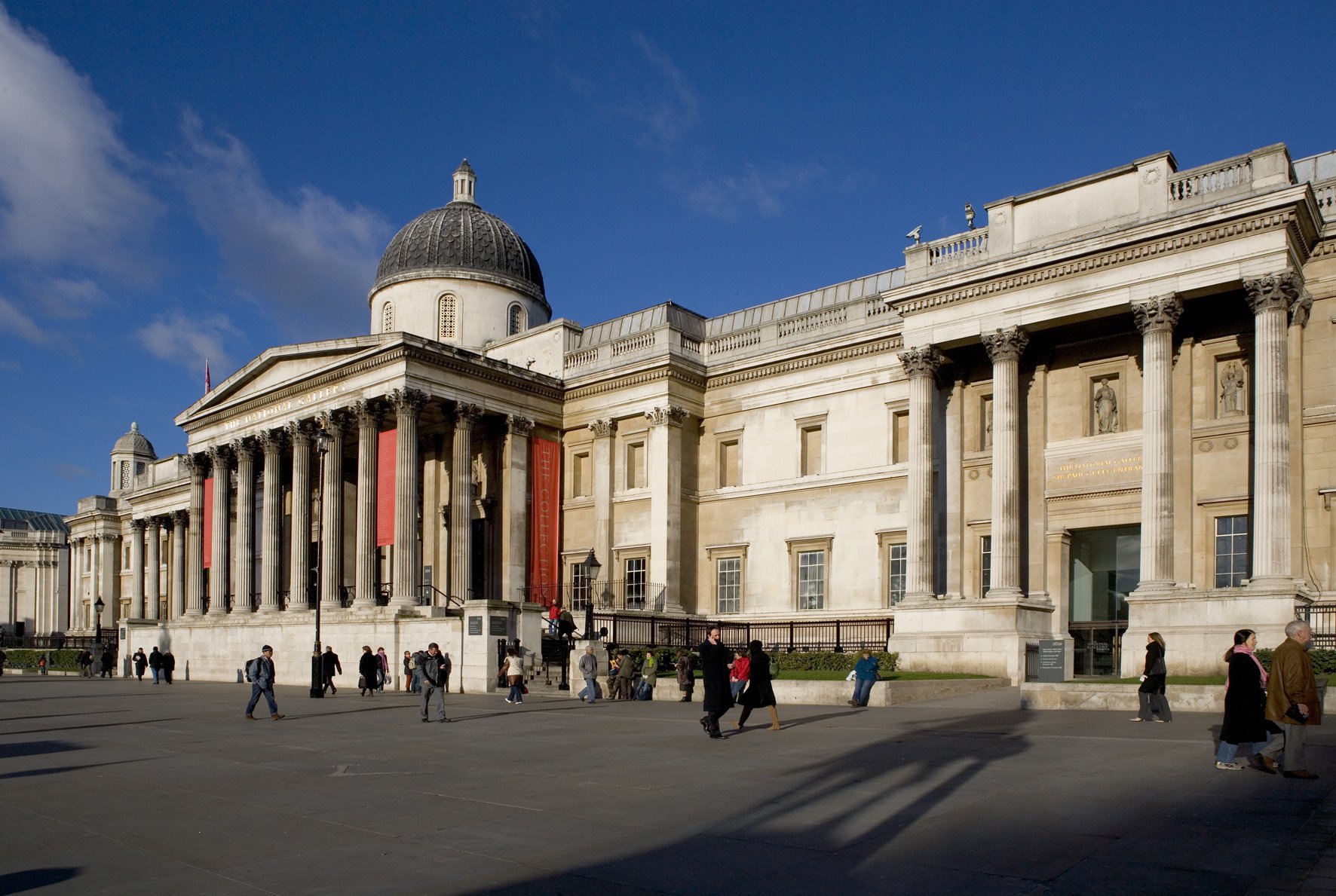
© National Gallery, London
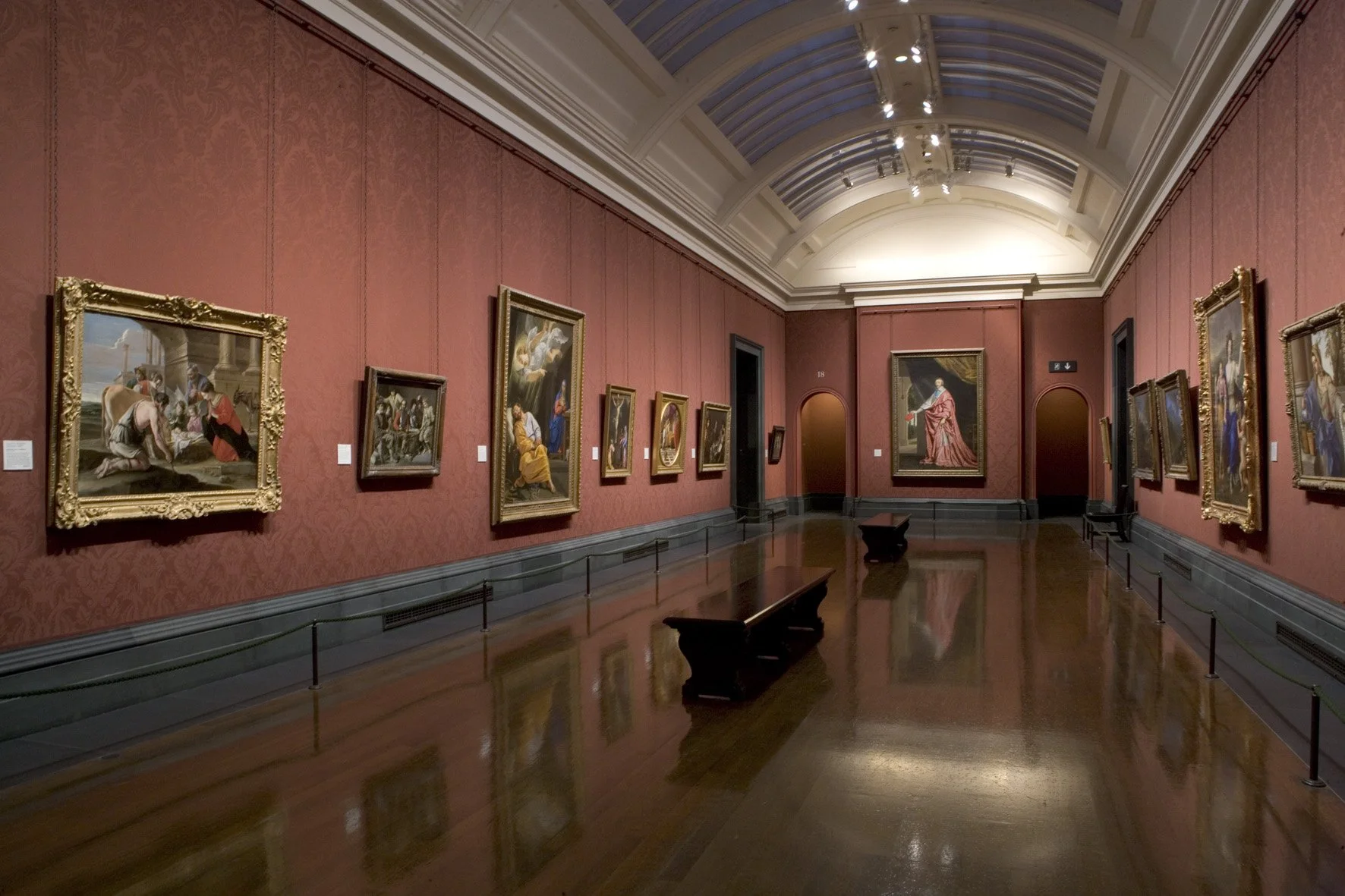
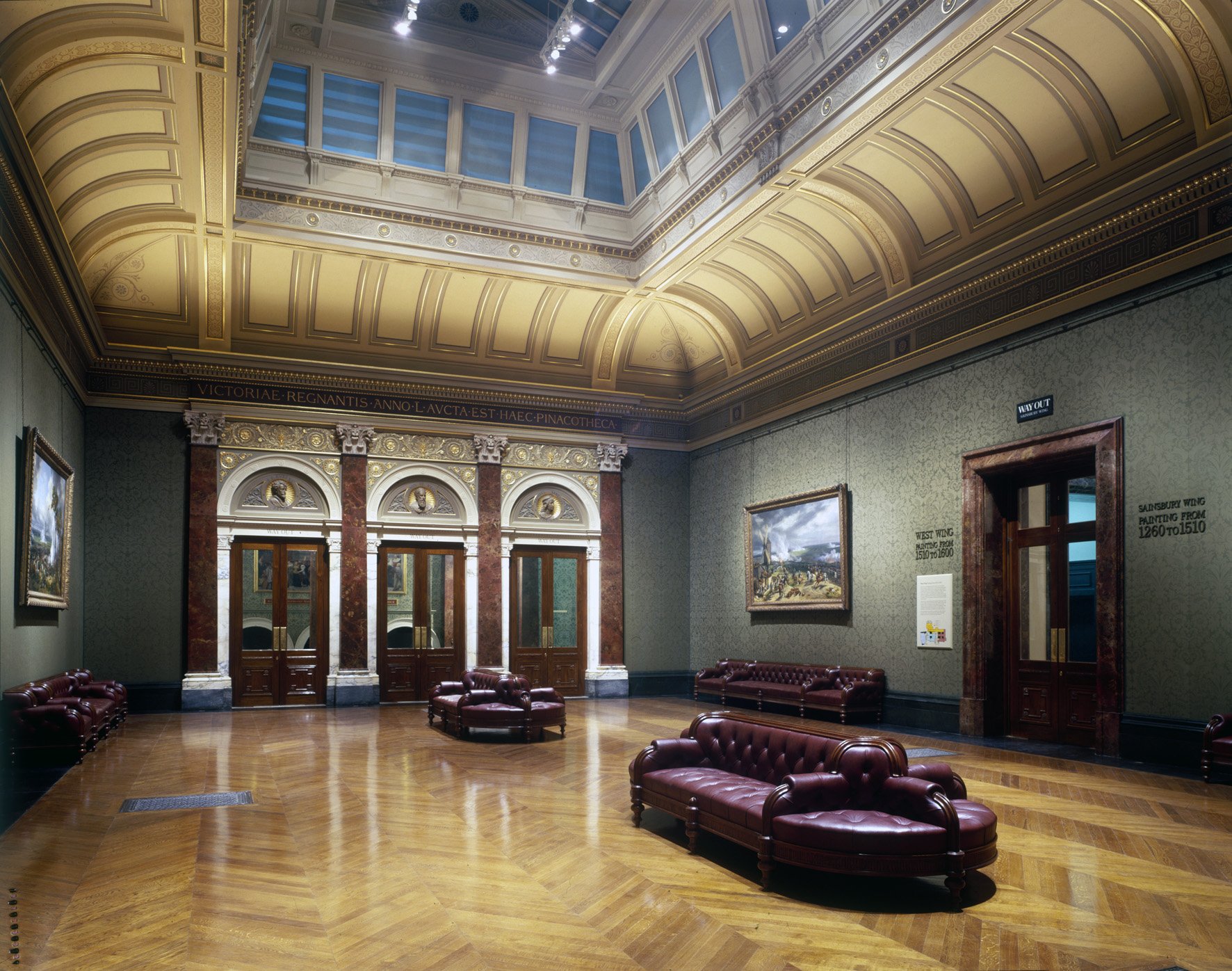
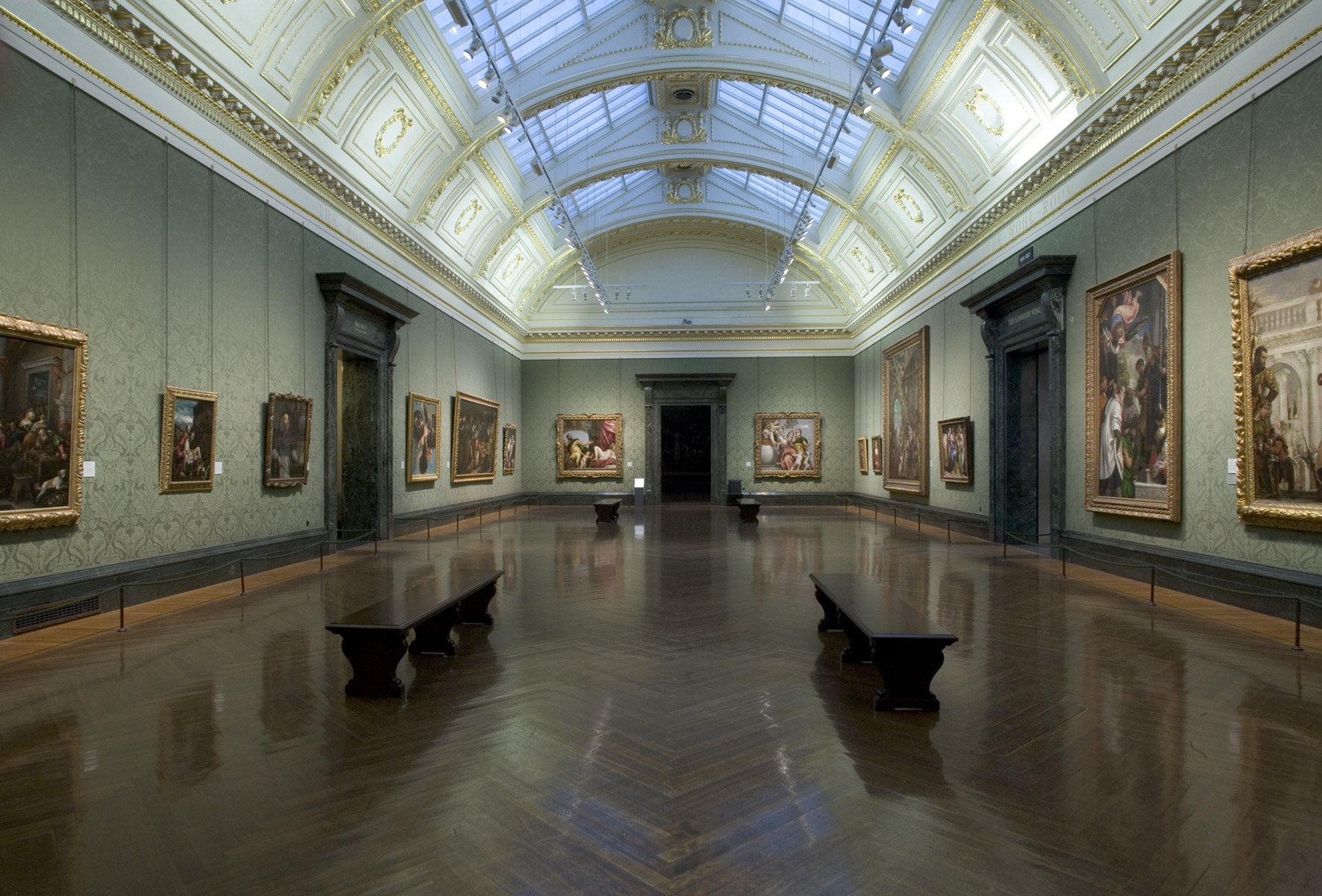
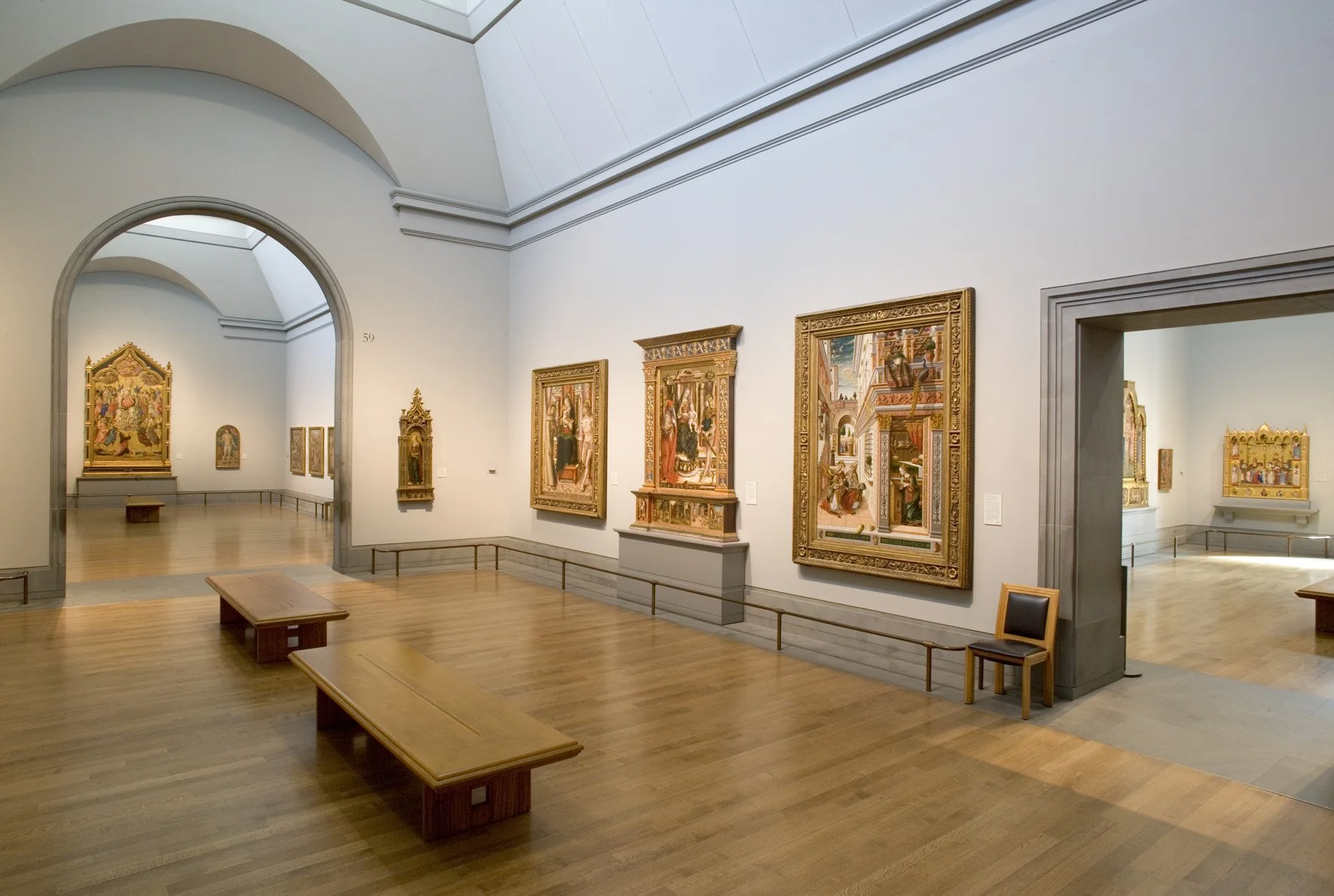
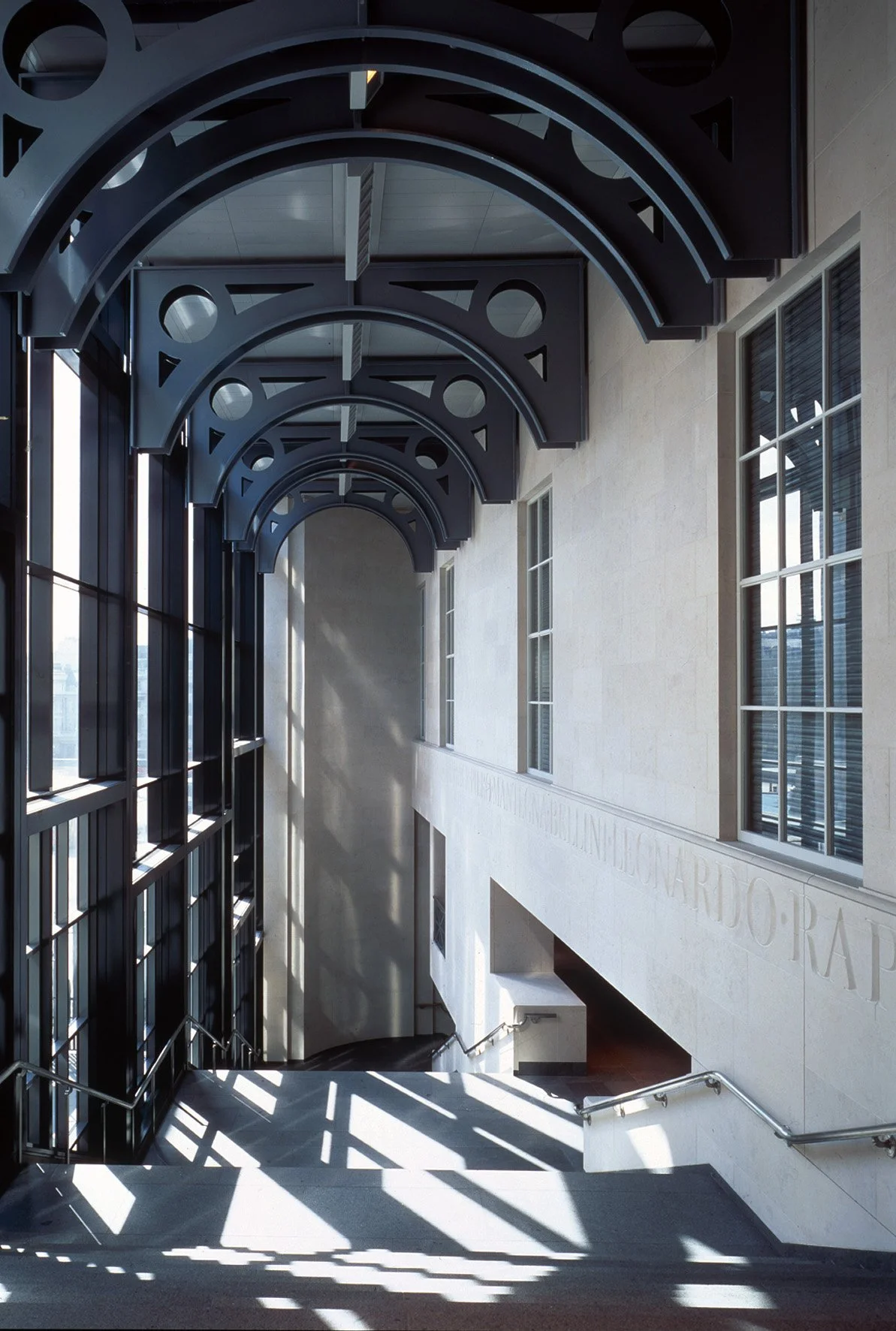
The first art gallery I ever visited was the National Gallery in London.
I remember it very clearly: a Friday evening in November 2019. I walked through the galleries with that particular excitement that comes from encountering, in person, works and artists I had known for years through books, photographs and exhibitions elsewhere. Caravaggio, Michelangelo, Monet, Leonardo Da Vinci, Renoir and so many other names that had long formed part of my understanding of art suddenly felt much closer and, somehow, more tangible.
Seeing a painting in person feels very different. The scale, the surface, the light, even the distance between you and the canvas are impossible to appreciate fully through a reproduction. I remember being struck by the sheer presence of the works and by the privilege of having them in front of me.
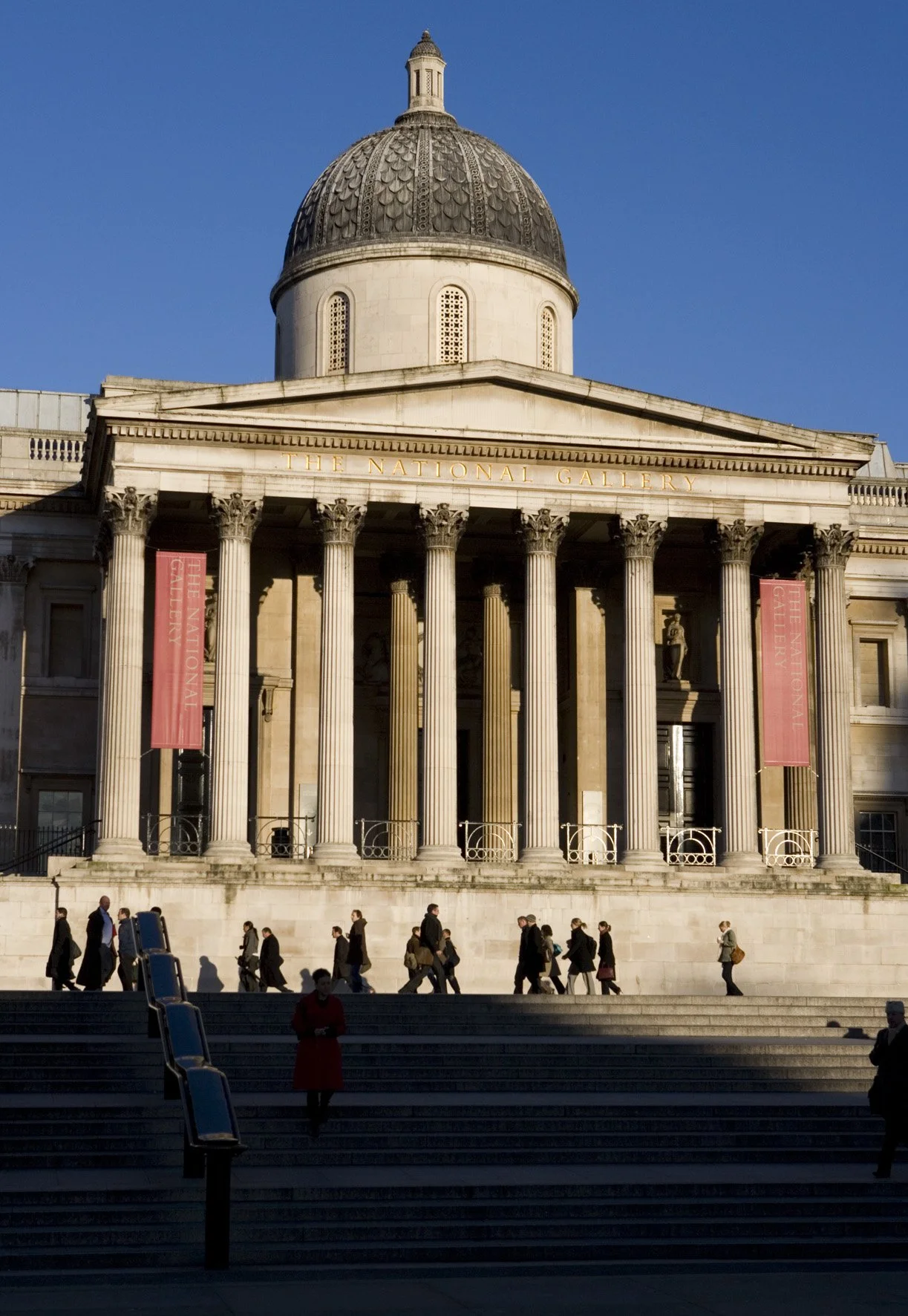
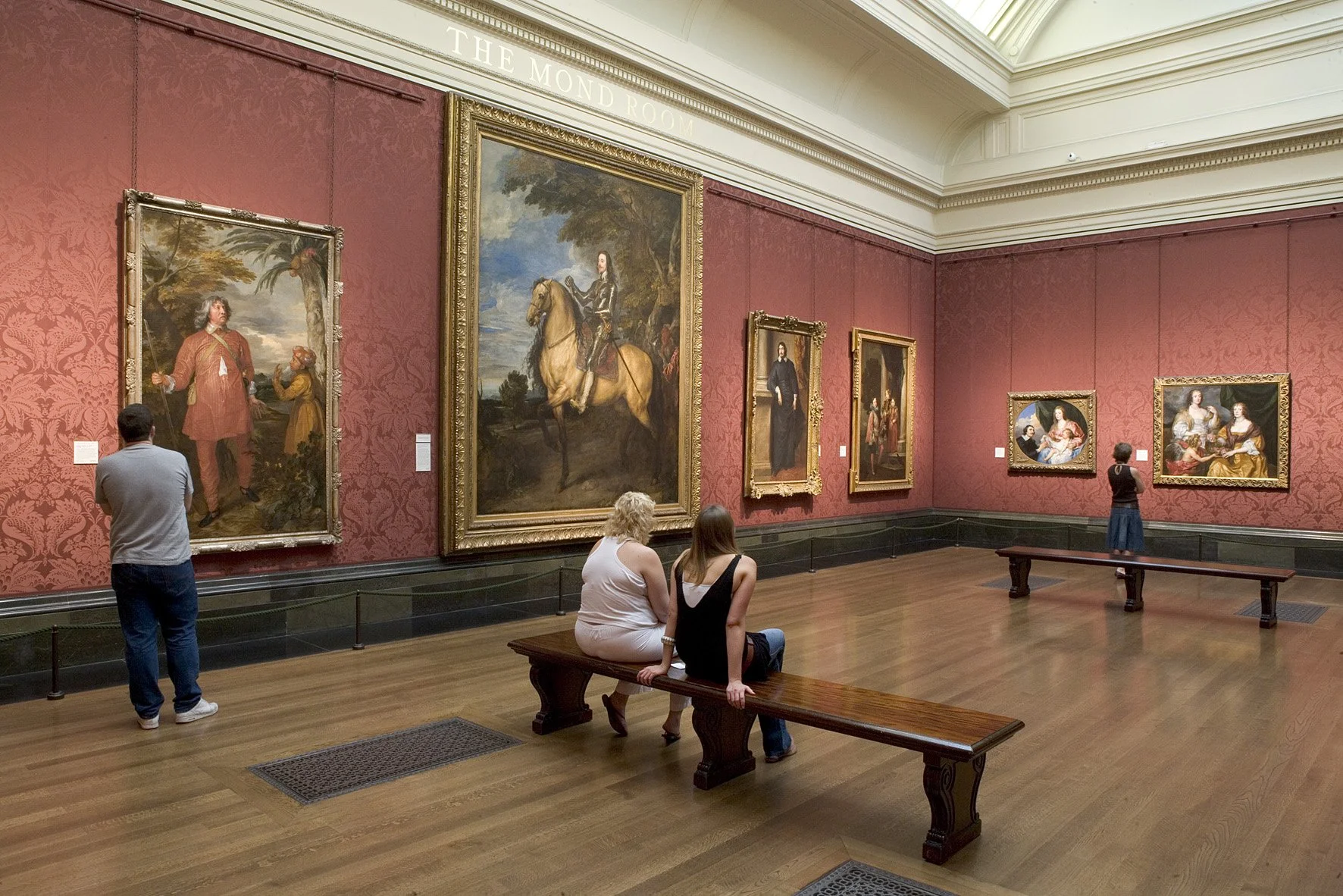
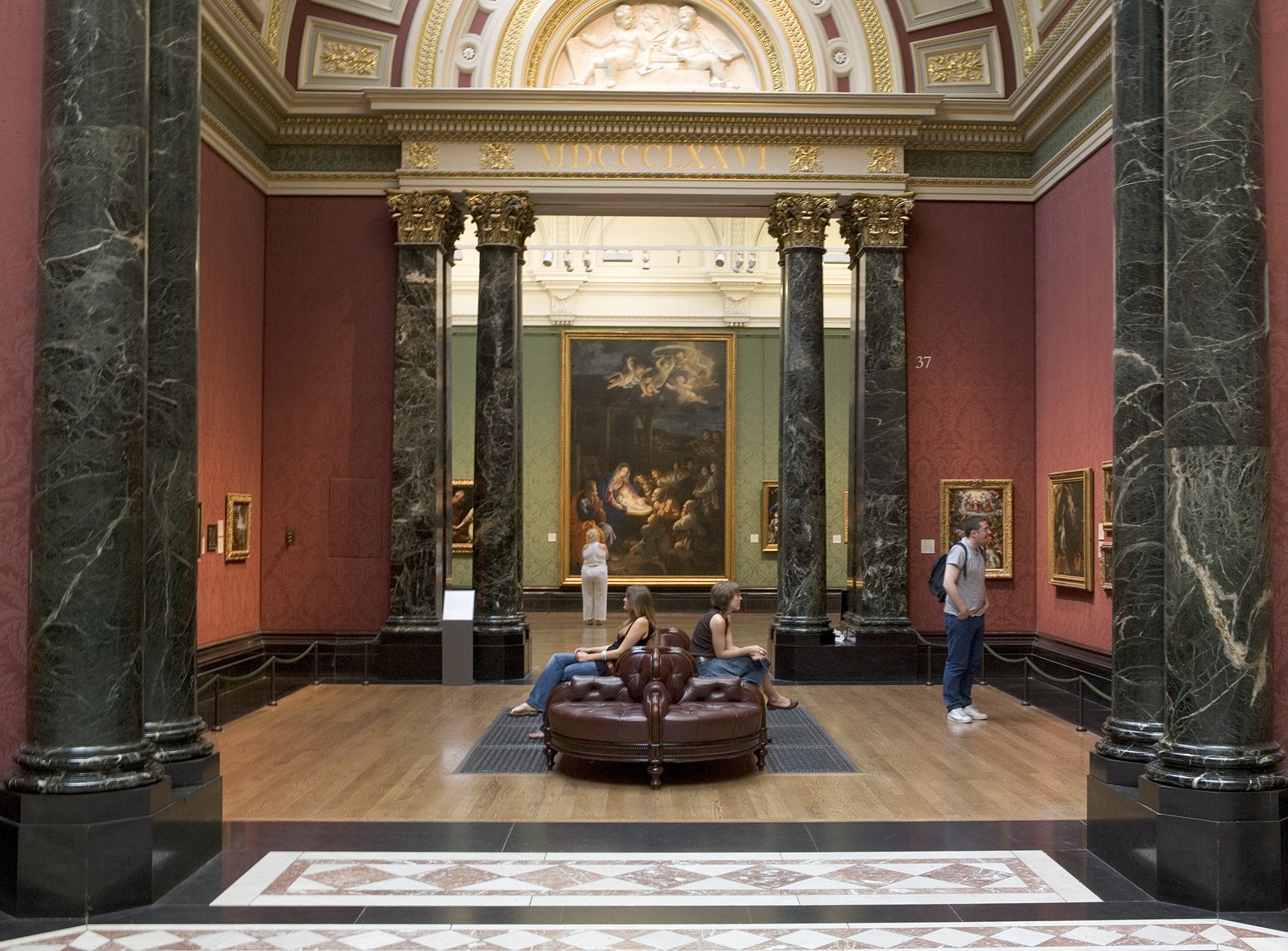
© National Gallery, London
Since then, I have returned to the National Gallery many times. However, a few weeks ago, I was back again, this time as a guest of the Gallery, and the experience offered an entirely different perspective on a place I thought I already knew.
I discovered much more about the institution itself, including the history and character of its House membership. The National Gallery was founded in 1824, and its present building in Trafalgar Square opened in 1838. Today, it houses more than 2,300 paintings spanning centuries of European art.
© Mike Smith
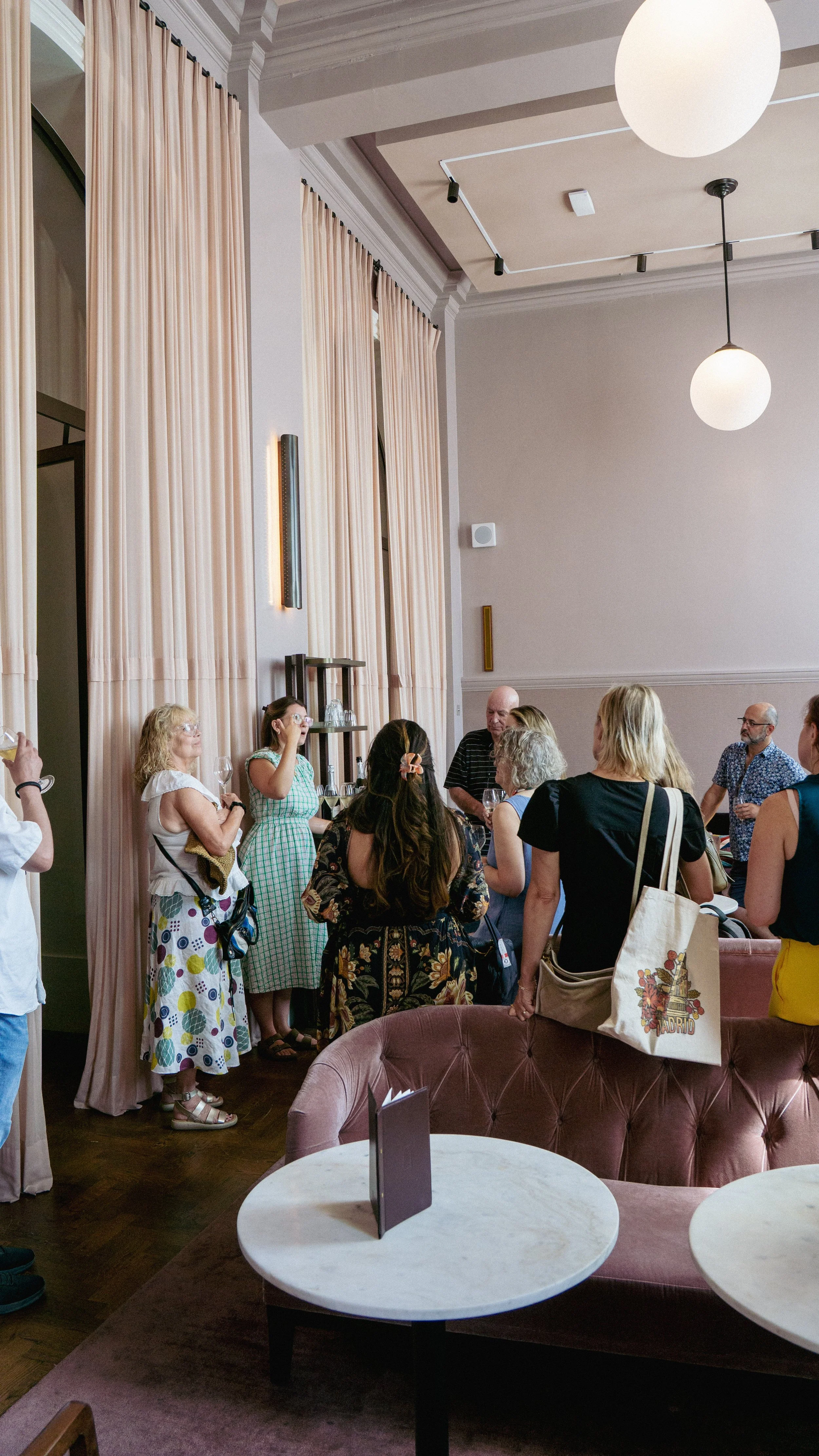
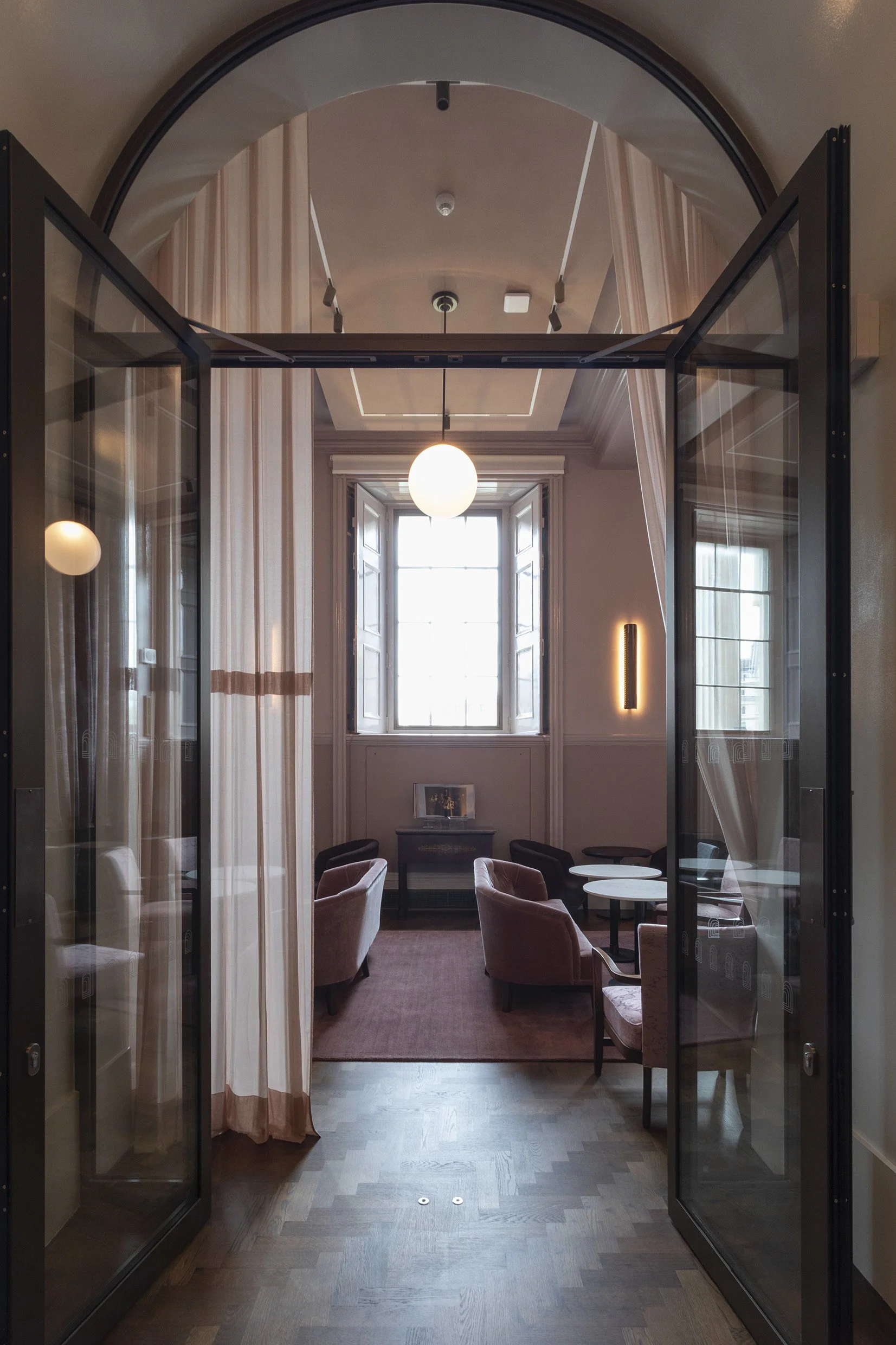
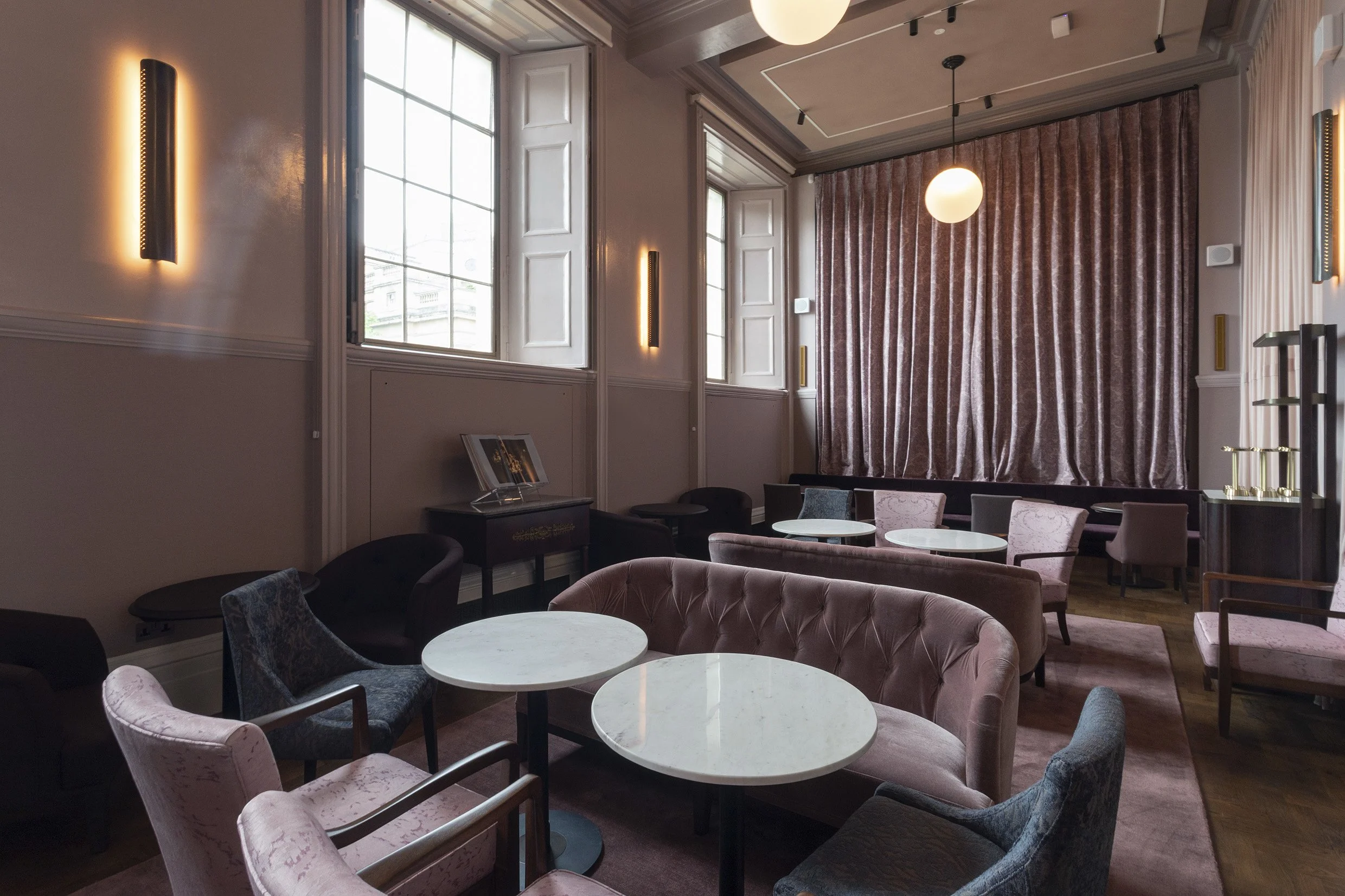
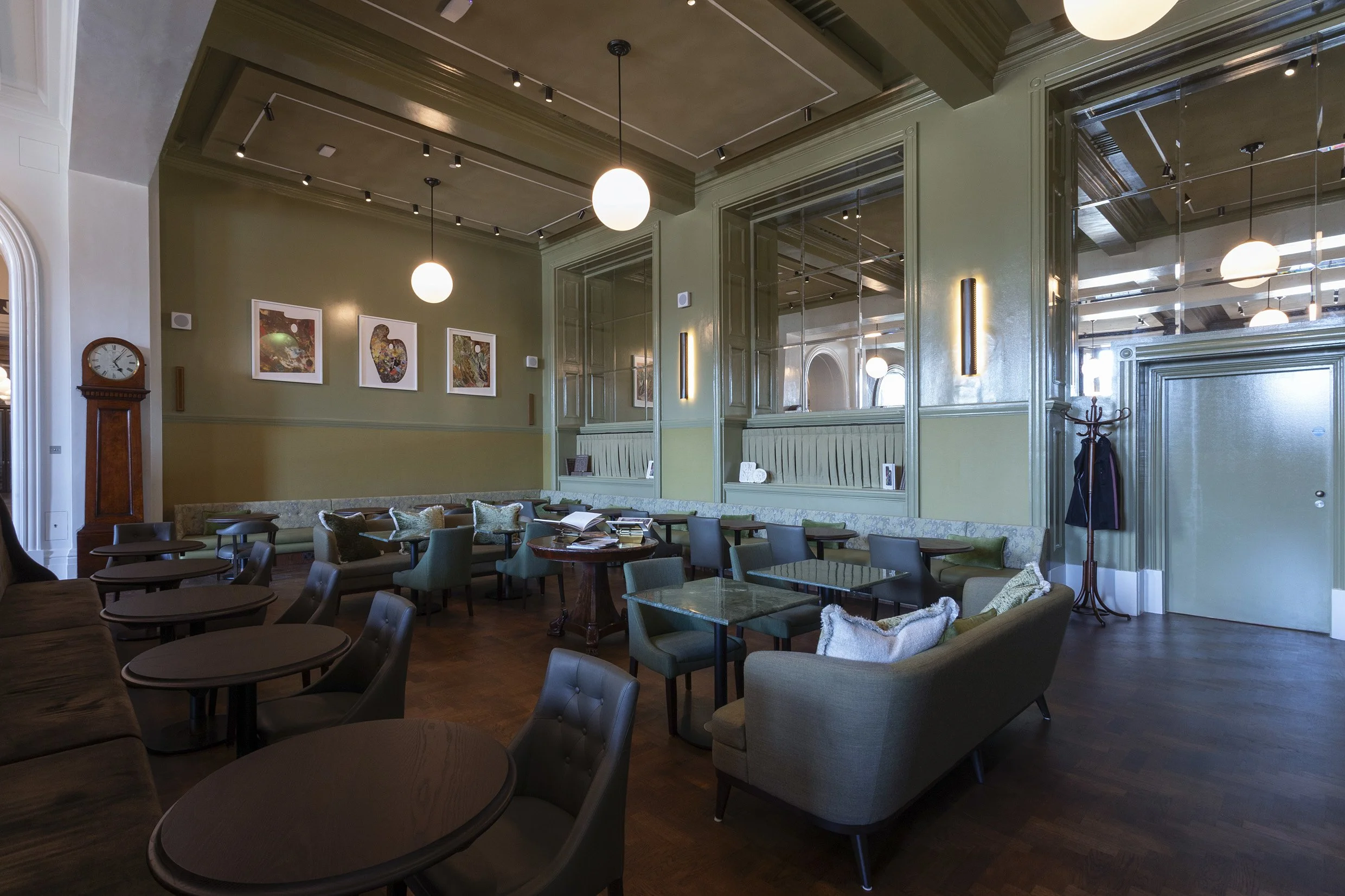
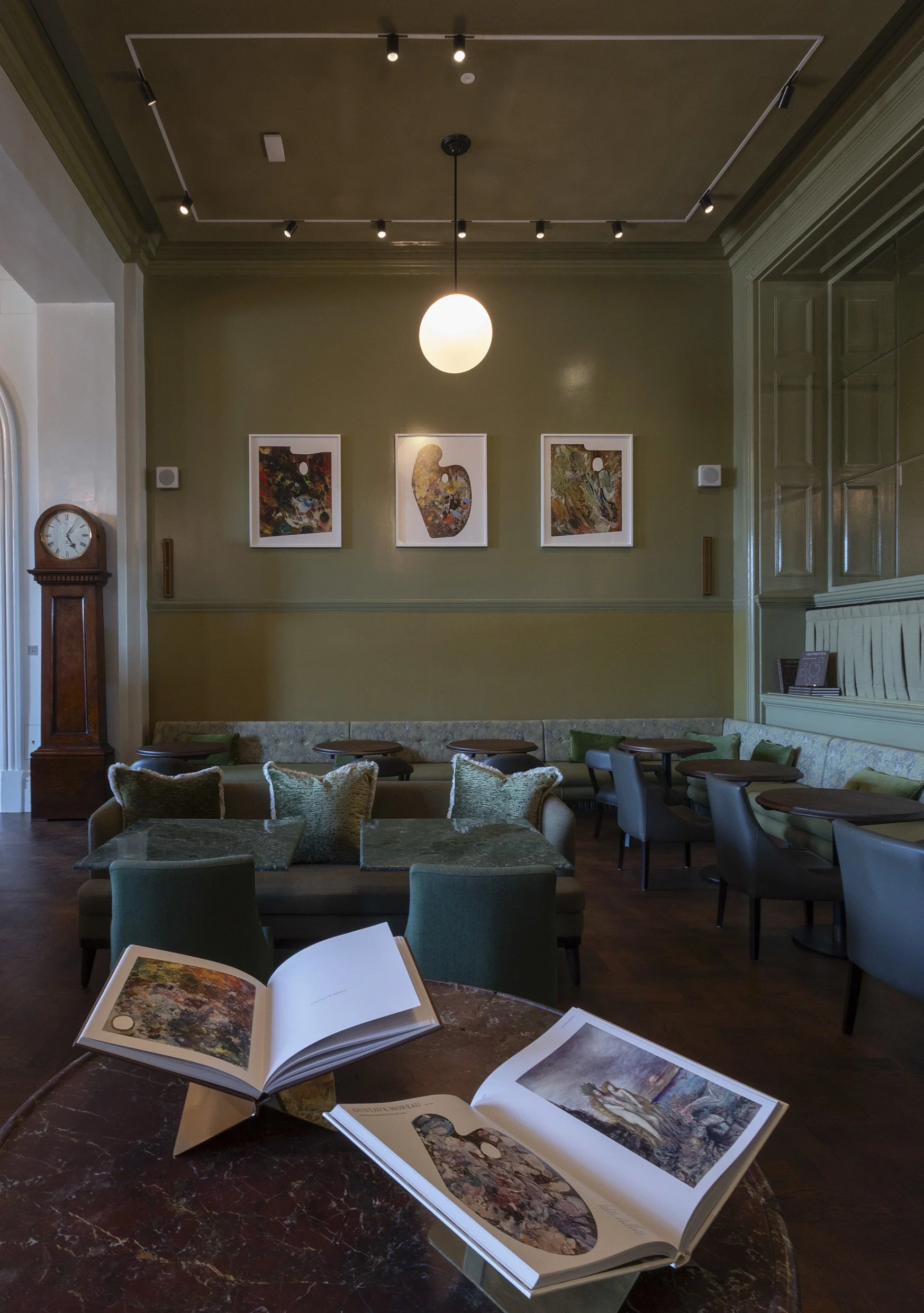
We were welcomed into Supporters’ House, the Gallery's private space for members, including anyone can be a member of the National Gallery, and I found its history particularly fascinating. It occupies part of the original Wilkins Building and was once the home of the Gallery's keeper, who lived there with his wife and children. It is rather wonderful to think of a family actually living within the National Gallery, of domestic life unfolding in these rooms while, just beyond them, the collection was taking shape.
© National Gallery, London
Today, the space has a very different character, but somehow that history remains part of its atmosphere. Supporters’ House offers members a private place to dine, meet, relax and take part in events, all within the historic building itself.
I liked the idea of membership very much. There is something quite appealing about having a relationship with a cultural institution that goes beyond visiting an exhibition from time to time. House Members have access to Supporters’ House, a programme of events and member experiences, exhibition access and the opportunity to bring guests. The Gallery becomes somewhere you can return to regularly, whether for an afternoon among the paintings, lunch, a conversation with a curator or an evening event.
© National Gallery, London
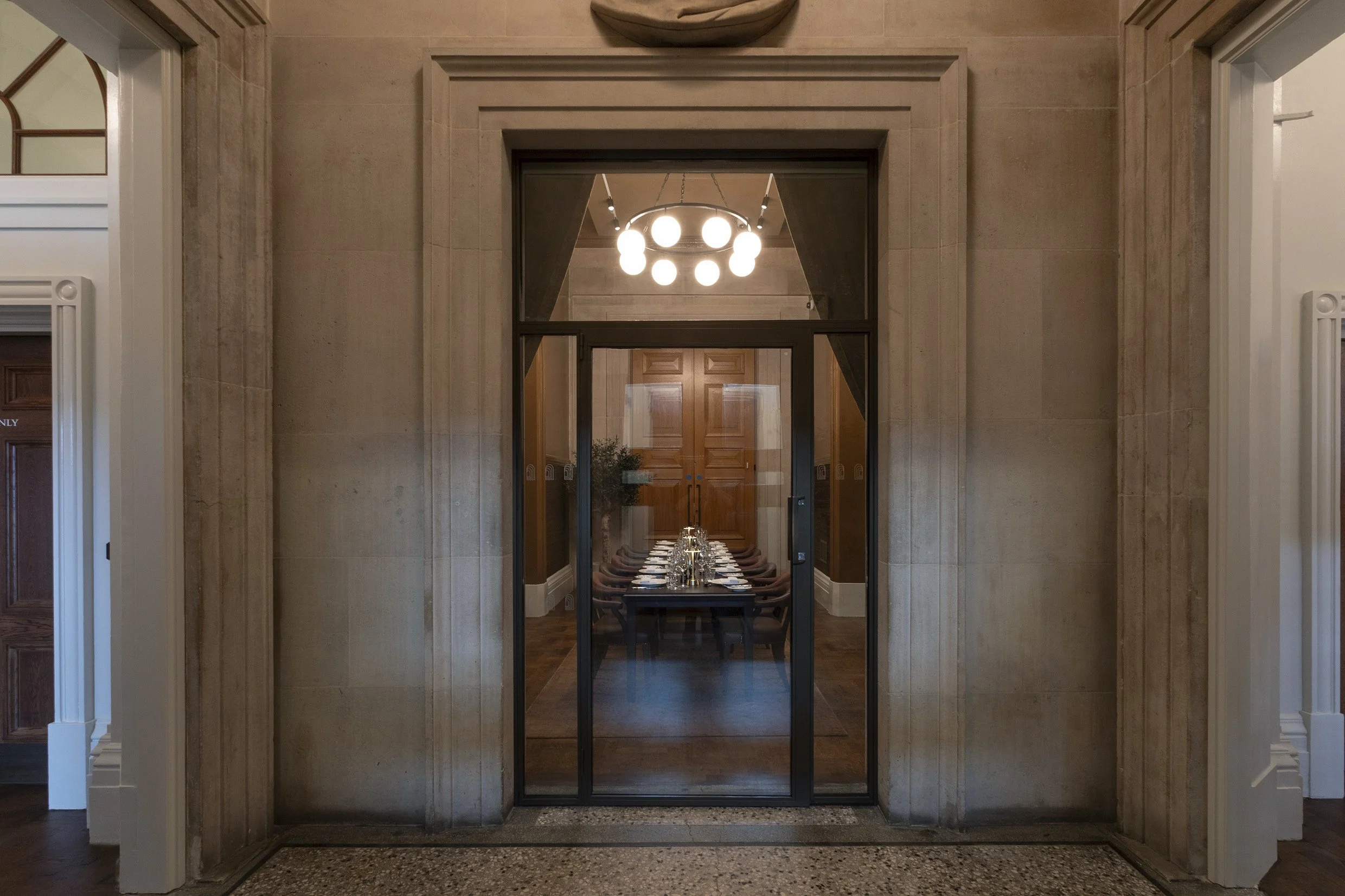
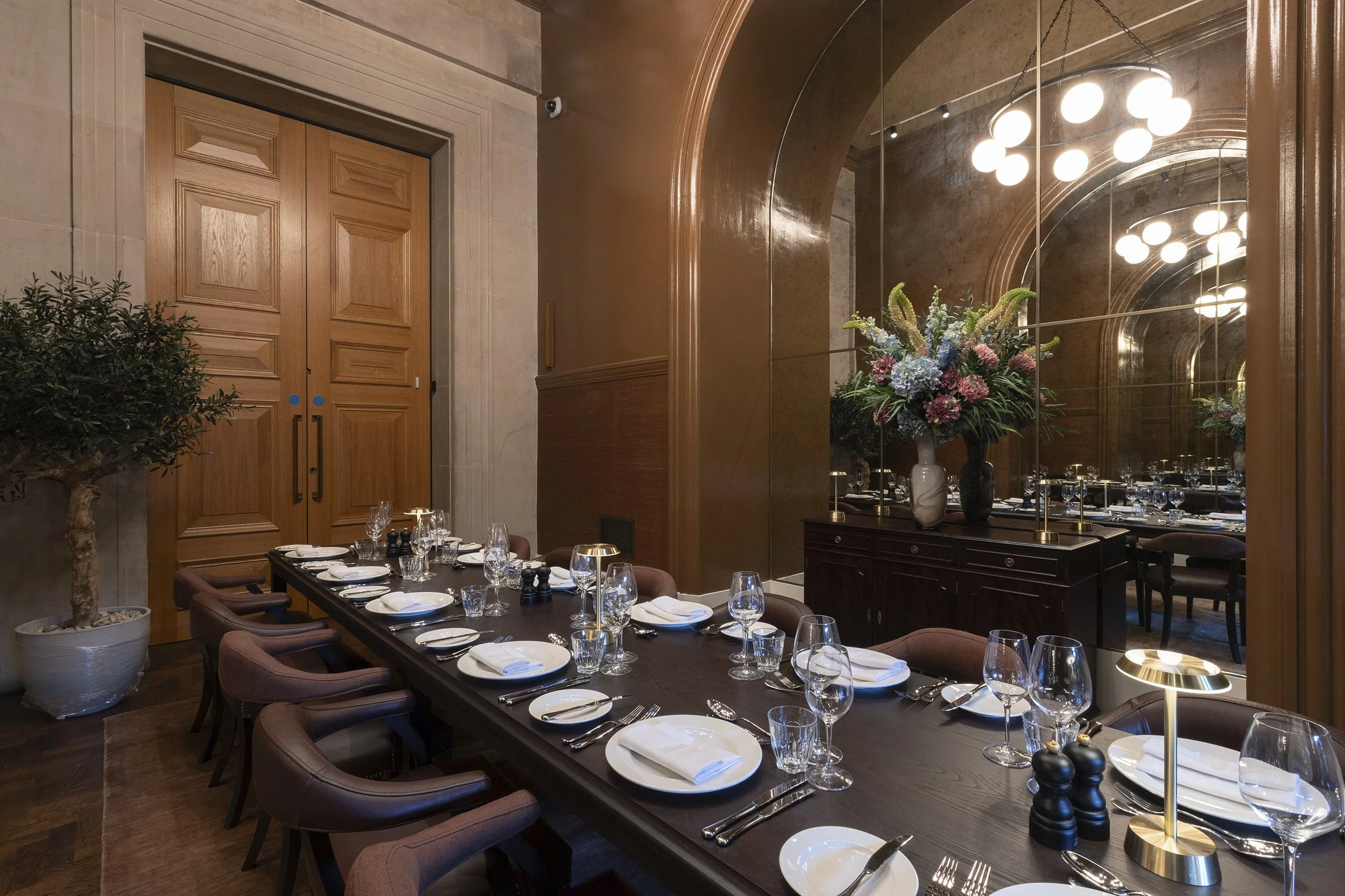
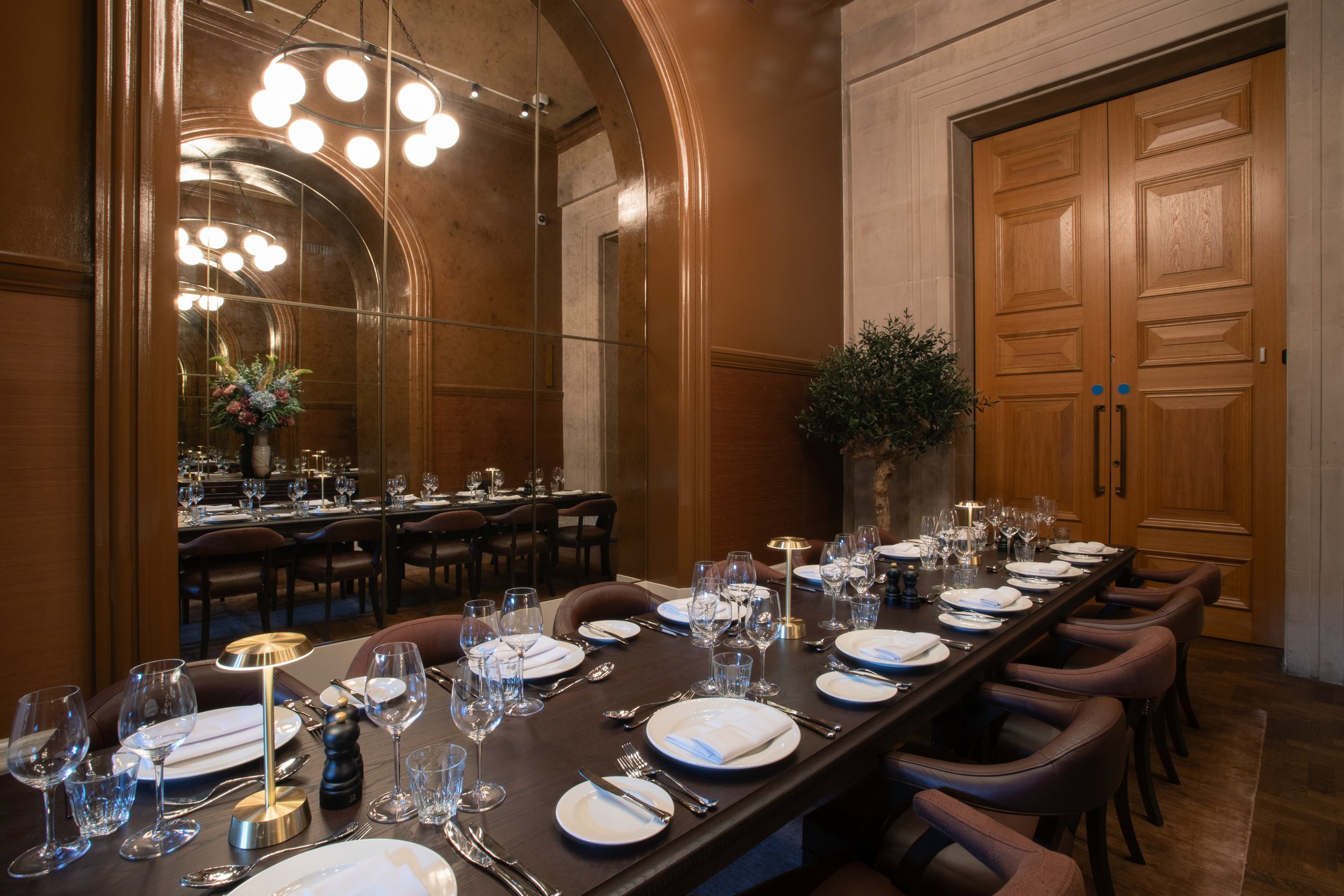
Our lunch was served there, in the Private Dining Room, with a menu created by the renowned Italian chef Giorgio Locatelli. It was a beautiful setting for lunch, and there was a particular charm to sitting down to eat in the heart of the National Gallery before continuing into the galleries themselves.
© Mike Smith
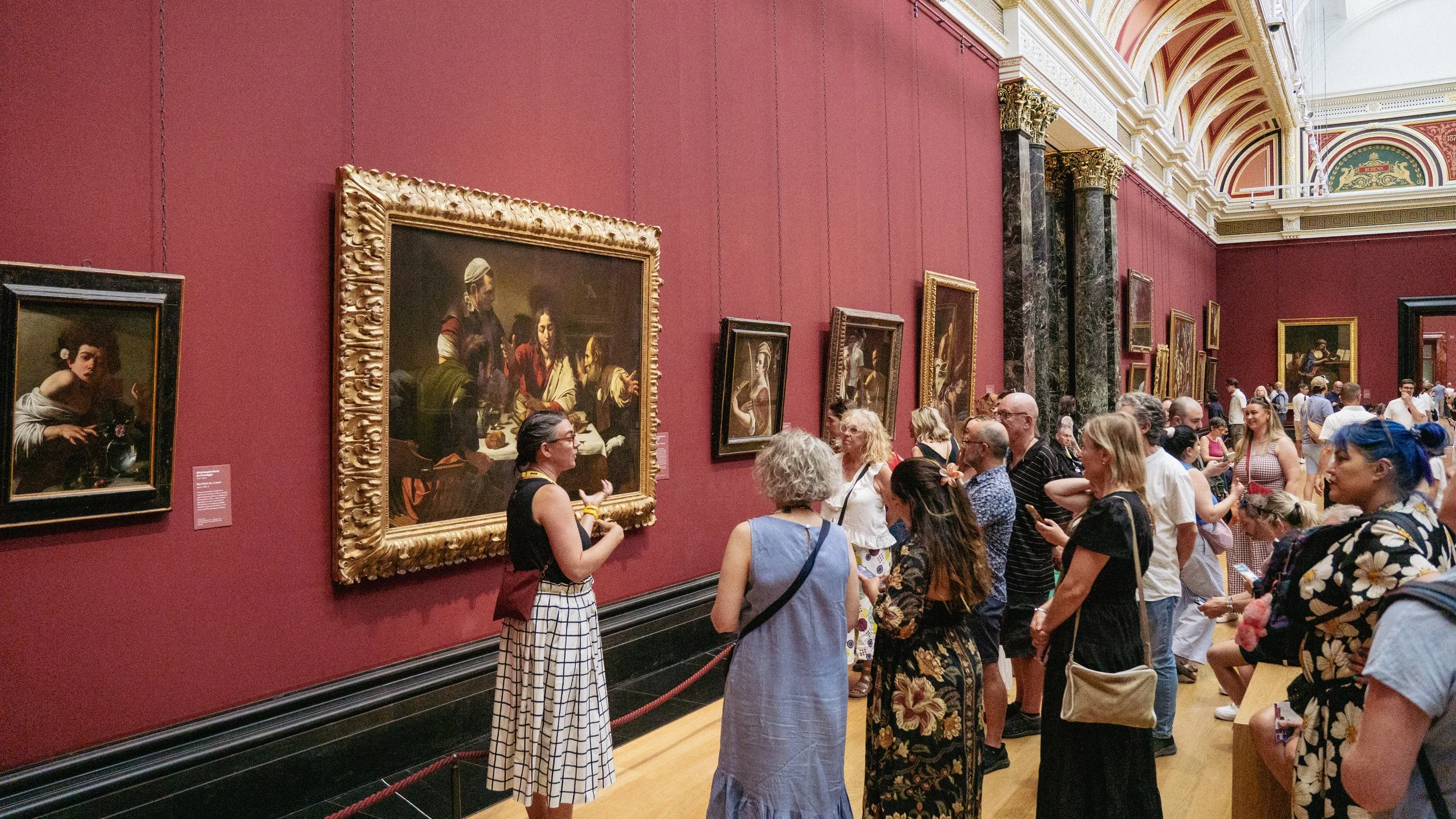
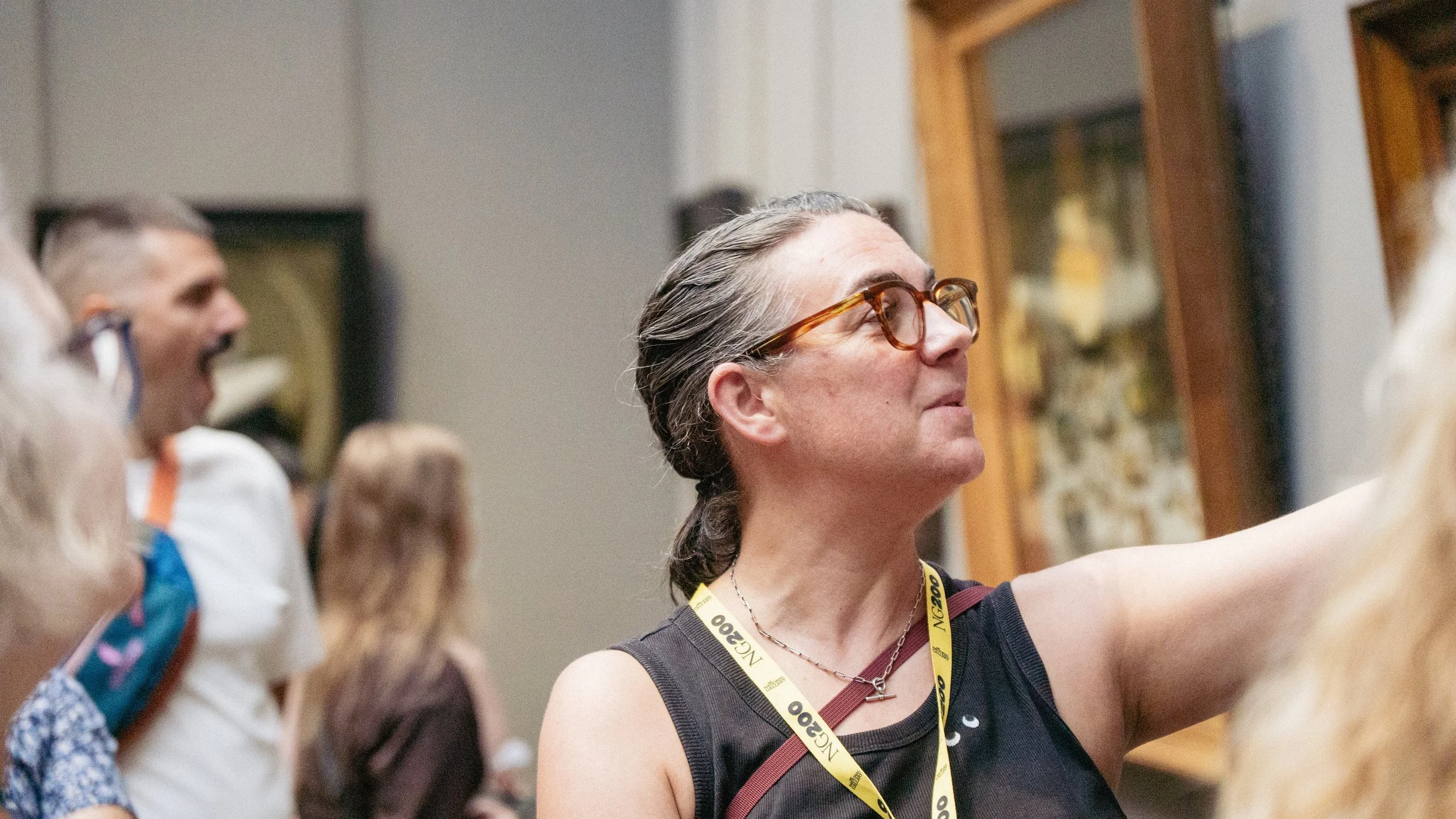
And then came the private tour. What an honour. Having someone guide you through a collection of this importance is quite different from visiting alone. We saw Caravaggio's The Supper at Emmaus, Velázquez's Christ in the House of Martha and Mary, and Rubens's A View of Het Steen in the Early Morning and a selection of Dutch still lifes - Still Life With Lobster, Drinking Horn and Glasses by Willem Kalf and A Banquet Still Life by Floris van Dijck.
The National Gallery also offers private tours that can be booked separately from membership. These are available to individuals and small groups, with expert guides and a choice of themes, and bespoke experiences can also be arranged around particular artists, paintings or subjects. Daytime options are available, as well as private out-of-hours tours for those looking for a more intimate experience. If you would like to arrange one for yourself, visit the National Gallery's website for more information and booking details.
© Mike Smith
What made our one-hour tour particularly interesting was not simply hearing the history of the paintings, but being encouraged to look at three masterpieces in an entirely different way. With an expert guide, we had time to really pause and look closely at each work, discovering details that might easily escape notice: the way an artist creates the illusion of space, the symbolism within an apparently ordinary object, the relationship between light and shadow, or the historical circumstances that give a painting another layer of meaning.
The National Gallery is also remarkable for its accessibility. The permanent collection remains free to visit, while certain temporary exhibitions require admission. Beyond the collection, the Gallery has an extensive programme of events and private occasions.
© Tristan Fewings
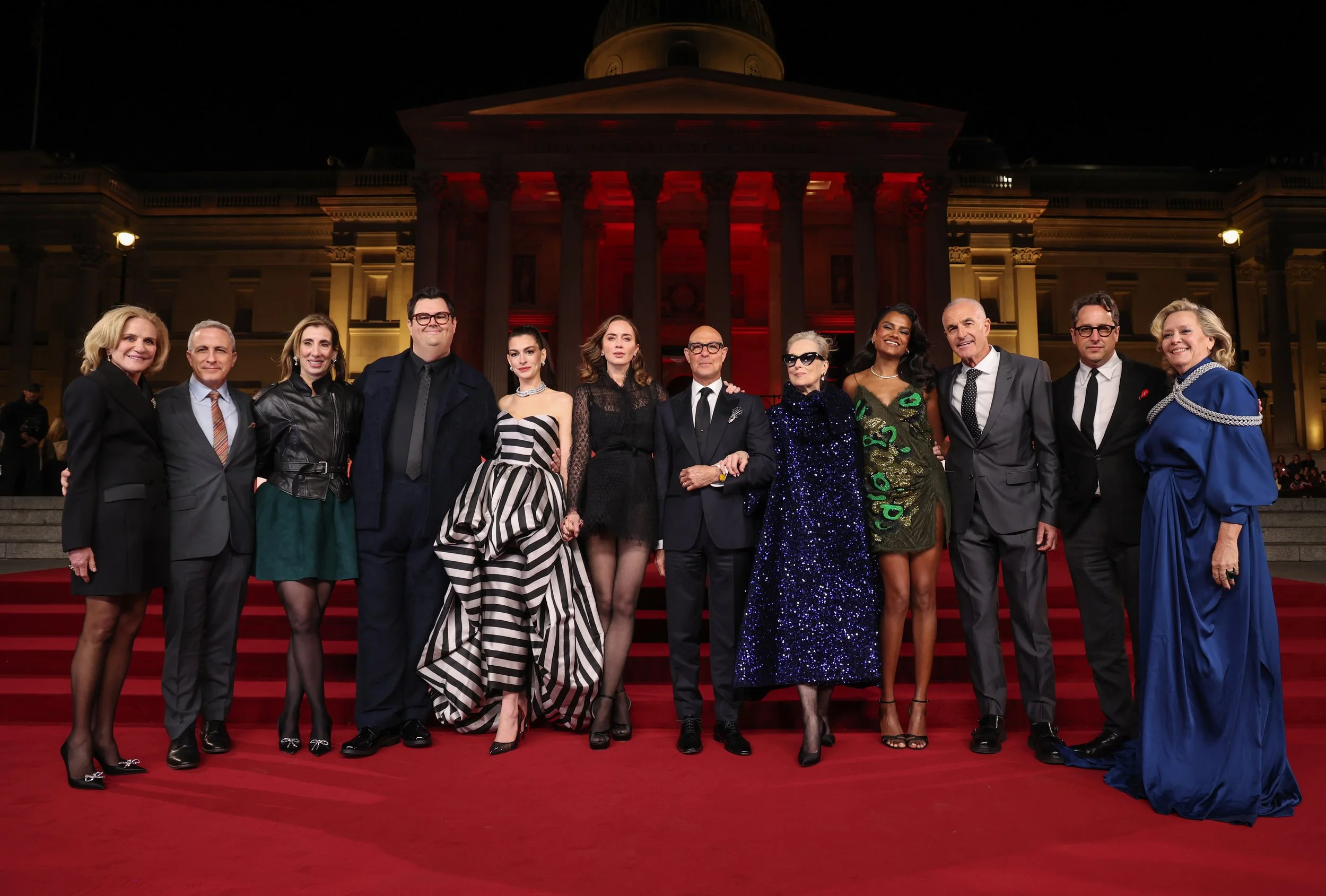
It has hosted dinners, receptions, celebrations, premieres and private events, including the post-premiere party for The Devil Wears Prada 2. There is something rather charming about the thought of these grand rooms changing character after the galleries have closed to the public: masterpieces remaining on the walls while an entirely different kind of evening unfolds around them.
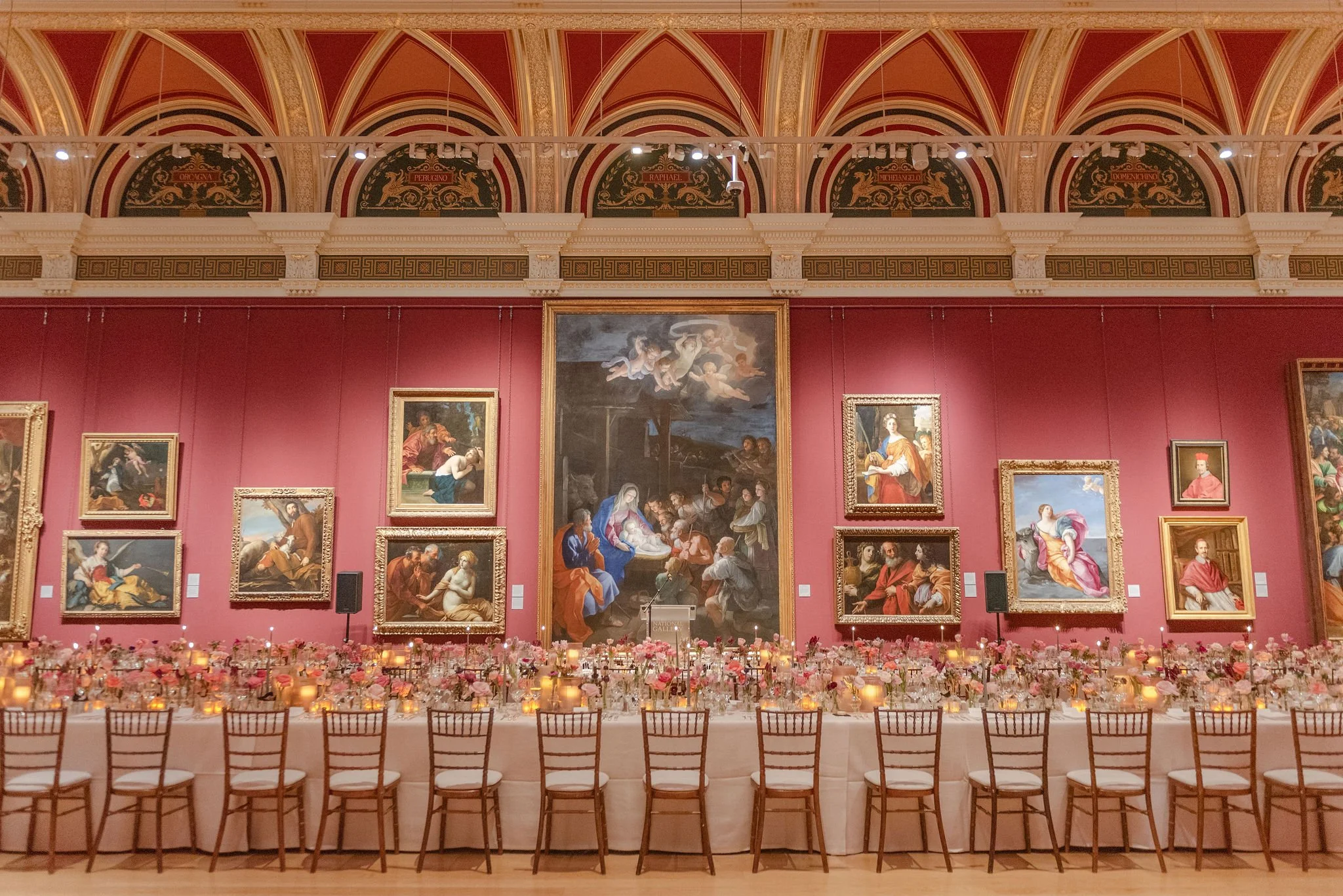
© National Gallery, London
It made me realise that the National Gallery isn't simply somewhere we go to look at the past. It is a place where new memories are still being made through exhibitions, dinners, conversations, celebrations, private occasions or simply the pleasure of spending time somewhere beautiful.
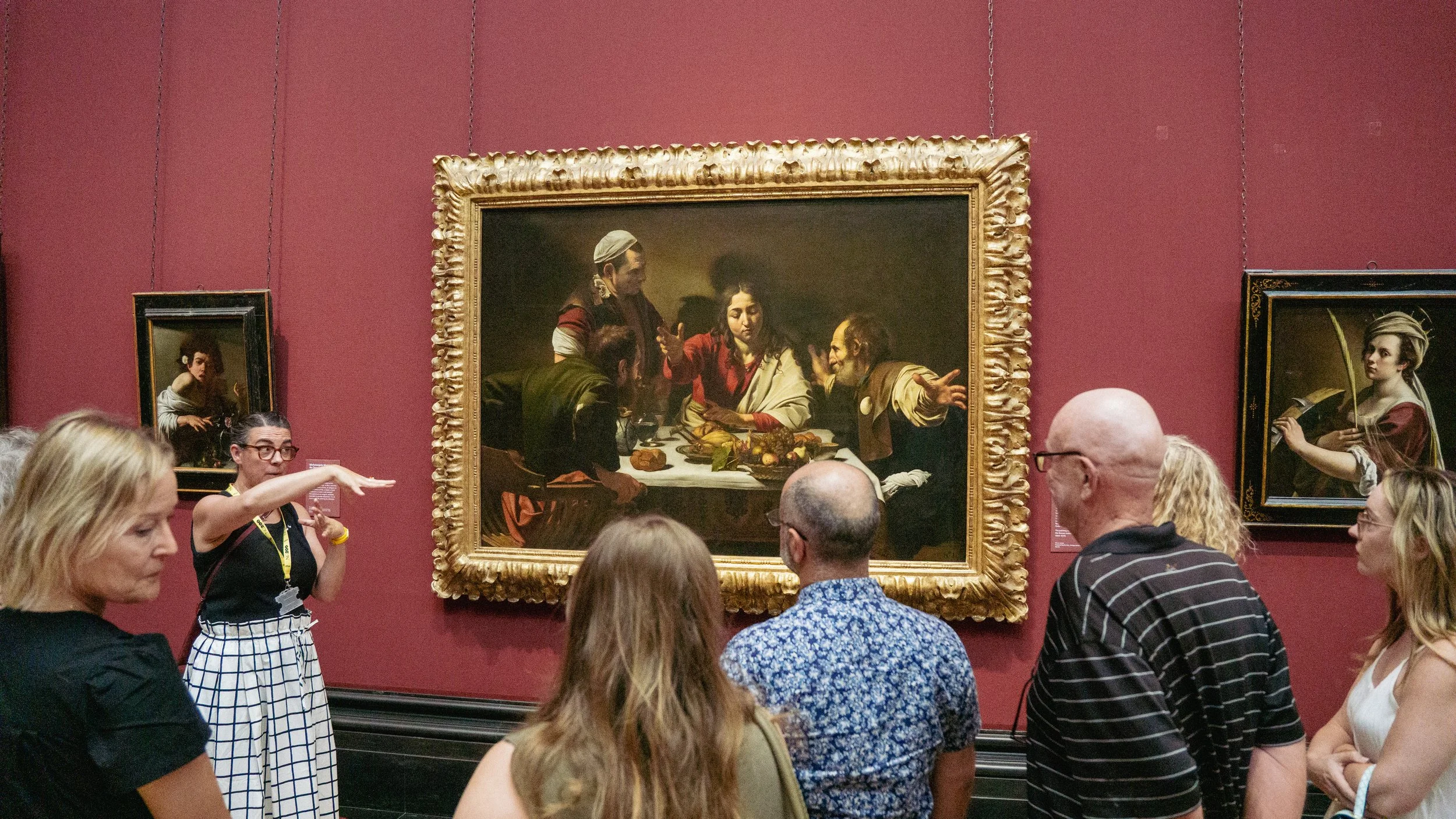
© Mike Smith
For me, returning as a guest brought my relationship with the Gallery full circle.