A Summer of Luxury on the French Riviera: Burberry Reimagines Hôtel Belles Rives
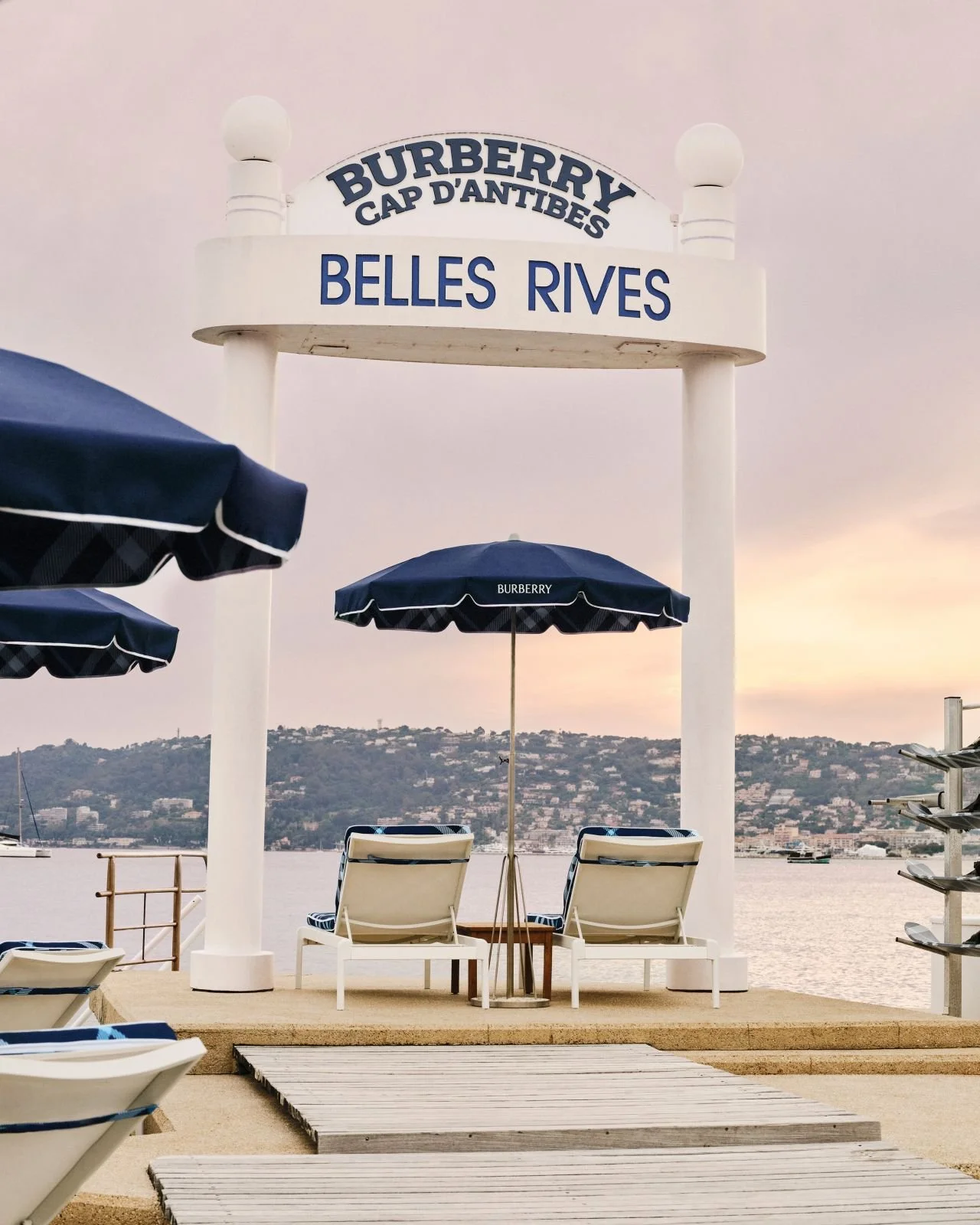
Burberry takeover at Hôtel Belles Rives. Credits: Burberry
On the sun-drenched shores of Cap d'Antibes, where the Mediterranean shimmers against a backdrop of pine trees and Belle Époque villas, summer has long been more than a season. It is a cultural ritual, shaped by decades of artistic encounters, literary histories and the enduring allure of the French Riviera. This year, that narrative gains a new chapter through Burberry's takeover of the legendary Hôtel Belles Rives, a property whose history is as captivating as its waterfront setting.
Rather than imposing its identity upon the hotel, the British fashion house has chosen a more nuanced approach, creating a dialogue between two distinct yet complementary legacies. The result is an elegant exploration of how luxury brands increasingly engage with place, transforming hospitality into a form of immersive storytelling.
A Riviera Landmark with Literary Roots
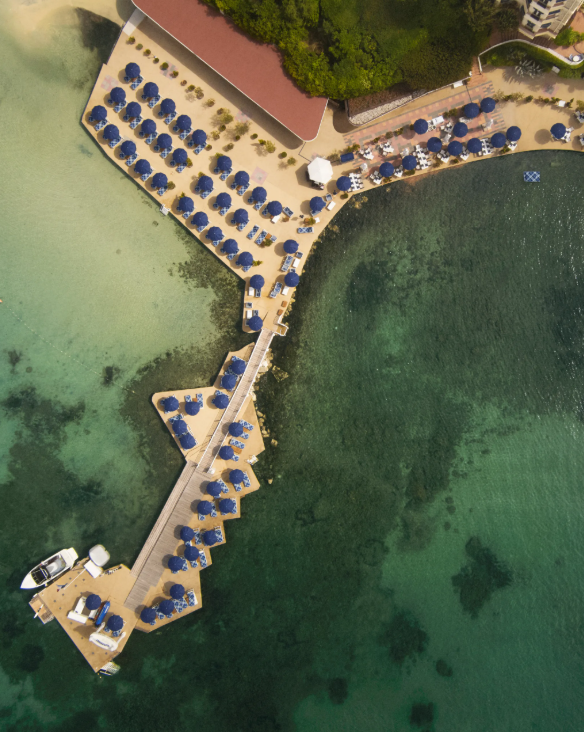
Long before it became one of the Côte d'Azur's most celebrated hotels, Hôtel Belles Rives was known as Villa Saint-Louis, the summer residence of American writer F. Scott Fitzgerald and his wife Zelda during the 1920s. It was here, overlooking the sparkling waters of Juan-les-Pins, that Fitzgerald found inspiration for Tender Is the Night, a novel that would become synonymous with the glamour and contradictions of Riviera life. The villa occupied a unique place within the social and cultural landscape of the era, attracting artists, writers and aristocrats drawn to the freedom and sophistication of the Mediterranean coast.
Credits: Burberry
Today, the hotel preserves much of that spirit through its Art Deco interiors, historic architecture and enduring connection to the Riviera's golden age. Walking through its corridors feels less like entering a luxury hotel and more like stepping into a living archive of twentieth-century cultural history. It is precisely this sense of authenticity that makes the partnership with Burberry particularly compelling.
Reimagining Heritage Through Design
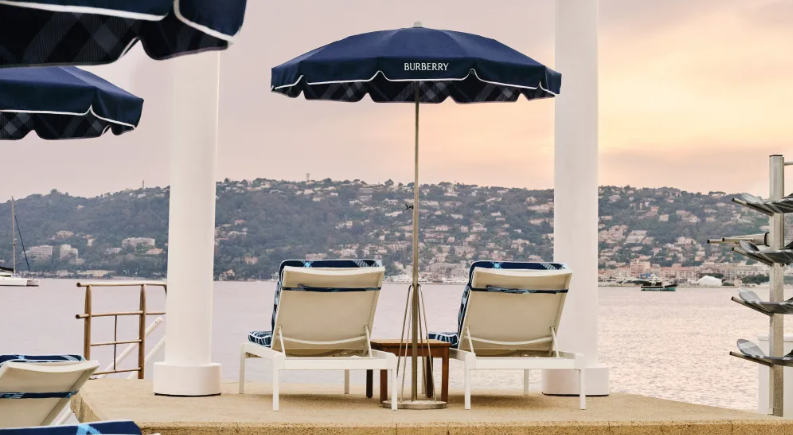
Luxury collaborations often risk overwhelming the spaces they inhabit. In the pursuit of visibility, brand identity can easily eclipse local character. At Hôtel Belles Rives, however, the approach feels notably restrained. Burberry has reinterpreted its iconic check in a bespoke shade of blue inspired by the hotel's own visual identity. The pattern appears throughout the property, weaving itself into the environment rather than dominating it. Guests encounter it across terraces, beach club spaces and even within the hotel's historic 1920s lift, where the intervention feels less like advertising and more like a thoughtful design conversation between past and present.
The choice of colour is particularly significant. By adapting one of fashion's most recognisable motifs to reflect the hotel's palette, Burberry acknowledges the importance of context. Rather than simply transplanting its brand codes onto the Riviera, it allows them to be shaped by the destination itself. This sensitivity extends beyond interiors.
Credits: Burberry
Custom logos appear on the private jetty and beach club entrances, subtly marking the experience while preserving the atmosphere that has defined the property for generations. The effect is sophisticated rather than conspicuous, reinforcing the notion that contemporary luxury increasingly values integration over spectacle.
The Rise of Experiential Luxury
Perhaps the most revealing aspect of the partnership is not its visual transformation but its emphasis on experience. Guests are invited into a carefully curated version of Riviera summer life, one that unfolds through moments rather than products. Ice lollies served on the terrace, afternoons by the sea, and sunset cocktails at The Fitzgerald Bar become part of a larger narrative, blurring the boundaries between fashion, hospitality and lifestyle.
Luxury today is rarely confined to ownership alone. Increasingly, it is defined by atmosphere, memory and emotional connection. The most successful brands understand that their identity is no longer communicated solely through objects but through environments capable of generating meaningful experiences. Hotels, restaurants and cultural spaces have become powerful platforms for storytelling, allowing visitors to inhabit a brand's world rather than simply consume it.
Burberry's presence at Hôtel Belles Rives reflects this broader evolution. The collaboration creates a temporary universe where design, hospitality and heritage converge, encouraging guests to engage with the brand through feeling and place rather than transaction.
A Dialogue Between British and Riviera Elegance
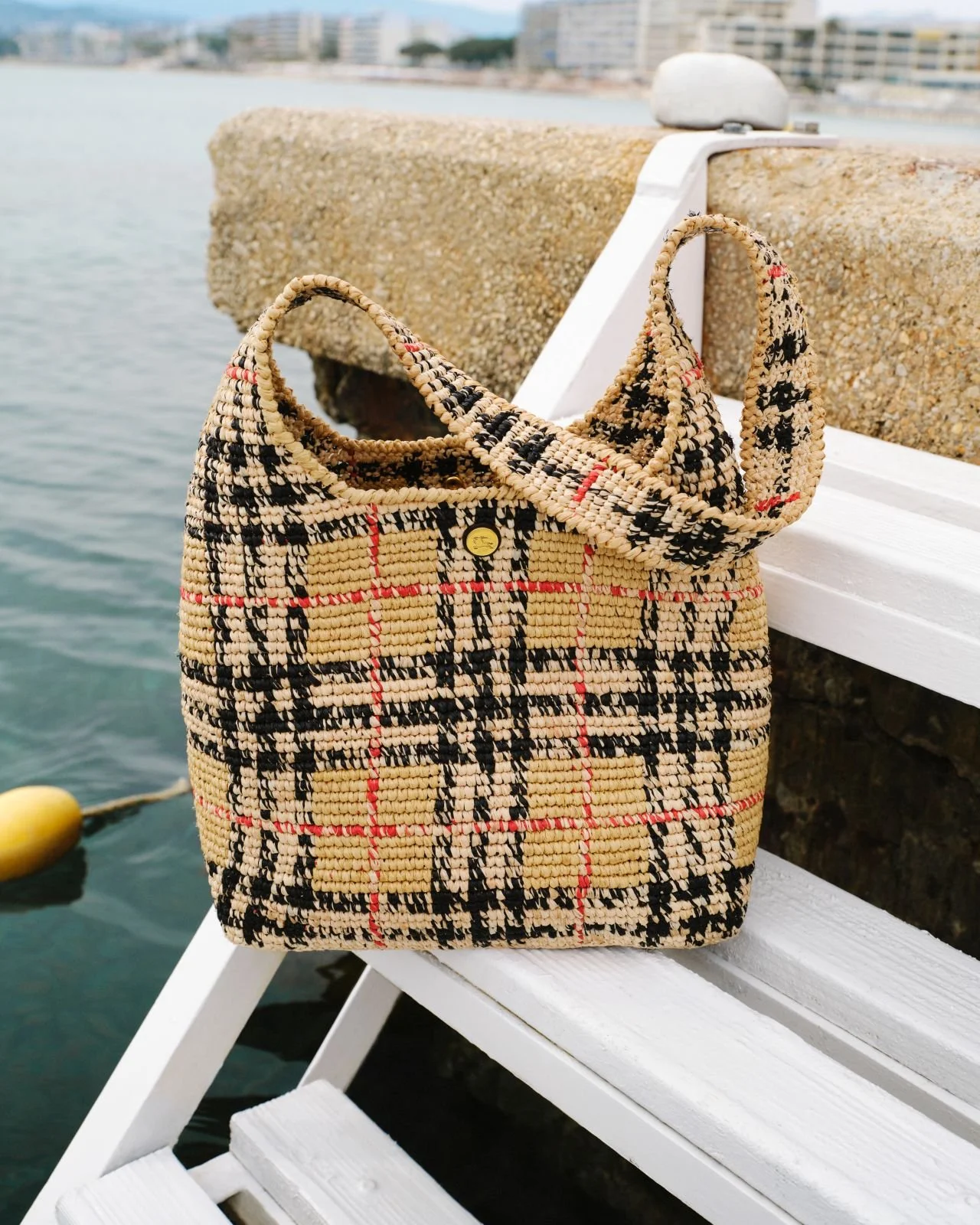
What makes this partnership particularly resonant is the conversation it establishes between two forms of heritage. Burberry remains one of Britain's most enduring luxury houses, its history rooted in craftsmanship, exploration and innovation. Hôtel Belles Rives, meanwhile, embodies the effortless glamour of the French Riviera, shaped by literary history, seaside leisure and Art Deco sophistication.
Credits: Burberry
These worlds might appear distinct, yet both share an appreciation for timelessness. Neither relies on fleeting trends. Instead, their appeal emerges from an ability to evolve while remaining faithful to their origins. The collaboration succeeds because it recognises this common ground, allowing each identity to enrich the other without compromise.
In an era when heritage is frequently reduced to a marketing tool, something is refreshing about seeing it treated as a living resource. The project demonstrates how archives, architectural details and cultural memory can be reinterpreted for contemporary audiences while preserving their essential character.
Beyond the Takeover
As luxury brands continue to expand into hospitality, travel and cultural experiences, partnerships such as this raise interesting questions about the future of destination storytelling. What does it mean for a fashion house to inhabit a place rather than merely sponsor it? How can historic properties remain relevant without sacrificing authenticity? And how can design interventions enhance rather than dilute a destination's identity?
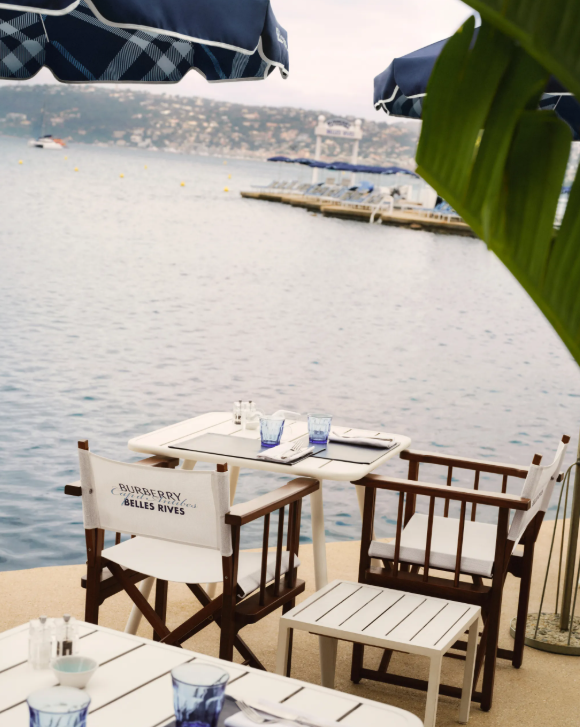
Credits: Burberry
At Hôtel Belles Rives, the answers appear to lie in restraint, respect and contextual understanding. The collaboration does not seek to reinvent the Riviera. Instead, it amplifies qualities that already exist: the elegance of Art Deco design, the romance of literary history, the pleasure of long summer afternoons by the sea. Perhaps that is why it feels so successful.
Rather than creating something entirely new, Burberry has chosen to participate in a story already being told. Against the backdrop of the Mediterranean, where generations of artists, writers and travellers have searched for inspiration, the result serves as a reminder that luxury is ultimately about creating meaningful connections between people, places and memories. The most memorable experiences are not those that demand attention, but those that deepen our appreciation of where we are. On the shores of Cap d'Antibes, that philosophy feels perfectly at home.