Badrutt’s Palace Wins the Art of Hospitality Award Ahead of The World’s 50 Best Hotels 2026
Credits: Courtesy of Badrutt’s Palace
What makes a hotel stay truly memorable? Architecture, design and location may create the setting, but hospitality ultimately comes down to something less tangible: how a place makes its guests feel. Ahead of The World’s 50 Best Hotels 2026, Badrutt’s Palace in St. Moritz has been named the winner of the SeiBellissimi Art of Hospitality Award, recognising the Swiss landmark for the service and guest experience it has cultivated across generations.
The accolade is decided by the more than 800 members of The World’s 50 Best Hotels Academy, who were asked to name the hotel where they experienced their single best hospitality experience during the newly extended three-year voting period. Badrutt’s Palace will formally receive the award at the 2026 ceremony at Les Salles du Carrousel in Paris on 15 September, which Avesso will attend.
130 years of Alpine hospitality
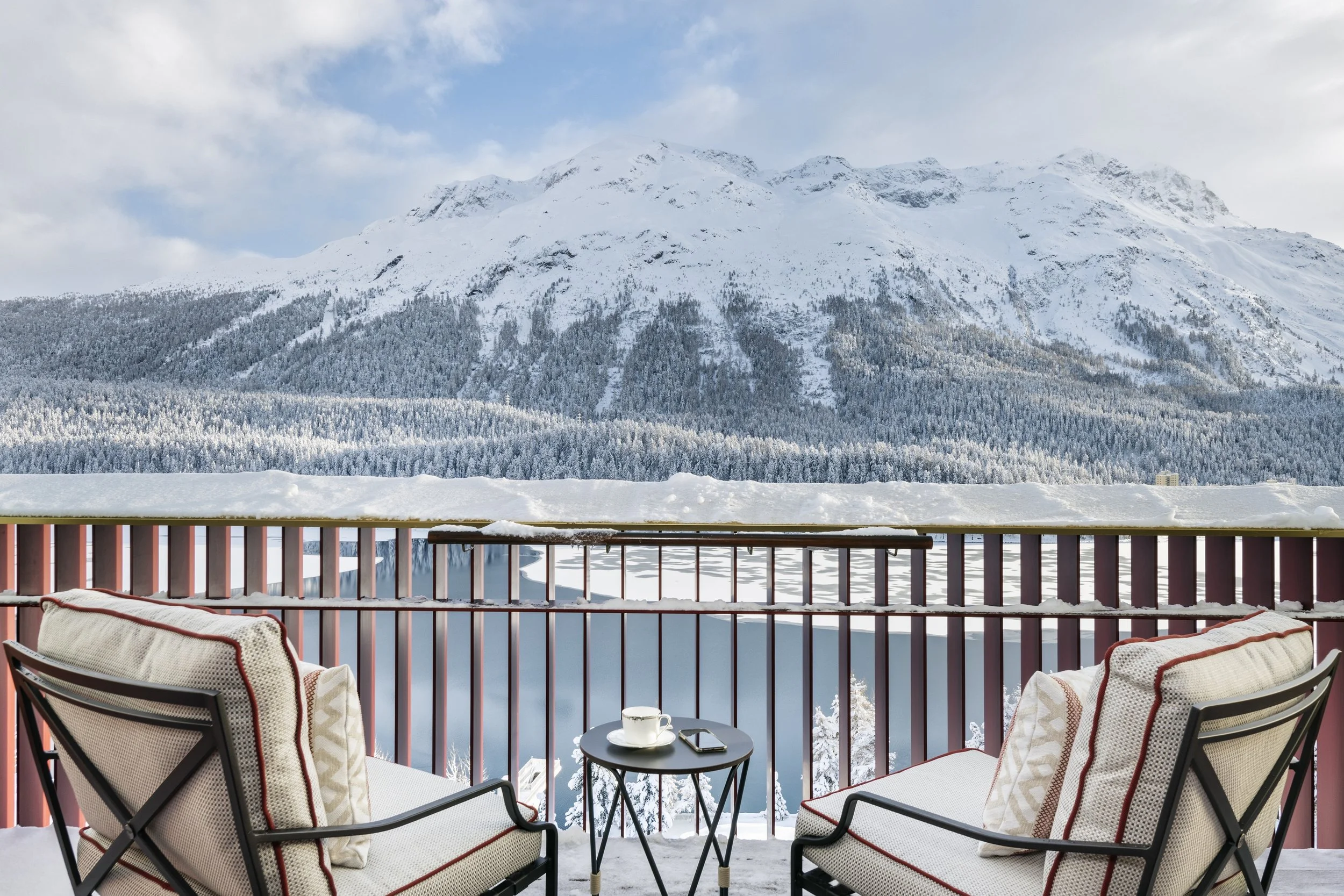
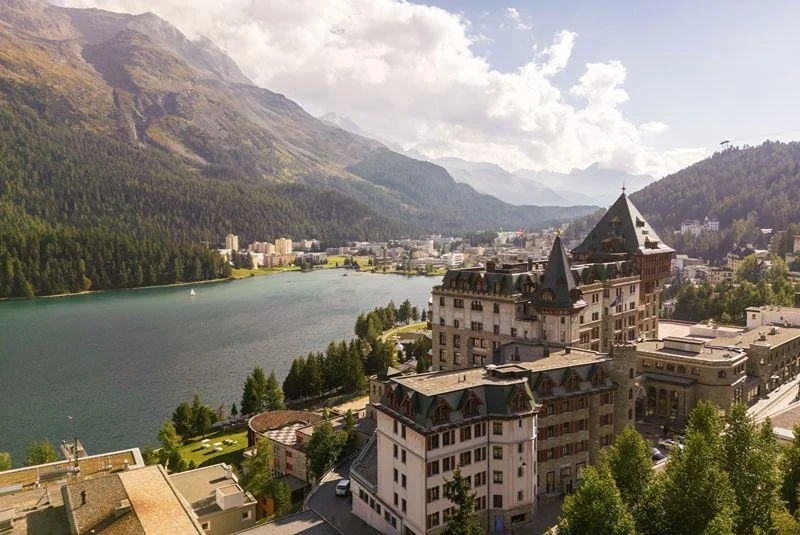
Perched 1,830 metres above sea level and overlooking Lake St. Moritz in Switzerland's Engadin valley, Badrutt’s Palace has been part of the destination since 1896. Founded by Caspar Badrutt, the neo-Gothic hotel has become so closely associated with St. Moritz that it is often described as the resort town's ‘living room’. Across its history, the Palace has welcomed royalty, artists, athletes and international travellers, while simultaneously helping transform what was once a mountain village into one of the world's most recognisable Alpine destinations.
Credits: Courtesy of Badrutt’s Palace
Alfred Hitchcock was among its famous guests, and Suite 501 remains associated with the filmmaker and his stays at the property. Yet longevity alone does not explain the hotel's latest recognition. The Art of Hospitality Award considers the elements that can be far more difficult to quantify: warmth, attention to detail, atmosphere, personalised experiences and the ability of a hotel team to anticipate what a guest might need before they have to ask.
During the winter season, approximately 700 members of staff look after guests across the property. Suite guests have dedicated butler service, while the concierge team can arrange everything from personal shopping on Via Serlas to experiences across the Engadin valley. It is this combination of tradition and individual attention that has allowed the hotel to preserve its identity while luxury hospitality around it has evolved.
Tradition and evolution
While Badrutt’s Palace remains firmly connected to its history, the hotel continues to evolve. Its more recent additions include the Serlas Wing, designed by Italian architect Antonio Citterio. Today, the property comprises 163 rooms, including 47 suites, alongside restaurants, bars and wellness experiences.
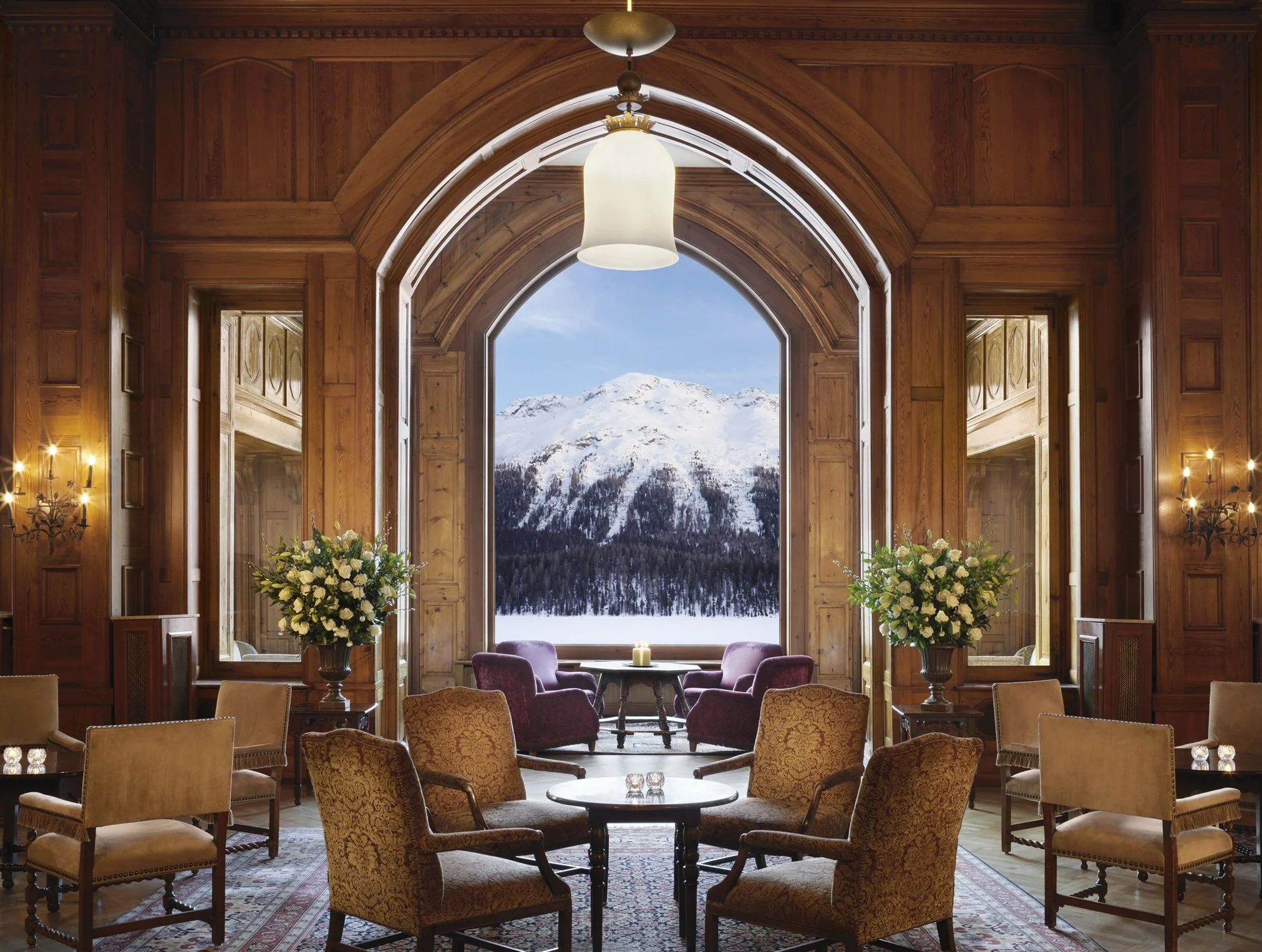
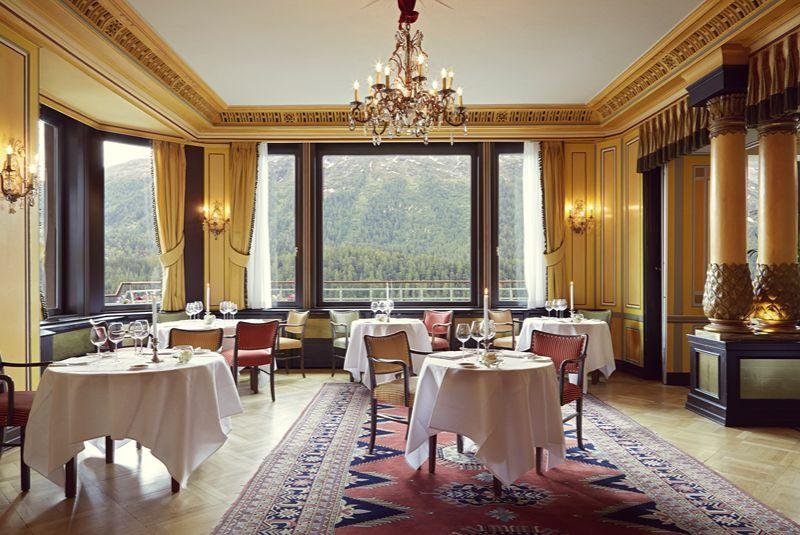
The challenge for a hotel with such a recognisable legacy is one of balance: preserving the traditions guests return for while remaining relevant to contemporary travellers. At Badrutt’s Palace, the two coexist. Guests can still experience afternoon tea in the wood-panelled Le Grand Hall before discovering a considerably more international hospitality offering elsewhere in the property.
Credits: Courtesy of Badrutt’s Palace
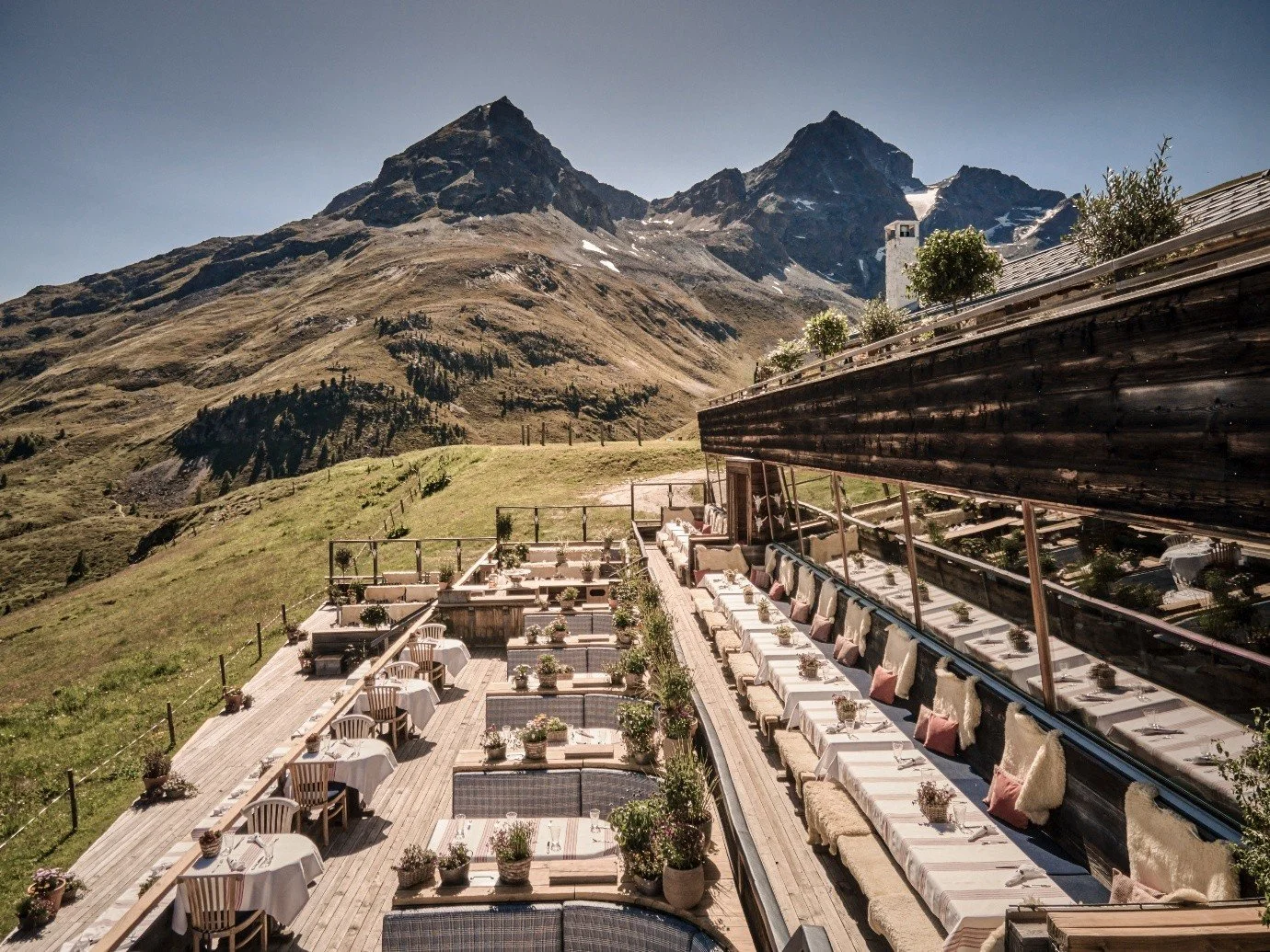
Food and drink play an important role. Across eleven restaurants and bars, the Palace moves between local traditions and global influences, including the Japanese-Peruvian cuisine associated with chef Nobuyuki Matsuhisa and Paradiso, the mountain club on Corviglia. The award, however, recognises the property as a whole. Reception, housekeeping, food and beverage, concierge, amenities and the atmosphere created throughout the hotel all contribute to the experience considered by Academy voters. In an industry increasingly defined by spectacular architecture, destination restaurants and highly designed experiences, the recognition is also a reminder that luxury hospitality ultimately depends on people.
The art of making people return
Luxury hotels are increasingly expected to offer much more than accommodation. Personalisation, wellness, gastronomy and a strong sense of destination have become central to the contemporary hospitality experience. Badrutt’s Palace has adapted to these expectations while retaining something considerably older: the idea of the grand hotel as a social institution. Generations of staff and guests have shaped its character, allowing traditions to be passed on rather than simply recreated.
Credits: Courtesy of Badrutt’s Palace
That human dimension is perhaps what makes the Art of Hospitality Award particularly relevant. A beautiful room can be photographed. Exceptional service is harder to capture. It exists in the details: remembering a preference, anticipating a request and creating an atmosphere where formality never overwhelms warmth.
The road to Paris
Badrutt’s Palace is the first of two special award winners revealed ahead of The World’s 50 Best Hotels 2026. The second is The Fifth Avenue Hotel in New York, recipient of the American Express Travel One To Watch Award. While the Manhattan newcomer represents a hotel identified as having the potential to enter the global ranking in the future, Badrutt’s Palace tells a very different story.
Credits: Courtesy of Badrutt’s Palace
One looks towards what might come next. The other demonstrates the enduring value of what hospitality has always been about. Both will be recognised when The World’s 50 Best Hotels gathers in Paris on 15 September, the first time the ceremony has been held outside London since the awards launched in 2023. The complete 2026 ranking will only be revealed that evening.
Badrutt’s Palace, however, already has its reason to celebrate. After 130 years overlooking Lake St. Moritz, one of Switzerland's great grand hotels has been recognised not simply for where it is, how it looks or the famous names that have passed through its doors, but for something much harder to manufacture: the art of making people feel genuinely looked after.