BFI 2026: Cinema as Memory, Vision and Cultural Power
In a time when images are consumed at an unprecedented speed and narratives are often reduced to fleeting moments, the British Film Institute makes a deliberate and elegant gesture in the opposite direction. Its cultural programme for 2026 is not merely a calendar of screenings and releases. It is a carefully articulated manifesto on the role of cinema as memory, as cultural conscience and as a living dialogue between past and future.
More than an institution, the BFI has long functioned as a guardian of collective imagination. Its responsibility extends beyond preservation. It shapes how stories are revisited, reinterpreted and passed on. The 2026 programme reinforces this mission with remarkable clarity, bringing together retrospectives of cinematic masters, contemporary voices, restored archives and thematic explorations that reflect the social, political and emotional landscapes of our time.
What distinguishes this programme is its curatorial intelligence. The presence of filmmakers such as David Lynch, Kathryn Bigelow, Andrzej Wajda, Peter Weir, Ritwik Ghatak, Billy Wilder and Sir John Akomfrah is not an exercise in nostalgia. It is a statement about authorship, language and the enduring power of cinema to interrogate reality. These are filmmakers whose works demand attention, contemplation and the collective experience of the big screen.
At the same time, the programme opens space for voices and narratives that challenge dominant histories. The exploration of British multicultural television, the remastered works of the Black and South Asian Workshops and the counter histories constructed through moving image reaffirm cinema as a political and social archive. These are stories that shaped identities, communities and representation, now reintroduced to new generations with the care and respect they deserve.




One of the most compelling highlights of the 2026 programme is the extensive season dedicated to Brazilian Cinema, presented as part of the United Kingdom Brazil Season of Culture. This inclusion carries significance far beyond programming. It signals recognition. Brazilian cinema, with its complex relationship to social reality, aesthetics and political tension, finds space within one of the most respected cultural institutions in the world. It is an invitation to international audiences to engage with narratives shaped by resilience, imagination and a deep sense of place.
This dialogue between nations through cinema is cultural diplomacy at its most refined. It does not simplify or exoticise. Instead, it offers context, depth and respect. For a global audience, this moment reinforces cinema’s ability to cross borders without losing authenticity.
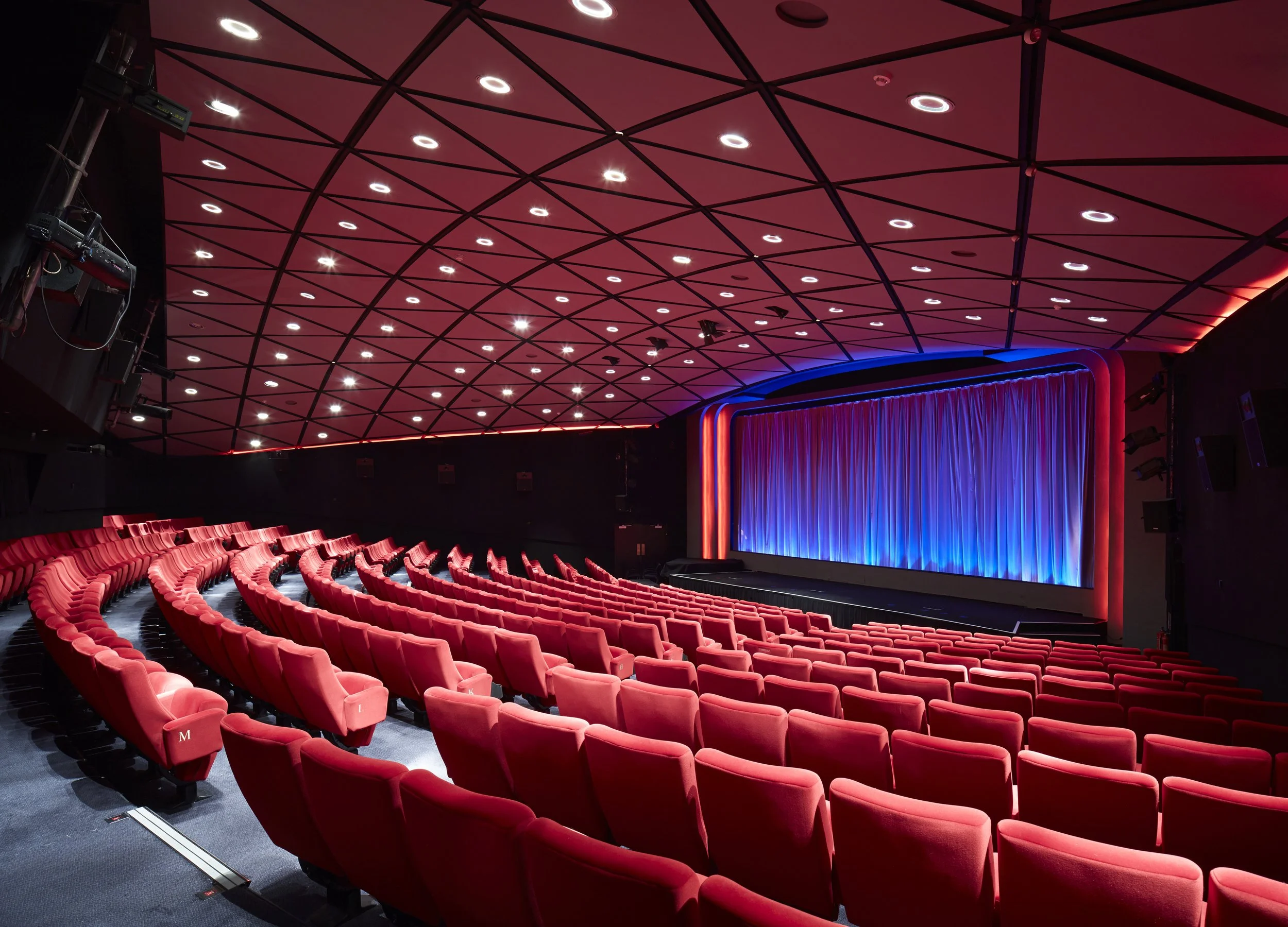
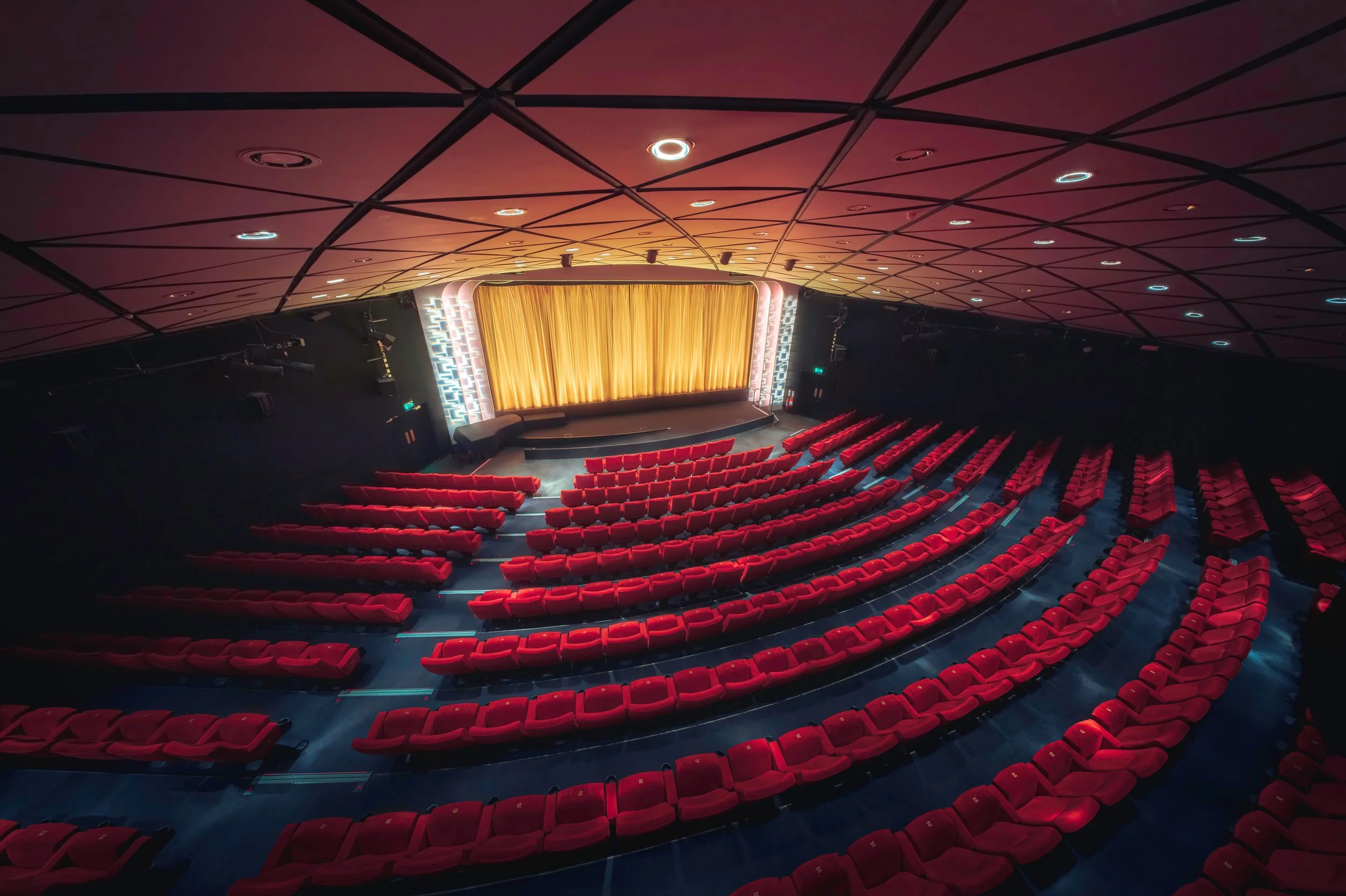
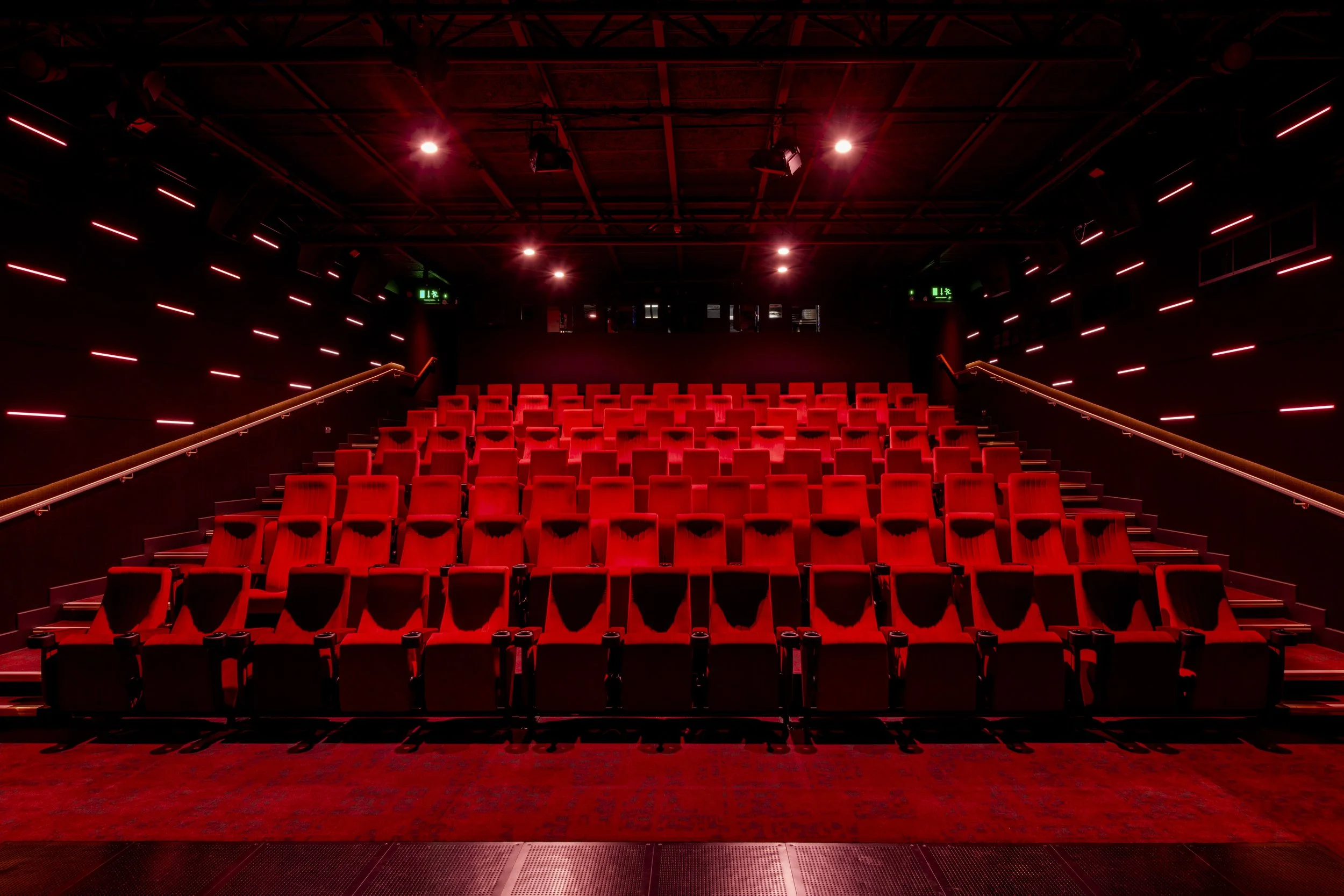
The BFI IMAX programme further elevates this vision by celebrating cinema as spectacle without compromising artistic integrity. Screenings of major works by filmmakers such as Christopher Nolan, Greta Gerwig and Maggie Gyllenhaal coexist with curated seasons dedicated to auteurs like David Lynch and Guillermo del Toro. The scale of the screen becomes part of the narrative experience, reminding us that cinema is also architecture, sound and collective emotion.




Beyond the cinemas, the programme expands seamlessly into digital and home viewing through BFI Player and Blu ray releases. Curated collections dedicated to Brazilian cinema, Frederick Wiseman, skateboarding and trash cinema reflect a rare commitment to accessibility without dilution. This is cultural luxury defined not by exclusivity, but by thoughtful curation and editorial coherence.
Festivals remain a central pillar of the BFI identity. The fortieth edition of BFI Flare and the seventieth BFI London Film Festival mark not only anniversaries, but endurance. In a rapidly changing industry, these festivals continue to offer relevance, discovery and a space for dialogue between creators and audiences.
What emerges from the BFI 2026 programme is a clear philosophy. Cinema is not content. It is cultural memory. It is education. It is reflection. It is also pleasure, beauty and wonder. The programme refuses to separate entertainment from intellect, or heritage from innovation.
For an international readership attuned to culture, travel and lifestyle at the highest level, this approach resonates deeply. True sophistication lies in discernment. In understanding context. In valuing stories that endure beyond trends.
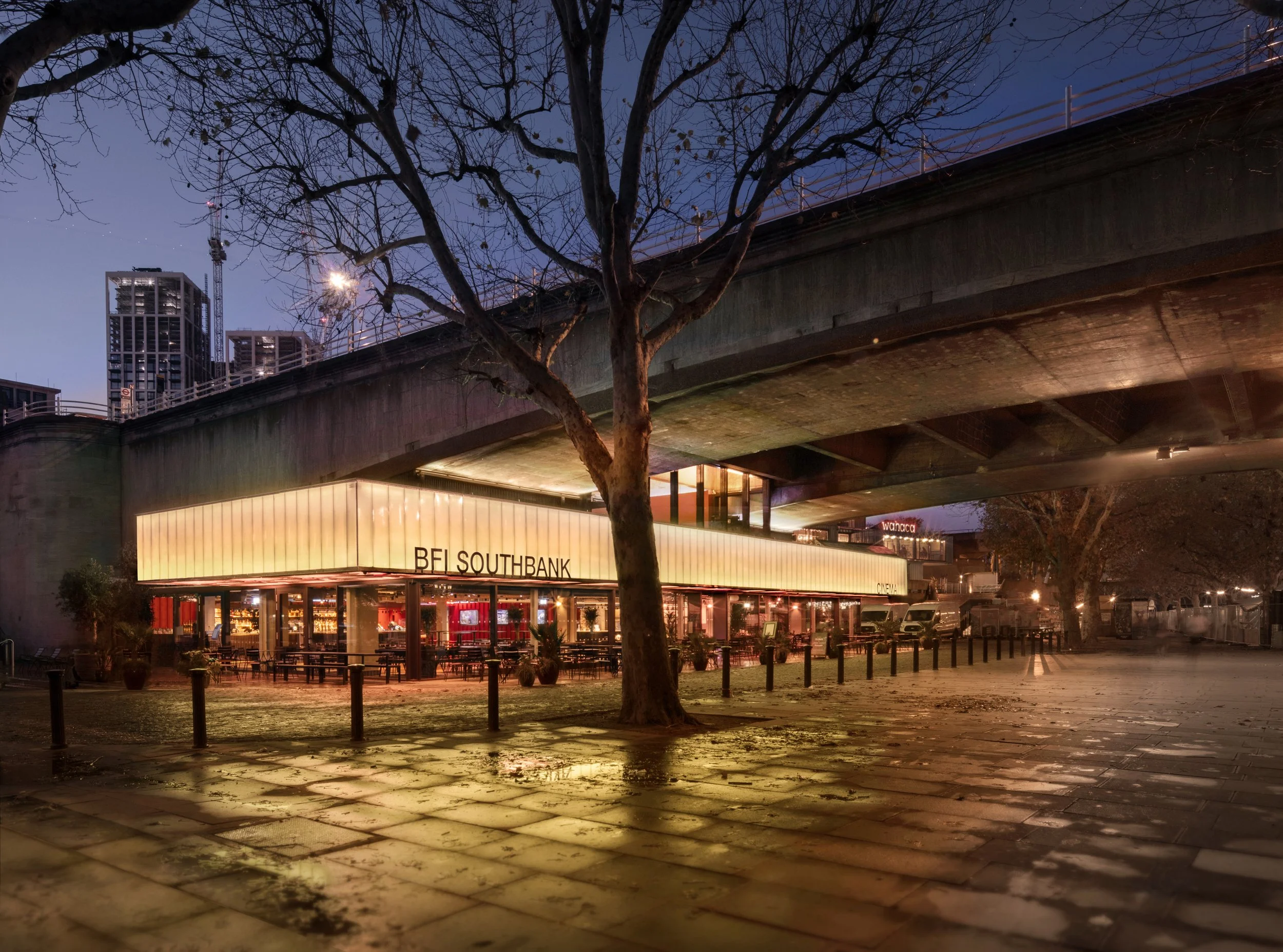
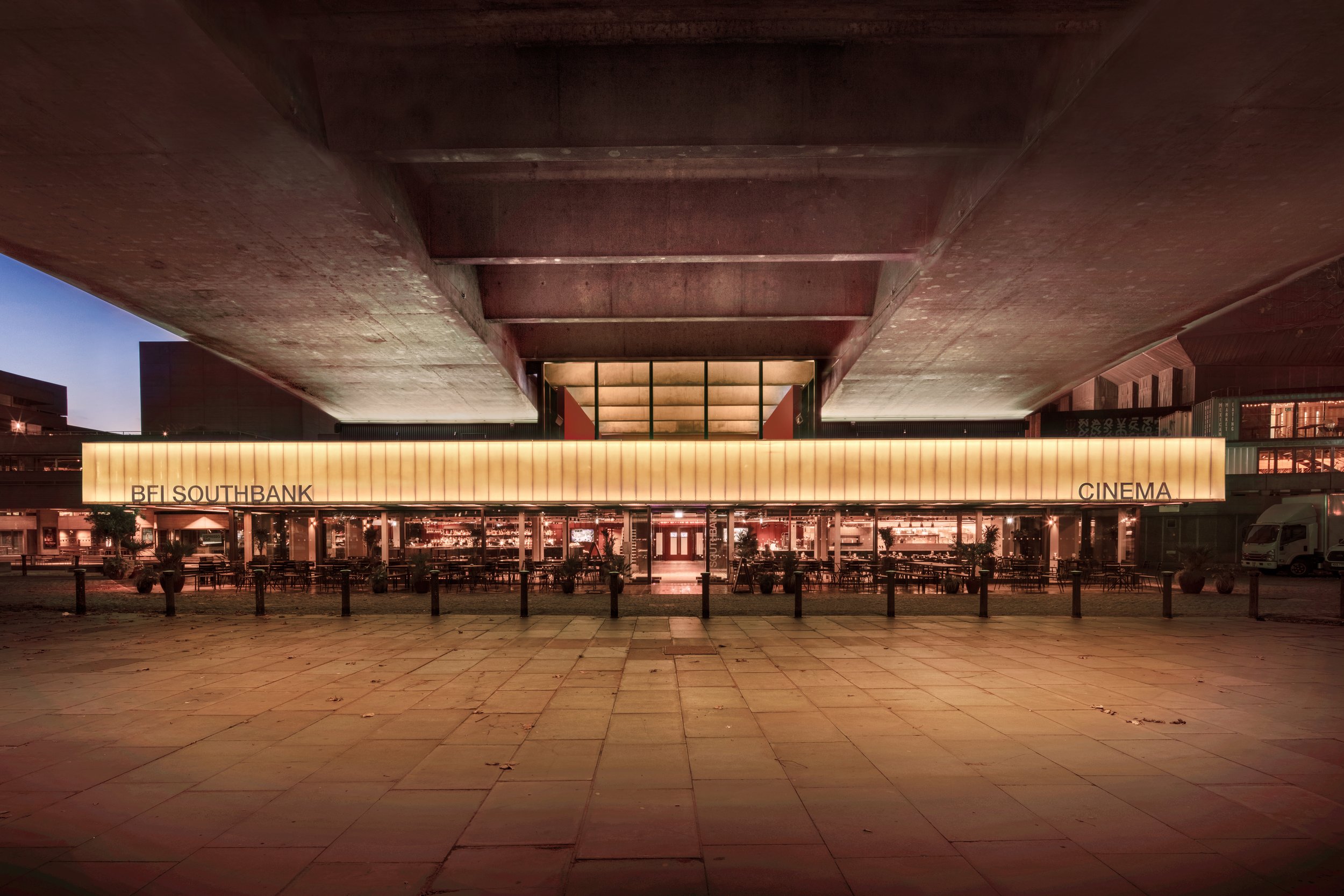
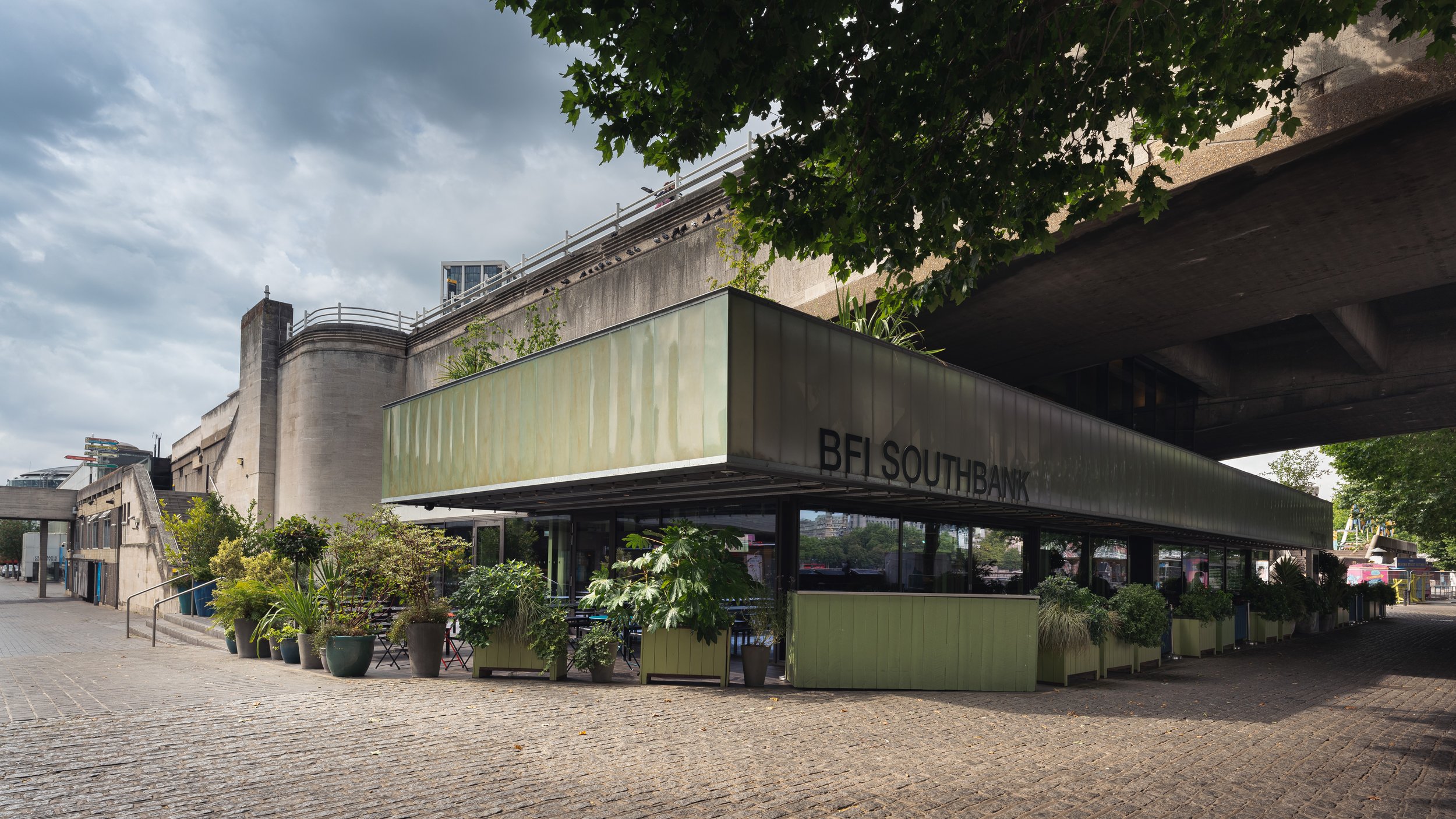



In 2026, the British Film Institute reminds us that the most powerful journeys do not always require distance. Sometimes, they unfold in the dark of a cinema, where light, sound and story converge to reveal who we are, where we have been and where we might be going.
Cinema, when curated with intelligence and care, remains one of the most refined expressions of cultural luxury. And the BFI continues to lead this conversation with authority, relevance and vision.