The historic Uzbek city will host the UNESCO Creative Cities Network Annual Conference in 2027, coinciding with the second Bukhara Biennial.
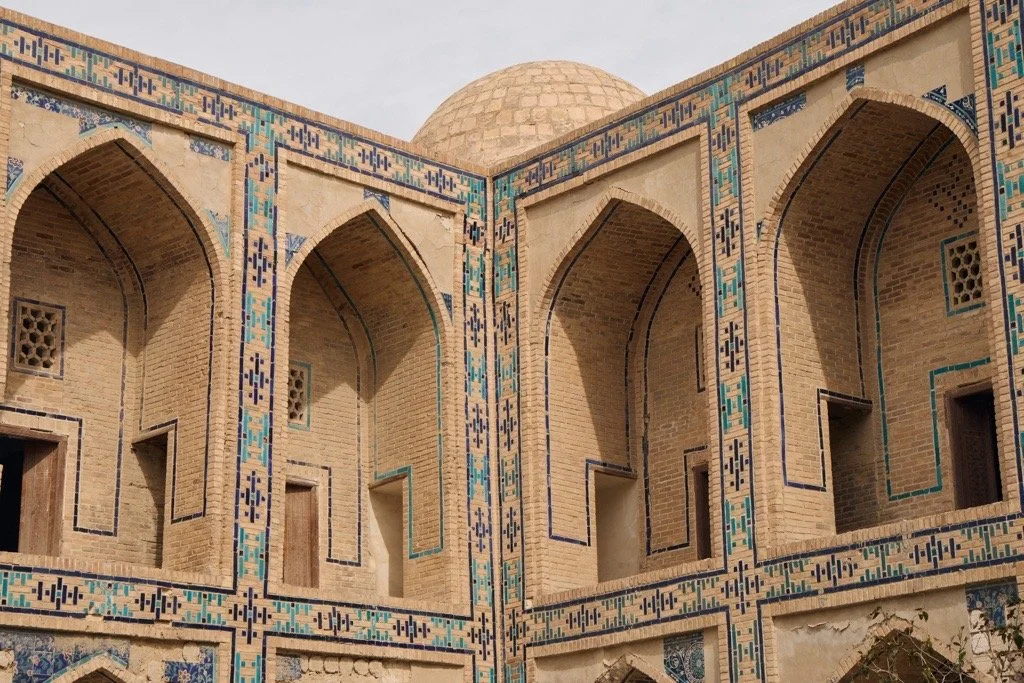
In Bukhara, heritage is part of the working day. It takes shape in gold embroidery, ceramics, jewellery and carved wood, through skills passed from one generation to the next. In 2027, this living culture will provide the setting for the 19th UNESCO Creative Cities Network Annual Conference.
UNESCO confirmed Bukhara’s selection on 30 October 2026. According to the Uzbekistan Art and Culture Development Foundation (ACDF), the conference will take place in October 2027, marking the first time the gathering has been held in Central Asia. Exact dates and programme details are yet to be announced.
The event will bring together city representatives, cultural practitioners and experts to explore how culture and creativity can support sustainable urban development. Bukhara offers a compelling setting for that conversation: a historic city where traditional craftsmanship remains closely connected to livelihoods and local identity.
From Samarkand to Bukhara
Around this time in 2025, I had the pleasure of visiting Samarkand on the occasion of UNESCO’s 43rd General Conference. Held from 30 October to 13 November, it was the first session of the General Conference to take place outside Paris in more than forty years.
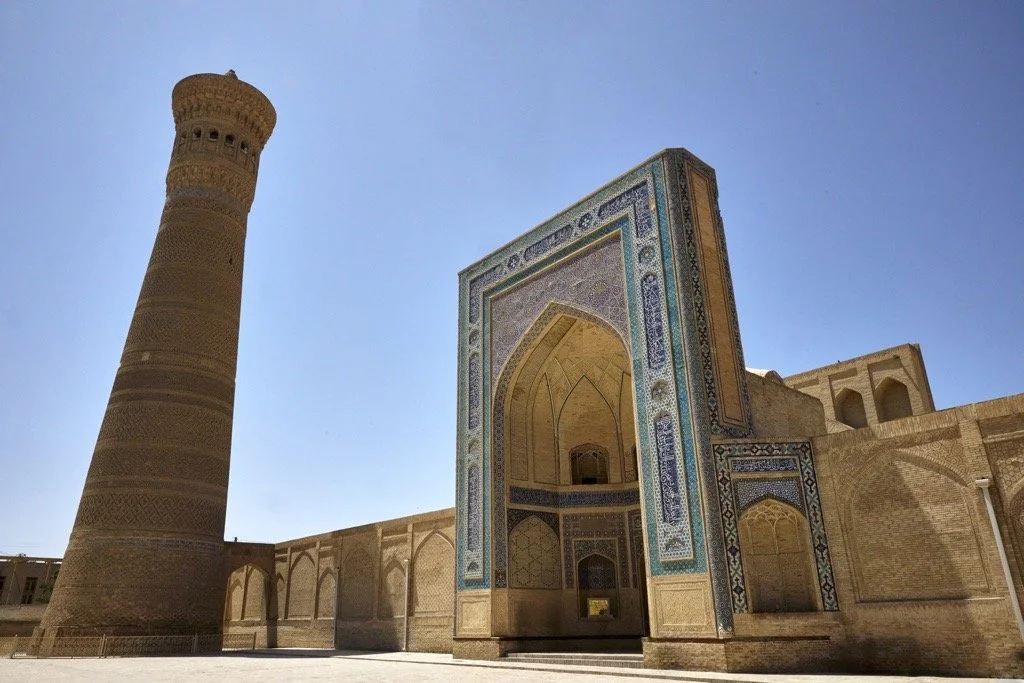
The visit introduced me to a country that has stayed with me ever since. Uzbekistan’s extraordinary architecture and cultural richness made it one of the most memorable destinations I have encountered. Sharing that occasion with people from different countries added another dimension to the experience, deepening my interest in returning.
Bukhara’s selection gives that return a new focus. I hope to be back in Uzbekistan in 2027 to follow the conference and discover more of the country.
The forthcoming gathering is distinct from the event held in Samarkand. In 2025, Uzbekistan hosted UNESCO’s General Conference; in 2027, Bukhara will welcome the annual meeting of its Creative Cities Network, which promotes cooperation between cities that place creativity at the heart of their development strategies.
A Heritage Still in the Making
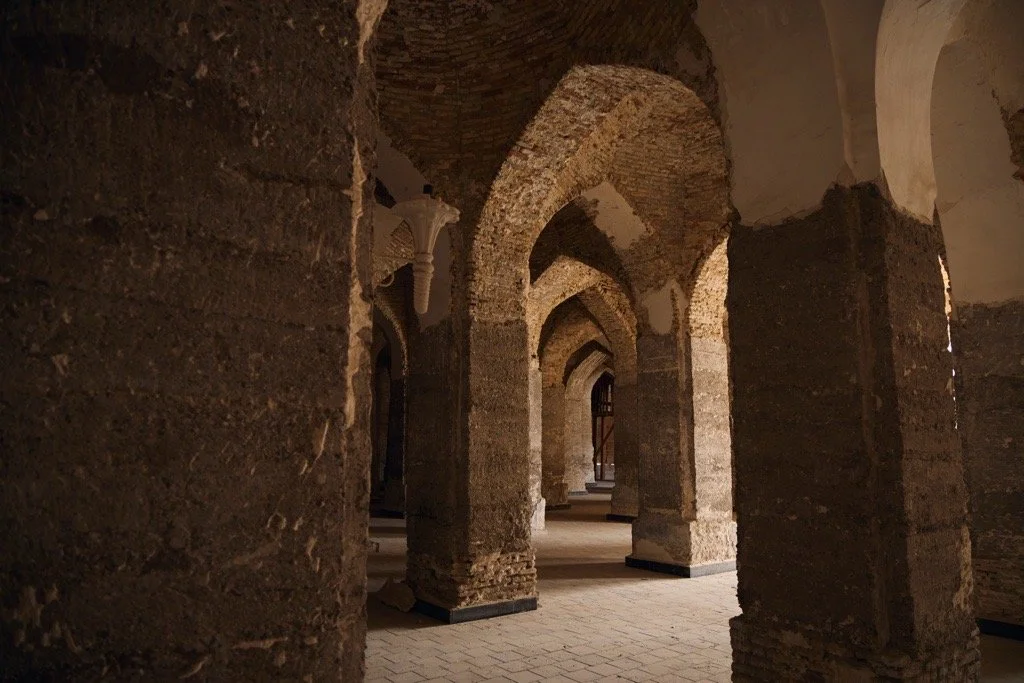
Situated on the ancient Silk Road, Bukhara has a historic centre inscribed on UNESCO’s World Heritage List since 1993. Its significance lies both in its individual monuments and in the wider urban fabric, recognised as an outstanding example of a medieval Central Asian city.
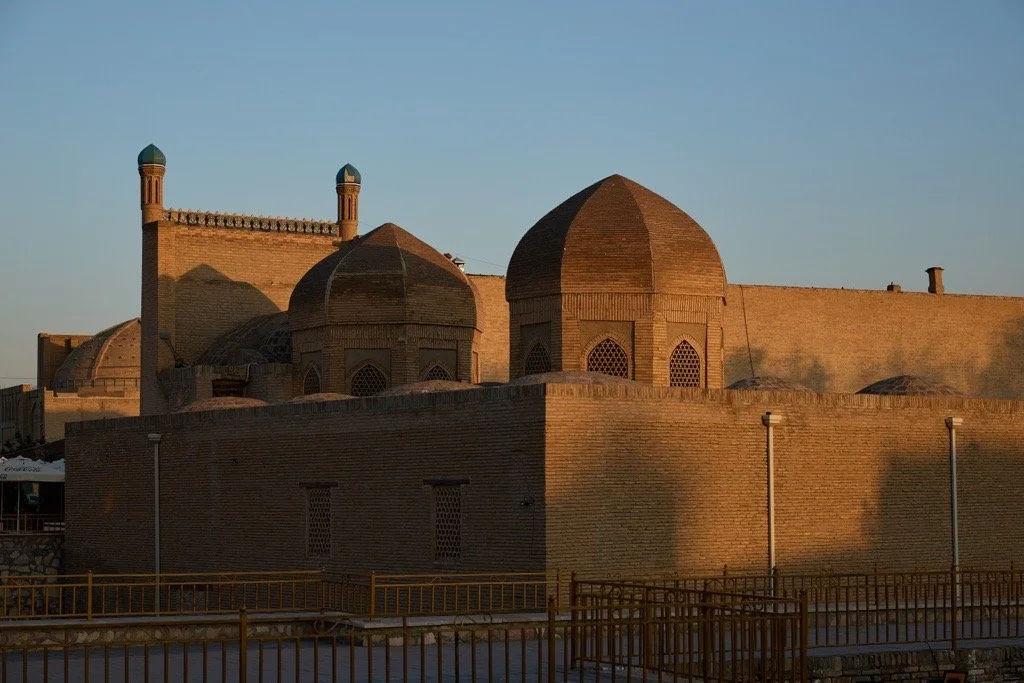
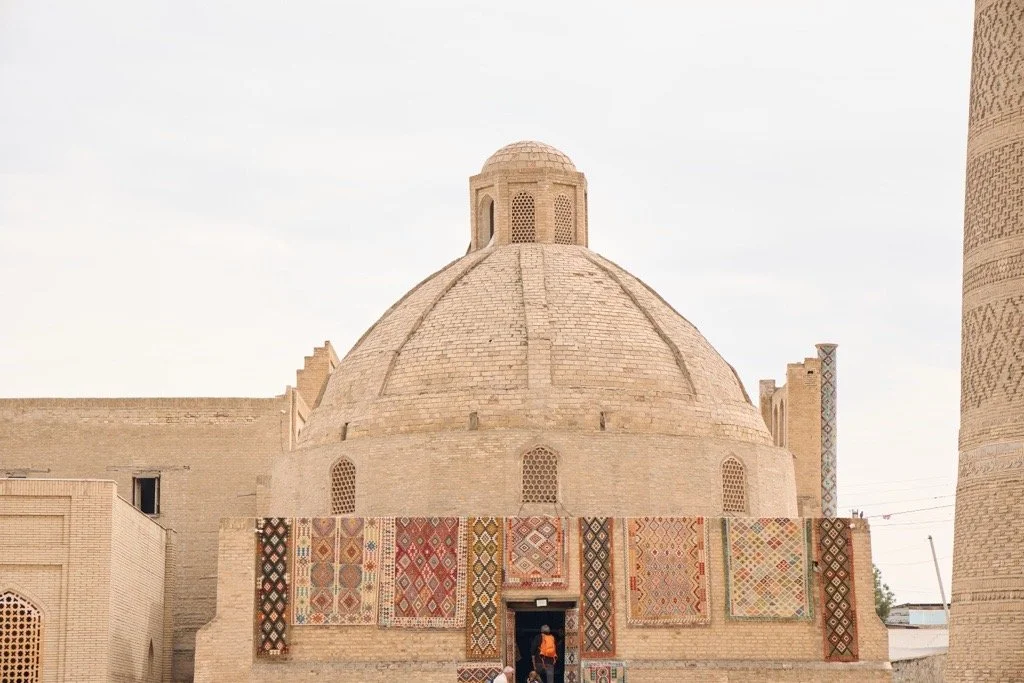
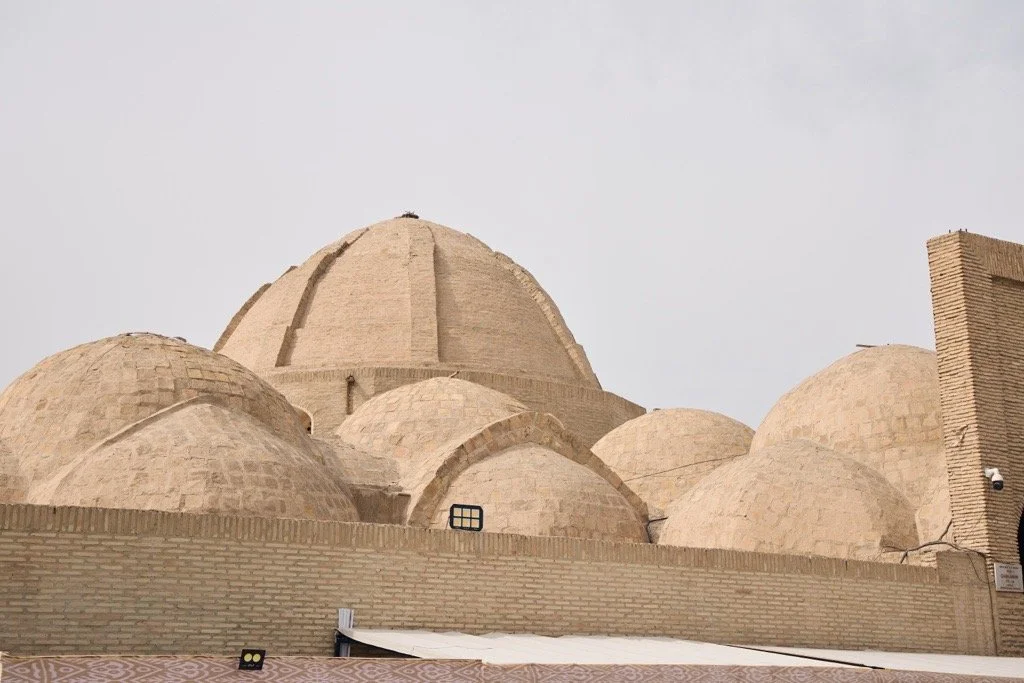
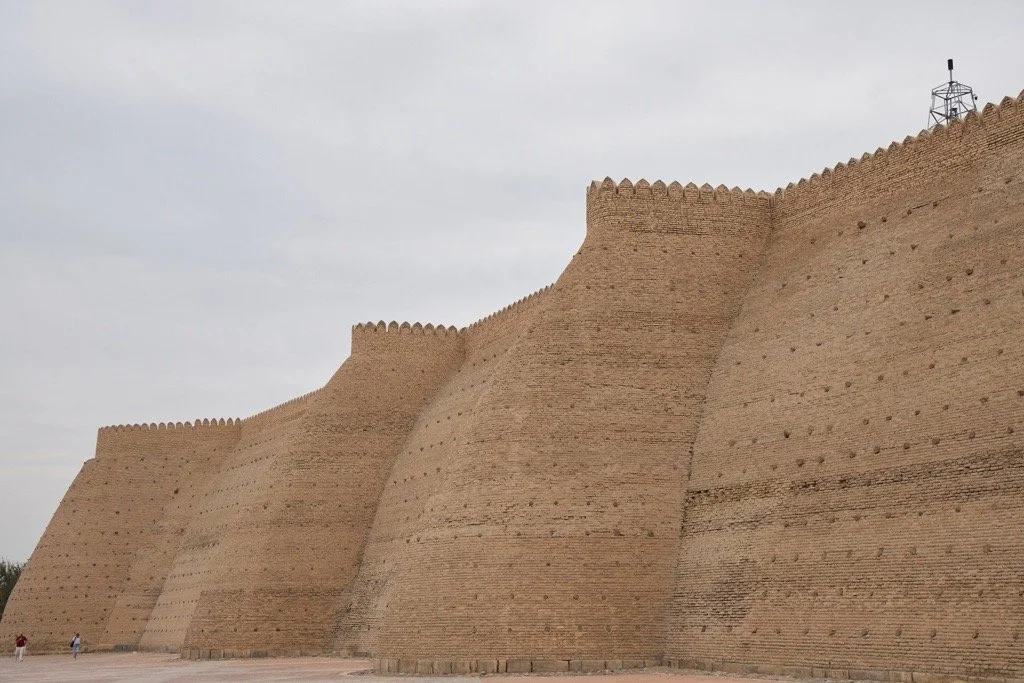
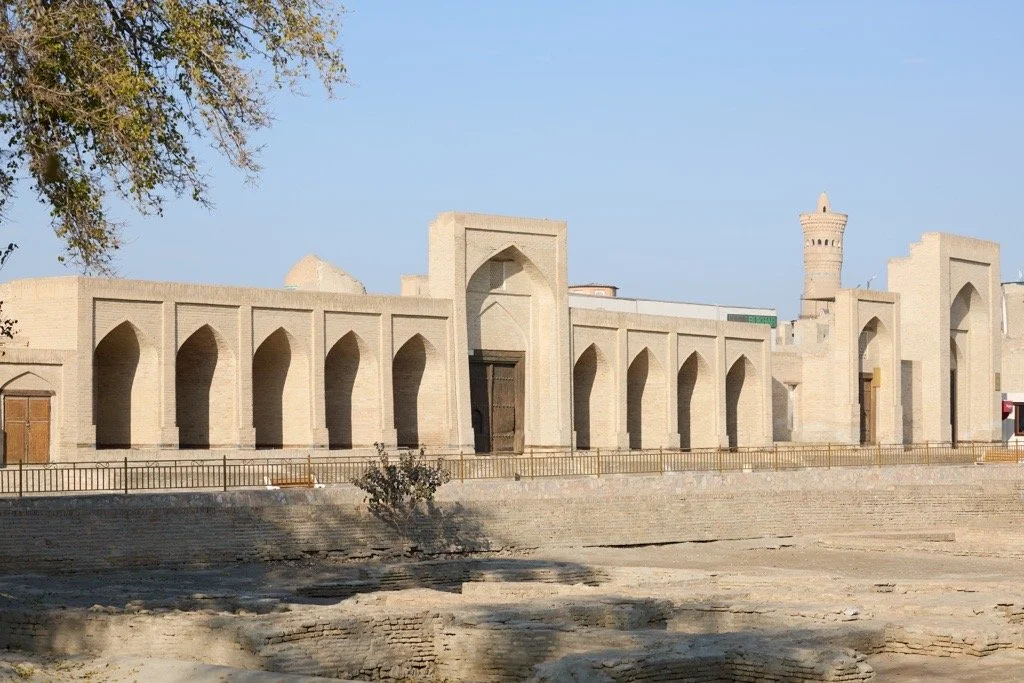
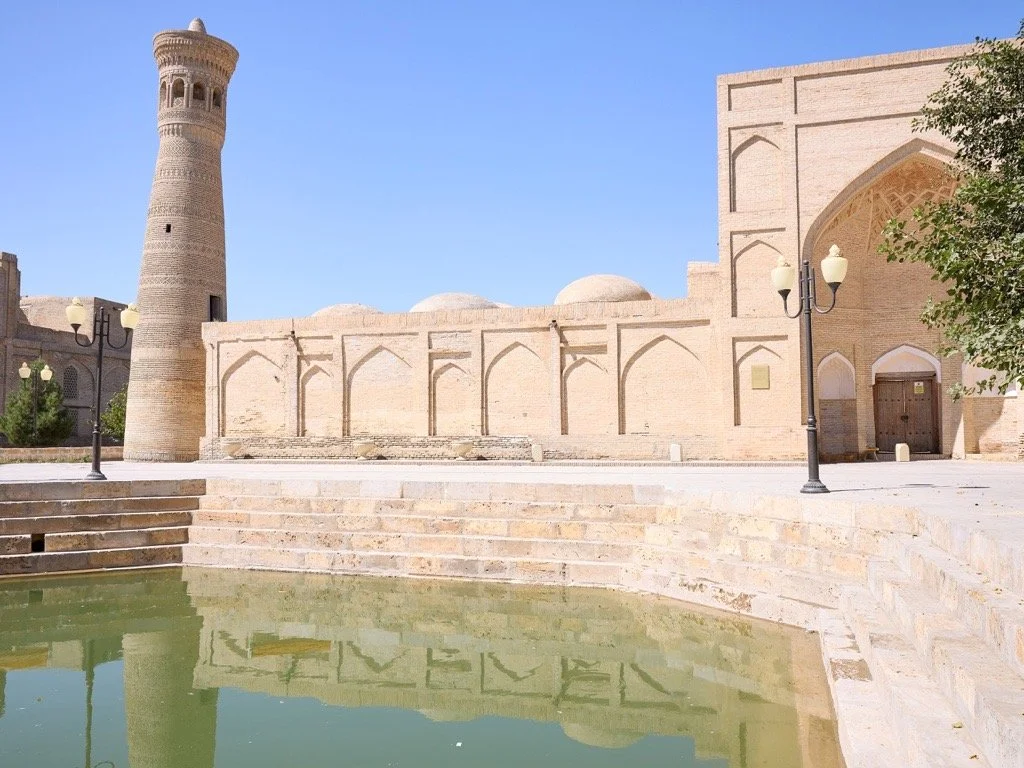
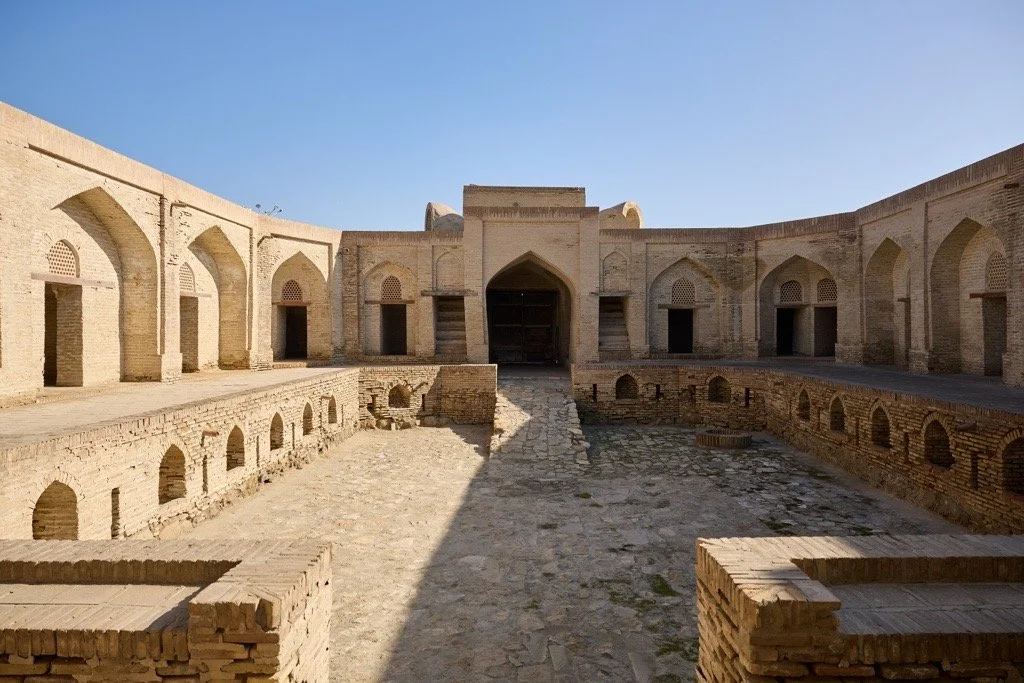
Bukhara joined the UNESCO Creative Cities Network in the Crafts and Folk Art category in 2023. That designation draws attention to the knowledge and communities behind its cultural traditions, alongside its architectural inheritance.
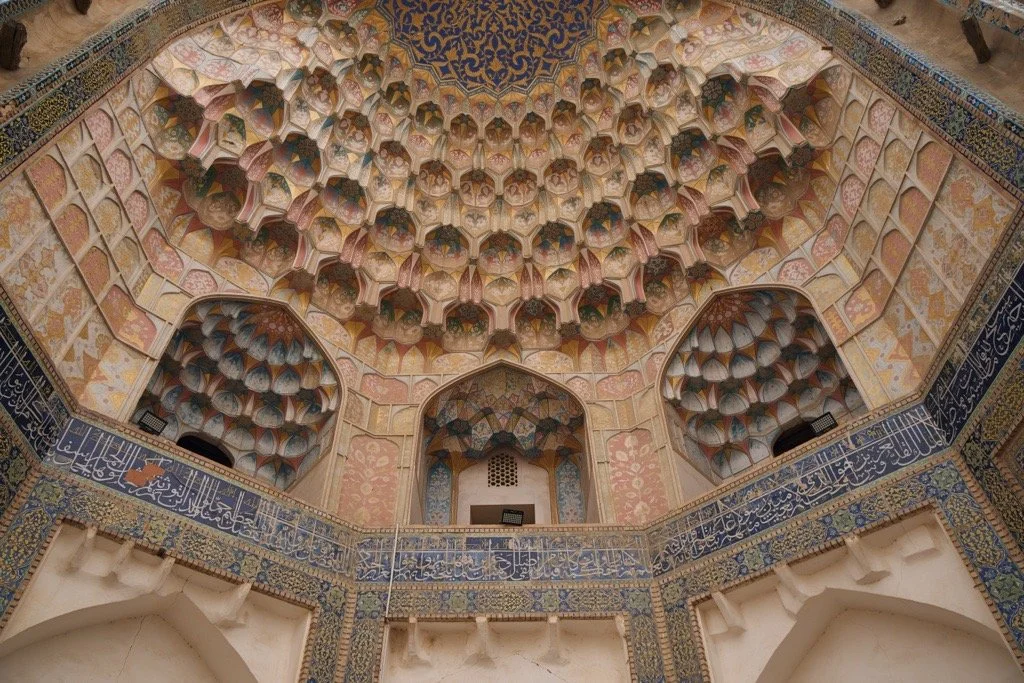
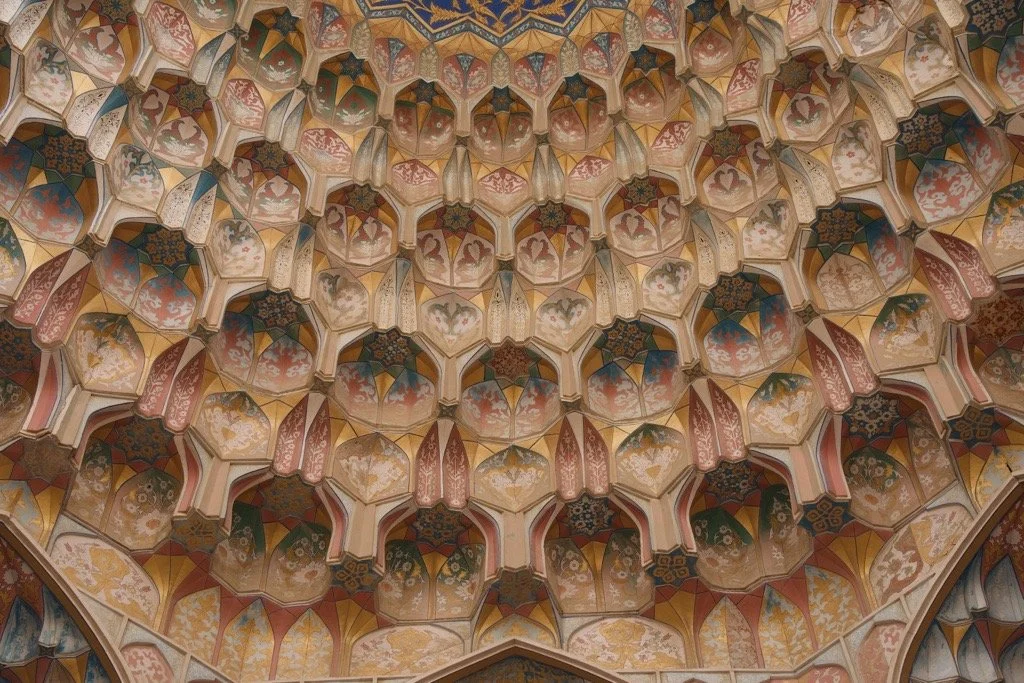
Across the city’s workshops and shops, gold embroiderers, ceramicists, jewellers and woodworkers continue to make and sell their work, according to the ACDF. Preserving these practices requires opportunities for artisans to earn a living, pass on their expertise and reach new audiences. These are practical questions for a conference concerned with the relationship between culture and urban development.
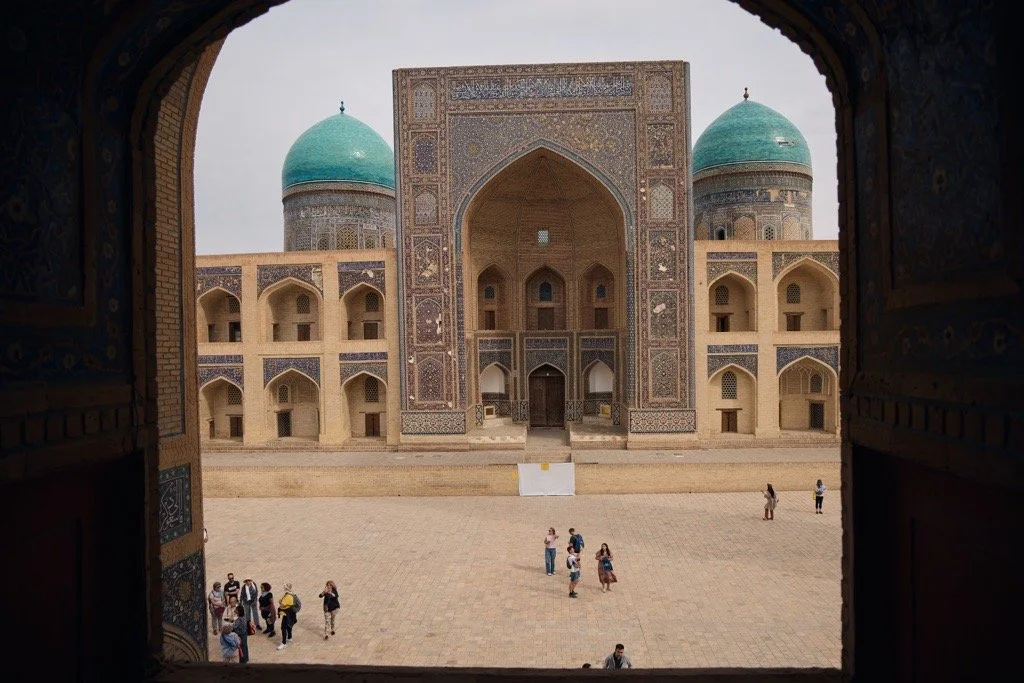
Where Contemporary Art Meets Local Craft
The conference will coincide with the second Bukhara Biennial, running from 3 September to 21 November 2027 under artistic director Kulapat Yantrasast. The biennial will continue its exploration of the relationship between contemporary art, local craftsmanship and the city’s historic spaces.
According to the ACDF, the inaugural edition presented more than 70 contemporary art projects in historic locations, bringing international artists and curators into collaboration with local artisans. All installations for the 2027 edition will be produced in Uzbekistan.
For conference participants, the timing will offer an opportunity to encounter these collaborations first hand. Gayane Umerova, Chairperson of both Uzbekistan’s National Commission for UNESCO and the ACDF, has highlighted the biennial as a chance for delegates to engage directly with Bukhara’s creative life.
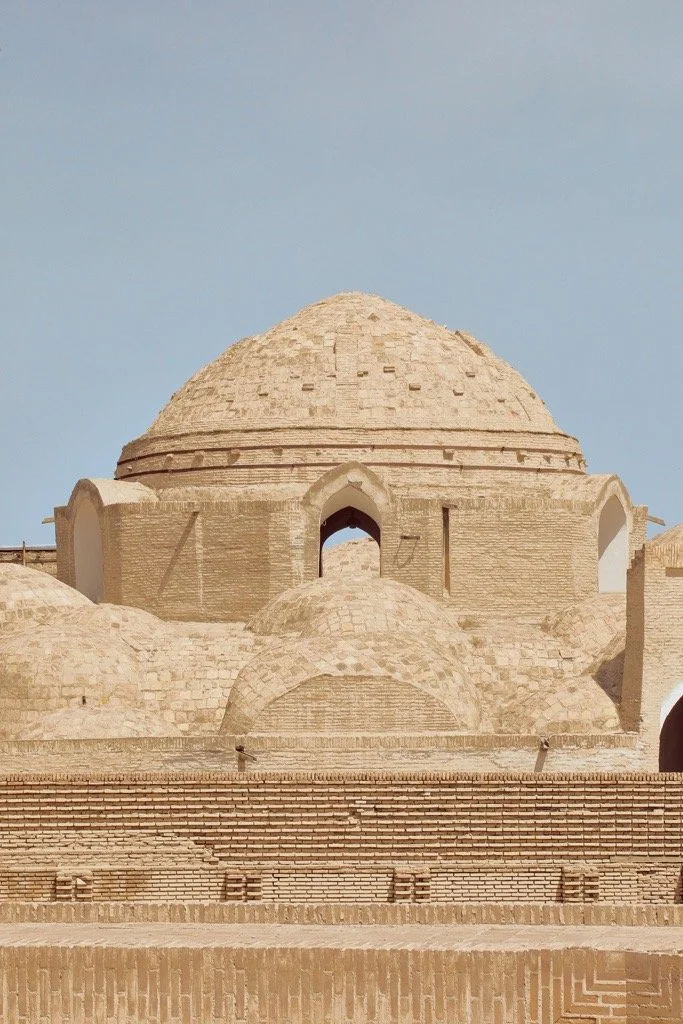
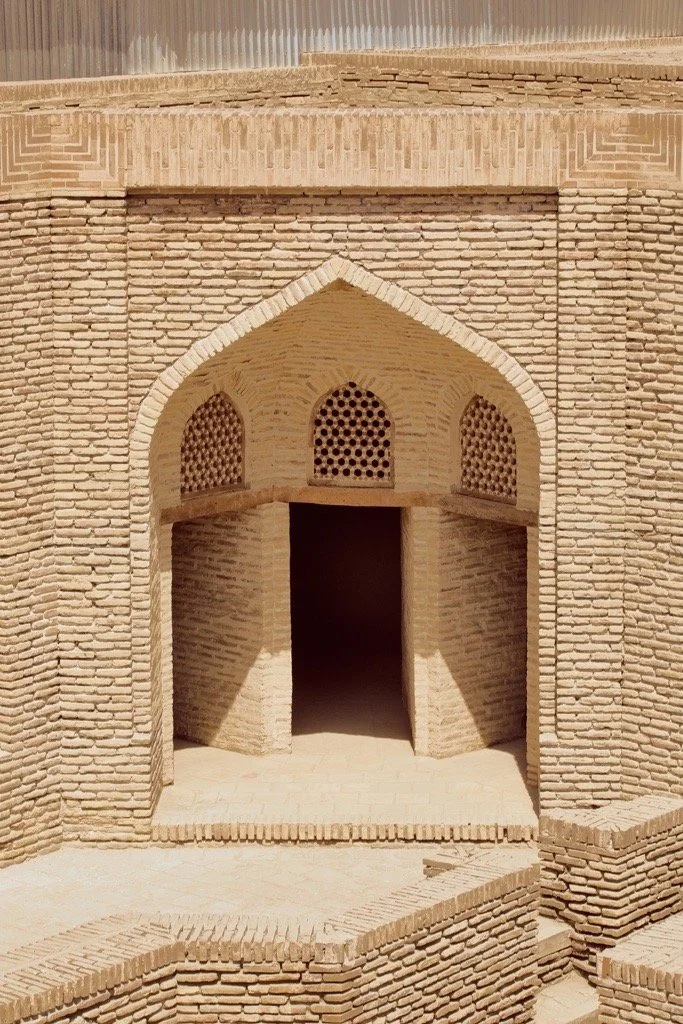
Between workshops and exhibition spaces, Bukhara will bring a tangible dimension to the discussions: the future of a city’s heritage depends, in part, on the opportunities available to those who continue to shape it.