Copa Ball 2026
When Brazil Owns Its Moment
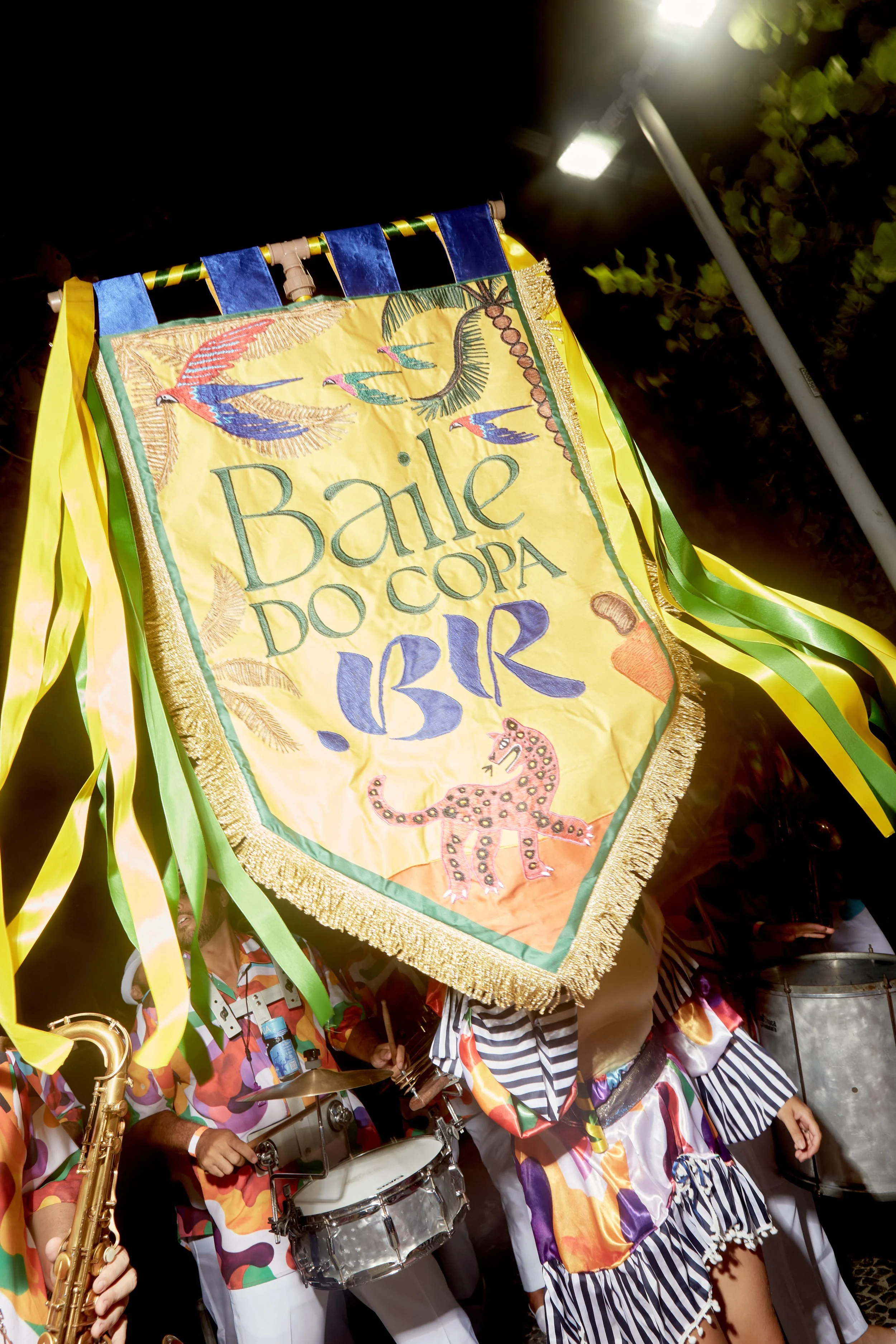
The Copa Ball begins long before one steps into the grand salons of Copacabana Palace. The magic does not wait for the ballroom. It announces itself at the entrance.
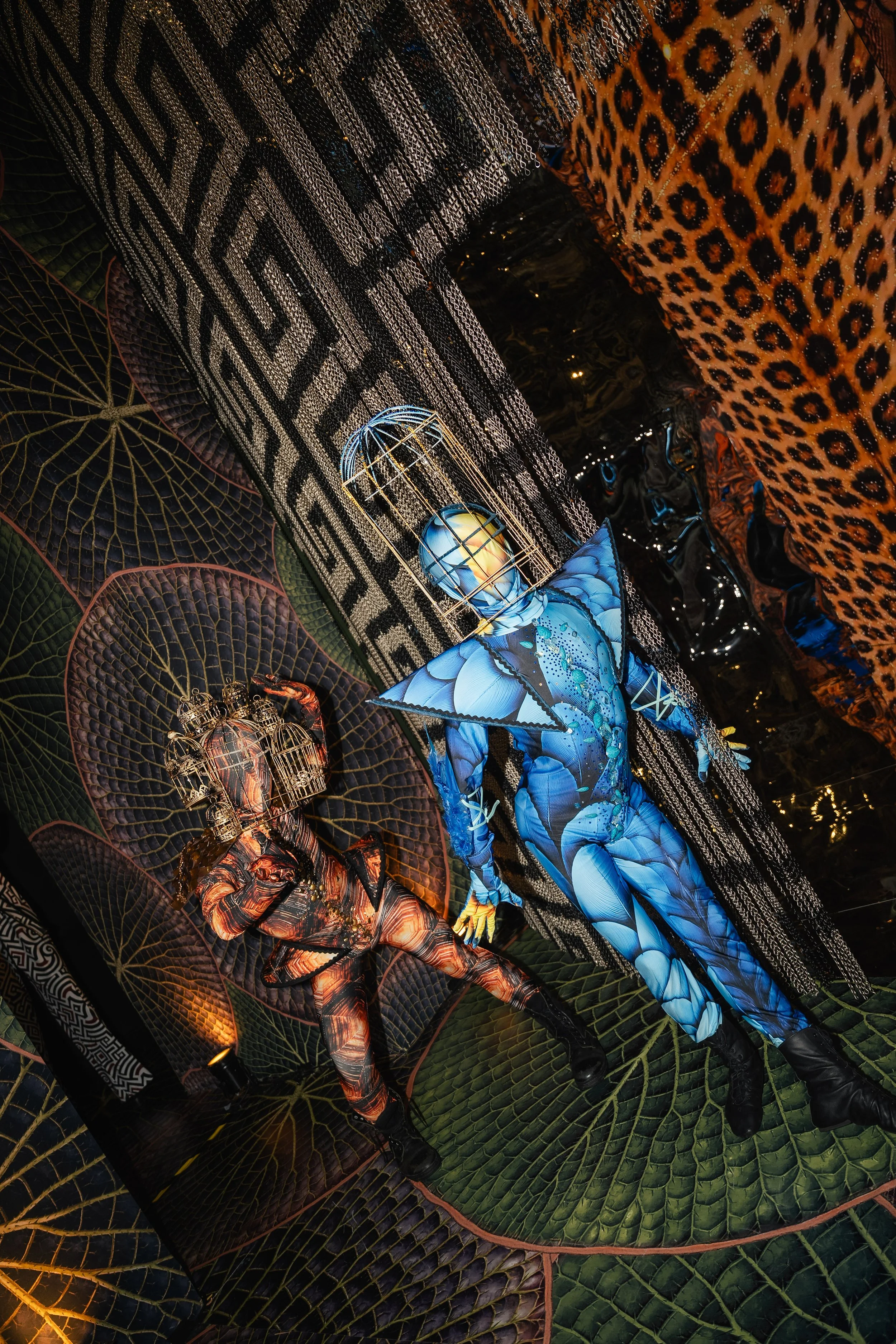
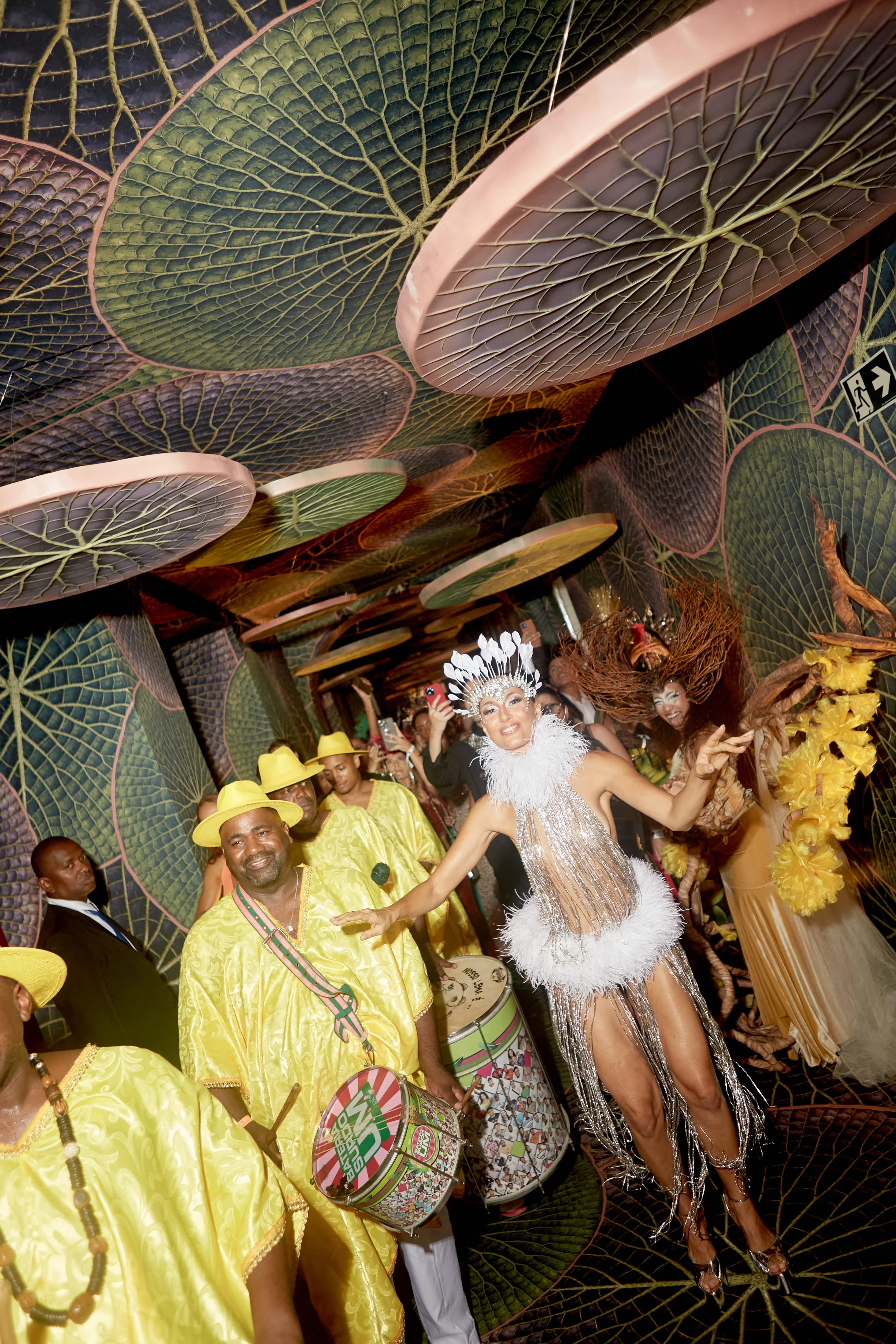
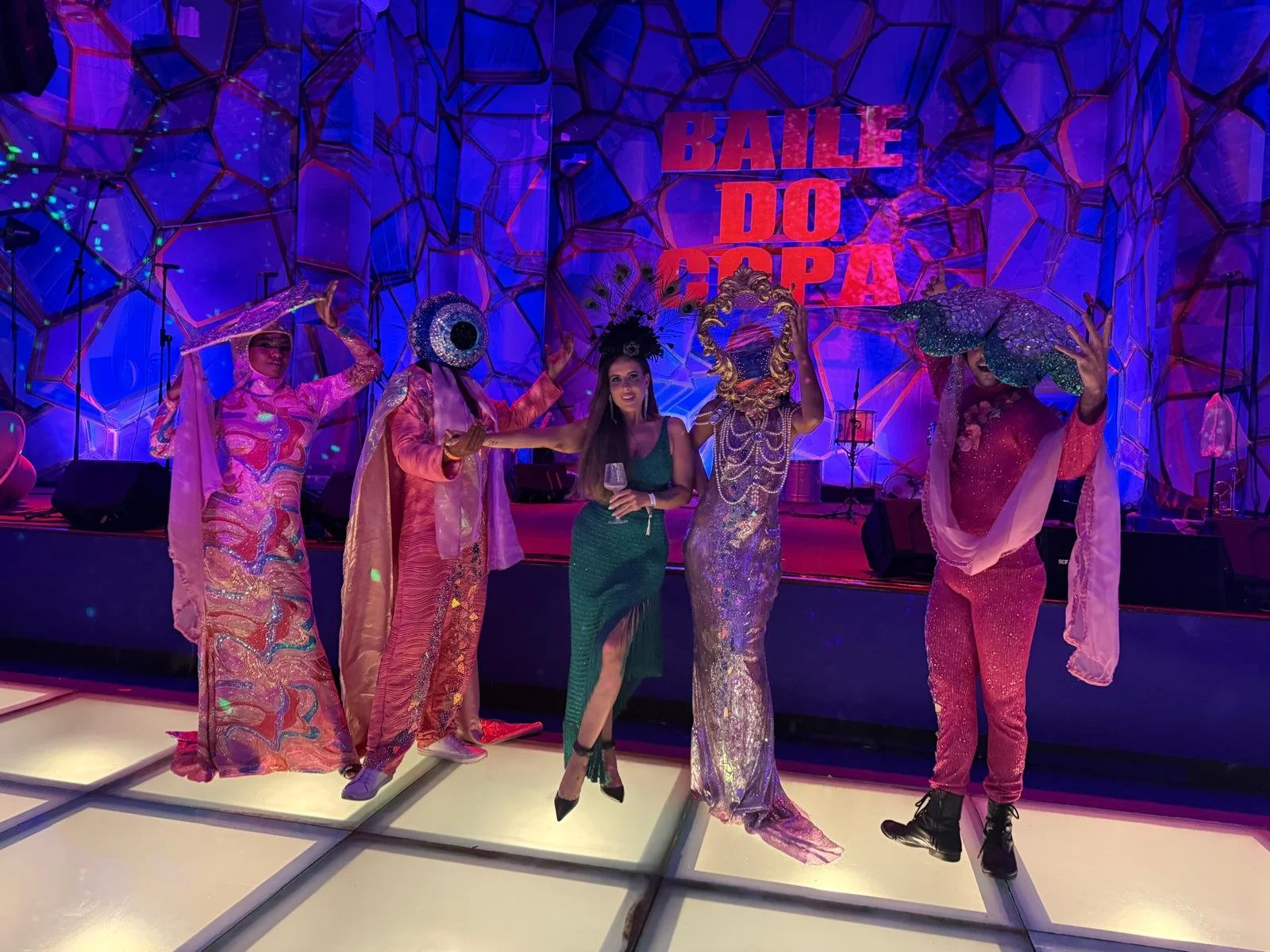
Under the warm Rio sky, performative characters welcomed guests as part of a carefully constructed narrative. A monumental panel introduced the theme .Br with clarity and contemporary strength. In the background, a brass band reinterpreted carnival marches and Brazilian classics, echoes of Alceu, Caetano and Lenine floating through the air like living memory. It was not simply music. It was context.
Crossing the hotel threshold felt like entering an expanded version of Brazil.
Courtesy @euandrequeiroz
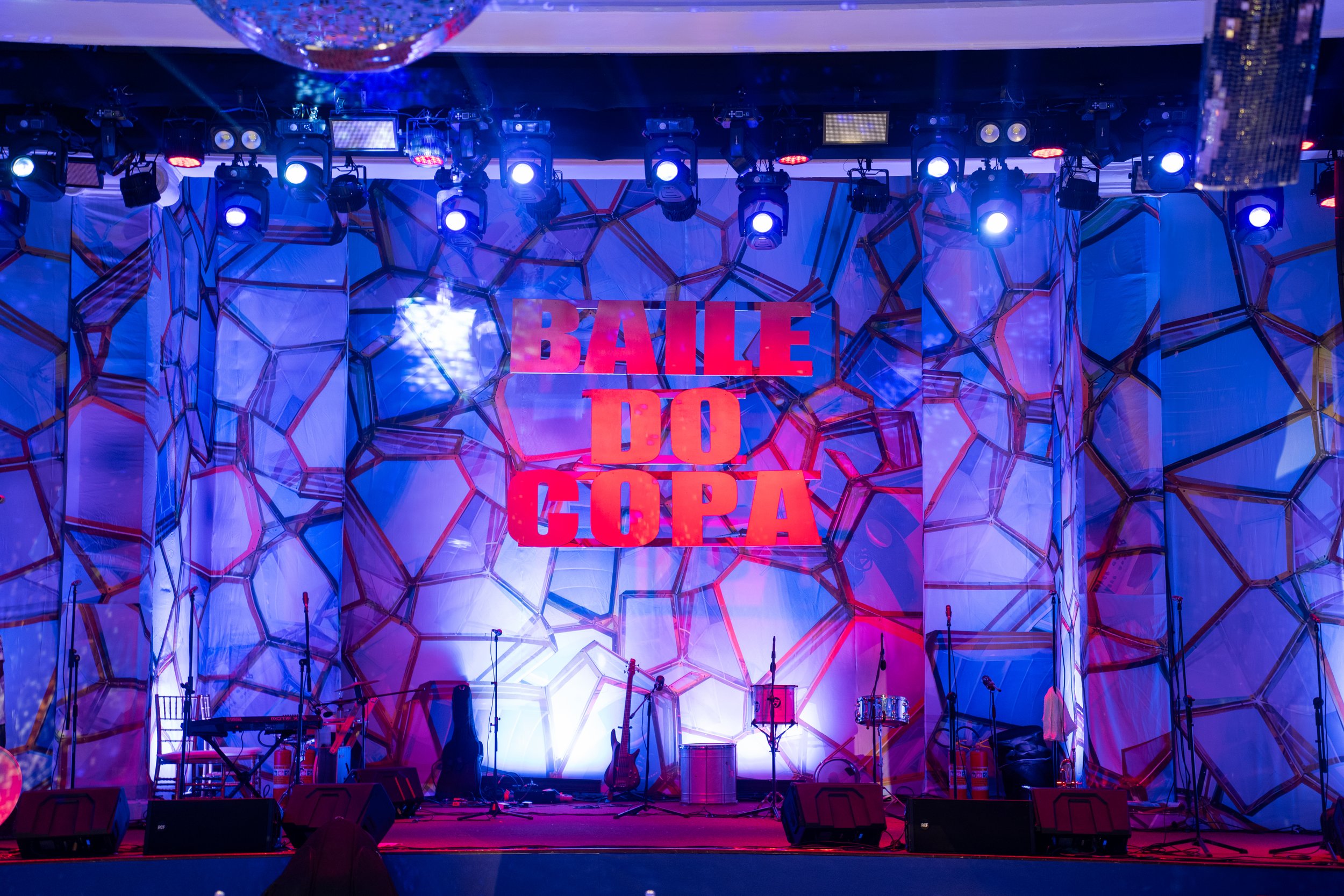
Under the creative direction of Gustavo Barchilon, who signs the Ball for the fourth consecutive year, the proposal was clear. To dive into every layer that shapes Brazilian identity. Not as caricature, but as cultural force. The scenography by Daniel Cruz transformed the salons of Brazil’s most emblematic hotel into a true sensory museum of Brazilianness.
Each room told a different story.
One mirrored salon, covered in prints of endangered animals, addressed the environmental crisis with striking visual impact. The reflections multiplied the imagery, placing guests inside the conversation itself. It was beautiful, yet quietly provocative.
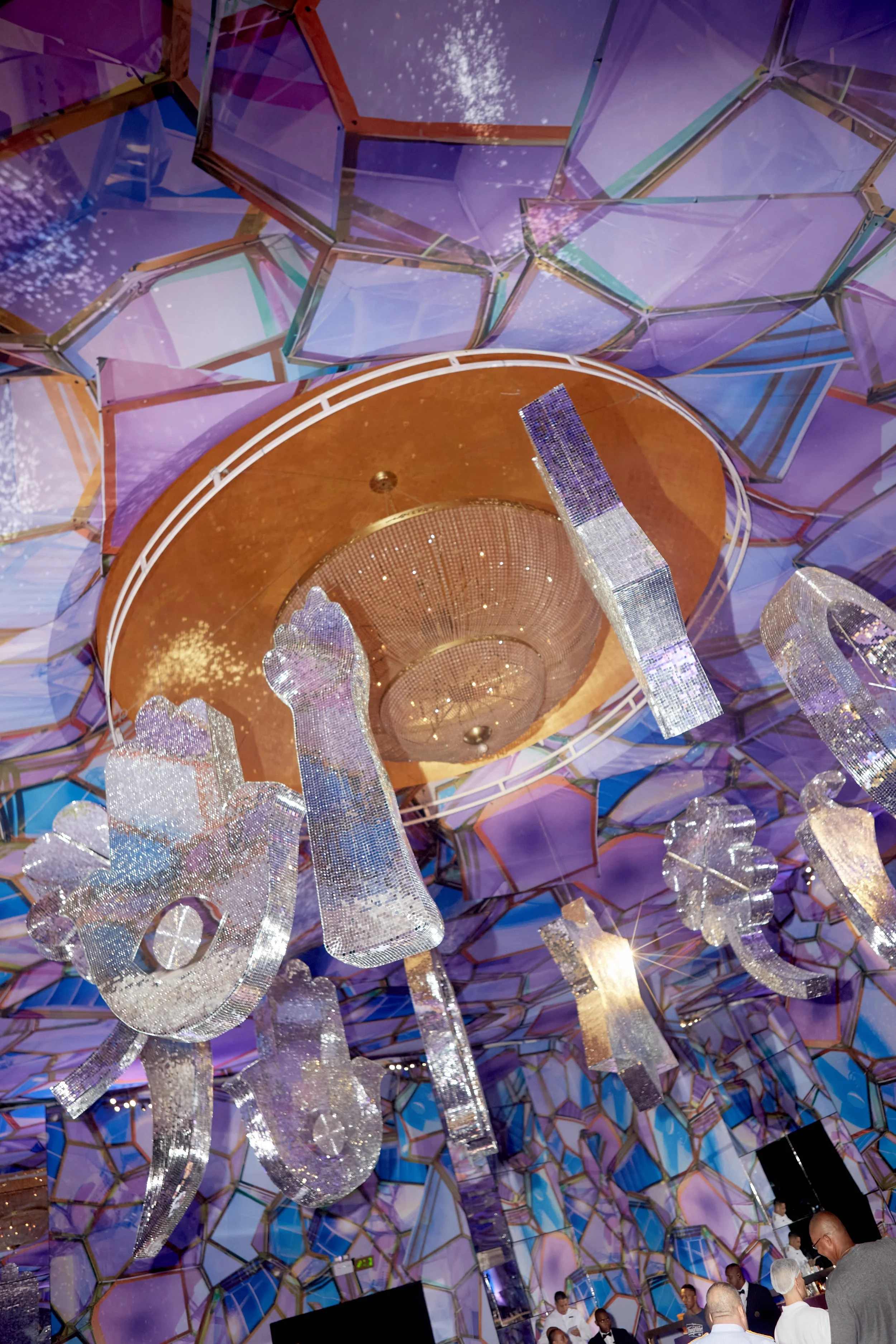
Another space paid tribute to the 130th anniversary of Teatro Amazonas, evoking the historic sophistication of Brazilian culture. In the Golden Room, Brazilian faith took center stage through protective amulets, spiritual symbols and an atmosphere that acknowledged the invisible dimensions that shape the country.
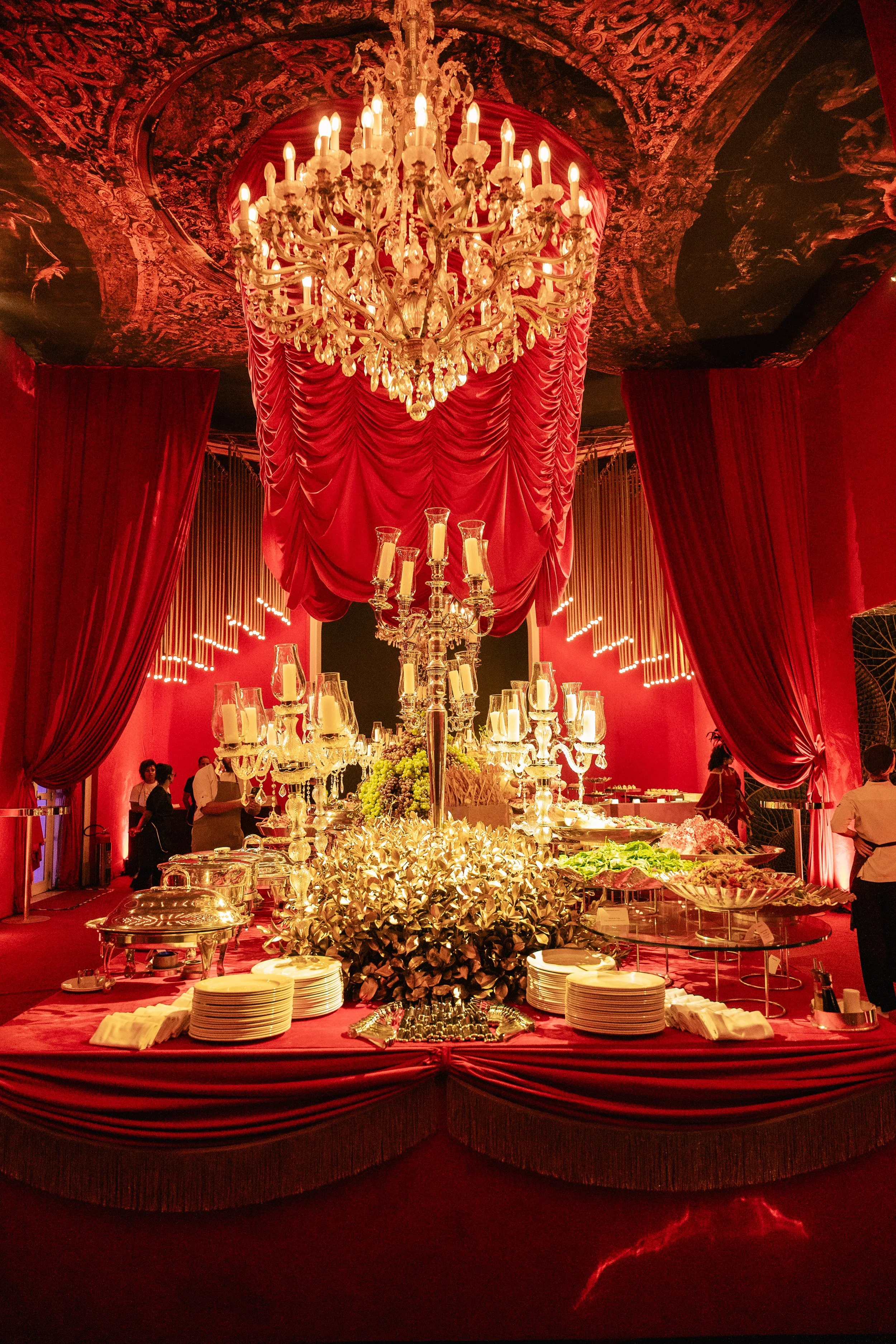
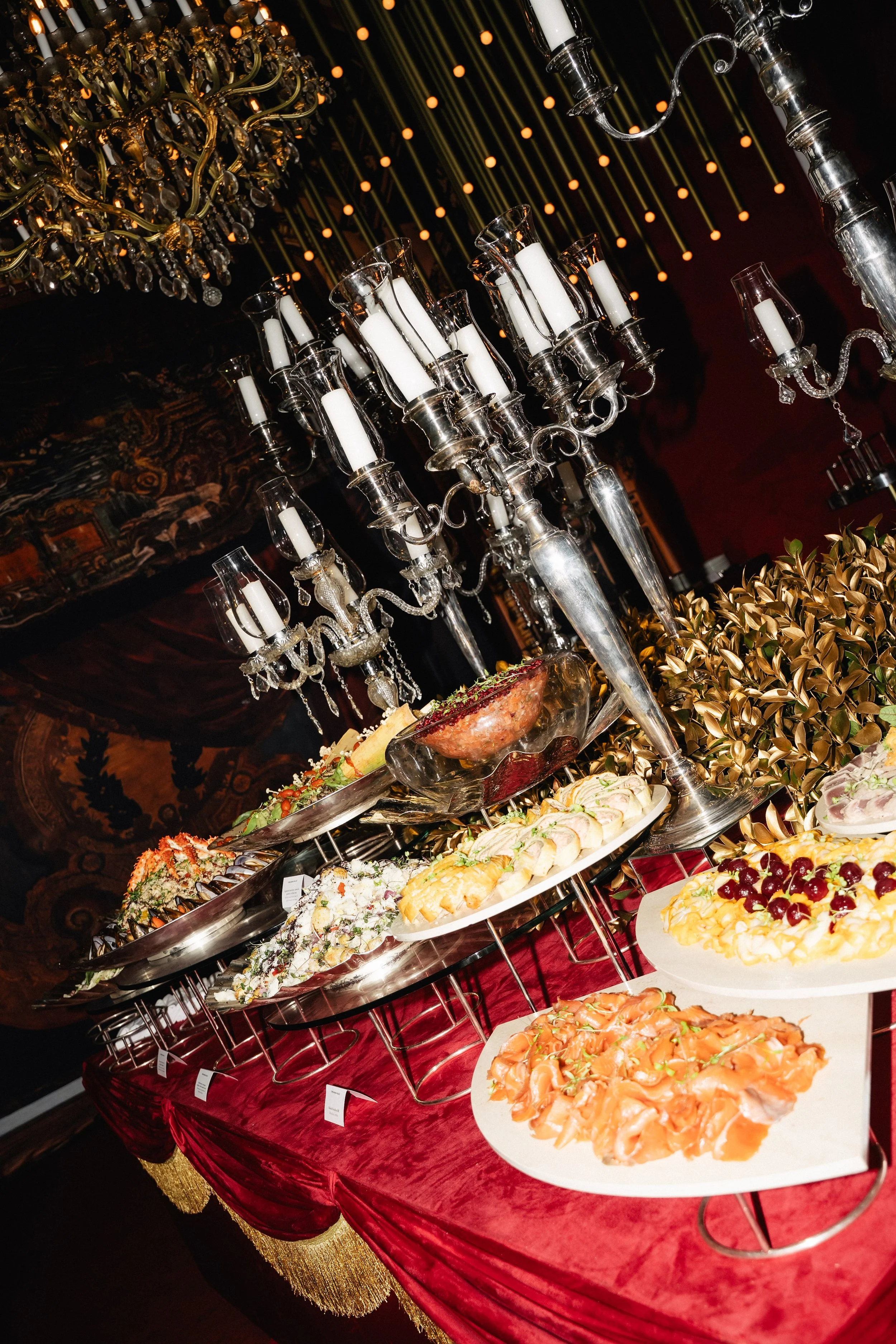
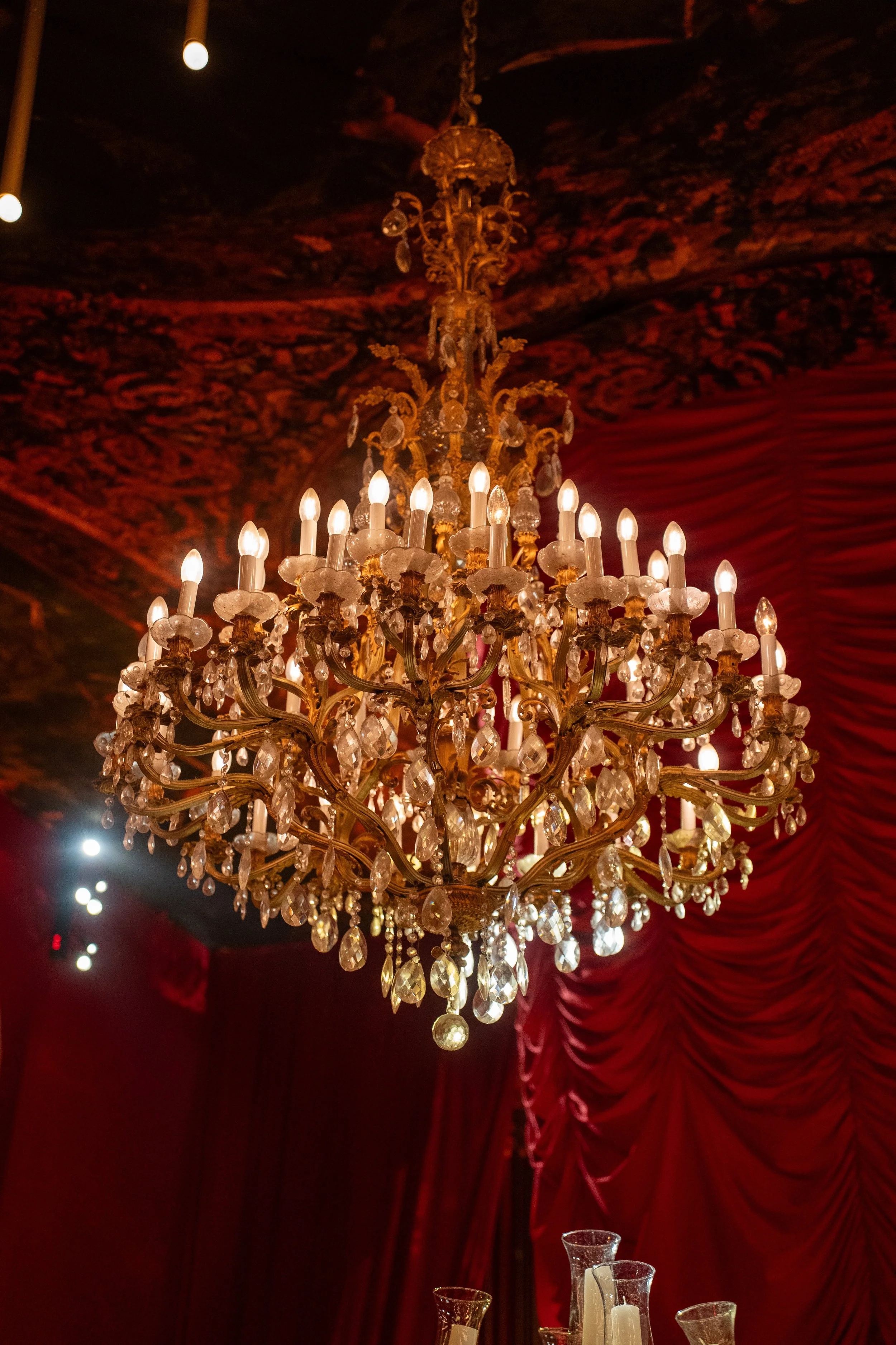
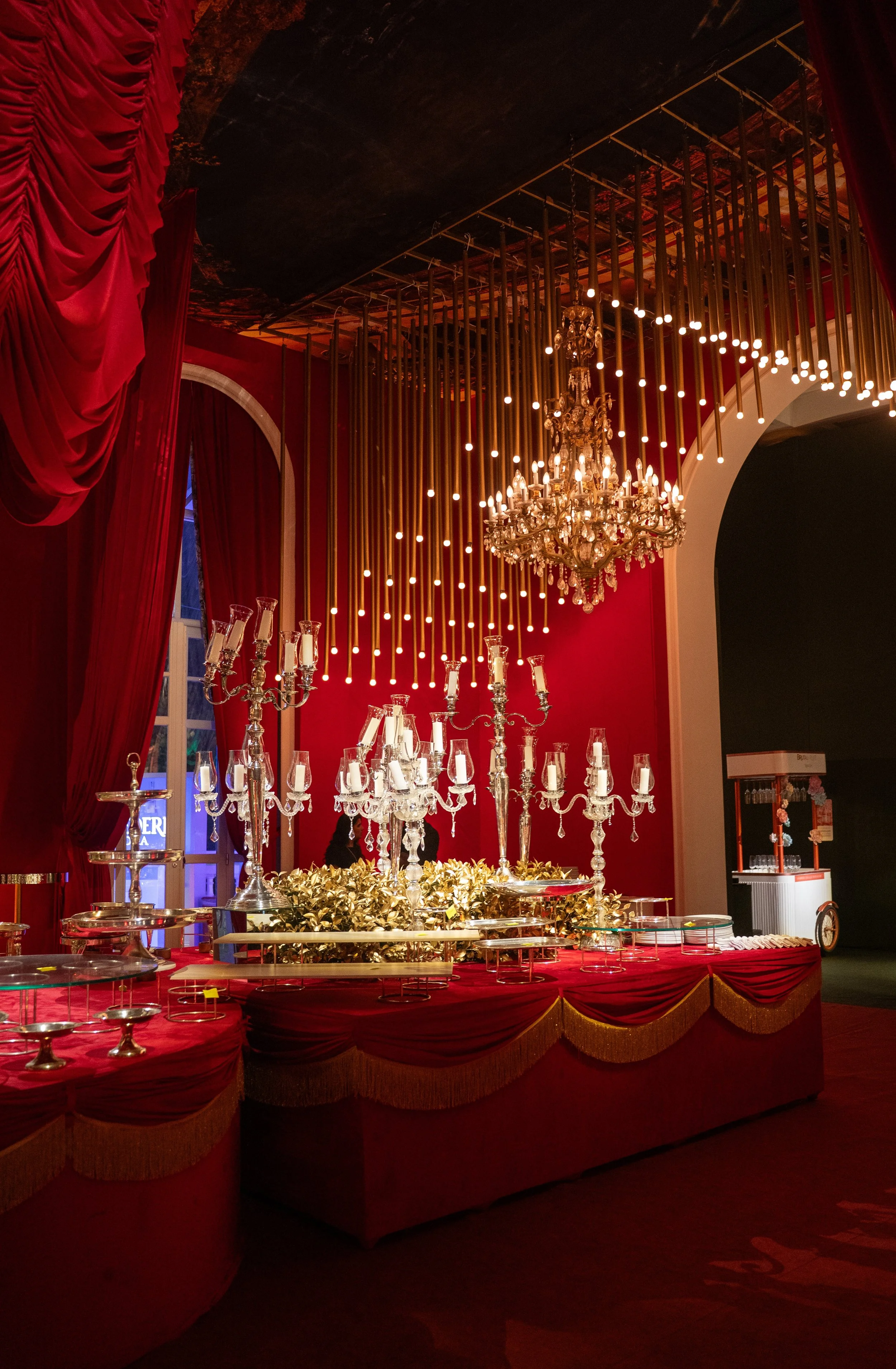
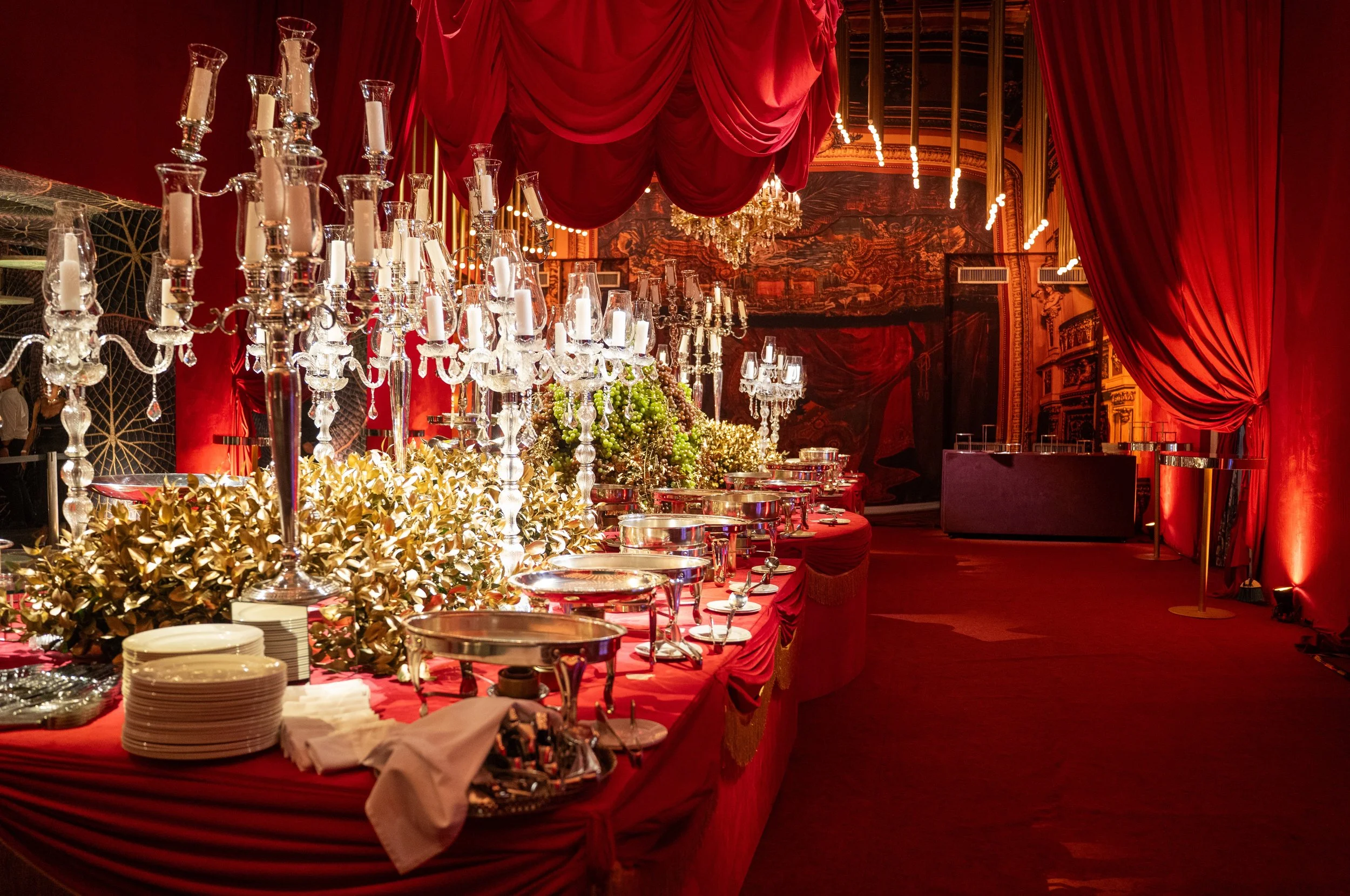
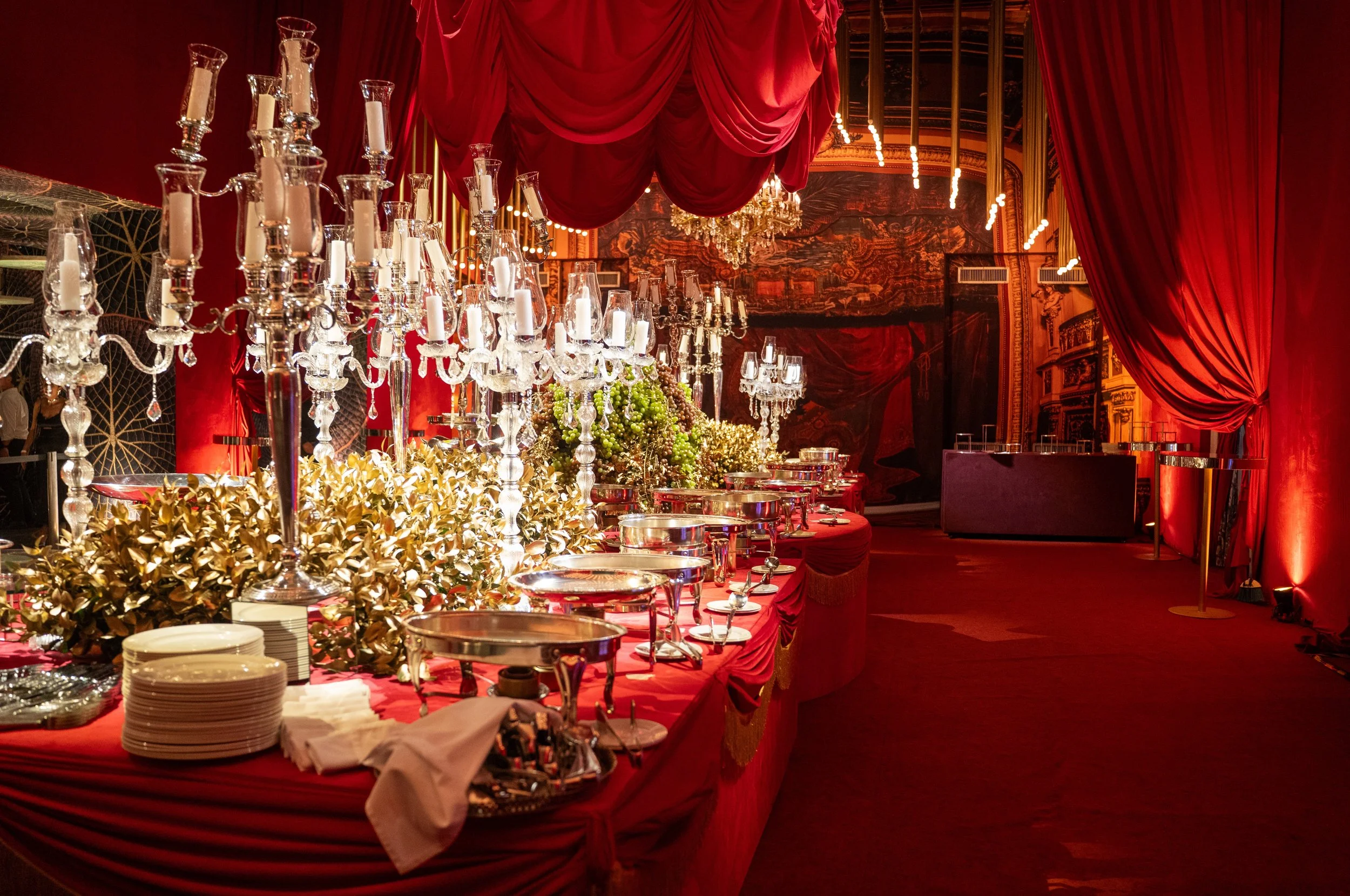
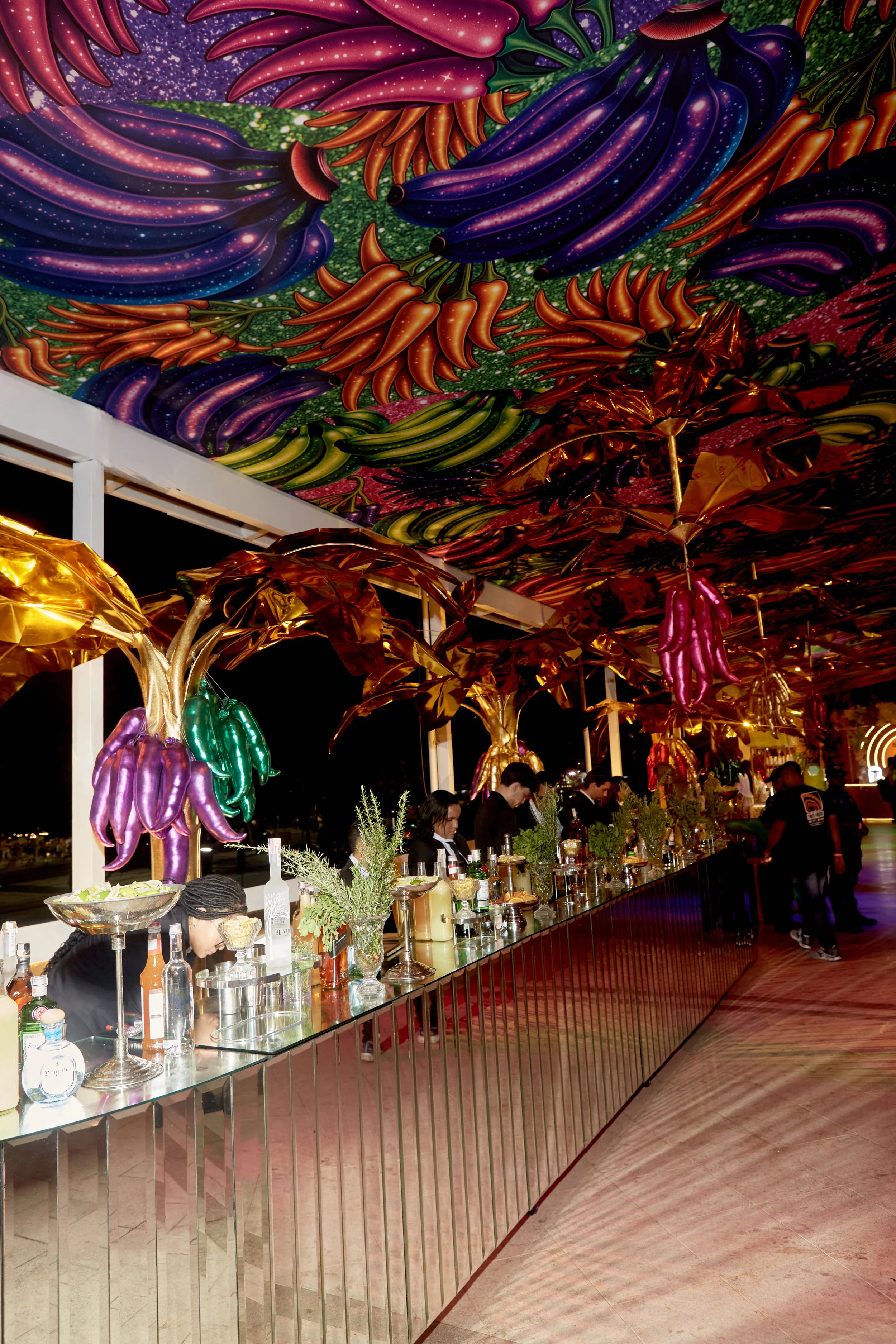
The veranda became a journey through Brazilian flavors, in dialogue with the banquet curated by Nello Cassese, where technique and identity moved seamlessly together.
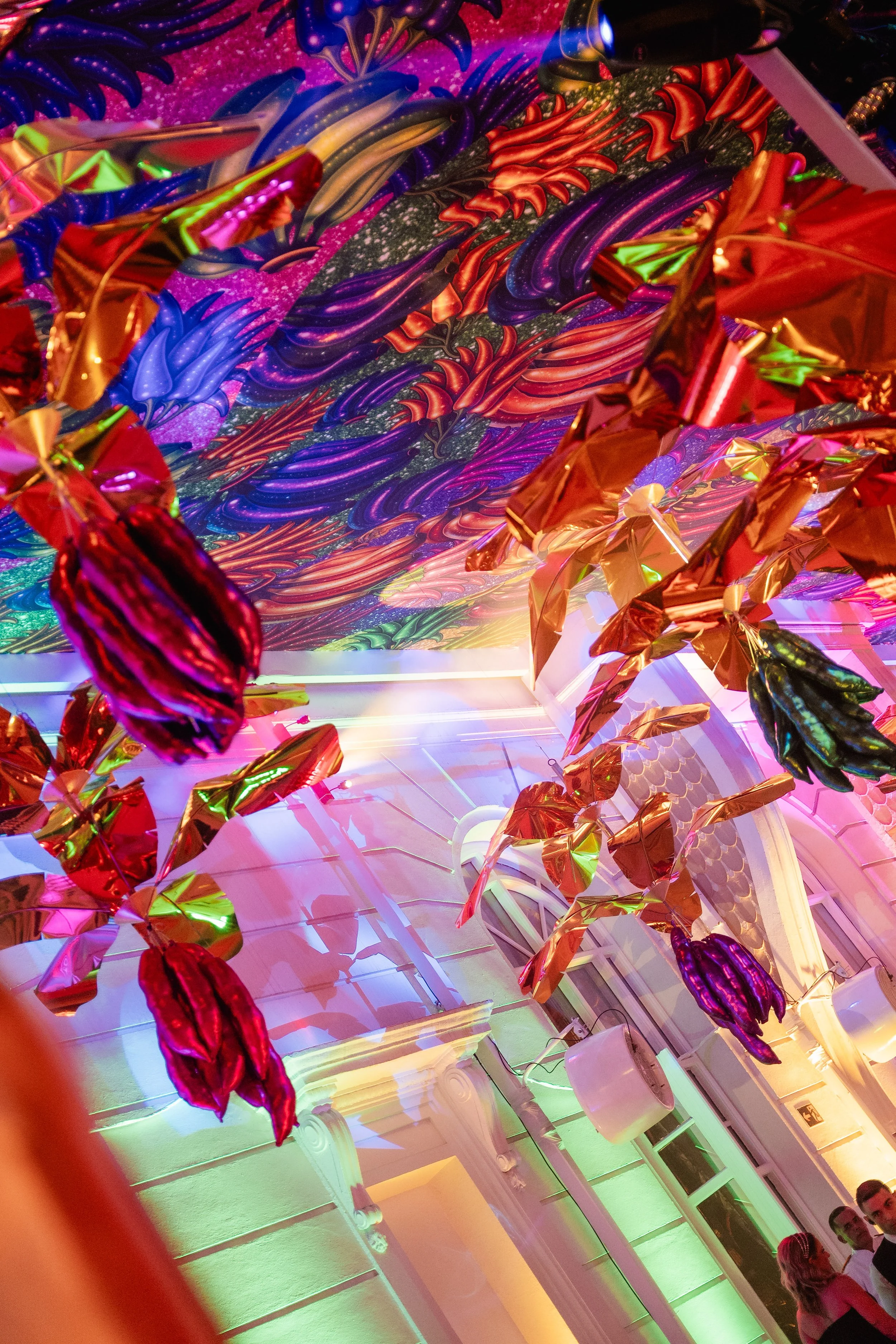
Courtesy @euandrequeiroz
Then came the rhythms.
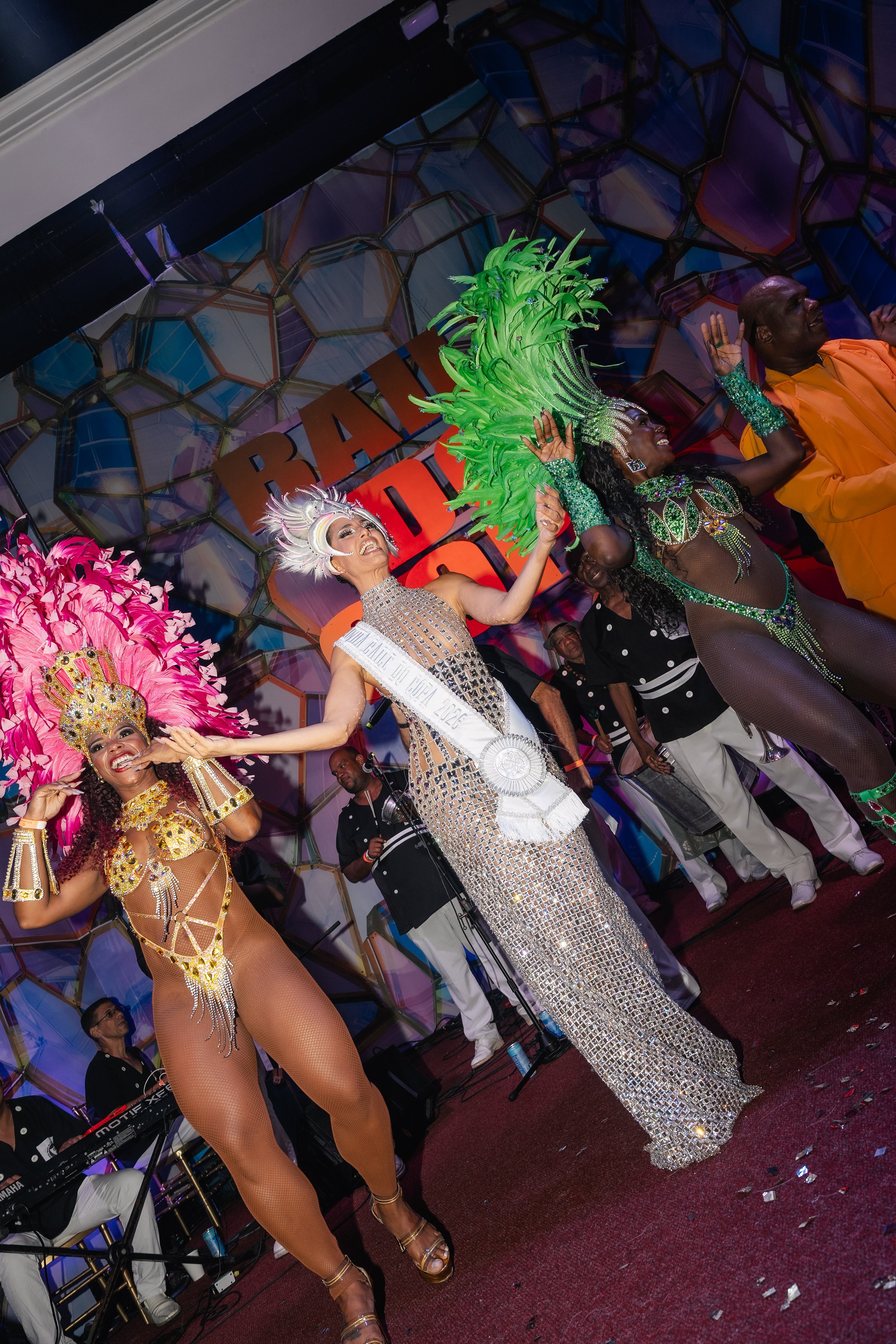
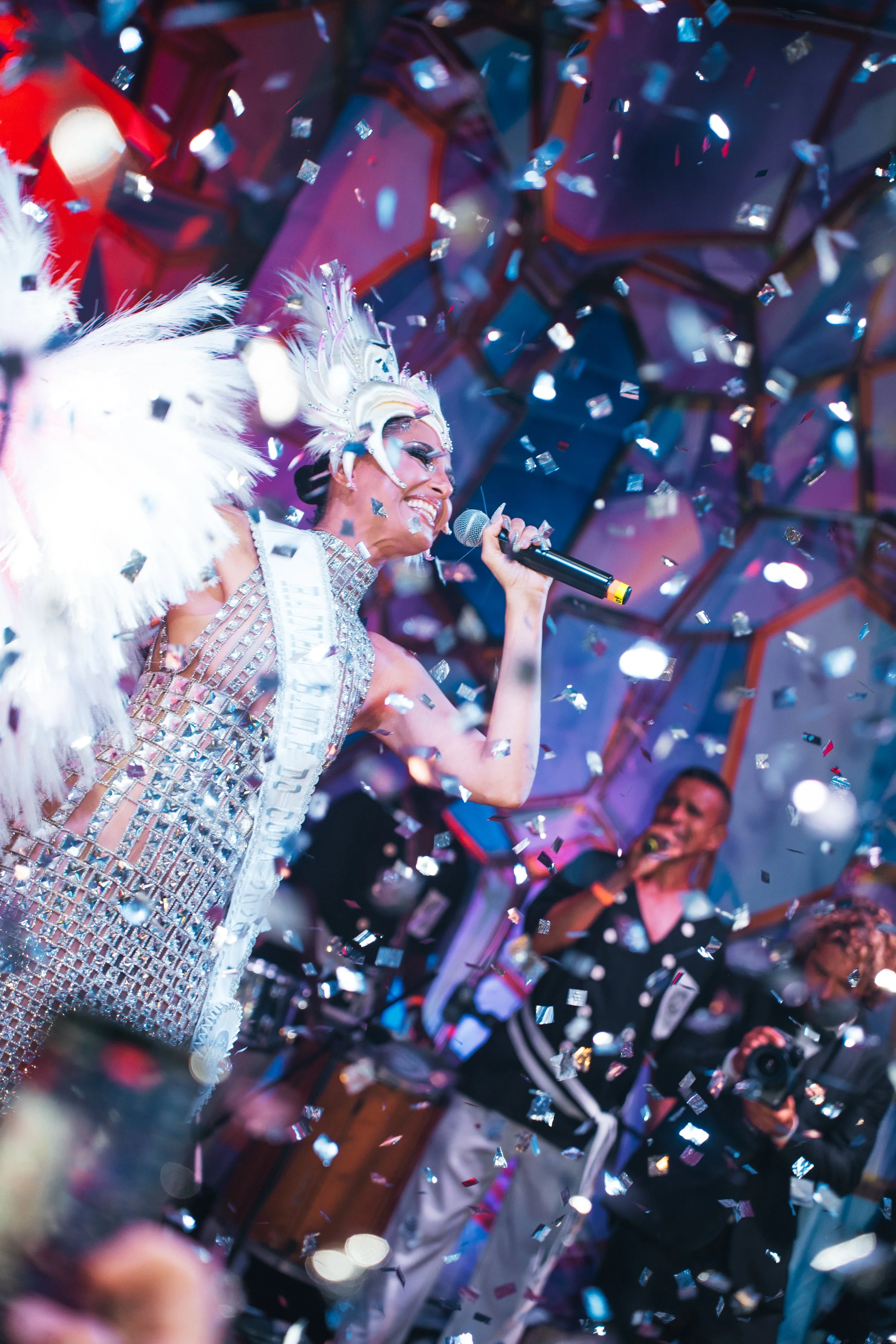
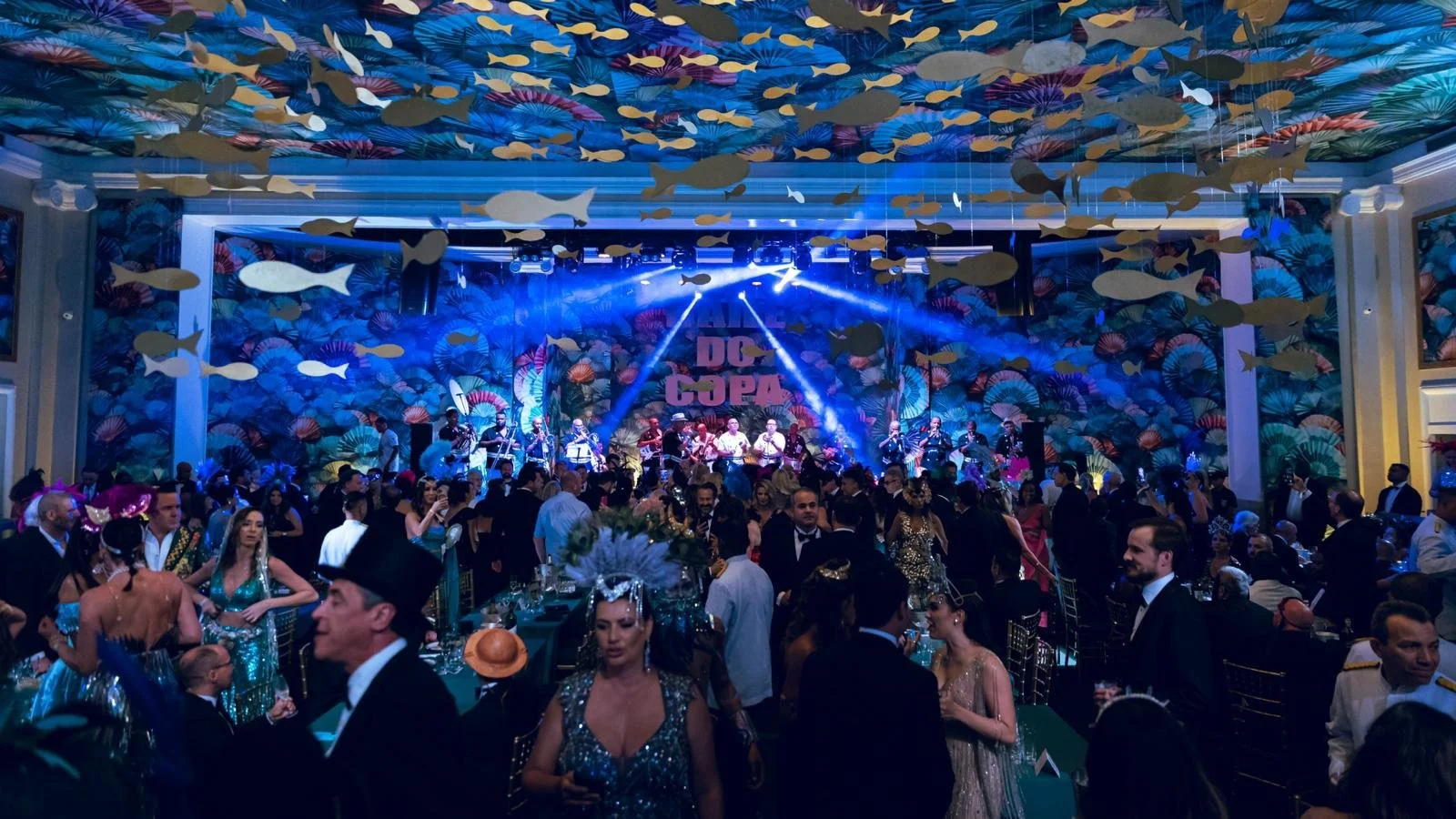
The Ball did not revolve around a single performance. It expanded across multiple musical environments existing simultaneously. In the main salon, a true carnival machine pulsed like the heart of the night. Intense percussion, vibrant brass, continuous energy. The sound occupied the space with almost physical force. In other rooms, DJs led the atmosphere with contemporary sensibility. Elsewhere, formations reminiscent of samba school drum sections amplified the sensory experience even further.
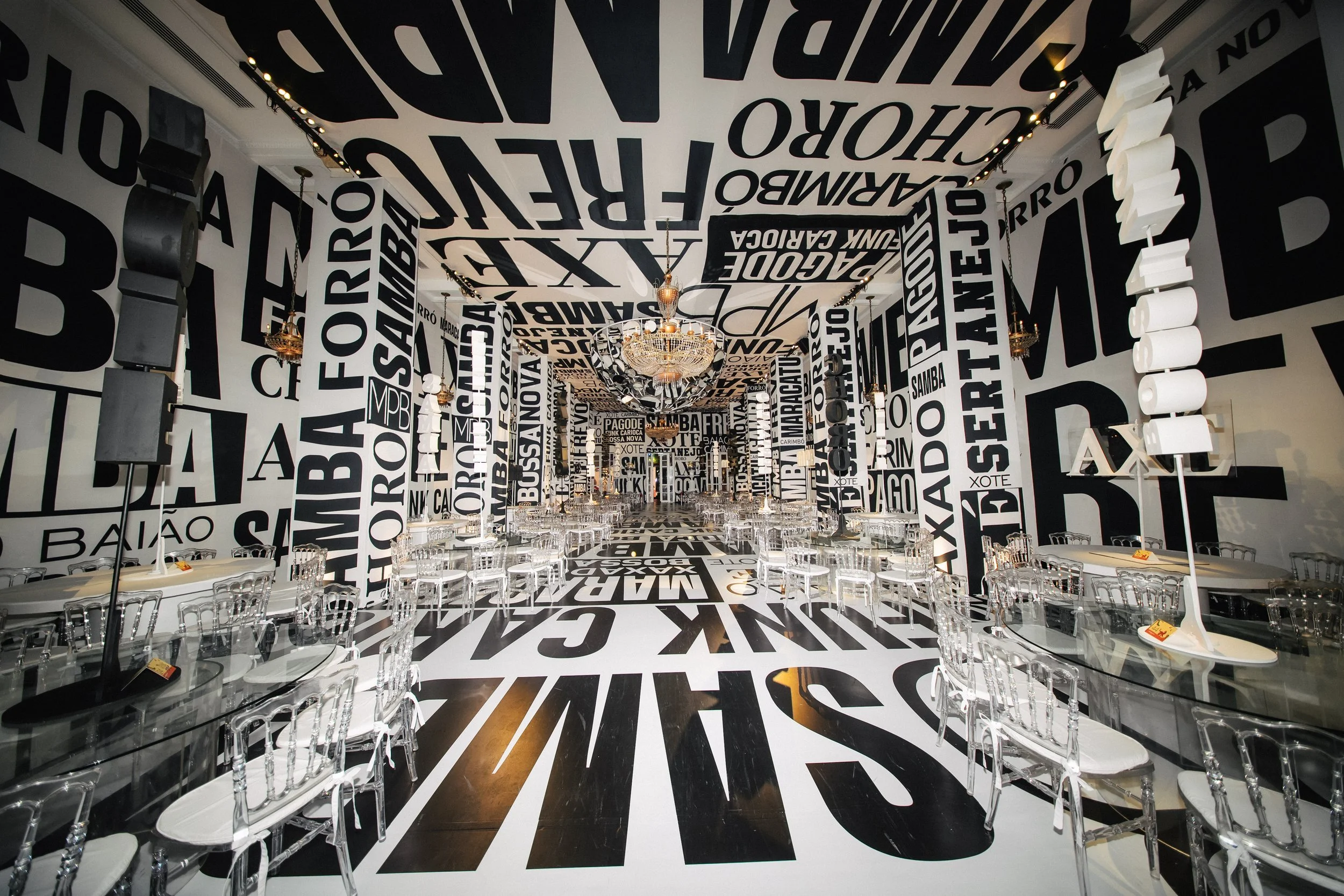
Courtesy of @euandrequeiroz
And then there was Sérgio Loroza.
Sérgio is always extraordinary. He does not simply sing, he draws people in. He moves through the room, dissolving the distance between stage and audience. With his troupe, he transforms the ballroom into a collective celebration. It is impossible not to surrender to the energy he creates.
Guests from across the globe circulated among entrepreneurs, creatives, cultural figures and diplomats. The Copa Ball is not merely social. It is symbolic. Brazil does not explain itself there. It presents itself.
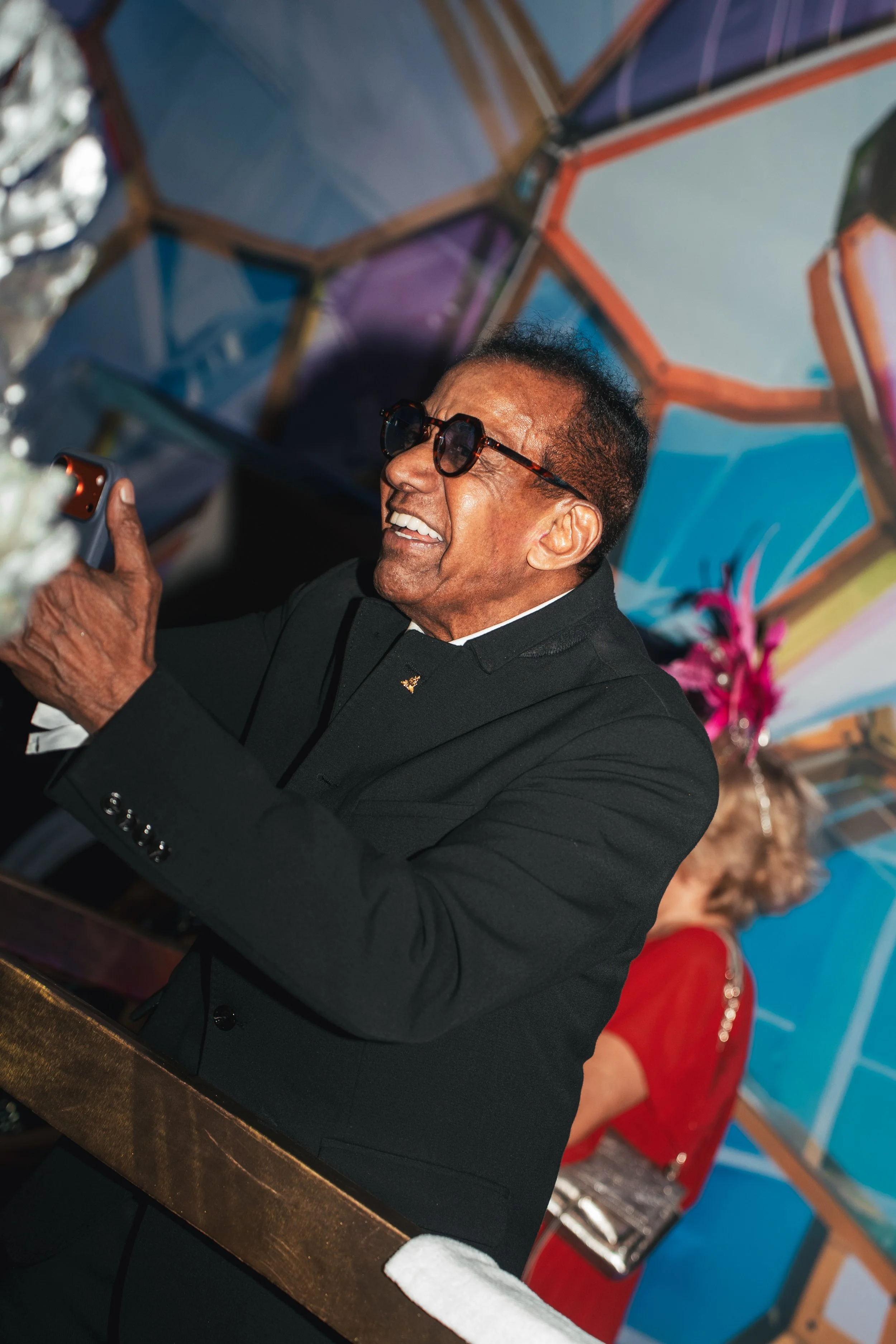
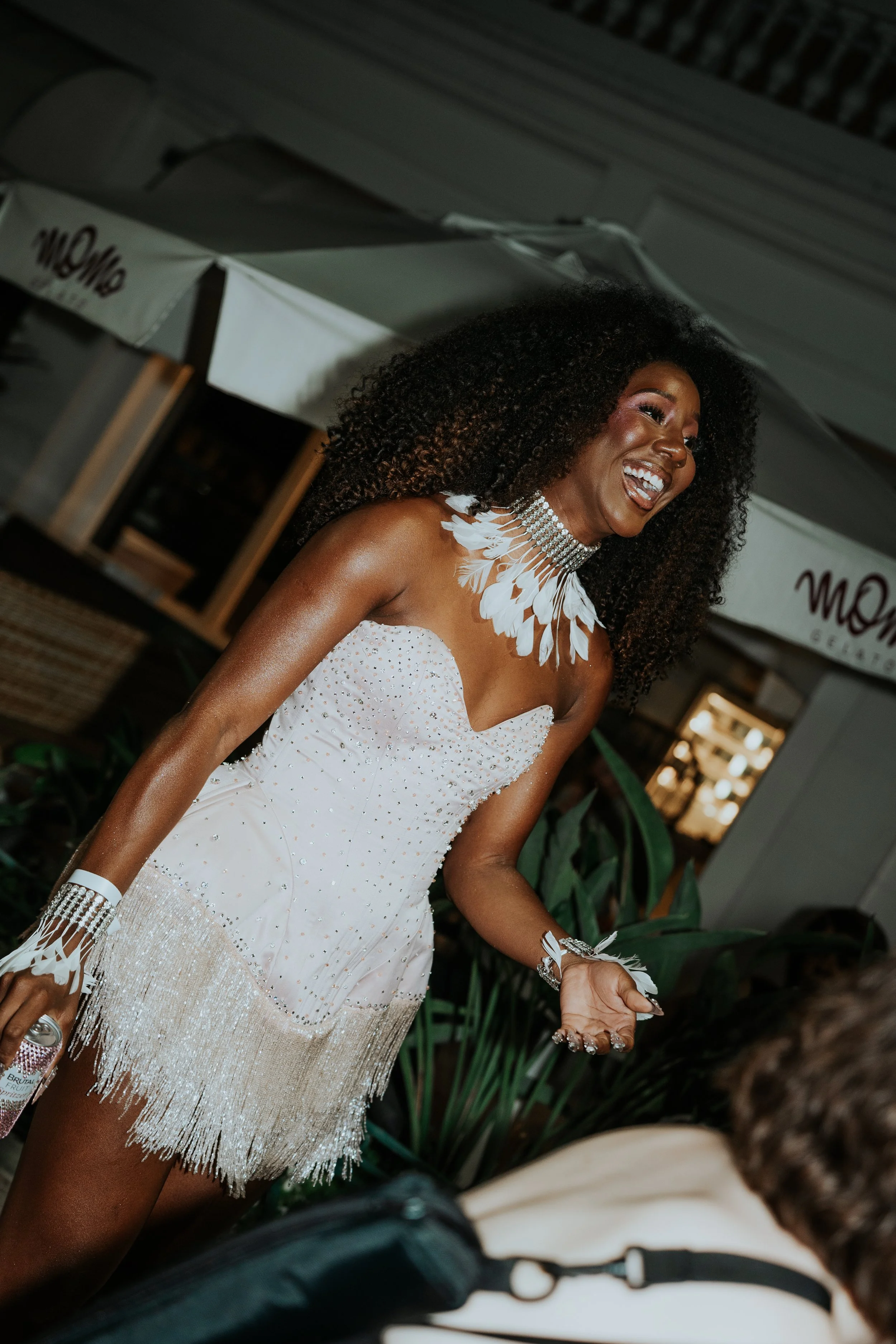
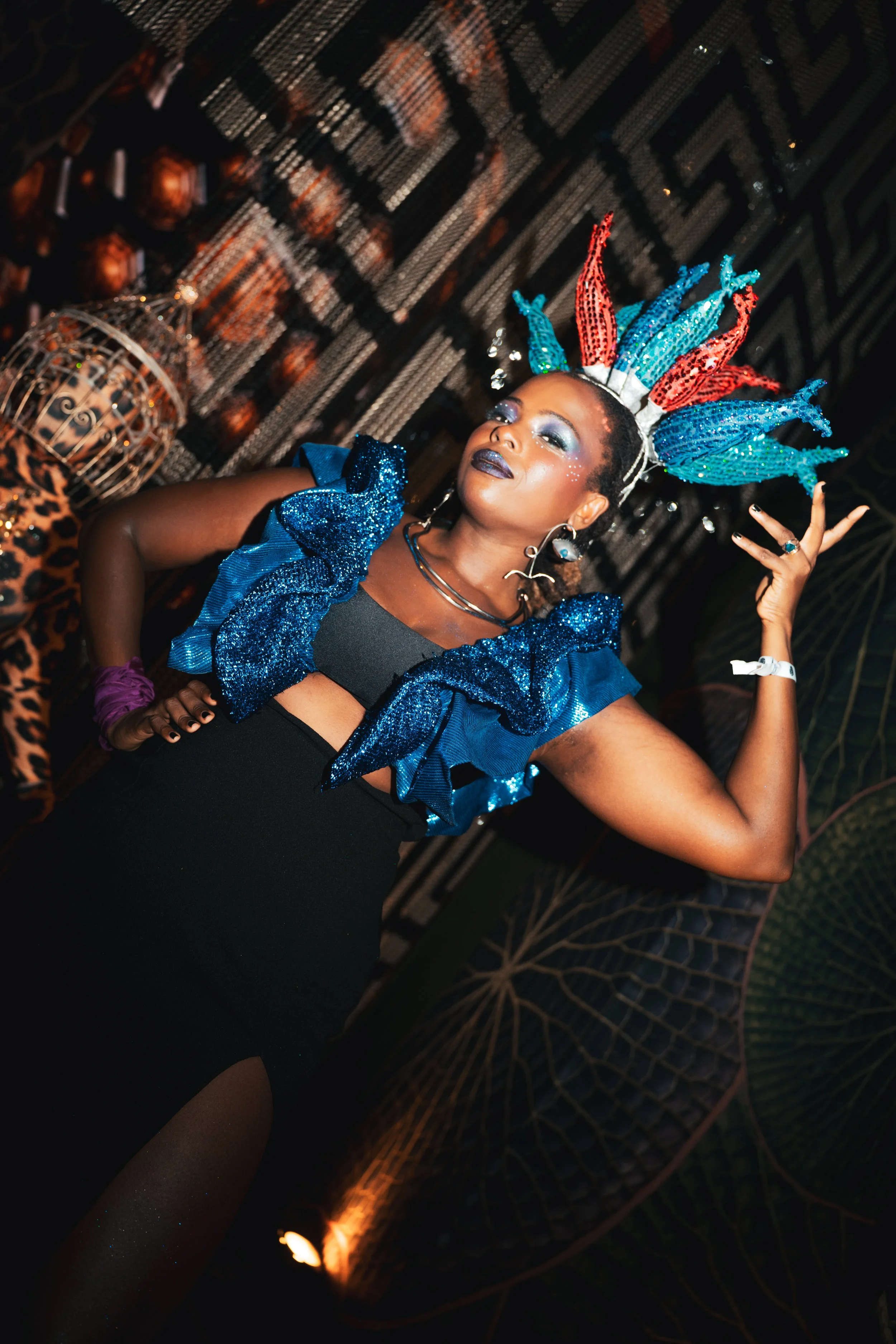
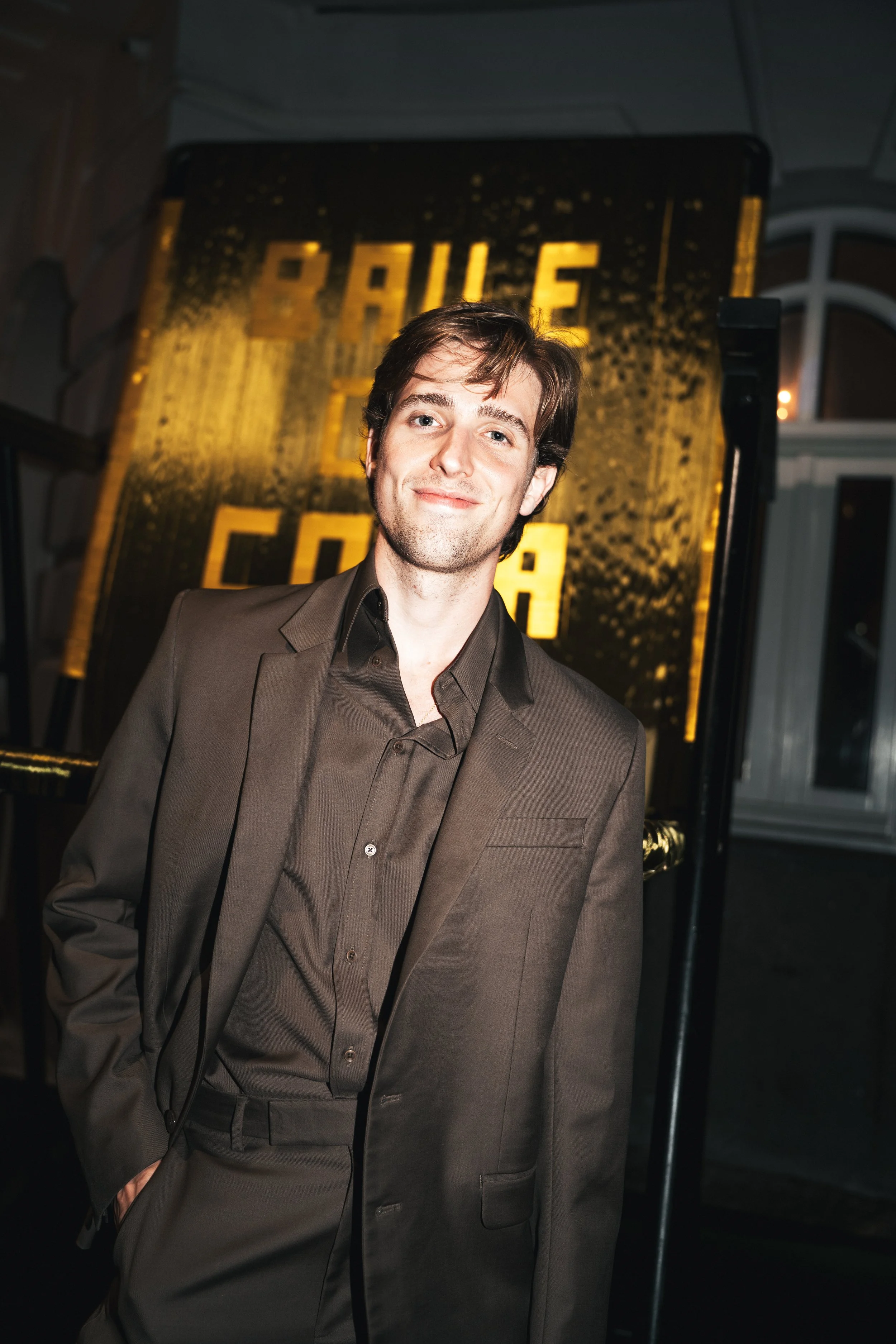
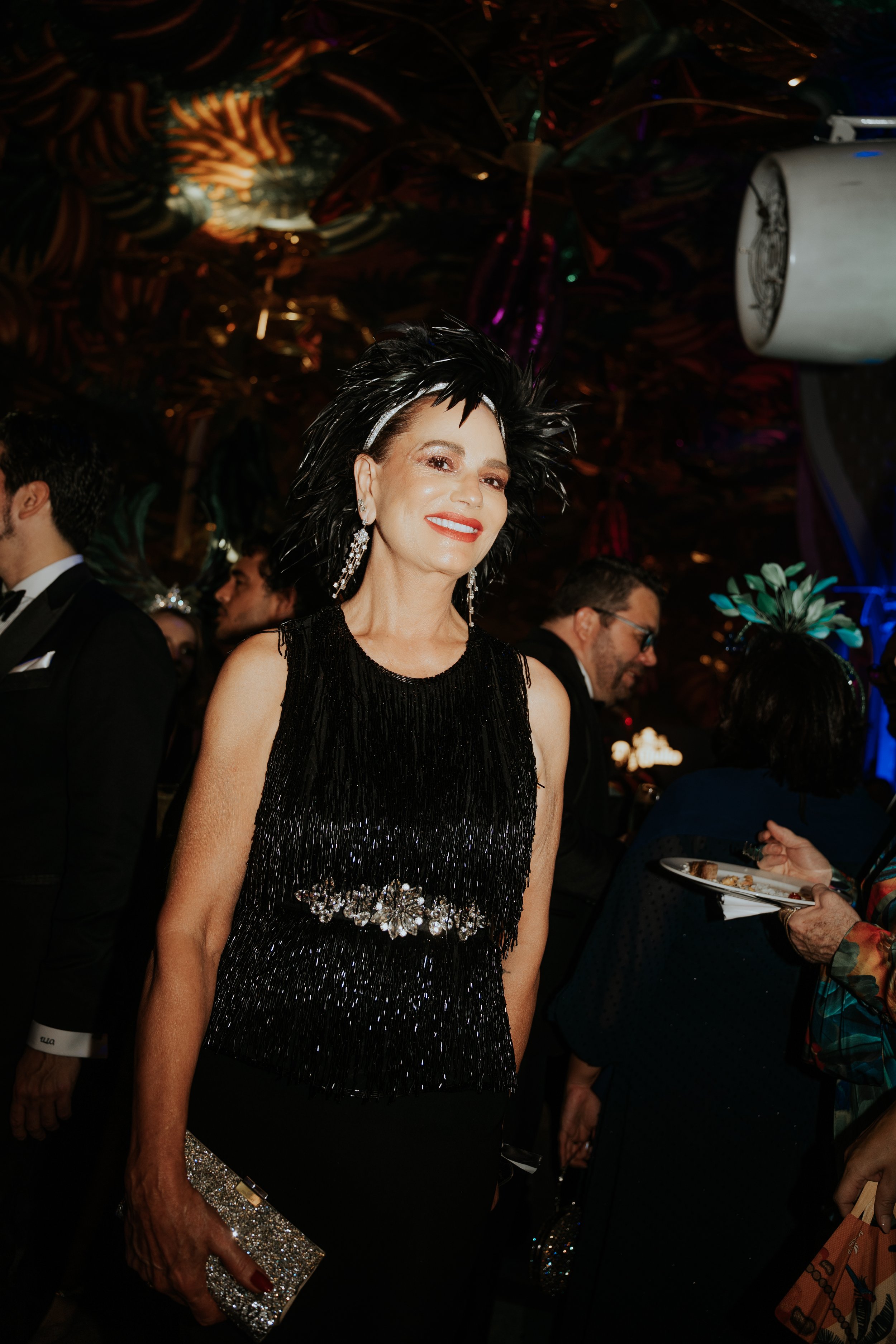
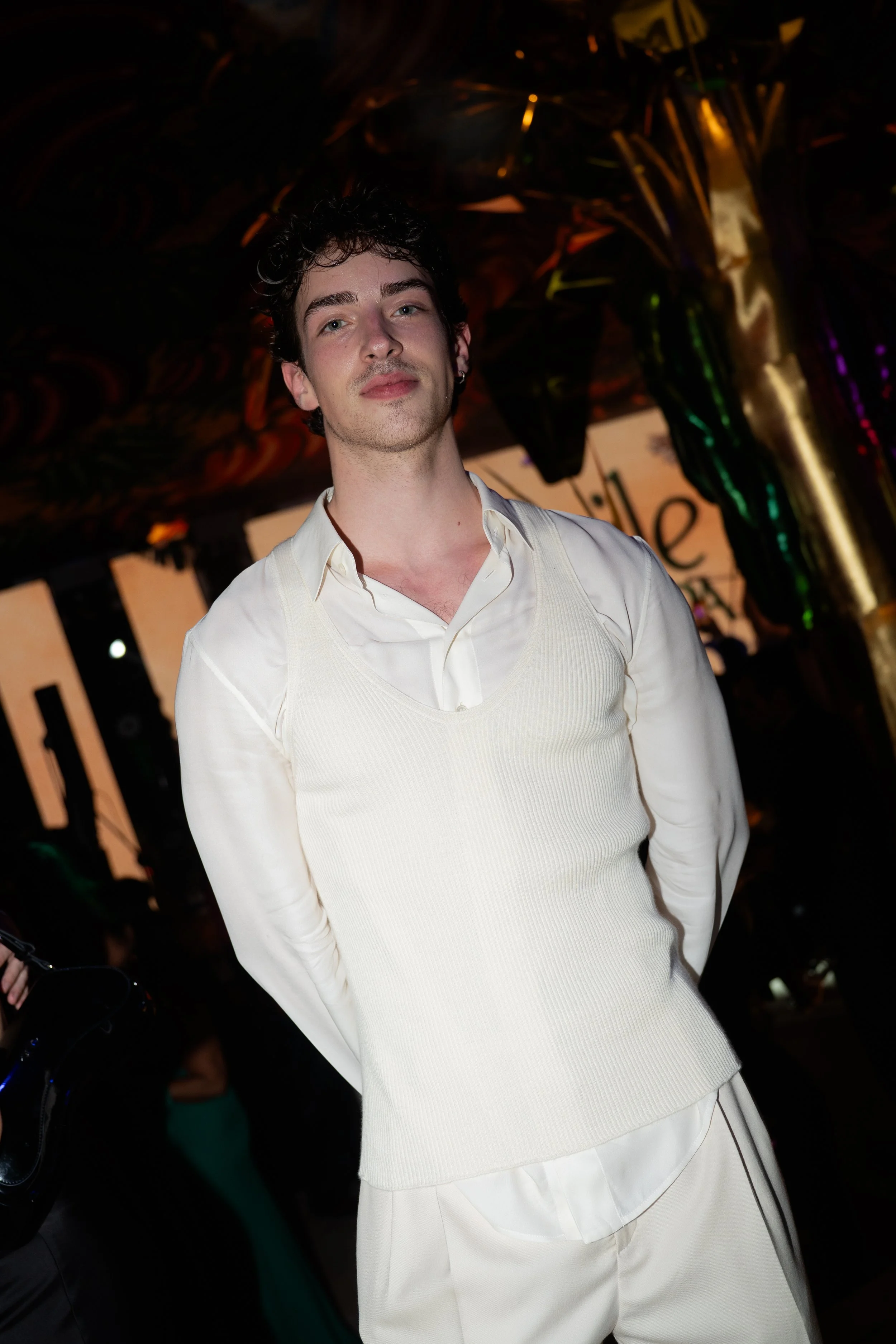
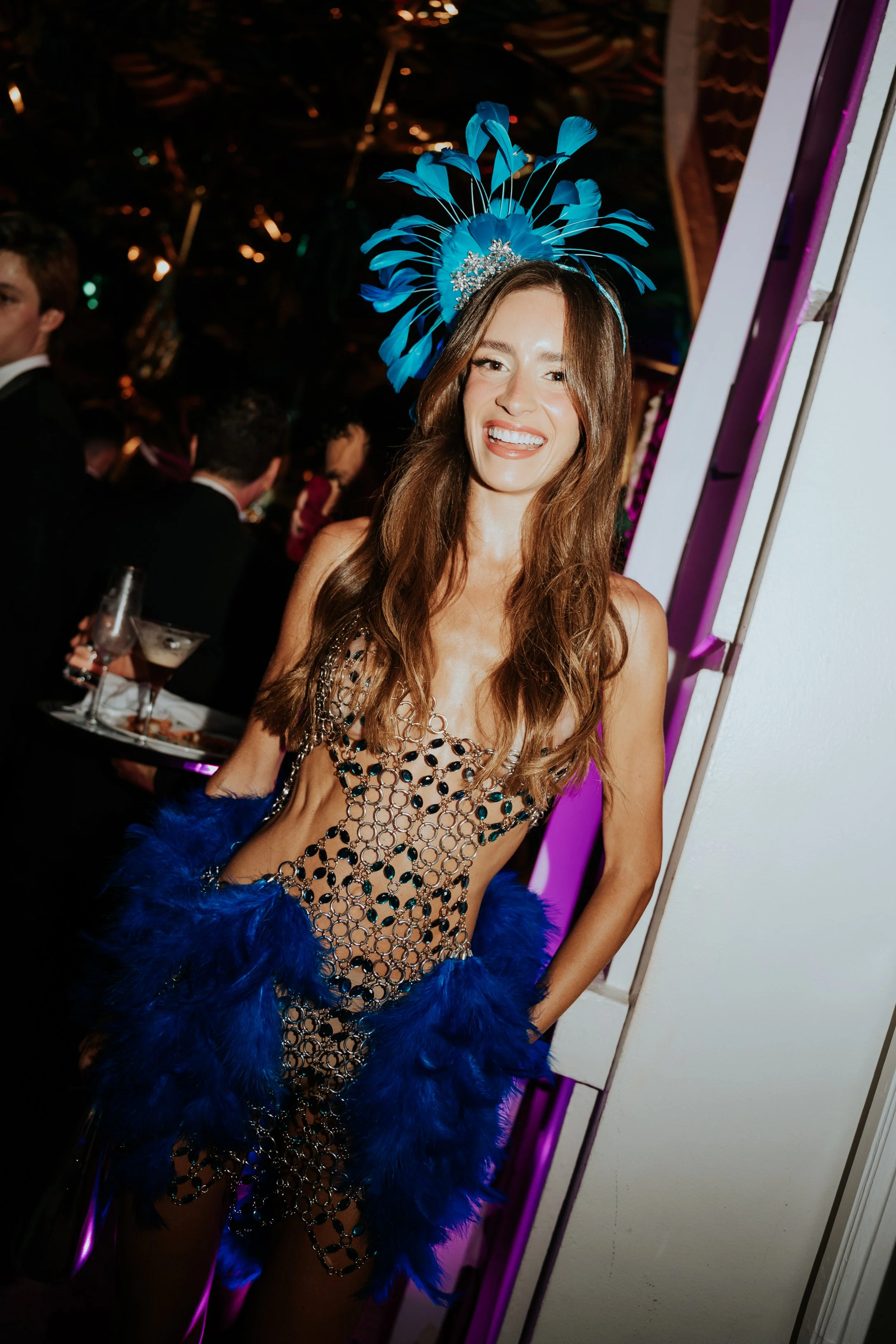
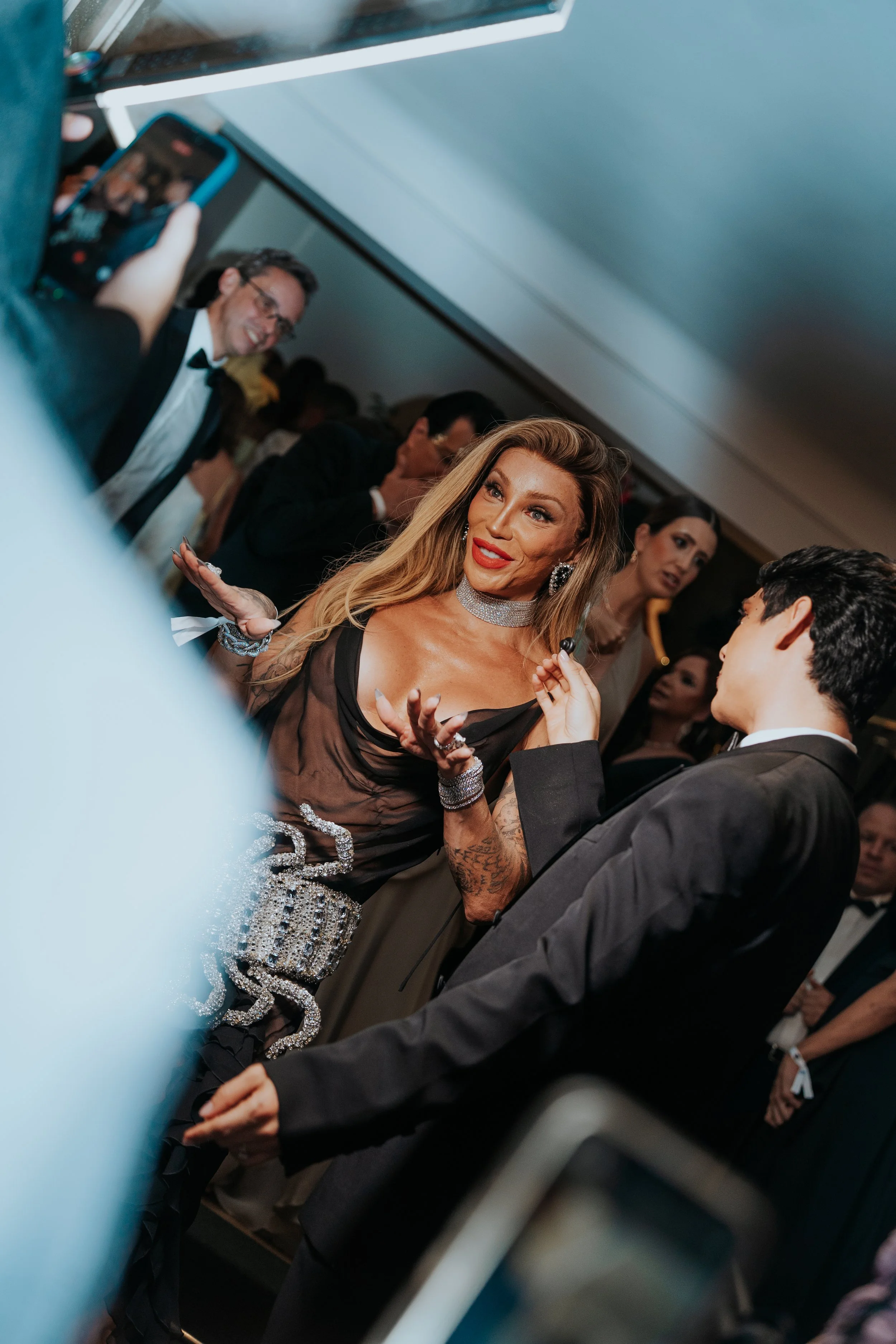
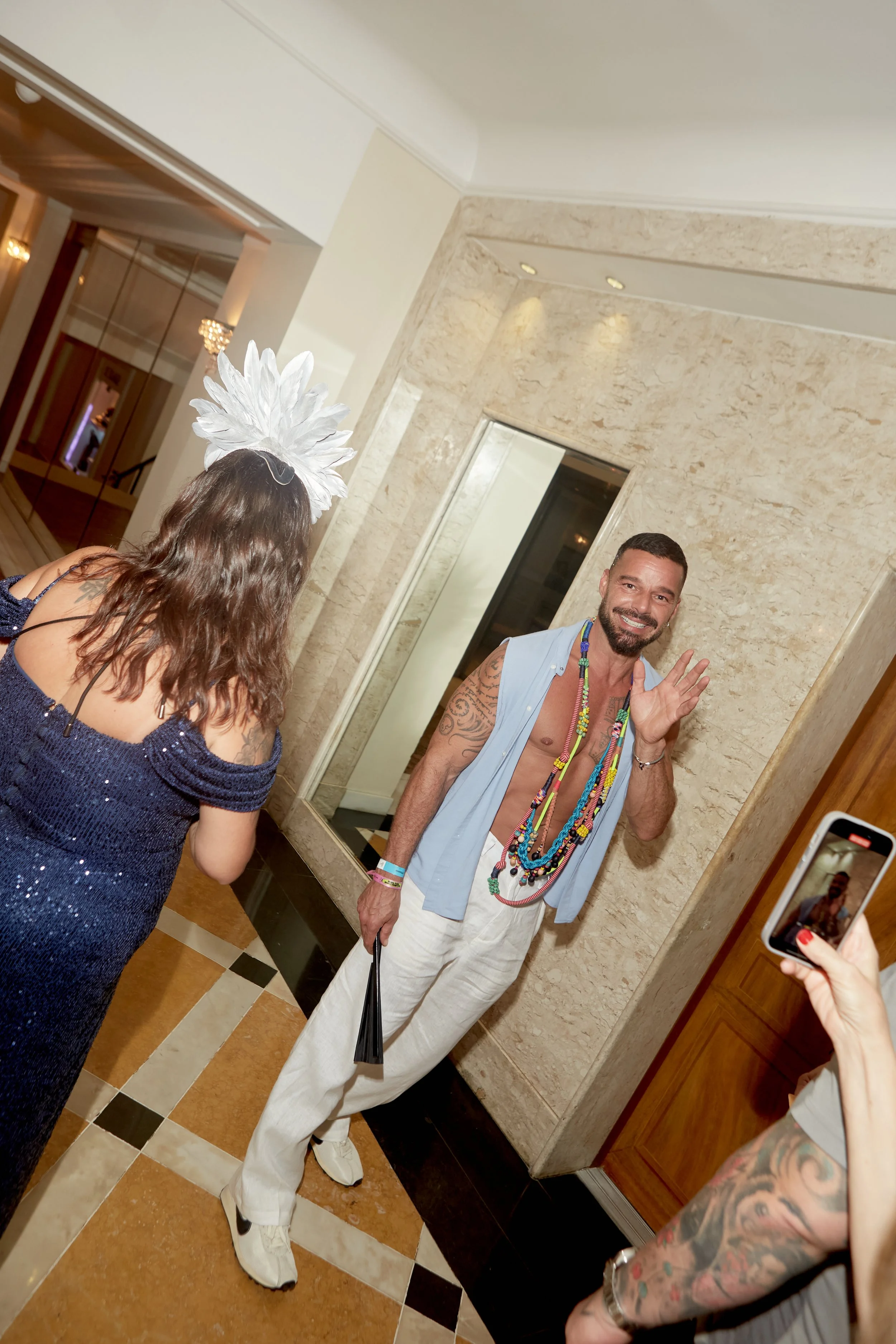
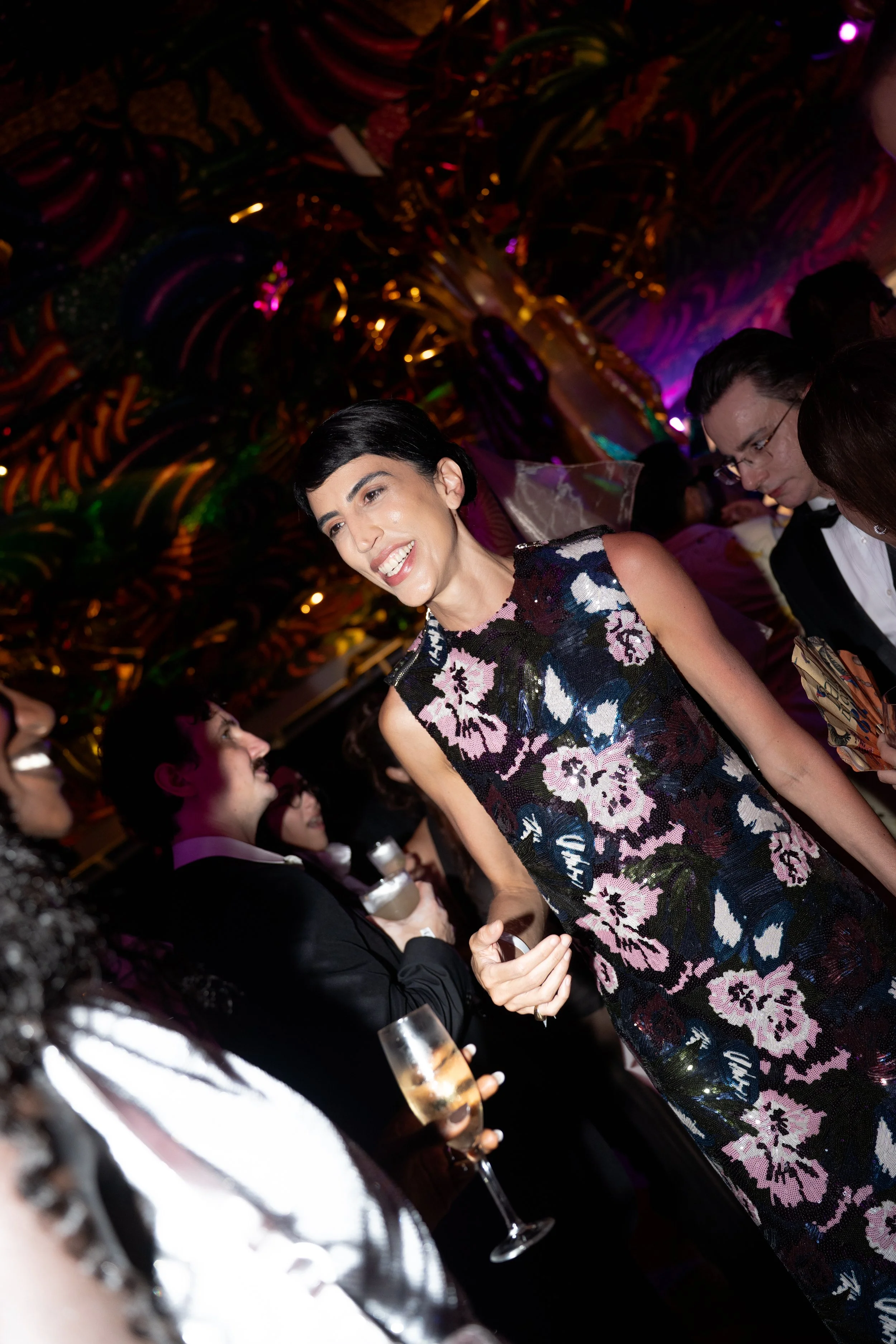
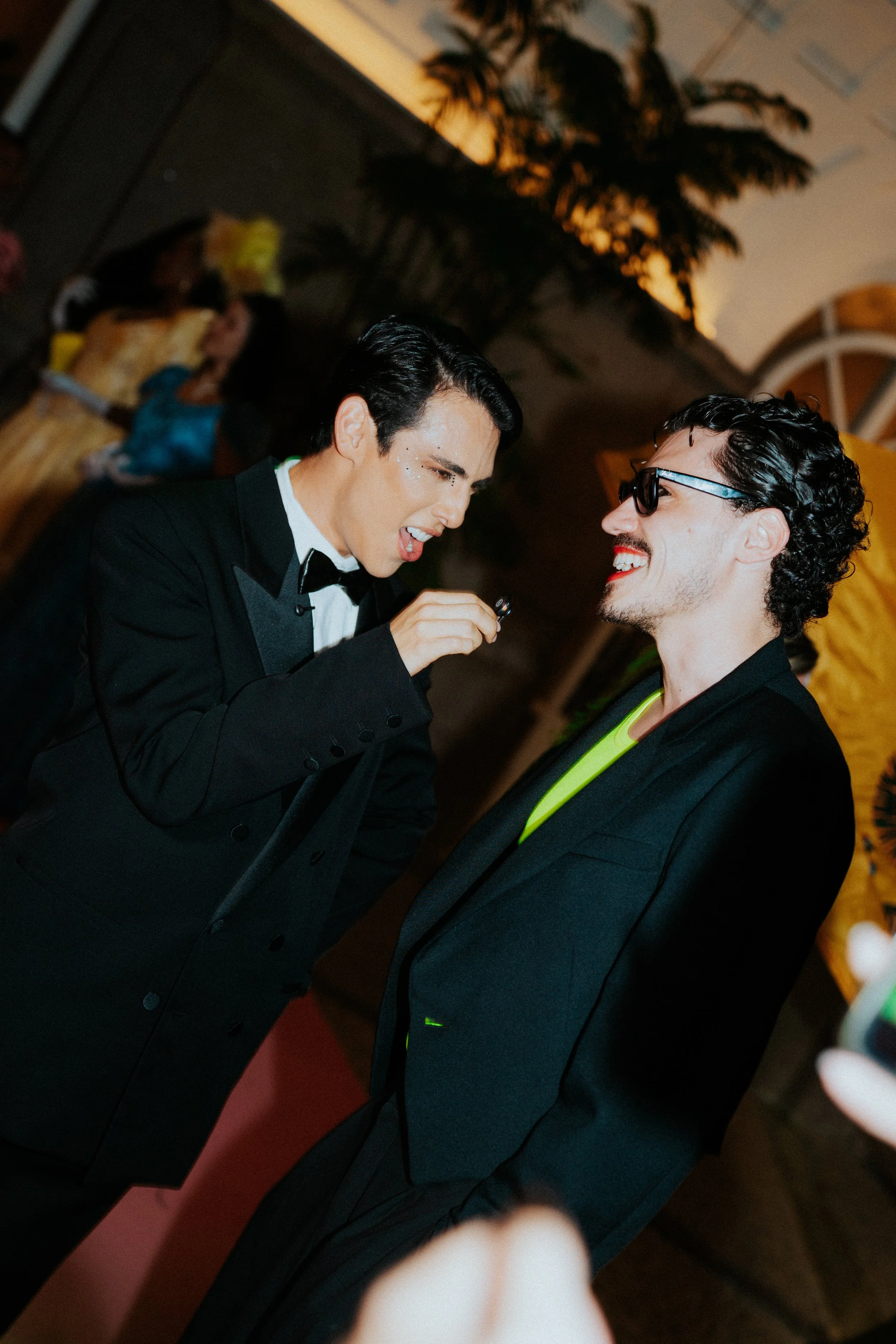
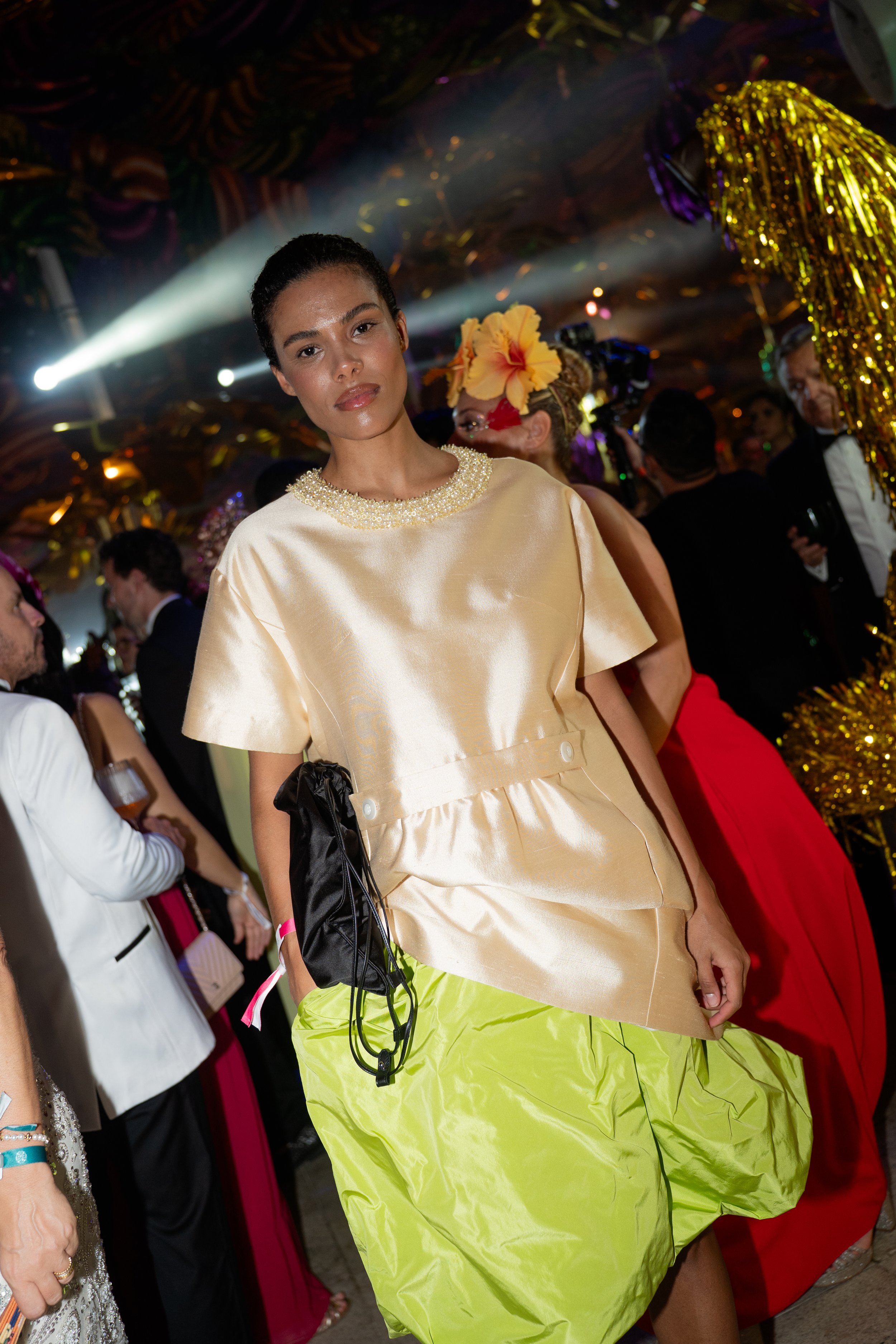
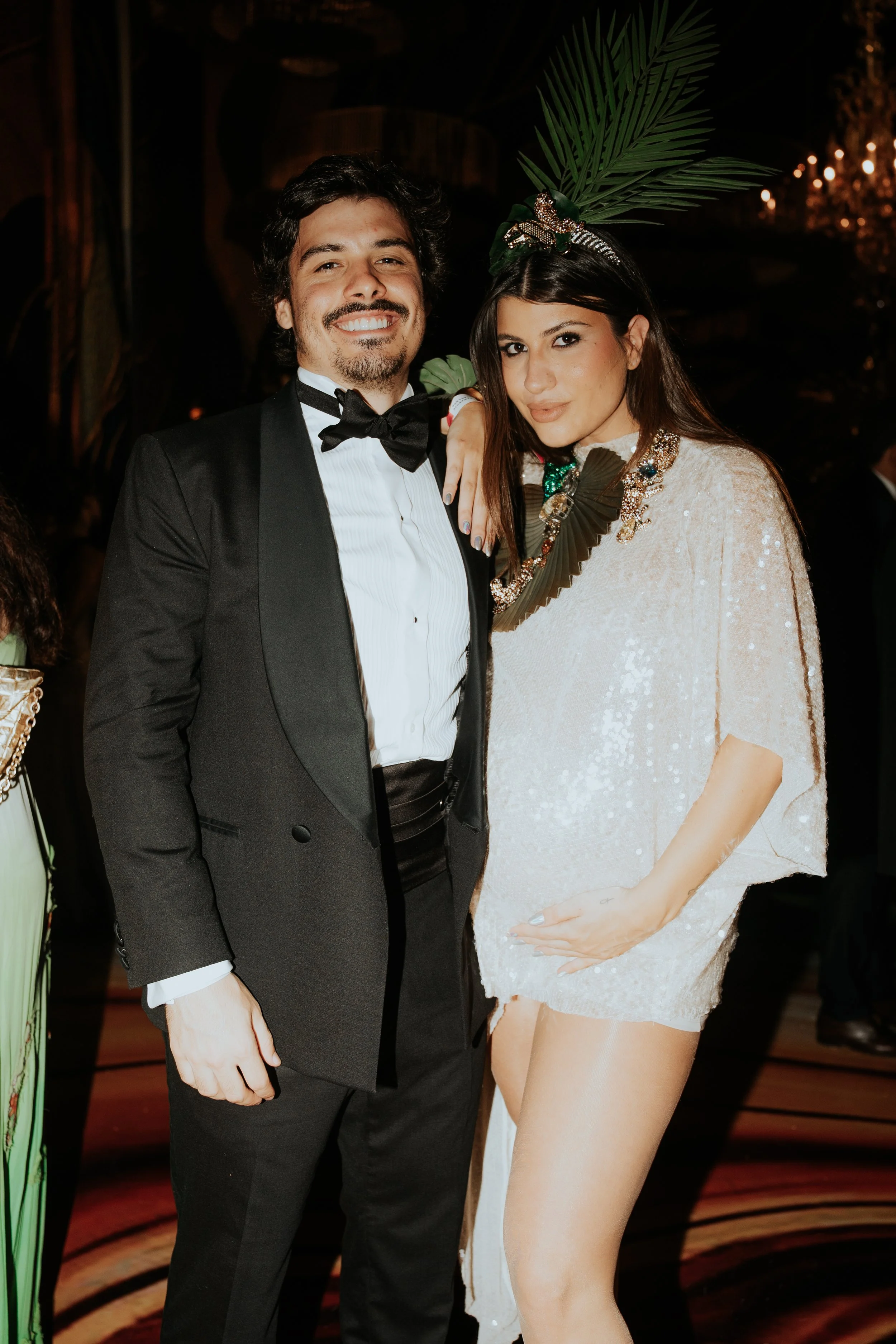
Photo credit: Mateus David
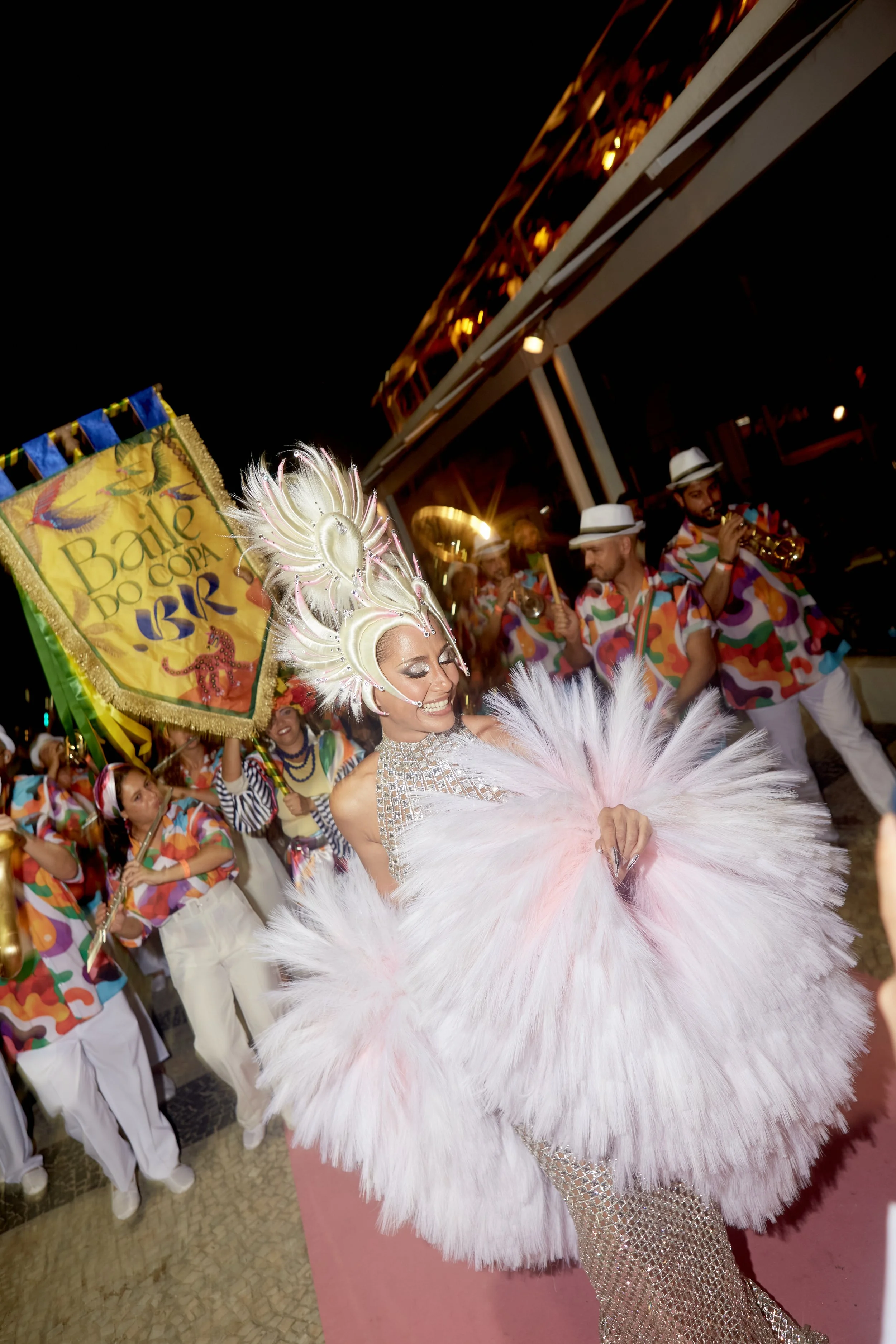
The dress code was respected with intention and imagination. In the days leading up to the Ball, Edson Alexandre’s atelier takes part in the Salão Azul, offering countless possibilities for those who wish to dress memorably for the night. It is not simply about accessories. It is about constructing the aesthetic narrative before the event even begins.
I chose to wear Brazil with intention.
The long crochet gown, signed by Liana Leão Design, carried the strength of Minas Gerais craftsmanship, texture rooted in history and manual artistry. The handmade shoes by Marrie Josefine reinforced that conscious choice to value Brazilian excellence. The headpiece, created by Edson Alexandre’s atelier, brought structured exuberance and identity to the look.
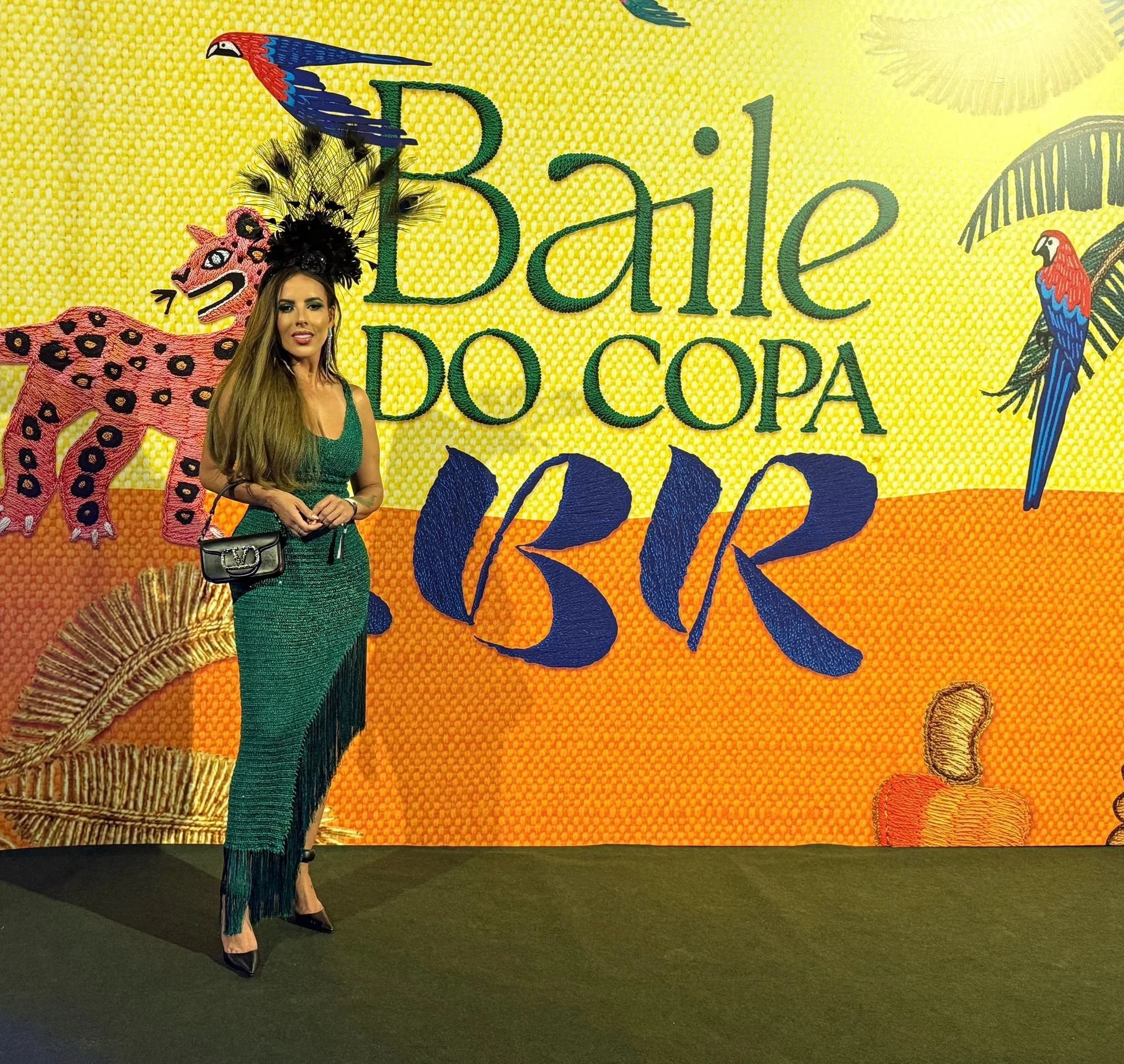
Wearing these brands was not merely aesthetic. It was positioning.
Being at my first Copa Ball, in the city I consider the most fascinating in the world, meant understanding that Carnival can be ritual, celebration and cultural diplomacy at once.
And it also meant recognizing something larger.
Brazil is the moment.
Not because of fleeting trend.
Not because of exoticism.
But because of substance.
In culture, it occupies global stages.
In fashion, it shapes discourse.
In cinema and music, it consolidates influence.
In science, it expands frontiers.
In tourism, it reaffirms its magnetic pull.
The world has turned its eyes toward Brazil, and Brazil is prepared to sustain that gaze.
Copa Ball 2026 captured this precise historical moment. Within the greatest celebration on earth, it translated a country that knows exactly who it is and where it is headed.
For those who wish to experience Brazil at its most refined, the address is clear, Copacabana Palace.
And for those who want to understand why Brazil is the moment in every sense, Rio de Janeiro remains the epicenter.
Brazil is not simply in the spotlight.
It is owning its time.
And that time is now.