European Union bans the destruction of unsold clothing and pressures fashion to rethink its excesses
New rule comes into force in 2026 and aims to reduce waste, CO₂ emissions and boost circularity in the textile industry.

The European Union has approved a landmark measure to tackle the impacts of the fashion industry: from July 2026, large brands and fast fashion companies will be banned from destroying unsold clothing, footwear and accessories, a rule that will also extend to medium and small-sized businesses from 2030. The measure is part of the Ecodesign for Sustainable Products Regulation (ESPR), which sets stricter criteria for durability, reuse and the reduction of environmental impact.
The move targets a silent but recurring practice in the sector. According to the European Commission, between 4% and 9% of everything produced by the textile industry is never used and ends up being incinerated or discarded. This process alone generates around 5.6 million tonnes of CO₂ per year, in addition to waste that ends up in landfills or releases pollutants into the atmosphere.
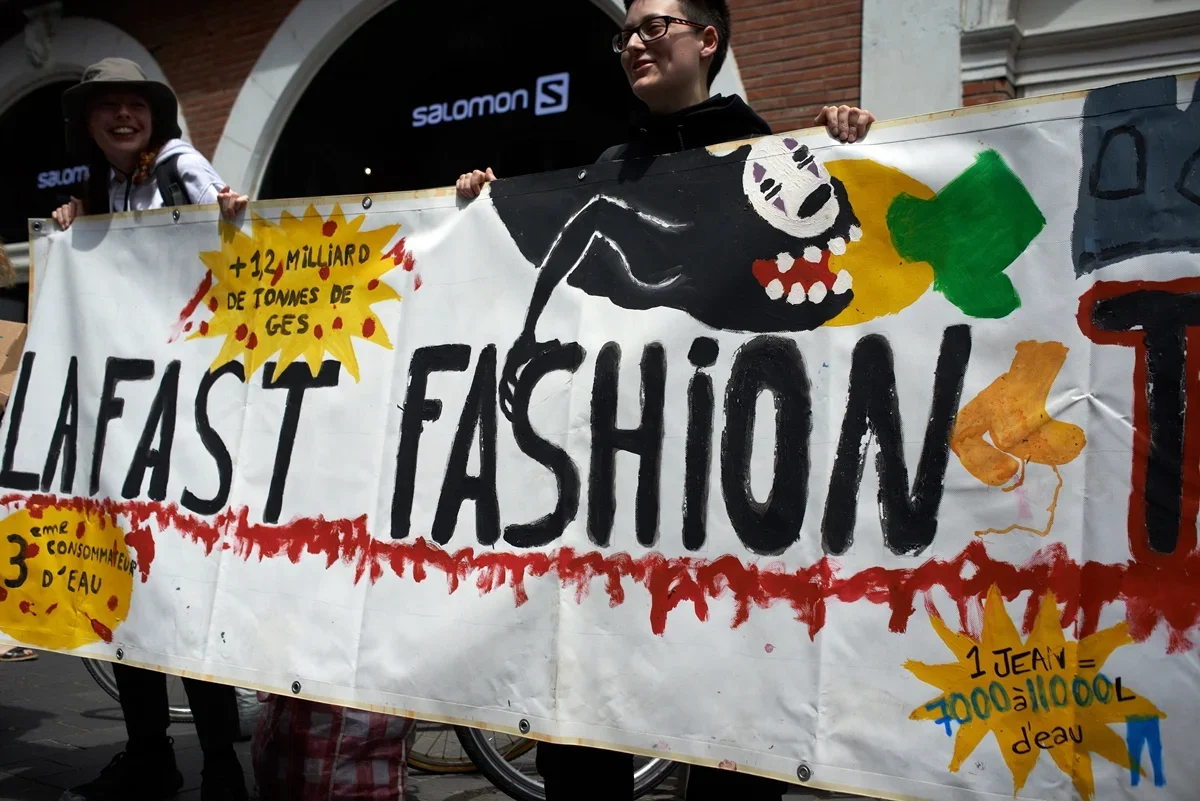
New rule applies across the board
It is not only fast fashion brands that will need to adapt. Luxury houses, known for destroying stock and materials to preserve exclusivity (such as Louis Vuitton and Gucci are also included). Under the new legislation, companies will be required not only to stop the practice but also to publish standardised reports detailing disposal volumes and justifications. Product destruction will only be permitted in specific cases, such as safety concerns or damaged goods.
Brazil still lacks specific regulation
In Brazil, there is still no specific ban on the destruction of inventory, despite the National Solid Waste Policy (2010) establishing guidelines on environmental responsibility. Some local brands have begun to adopt resale, donation and recycling initiatives, such as Reserva’s Reserva Circular, which focuses on collecting and redistributing used garments. Still, these practices remain limited, and the sector continues to be driven by fast consumption.
Although the regulation applies only within Europe, the debate is already resonating globally. With the new measure, the industry is being pushed to accelerate circular strategies such as resale, recycling and material reuse, adopting a more strategic view of product life cycles. More than creating, the industry must now rethink what happens to what is left behind.