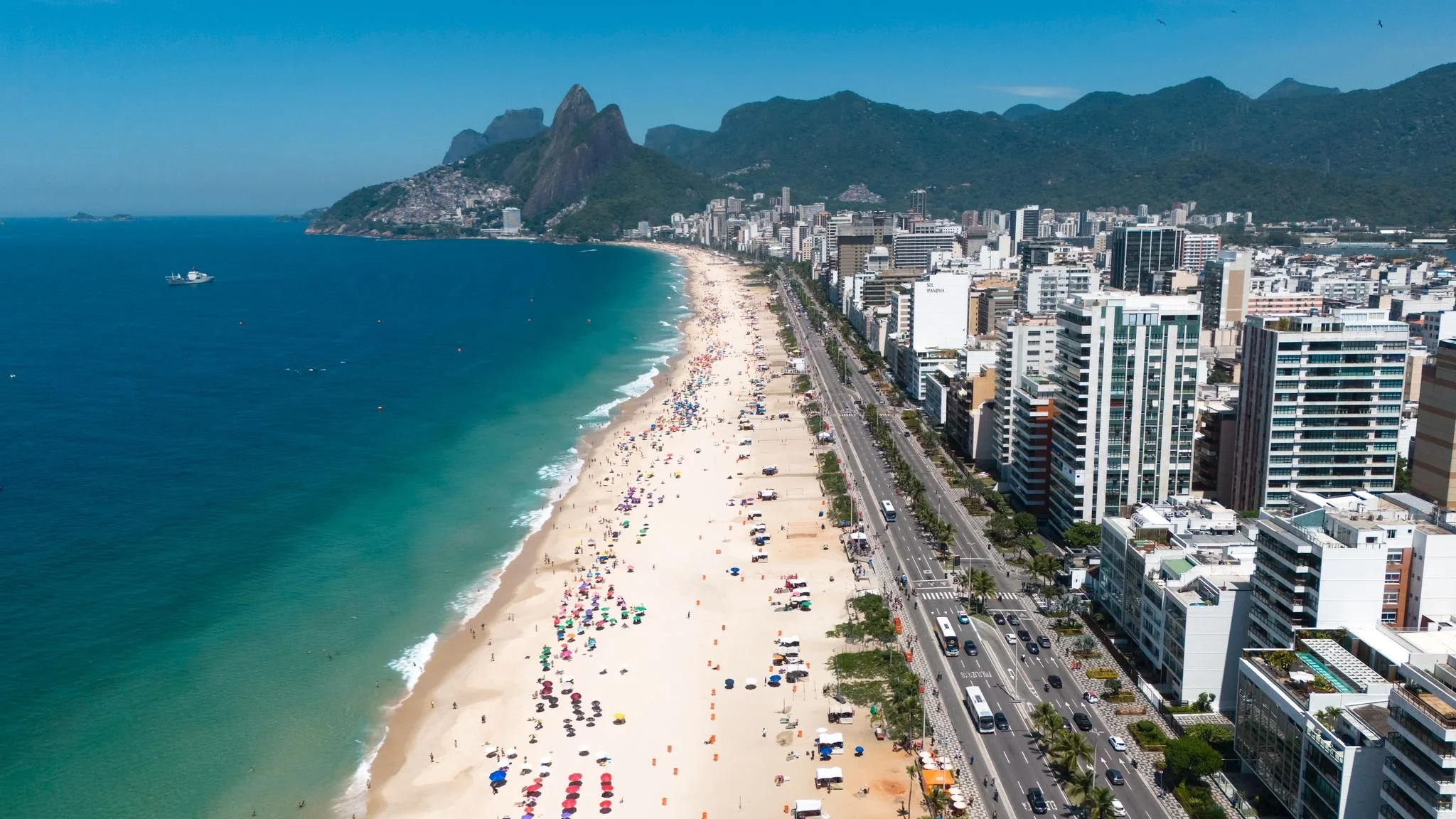
Rio’s Shoreline Enters a New Era as the Beachfront Becomes a Cultural and Gastronomic Destination
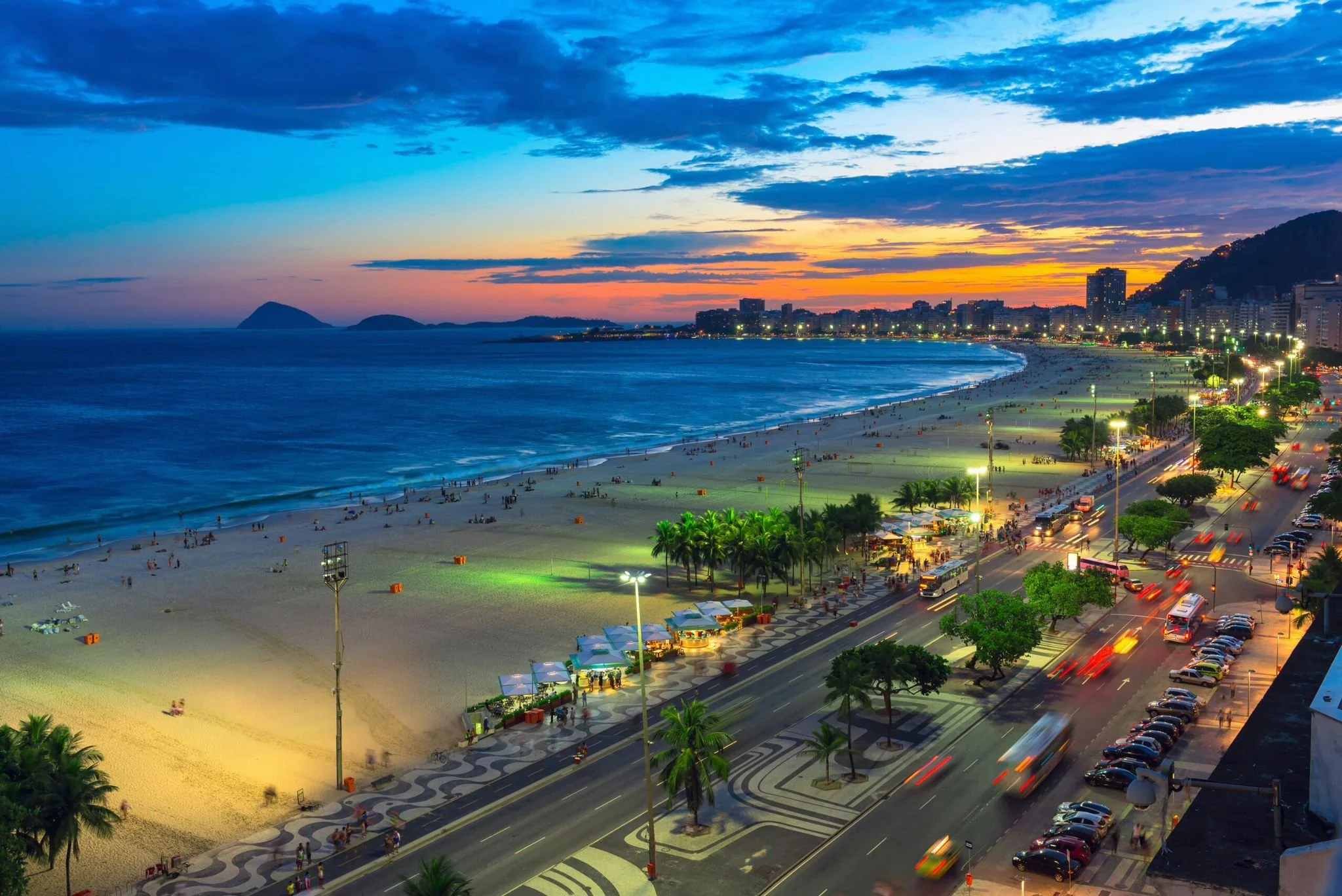
Few coastlines in the world hold the symbolic power of Rio de Janeiro. The shoreline here is not merely scenery. It is a social stage, a cultural showcase, an emotional territory and a living postcard of the city. Now, as the most emblematic season of the carioca calendar approaches, this landscape begins a new chapter. Twelve new kiosks are arriving along the beachfront in the final quarter of the year, reinforcing the transformation of the beach into a complete ecosystem of leisure, gastronomy and experience.
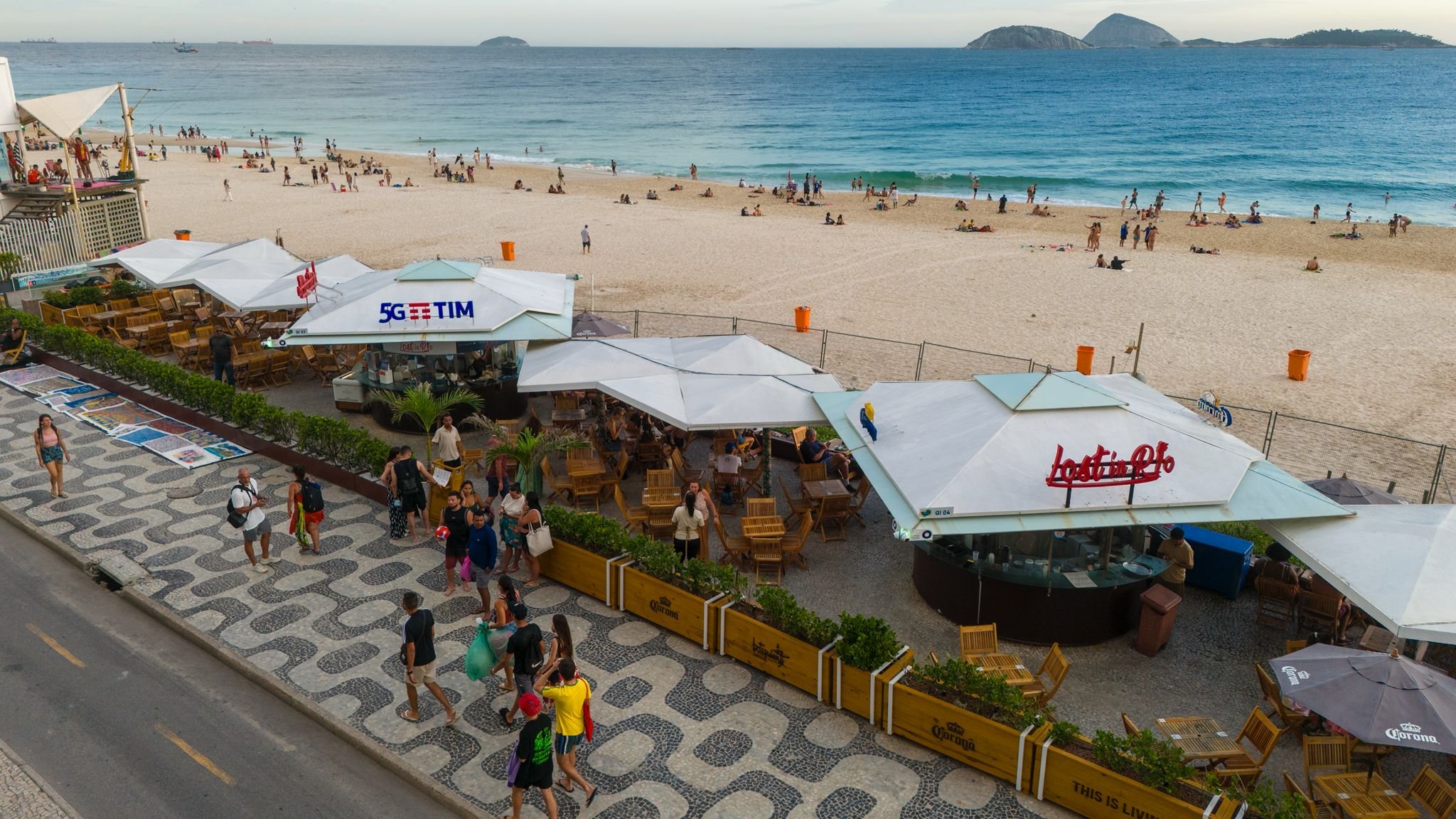
The expansion is led by Orla Rio, the concessionaire responsible for managing 309 kiosks and 27 lifeguard stations from Leme to Prainha. Seven new operations are already open, with five more scheduled to debut before Christmas. The timing is strategic, aligning with the period when Rio prepares to welcome visitors from Brazil and around the world.
What is unfolding, however, goes far beyond the installation of new seaside structures. It represents a shift in how the beach is experienced.
From Landscape to Destination
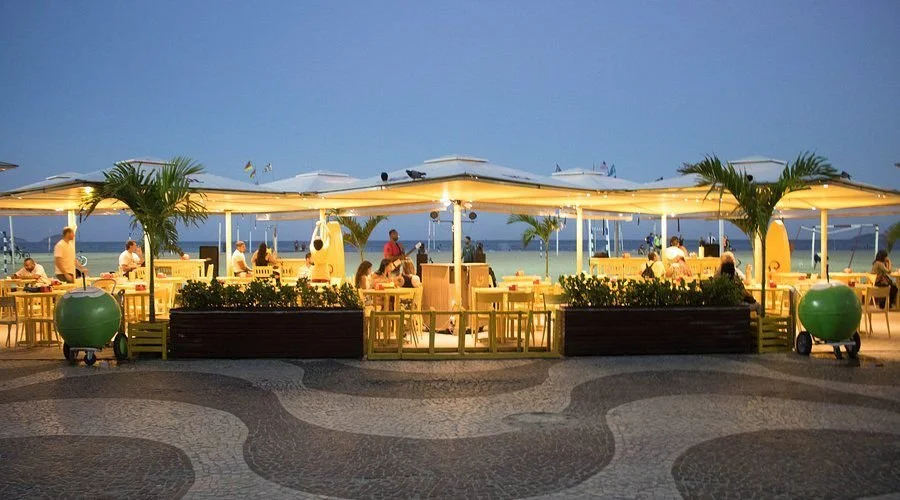
Traditionally associated with democratic leisure and a relaxed atmosphere, Rio’s beaches are undergoing a subtle process of curation. The new kiosks reinforce the idea that the shoreline is no longer merely a place of passage but a true destination. Visitors no longer simply go to the beach. They choose where to settle, where to dine, where to toast the sunset, where to enjoy live music.
According to Ingrid Lagrotta, Director of Marketing and Business at Orla Rio, while summer holds a strategic role, new developments are designed for year round appeal, expanding partnerships with brands that speak to diverse audiences.
This mirrors a broader global movement in which open public spaces evolve into curated hubs of social interaction and quality consumption, without losing their local identity.
South Zone and West Zone in the Same Rhythm
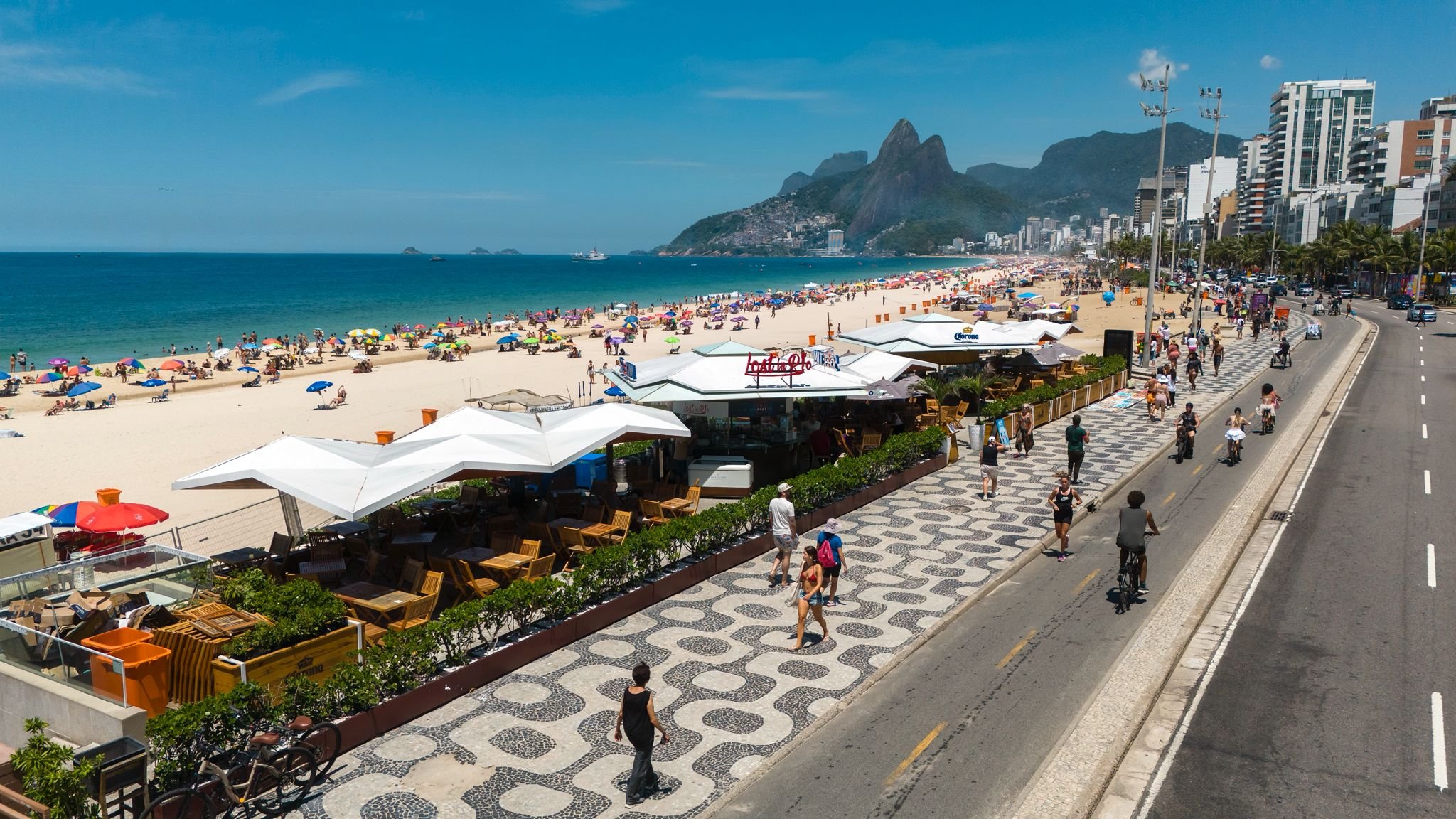
The expansion reaches different parts of the city, reinforcing the diversity of the beach experience. Barra da Tijuca has welcomed four new operations, Recreio dos Bandeirantes one, and Copacabana two. Among the newly opened kiosks are Pato com Laranja, Sunset, Nosso Quiosque, Dumar Sunset, Tô na Praia, Chill Out and Palace, the latter with an expanded structure near Posto 3 in Copacabana.
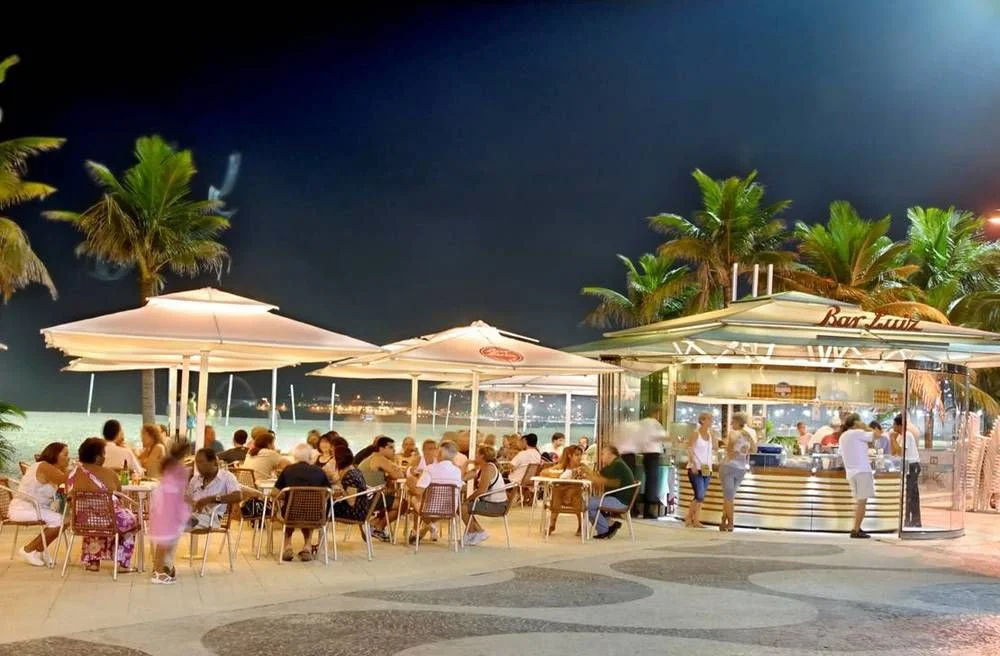
By Christmas, five additional operations will open, including Frutos de Goiás, Cosechas, Hotel Radisson and Zé Delivery in Barra, as well as Mirante Mar in Leblon.
This distribution balances internationally known beach areas with neighborhoods that carry strong local life, creating a continuous flow of experiences along the coastline.
The Beach as an Urban Park
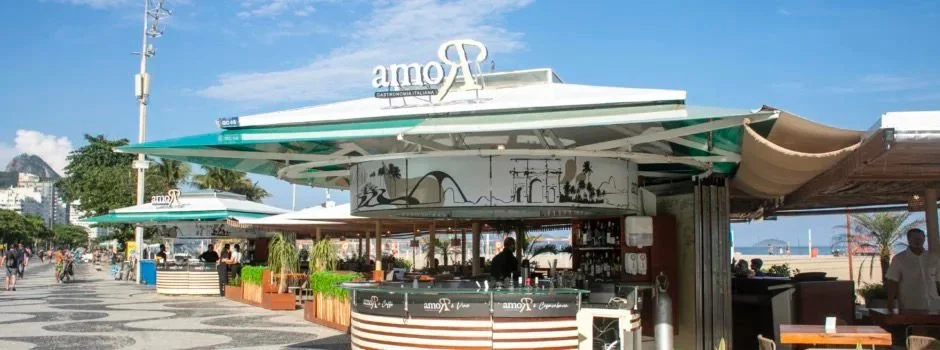
The concept embraced by the shoreline’s management is clear. The beach has become an open air urban park, integrating entertainment, culture, gastronomy and sports activities. João Marcello Barreto, President of Orla Rio, highlights that the kiosks have become essential elements of the city’s tourism experience. The quality of services plays a key role in encouraging visitors to extend their stay in Rio. 
In this context, kiosks are no longer simple support points. They are strategic components of the experience economy, where time spent, sensory engagement and emotional memory shape the value of a destination.
A City That Evolves Without Losing Its Soul
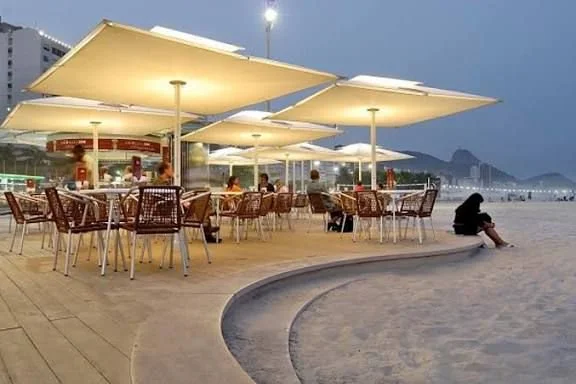
What makes this transformation particularly compelling is that it does not erase Rio’s essence. The cold draft beer, the music, the conversations that stretch into sunset remain central to the scene. What changes is the level of organization, the diversity of operations and the perception of the shoreline as a plural, vibrant and contemporary space.
The landscape is still the same. The sea, the light, the iconic pattern of the promenade. Yet the dynamics have become more sophisticated. The beach is no longer just a horizon. It stands as a complete experience.
As always in Rio, everything unfolds under the open sky, where the city meets the ocean and everyday life turns into spectacle.