The Amazonian Legacy in Charm and Sustainability: Belém, the City the COP30 Saw Shining
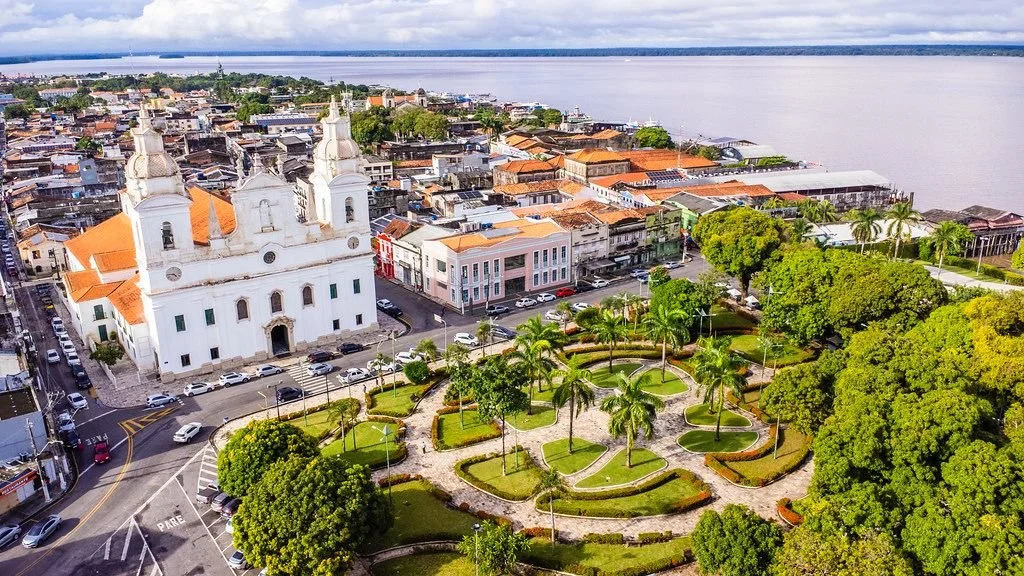
As the calendar of 2025 entered its final act, the world converged on Belém do Pará to discuss the climate crisis. What, for many, was merely a destination yet to be discovered in the heart of the Amazon revealed itself as a treasure trove of complexity, flavor and architecture, redefining the concept of a Brazilian metropolis.
COP30 marked an undeniable milestone for global sustainability and for Brazil, which hosted the conference for the first time. Belém’s selection as host city was no coincidence. The city stands at the heart of a crucial biome, and the achievement of the planet’s most urgent environmental goals passes, directly and incontestably, through the Amazon. Beyond its diplomatic importance, the conference became an international runway that placed Belém’s authenticity firmly under the global spotlight. It is no longer about simply seeing the forest, but about living the Amazon with captivating and organic sophistication.
But what, precisely, makes this capital city such an irresistible magnet for travelers after the conference?
The Flavor of Wit: A Menu That Is Pure Chic
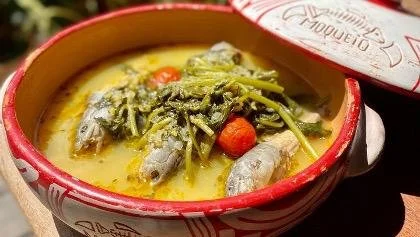
If the path to a traveler’s heart is through the stomach, Belém already holds the key, seasoned with jambu and tucupi. Pará’s gastronomy, recognized as UNESCO cultural heritage, is not merely food, it is a declaration of intent. True luxury lies in rarity, and here the flavors are exclusive, ancestral and deeply rooted.
Açaí is served not as the sugar rich metropolitan smoothie, but as an intense, almost savory pulp, traditionally paired with fried fish. Maniçoba, a dish that takes an entire week to prepare, proves that patience is indeed a gastronomic virtue. Belém’s cuisine stands at the forefront of slow food, driven by local ingredients, sustainable practices and a story behind every bite.




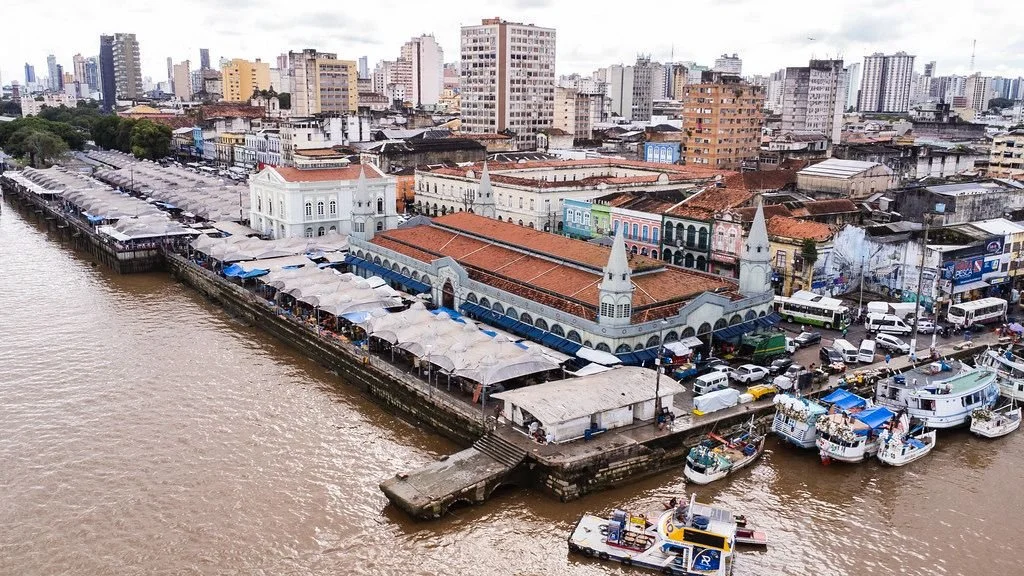
The Mercado Ver o Peso is not simply a market, it is a sensory celebration. It is life in full volume, expressed through color, scent and sound. Here, vibrant Marajoara handicrafts coexist with herbal stalls that preserve the ancestral knowledge of the forest, offering bathing products, teas and medicinal roots. It is a powerful reminder that popular culture, when fully lived, is endlessly fascinating.
This cultural richness extends far beyond the palate, shaping the city’s urban identity.
Neoclassical Grandeur Meets the Forest
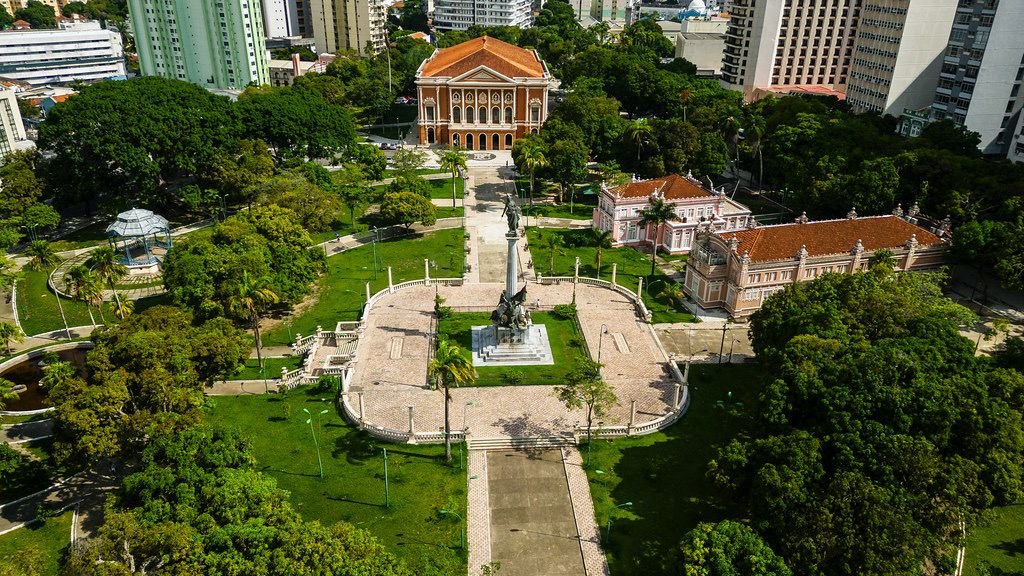
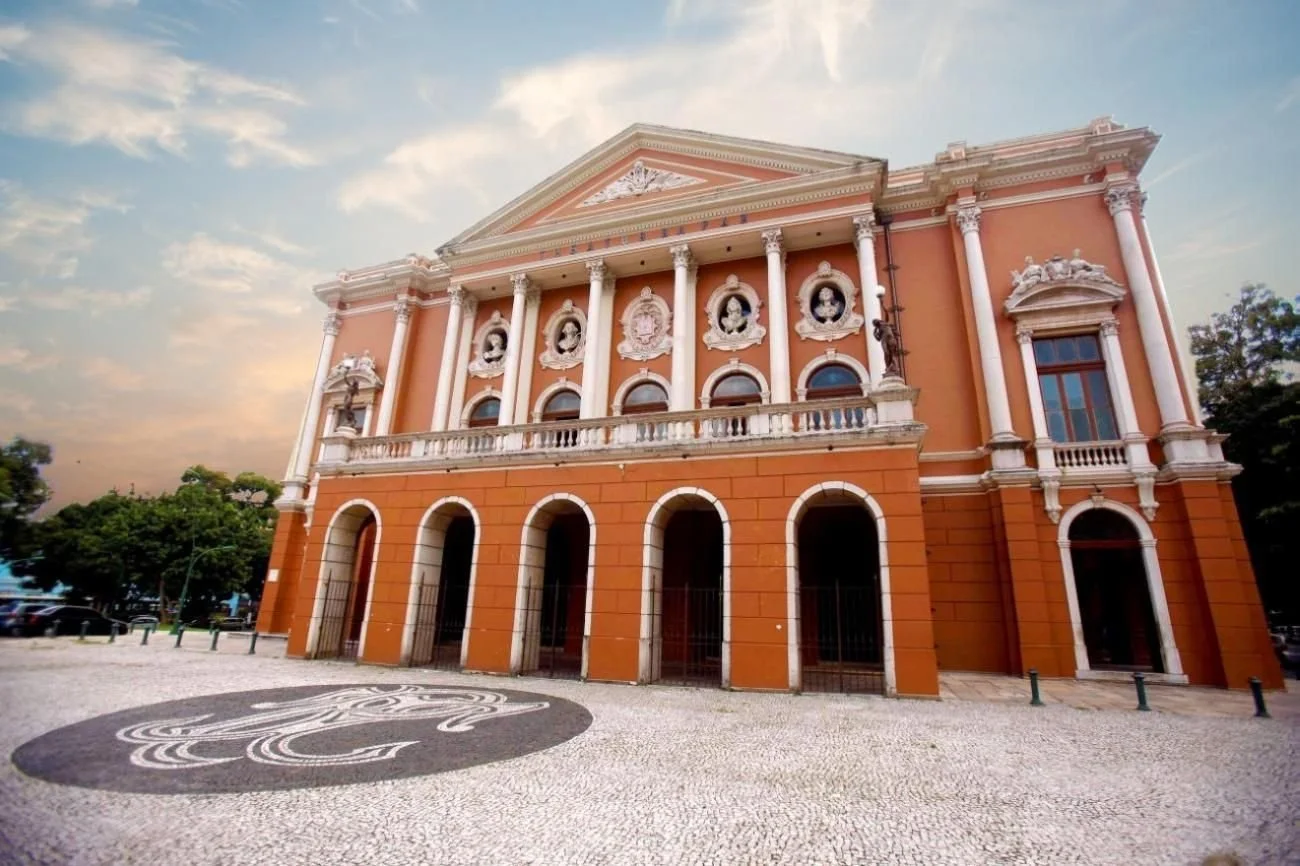
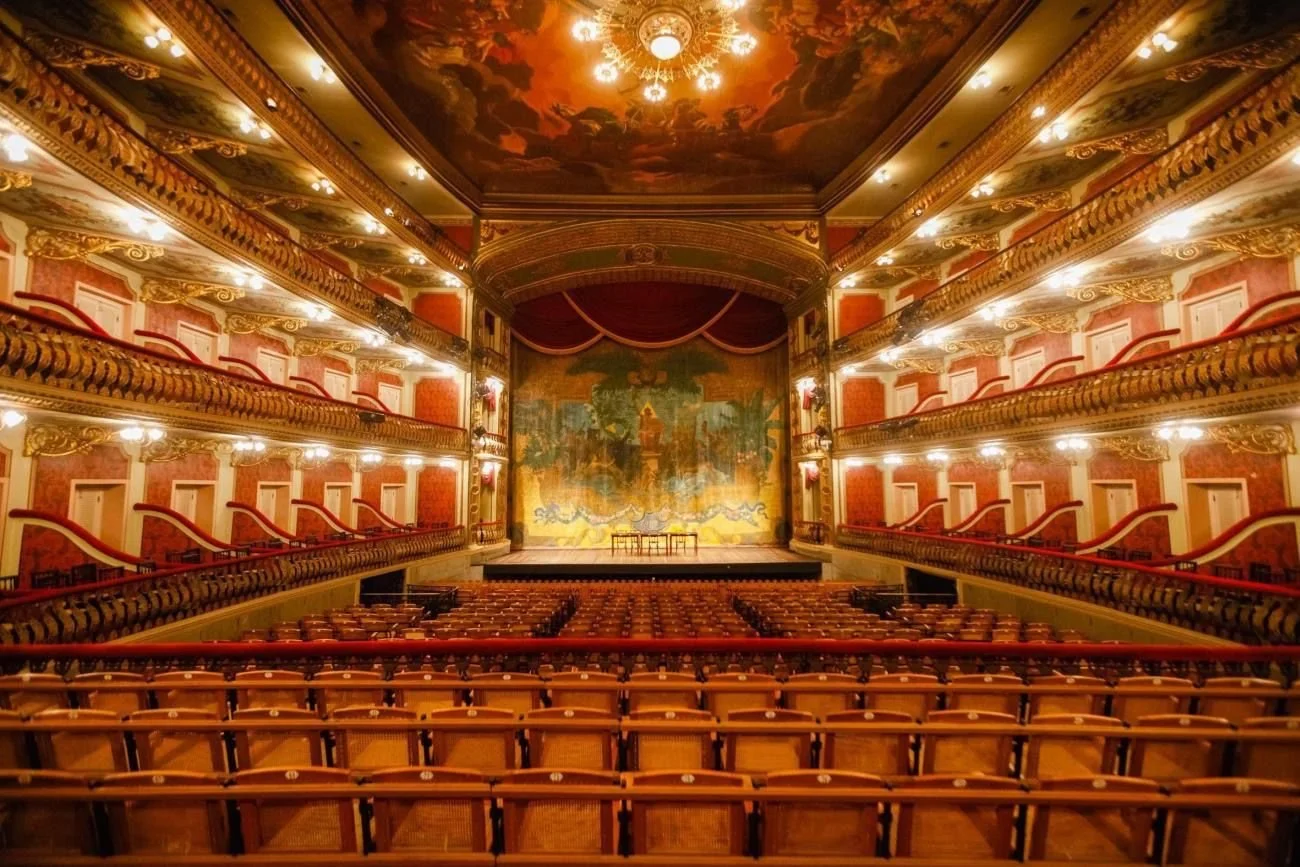
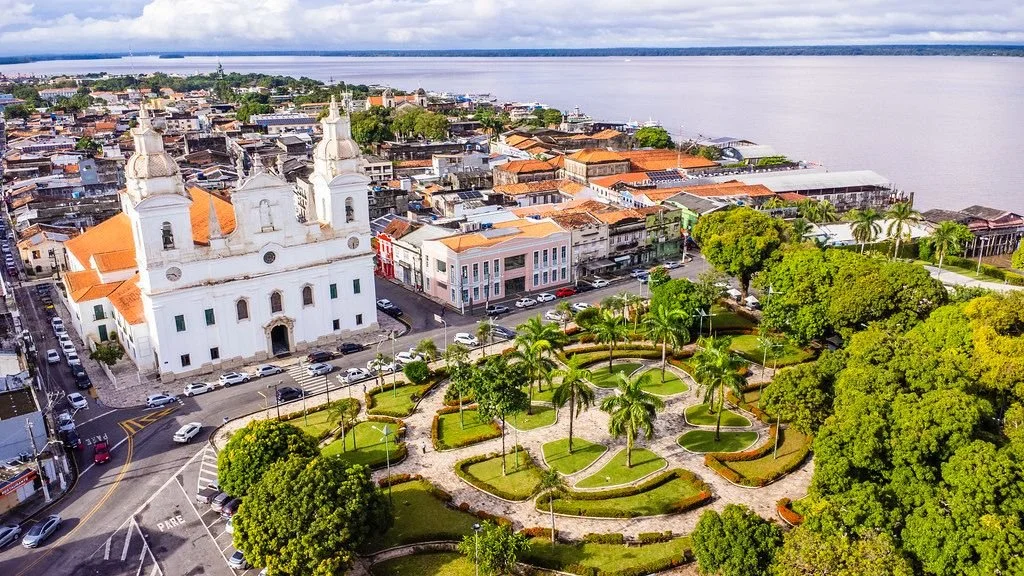
Belém’s architecture is its first and most audacious surprise. Who would expect, at the mouth of the Amazon River, to encounter the imposing Theatro da Paz, a neoclassical masterpiece inspired by Milan’s La Scala. The building stands as a silent witness to the rubber boom, an era of fleeting opulence that left behind palaces and colonial mansions.
What defines Belém’s genius, however, is its ability to preserve this legacy while seamlessly integrating it into contemporary life. The Estação das Docas complex, once nineteenth century industrial port warehouses, has been transformed into a cultural and gastronomic hub overlooking Guajará Bay. It is here that visitors enjoy craft beers infused with Amazonian flavors while watching the sun set over one of Brazil’s most dramatic horizons. The industrial past and the river landscape merge naturally, proving that history and refined leisure can coexist.
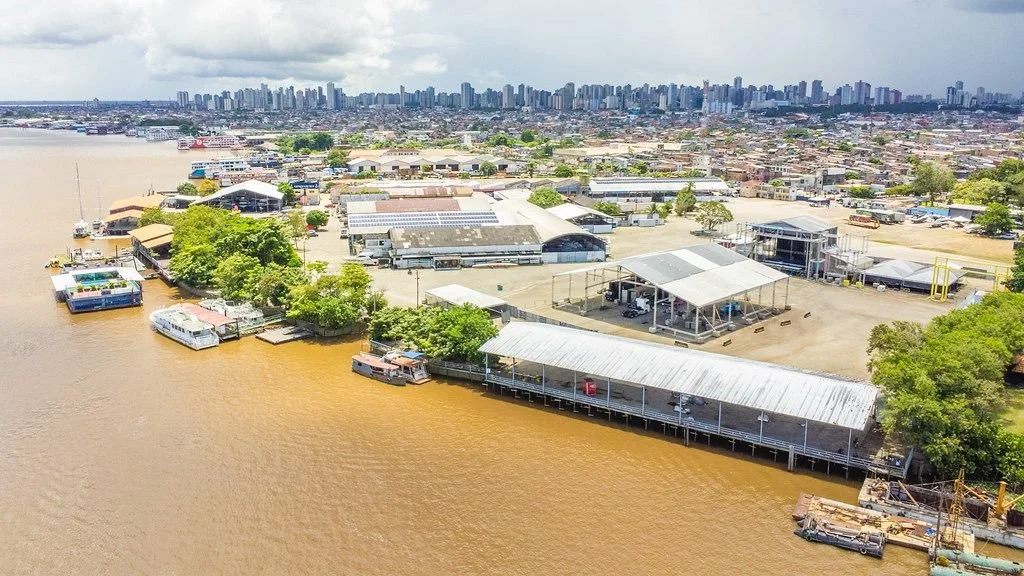
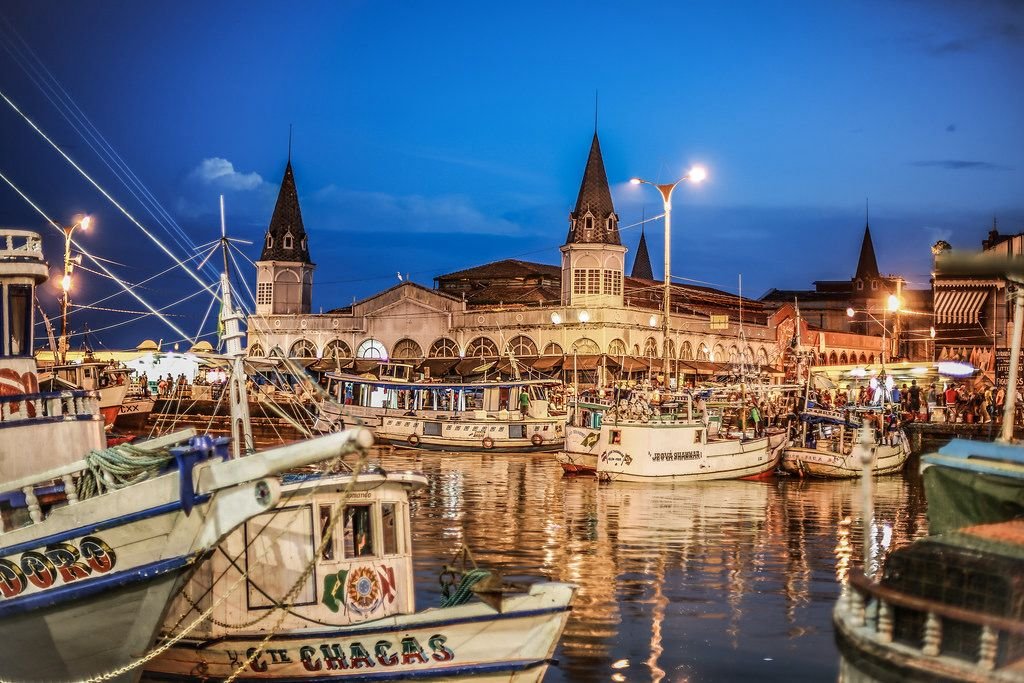
This harmony between heritage and environment becomes even more evident beyond the city limits.
From City to Island: Biodiversity as High Fashion
While Belém presented itself to the world during COP30 as a vibrant metropolis, it revealed its most intimate secret to those willing to travel just fifteen minutes by boat to Ilha do Combu.
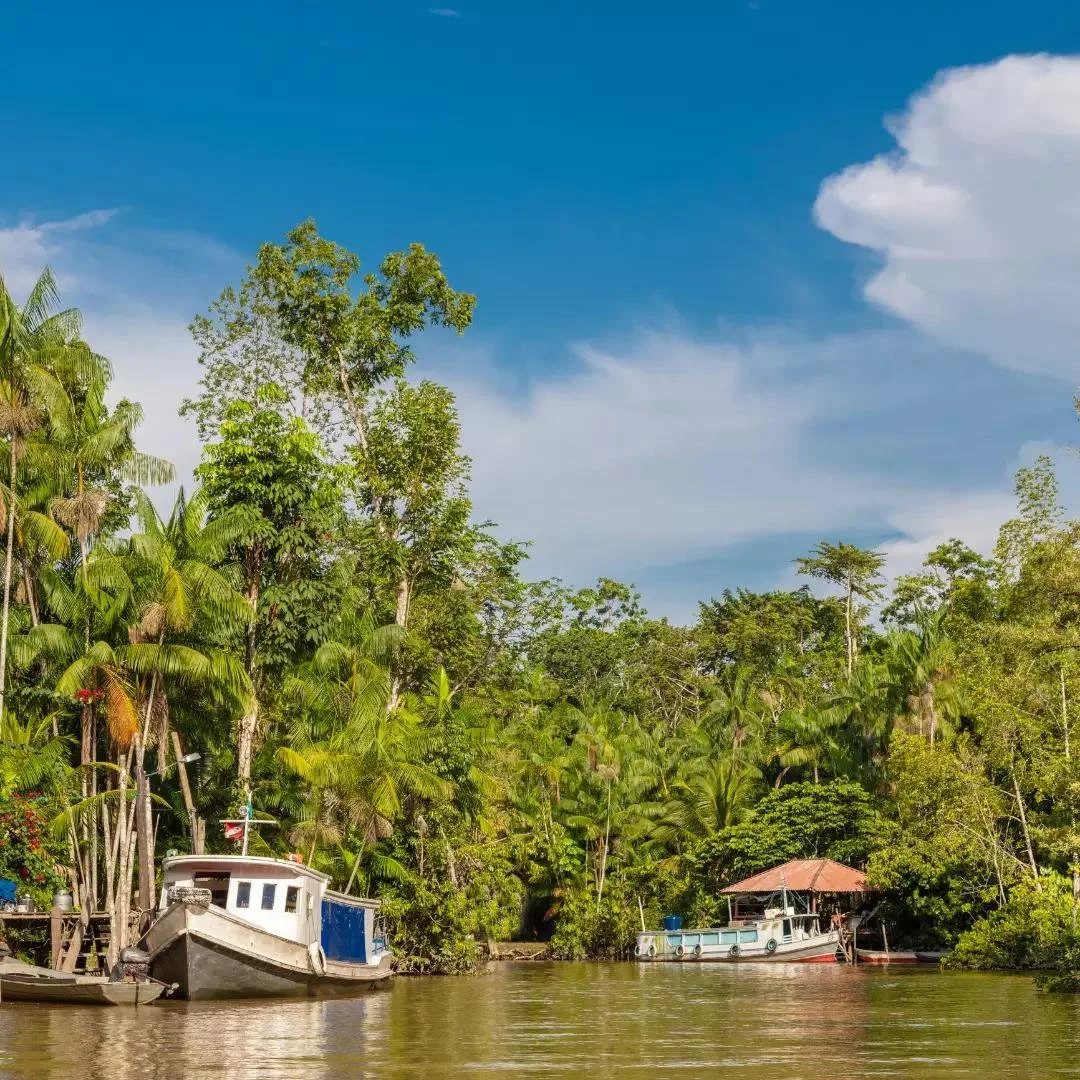
Combu embodies understated luxury, where green is not a trend but a lived reality. Visitors explore organic chocolate production at the iconic Filha do Combu and discover that sustainability is not a slogan, but a life philosophy and a path to prosperity. Dona Nena and the women of Combu celebrate their roots and the wisdom of the forest, demonstrating how Pará’s ingenuity transforms ancestral knowledge into a successful and exemplary business model.
This is the true tourism legacy of COP30. Belém invites us to rethink the meaning of travel. It is no longer about unchecked consumption, but about cultural immersion that actively preserves the forest. It is the intelligence of a city that used a global event to position itself as the gateway to a new era of travel, one where adventure is ethical, gastronomy is sublime and architecture tells a compelling story.
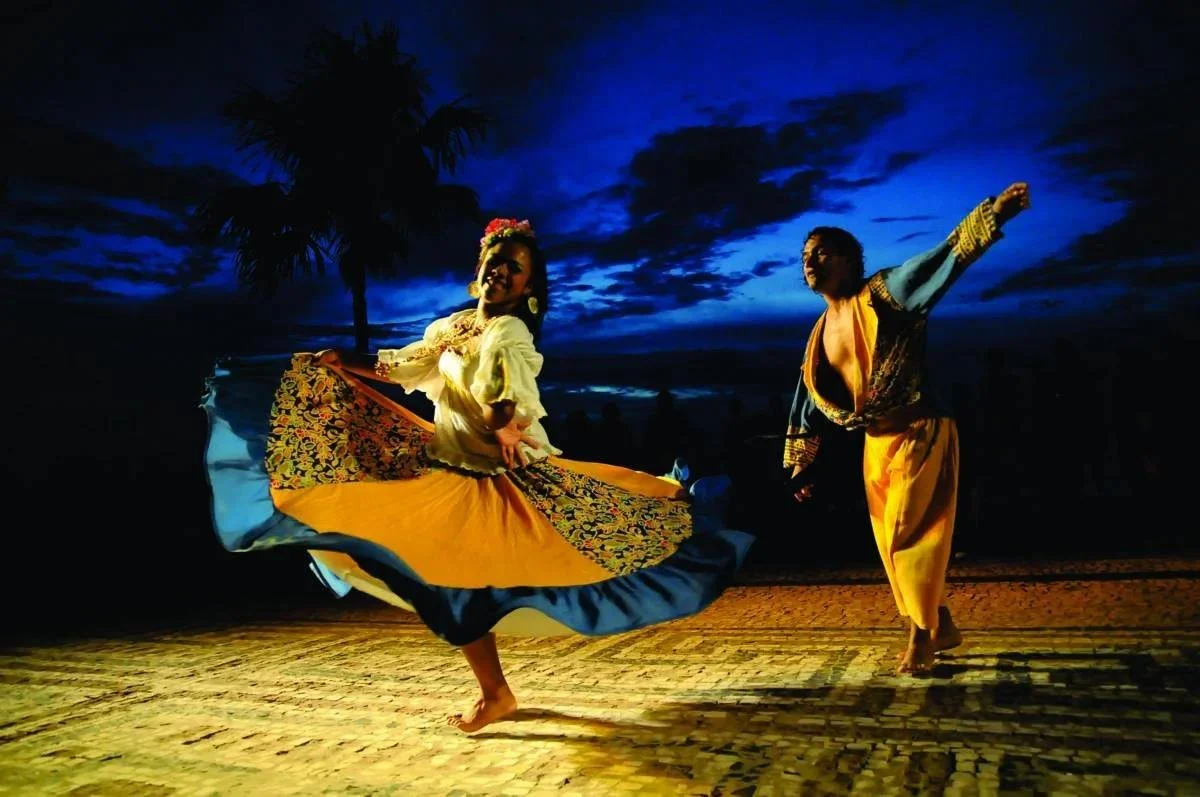
Belém proves that to be global and influential, one must first be courageously authentic. And on that front, this capital city has already secured its place as a new reference on the world map.