The Jim Thompson House Museum: Silk, Style and a Green Sanctuary in Bangkok
Source: Own archive
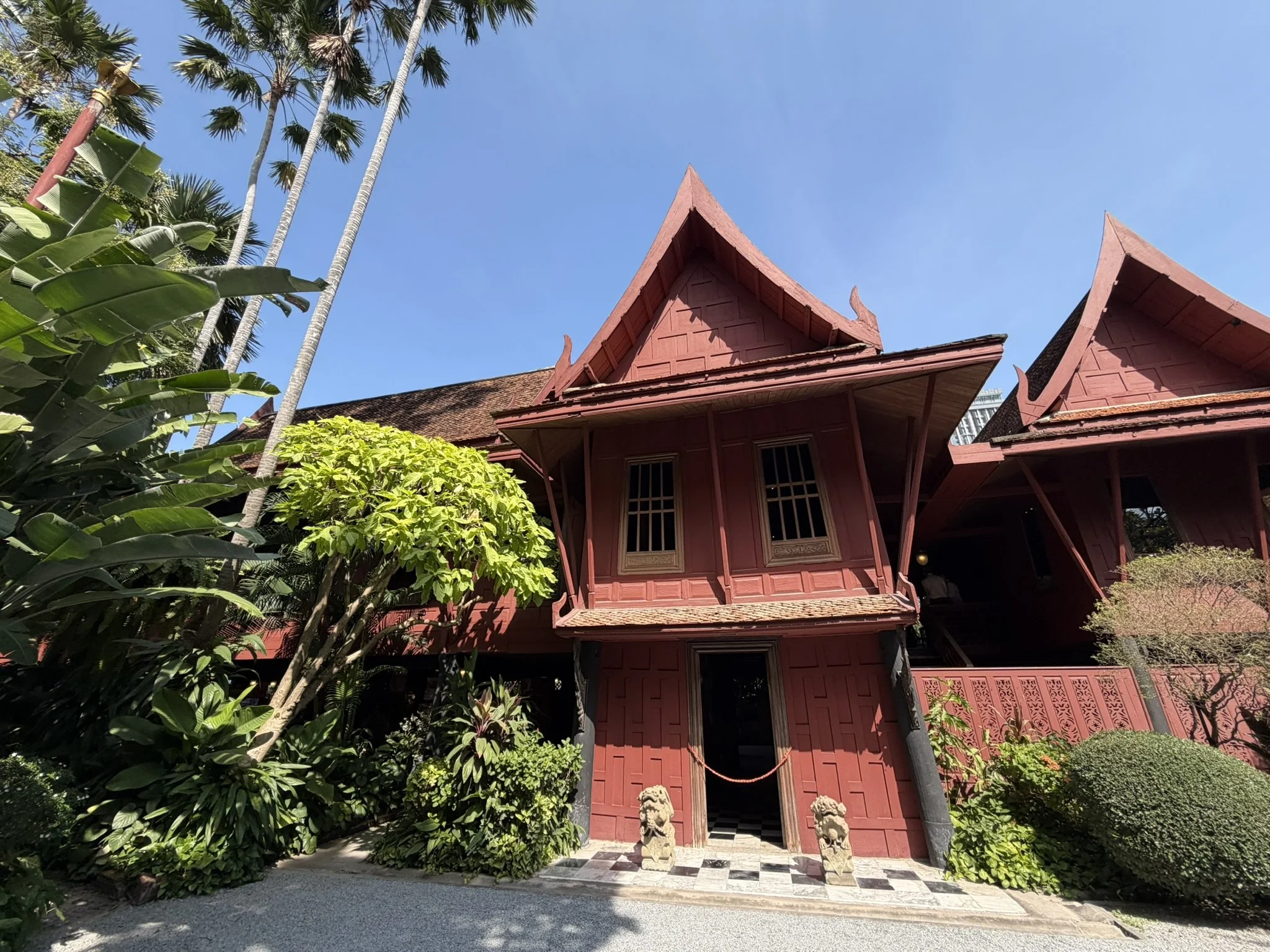
Tucked away from the relentless rhythm of Bangkok’s streets lies the Jim Thompson House Museum, a place where calm replaces chaos and craft takes centre stage. Visiting during our most recent trip to the Thai capital, we stepped into a preserved world shaped by creativity, cultural curiosity and one of the most fascinating figures in modern Thai history.
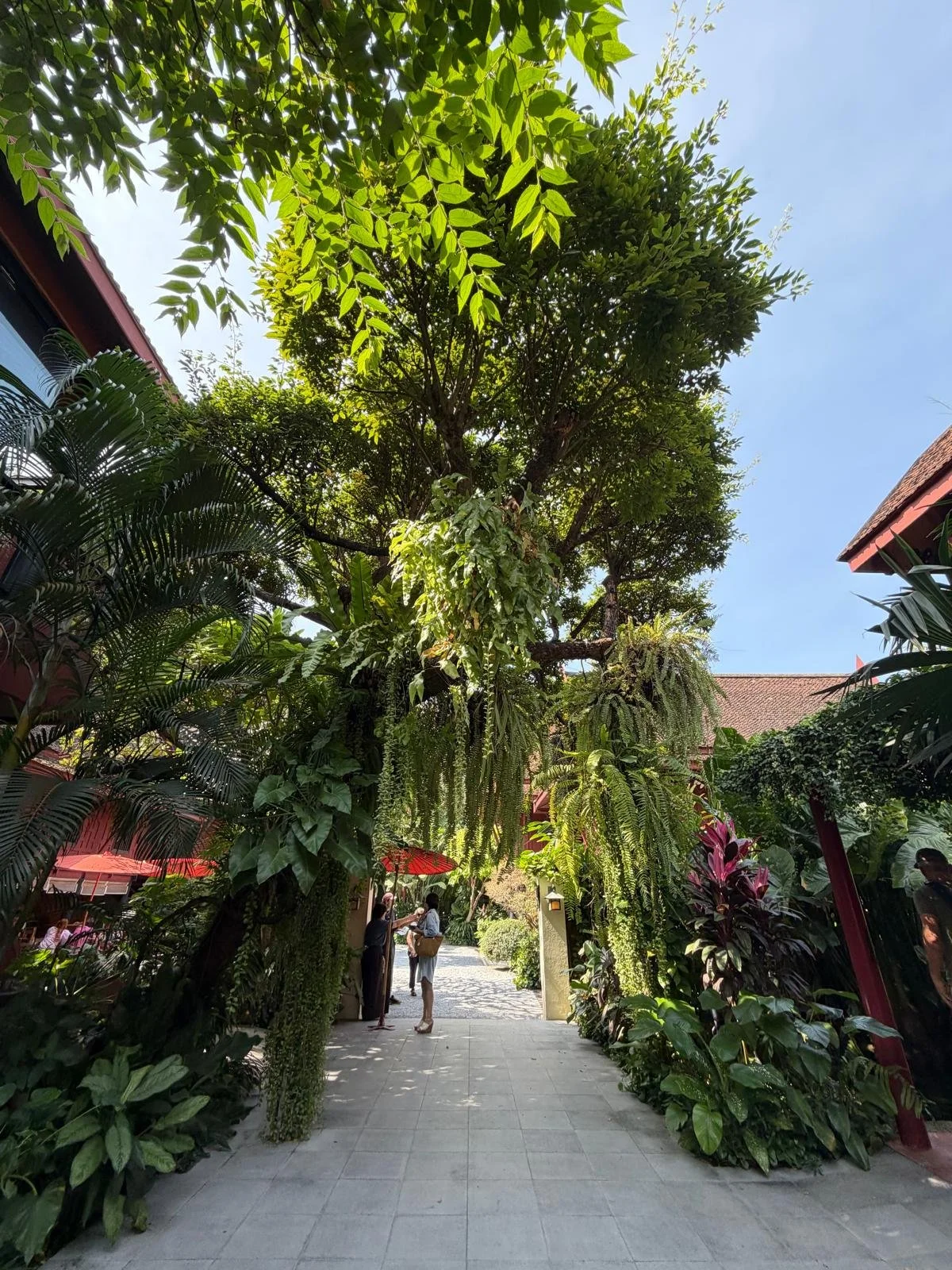
Completed in 1959, the house is a refined ensemble of traditional Thai wooden structures, set beside a quiet canal and enveloped by lush tropical gardens. The moment you cross the threshold, the city fades. What remains is a sense of balance, elegance and intention, a rare green oasis carefully protected in the heart of Bangkok.
The man behind the silk
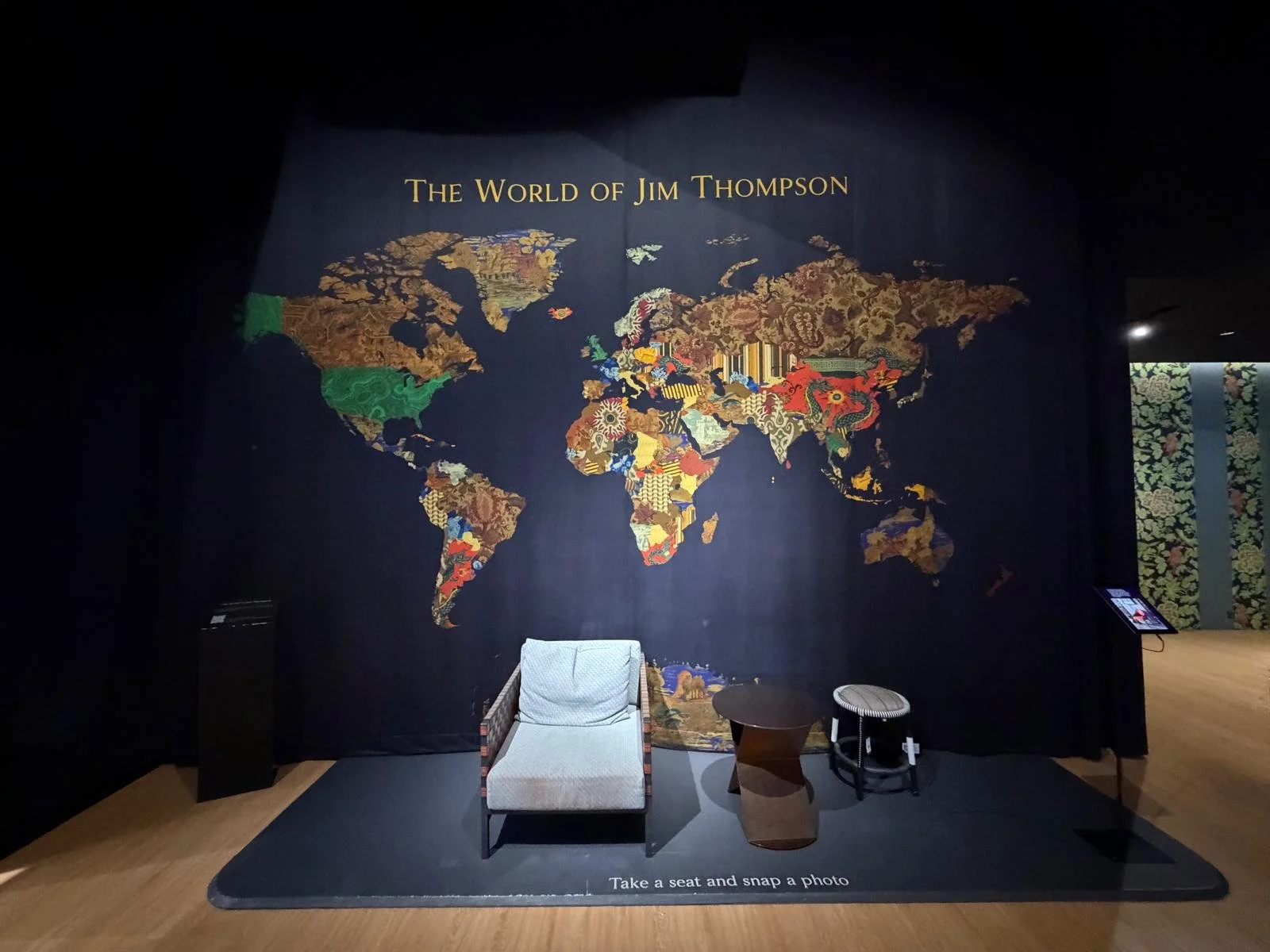
James H. W. Thompson, often referred to as the Thai Silk King, was an American architect by training who became a cultural pioneer by passion. After the Second World War, he turned his attention to Thailand’s silk industry, recognising both its beauty and its potential at a time when traditional weaving was in decline. In 1950, he founded what would become the Jim Thompson brand, transforming Thai silk into a global symbol of quality, colour and craftsmanship.
Source: Courtesy of James H. W. Thompson Foundation
His vision extended far beyond commerce. Thompson worked closely with Thai artisans, respected traditional techniques and introduced innovation without erasing heritage. In doing so, he built a bridge between East and West, empowering generations of weavers and placing Thai silk firmly within the international worlds of fashion, design and interiors.
For Avesso, a publication that celebrates craftsmanship, sustainability and cultural narratives within fashion and lifestyle, this legacy feels particularly resonant. Thai silk is not just a material. It is a story of place, people and identity, values that sit at the core of how we approach style.
A house that tells a story
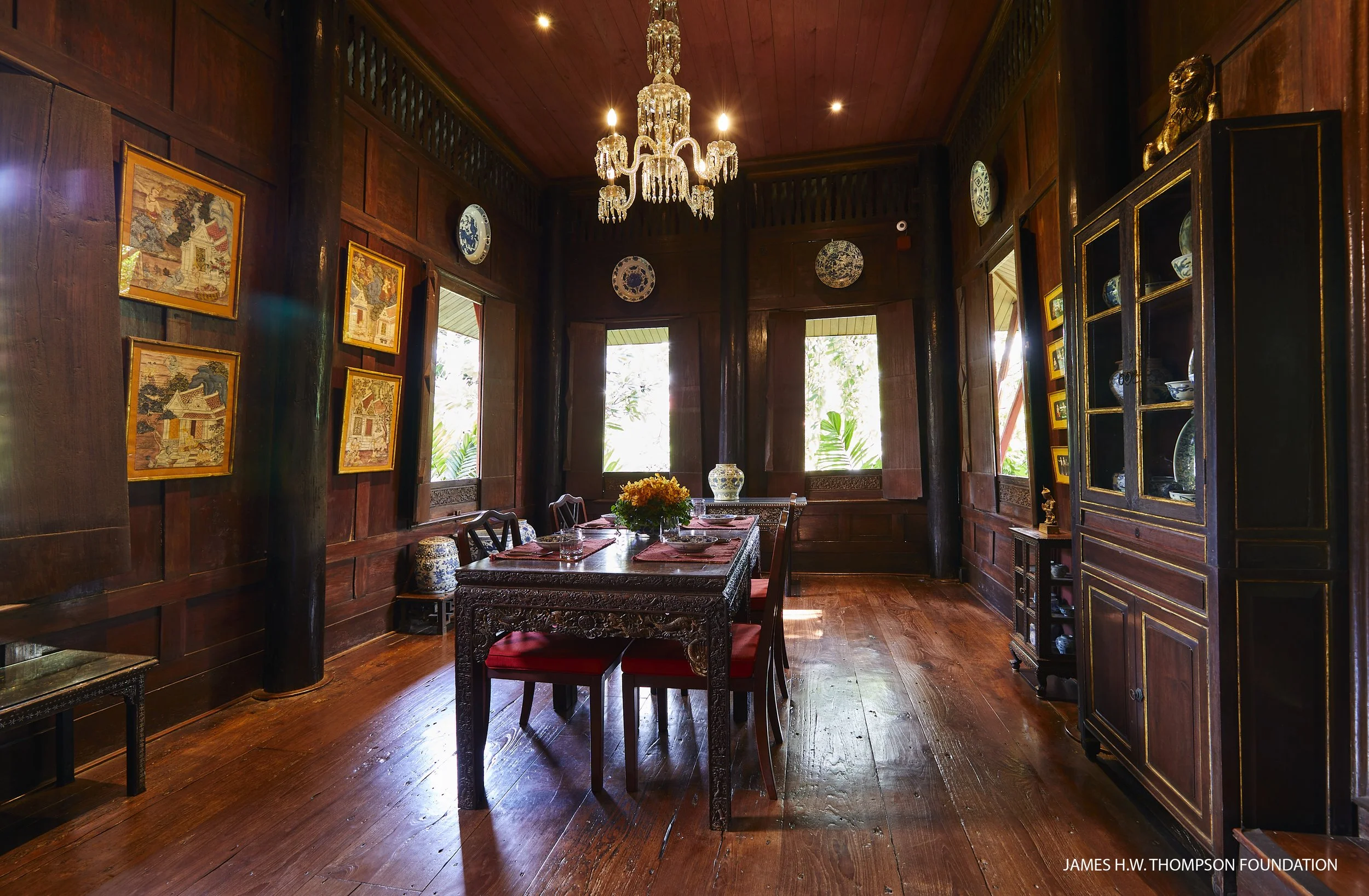
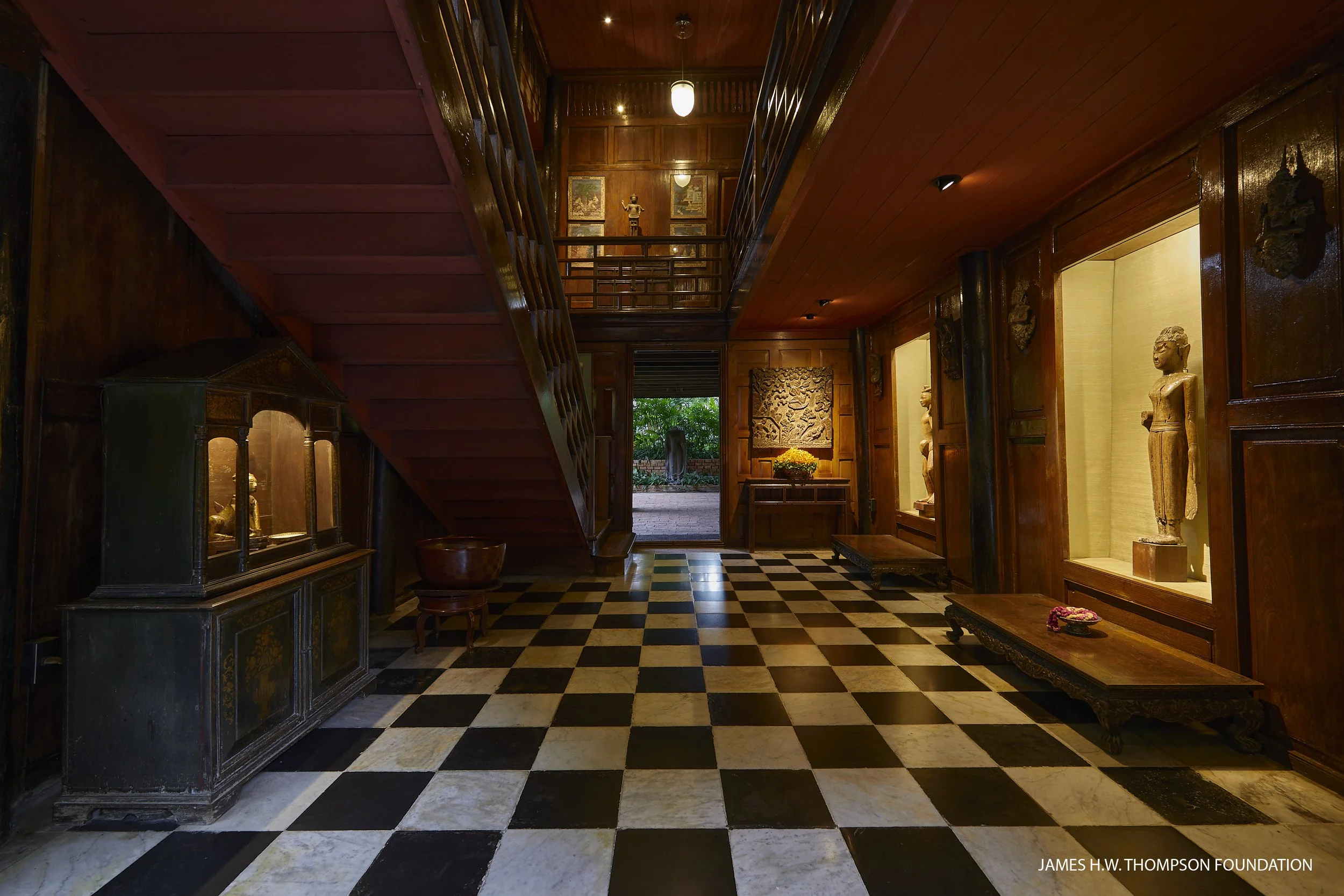
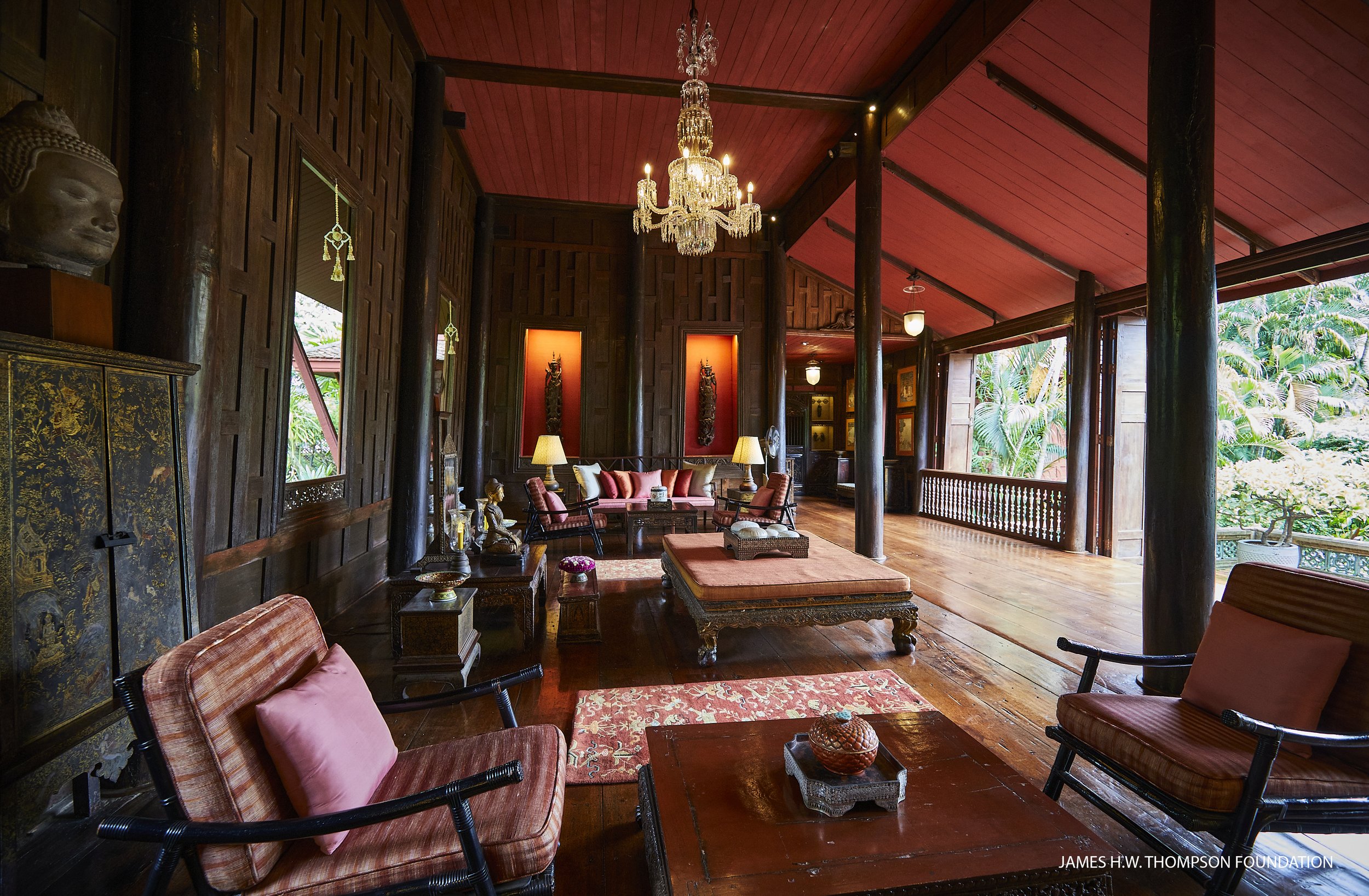
Our visit took place as part of an English guided tour, which was impeccably organised, welcoming and thoughtfully paced. Each room unfolds like a chapter, revealing Thompson’s deep appreciation for Thai history, religion and art. Although American by birth, it becomes clear very quickly that he was Thai at heart. The house feels lived in, intimate and generous, rather than static or overly formal.
Source: Courtesy of James H. W. Thompson Foundation
Every corner celebrates craftsmanship, from carved wooden details to religious artefacts and carefully curated artworks collected across Southeast Asia. The energy of the space is strikingly warm. It is impossible not to feel at ease, as though you are being welcomed into a private home rather than a museum.
Royal connections and cultural legacy
Thompson’s contribution to Thai culture was recognised at the highest level. He shared a close relationship with Queen Sirikit, the late Queen Mother of Thailand, whose lifelong passion for fashion and textiles played a crucial role in elevating Thai silk as a national symbol. Her support helped cement silk not only as an industry but as an expression of Thai identity and pride.
Source: Own archive
His connection with the royal family continues today through stewardship of his legacy. The James H. W. Thompson Foundation, which manages his estate and the house museum, operates under the royal patronage of Princess Maha Chakri Sirindhorn. This royal blessing ensures that Thompson’s cultural contributions remain protected, respected and woven into Thailand’s living heritage.
Silk as living heritage
Several objects on display relate directly to Thompson’s silk enterprise, grounding the story of fashion in lived reality. Even the location of the house was strategic, positioned near the canal to allow easy access to silk producers across the water. This practical detail reveals how closely his personal life, business and cultural mission were intertwined.
Source: Courtesy of James H. W. Thompson Foundation
One of the most memorable moments of the visit comes at the end of the tour, where visitors can watch a woman working at a traditional loom, weaving silk by hand. Seeing the process up close brings the exhibitions to life. Patterns displayed throughout the house suddenly gain texture and meaning. They are no longer just motifs, but the result of skill, patience and inherited knowledge.
Mystery and meaning
Jim Thompson’s life is as compelling as his work. In 1967, he mysteriously disappeared while on holiday in the Malaysian jungle, never to be found. This unresolved chapter adds an air of intrigue to the museum, yet it never overshadows what truly endures: his contribution to Thai culture and global design.
Today, the Jim Thompson House Museum stands as both a tribute and a living archive. It preserves not only a personal story but an entire ecosystem of craft, creativity and cross-cultural exchange.
Source: Own archive
Leaving the gardens and stepping back into Bangkok’s intensity, the contrast is striking. The visit feels refreshing, grounding and quietly inspiring. For anyone interested in fashion, textiles or the deeper stories behind what we wear, this museum offers far more than history. It offers perspective. In a city defined by constant movement, the Jim Thompson House Museum reminds us that style, when rooted in respect, craftsmanship and royal recognition, has the power to endure.