Uzbekistan, a Cultural Journey Shaped by Heritage, Craftsmanship and Cities that Inspire

There are destinations that touch the mind, and others that speak directly to the soul. Uzbekistan does both.
My recent journey through Samarkand, Bukhara and Tashkent revealed a country where history is alive, craftsmanship breathes through every gesture, and culture is cherished as a living treasure. Each city carries its own identity, its own rhythm and its own way of welcoming the traveller into a world built with beauty, tradition and astonishing depth.
Samarkand, where civilisation carved its memory in stone
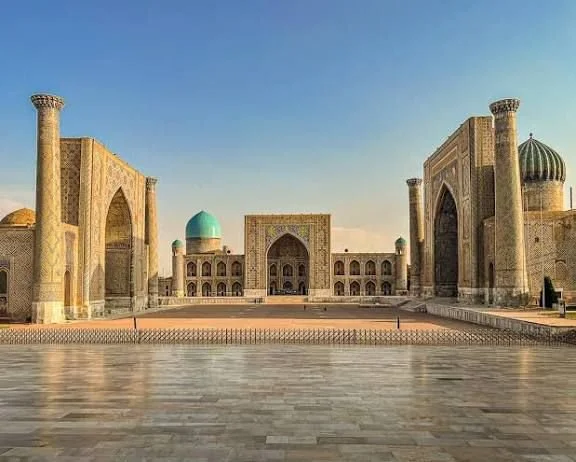


My first stop was Samarkand, a city that feels sculpted by time itself.
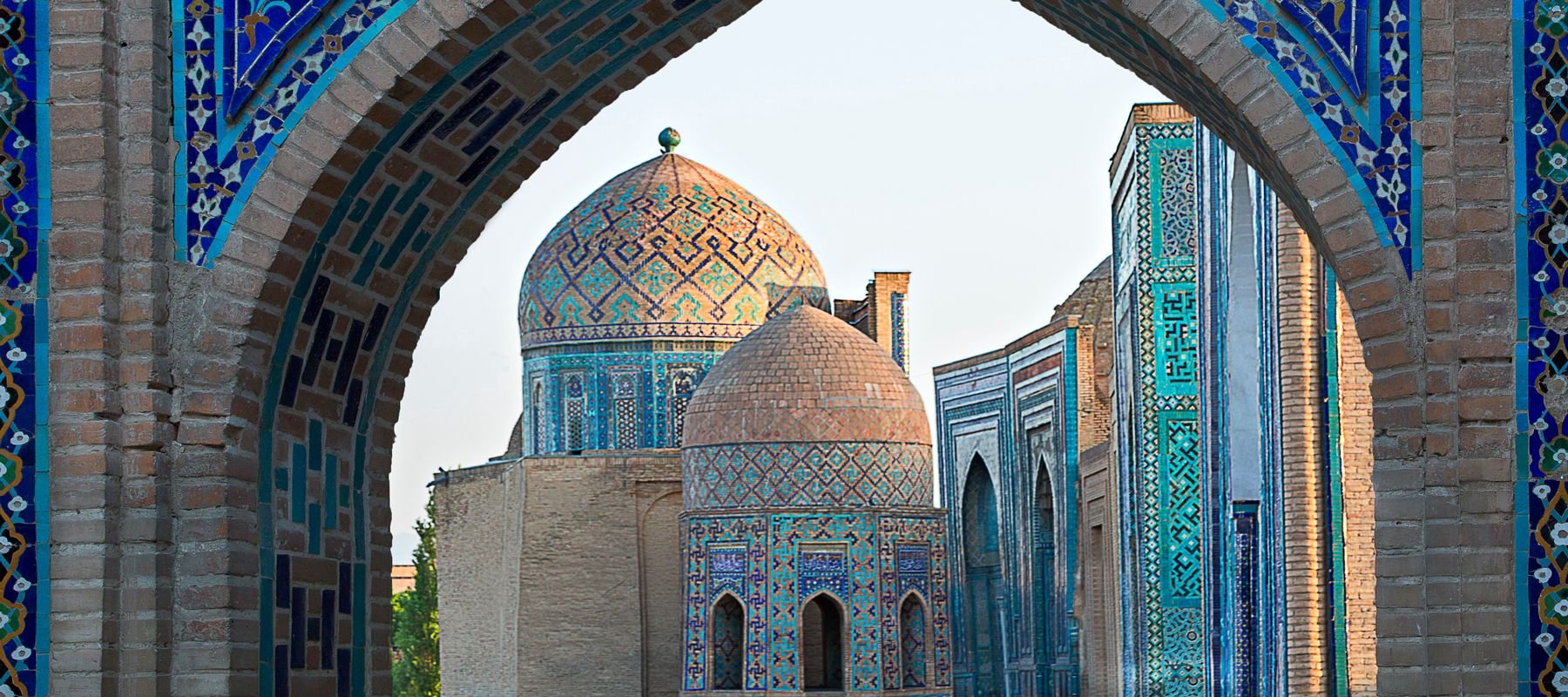
Standing before Registan Square, surrounded by the majesty of its madrassas and the intricate geometry of turquoise tiles, I understood why this city has long been called the Pearl of the Silk Road. Nothing prepares you for the sensation of being embraced by a landscape that once connected the East with the West through trade, science, astronomy and literature.
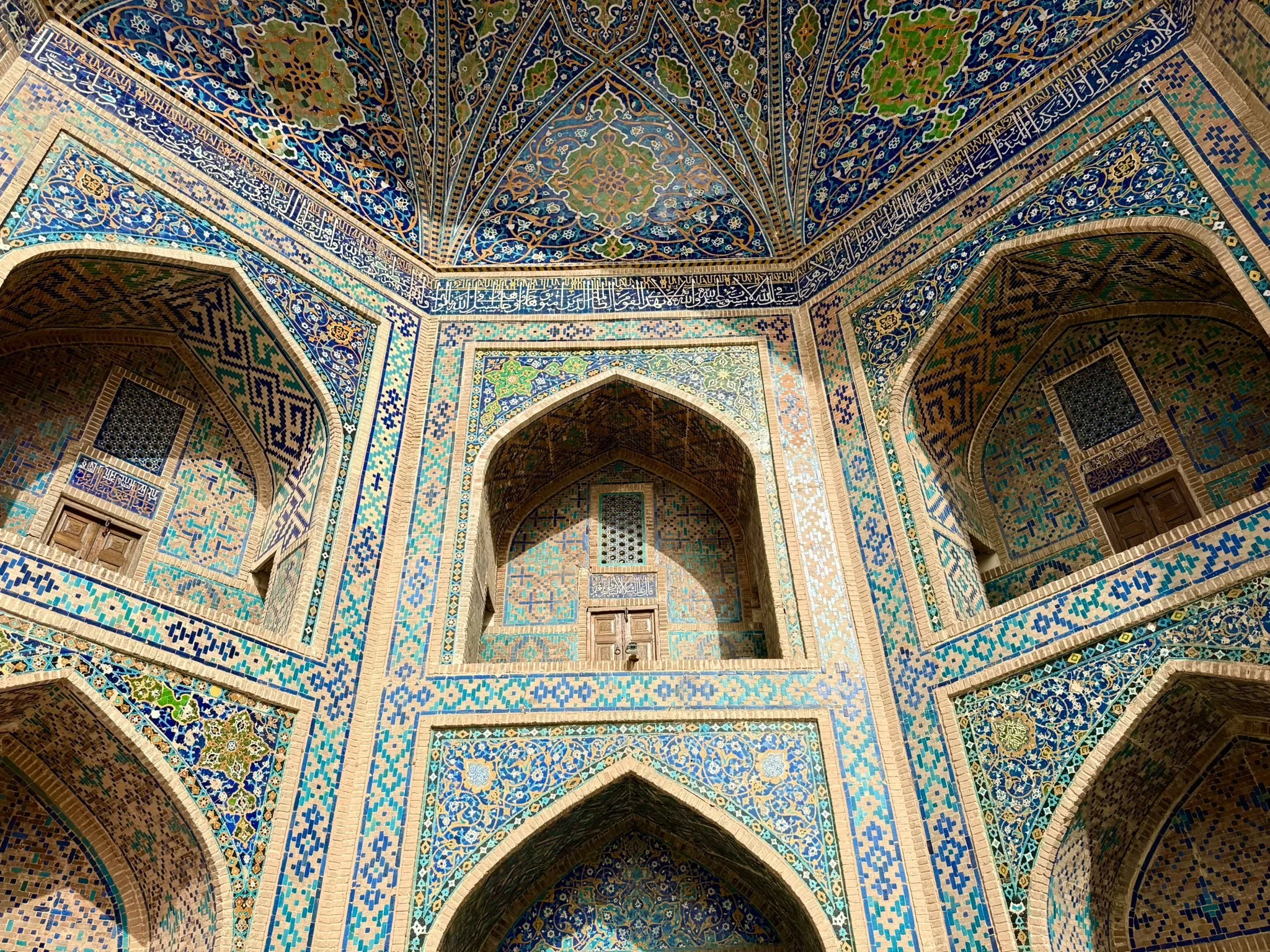
Here, blue is not simply a colour. It is a symbol of purity, strength and legacy. The ancient empires that once thrived in the region used blue to express spiritual elevation and imperial power. The inscriptions carved high on the facades of these monuments echo passages of the Quran, a centuries long tradition that blessed the architecture and protected it.

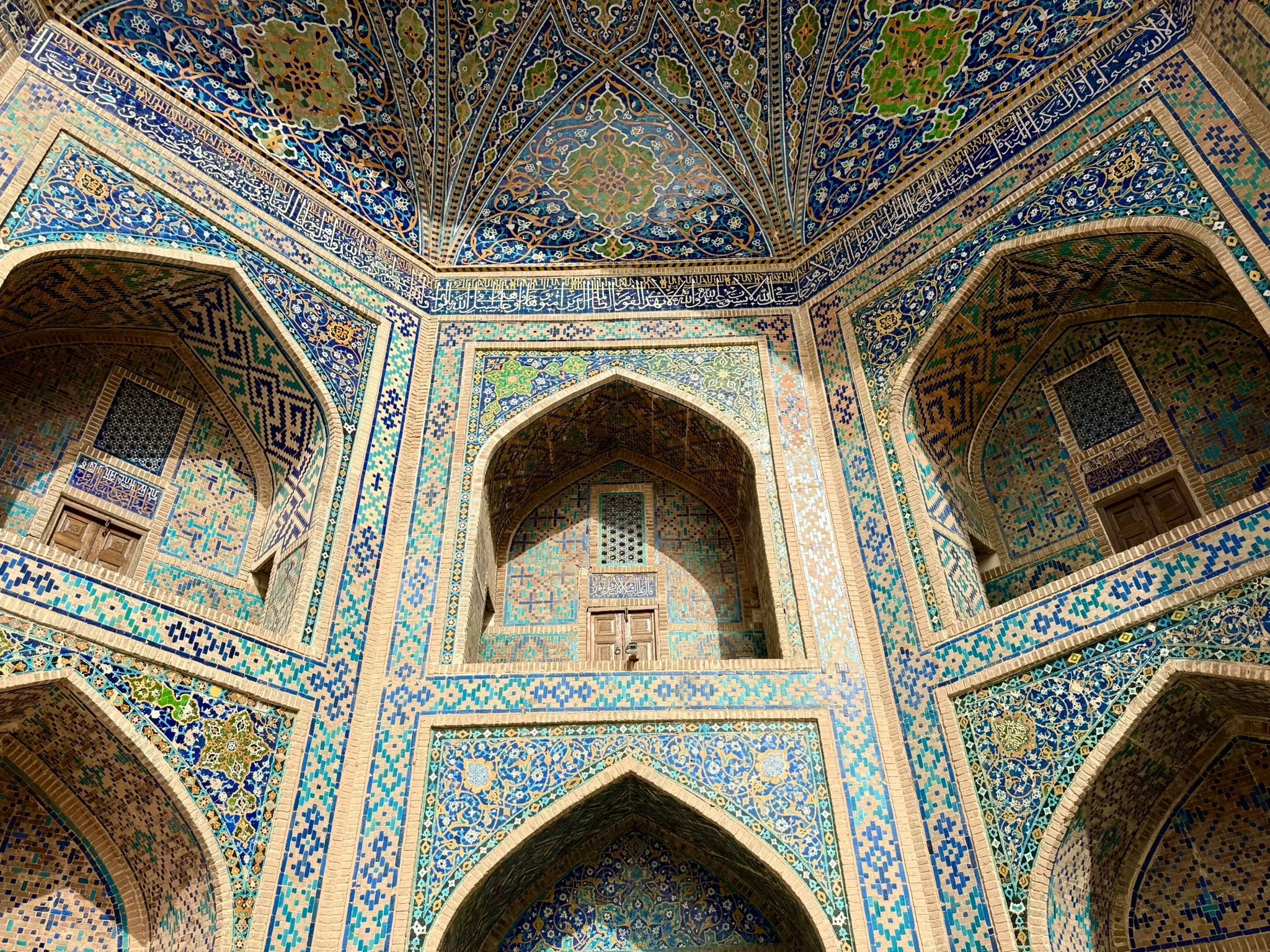
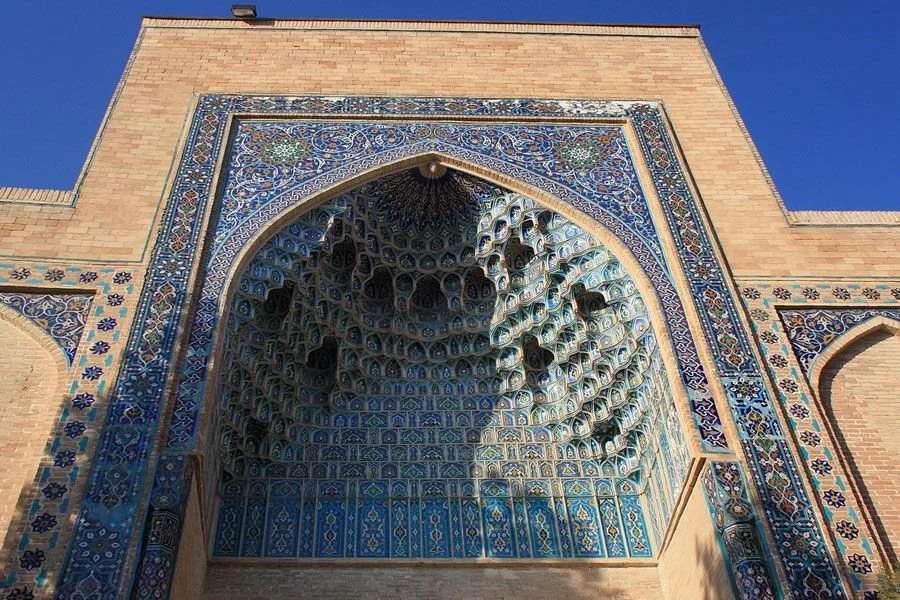
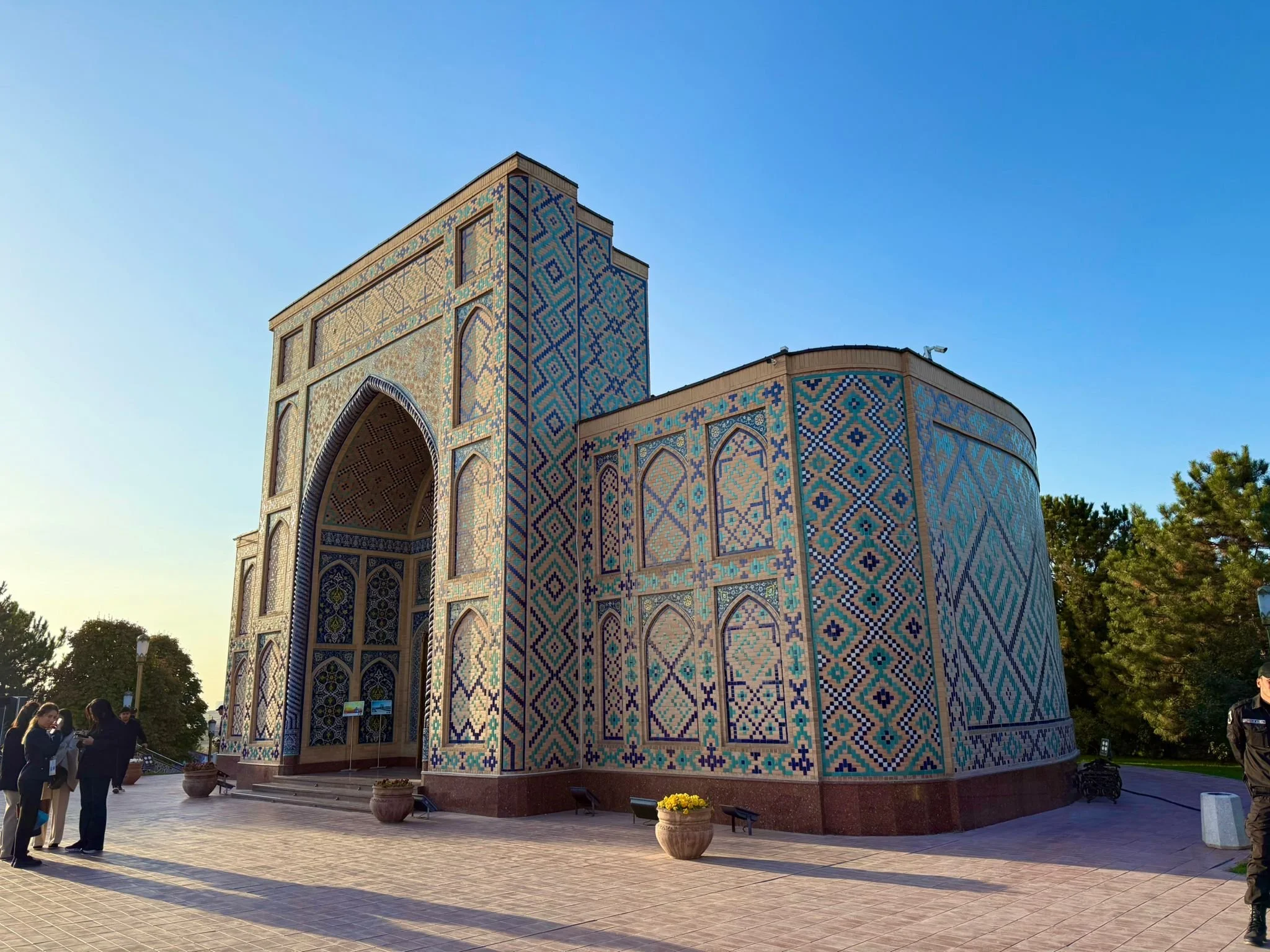

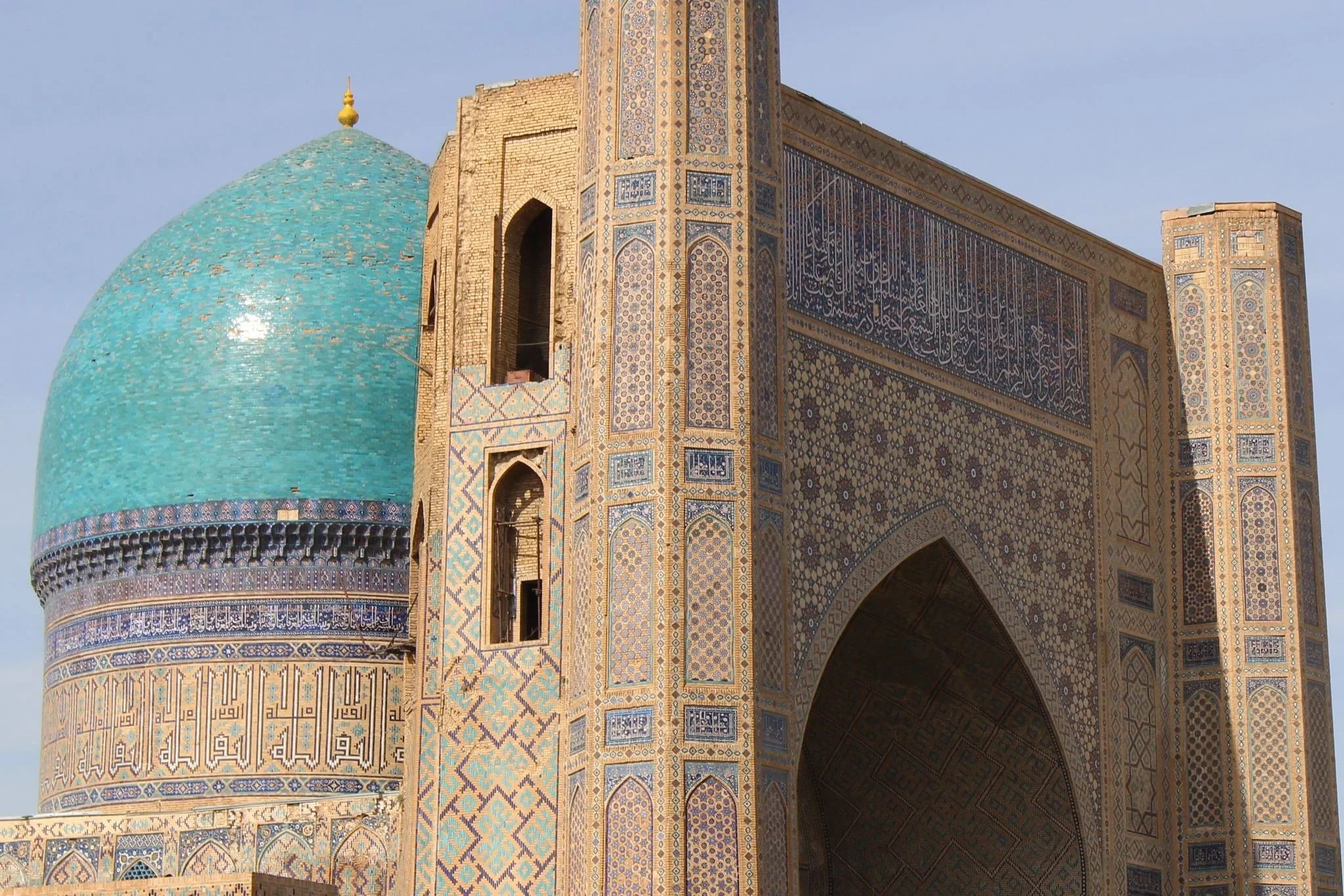

Samarkand is also where I visited the Bibi Khanum Mosque and the Gur Emir Mausoleum, both dazzling landmarks that blend spirituality with extraordinary craftsmanship. Everywhere, culture reveals itself through tradition, generosity and an undeniable pride in heritage.
Bukhara, a city where artisans keep time alive
If Samarkand is grandeur, Bukhara is intimacy.
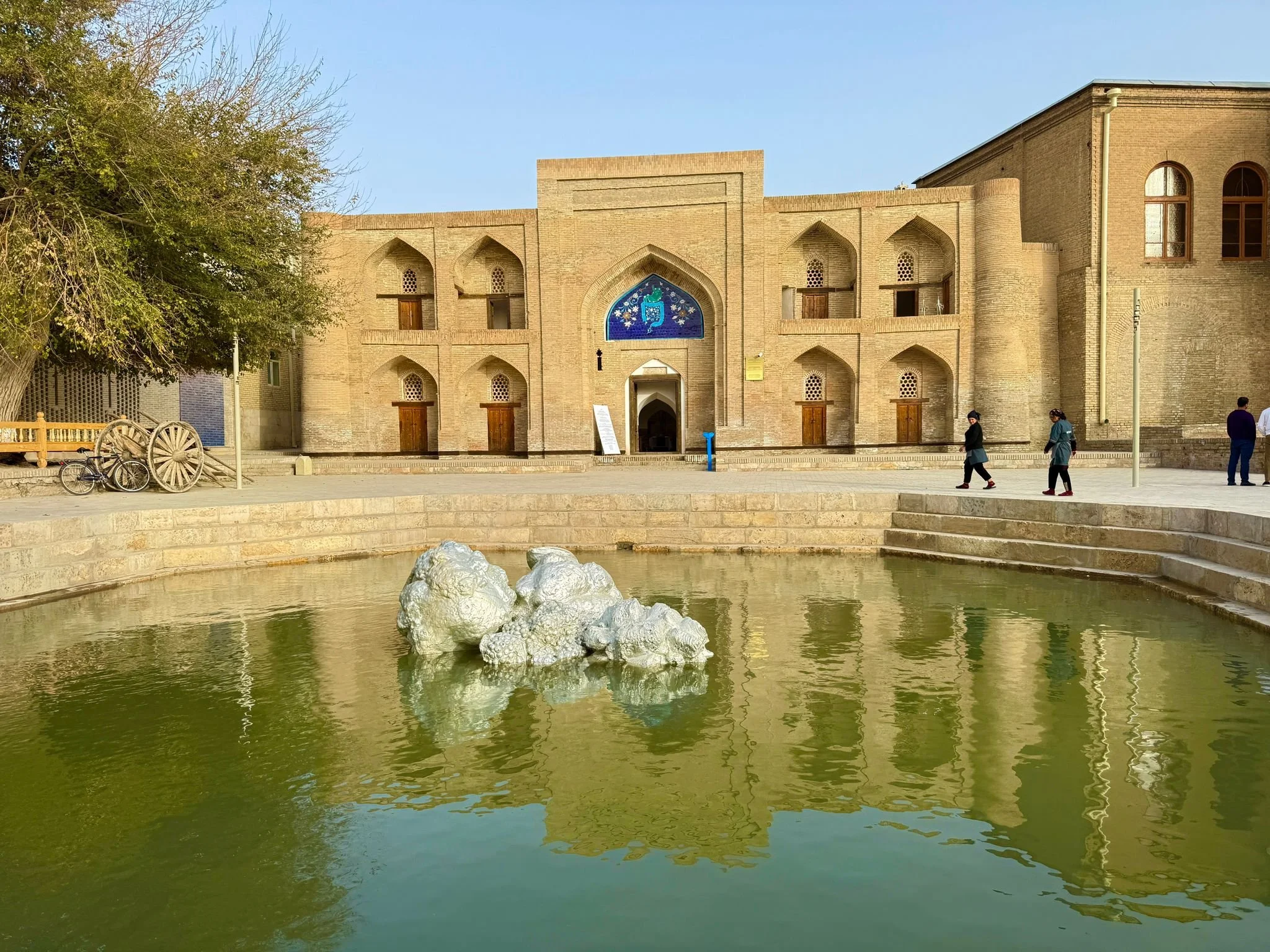
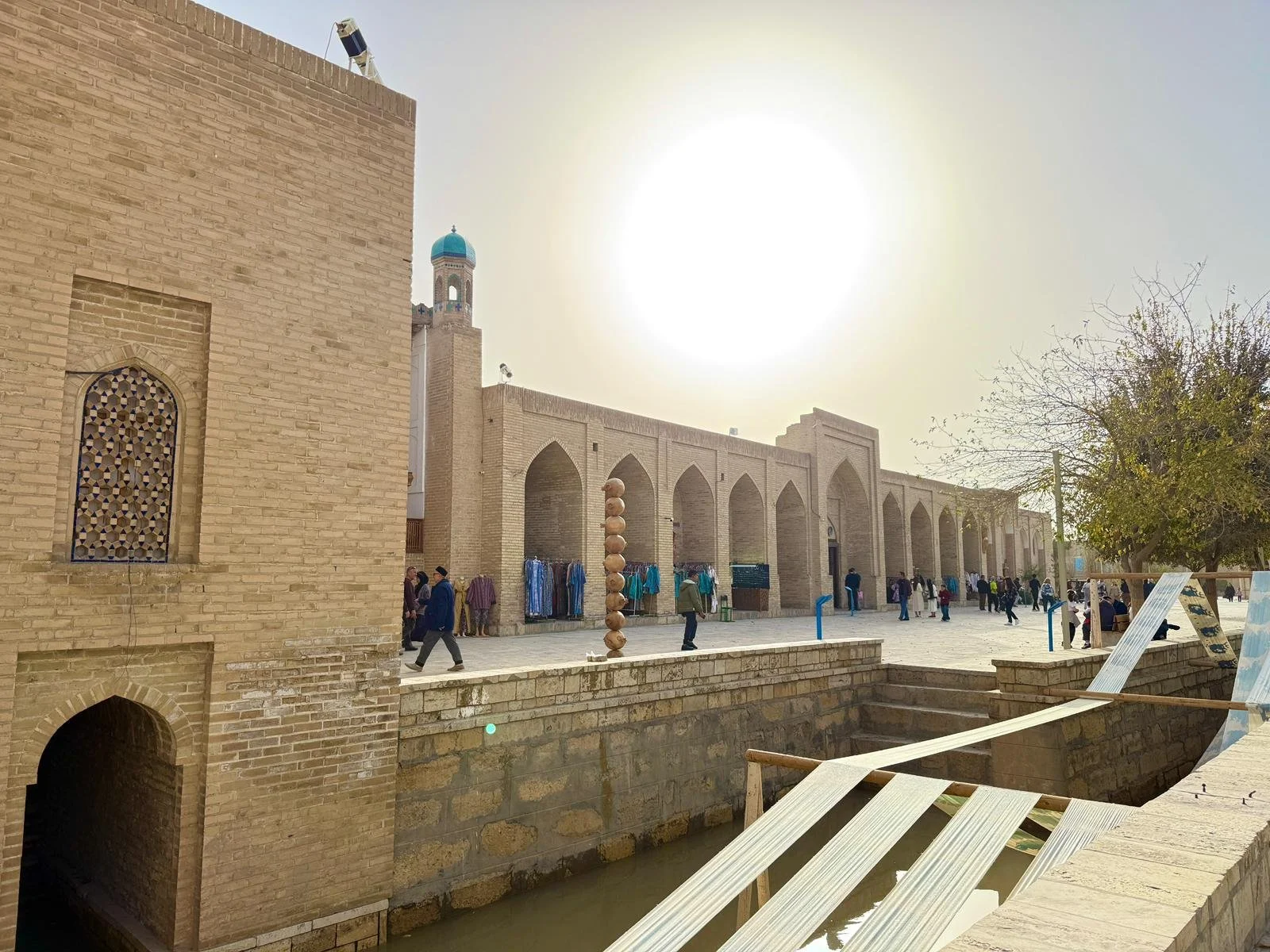
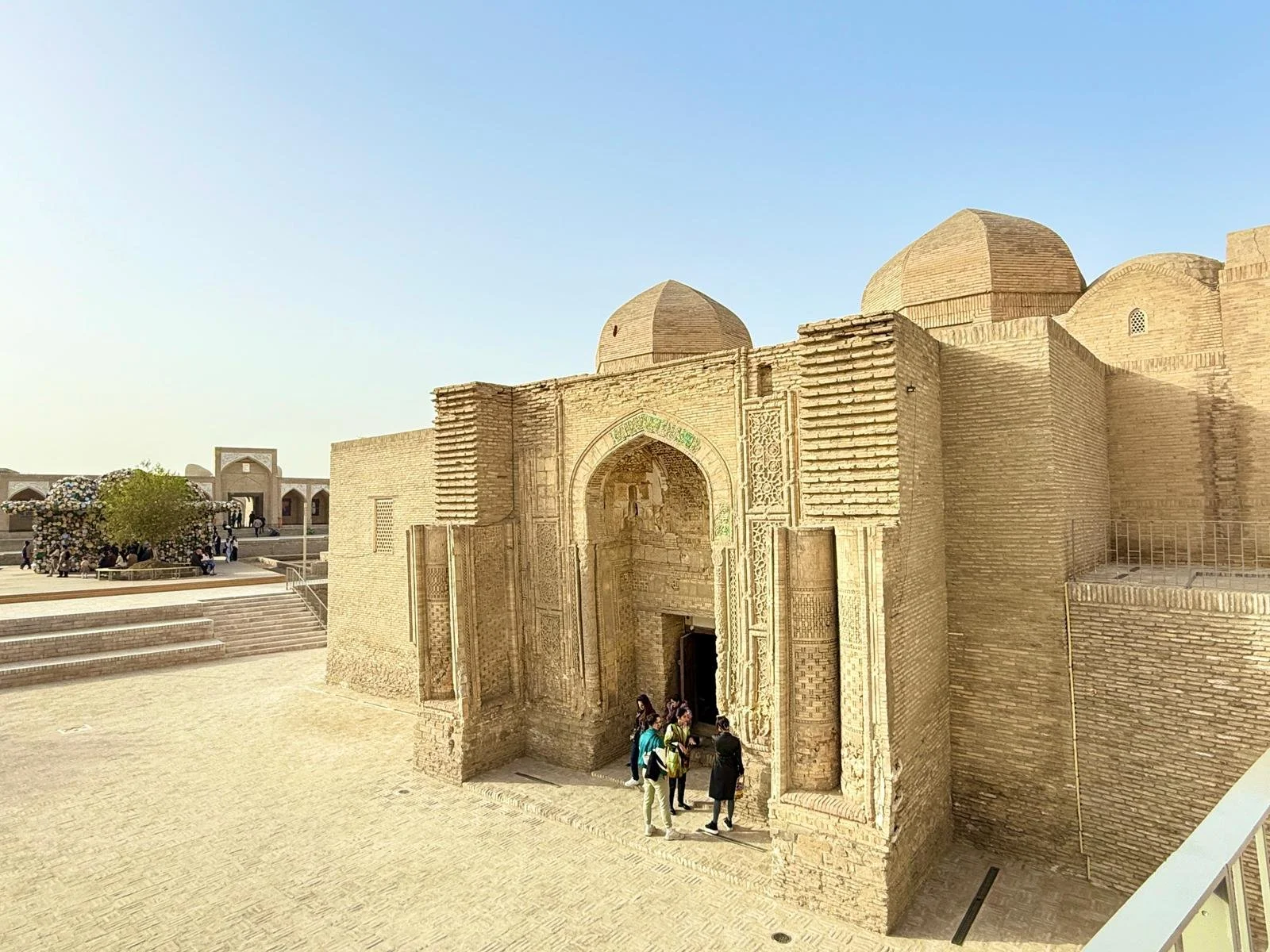
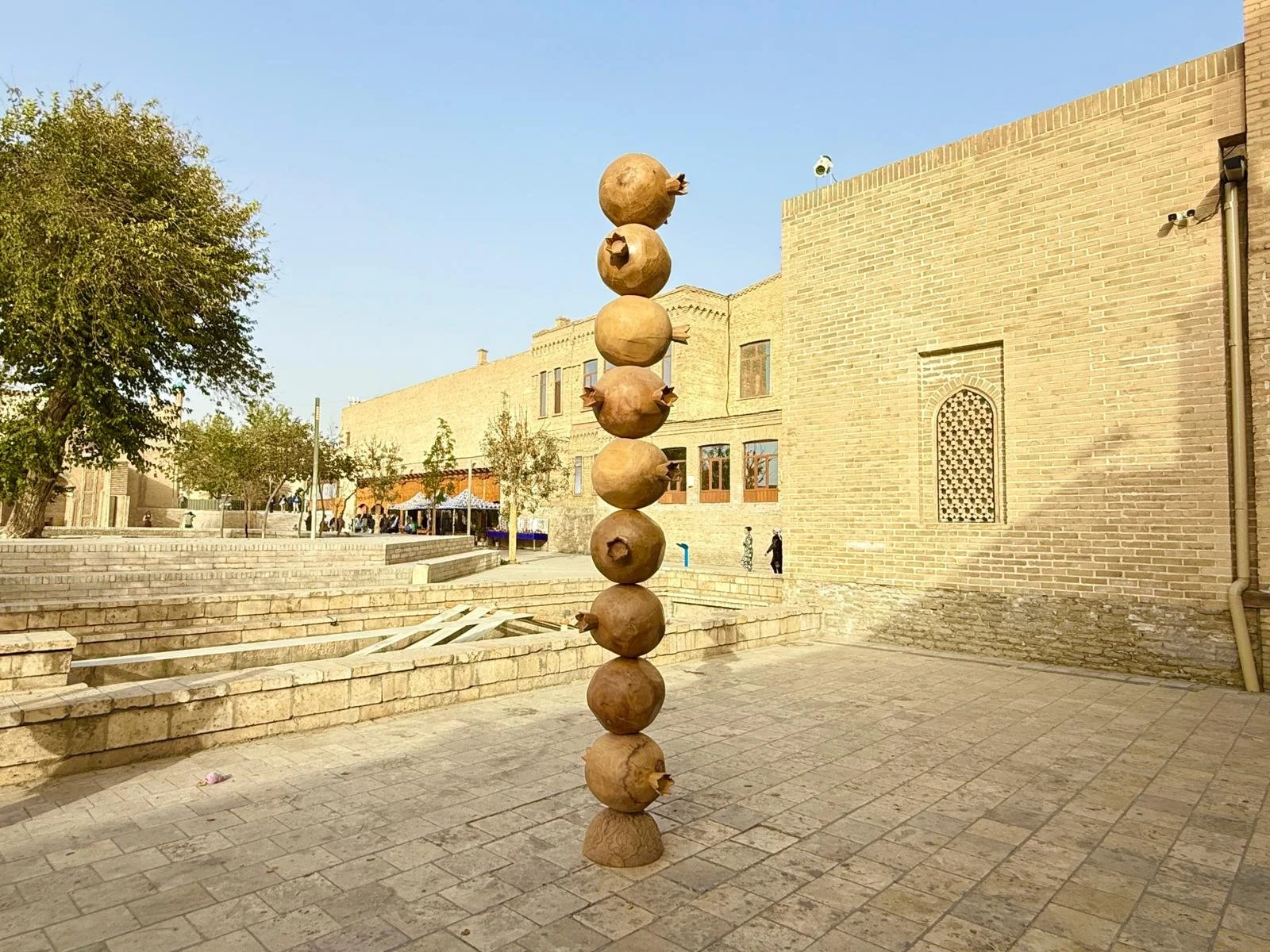

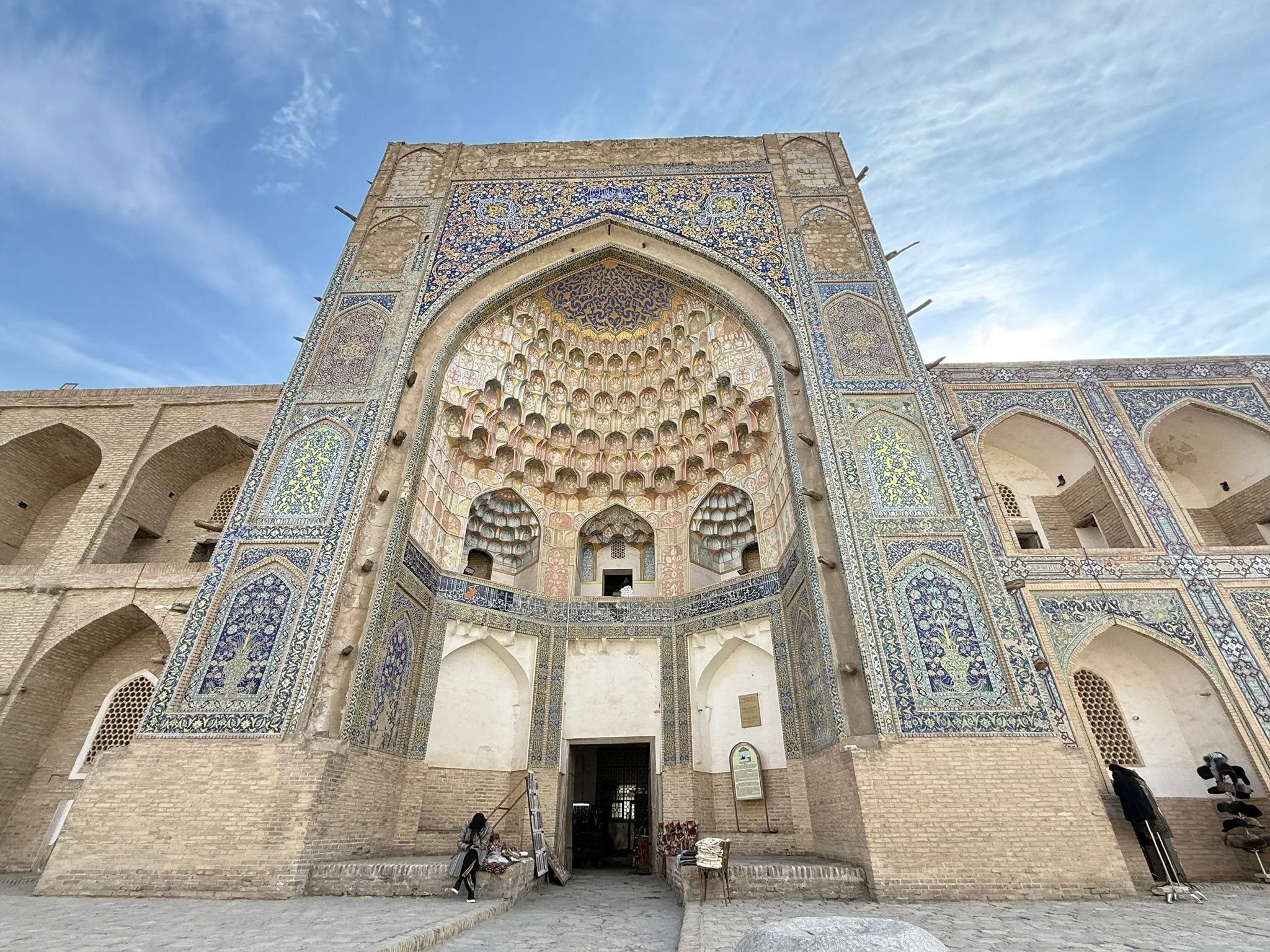
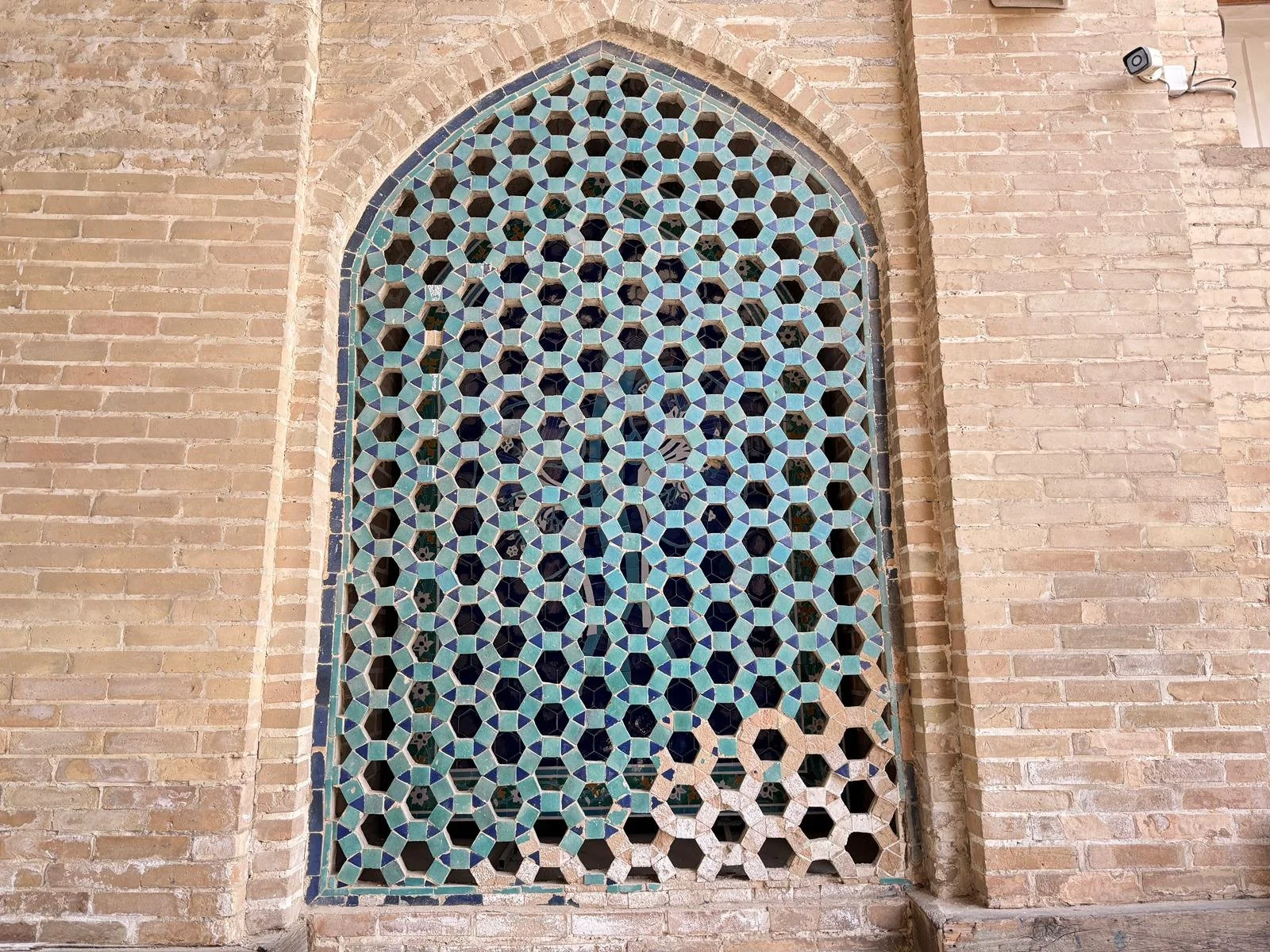


The city feels like an open air museum, with narrow streets, ancient walls and a serene atmosphere that preserves the heart of Central Asian identity. During my visit, the city was hosting the Bukhara Biennial, a celebration of contemporary art presented within a landscape shaped by centuries of tradition.
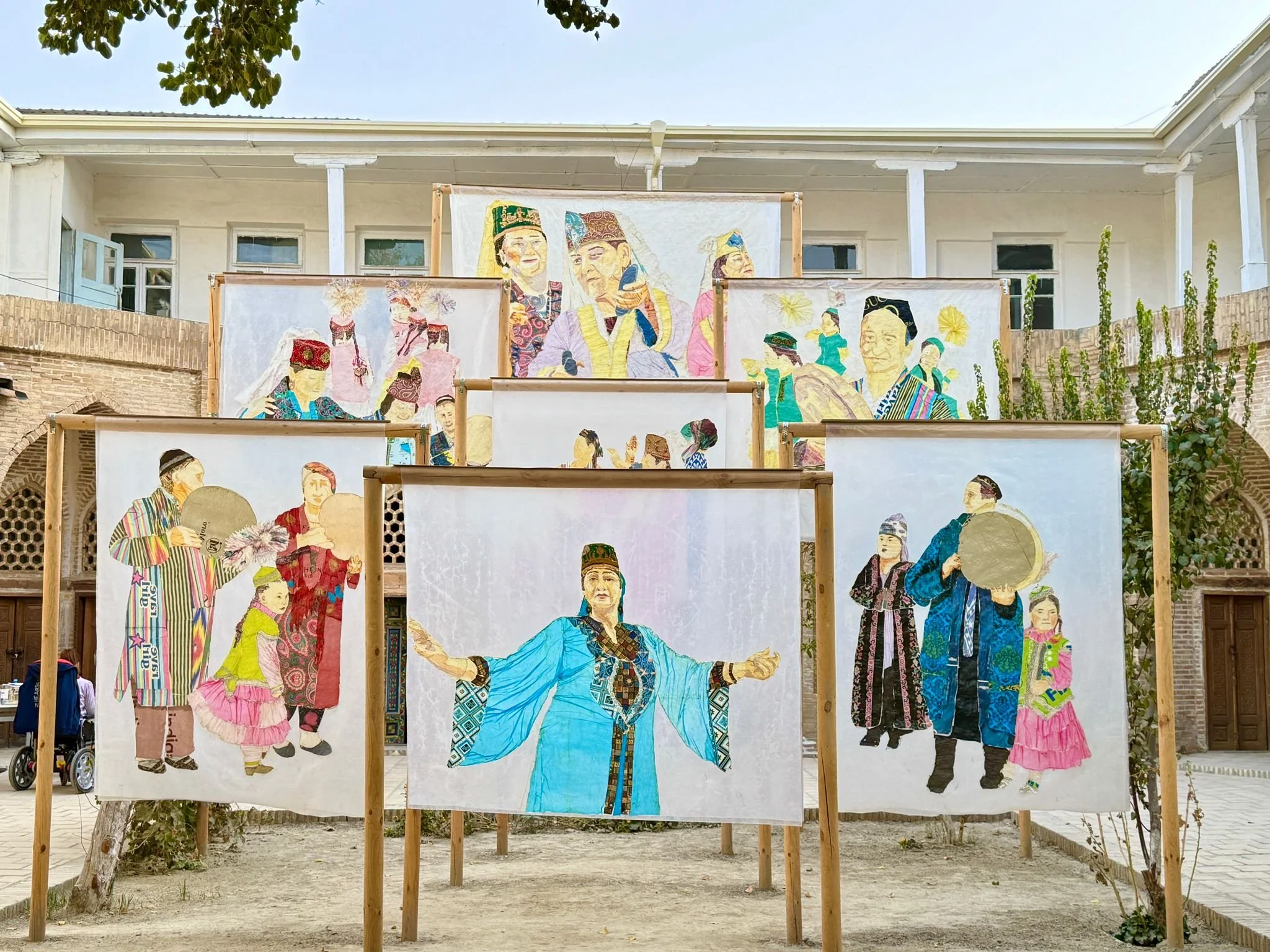


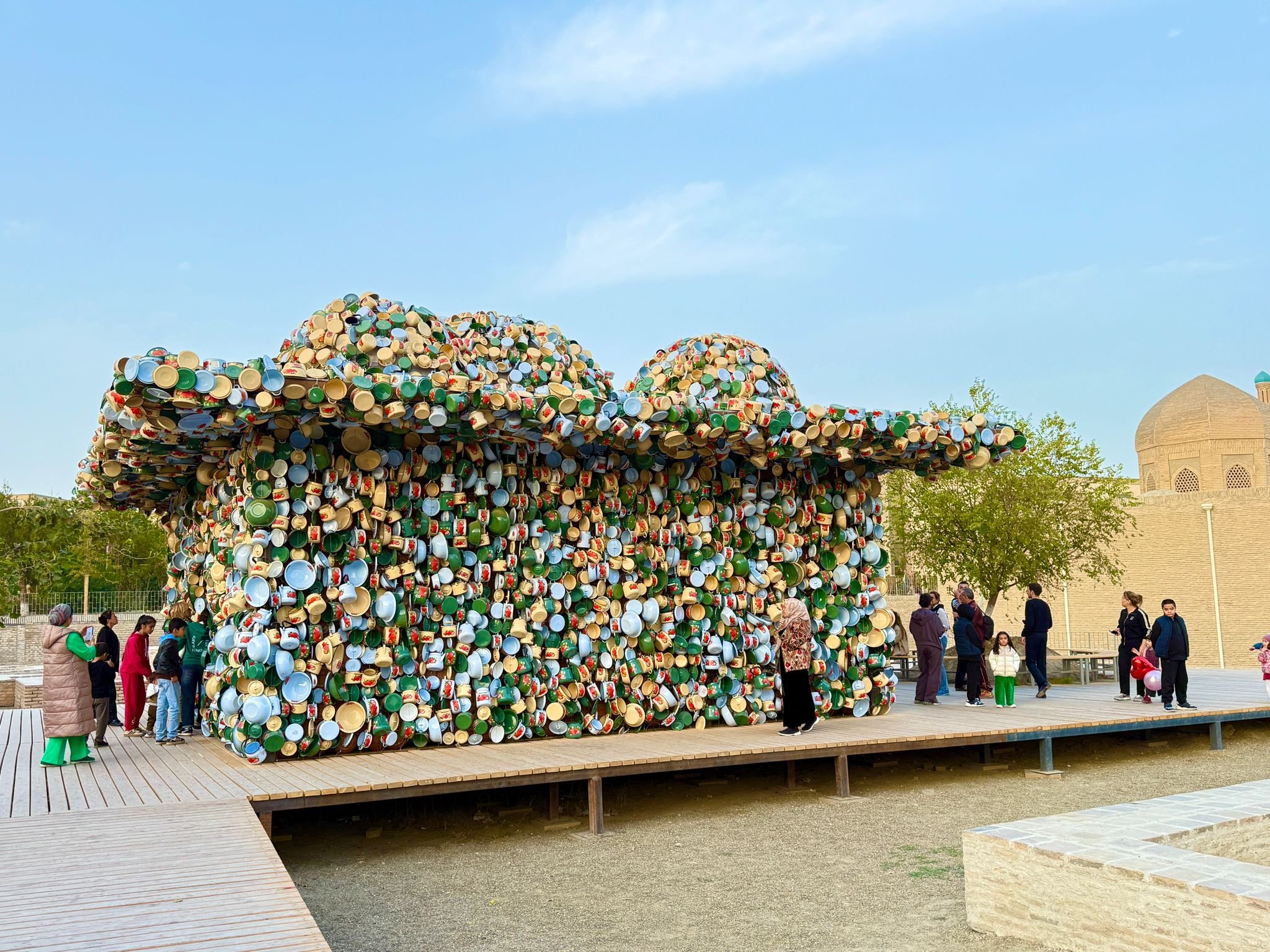
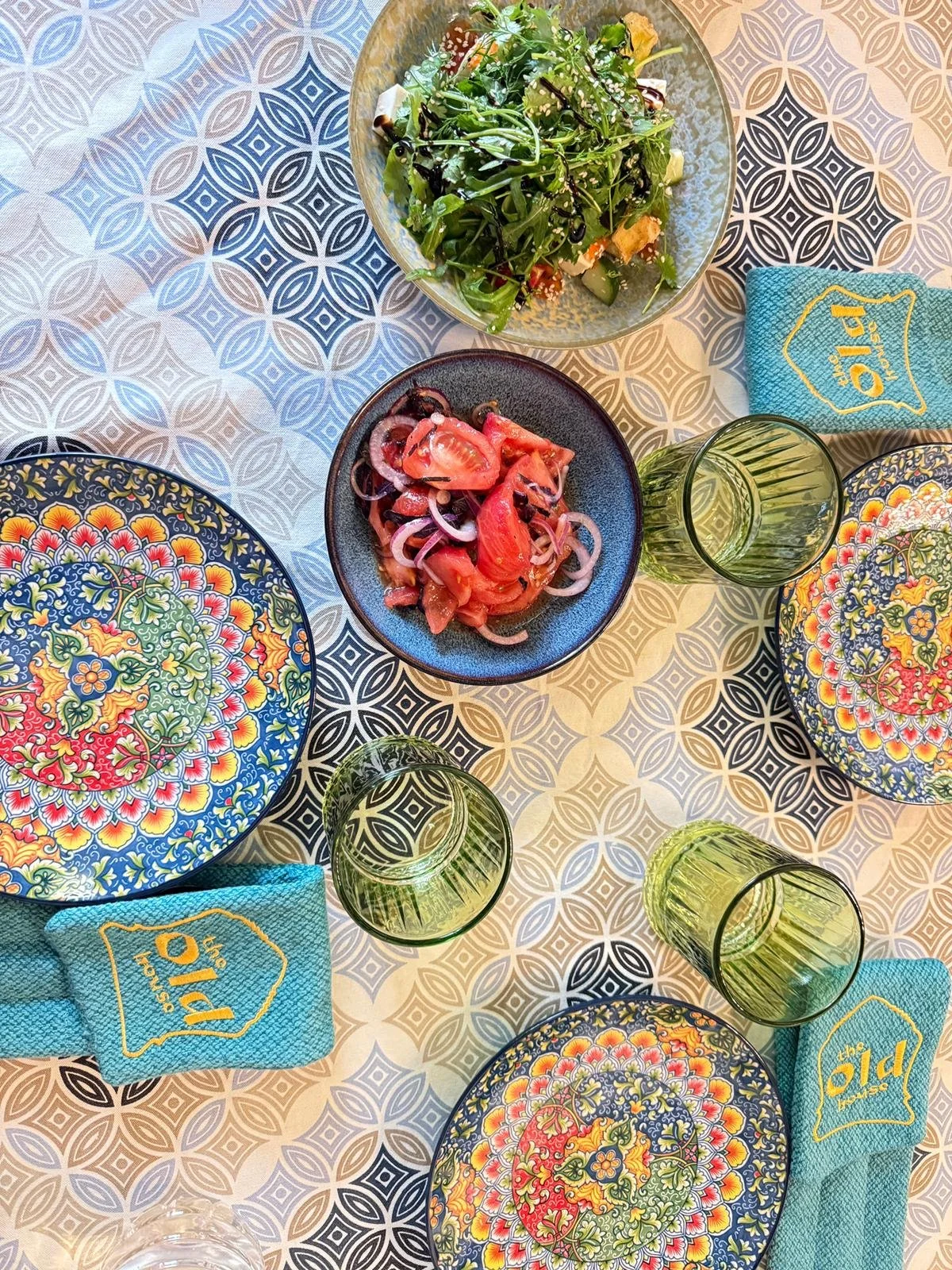
It was here that I immersed myself deeply in the world of handmade craftsmanship.
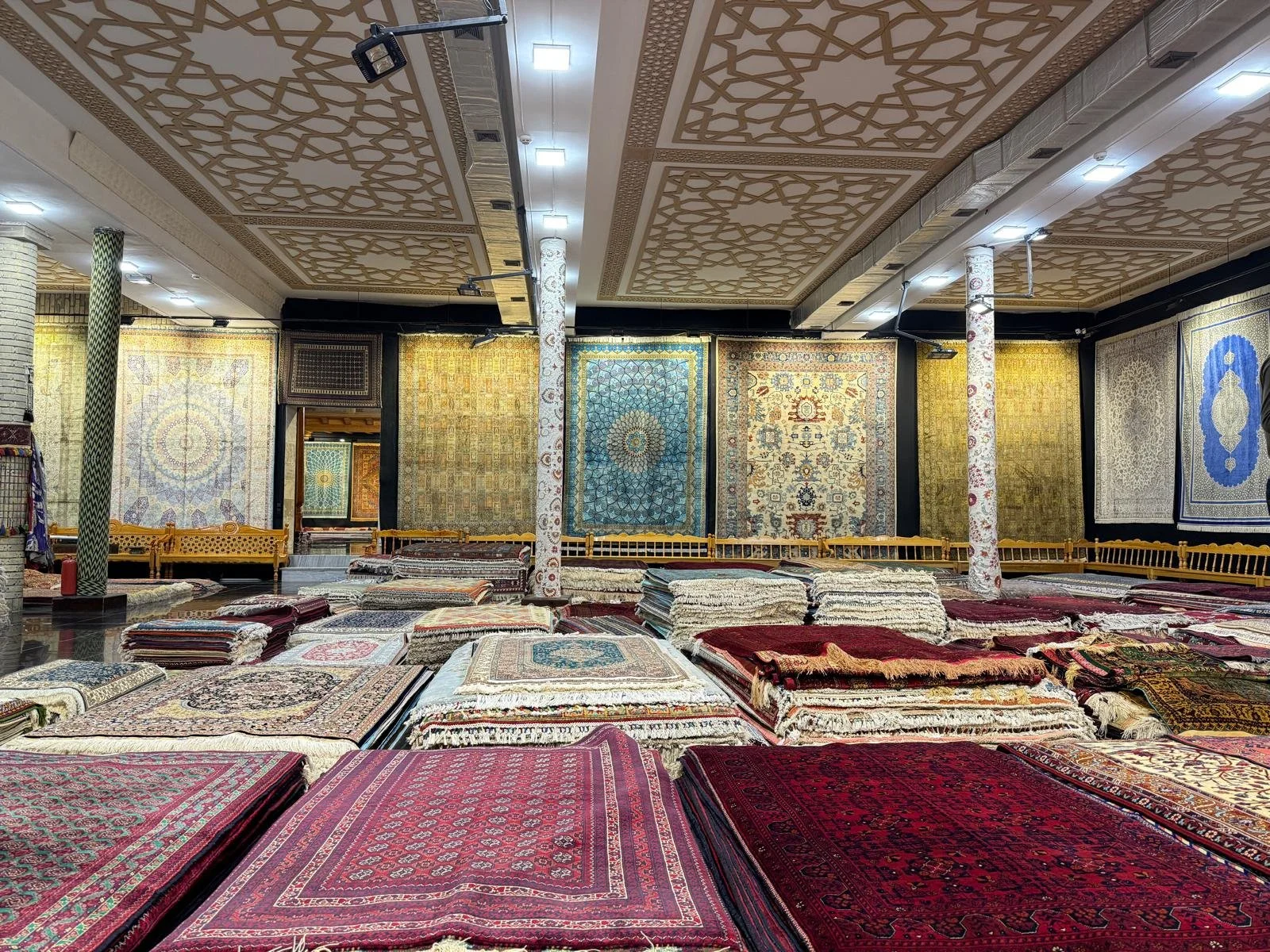
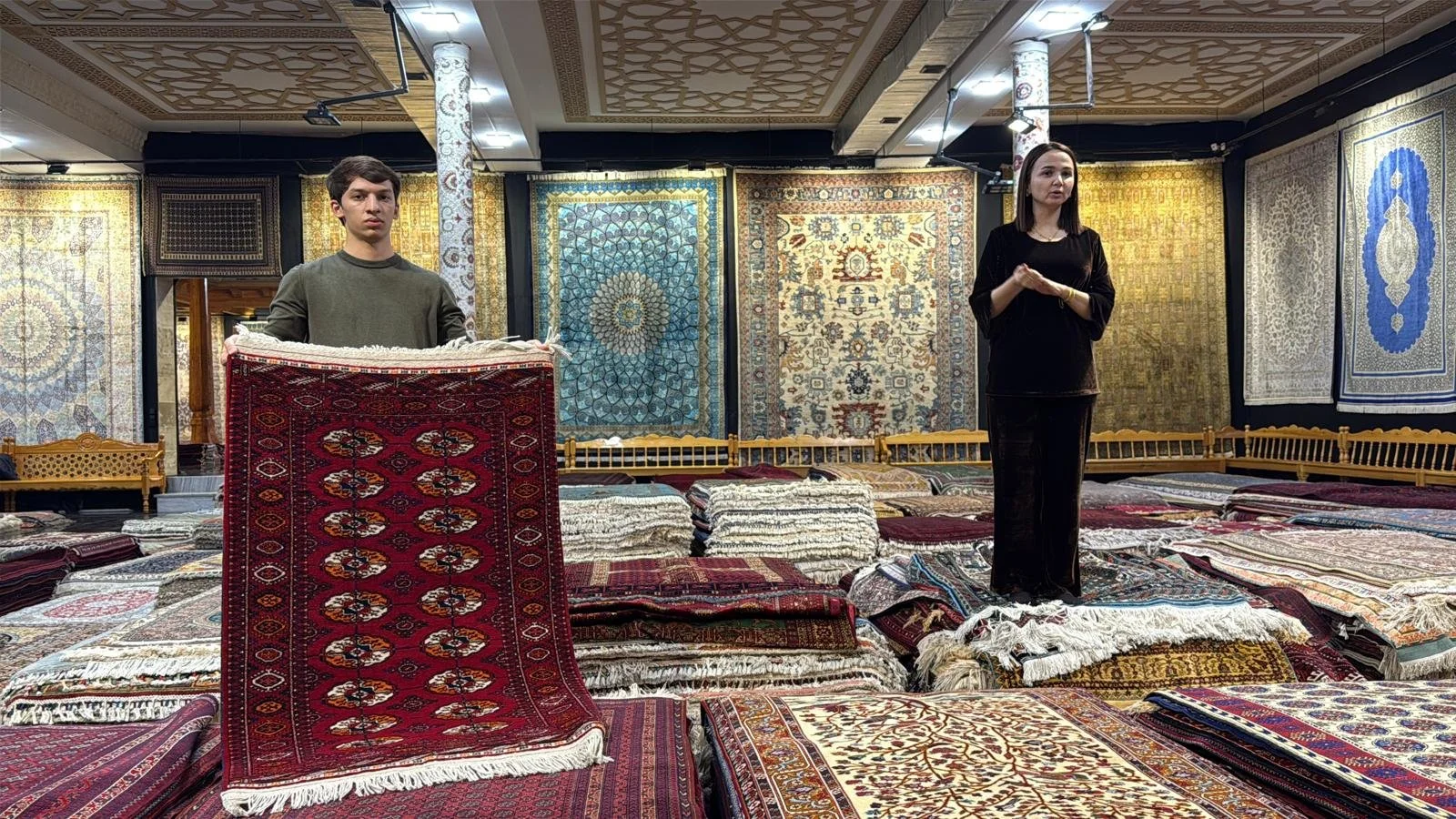
The encounter with Sabina Carpet, a renowned atelier, was unforgettable. Their carpets are woven entirely by hand using intricate knotting techniques, natural dyes and patterns that carry symbolic meaning. Each creation represents patience, memory and a delicate artistic vision passed across generations.
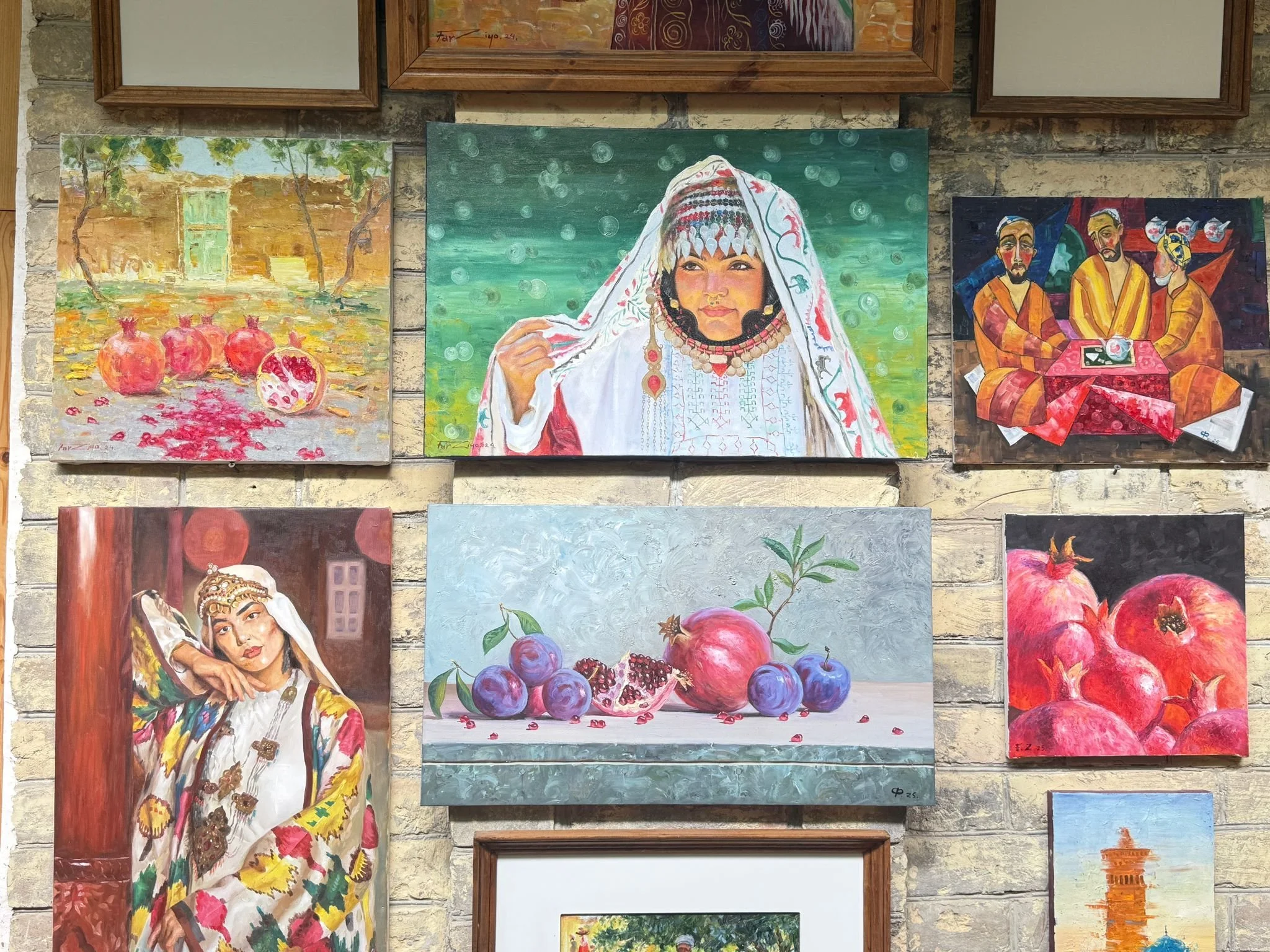
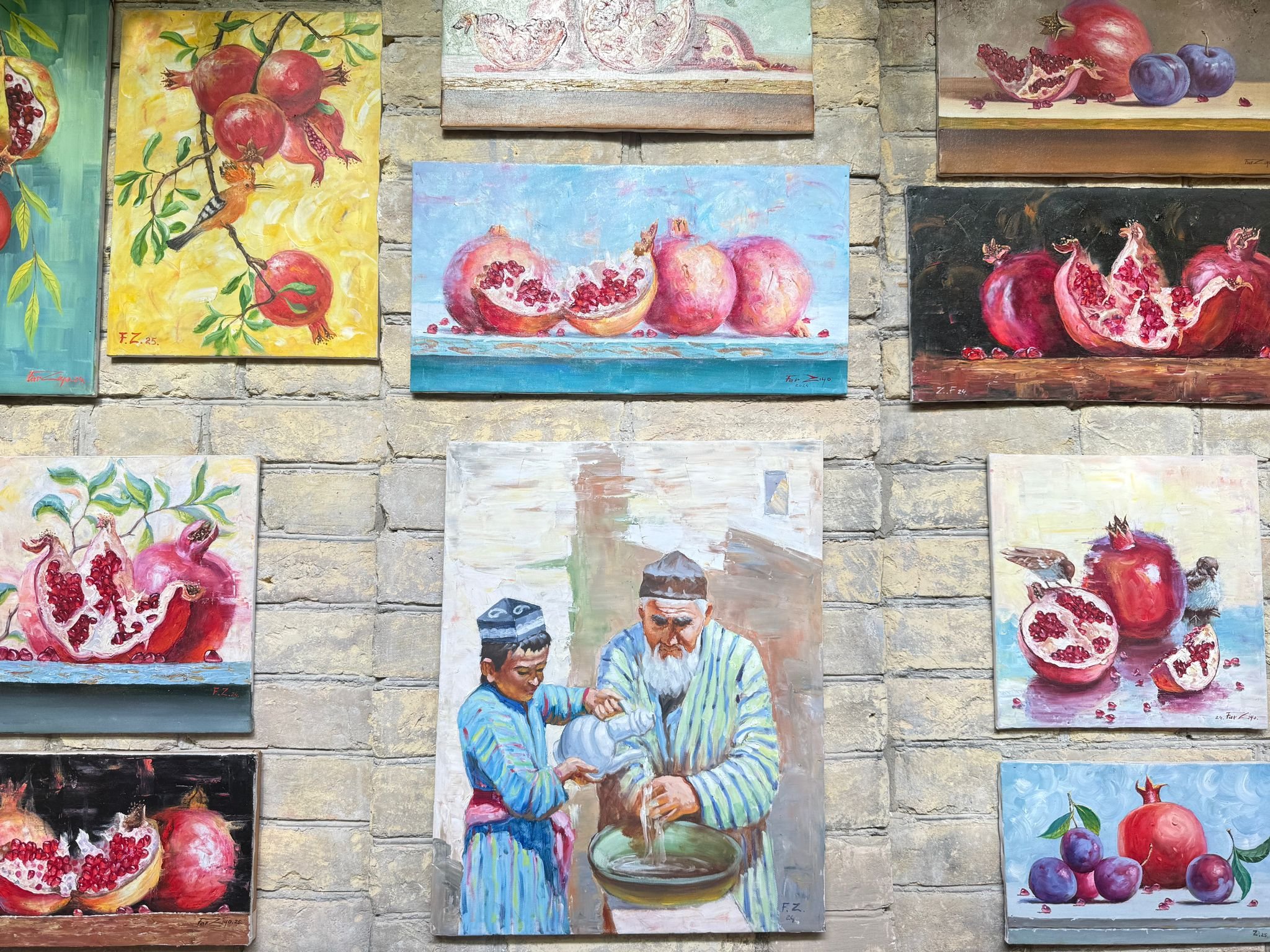
Later, at the Miniaturpaint Studio, I witnessed a moving project where artists work with children who have special needs, guiding them through the delicate art of miniature painting. The sensitivity, dedication and care I saw there made this one of the most meaningful moments of the entire journey.


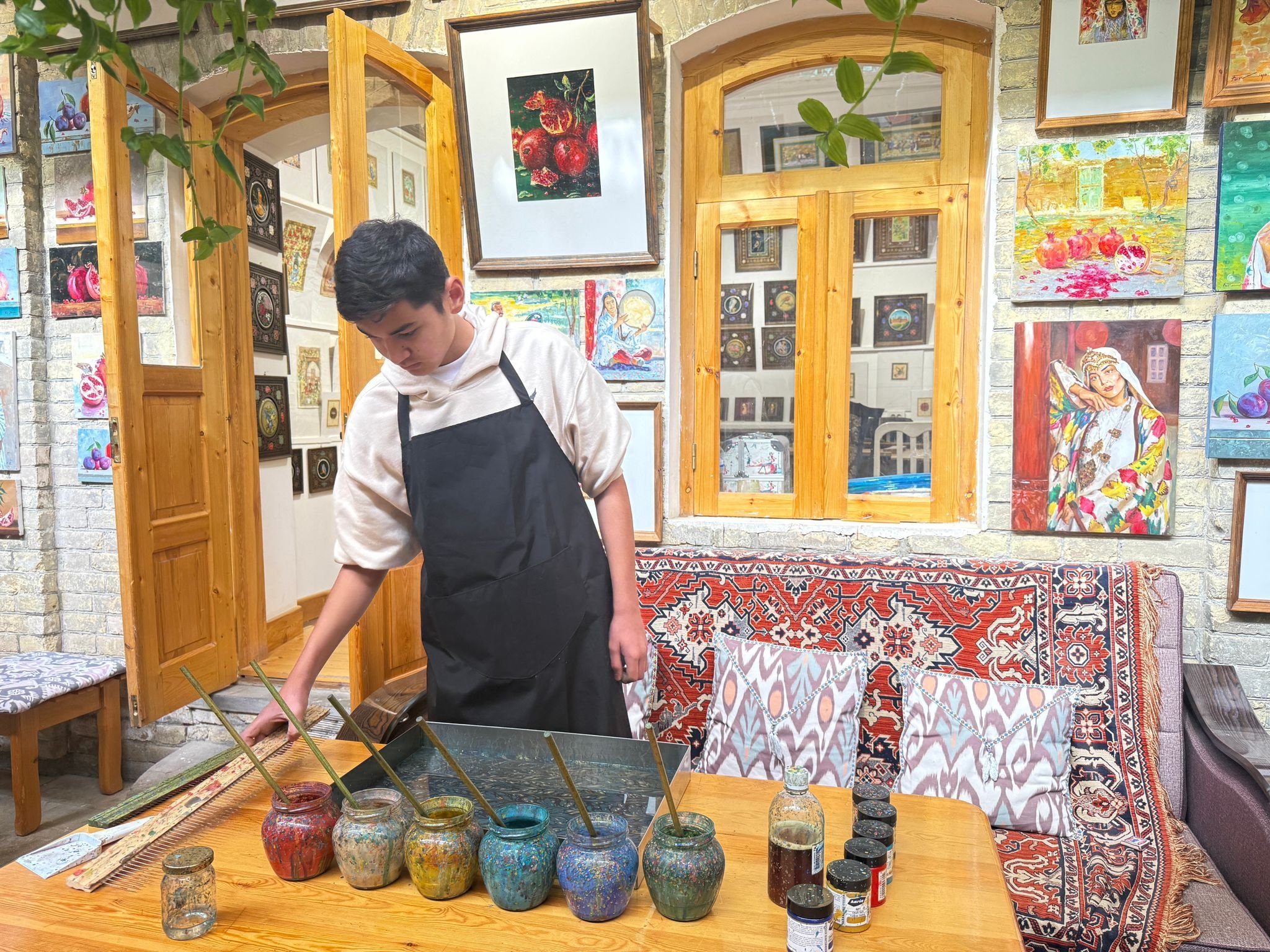
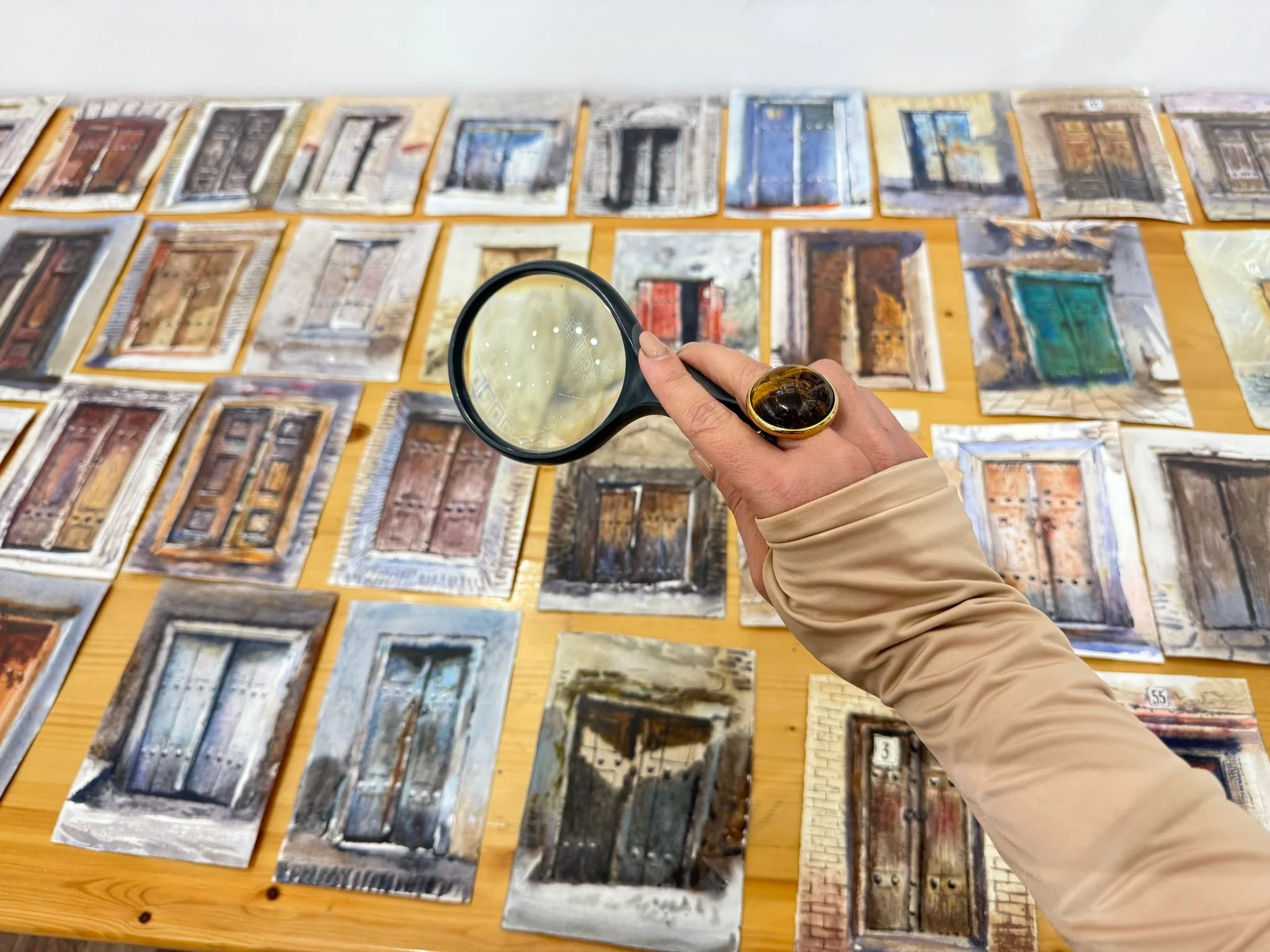
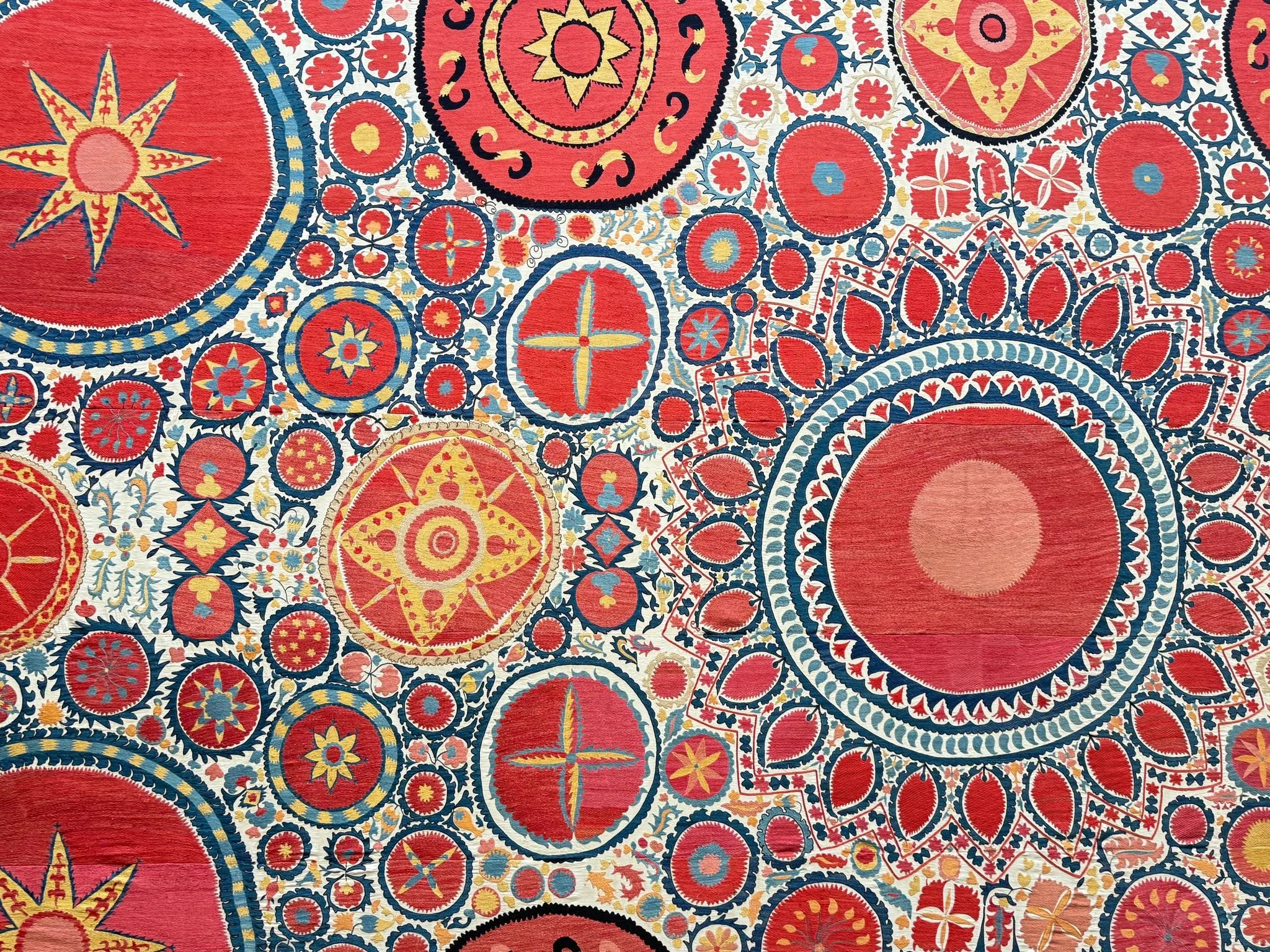
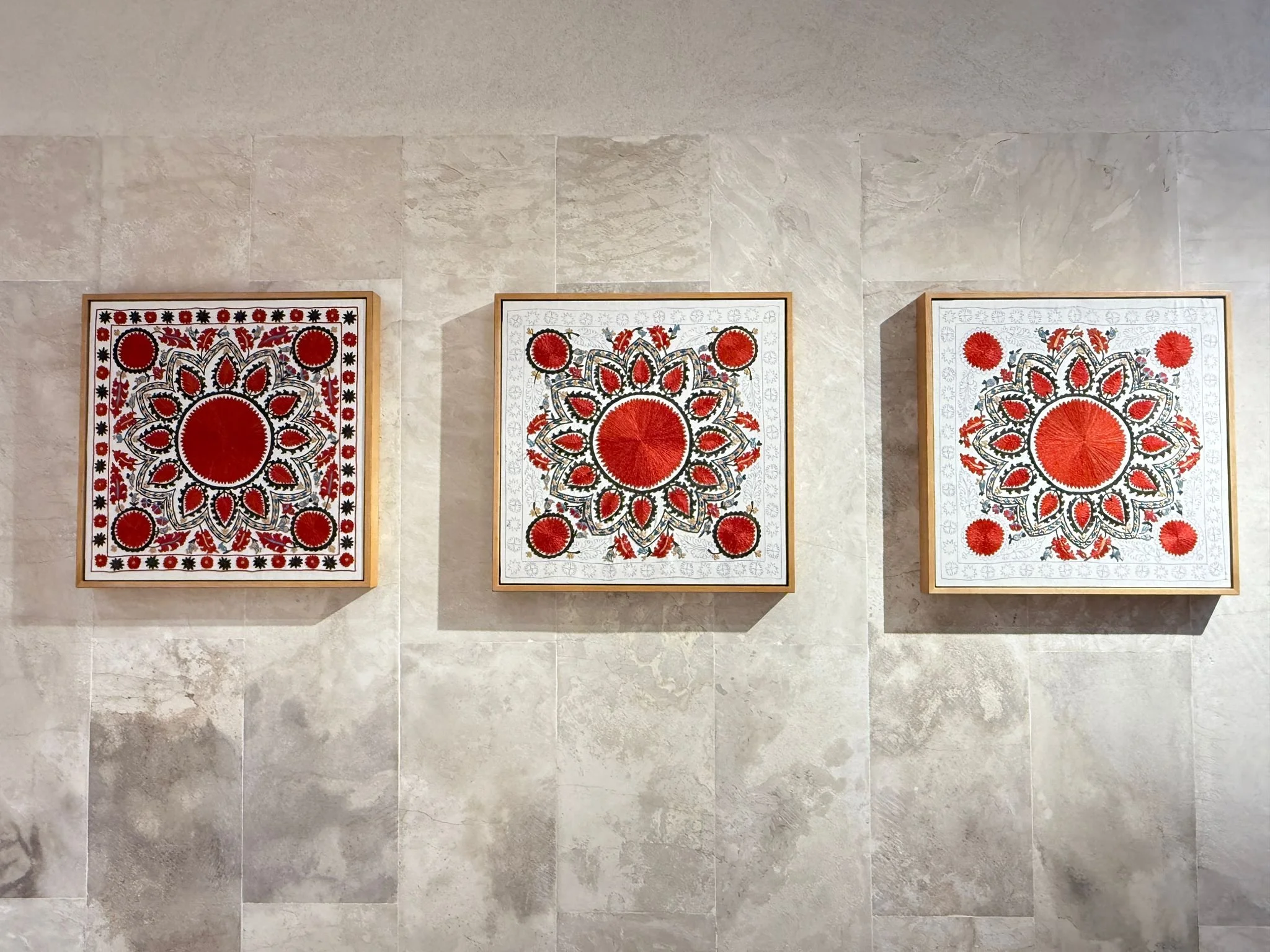
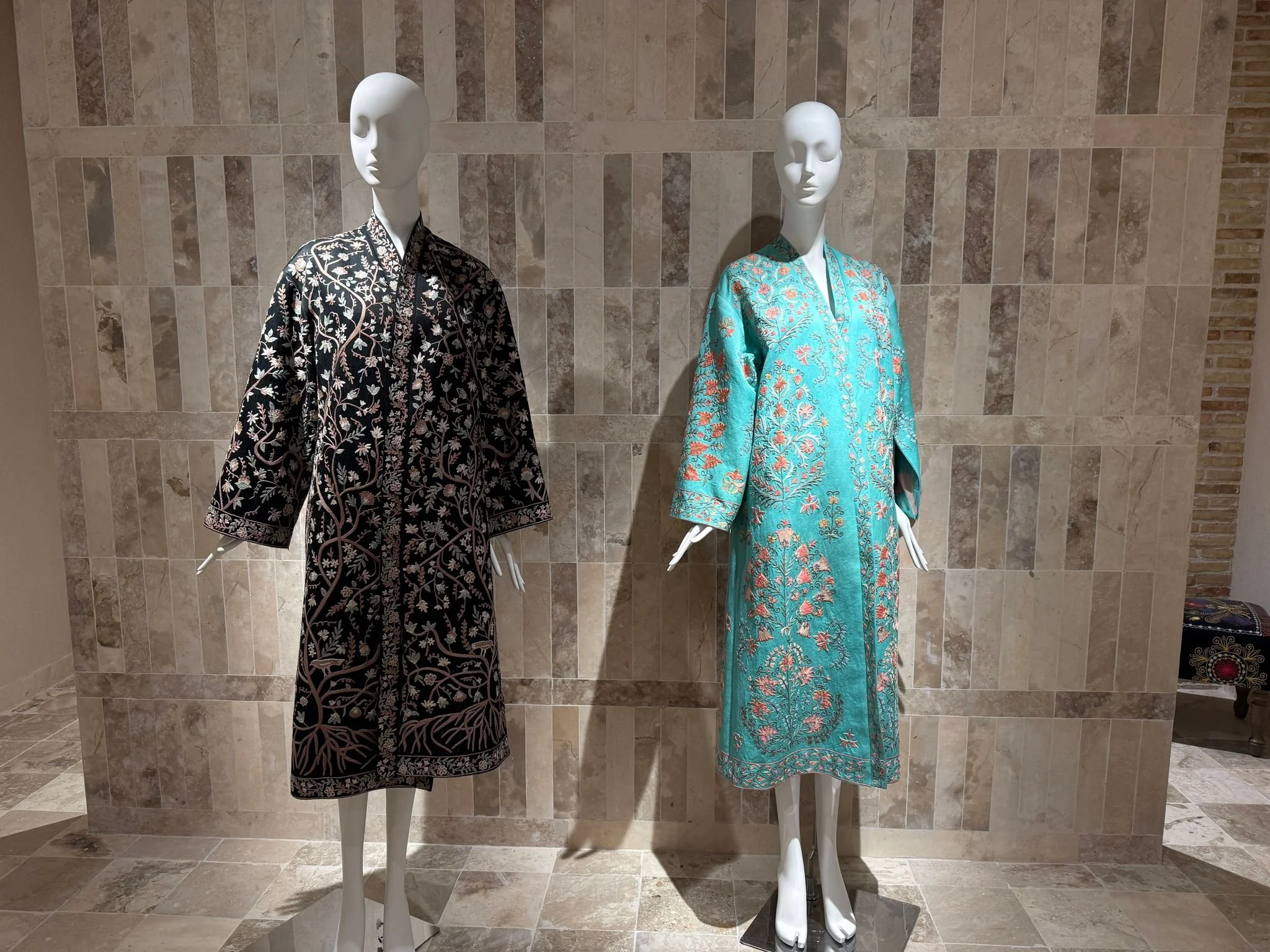
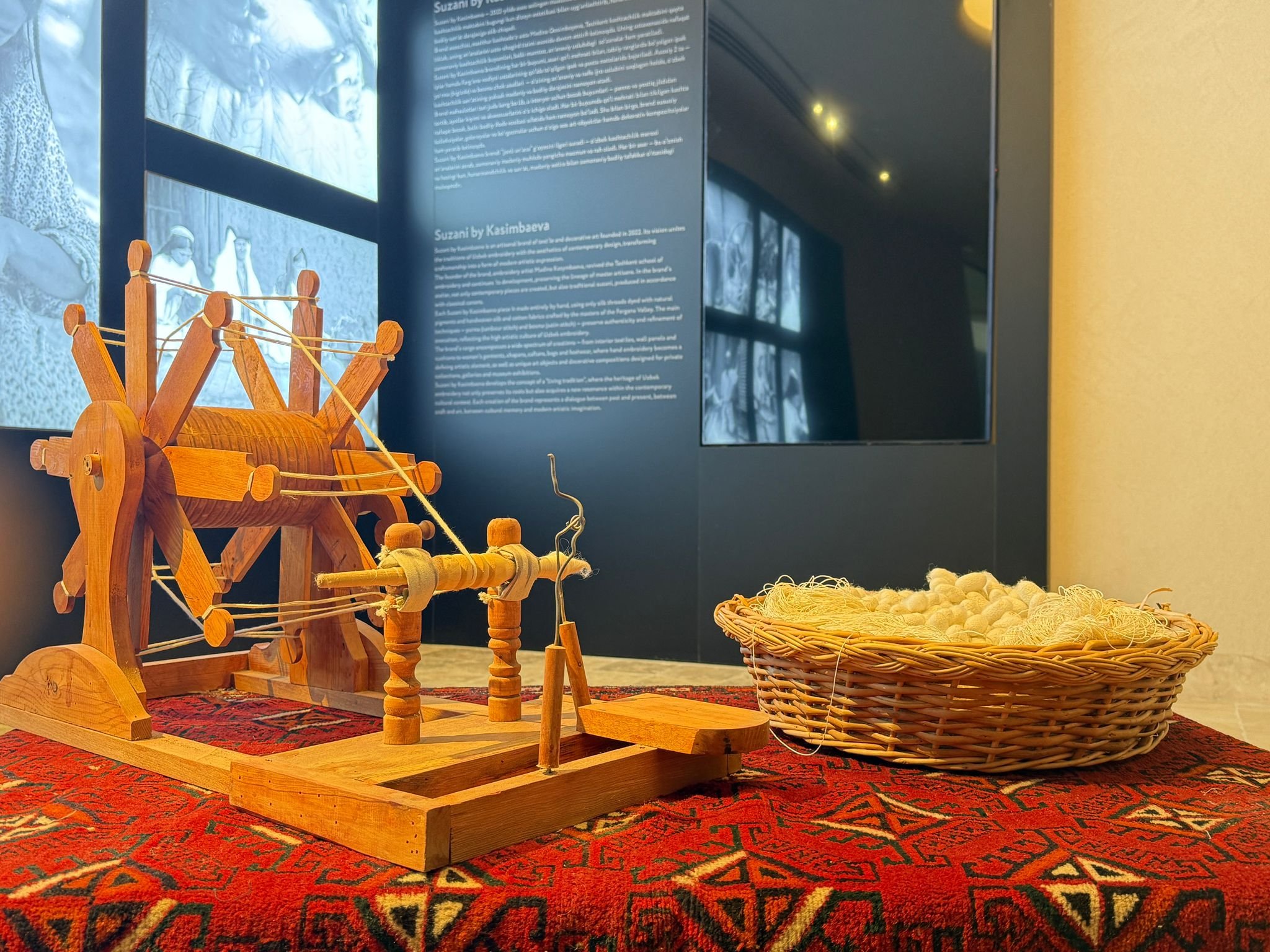
The visit to Suzani Art Sanjar revealed the richness of Uzbek textiles, with embroideries that tell stories of love, fertility, nature and protection. Every piece feels like a keepsake of culture made with thread, colour and devotion.
Tashkent, a capital that embraces modernity without losing its roots
The journey continued in Tashkent, a city that brings contrast and modern energy.


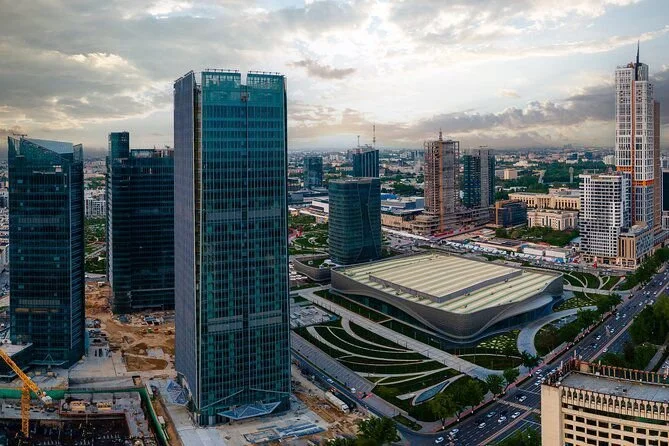
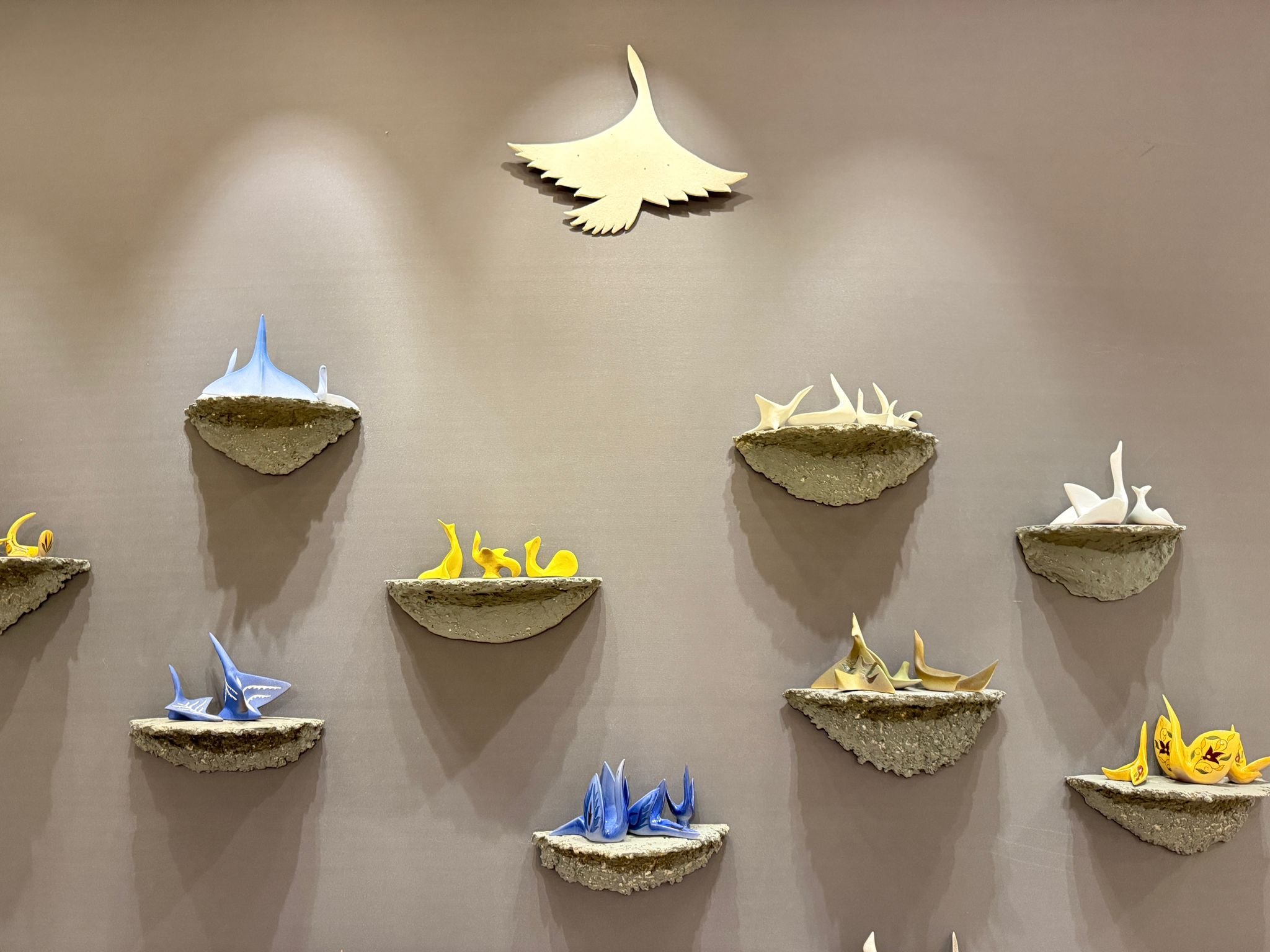
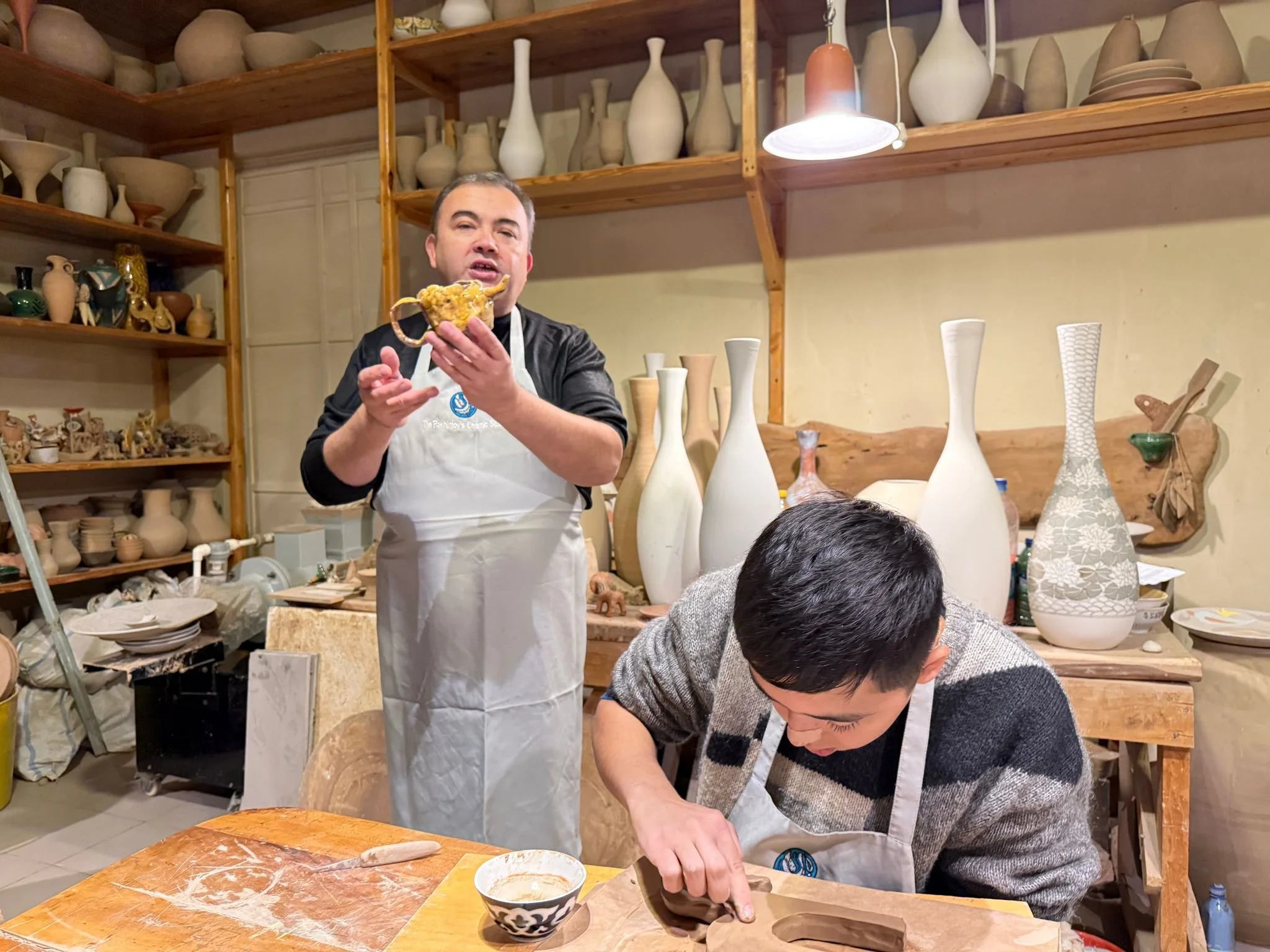
Known for its wide avenues, elegant museums and buildings constructed after the historic earthquake of 1966, Tashkent offers a different side of Uzbekistan. Here I visited the remarkable Rakhimov Ceramics Studio, a place where artistry and history meet in the creation of exquisite ceramics.
Their work is known for its refinement, with colours that reflect Uzbek tradition, particularly the iconic shades of blue inspired by ancient symbolism. Every bowl, plate or vase carries the meticulous imprint of the artist, making each piece entirely unique.




I also visited Suzani School at Medina, a small yet meaningful place where artisans maintain embroidered traditions. It is a space where heritage is protected with care, and where young artisans learn with passion and discipline.



A journey guided by culture, beauty and authenticity
What makes Uzbekistan so captivating is not just the architecture or the spectacular landscapes. It is the feeling that culture is present everywhere. From the proud guardians of heritage to the artisans who preserve ancient skills, from the flavours of plov and freshly baked bread to the colours of ceramics and textiles, everything seems to be guided by a deep sense of identity.
Despite being a relatively small country, Uzbekistan holds one of the richest cultural legacies in the world, with several UNESCO World Heritage Sites and a living tradition of crafts that continues to grow. Each city reveals a different chapter of its history. Samarkand enchants with its splendour, Bukhara with its craftsmanship and poetry, and Tashkent with its modern pulse and refined artistic studios.
This journey was more than a trip. It was an immersion into a world where the past remains vibrant and where beauty is created every day through human hands. Uzbekistan is a treasure for travellers who seek meaning, authenticity and cultural richness. It is a destination that awakens curiosity and leaves an imprint that lingers long after the journey ends.