Who Was Valentino Garavani? The Journey of the Founder of Maison Valentino
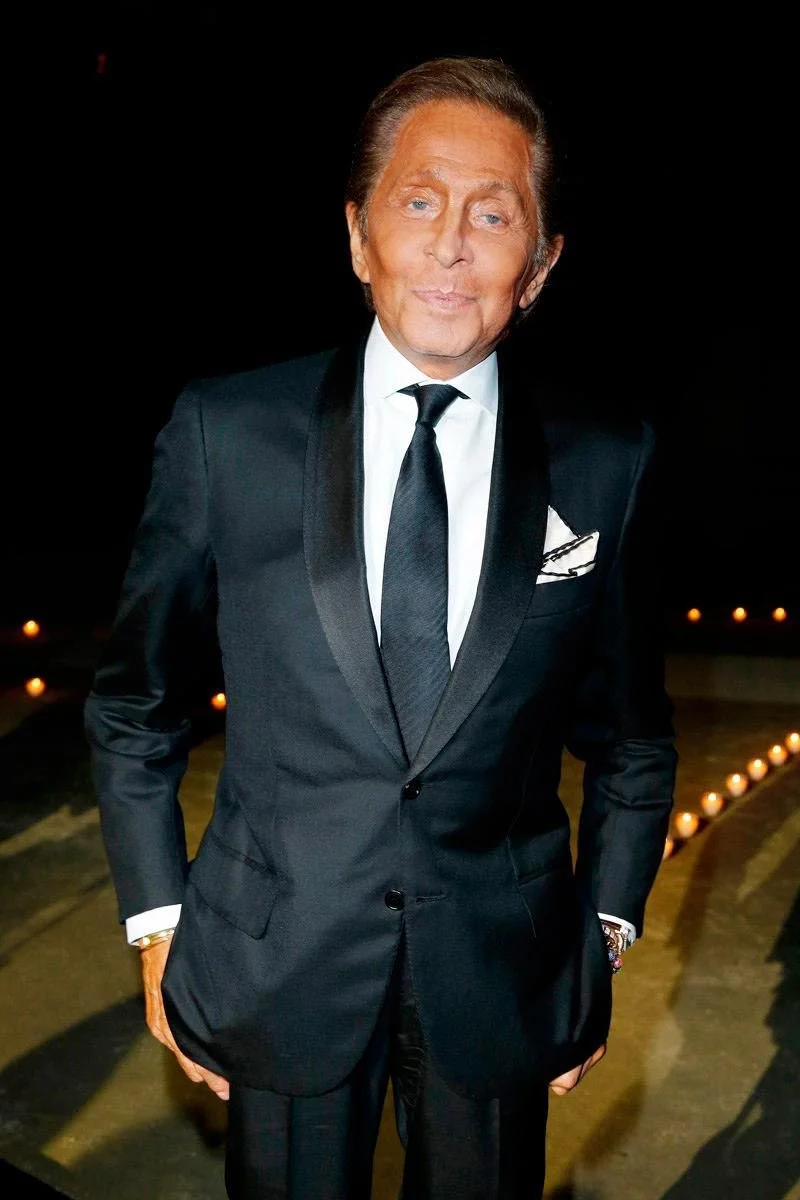
The Italian designer known as the Last Emperor of fashion built one of the most solid and recognisable careers in fashion history, marked by haute couture, glamour and an aesthetic that has remained relevant across decades.
When discussing elegance in the 20th century, Valentino Garavani’s name inevitably comes up early on. Owner of an unmistakable signature defined by precise lines, controlled volumes and, above all, the red that bears his name, the so-called last Italian emperor built a career spanning more than five decades and helped shape the contemporary imagination of luxury.
Founded in Rome in 1959, Maison Valentino was born with a global outlook and quickly became a reference point among the European elite, celebrities and Hollywood muses, who saw Garavani’s haute couture as a refined and timeless form of expression.
How it all began
Born in 1932 in the city of Voghera, Italy, Valentino showed an interest in fashion from an early age, first learning the craft with a local tailor. His technical foundation, however, was built in France. At just 17, he moved to Paris to study at the prestigious Chambre Syndicale de la Couture Parisienne, where he was exposed directly to French haute couture and worked with key figures in fashion history such as Jacques Fath, Balenciaga, Jean Dessès and Guy Laroche.
His time in Paris proved decisive in shaping his aesthetic vocabulary, combining technical excellence, sophistication and a very personal sense of glamour. In 1959, Valentino returned to Italy determined to establish his own brand in Rome, a city that would become inseparable from the maison’s identity.
Maison Valentino
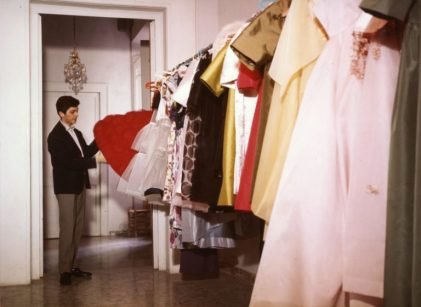
Valentino’s beginnings as a brand were only made possible after meeting Giancarlo Giammetti, an architect by training who would take on the administrative and strategic side of the business. Professional and life partners, the two structured the maison whose official debut, held in 1962 at Palazzo Pitti in Florence, immediately positioned the brand as synonymous with Italian luxury and attracted international orders.
From its earliest collections, Valentino stood out for its impeccable craftsmanship, the use of noble fabrics and an elegance that dialogued with haute couture tradition without losing contemporary appeal. International acclaim followed swiftly, driven by high-profile clients and the brand’s constant presence at society events and red carpets.
The birth of Valentino red
Few elements in fashion are as instantly recognisable as Valentino red. The shade appeared in the brand’s very first collection in 1959 with the Fiesta dress, inspired by a youthful memory of the designer attending an opera and being captivated by the red costumes on stage.
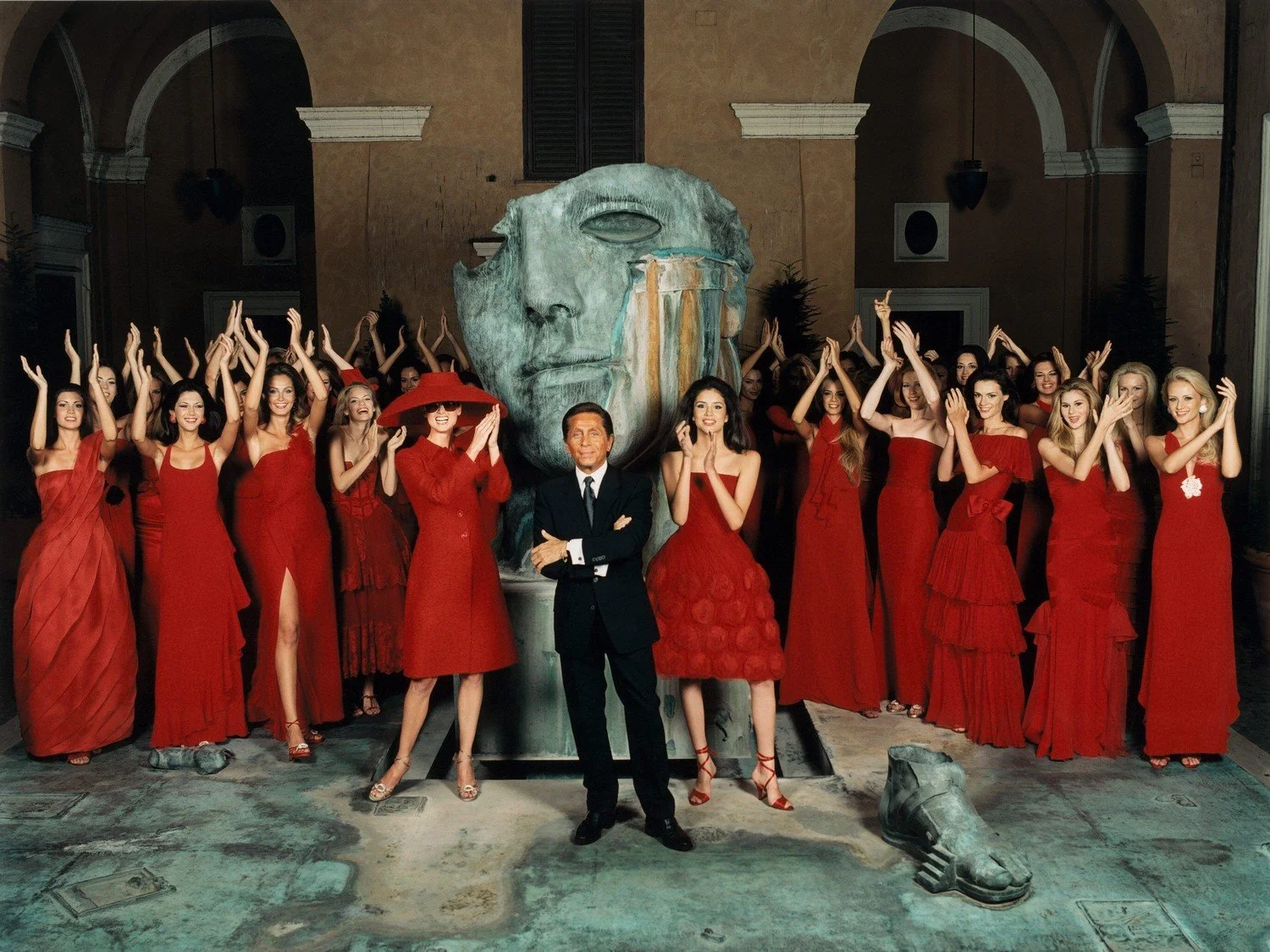
Due to the dress’s impact, every Valentino collection thereafter included at least one red look. Known as poppy red, the colour became so symbolic that it earned its own Pantone registration. At his farewell show in 2007, Valentino closed the presentation with all models dressed in red, definitively sealing the maison’s chromatic legacy.
Valentino and his muses
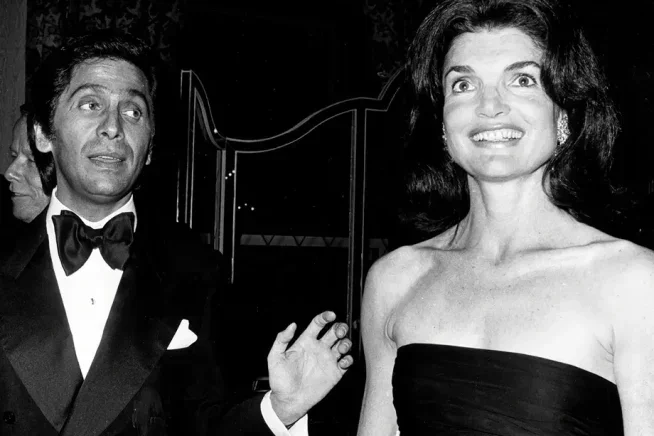
“I know what women want: they want to be beautiful,” the designer said in the documentary Valentino: The Last Emperor (2008). And he truly did. Like every great couturier, Valentino built long-lasting relationships with women who helped project his image into the collective imagination. The most emblematic was Jacqueline Onassis. After moving to New York in 1964, Jackie fell in love with his creations and began wearing Valentino frequently, commissioning haute couture pieces and choosing the brand for pivotal moments in her life, including her wedding to Aristotle Onassis in 1968.
His relationship with cinema and Hollywood was also central to the expansion of the maison’s prestige. Elizabeth Taylor, Sophia Loren, Julia Roberts, Gwyneth Paltrow, Jennifer Lopez, Anne Hathaway, Brazilian supermodel Gisele Bündchen, who once made four appearances in a single show, and countless other stars became muses of the designer and wore Valentino to major awards and prestigious events. In doing so, they helped cement his image as one of the designers most closely associated with red carpet glamour, both on and off it.
His relationship with pop culture
Valentino’s influence extended beyond fashion and firmly into pop culture. He made a cameo appearance as himself in The Devil Wears Prada (2006) and also appeared in Zoolander 2 (2016). His creations were highlighted in series such as Sex and the City (1998), And Just Like That (2021) and Emily in Paris (2020), reinforcing the brand’s presence and power within the contemporary imagination.
Retirement and creative transitions
Valentino Garavani officially retired in 2007 following a haute couture show presented at the Rodin Museum in Paris. From that point on, the brand’s creative direction went through several phases. Alessandra Facchinetti took over initially that same year, followed by Maria Grazia Chiuri and Pierpaolo Piccioli from 2008 onwards. In 2016, Piccioli became the sole creative director of the maison, a position he held until 2024. This period was marked by a sensitive and contemporary reinterpretation of the founder’s legacy.
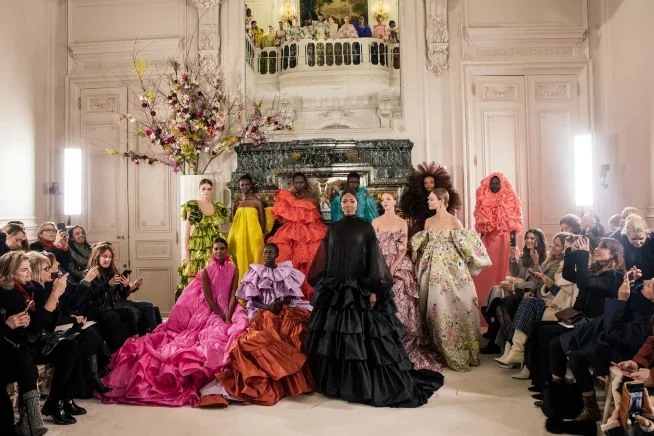
One of the most symbolic moments of this era was the Autumn/Winter 2022 show staged on the Spanish Steps in Rome, a direct reference to the brand’s origins and Valentino’s personal history. Considered by many to be Piccioli’s most emblematic collection, the so-called pink collection took over social media at the time. Guests were welcomed by a vibrant pink runway that set the tone for a presentation that was almost entirely monochromatic.
Valentino under Alessandro Michele
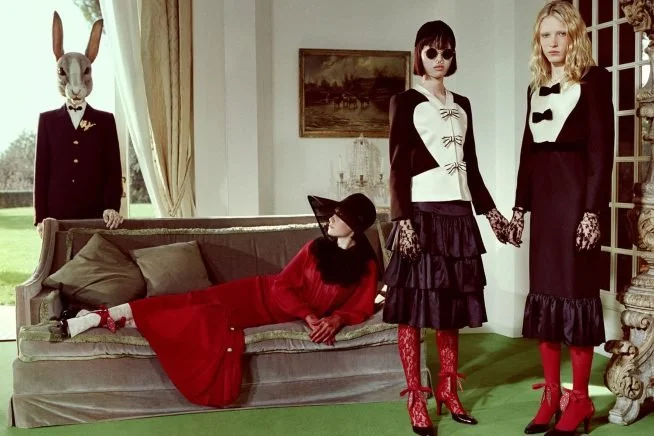
In 2024, the maison announced Alessandro Michele, formerly of Gucci, as its new creative director, opening a new chapter for Valentino. Michele’s debut did not follow the expected script. Instead of presenting during the Spring/Summer 2025 season, he unveiled his first Valentino collection online on the final day of Milan Men’s Fashion Week.
Titled Avant les Débuts, the Pre-Spring 2025 collection featured around 171 looks, spanning clothing, accessories and jewellery, immediately revealing Michele’s aesthetic signature. The collection drew on retro and rococo references and presented a wardrobe marked by printed tailoring, ruffles, knitwear, silk scarves and a strong presence of patterns. Michele has remained as creative director of the Italian maison ever since.
The legacy
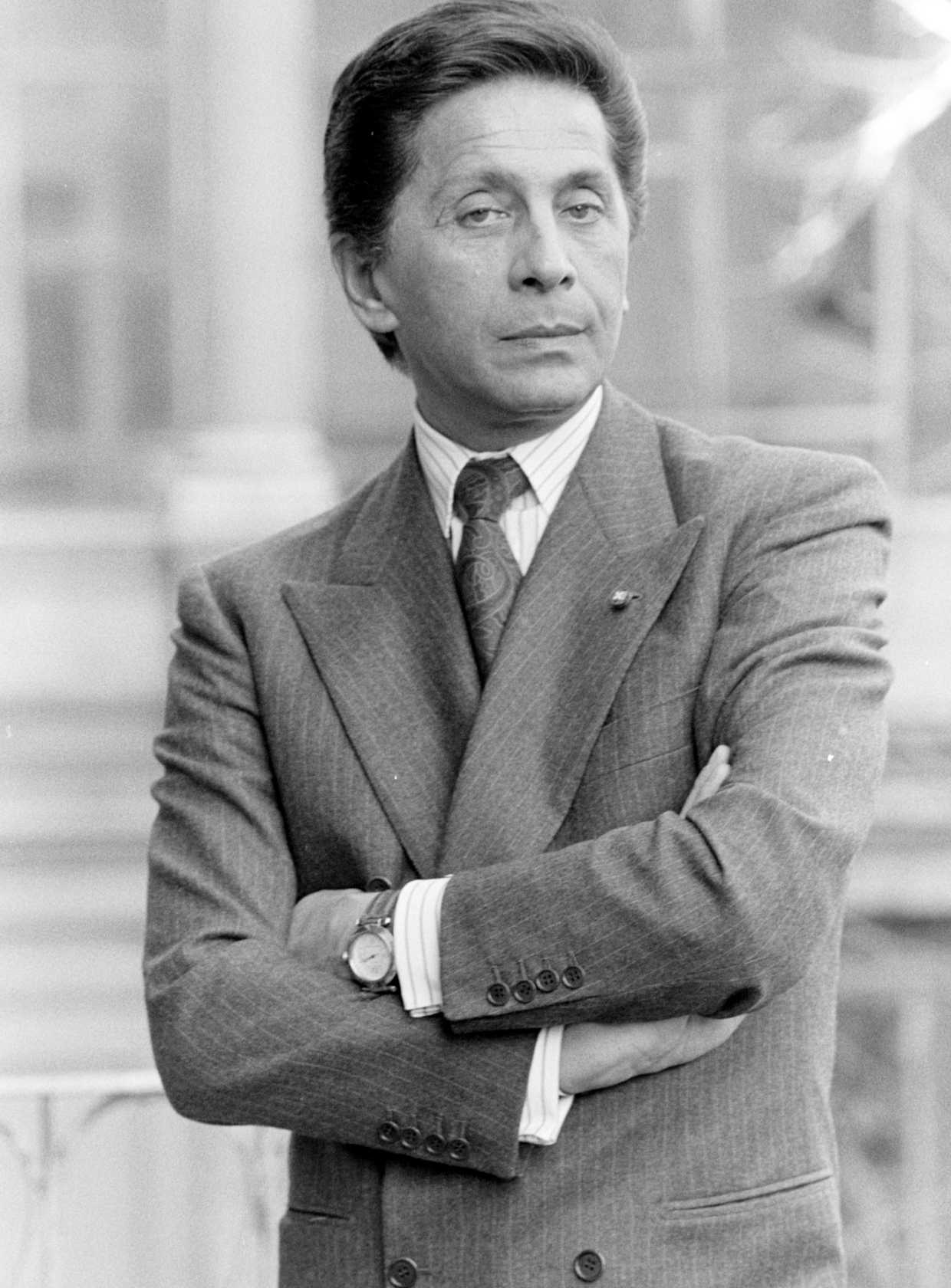
In 2026, at the age of 93, Valentino Garavani passed away at his home in Rome, leaving behind an empire built on an idea of ultra-feminine elegance, perfectly balanced and capable of transcending generations. His work helped position Italian fashion at the centre of global luxury and established aesthetic codes that continue to be reinterpreted and respected today.
Celebrated in 2023 with a lifetime achievement award at the British Fashion Awards, Valentino remains one of the most influential figures in fashion history, even after stepping away from the ateliers and now with his passing.