Amsterdam After Dark: Europe’s 50 Best Bars Finds Its Stage
Source: 50 Best Bars
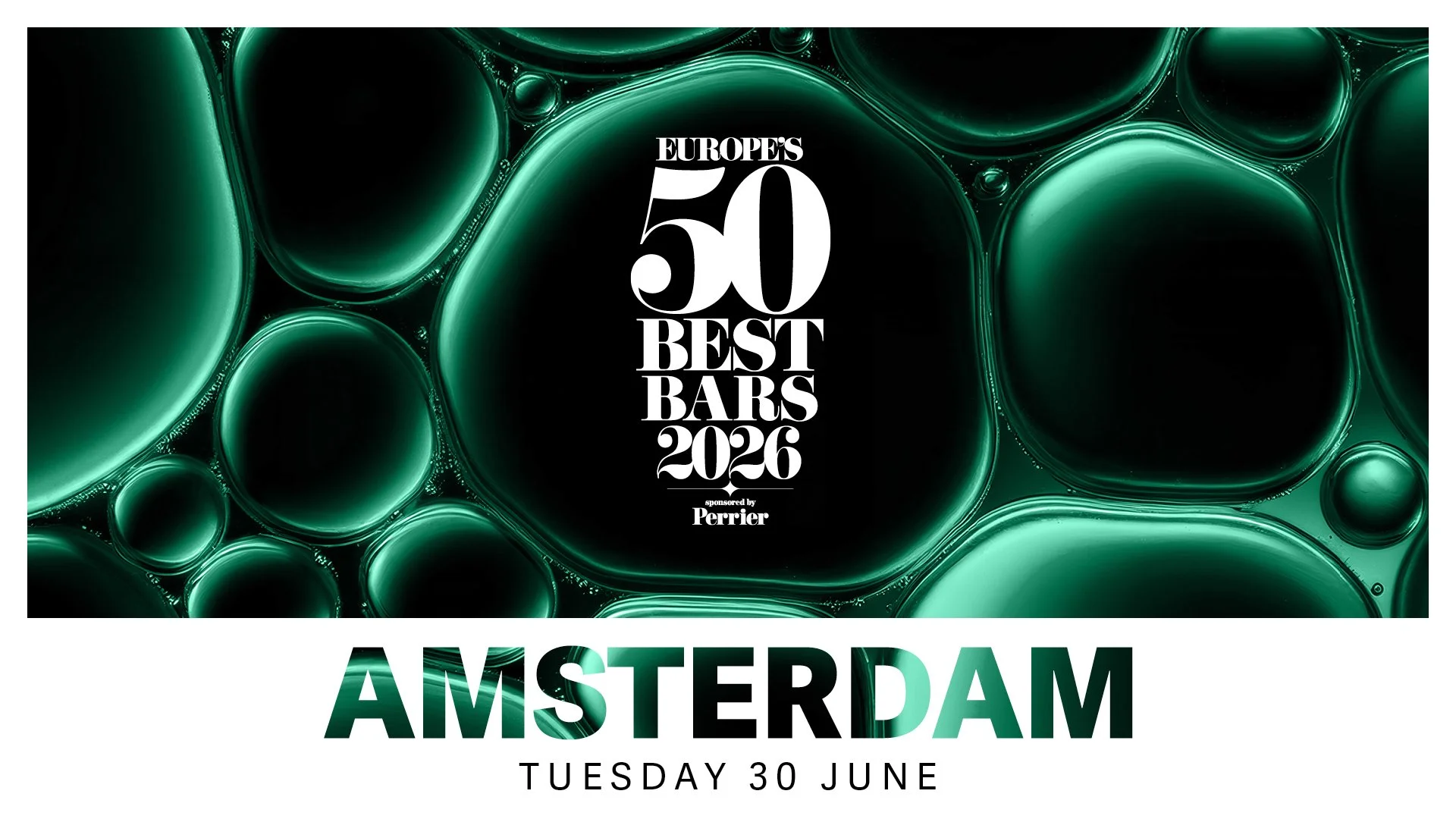
On 30 June 2026, Amsterdam will host the inaugural ceremony of Europe’s 50 Best Bars, marking a new chapter in the evolution of the continent’s cocktail culture. The announcement places one of Europe’s most quietly compelling cities at the centre of a movement that has steadily reshaped global hospitality over the past two decades.
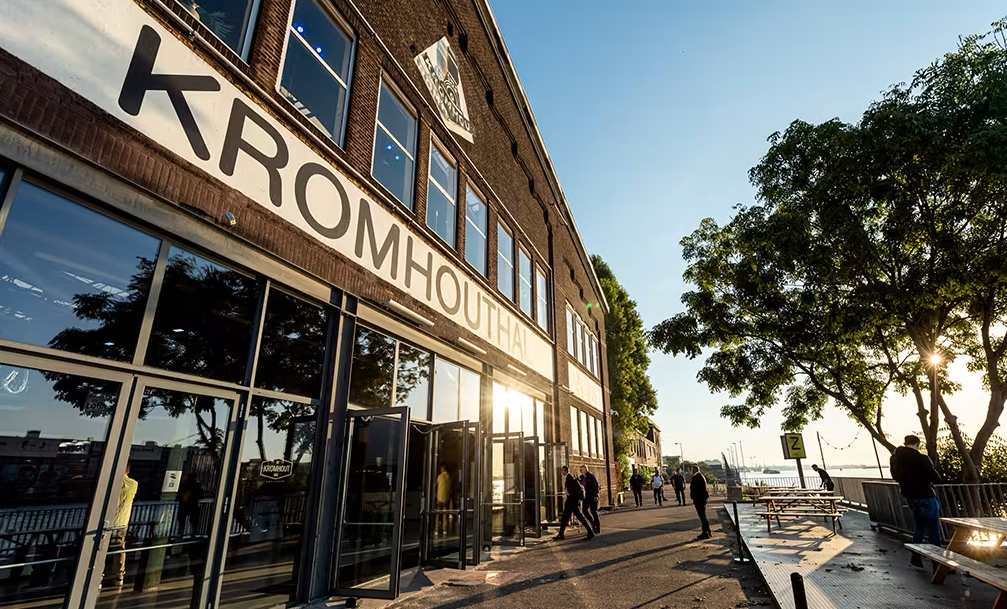
The ceremony will unfold at De Kromhoutal, a historic industrial venue that mirrors Amsterdam’s layered identity. Once a space defined by engineering and craftsmanship, it now becomes a stage for another form of precision. The city, long known for its tolerance, creativity and maritime openness, provides an apt backdrop for a ranking that aims to reflect the diversity and depth of Europe’s bar landscape.
A Continent, Distilled
Europe’s 50 Best Bars represents the first time that the 50 Best organisation has dedicated an entire ranking exclusively to Europe. For a continent where café culture predates modern mixology and where aperitivo rituals coexist with Nordic minimalism and Iberian exuberance, such a list feels both overdue and inevitable.
The ranking is compiled through the votes of more than 300 gender balanced, anonymous experts from across Europe. Bartenders, bar owners, drinks writers and seasoned cocktail travellers form the Europe’s 50 Best Bars Academy, guided by 11 regional Academy Chairs. Each voter selects venues based on their best experiences over the previous 18 months.
The structure is deliberately decentralised. Members of the 50 Best organisation do not vote and sponsors have no influence over the results. In an era where trust is currency, this governance model matters. It reinforces the idea that excellence in hospitality is judged by peers and connoisseurs, not by marketing budgets.
Amsterdam as Host
There is poetry in the choice of Amsterdam. The city’s drinks culture has evolved significantly over the past decade. What was once dominated by brown cafés and genever traditions now includes a new generation of bars that blend Dutch restraint with global curiosity.
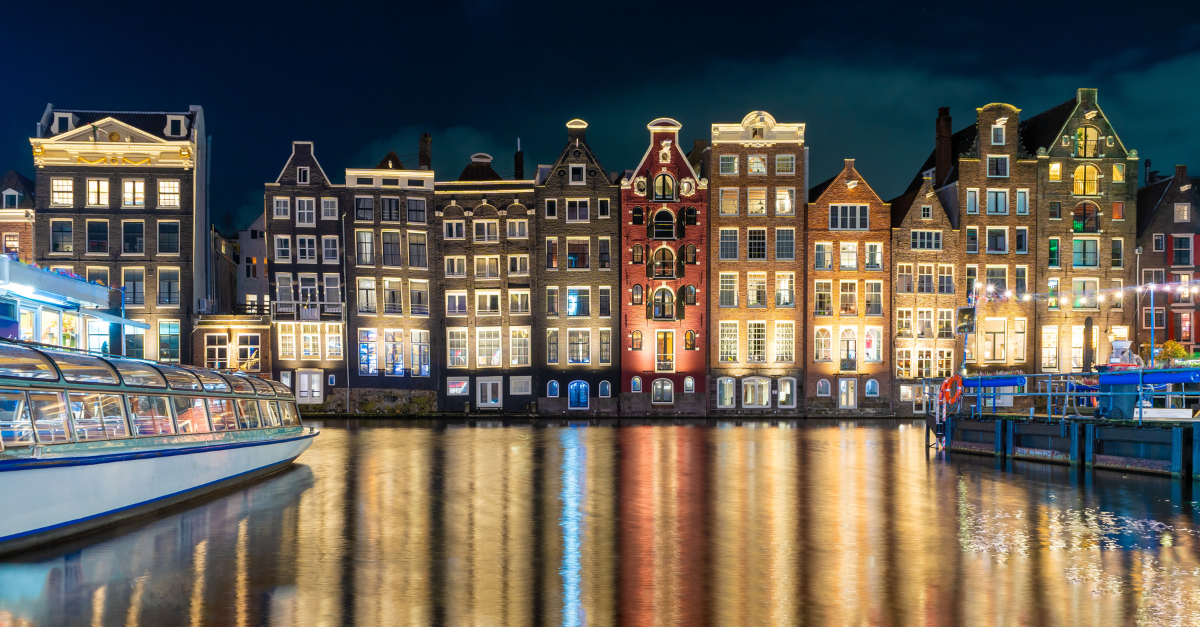
Canals reflect neon light. Industrial warehouses house tasting rooms that prize sustainability and fermentation. Bartenders speak fluently about provenance and technique, but also about storytelling. Amsterdam’s cosmopolitan temperament makes it a natural meeting point for the European bar community.
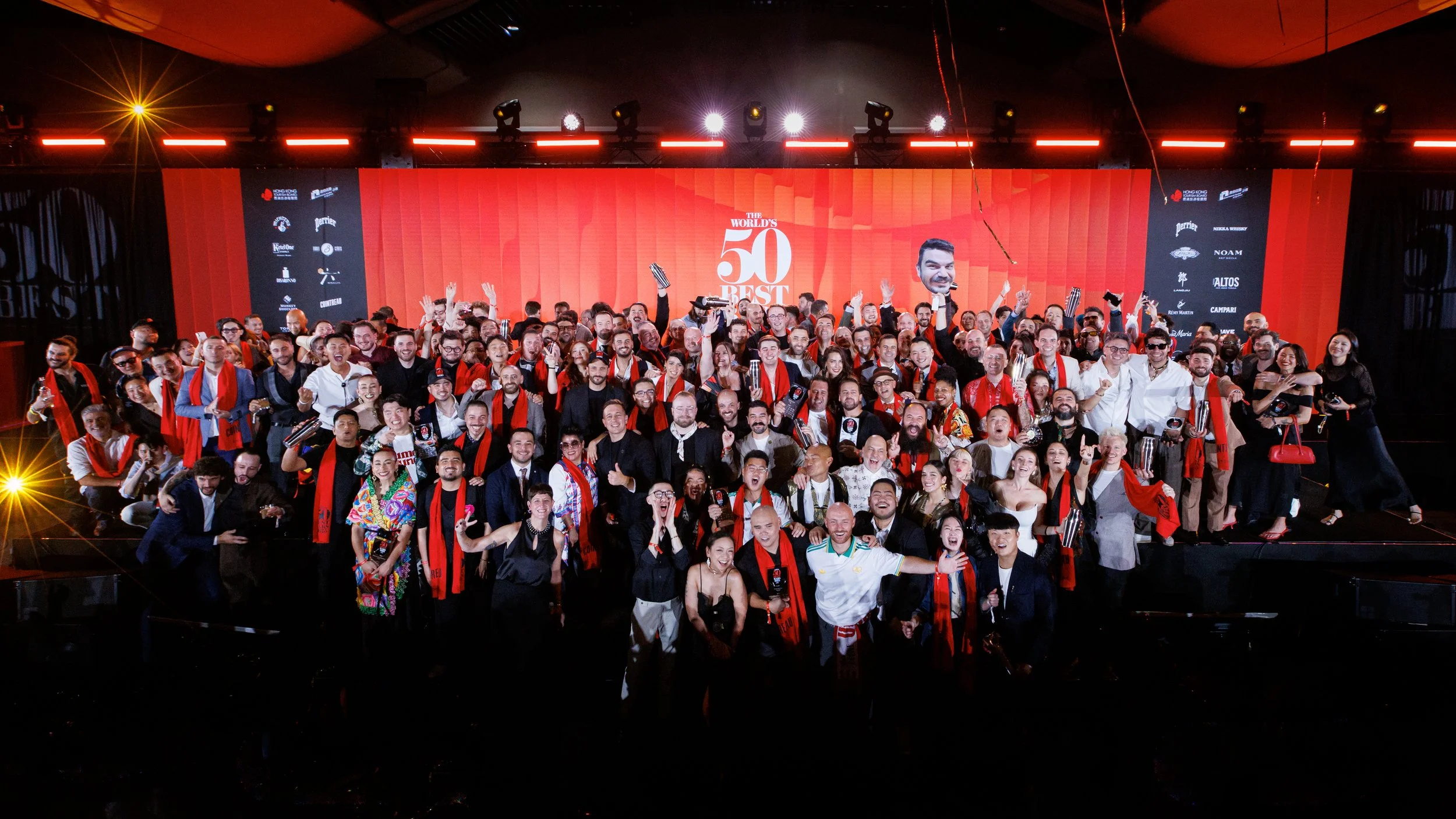
The ceremony itself will be preceded by the Bartenders’ Feast, a gathering that honours those whose venues have earned a place in the ranking. The following evening, a red carpet reception and live countdown will culminate in the announcement of The Best Bar in Europe 2026.
The event will also celebrate individual achievements. Awards such as the Art of Hospitality Award and the Bartenders’ Bartender Award will recognise the human dimension behind the counter. Additional distinctions, from the Sustainable Bar Award to the Best Bar Design Award, acknowledge that contemporary excellence extends beyond flavour alone.
Beyond Rankings
For Avesso’s readership, which values design, gastronomy and cultural nuance, the significance of Europe’s 50 Best Bars lies not only in its hierarchy but in what it reveals about the state of hospitality.
Bars are no longer peripheral to culinary culture. They are laboratories of innovation. Techniques pioneered behind the bar often filter into kitchens. Sustainability initiatives first tested in cocktail programmes inspire broader supply chain reform. The language of design that shapes modern bars influences hotels, restaurants and even retail spaces.
The introduction of a European list underscores how regional identity continues to matter in a globalised world. While The World’s 50 Best Bars offers a panoramic view, a continental ranking invites deeper engagement with local contexts. It encourages travellers to look beyond capitals and explore cities whose bar scenes are shaped by unique histories and ingredients.
At the same time, the emphasis on sustainability and design awards signals a shift in criteria. Excellence today is multidimensional. A great bar must consider environmental impact, spatial aesthetics, service culture and narrative coherence alongside technical proficiency.
The Cultural Role of the Bar
In European history, bars and cafés have functioned as intellectual salons, political meeting points and stages for artistic exchange. From the literary cafés of Paris to the espresso counters of Rome and the speakeasies of London, these spaces have always been more than places to drink.
In my own travels, whether covering hospitality in Bangkok or reporting on sustainability initiatives in Tuscany, I have observed how the bar often becomes a microcosm of its city. It reflects social shifts, economic resilience and creative ambition.
Europe’s 50 Best Bars crystallises this dynamic. By gathering the community in Amsterdam, the ceremony becomes not merely an awards night but a moment of collective reflection. It acknowledges the resilience of an industry that has navigated economic turbulence and changing consumer expectations.
A Living Map of Experience
When the list is revealed on 30 June, it will function as a living map of Europe’s most compelling drinking destinations. For travellers and locals alike, it offers guidance. For bartenders, it provides recognition and motivation. For the industry at large, it sets a benchmark.
Source: 50 Best Bars
Yet the true value of such a ranking lies in the conversations it sparks. Which cities are rising. How are sustainability practices evolving. What design languages are emerging. The answers will continue to shift, as they should.
In Amsterdam, a city shaped by trade routes and open horizons, Europe’s 50 Best Bars will take its first breath. The ceremony may last one evening, but its implications will ripple across the continent. In celebrating bars, it celebrates the art of gathering, of dialogue, of shared experience.
And in that sense, the launch of Europe’s 50 Best Bars feels less like a competition and more like an invitation. An invitation to rediscover Europe after dark, glass in hand, attentive to craft and conscious of context.