Barcelona Cocktail Fest: Where the Future of Hospitality Is Poured, One Glass at a Time
Credits: Barcelona Cocktail Fest
What do you do when you receive an invitation to fly to Barcelona and meet ten of the world’s best cocktail bars in one place? You go. Not out of obligation, but out of instinct. Some opportunities are less about decision and more about recognition. You understand, immediately, that something meaningful is about to unfold.
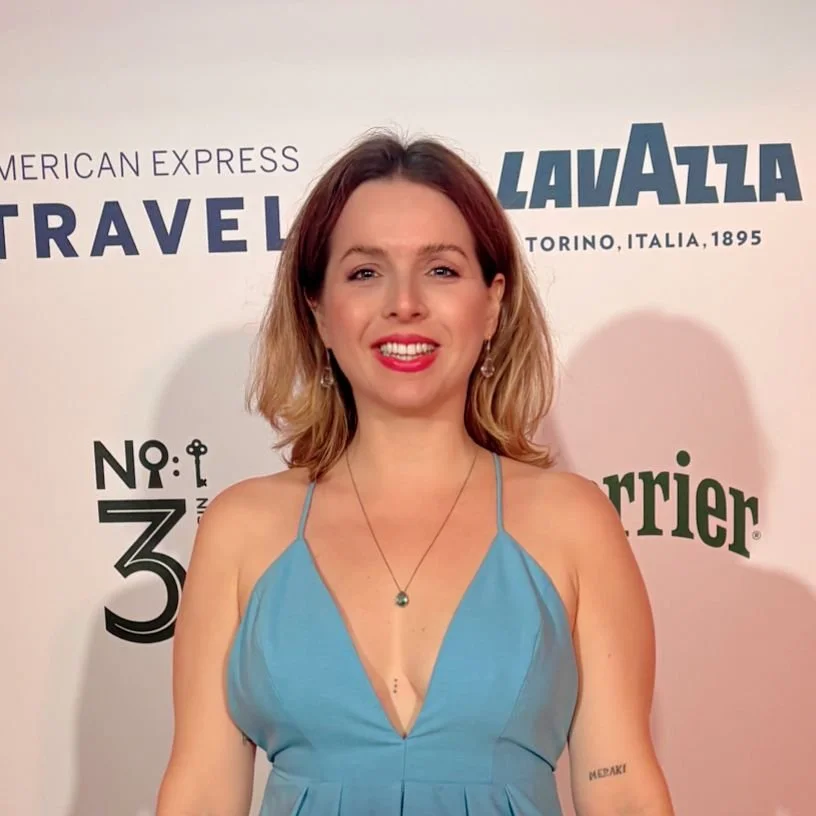
For me, this journey marked a quiet milestone. My first press trip. A new way of experiencing an industry I have long observed, now from within. Over a long weekend in April, Barcelona became not just a destination, but a point of convergence for ideas, people and perspectives shaping the future of hospitality.
The Barcelona Cocktail Fest, formerly known as the Paradiso Sustainability Summit, has evolved into something far more expansive than its origins suggest. Conceived by Giacomo Giannotti, founder of Paradiso, currently ranked among the world’s leading bars, in partnership with Italspirits by Giuseppe Gallo, the festival has grown into both a celebration and a provocation. Held at Palo Alto, it creates a space where craft meets conversation, and where the question is no longer what makes a good bar, but what defines the next chapter of the industry. This year, its doors opened wider, welcoming not only industry professionals, but also residents, visitors and a new generation of curious consumers.
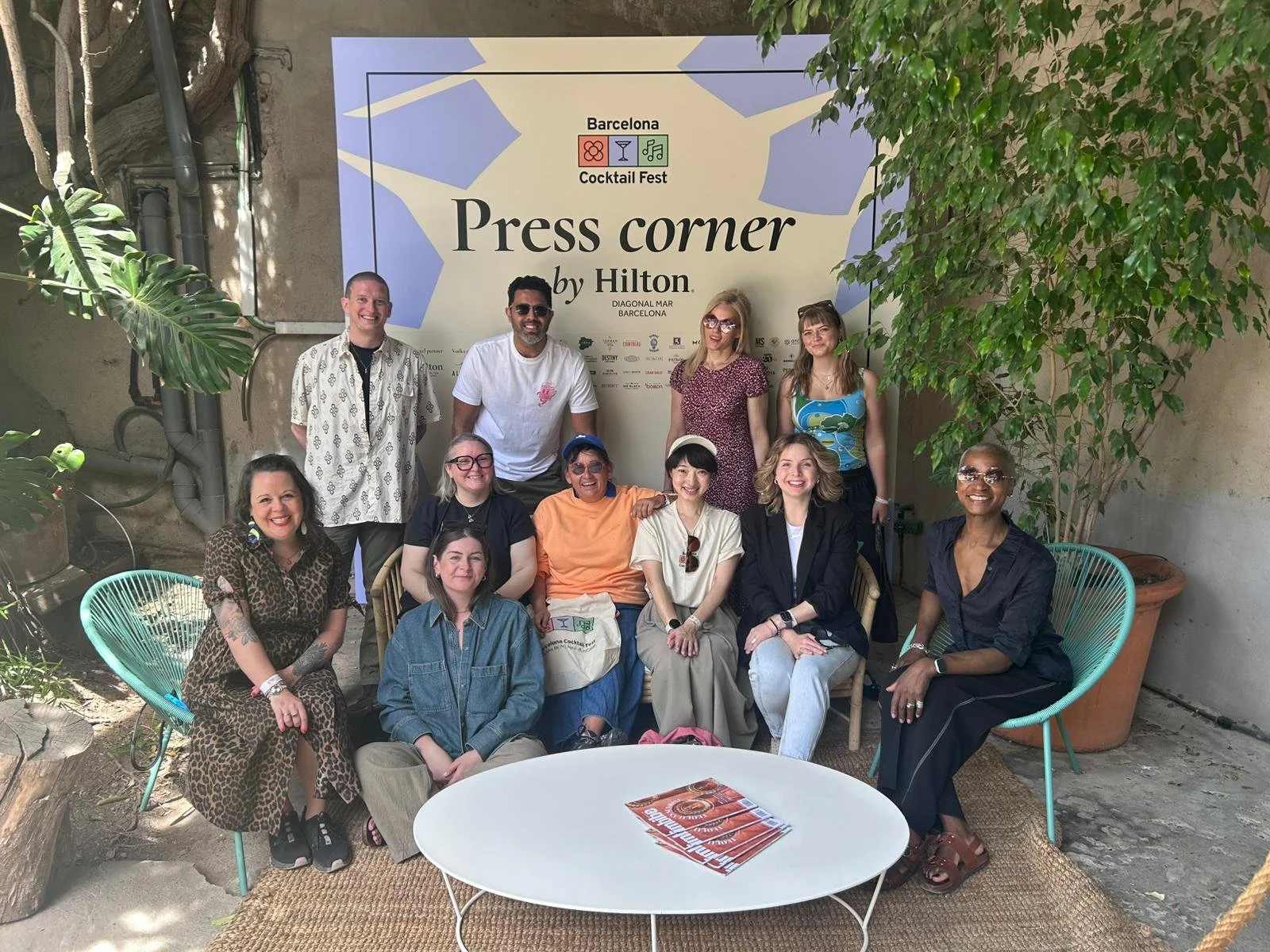
From the moment of arrival, the tone was set. On Friday evening, a welcome gathering at the Hilton Diagonal del Mar, the festival’s official hotel partner, brought together bartenders, founders, media and creatives from across the globe. Japan, Canada, the United Kingdom, and Brazil. Different geographies, united by a shared language of flavour, technique and storytelling. There is something distinct about the energy of such a room. It is not simply professional. It is deeply personal.
Credits: own archive
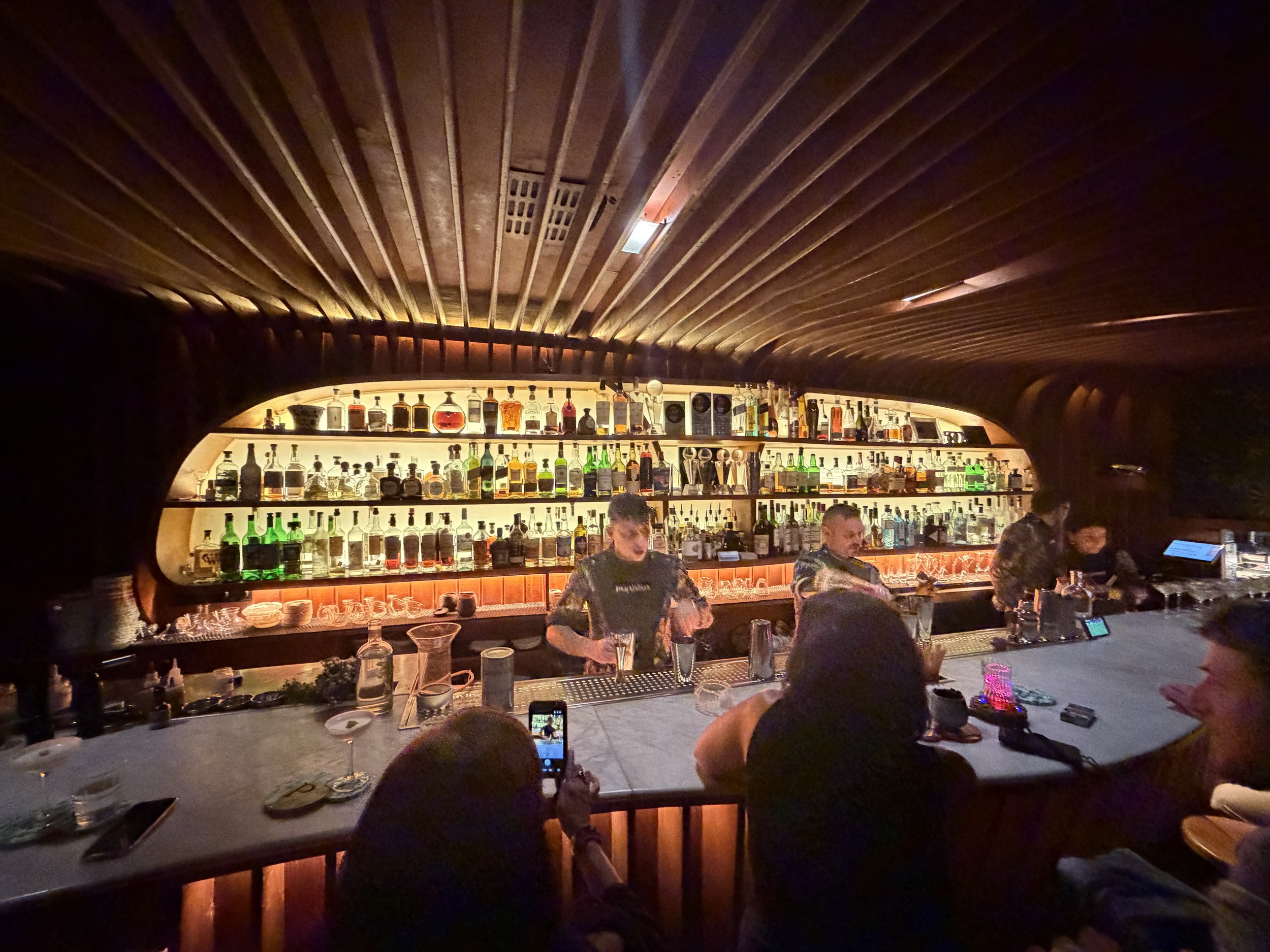
Later that evening, we were taken to Paradiso, the bar that sits at the heart of this movement. Hidden behind an unassuming façade, it has become one of the most influential cocktail destinations in the world. There, Giacomo Giannotti introduced the new menu, Oltre, which in Italian suggests going beyond, moving further. The concept draws from the influence of Surrealism, deeply embedded in Barcelona’s cultural identity, and from the intangible world of dreams.
When unveiled, Oltre offered a glimpse into a philosophy that continues to evolve at Paradiso. Drinks here are never static or predictable. They are narratives, constructed through texture, temperature and visual expression. Each cocktail invites reflection, reminding us that a drink can be as much an intellectual exploration as it is a sensory pleasure.
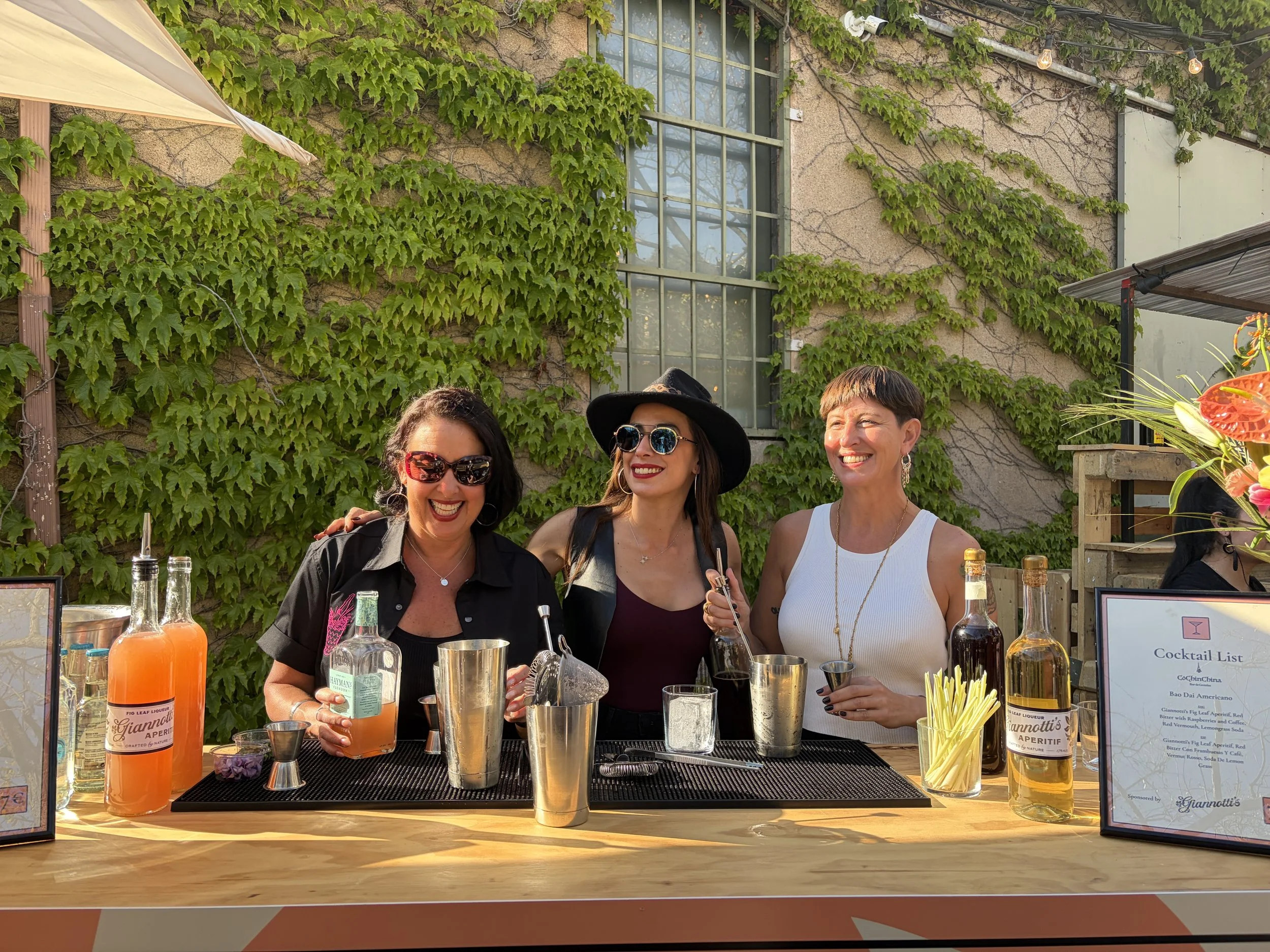
The festival itself unfolded over two days, transforming Palo Alto into a living map of global drinks culture. Guest bars from cities such as Oslo, Singapore, Cartagena and Rome brought their identities with them, not diluted or adapted, but presented in their purest form. To move between them was to travel without leaving the space.
Credits: own archive
Himkok, Native, Alquímico, Angelita and Drink Kong were among the names that anchored the programme. Each offered a distinct interpretation of what hospitality can be. Some focused on hyperlocal ingredients, others on technique, while others placed storytelling at the centre of the experience. What united them was a shared commitment to craft and a refusal to remain static.
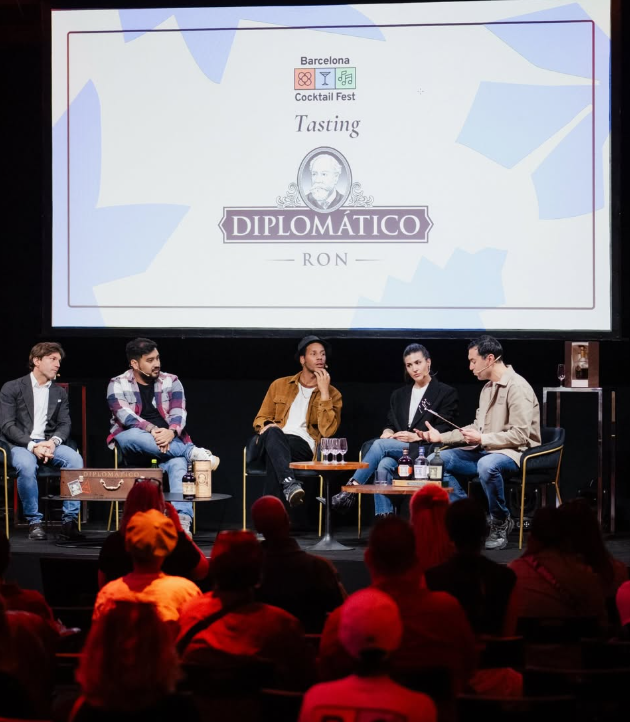
Beyond the drinks, the festival created space for dialogue. The 2026 theme, Future Proof, shaped a series of panels exploring the challenges and possibilities facing the industry. Conversations ranged from sustainability and regeneration to the role of technology and the enduring importance of human connection. Listening to voices such as Charlotte Voisey, Simone Caporale and Vijay Mudaliar, it became clear that the future of hospitality is not defined by a single direction. It is layered, complex and deeply interconnected. Bars are no longer isolated spaces. They are cultural platforms, capable of influencing how we think about consumption, community and responsibility.
One of the most striking aspects of the programme was its emphasis on purpose. Discussions around sustainability moved beyond surface-level gestures to consider systemic change. What does it mean to build a bar that is not only environmentally responsible but socially engaged? How can hospitality contribute to broader conversations around inclusion and access? These are no longer peripheral questions. They are central to how the industry defines itself moving forward.
Credits: Barcelona Cocktail Fest
Yet, for all its intellectual depth, the Barcelona Cocktail Fest never lost sight of pleasure. There were moments of lightness, of music, of shared laughter. Food trucks lined the space, offering an informal counterpoint to the precision of the drinks. DJs provided a shifting soundtrack that carried the festival from day into night. It is in these moments that the true essence of hospitality reveals itself. Not in perfection, but in connection.
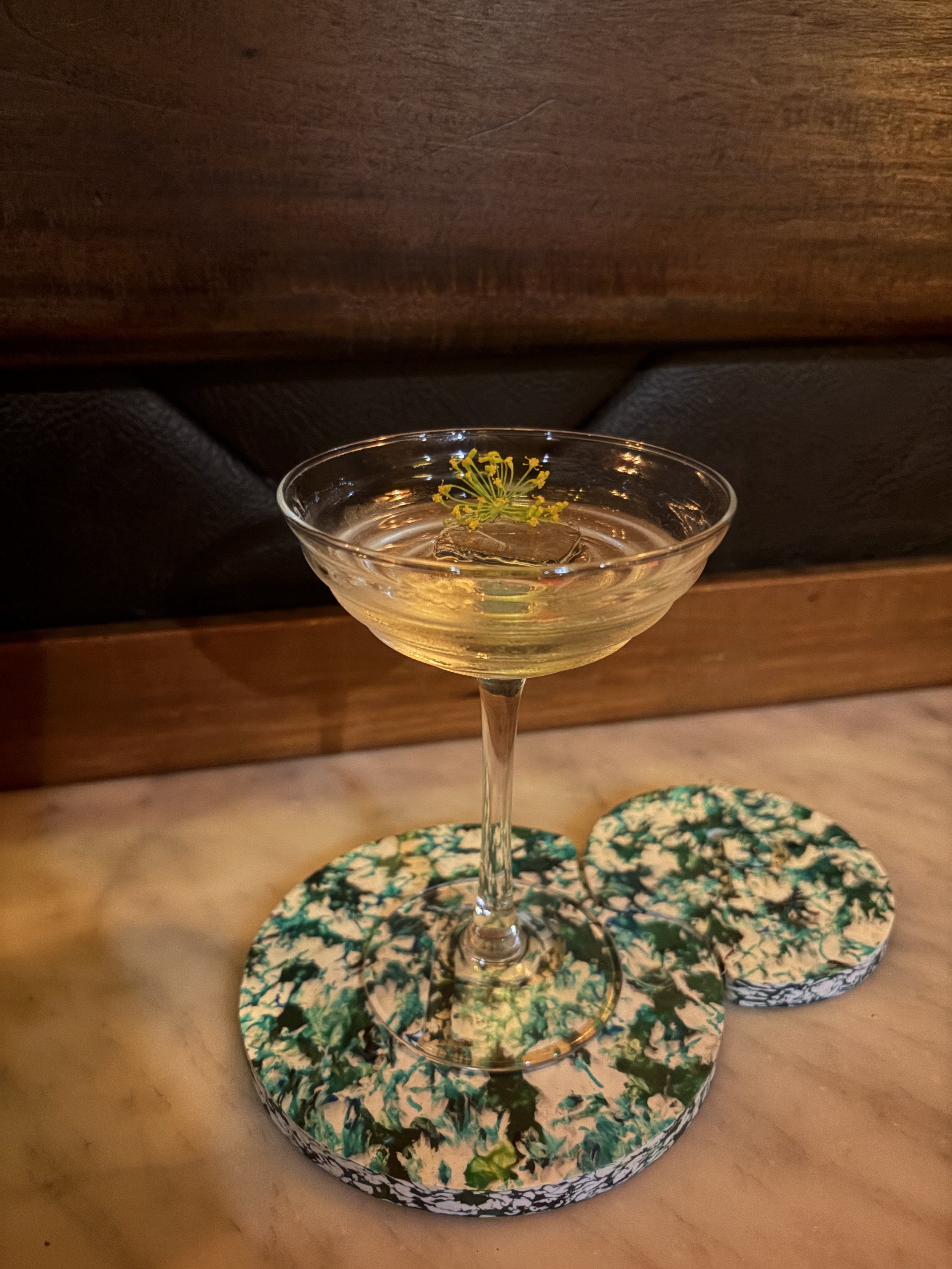
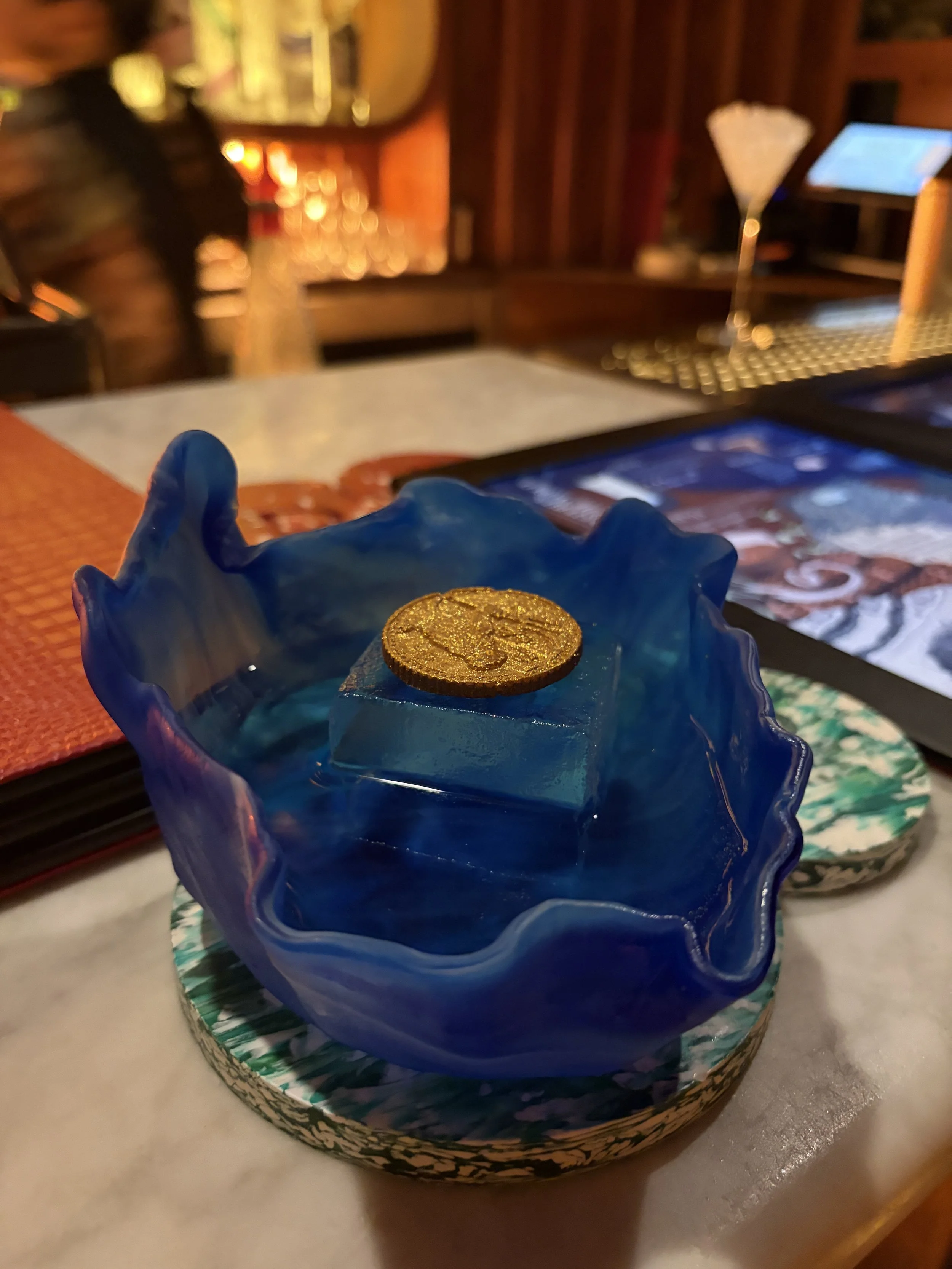
Evenings extended beyond the official programme. A bar crawl through El Born offered a more intimate perspective on Barcelona’s local scene, with stops at Mambo, Aldea and Mariposa Negra. On Sunday, a late-night return to Paradiso revealed another layer of the experience. In the Macallan Room, Bar Us from Bangkok hosted an unexpected takeover, presenting an exclusive three-cocktail menu that blurred the boundaries between guest and host, between planned and spontaneous. For me, it carried a personal note, a quiet reminder of a previous encounter in Bangkok, and the enduring memory of their Thai Tea Punch.
These transitions, from structured to organic, from formal to informal, mirrored the way the industry itself is evolving. There is a growing understanding that the most memorable experiences are not always the most curated. They are the ones that allow space for unpredictability.
Credits: own archive
Throughout the weekend, what stayed with me most was not a single drink or moment, but a feeling. A sense of being part of something that is still in the process of becoming. The cocktail bar, once seen as a place of escape, is increasingly a site of exchange. Ideas move across borders, shaped by local contexts yet connected through shared values.
Barcelona, with its long history of creativity and openness, provided the ideal setting for this convergence. It is a city that understands how to balance tradition with reinvention, how to remain rooted while embracing change.
As the festival came to a close, there was no sense of finality. Instead, there was continuity. The conversations initiated here will continue elsewhere, in different cities, in different forms. This was my first press trip. It will not be the last. But it will remain, I suspect, one of the most defining.
Because beyond the cocktails, beyond the names and the accolades, the Barcelona Cocktail Fest offered something more enduring. A glimpse into a future where hospitality is not only about what is served, but about what is shared. And in that sharing, something quietly transformative begins.
More information about the Barcelona Cocktail Fest can be found here: https://barcelonacocktailfestival.com/