Between Ruins, Castles and Scottish Roads
Scotland possesses a rare ability to immerse visitors in an atmosphere that feels almost cinematic. Between centuries old castles, dramatic landscapes, historic villages and traditions proudly preserved, the country reveals a personality that is both unique and deeply striking. My latest adventure through Scotland was exactly that, an immersion through cities and scenery that often seemed suspended somewhere between reality and fantasy.
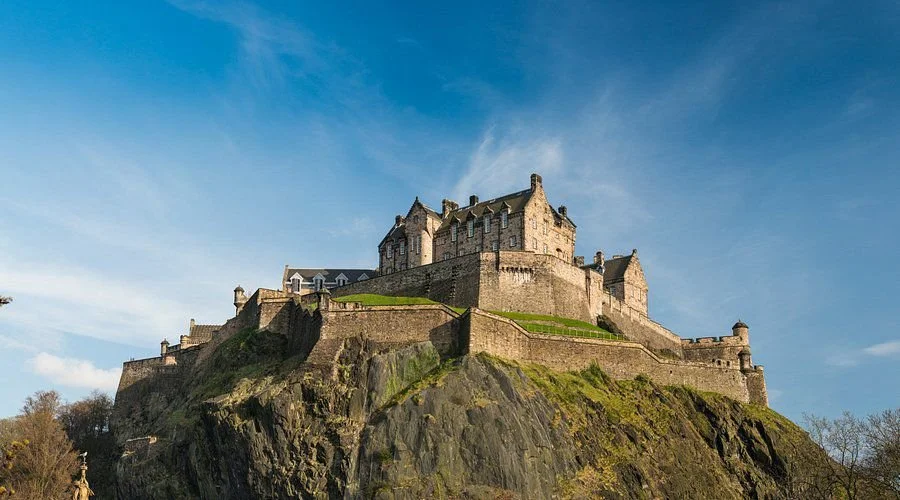
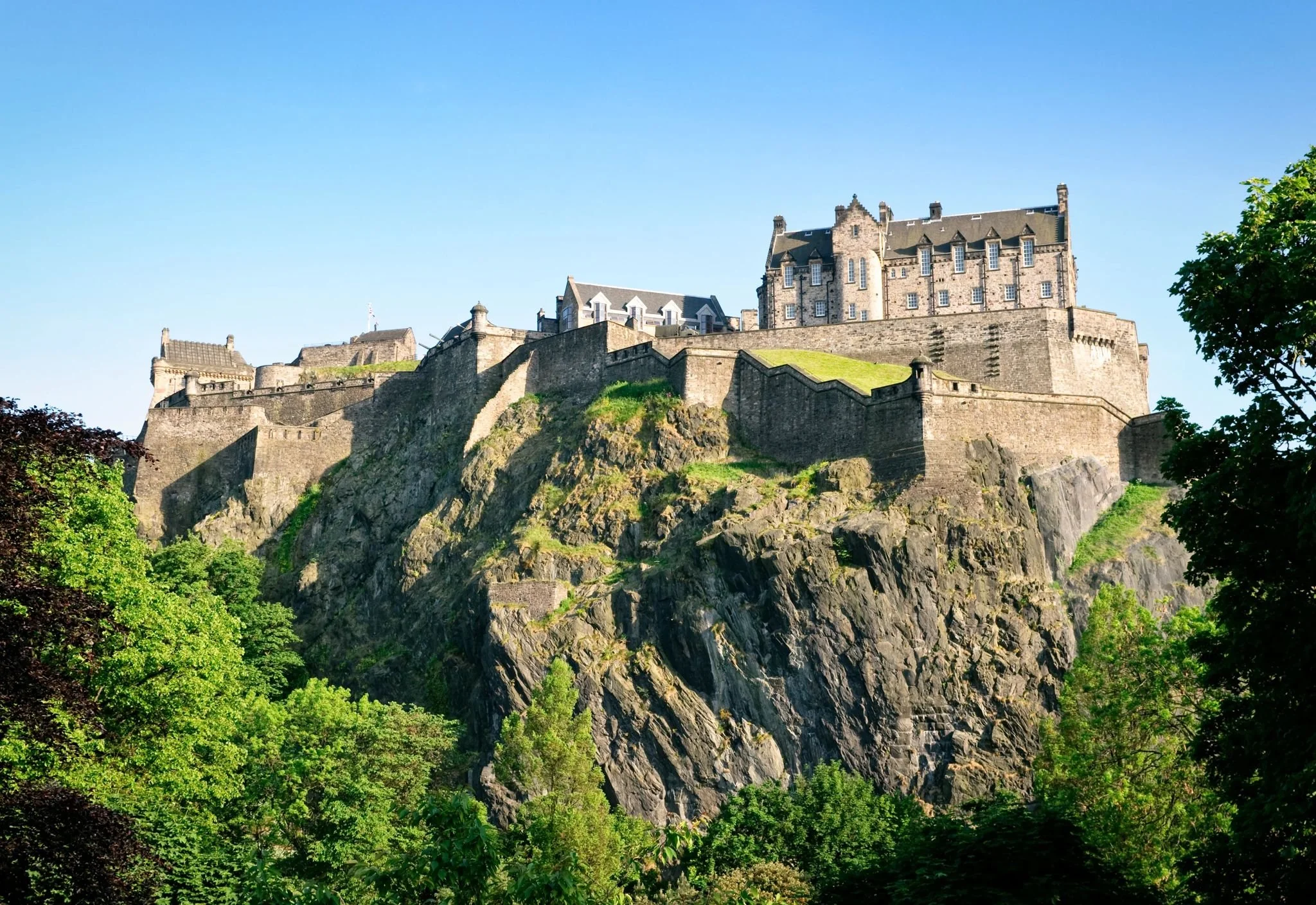
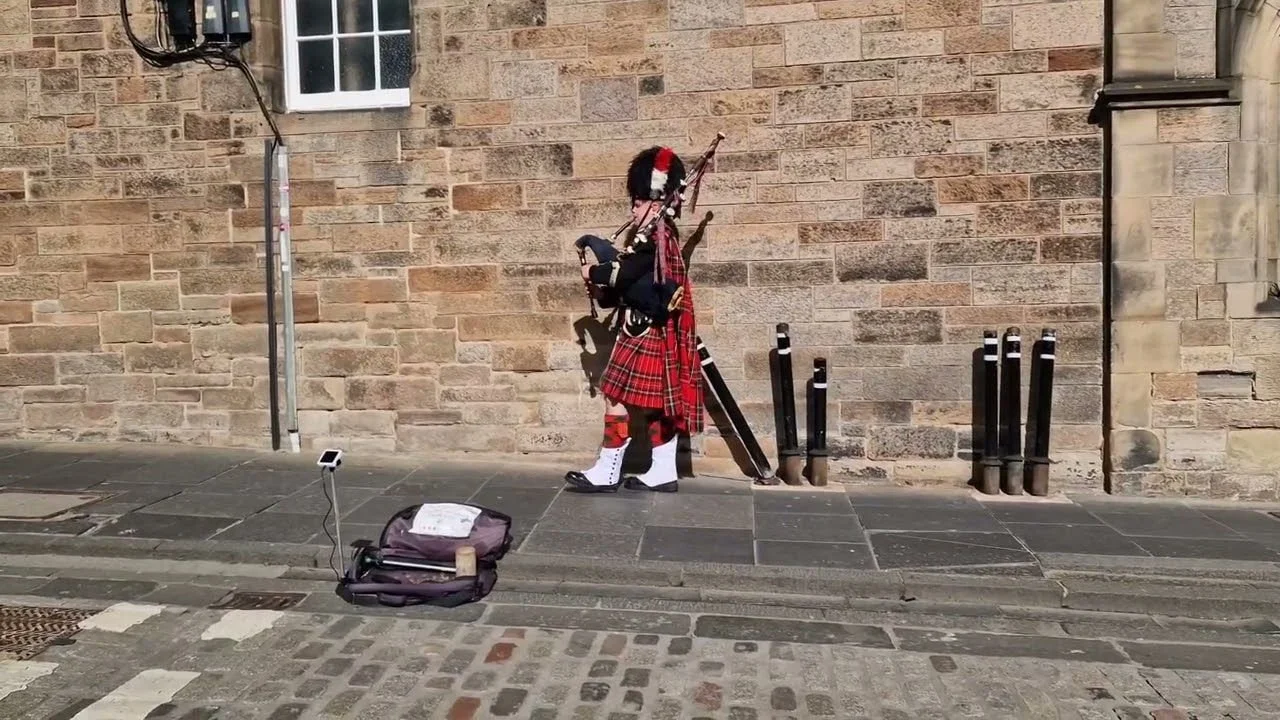
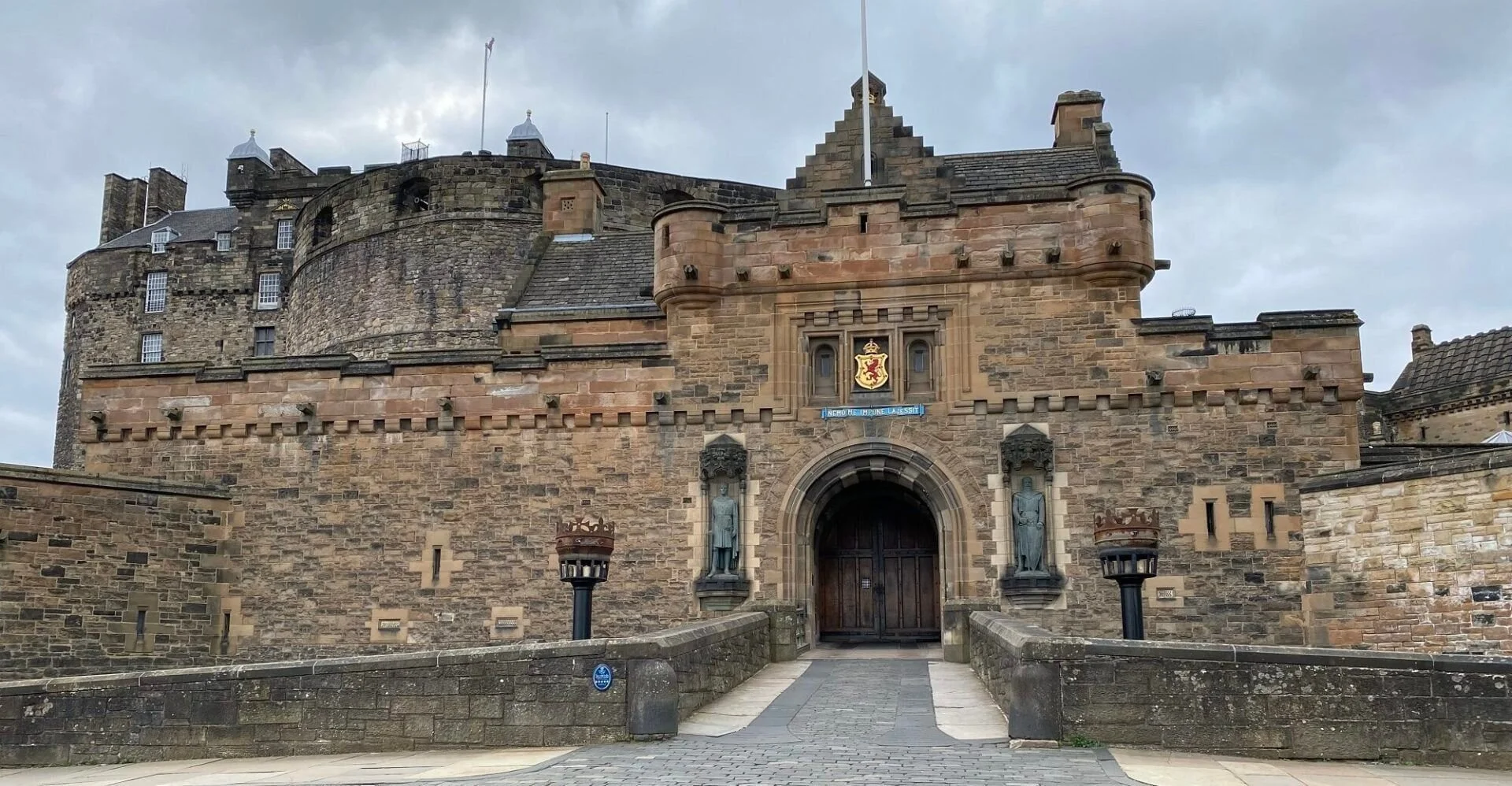
Edinburgh was, without question, one of the great highlights of the journey. The Scottish capital has an energy entirely of its own. Art, music, history and creativity seem to exist on almost every corner. Walking through the stone streets of the Old Town feels like moving through different centuries all at once. Between medieval buildings, historic pubs, galleries, street musicians and the imposing Edinburgh Castle, everything feels filled with character and narrative.


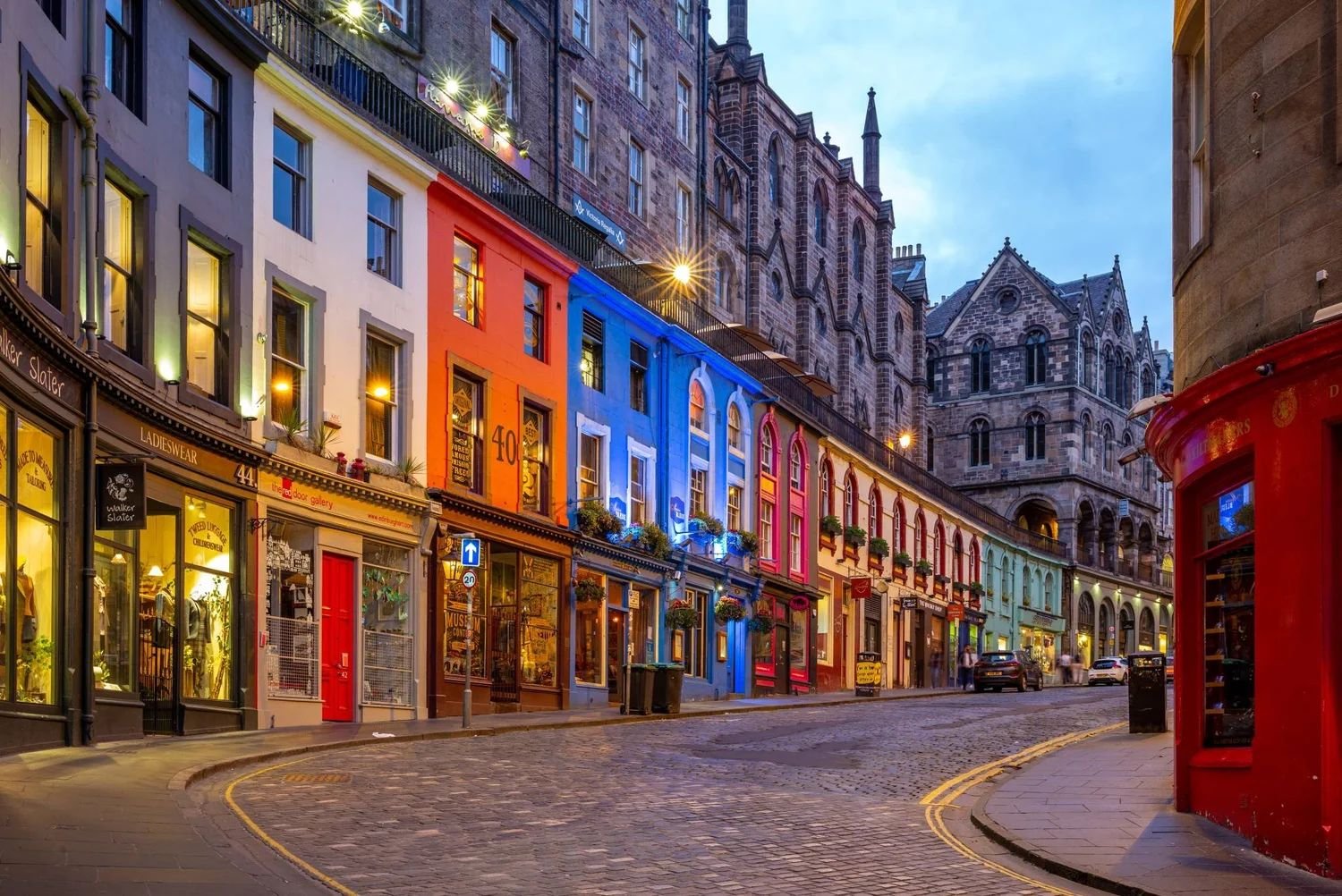
During my stay, I checked into one of the city’s most charming addresses, located on the iconic Victoria Street, home to Virgin Hotels Edinburgh. The area is vibrant, lively and surrounded by some of the most beautiful urban scenery in the Scottish capital.
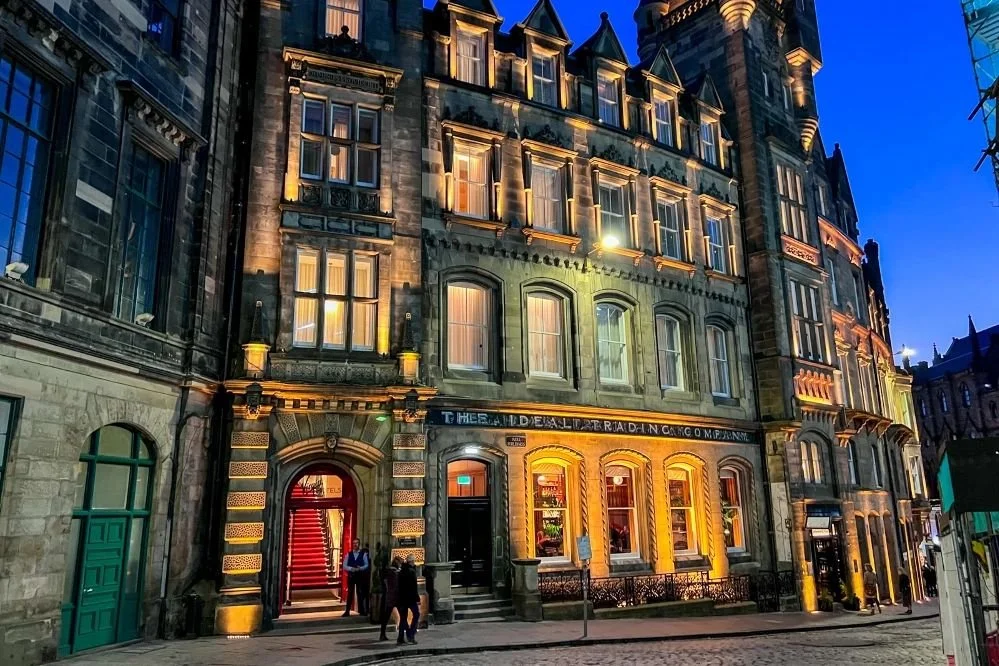
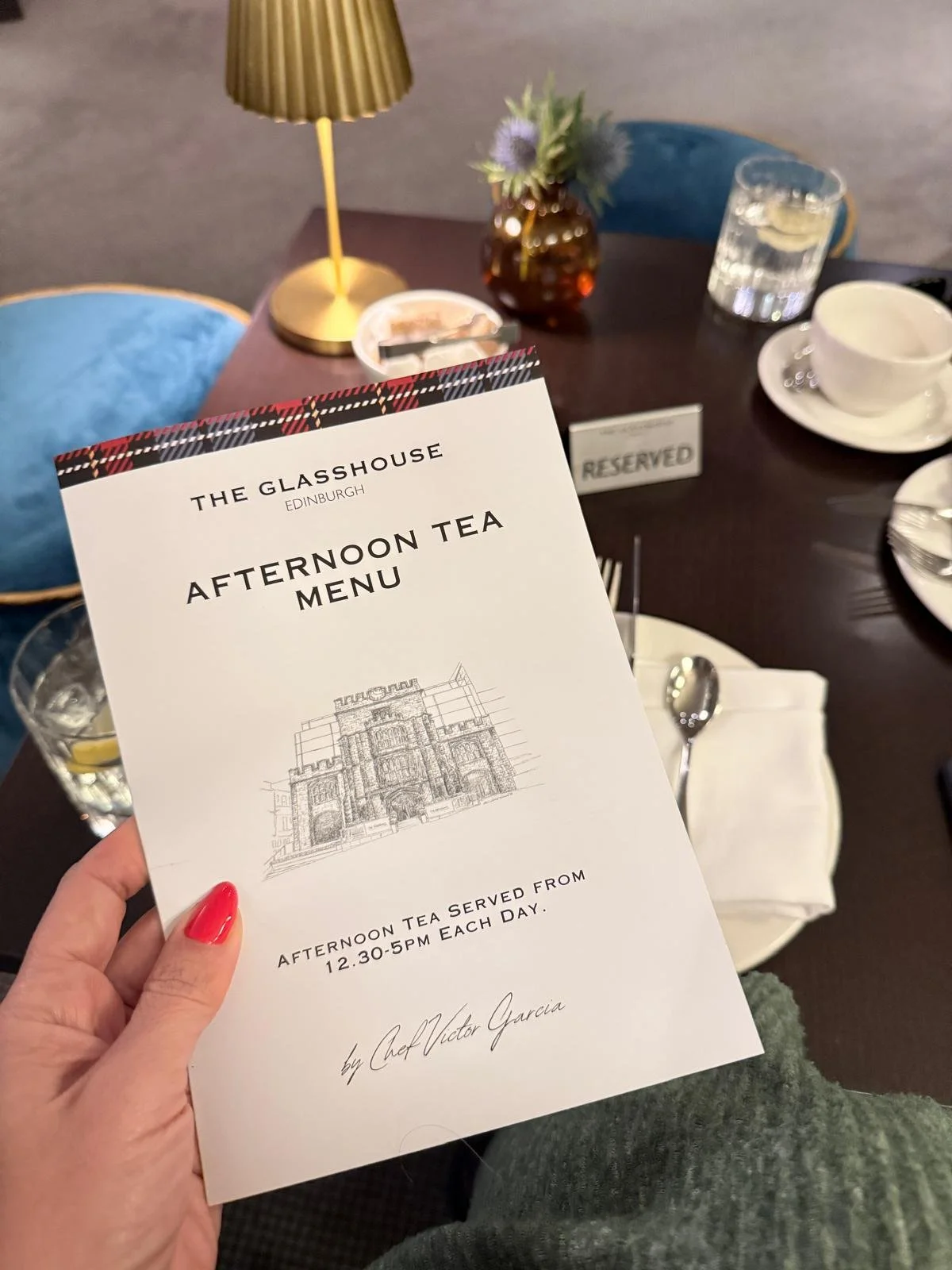
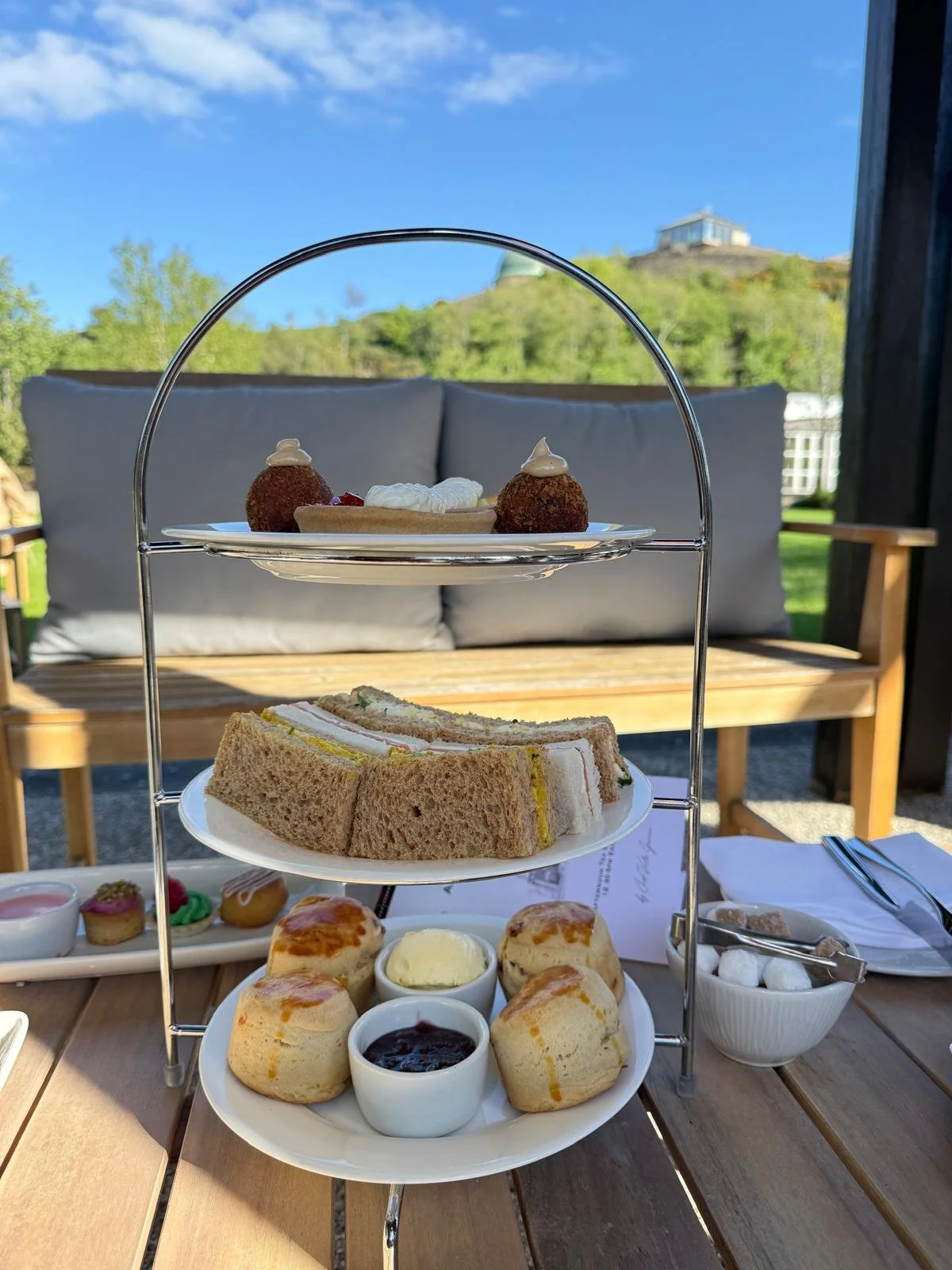
Another special moment of the trip was the afternoon tea experience at The Glasshouse Hotel. The hotel offers a truly beautiful outdoor view and, for several moments, it becomes easy to forget that you are in the very centre of Edinburgh. There is a genuine sense of tranquillity and escape in the middle of the city. The space balances sophistication and comfort effortlessly, both outdoors and within its elegant interiors. The menu is impeccable, the pastries incredibly delicate, and the selection of teas, champagne and whiskies deserves special mention.


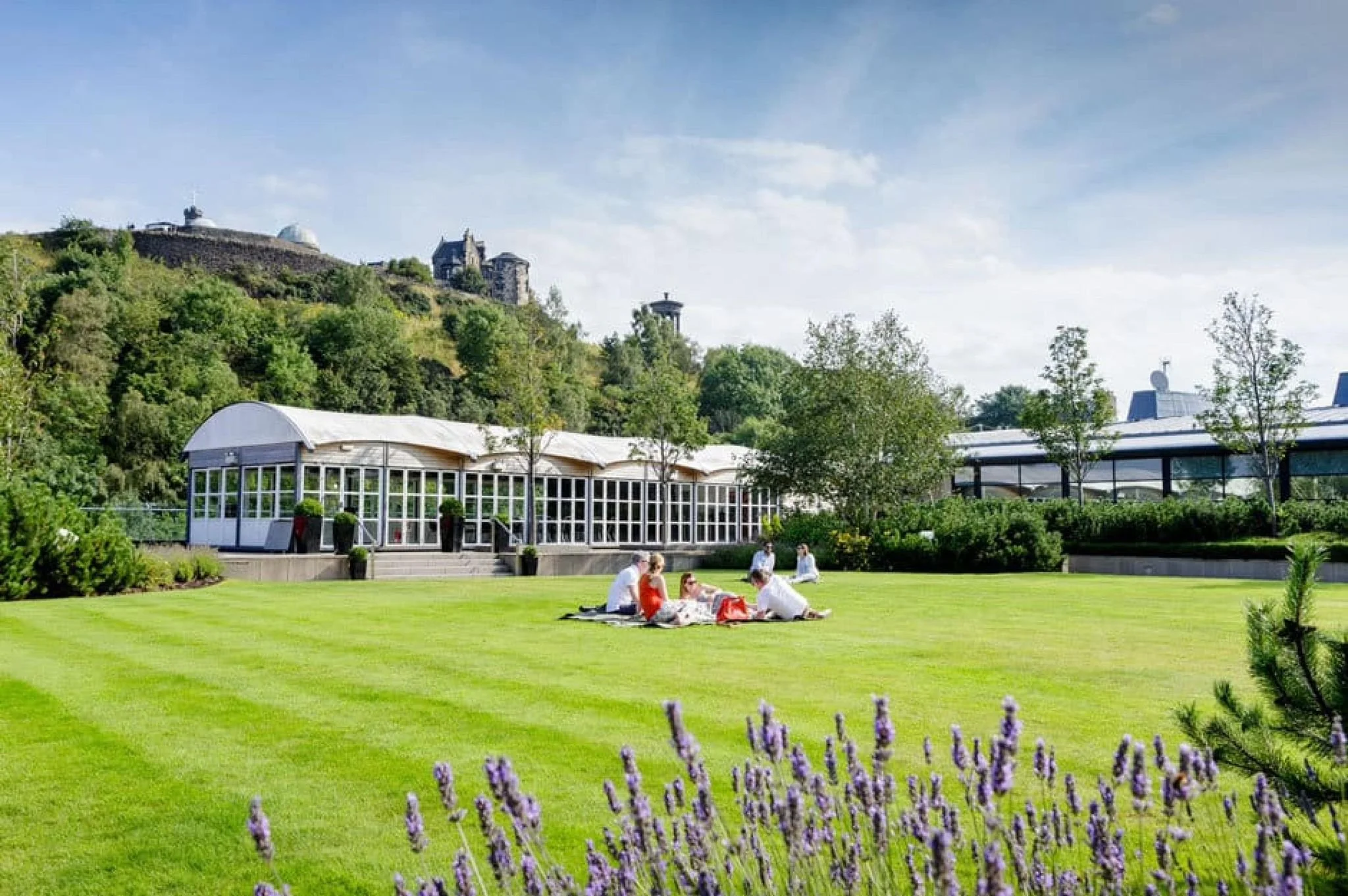

Edinburgh also reveals different sides of itself depending on how one chooses to explore it. There is the historic side, the artistic side, the gastronomic side and, of course, the unmistakable Scottish cultural presence, reflected in the traditional tartans, the emotional sound of the bagpipes and the local pubs where musicians perform traditional songs live. An experience I would instantly recommend.
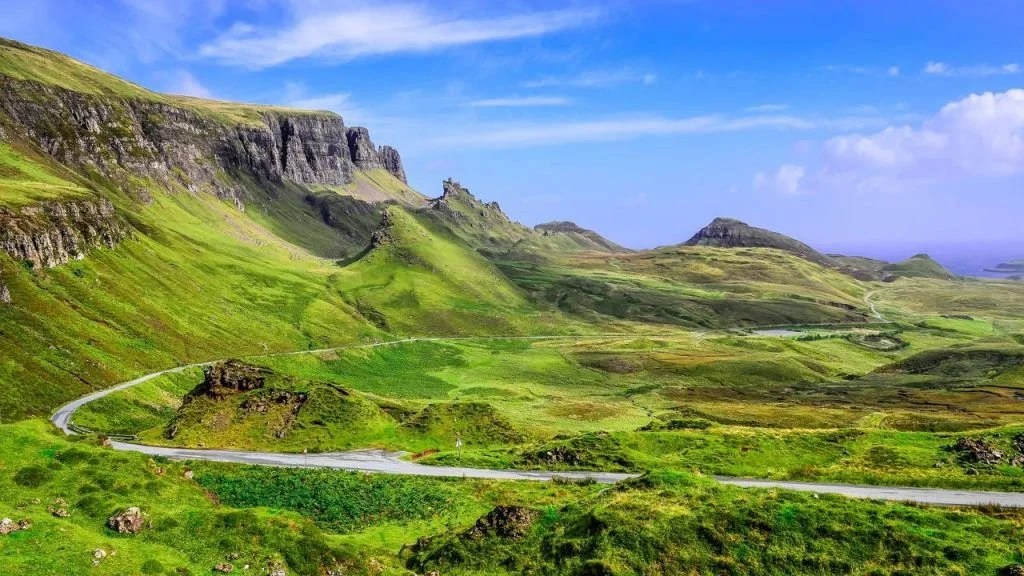
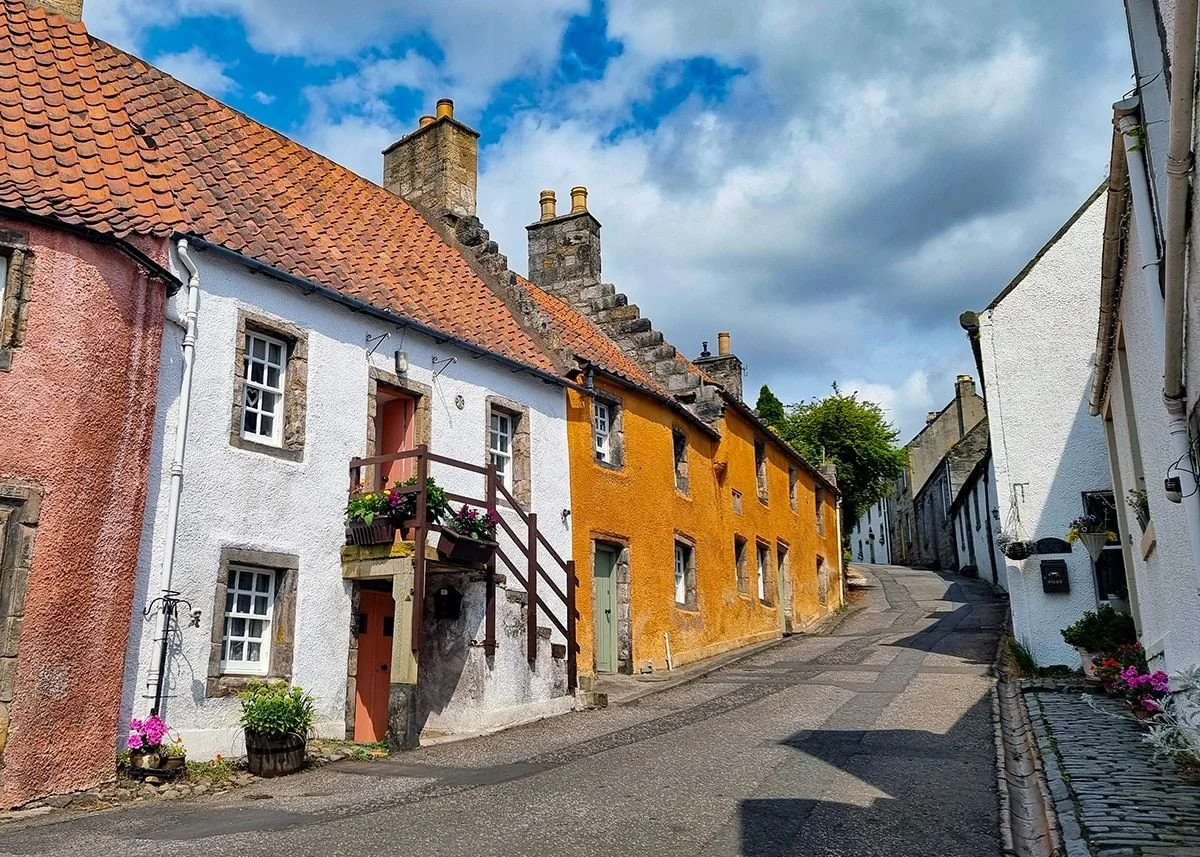
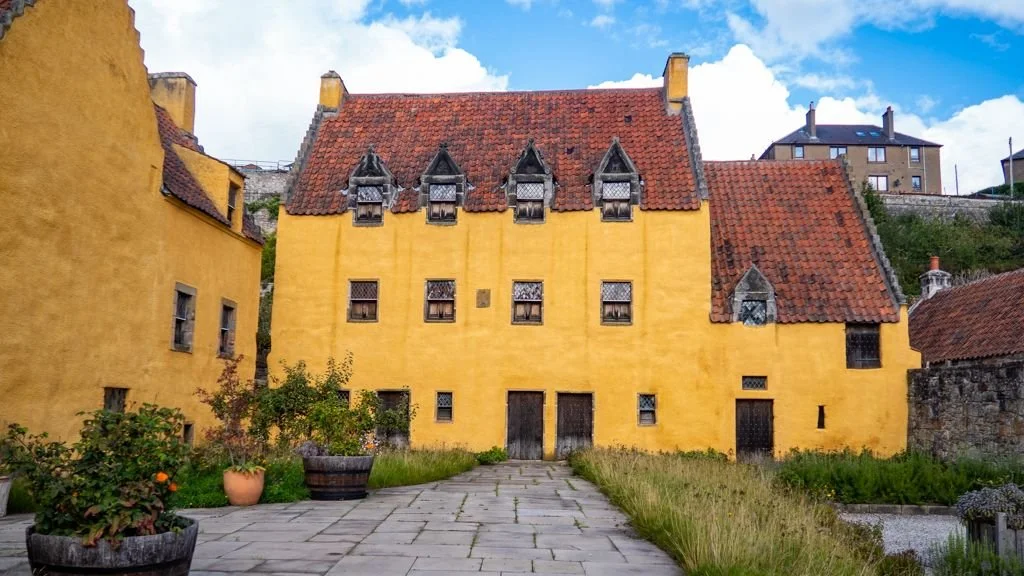
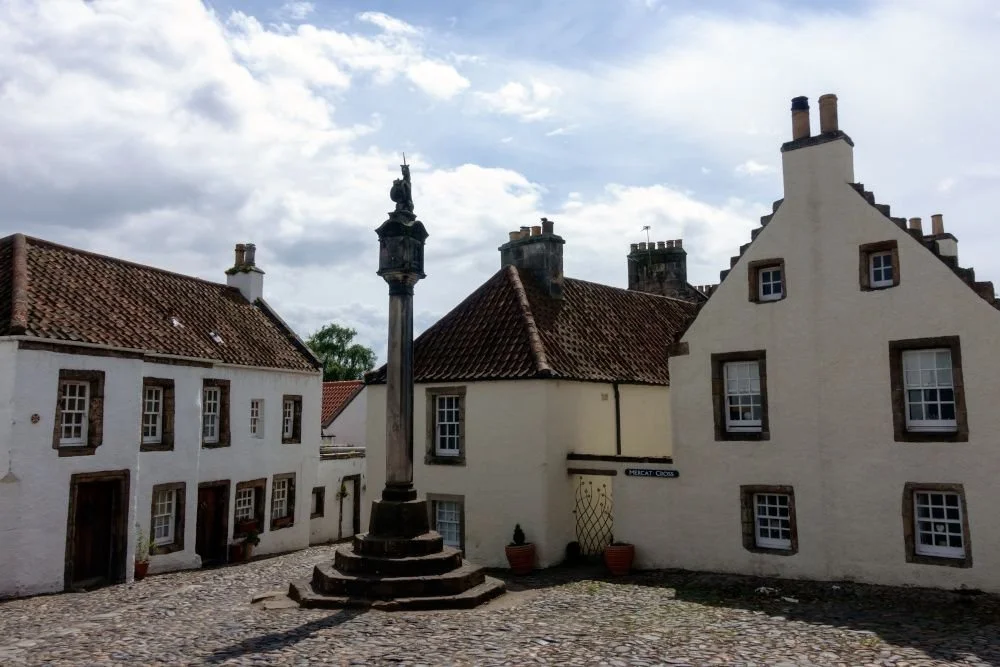
But part of Scotland’s true magic reveals itself once you leave the capital behind, travelling through cinematic roads that resemble an open air art gallery. It was among sheep, golden fields and picturesque cottages that I arrived in Culross, one of the most magical villages of the entire journey. Small, historic and beautifully preserved, the village is filled with narrow stone streets, centuries old houses and an atmosphere that immediately transports visitors to another era.
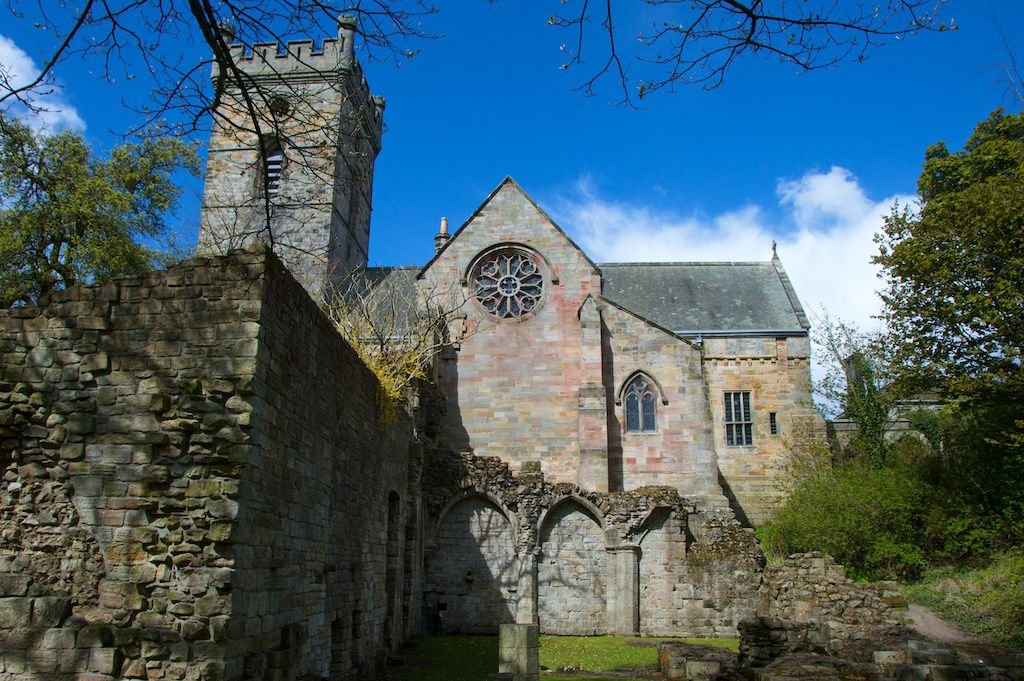
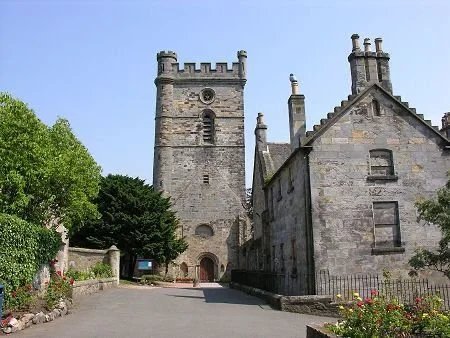
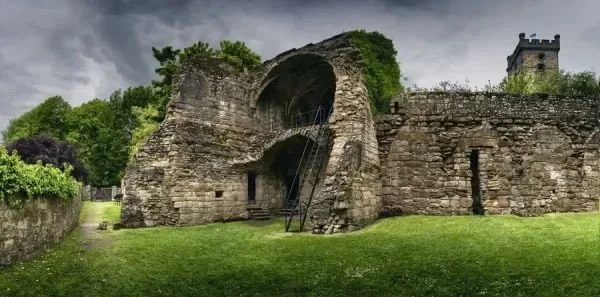
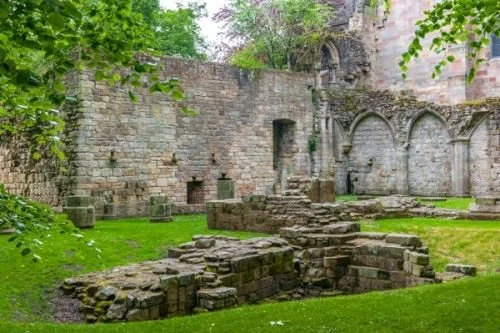
It was there that I also visited the ruins of the ancient abbey, one of the most fascinating places in the region. There is something extraordinary about the way the structures remain partially preserved, carrying visible marks of time itself. The contrast between the historic ruins and the surrounding green landscape creates a truly remarkable setting.
Yet there is also something difficult to explain about that place. As though those ancient walls still quietly guard encounters and secrets preserved by time. Between almost untouched stone corridors and ruins open to the Scottish sky, there is a mysterious and almost intimate atmosphere, the kind that naturally leaves visitors in silence simply observing everything around them.
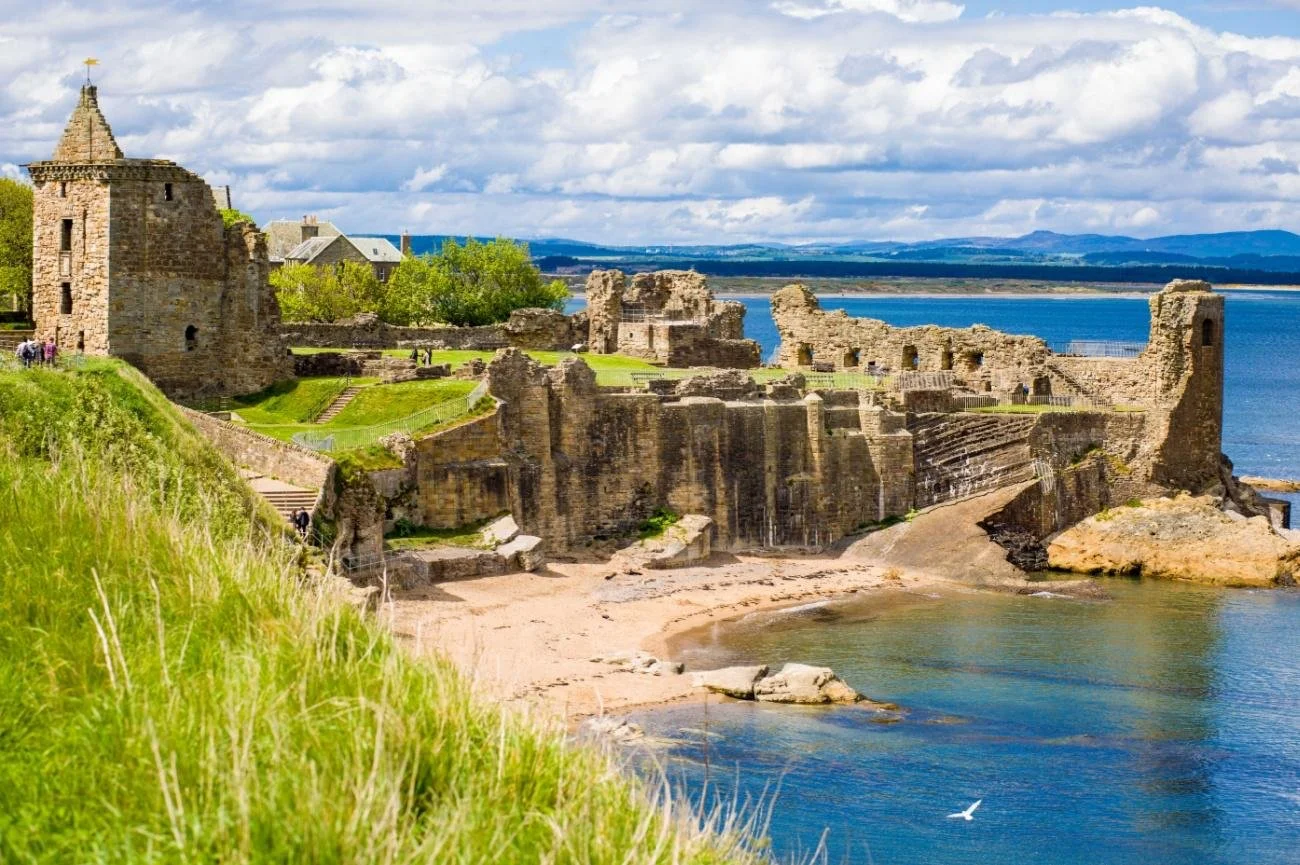
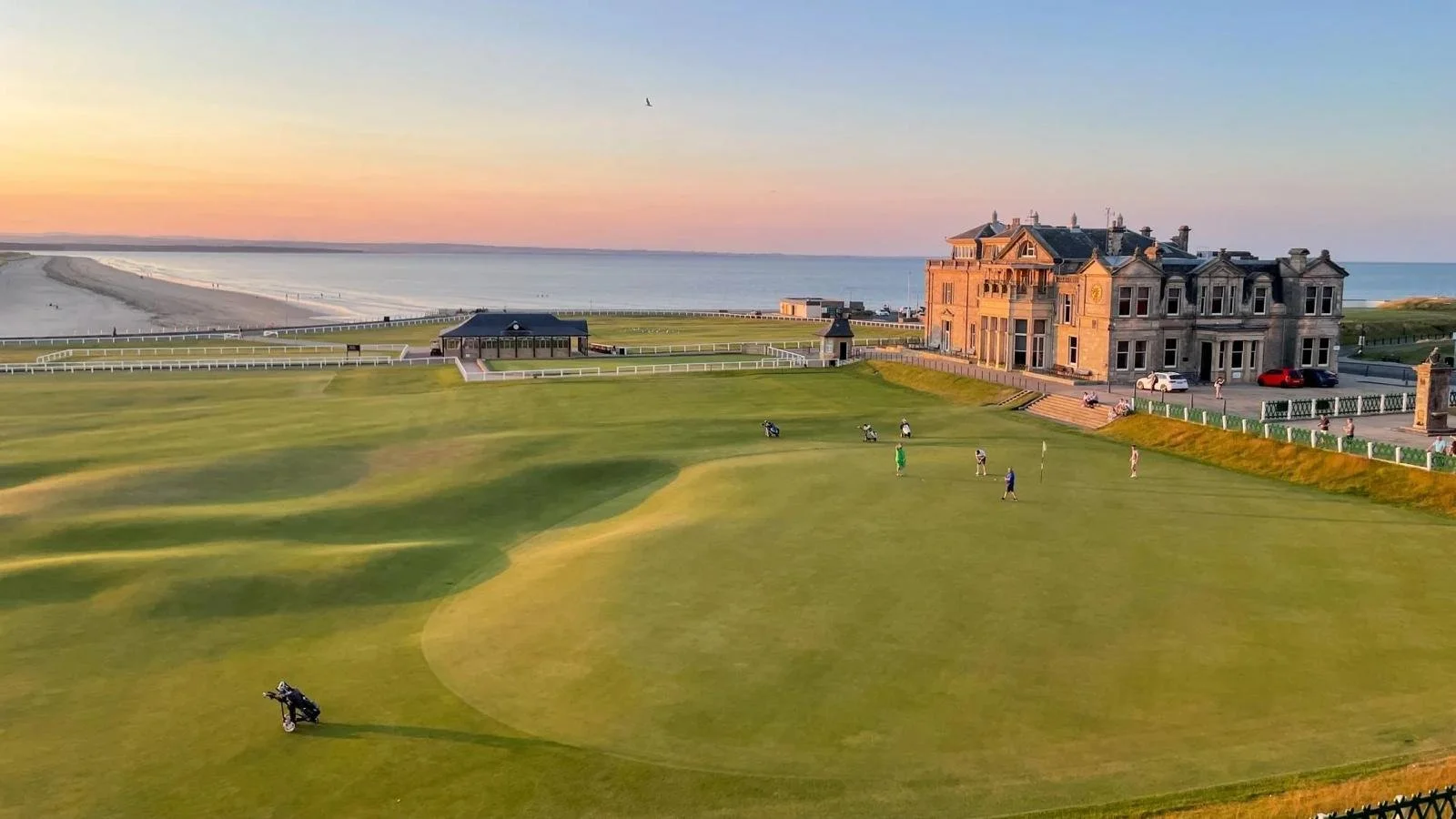
After Culross, the journey continued towards St Andrews, a destination that carries one of the most sophisticated atmospheres in Scotland. Known worldwide as the birthplace of golf, the town offers far more than the sport itself. There is a very particular elegance to St Andrews, a combination of tradition, intellect and natural beauty that captivates immediately.
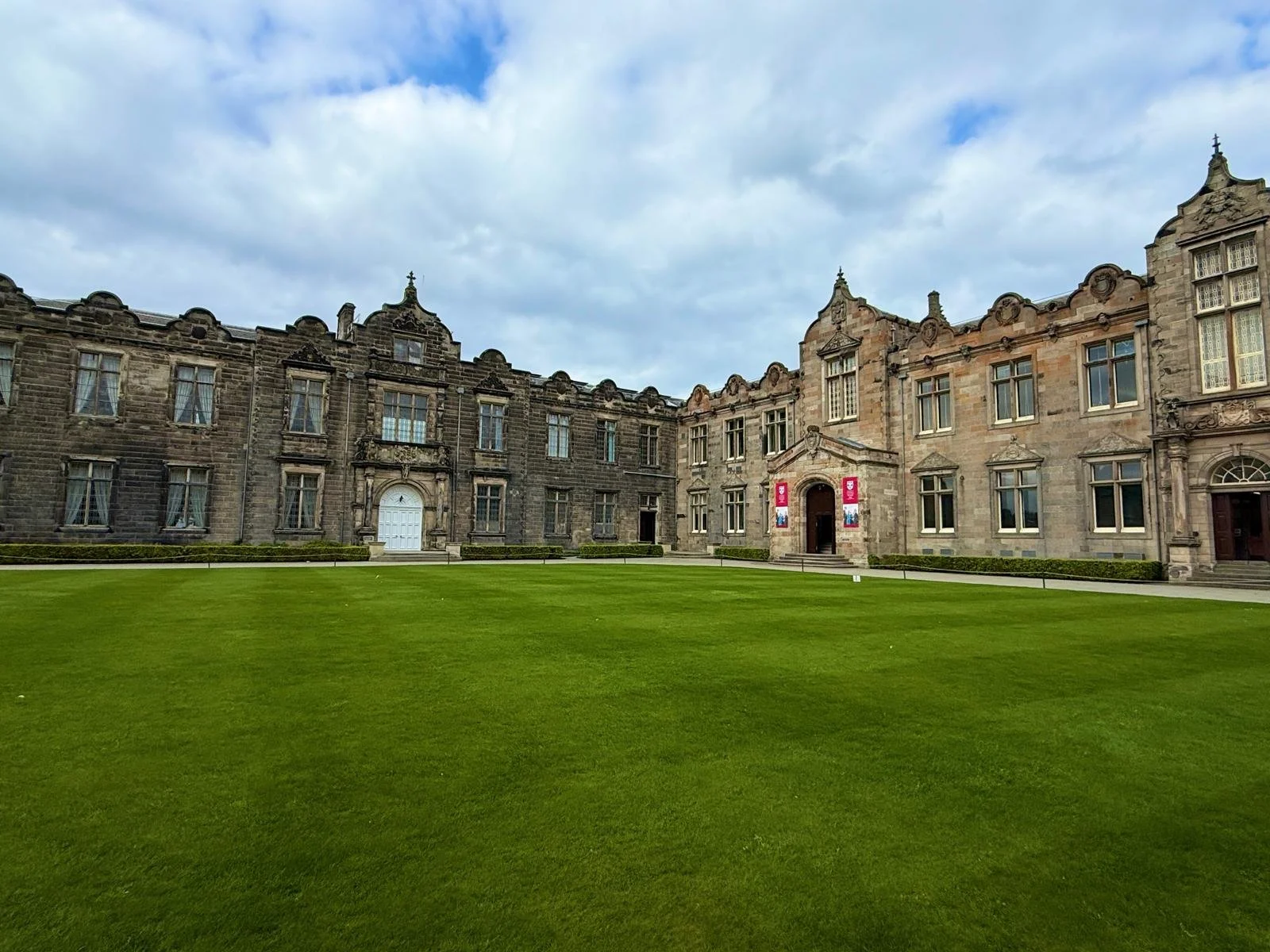
Beyond its famous golf courses overlooking the North Sea, St Andrews is also home to one of the most prestigious universities in the United Kingdom, the University of St Andrews, recognised as the oldest university in Scotland. The institution holds enormous historical and academic significance and became even more internationally recognised as the place where Prince William and Catherine, Princess of Wales, first met.
Over the centuries, the university has educated important names in politics, the arts and science, establishing St Andrews as one of Britain’s great intellectual centres. That academic presence transforms the atmosphere of the town entirely. There is a fascinating balance between university tradition, historic architecture and the youthful energy of students filling the streets, cafés and bookshops.


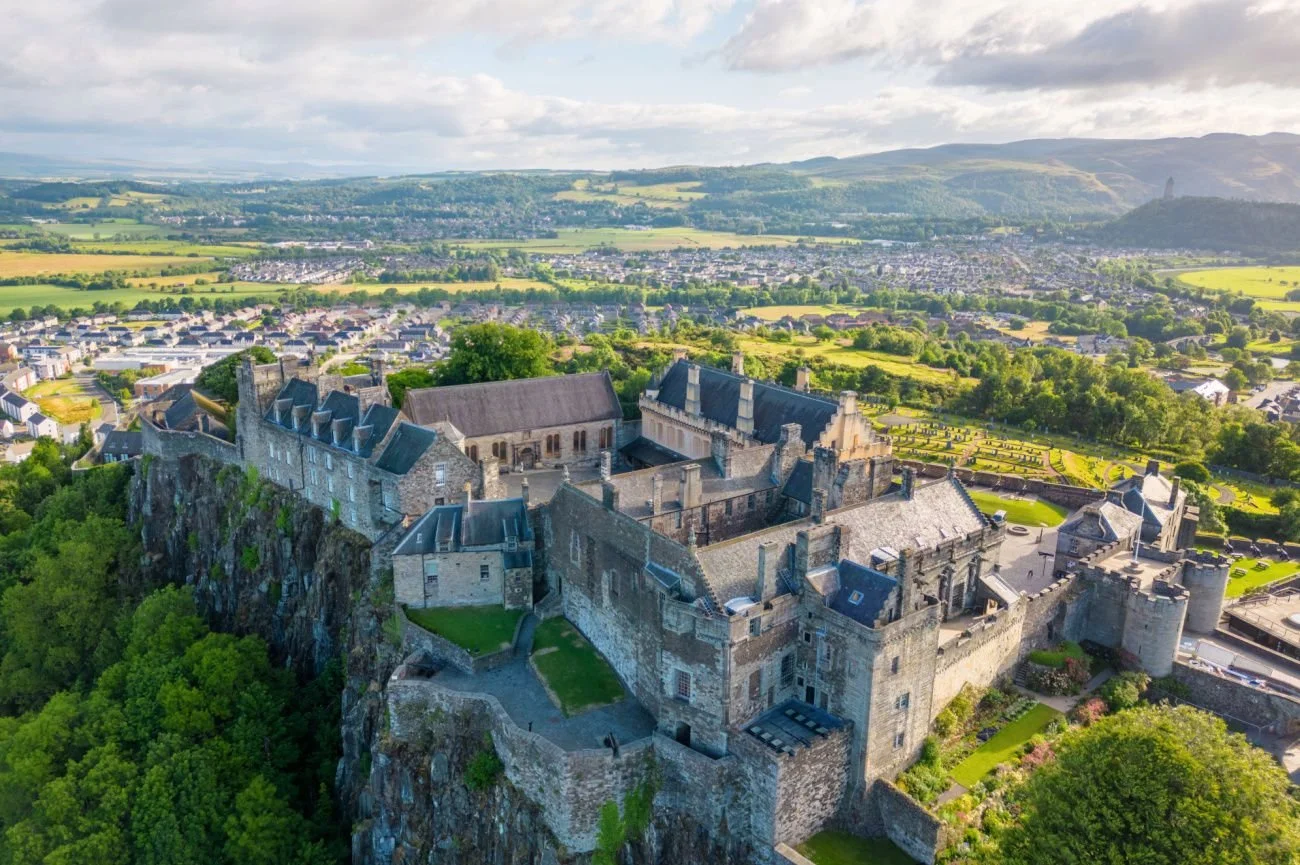
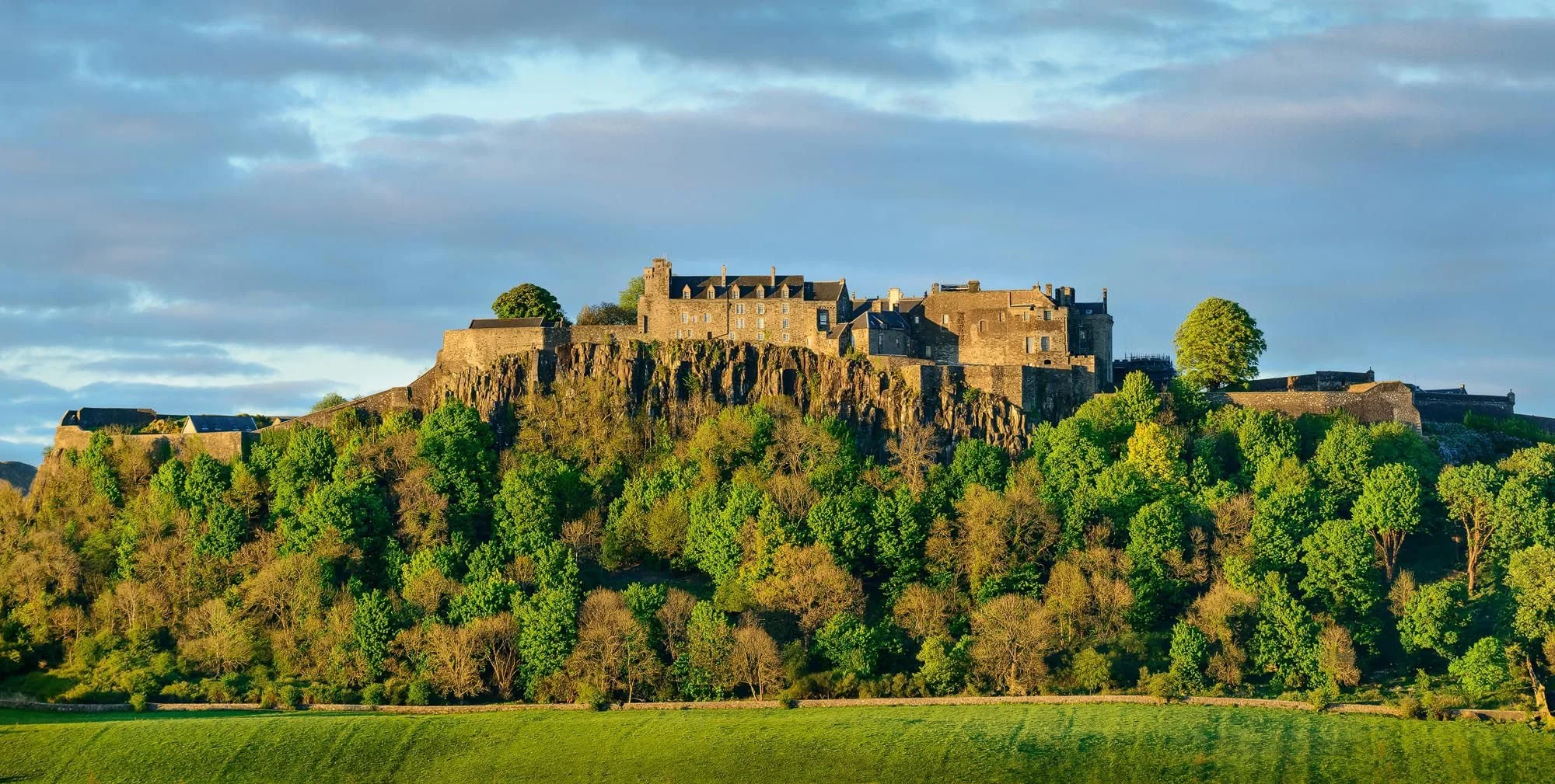
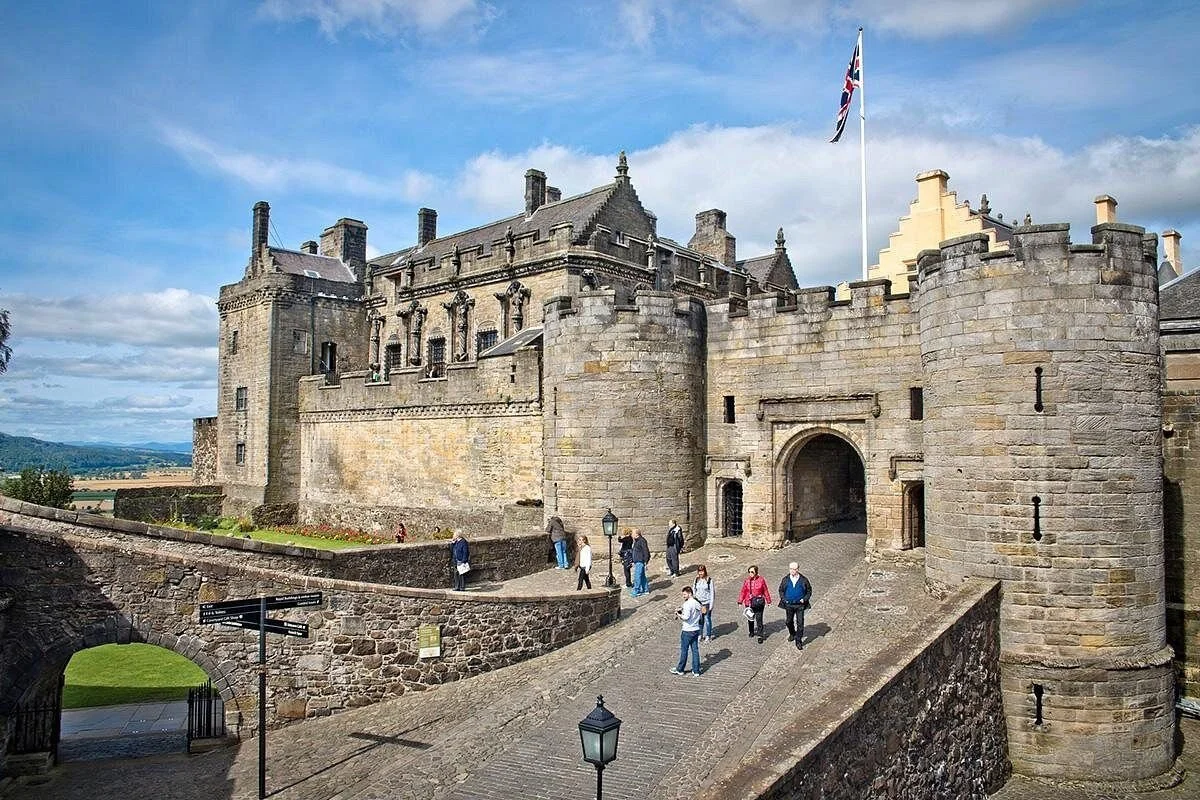
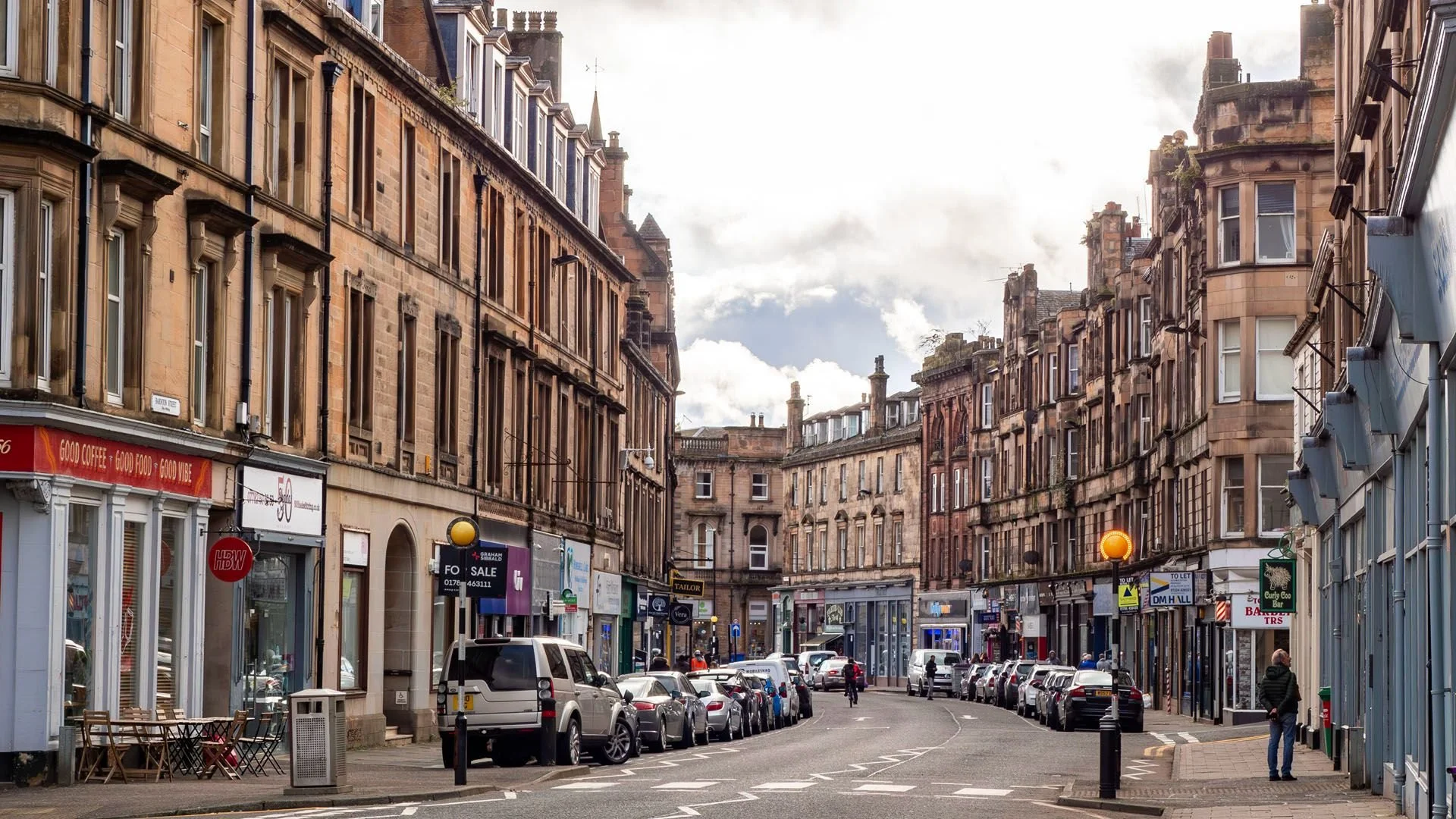
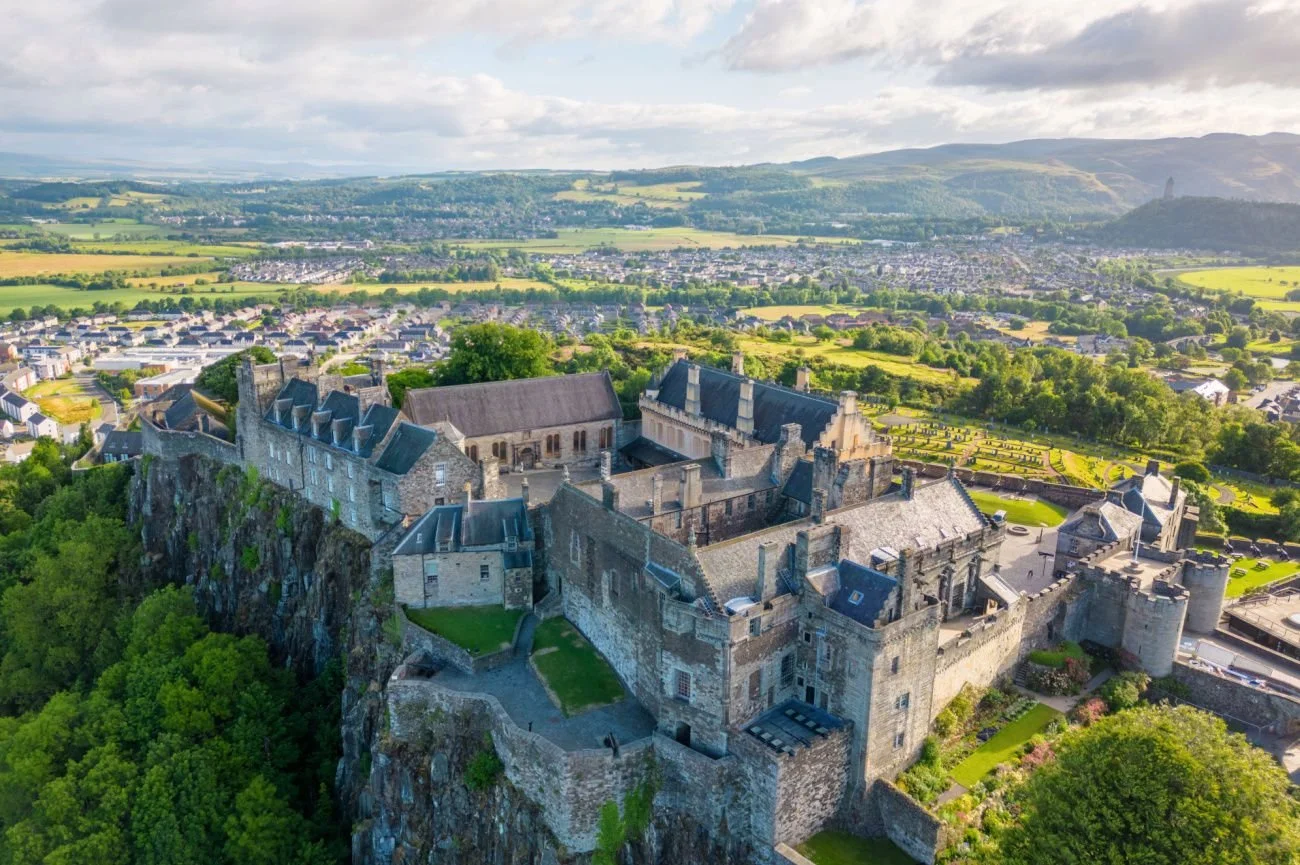
Another remarkable stop during the journey was Stirling, a city deeply connected to Scottish history. The famous Stirling Bridge remains one of the greatest symbols of Scotland’s resistance and is directly associated with the historic battles led by William Wallace. The surrounding landscapes are breathtaking and carry a powerful connection to Scotland’s past.
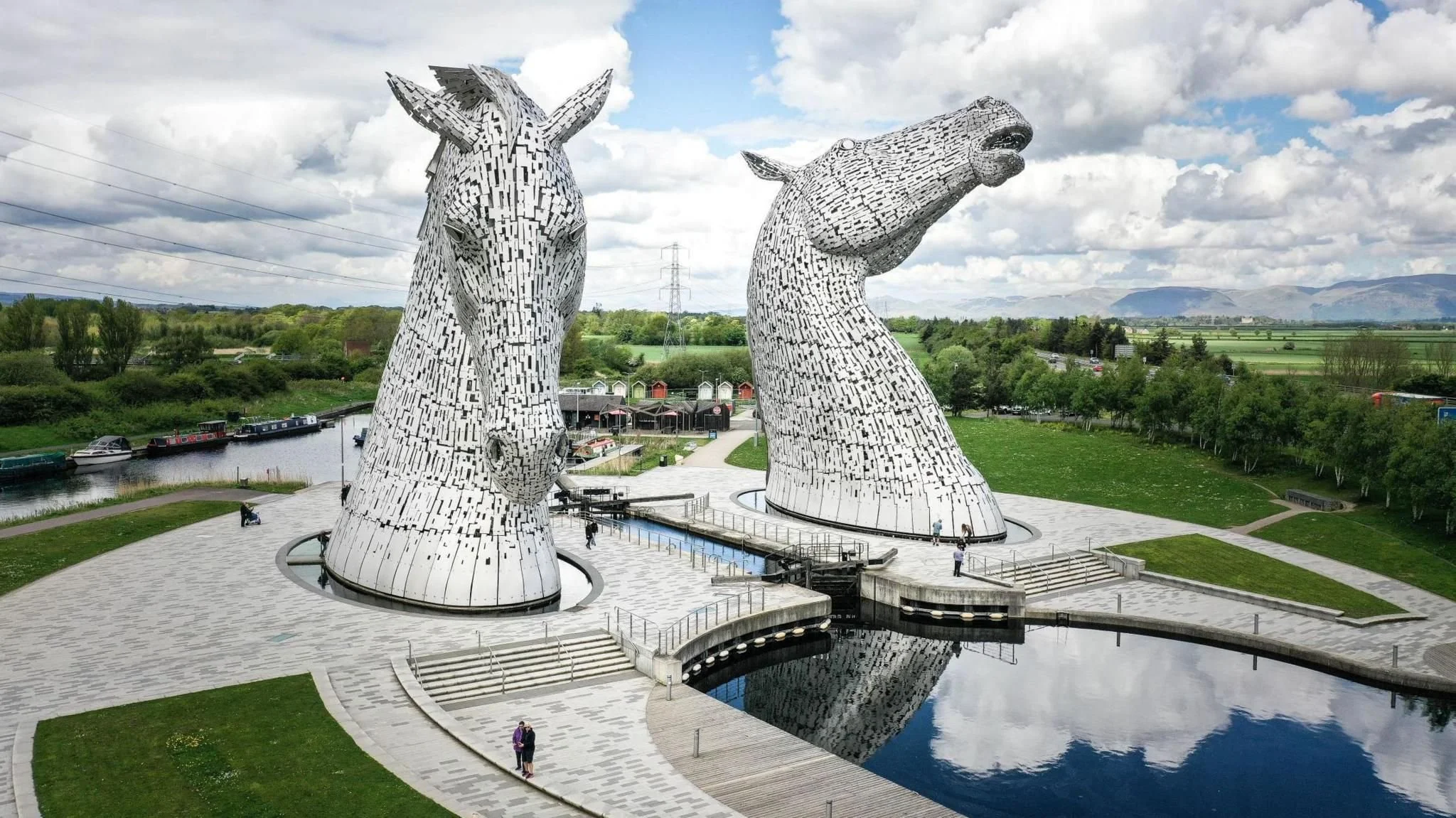
Along the way, Scotland continues to surprise with scenery that often feels almost surreal. One of the most striking examples is The Kelpies, the gigantic metallic horse sculptures located in Falkirk. Monumental and hypnotic, they represent strength, history and Scotland’s relationship with its canals and industrial heritage.

And before returning home, the journey still reserved one final immersion deeply connected to Scottish identity: the world of whisky and the traditional distilleries of Glasgow and other regions. But that is an experience that deserves a chapter of its own.