London’s Quiet Celebration of Champagne Craft, Heritage and Precision
Credits: Premier Crew
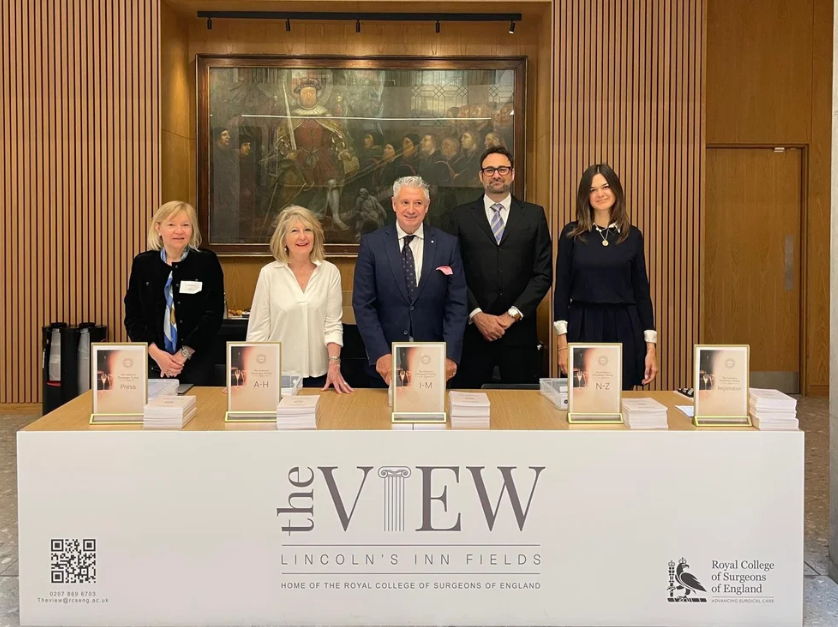
On 22 April 2026, London became the stage for one of the year’s most significant gatherings dedicated entirely to the Champagne universe. Held at The View, on the top floor of the Grade II-listed Royal College of Surgeons in Holborn, the Definitive Champagne Tasting brought together around 70 Champagne Houses and cooperatives, more than 200 cuvées and approximately 350 trade professionals for what has rapidly established itself as one of the UK’s most comprehensive Champagne events.
Organised by Premier Crew in partnership with the Champagne Agents Association, the tasting marked only the second edition of the event since its relaunch in 2025, following several years without a dedicated Champagne showcase for the British trade. Yet the significance of the event extended beyond numbers. It reflected a broader moment within Champagne itself, where heritage, sustainability and craftsmanship increasingly intersect with contemporary conversations around responsible luxury and cultural identity.
Last year, I wrote for Avesso about Champagne’s evolving relationship with sustainability and its growing responsibility as both a cultural and agricultural landscape. Two decades after the Champagne Hillsides, Houses and Cellars were recognised as a UNESCO World Heritage Site, the region continues to navigate a delicate balance between preservation and adaptation. The Definitive Champagne Tasting felt like a continuation of that conversation.
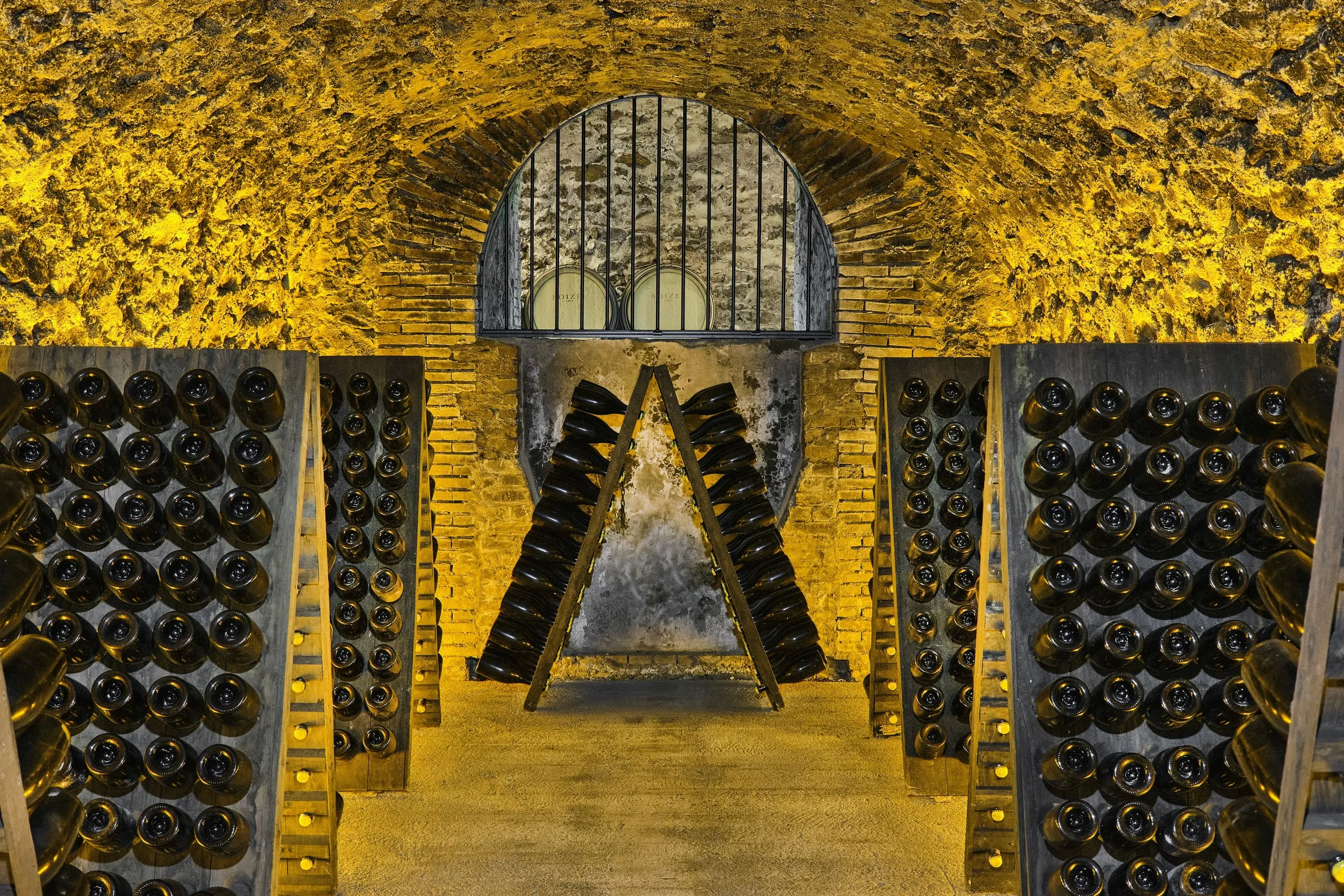
Champagne is often perceived as singular, almost monolithic. In reality, it is profoundly layered. Behind every bottle lies a philosophy shaped by geography, climate, family history and generations of technical knowledge. There is something inherently ceremonial about Champagne. Even before the cork is released, it carries symbolism linked to celebration, intimacy and ritual. Yet beneath the glamour associated with it lies something far more nuanced: agriculture, patience and extraordinary precision.
Credits: Premier Crew
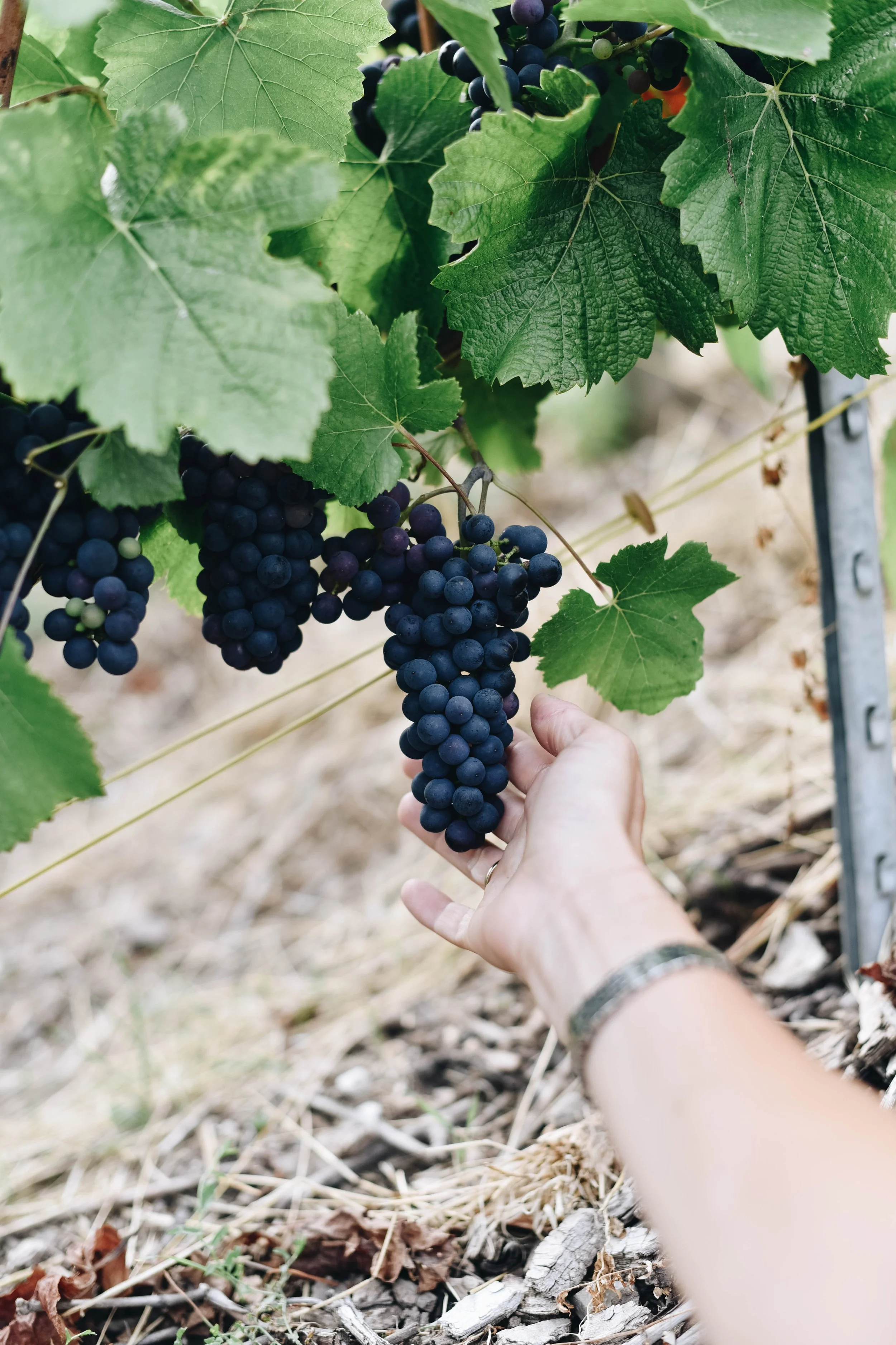
The scale of Champagne itself is remarkable. Across the region, 34,200 hectares of vineyards are divided into more than 281,000 plots cultivated by approximately 16,200 winegrowers. Around 370 Champagne Houses operate within this ecosystem, supporting close to 30,000 jobs. These figures reveal an industry that is not simply about luxury consumption, but about interconnected communities, agricultural stewardship and collective craftsmanship. Champagne is less a singular product than a carefully coordinated living system.
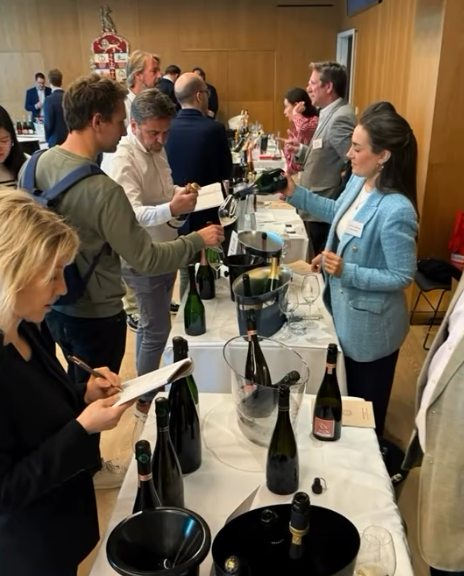
The event’s proposal was elegantly straightforward. To create a space where guests could explore the diversity of Champagne in a way that felt less transactional and more immersive. Small grower producers stood alongside internationally recognised maisons. Cooperative projects shared space with historic family houses. Together, they revealed Champagne not simply as a product category, but as a living cultural ecosystem.
Perhaps this is what makes Champagne uniquely enduring within luxury culture. Unlike trends that emerge and disappear with seasons, Champagne is built upon continuity. It resists haste. Even innovation within the region tends to unfold quietly, through subtle refinements rather than dramatic reinvention. And yet, despite its historic foundations, Champagne today exists within a rapidly shifting world. Climate change, changing consumer habits and growing expectations around transparency are reshaping the industry from vineyard to cellar. Conversations surrounding the event reflected this tension between preservation and evolution.
Many producers increasingly speak about regenerative viticulture, biodiversity and reduced intervention winemaking not as optional narratives, but as essential realities for the future of the region. Sustainability no longer exists at the margins of the conversation. It has become inseparable from Champagne’s long-term viability.
The region’s progress is already measurable. Today, 90% of Champagne’s waste is recycled, while the carbon footprint per bottle has been reduced by 20%. Around 69% of vineyards now hold environmental certification. These numbers matter not because they create a polished narrative, but because they demonstrate structural transformation within one of the world’s most historically established wine regions.
There is also a deeply human dimension behind these changes. Beyond polished labels and iconic bottles are families navigating generational transitions, independent growers protecting local identity and winemakers attempting to reconcile global demand with agricultural fragility. This emotional texture is perhaps what elevates Champagne beyond technical appreciation alone.
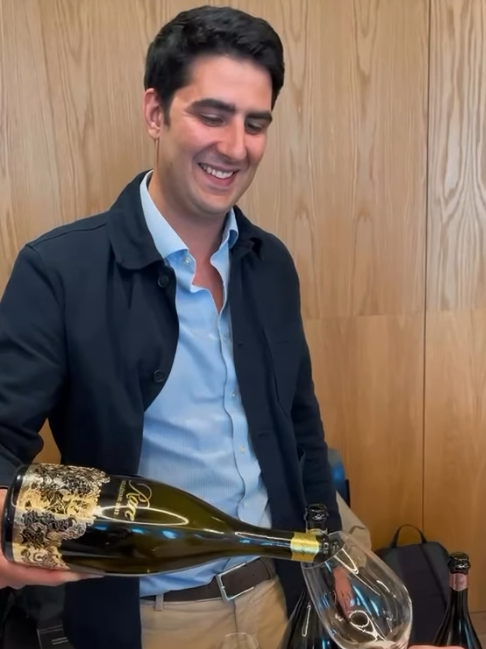
Of course, pleasure remains central to the experience. A tasting featuring more than 200 Champagnes naturally becomes a study in texture, acidity and expression. Some wines reveal sharp saline minerality and architectural precision. Others unfold with softness and depth, carrying notes of brioche, orchard fruit and toasted almonds. Yet what often lingers most are not the prestige cuvées themselves, but the stories surrounding them.

Credits: Premier Crew
The setting itself reinforced this atmosphere of reflection. The View possesses an understated elegance that feels distinctly London. Flooded with natural light and overlooking Lincoln’s Inn Fields, the venue offered a calm, refined backdrop that allowed the wines and their narratives to remain at the centre of attention. There was restraint rather than spectacle. Precision rather than performance.
The Definitive Champagne Tasting reflected precisely this cultural shift. What Premier Crew and the Champagne Agents Association have created is not merely a commercial platform, but a meeting point for dialogue, education and appreciation. It is a reminder that the UK continues to play an important role within Champagne’s international narrative, not simply as a market, but as a space where conversations around wine, culture and hospitality continue to evolve.
Credits: Premier Crew
Perhaps this explains why Champagne continues to captivate global imagination despite shifting trends and changing definitions of luxury. Its appeal lies not solely in celebration, but in what it represents more quietly: continuity in an increasingly fragmented world. Ritual in an era defined by speed. Craft within systems increasingly shaped by automation.
In London this spring, through hundreds of cuvées and conversations unfolding across tasting tables, Champagne once again demonstrated that its greatest luxury is not extravagance. It is permanence.