Cé La Vi, Tequila Reposado and the Global Journey of a Mexican Spirit
Credits: The Lost Explorer
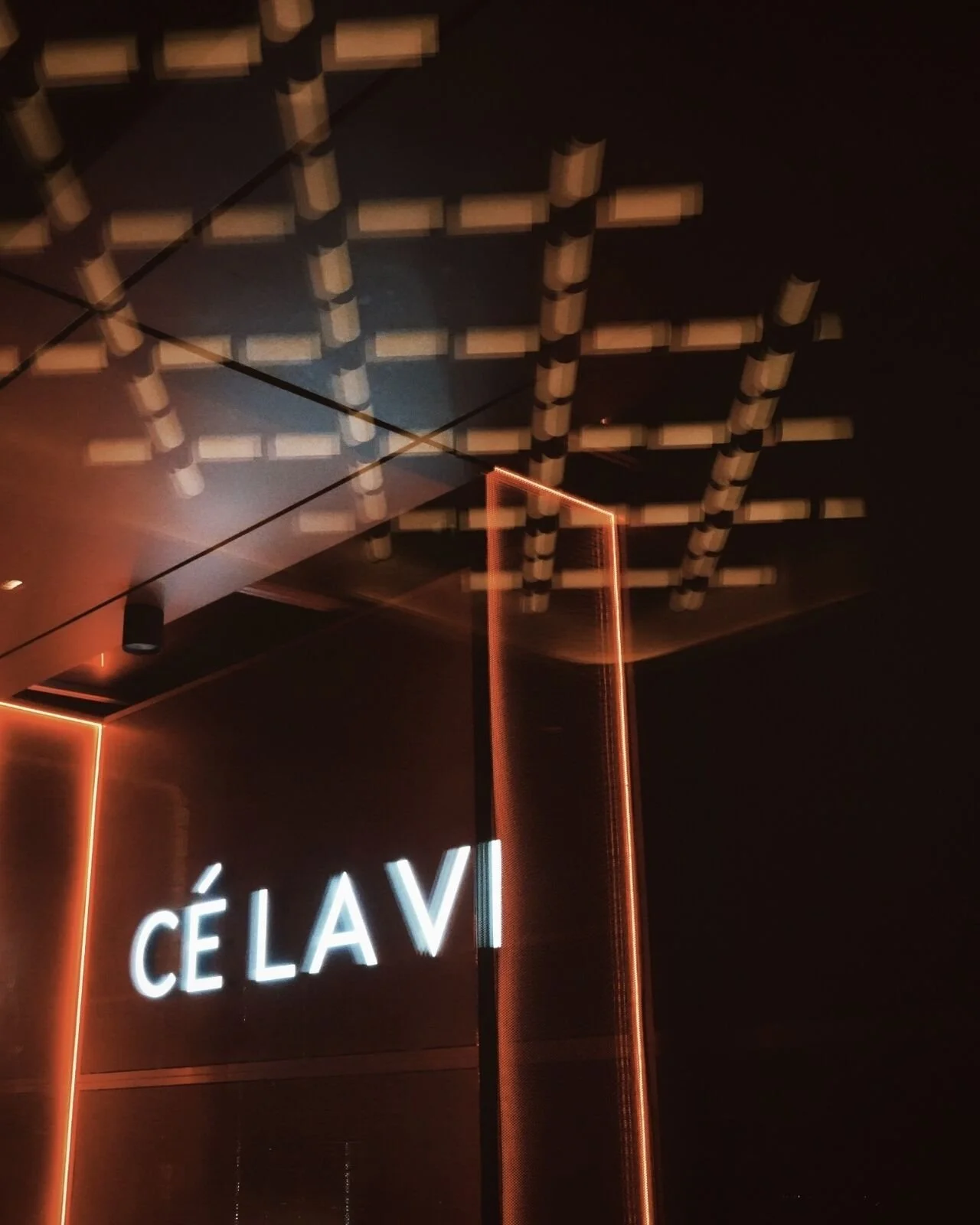
High above Paddington Square, as London's skyline shifted from daylight into dusk, a gathering at Cé La Vi marked the launch of The Lost Explorer's first aged tequila. The evening was an opportunity to reflect on the journeys, traditions and landscapes that shape contemporary luxury, tracing a path from the agave fields of Jalisco to wine cellars in Bordeaux, sherry bodegas in Jerez and bourbon warehouses in Kentucky. In a single glass of Tequila Reposado, multiple geographies converged, each contributing to a story rooted in craftsmanship, patience and place.
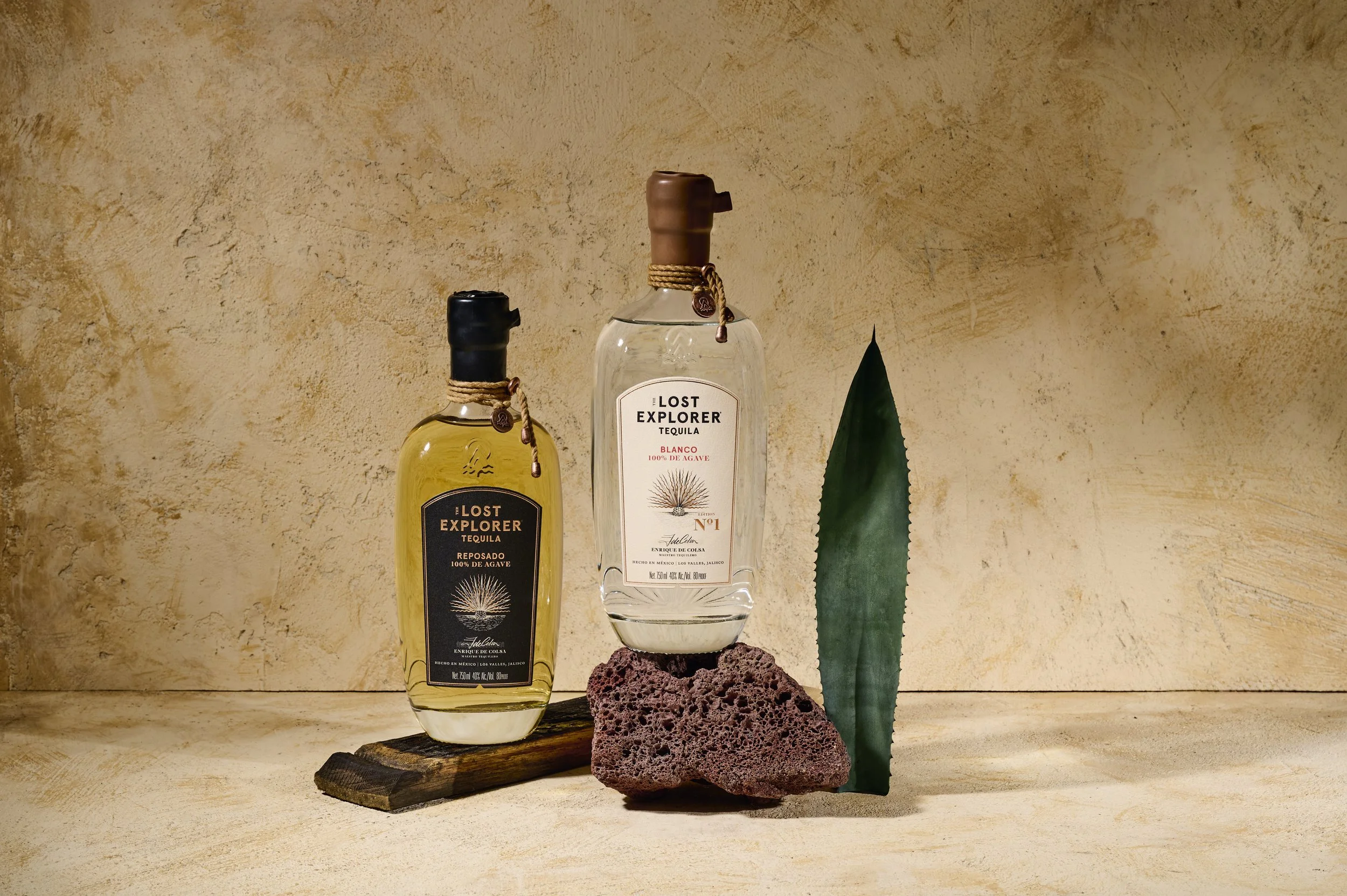
This philosophy sits at the heart of The Lost Explorer, the Mexico-rooted House of Agave, whose latest release, a small batch Tequila Reposado, marks a significant evolution in its journey. Developed in partnership with renowned Maestro Tequilero Enrique de Colsa, the expression represents the brand’s first venture into aged tequila, building upon the success of its acclaimed Blanco while introducing an entirely new conversation about maturation, identity and place. The new tequila is shaped by movement and exchange, drawing together influences from Mexico, France, Spain and the United States while remaining deeply rooted in its place of origin.
Credits: Cé La Vi
Spirit Defined by Time
The word reposado translates as "rested", a term that reveals much about the category itself. Unlike Blanco tequila, which is typically bottled shortly after distillation, reposado is allowed to mature in wood for a period that softens, expands and enriches its character. Historically, the emergence of aged tequila reflects broader shifts within Mexico's spirits industry. For much of its history, tequila was consumed primarily in unaged forms. The increasing use of oak barrels throughout the twentieth century introduced new dimensions to the spirit, creating categories that bridged traditional agave character with influences borrowed from wine and whisky making.
Yet ageing presents a delicate challenge. Too little time in the woods and the transformation remains superficial. Too much and the essence of agave risks becoming obscured beneath layers of oak. For Enrique de Colsa, one of tequila's most respected figures and a master distiller whose career spans more than three decades, the objective was not to mask the agave but to deepen its voice.
The resulting Tequila Reposado begins with The Lost Explorer's award-winning Blanco. Produced from carefully selected Blue Weber agave grown in the lowlands of Jalisco, the spirit is cooked in traditional stone ovens, fermented using Champagne yeast and double distilled before entering its ageing phase. What follows is a process more commonly associated with fine wine than conventional tequila production.
Three Barrels, Three Narratives
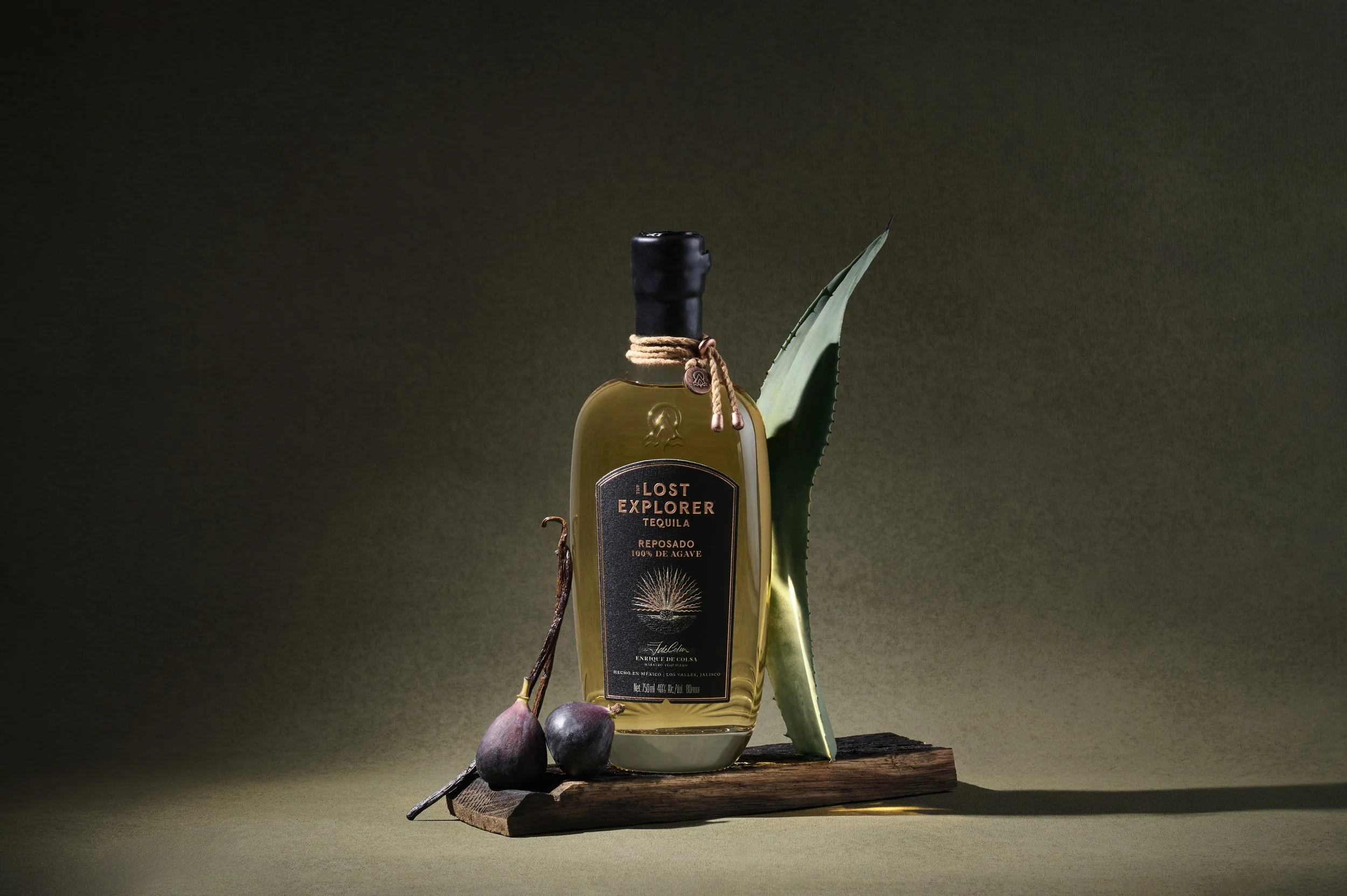
Rather than relying on a single barrel type, The Lost Explorer has adopted a blended maturation approach involving three distinct casks: bourbon barrels from Kentucky, Premier Cru Sauternes wine casks from Bordeaux, and Pedro Ximénez sherry casks from Jerez. Each contributes a different layer to the final composition. The American oak bourbon barrels provide structure. Notes of vanilla, toasted oak and gentle smoke create a framework that grounds the spirit without overwhelming it. There is familiarity here, an echo of traditions that have long connected North America's spirits industries
Credits: The Lost Explorer
The Sauternes casks introduce a different sensibility altogether. Originating from one of France's most celebrated sweet wine regions, these barrels lend subtle floral characteristics and a rounded texture. The influence is restrained rather than overt, offering lift and softness rather than sweetness. The Pedro Ximénez sherry casks contribute the final dimension. Their impact appears through hints of dried fruit, roasted nuts and warming spice, adding richness while maintaining balance.
Together, these elements create a tequila that feels unusually layered yet remarkably coherent. The agave remains central throughout, its vegetal brightness and mineral clarity preserved beneath carefully measured influences. It is a reminder that innovation in spirits need not rely on novelty alone. Sometimes it emerges through thoughtful dialogue between traditions.
Jalisco and the Value of Origin
Despite its international influences, this tequila remains inseparable from Jalisco. The region's relationship with agave extends back centuries. Long before tequila became a global symbol of Mexico, agave formed part of local cultural, agricultural and spiritual practices. Indigenous communities fermented agave long before Spanish colonisation introduced distillation techniques that would eventually give rise to tequila as it is known today.
Today, the landscape of Jalisco remains defined by fields of Blue Weber agave stretching across rolling hills and volcanic terrain. These environments shape the character of the plant, influencing sugar development, flavour concentration and aromatic complexity. The Lost Explorer's approach places particular emphasis on these origins. Working closely with local farmers, the brand selects mature agave harvested at the peak of readiness. Such decisions may appear technical, yet they speak to a broader philosophy that is increasingly relevant in contemporary luxury.
Across food, wine and hospitality, there is growing recognition that quality cannot be separated from relationships. Exceptional products emerge not only from expertise but from long-term stewardship of land, communities and craft traditions. In this sense, the tequila reflects a wider shift towards a more considered understanding of luxury, one rooted less in excess and more in provenance, authenticity and care.
The Human Element
No discussion of this release would be complete without acknowledging Enrique de Colsa's influence. Among tequila's contemporary visionaries, few figures have shaped the category as profoundly. His career has coincided with tequila's transformation from a largely domestic spirit into a globally respected product capable of occupying the same conversations as fine whisky, cognac and wine. Meeting him in person was indeed a dream come true.
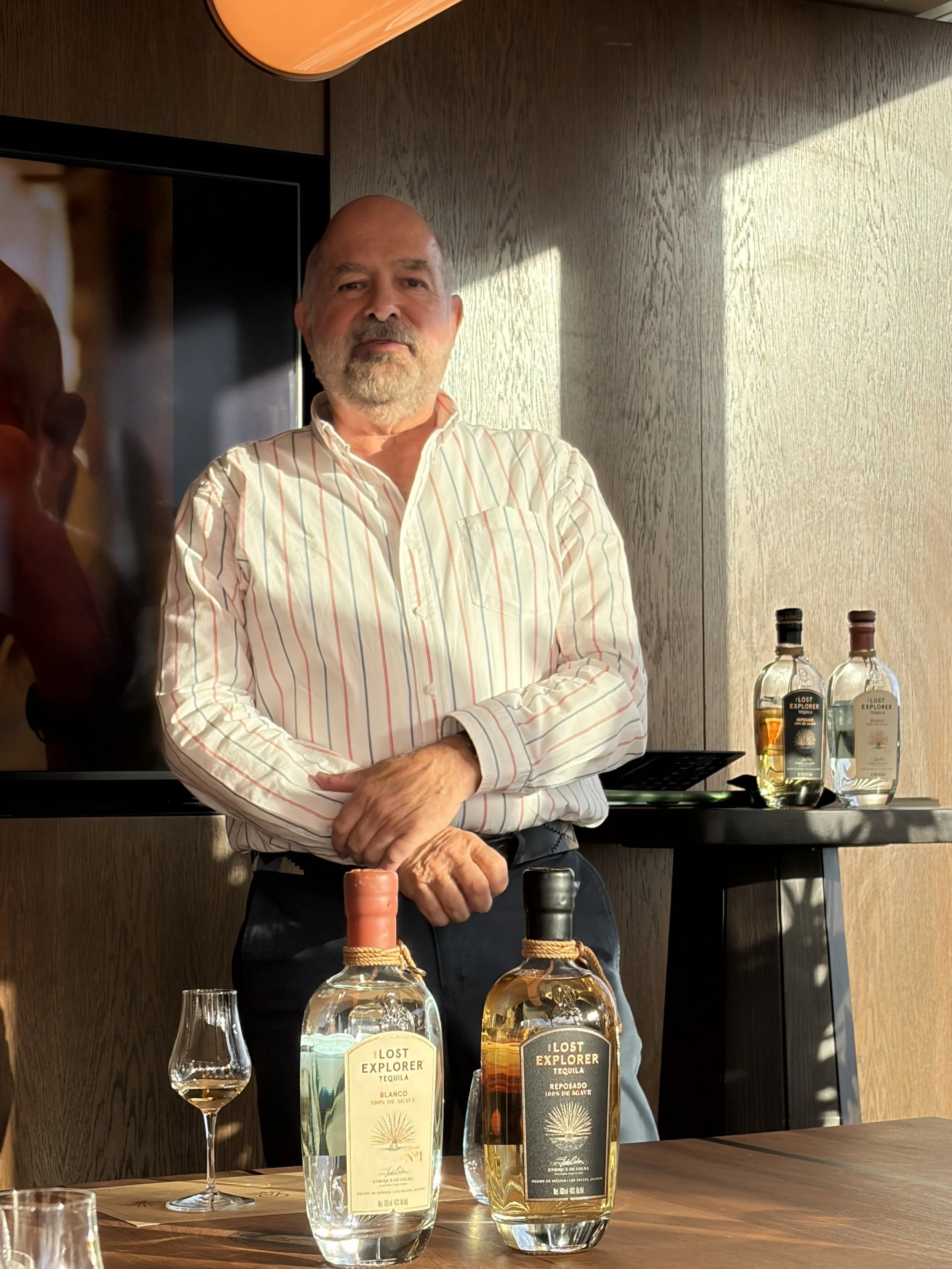
Enrique de Colsa during private tasting at Cé La Vi. Source: Own archive
Yet what makes his work particularly compelling is the balance between innovation and respect for tradition. Throughout the history of spirits, progress has often emerged from individuals willing to challenge established assumptions while remaining grounded in inherited knowledge. De Colsa's approach exemplifies this tension. His willingness to experiment with maturation techniques sits alongside a deep understanding of agave's intrinsic character. The result is not disruption for its own sake but evolution guided by experience.
Exploration as a Contemporary Luxury Philosophy
The Lost Explorer frequently speaks of exploration, but not in the conventional sense associated with conquest or discovery. Instead, exploration is framed as a process of reconnection. Or a return to curiosity. A willingness to observe more carefully. A spirit such as this encourages precisely that mindset. It rewards patience. It invites attention to texture, aroma and nuance. It asks the drinker to consider not only what is in the glass but how it arrived there.
The journey encompasses agave fields in Jalisco, cooperages in Kentucky, vineyards in Bordeaux and bodegas in Jerez. It includes farmers, distillers, coopers and countless unseen hands whose contributions shape the final result.
As the evening at Cé La Vi unfolded, it became apparent that the significance of this release extends beyond the launch of a new tequila. It reflects a broader cultural movement towards experiences that carry depth, narrative and connection. In an era increasingly defined by immediacy, products shaped by patience acquire new meaning.
The Lost Explorer's Tequila Reposado is, ultimately, a study in measured transformation. It demonstrates how time can enhance rather than erase identity, how influences from different cultures can coexist without dilution, and how craftsmanship remains most powerful when guided by restraint.
Perhaps that is the lesson embedded within every bottle. Exploration is not always about seeking something new. Sometimes it is about looking more closely at what already exists, allowing time, place and people to reveal their stories with greater clarity. In that sense, this tequila feels less like a destination and more like an invitation to pause, reflect and savour the richness of the journey itself.