From The White Lotus to London Wine Fair: The Global Rise of Sicilian Wine
Credits: Consorzio di Tutela Vini DOC Sicilia
Long before television transformed the island into the object of renewed international fascination, Sicily already occupied a singular place in the Mediterranean imagination. Greek temples suspended above the sea, volcanic landscapes shaped by Etna, Baroque towns marked by centuries of layered civilisations, fishing villages where time appears to move differently. Sicily has always resisted simplification.
Yet over the past few years, the island has experienced a new cultural momentum. The phenomenon often referred to as “The White Lotus effect” helped reposition Sicily within contemporary luxury travel culture, introducing global audiences to its dramatic beauty, aristocratic grandeur and emotional intensity. Tourism surged. International curiosity deepened. But alongside this renewed fascination with the island itself came another discovery, quieter yet equally significant: Sicilian wine.
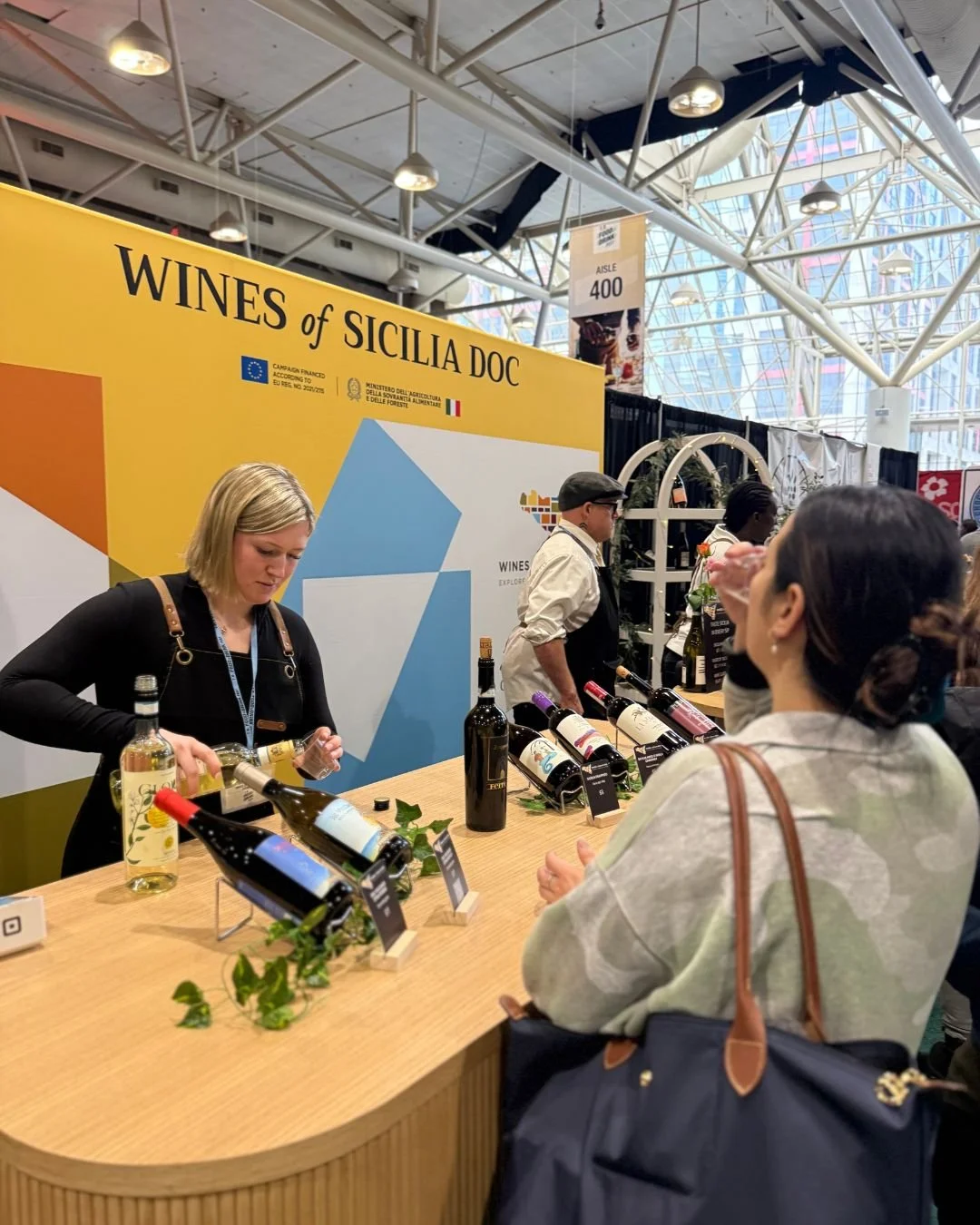
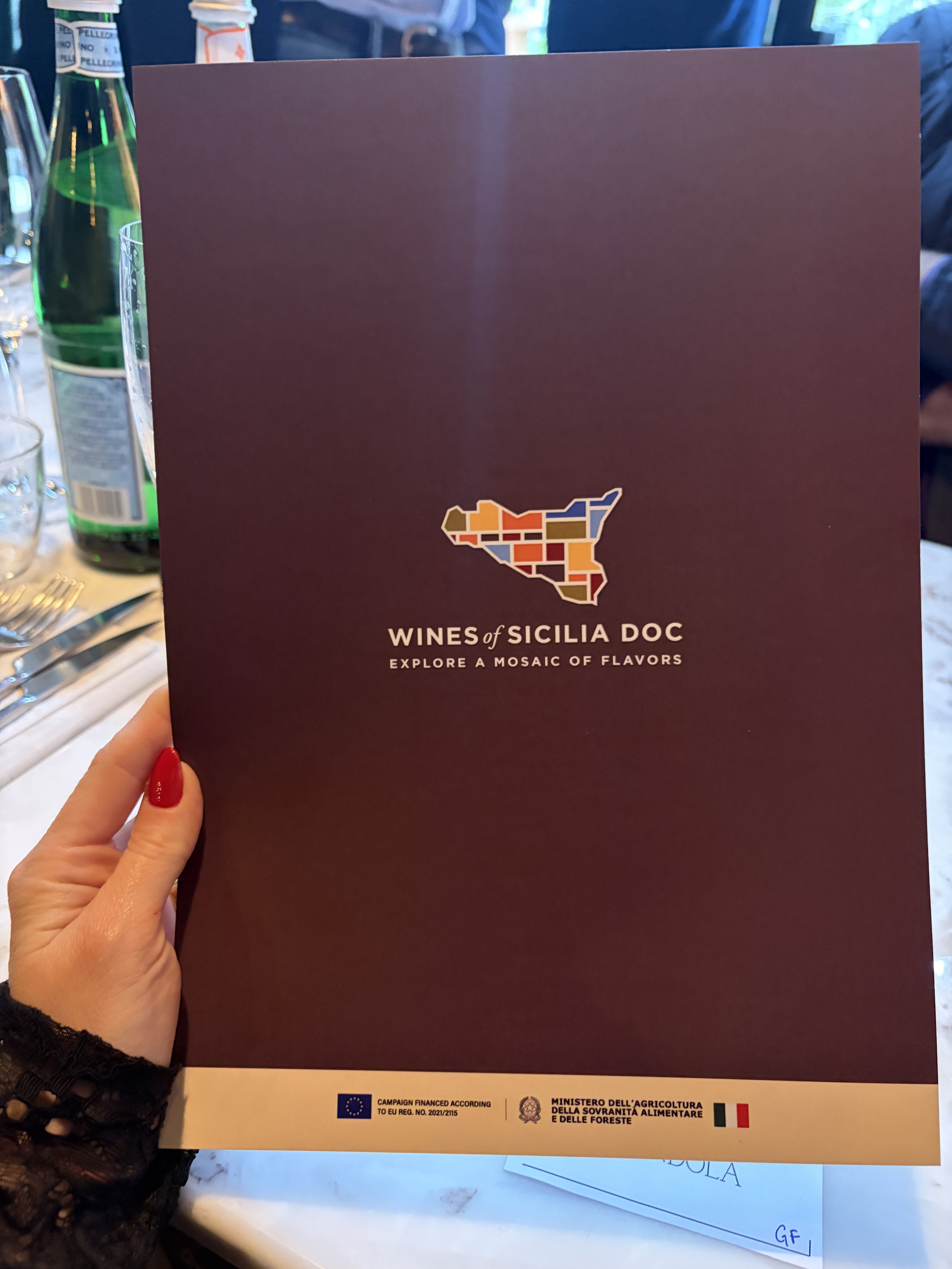
Last week in London, that transformation became tangible during Sicilia DOC’s return to the London Wine Fair 2026. Alongside the trade fair, the Consorzio di Tutela Vini DOC Sicilia hosted an intimate pairing dinner at Chez Maiss in Hammersmith, bringing together producers, journalists and hospitality professionals around a carefully curated exploration of Sicilian wines and cuisine. What emerged throughout the evening was not simply a tasting, but a portrait of Sicily itself. Complex, layered and deeply tied to place.

Source: own archive
Wine, perhaps more than any other product, carries geography within it. Sicily’s wines speak not only of vineyards, but of migration, conquest, climate and resilience. Phoenicians, Greeks, Arabs, Normans and Spanish rulers all left traces on the island’s culinary and agricultural identity. Sicily does not possess a singular culture. It possesses many, intertwined over centuries. This multiplicity explains why Sicilian wine feels especially relevant today.
For decades, Sicily was associated largely with bulk production and powerful reds designed for export markets. Yet over the past twenty years, the region has undergone a profound transformation. Producers increasingly shifted towards indigenous grapes, sustainable viticulture and wines capable of expressing the island’s extraordinary diversity of terroirs. The Sicilia DOC Consortium, established in 2012, became central to this evolution, uniting growers and producers around a shared commitment to quality, origin and authenticity.
Credits: Consorzio di Tutela Vini DOC Sicilia
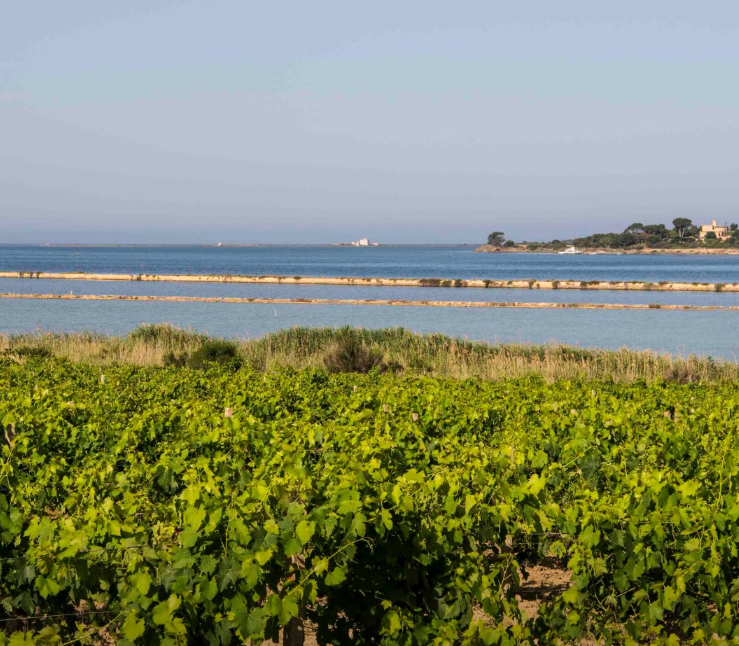
Today, Sicily stands as Italy’s largest organic wine region and one of Europe’s most dynamic viticultural landscapes. More than 69% of its vineyards are environmentally certified, while sustainability initiatives continue to reshape production practices across the island. But statistics alone fail to explain Sicily’s emotional pull.
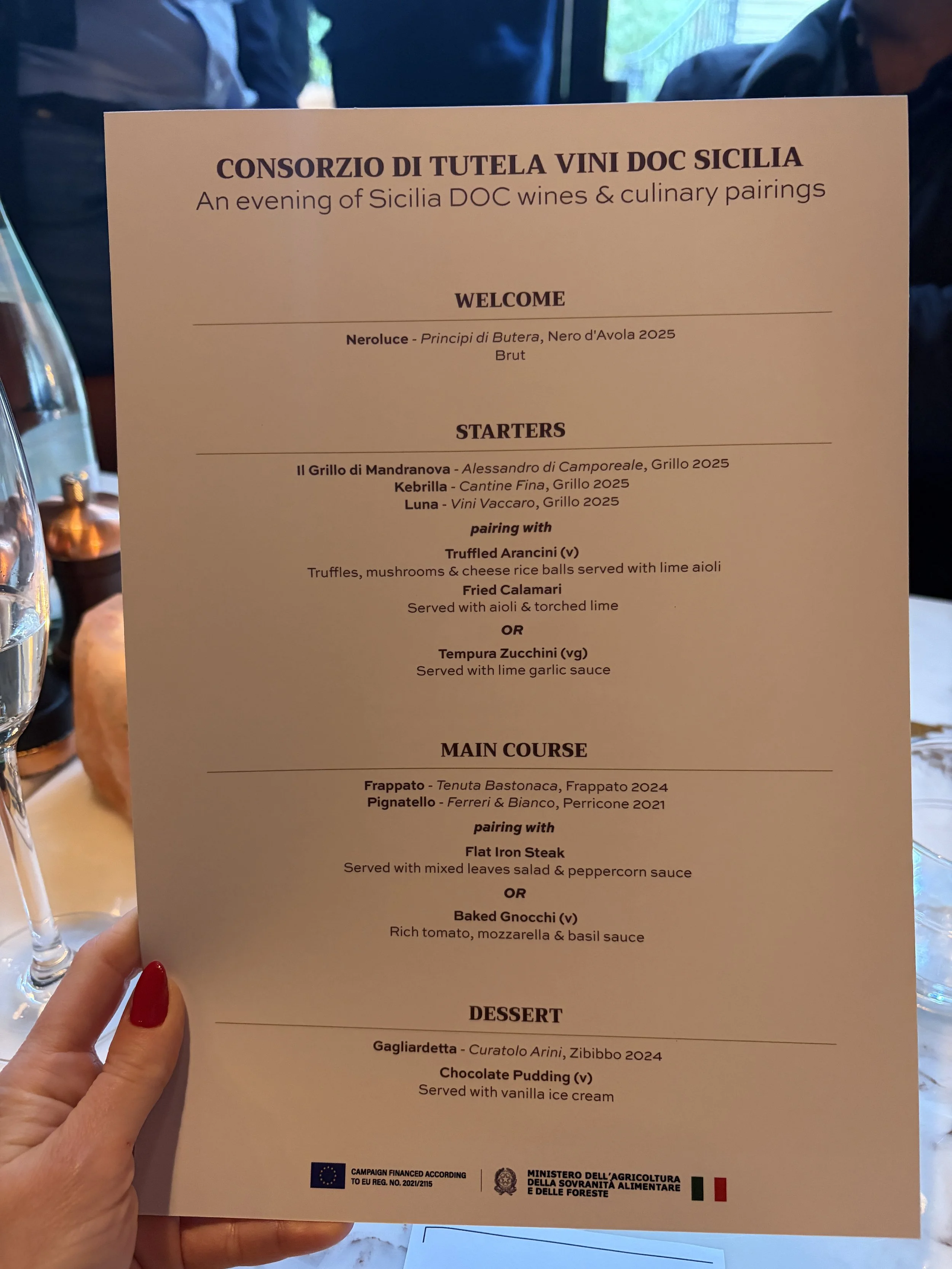
The dinner opened with Neroluce Brut, a sparkling Nero d’Avola from Principi di Butera. Fresh yet structured, it carried the brightness one expects from Mediterranean sparkling wines while subtly introducing the island’s capacity for reinterpretation. Even Sicily’s most iconic red grape can become something unexpected here.
As the evening unfolded, three expressions of Grillo accompanied the starters. Alessandro di Camporeale’s Il Grillo di Mandranova, Cantine Fina’s Kebrilla and Vini Vaccaro’s Luna demonstrated the remarkable versatility of a grape that has become emblematic of Sicily’s contemporary identity.
Once largely associated with Marsala production, Grillo has emerged as one of the island’s defining white varieties. Saline, citrus driven and shaped by Sicily’s intense sunlight and maritime influence, it reflects the Mediterranean with striking clarity. Paired with fried calamari, tempura zucchini and truffled arancini, the wines revealed a tension between freshness and texture that felt distinctly modern. This perhaps explains why Sicilian wines resonate so strongly with younger consumers and contemporary gastronomy. They possess generosity without heaviness. Precision without austerity.
Source: own archive
The same can be said for Frappato, one of the evening’s most compelling discoveries. Light, floral and vibrant, Tenuta Bastonaca’s Frappato 2024 reflected the growing global appetite for fresher, more approachable reds. Often described as a “chillable red”, Frappato feels perfectly aligned with today’s evolving wine culture, one increasingly less interested in power and more attentive to drinkability, balance and emotional connection.
Alongside it, Ferreri & Bianco’s Pignatello 2021 offered a deeper and more structured expression. Made from Perricone, one of Sicily’s historic native grapes, the wine carried earthy spice and darker fruit notes while preserving a distinctly Sicilian freshness.
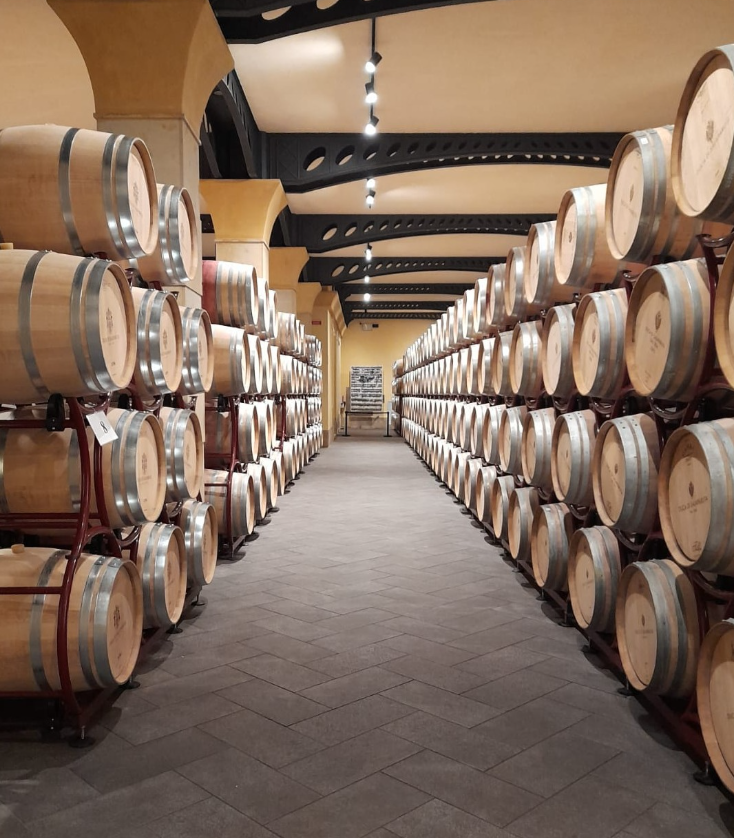
What makes Sicily particularly fascinating is this coexistence of opposites. Volcanic and maritime. Rustic and refined. Ancient and contemporary. The island’s geography contributes enormously to this complexity. Sicily contains more than 65 indigenous grape varieties and multiple microclimates shaped by altitude, sea proximity and volcanic soils. From the slopes of Etna to the limestone landscapes of Val di Noto, viticulture here feels inseparable from terrain itself.
Credits: Consorzio di Tutela Vini DOC Sicilia
The final pairing of the evening perhaps captured Sicily most poetically. Curatolo Arini’s Gagliardetta Zibibbo 2024 accompanied a chocolate pudding served with vanilla ice cream. Zibibbo, also known as Moscato d’Alessandria, has deep historical roots on the island, particularly on Pantelleria, where UNESCO recognised the traditional alberello vine training system as Intangible Cultural Heritage. Aromatic yet balanced, the wine carried notes of orange blossom and dried fruit that lingered softly against the richness of the dessert.
Throughout the dinner, conversations continually returned to one theme: identity. Sicily’s rise is not simply about trend cycles or tourism visibility. It reflects a broader shift in luxury itself. Increasingly, consumers seek products that feel rooted rather than manufactured. Wines connected to communities, landscapes and traditions rather than abstract branding. Sicilian wine offers precisely that.
As London Wine Fair once again positioned the UK as a global meeting point for the drinks industry, Sicilia DOC’s presence felt particularly significant. Not because Sicily needs validation from international markets, but because the world finally seems ready to understand the depth behind its wines.