Rooted Beyond the Vineyard: Bottega and the Meaning of a Living Legacy
Source: Bottega
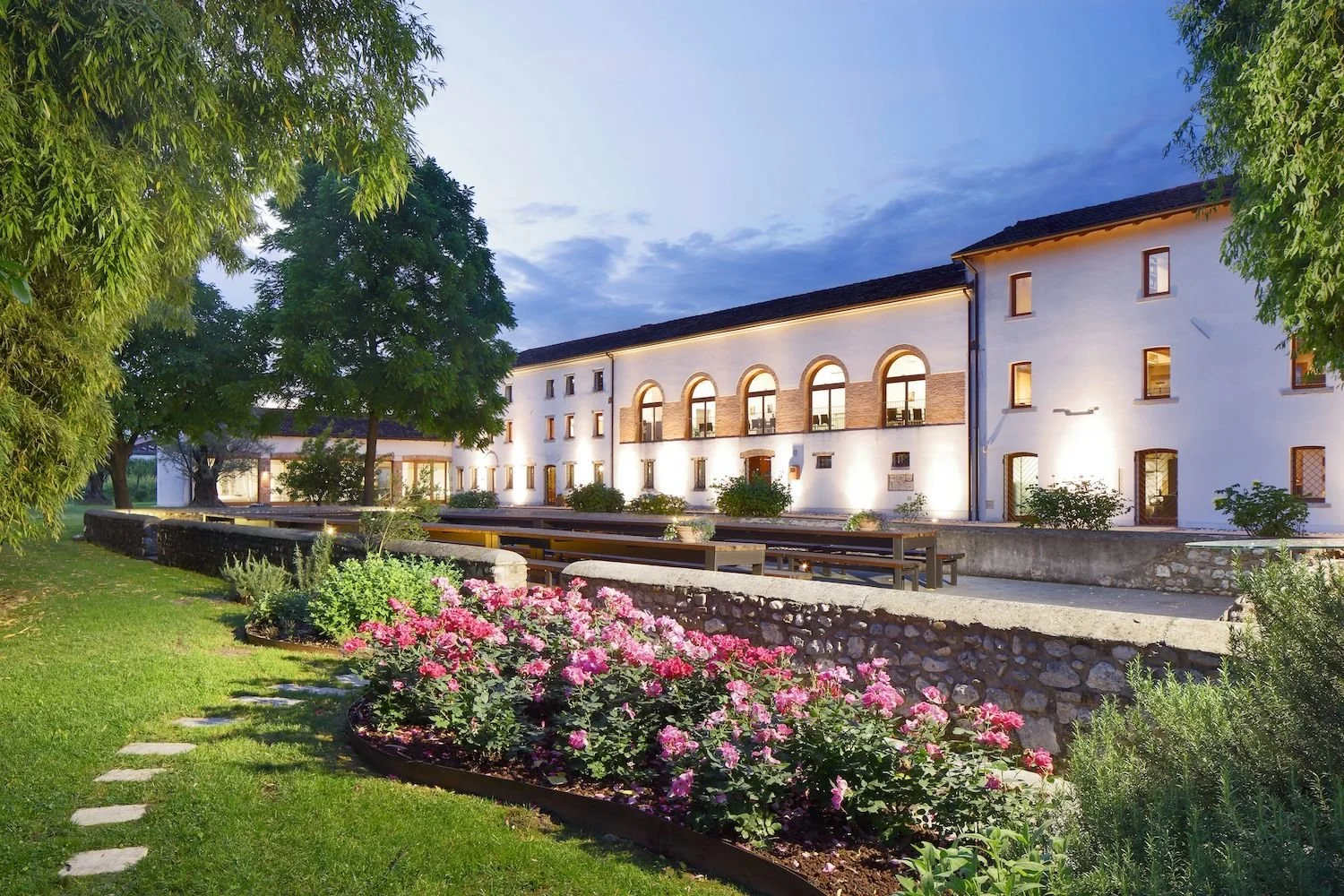
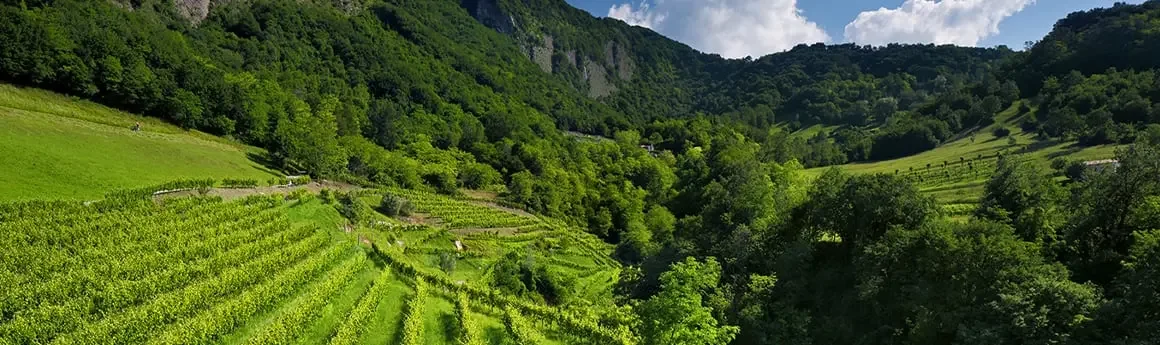
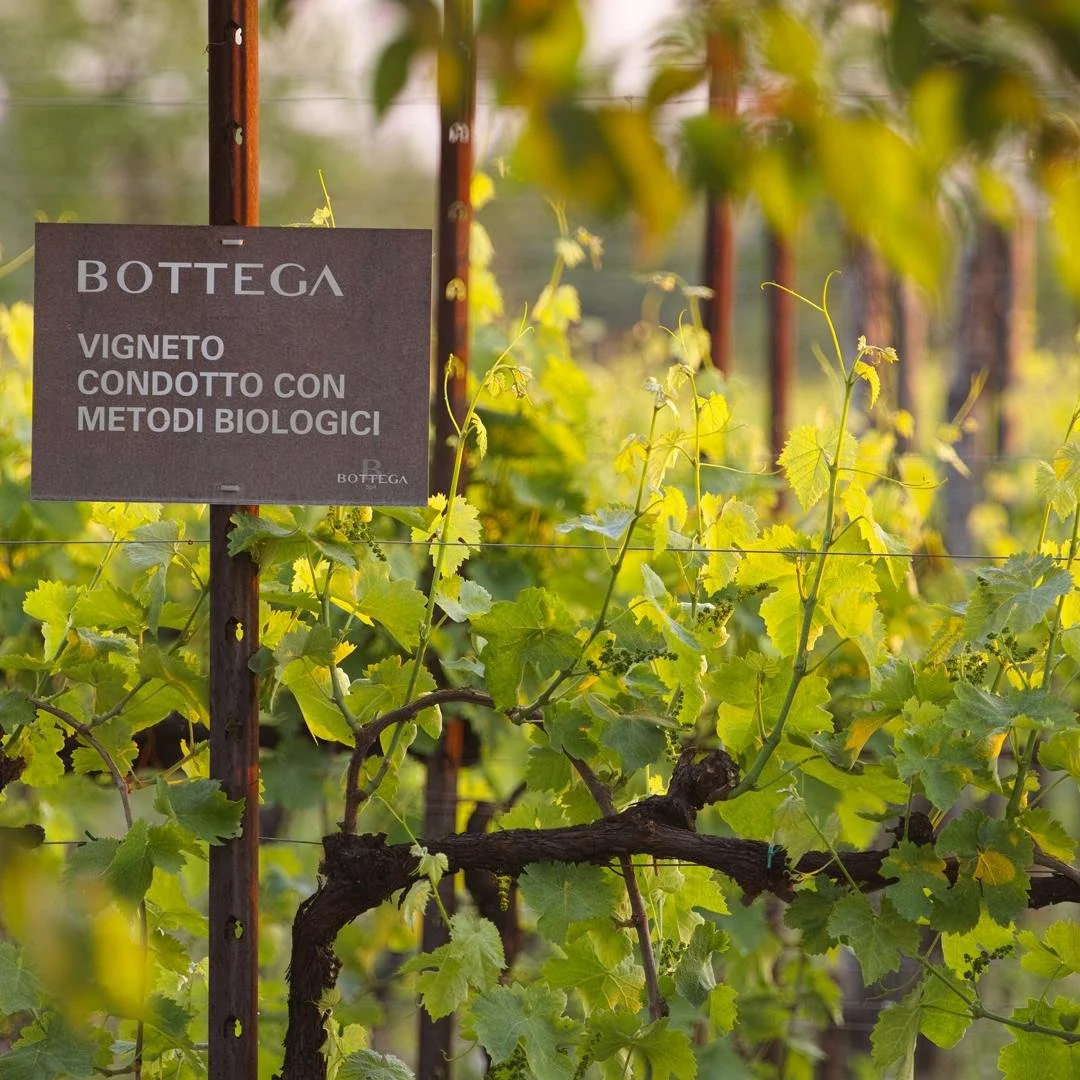
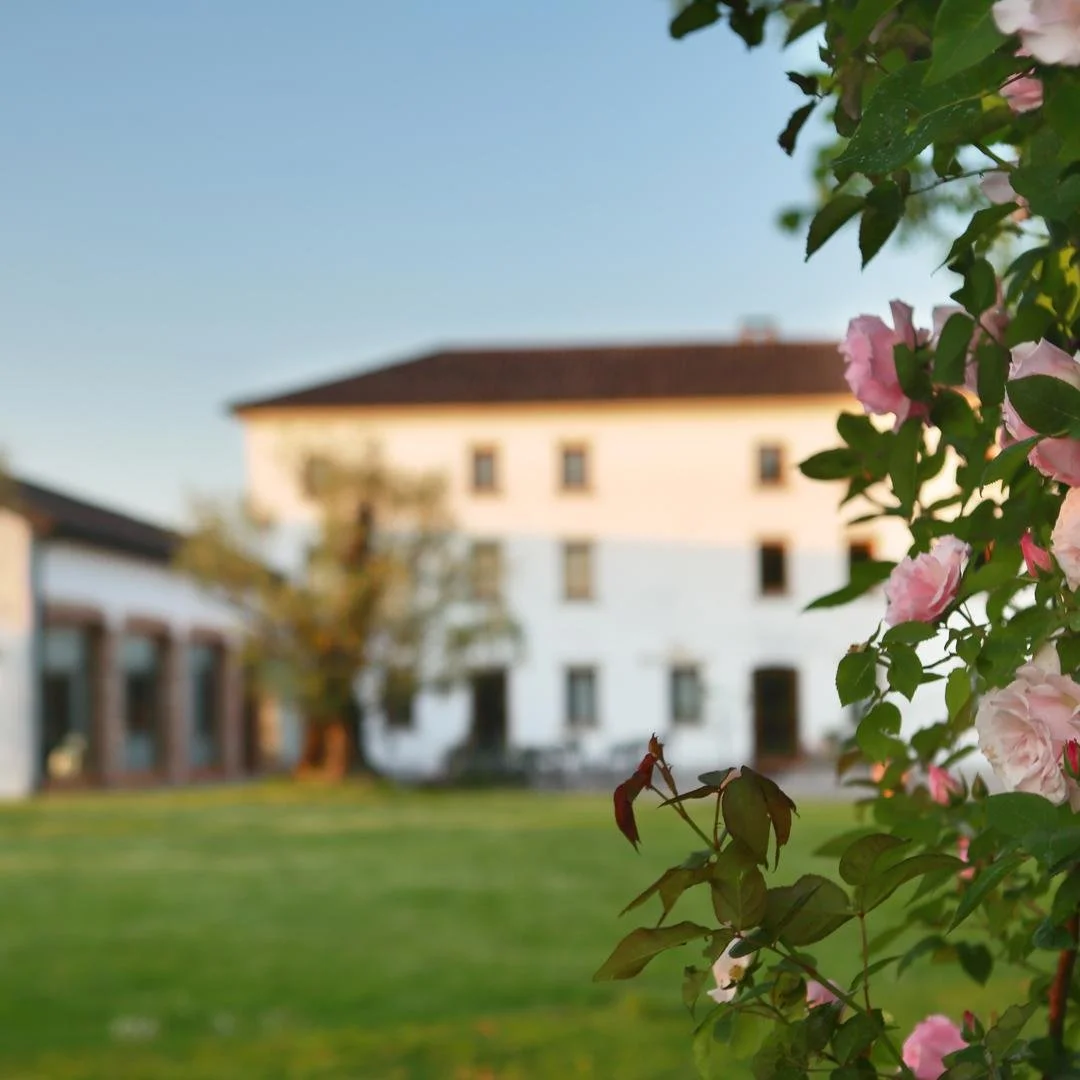
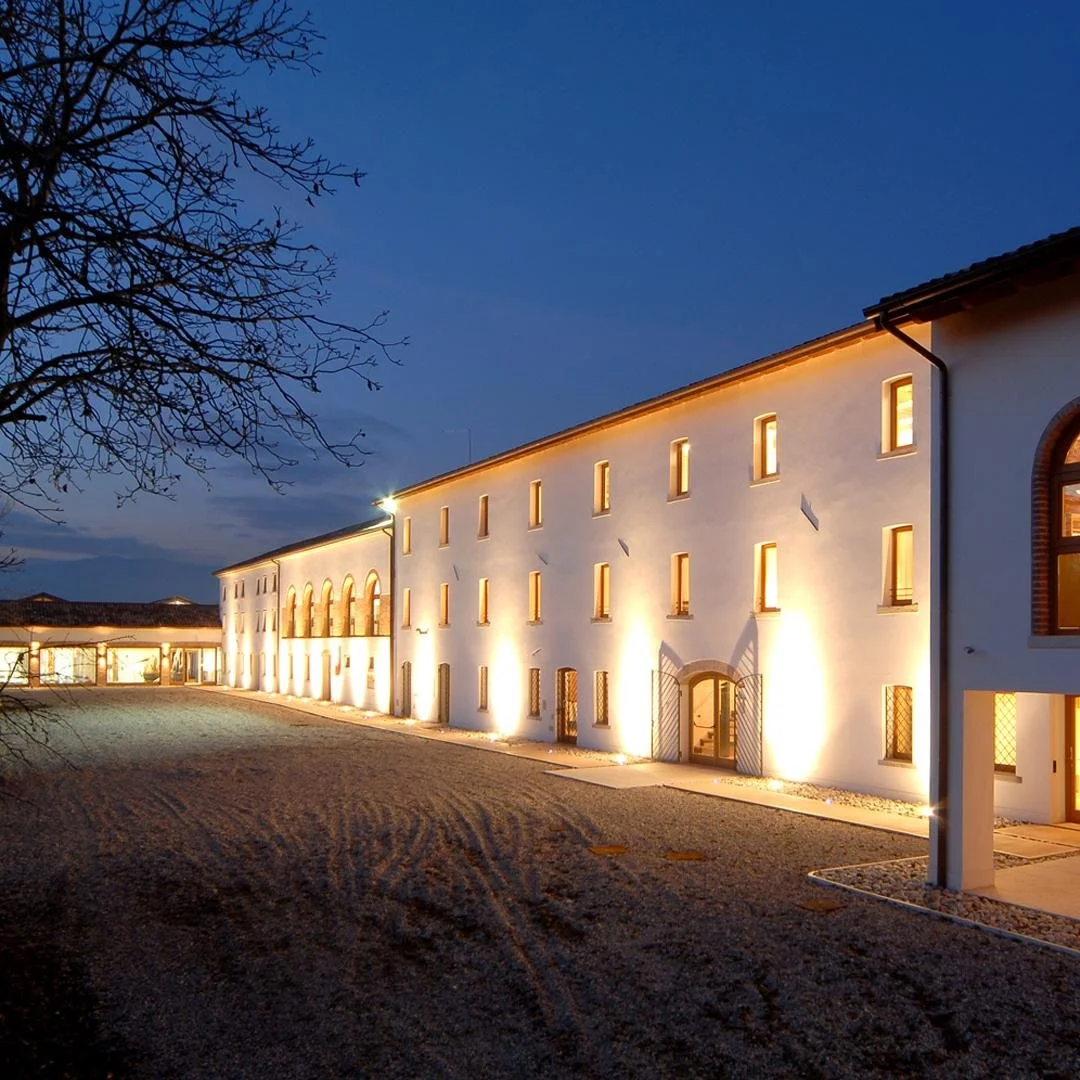
In the rolling hills of Veneto, at Bibano’s Villa Rosina, the rhythm of winemaking follows a cadence shaped by centuries. Here, where vineyards stretch across a landscape that has long balanced agriculture and artistry, heritage is not an aesthetic device. It is a responsibility. For a family run winery and distillery such as Bottega, whose history traces back four centuries, legacy has traditionally been expressed through craft. Prosecco that captures the lightness of the Veneto air, premium grappas distilled with precision, and liqueurs that echo Italian conviviality all speak to a lineage rooted in patience and expertise. Yet in 2025, legacy is increasingly measured not only by what is bottled, but by what is restored.
With the launch of the Bottega Forest in partnership with Treedom, the house has extended its stewardship beyond the vineyard. The first step, marked on 21 November, Tree Day, saw the planting of 500 trees across Ecuador, Tanzania and Madagascar. While modest when compared with the scale of global reforestation needs, the initiative gains significance through its intention and structure.
From Internal Practice to Global Footprint
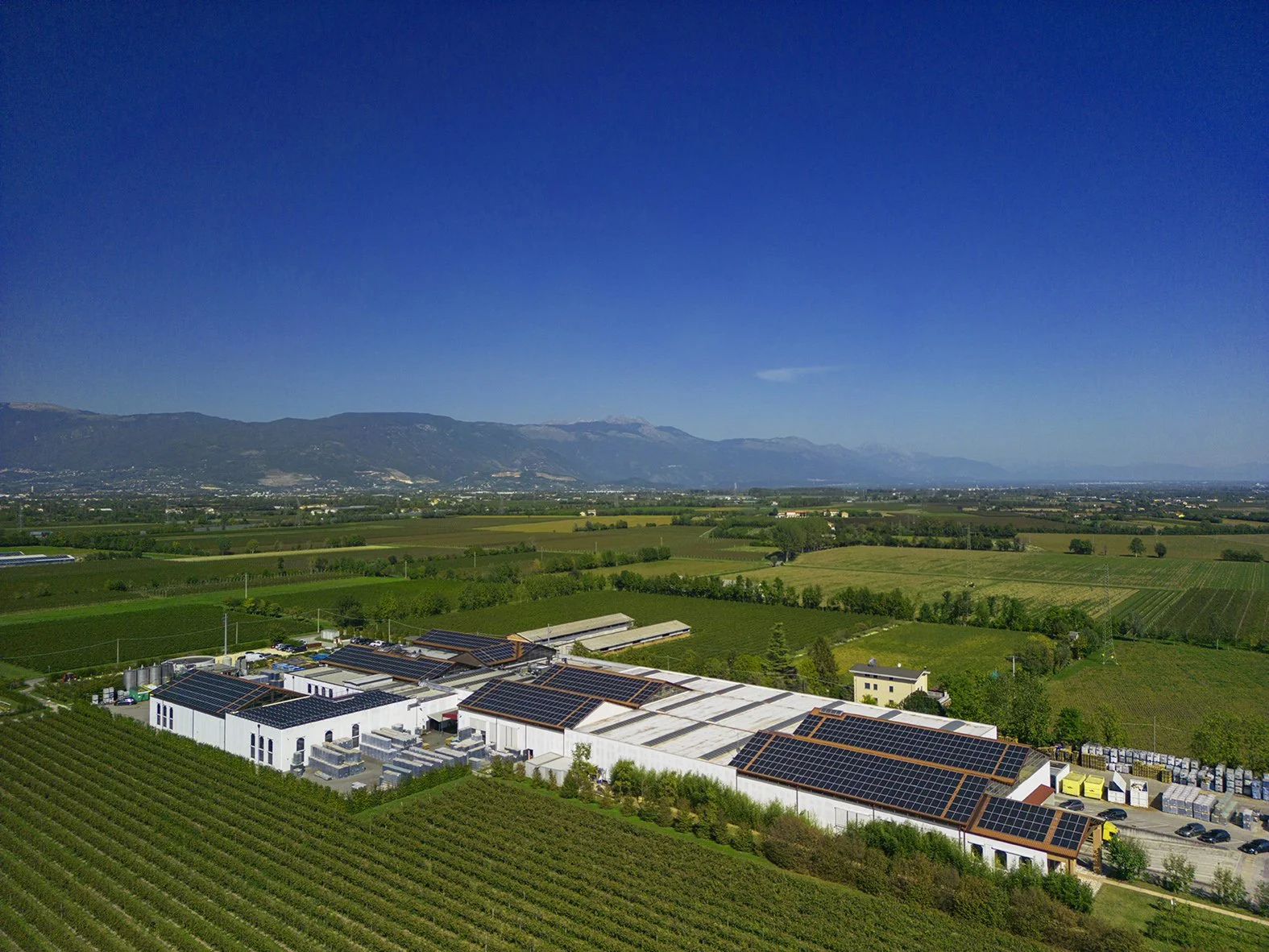
For years, Bottega has cultivated a reputation for environmental awareness within its own production systems. Energy efficiency, careful management of resources and attention to waste reduction have become integral to the winery’s philosophy. The Bottega Forest signals a natural progression from internal sustainability to outward impact.
Source: Bottega
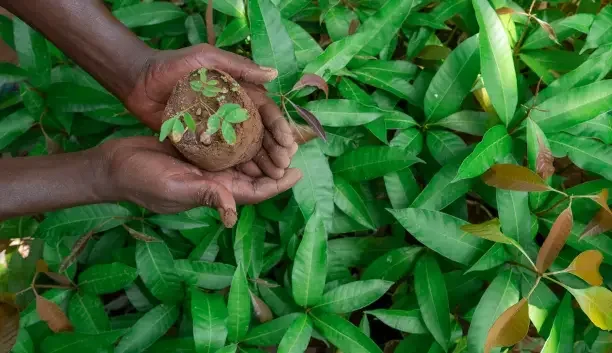
The initiative is not presented as an abstract pledge. Each tree planted through Treedom is geolocated, photographed and monitored over time. The digital traceability attached to every sapling introduces a level of transparency increasingly expected by a generation of consumers who seek authenticity beyond branding.
This shift reflects a broader recalibration within the luxury drinks sector. Authenticity is no longer confined to terroir and tradition. It now extends to environmental accountability. In this context, planting trees becomes more than symbolic. It becomes structural.
The Agroforestry Model
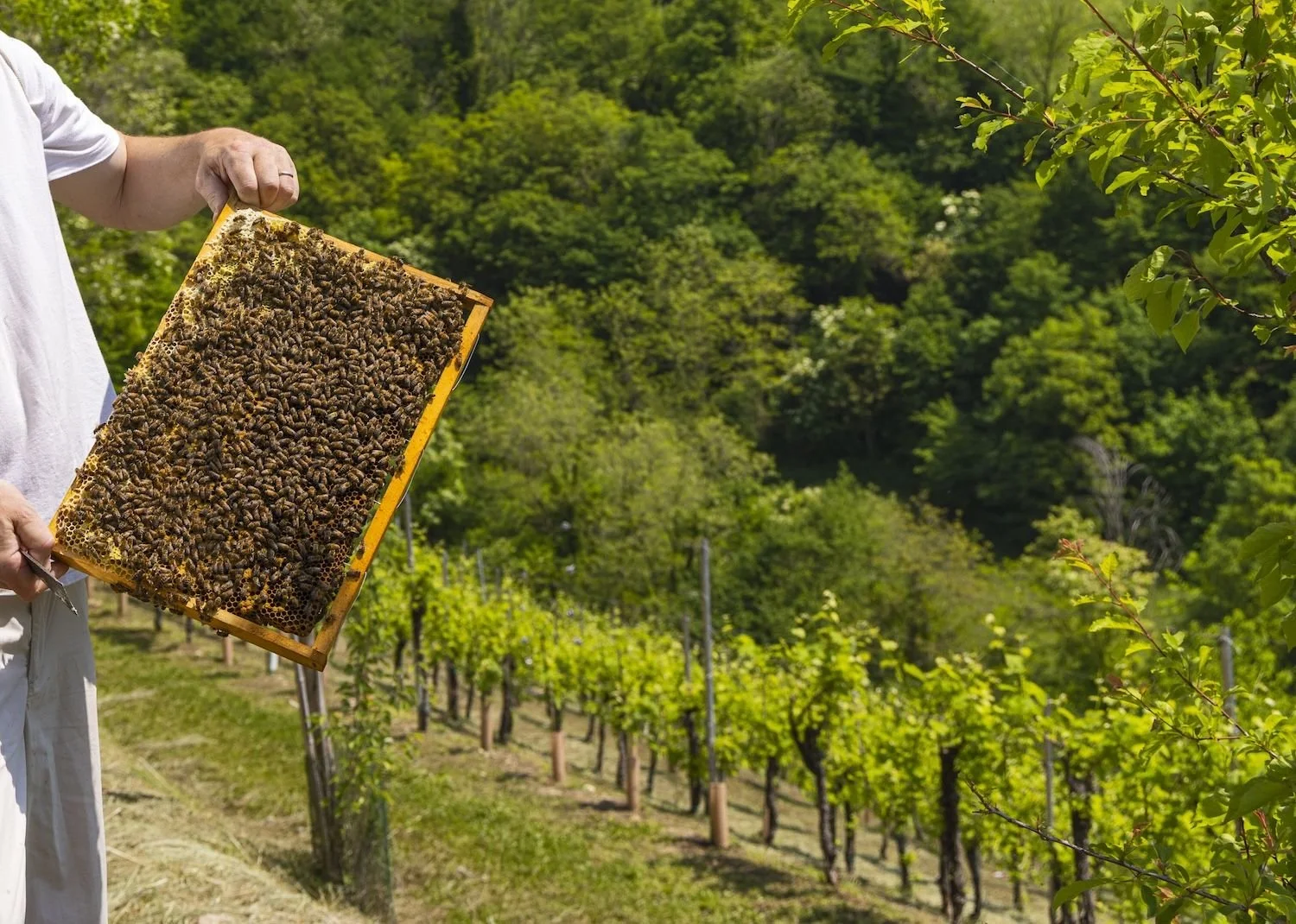
The Bottega Forest is grounded in an agroforestry model that integrates environmental restoration with social resilience. The species selected include cocoa, coffee, citrus varieties, neem, moringa, camphor, mahogany and tephrosia. These trees are not decorative additions to the landscape. They are productive elements within a living ecosystem.
Fruit bearing trees help strengthen food security for farming families, while timber and complementary crops support micro entrepreneurship in rural communities. Soil quality improves, biodiversity increases and carbon is absorbed through diversified ecosystems designed to endure.
Source: Bottega
In Ecuador, Tanzania and Madagascar, regions where agricultural livelihoods are particularly vulnerable to climate variability, such systems offer both environmental and economic stability. For Bottega, whose own identity is inseparable from agricultural tradition, this alignment feels coherent rather than opportunistic.
A Dialogue Between Veneto and the Tropics
At first glance it may seem unusual that a winery rooted in northern Italy would plant trees across tropical landscapes. Yet the connection becomes clearer when one considers the nature of wine itself.
Viticulture is profoundly sensitive to climate conditions. Frosts, heatwaves and unpredictable rainfall increasingly shape harvests across Europe. By supporting tree planting in regions already experiencing the sharper edges of climate change, Bottega acknowledges the interconnected nature of global ecosystems.
Source: Bottega
The health of forests in Madagascar or Tanzania cannot be separated from climatic patterns that ultimately influence vineyards in Veneto. Environmental stability is collective. It transcends borders and requires shared responsibility.
Design, Luxury and Responsibility
Within Avesso’s universe, luxury is never purely decorative. It is contextual. A bottle of Prosecco such as Bottega Gold, instantly recognisable in its gilded form, carries an aesthetic appeal that resonates in cosmopolitan settings from London to Dubai. Yet its contemporary relevance increasingly depends on what lies behind that visual identity.
Consumers who appreciate fine wine and spirits are also attentive to origin stories. They seek to understand how ingredients are sourced, how communities are supported and how producers measure their impact. Initiatives such as the Bottega Forest respond to these expectations through tangible action.
Treedom, founded in 2010, pioneered the concept of remote tree planting combined with digital monitoring. Each tree exists both in soil and in a digital archive that records its growth over time. This fusion of environmental commitment and technological transparency reflects the evolving relationship between sustainability and modern luxury.
Source: Bottega
Continuity Through Care
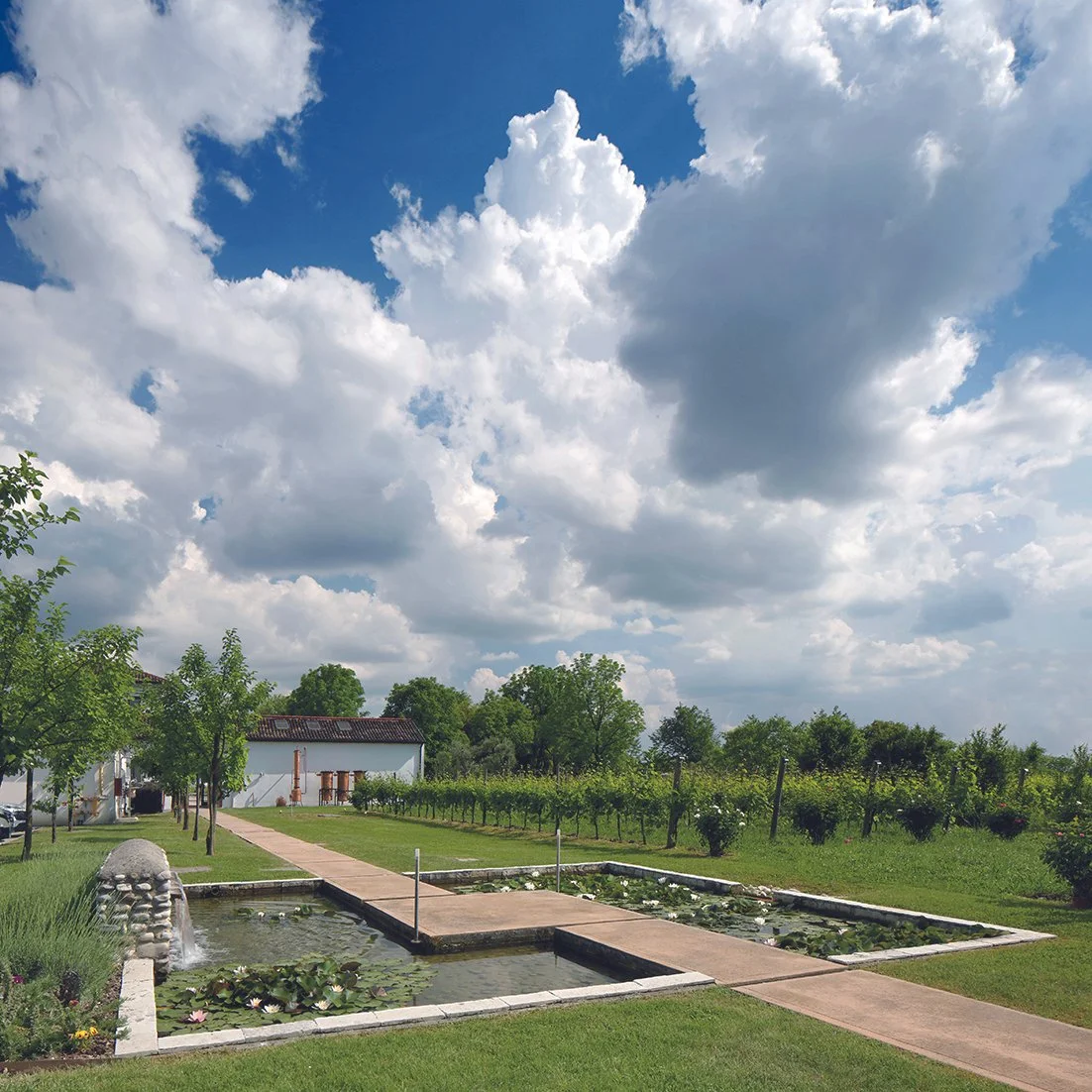
Standing in the Veneto countryside, one senses that wine is an act of patience. Vines mature slowly. Cellars demand vigilance. Craft is cumulative. Planting trees across continents follows a similar philosophy. Reforestation does not produce immediate results. It is an investment in decades rather than seasons.
Source: Bottega
For a house with four centuries of history, such long horizons are familiar. The Bottega Forest can be understood as an extension of the same thinking that governs fermentation and ageing. Care taken today shapes the conditions for the future.
Beyond Celebration
Wine has always been associated with celebration. Yet Bottega’s approach suggests that celebration and responsibility are not opposing forces.
The planting of 500 trees will not resolve global climate challenges on its own. What it represents is a meaningful step towards aligning luxury production with ecological restoration and community empowerment. For those of us who move between conversations on sustainability, diplomacy and gastronomy, the message is clear. Responsible luxury is no longer optional. It is part of the cultural evolution of how we define value.
In Bibano, surrounded by vineyards shaped by generations of care, Bottega has chosen to allow its legacy to grow far beyond its own estate. In doing so, it reminds us that heritage is not only about preserving the past. It is about nurturing the future.
Source: Bottega
In Bibano, amid vineyards shaped by history, Bottega has chosen to let its legacy take root far beyond its own soil. In doing so, it reminds us that the true measure of heritage lies not only in what we inherit, but in what we choose to nurture.