The Art of Caring: Alquímico Wins the Michter’s Art of Hospitality Award 2026
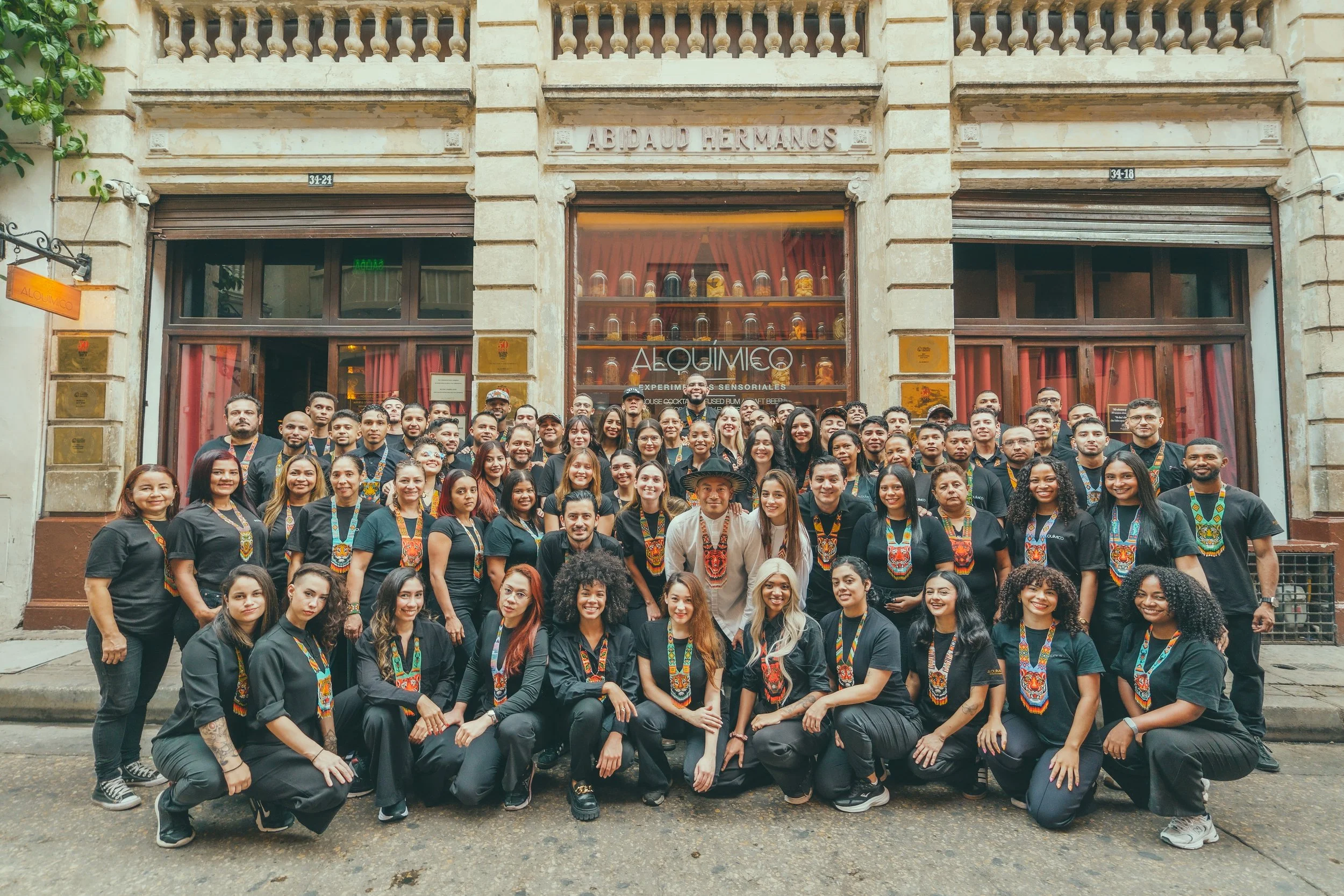
Credits: Courtesy of Alquímico / The World’s 50 Best Bars
What makes a bar truly hospitable? It is an interesting question in an industry increasingly capable of creating extraordinary things. Cocktails arrive through elaborate rituals. Menus become objects of design. Or collection (as in my case). Fermentation, carbonisation, laboratories and new techniques continue to expand what can exist inside a glass. The world's best bars can be theatrical, technically remarkable and visually unforgettable. And yet hospitality itself remains something considerably harder to manufacture.
It is the feeling of being welcomed. Of being noticed without being watched. Of encountering people who appear genuinely pleased that you have walked through their door. For Alquímico, in Cartagena, that philosophy has now received one of the international bar industry's most significant recognitions.
The Colombian bar has been named the winner of the Michter’s Art of Hospitality Award 2026, part of The World’s 50 Best Bars. The accolade is voted for by the more than 800 members of The World’s 50 Best Bars Academy, who are asked to identify the bar where they experienced the most outstanding hospitality during the voting period. The distinction will be presented in Milan on 7 October, when The World’s 50 Best Bars 2026 will also be revealed. For a bar that has spent a decade questioning what hospitality can mean, the recognition feels particularly appropriate.
From Cartagena to Barcelona
My own encounter with the people behind Alquímico came not in Colombia, but in Barcelona. Earlier this year, during the Barcelona Cocktail Fest at Palo Alto, I had the opportunity to meet the team and experience a glimpse of the philosophy that has made the bar such an important voice within contemporary cocktail culture.
The festival brought together leading bars from different parts of the world, but the conversation extended beyond what was being served in the glass. Its 2026 theme, FutureProof: Reimagining the Industry for What Comes Next, placed sustainability, resilience and the future of hospitality at the centre of the discussion. Alquímico felt particularly at home within that conversation. Although cocktails have brought the Cartagena bar international recognition, understanding Alquímico requires looking considerably further than the drinks.
An experiment in Colombian identity
Founded by French-Vietnamese entrepreneur Jean Trinh in 2016, Alquímico occupies a historic mansion in Cartagena's old city. Across its different floors, the building creates distinct drinking experiences while maintaining a common philosophy rooted in Colombian ingredients and identity. Its shelves filled with jars of fruits, roots, spices and infusions immediately suggest the experimentation behind its name. Alquímico means alchemist. But the transformation happening here is not simply liquid.
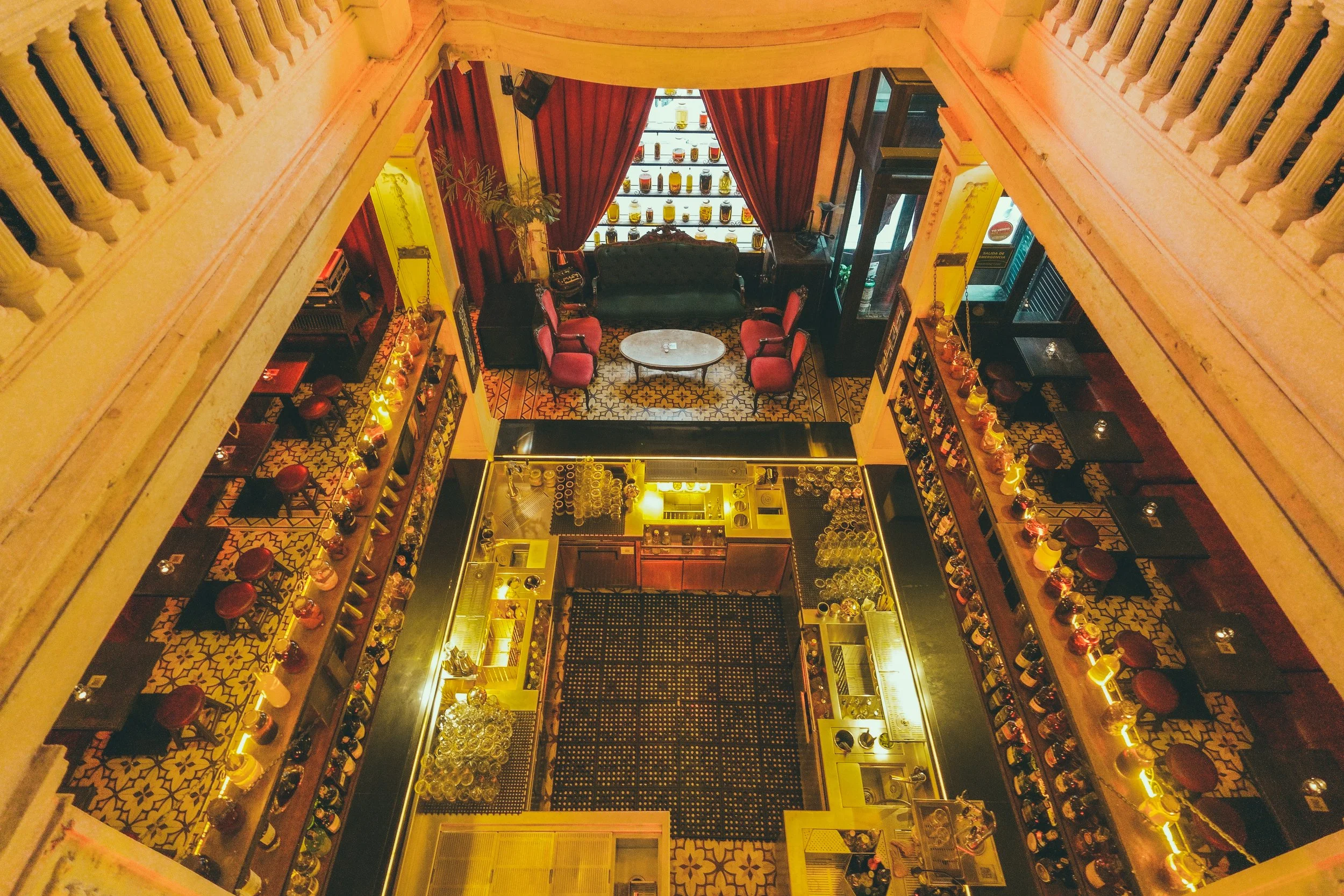
Credits: Courtesy of Alquímico / The World’s 50 Best Bars
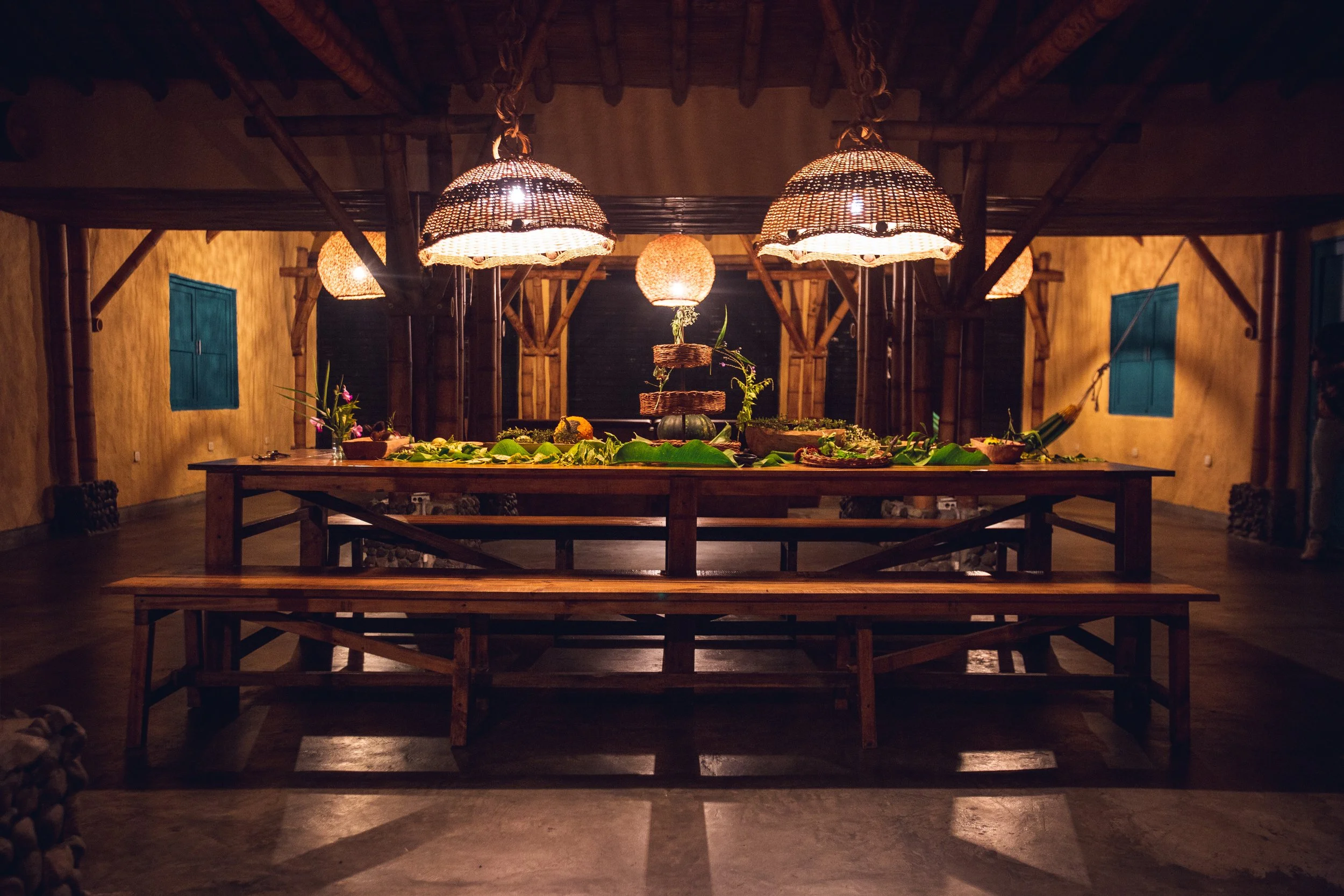
Colombia itself is an essential ingredient. The bar has become internationally recognised for exploring the country's extraordinary biodiversity through cocktails, using ingredients to connect drinks with landscapes, producers and communities beyond Cartagena.That relationship deepened during the pandemic. When Cartagena's tourism industry came to a halt, Trinh and members of his team relocated to a farm in the Colombian countryside. What began as a response to extraordinary circumstances became part of Alquímico's philosophy, strengthening the team's relationship with agriculture and with the origins of the ingredients behind its drinks.
Today, that connection between city and countryside remains fundamental. A cocktail at Alquímico can therefore become a way of encountering Colombia through flavour, not as a country reduced to a handful of internationally recognisable ingredients, but as a complex landscape of plants, ecosystems, traditions and communities.
Hospitality starts behind the bar
Yet the most revealing aspect of Alquímico's latest award may have relatively little to do with what guests drink. For the team, hospitality begins with care. Crucially, that care does not start with the customer. It starts with the people providing the experience. Before asking how guests should be welcomed, Alquímico considers how its own team is treated. The principle is simple but significant: genuine generosity towards someone visiting for a few hours becomes difficult to sustain if generosity does not exist among the people working together every day.
Credits: Courtesy of Alquímico / The World’s 50 Best Bars
It challenges an uncomfortable contradiction within hospitality. The industry exists to make other people feel good, yet historically it has not always extended the same consideration to those working within it. Long hours, physical exhaustion and intense workplace cultures have often been accepted as inevitable parts of restaurant and bar life. Alquímico proposes a broader definition.
Hospitality travels backwards through the entire system, from the guest to the bartender, the kitchen, the farmer, the producer and the surrounding community. Only then does it return to the person sitting at the bar.
A bar connected to its community
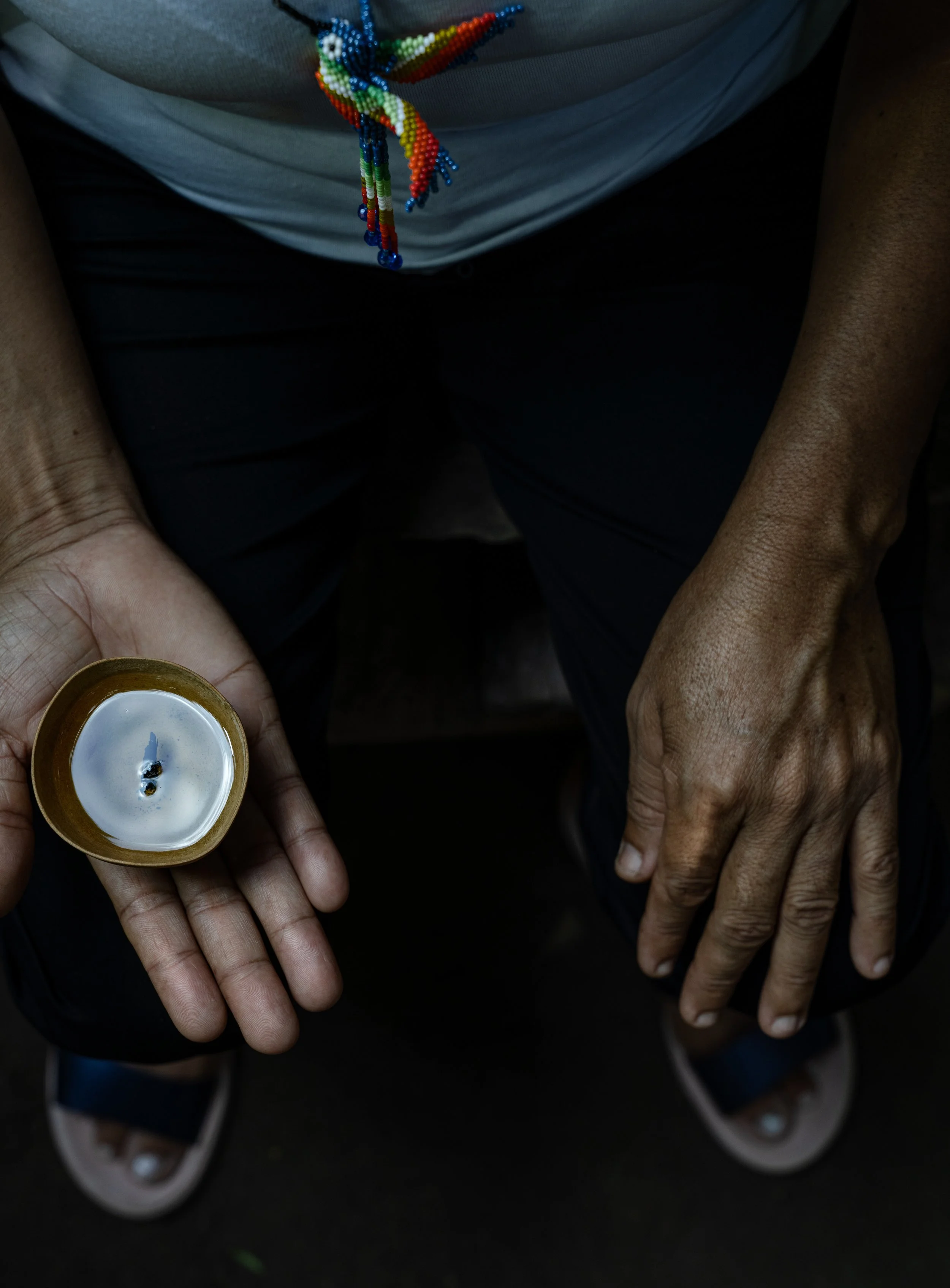
This philosophy has expanded beyond Alquímico's own employees. The team has developed initiatives in Cartagena that use hospitality as an opportunity for education and professional development, reinforcing the idea that a successful bar can have responsibilities extending beyond its own doors. It is an important distinction when discussing sustainability.
Credits: Courtesy of Alquímico / The World’s 50 Best Bars
Within the bar industry, sustainability is frequently framed through waste reduction, local sourcing, energy consumption and the elimination of single-use materials. These remain important, but Alquímico's approach introduces another dimension: sustainability must also be human. A bar cannot meaningfully discuss its environmental future without considering the future of the people inside it. That perspective was particularly relevant when I encountered Alquímico at Barcelona Cocktail Fest. Conversations there increasingly moved beyond individual sustainable practices towards the question of how hospitality businesses, careers and communities can become genuinely resilient.
Latin America through the glass
Alquímico's recognition also reflects a broader shift taking place across contemporary cocktail culture. Some of the industry's most compelling ideas are currently emerging from Latin America, where bars are increasingly looking towards local ingredients, regional traditions, agriculture and biodiversity rather than simply reproducing established European and North American drinking conventions.
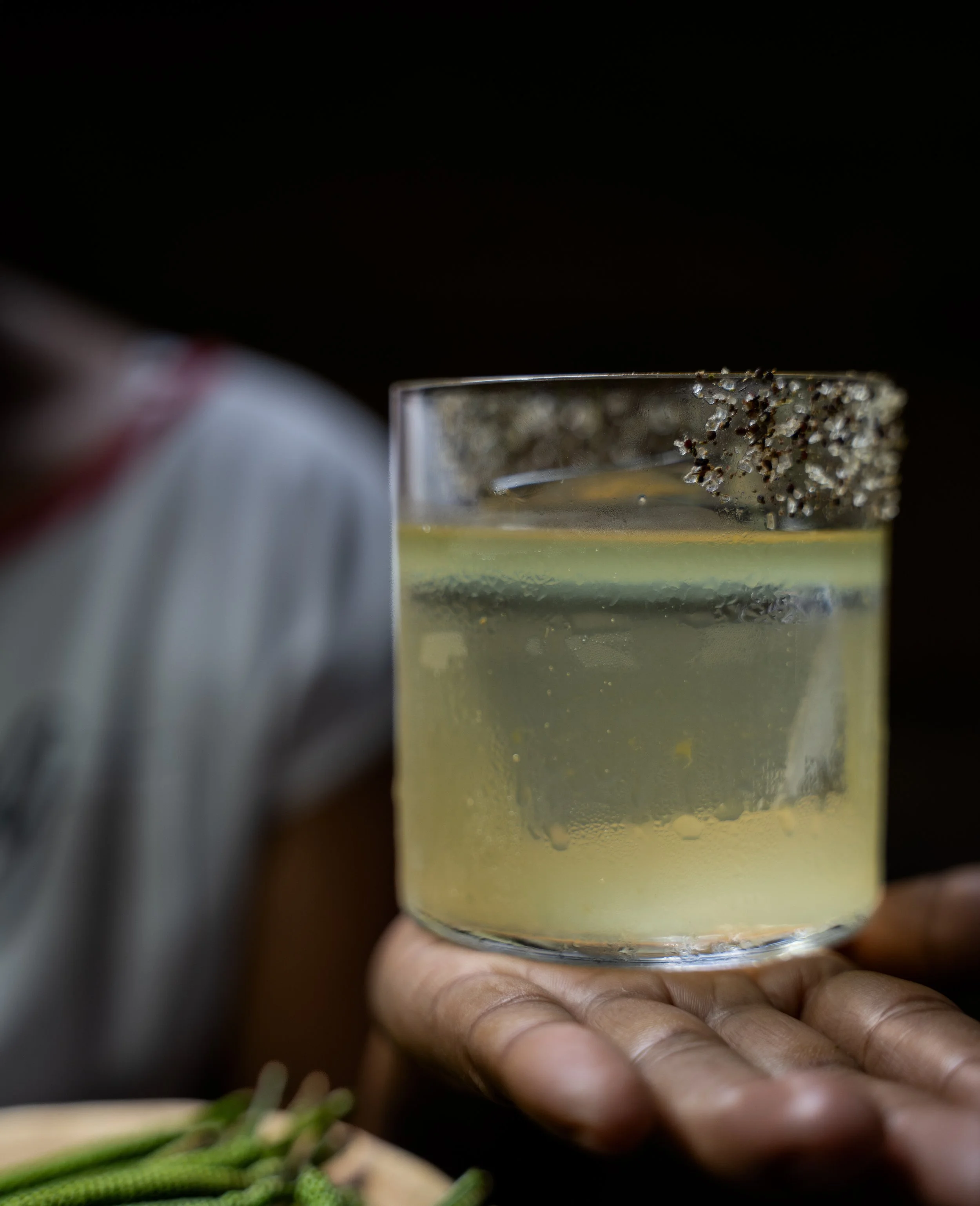
The result is not merely a different collection of cocktails. It is a different vocabulary. Ingredients that might once have been overlooked internationally become protagonists. Producers become collaborators. Biodiversity becomes part of storytelling. The bar itself becomes a place through which visitors can begin to understand something about where they are.
Credits: Courtesy of Alquímico / The World’s 50 Best Bars
Alquímico belongs firmly within that movement. Its drinks are rooted in Colombia, but the philosophy behind them suggests something universal: innovation becomes considerably more meaningful when it remains connected to people and place.
The human ingredient
There is something fitting about the word alchemy in all of this. Historically, alchemy was concerned with transformation, with turning ordinary materials into something precious. Modern cocktail bars perform their own version every evening, transforming spirits, fruits, herbs, acids and countless other ingredients into something new.
At Alquímico, however, the more interesting transformation may happen outside the glass. A historic building becomes a meeting place. Colombian produce becomes a way of exploring biodiversity. A farm becomes part of a cocktail bar. Hospitality becomes education. Employees become a community. And guests become participants, however briefly, in that ecosystem.
When I met the Alquímico team in Barcelona earlier this year, it was within a festival asking the industry to imagine what comes next. Seeing them now recognised specifically for hospitality makes that encounter particularly resonant.
Perhaps the future of the world's best bars will not ultimately be determined by who creates the most complicated drink, employs the newest technology or produces the most spectacular presentation. Perhaps it will depend upon something far more fundamental: whether, when somebody walks through the door, they feel cared for. For Alquímico, that care begins long before the guest arrives. And that may be its most important ingredient.