The Death of “-Core” and the Triumph of Personal Style: How the fatigue of algorithmic micro-trends made way for the quiet elegance of individual identity.
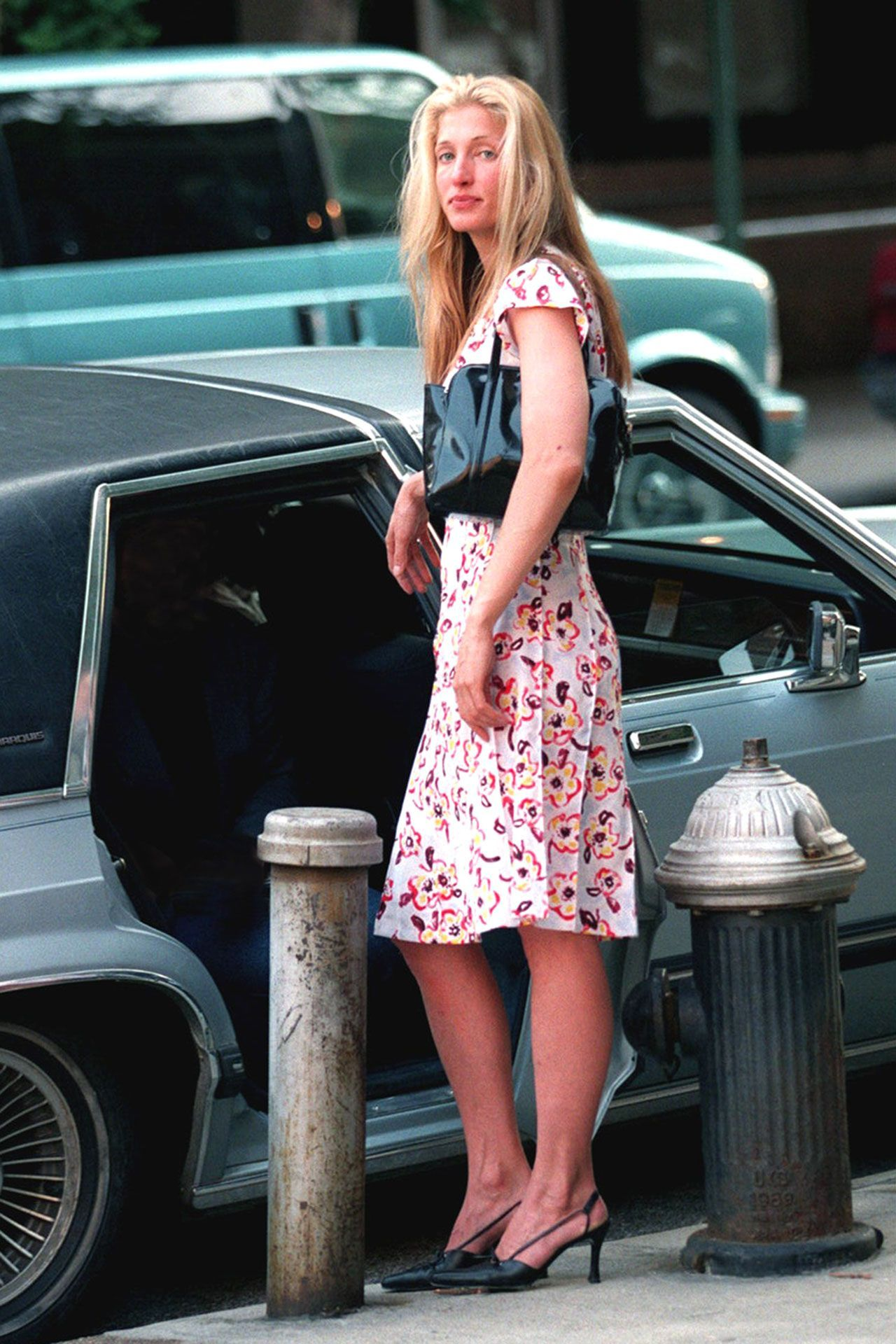
Carolyn Bessette-Kennedy in the 1990s: the triumph of the essential. Her unstudied elegance, anchored in impeccable tailoring and an absence of excess, remains the ultimate antidote to algorithmic impermanence. Credit: (Photo: Archive / Reproduction)
There is something profoundly exhausting about the modern promise of biweekly reinvention. If you have opened any social media platform in recent years, you were undoubtedly informed that you urgently needed to decide whether you were a Clean Girl, a Mob Wife, a Gorpcore enthusiast, or an adherent of the Office Siren aesthetic. Under the ruthless baton of algorithms, contemporary fashion has reduced dressing to a costume party with an expiration date. We adopt personas as casually as we switch apps, purchasing disposable, generic garments to embody aesthetics conceived on a Tuesday and laid to rest by Sunday.
The Outsourced Uniform
The true tragedy of this obsession with "-core" suffixes is not merely the hyper-consumption—though the planet would certainly appreciate a reprieve—but the utter lack of humor and historical memory with which it is peddled. Style, which used to be a quiet conversation between who we are and how the world perceives us, has been flattened into a mandatory shopping list. If you must acquire seven new items to prove to a screen that you belong to an aesthetic, what you possess is not style, it is an outsourced uniform.
The risk of this hyper-standardization is the erasure of personal narrative. When everyone consumes the exact same hyper-specific trend simultaneously, fashion forfeits its most captivating quality: the power to surprise, to provoke intrigue, or to tell a genuinely singular story.
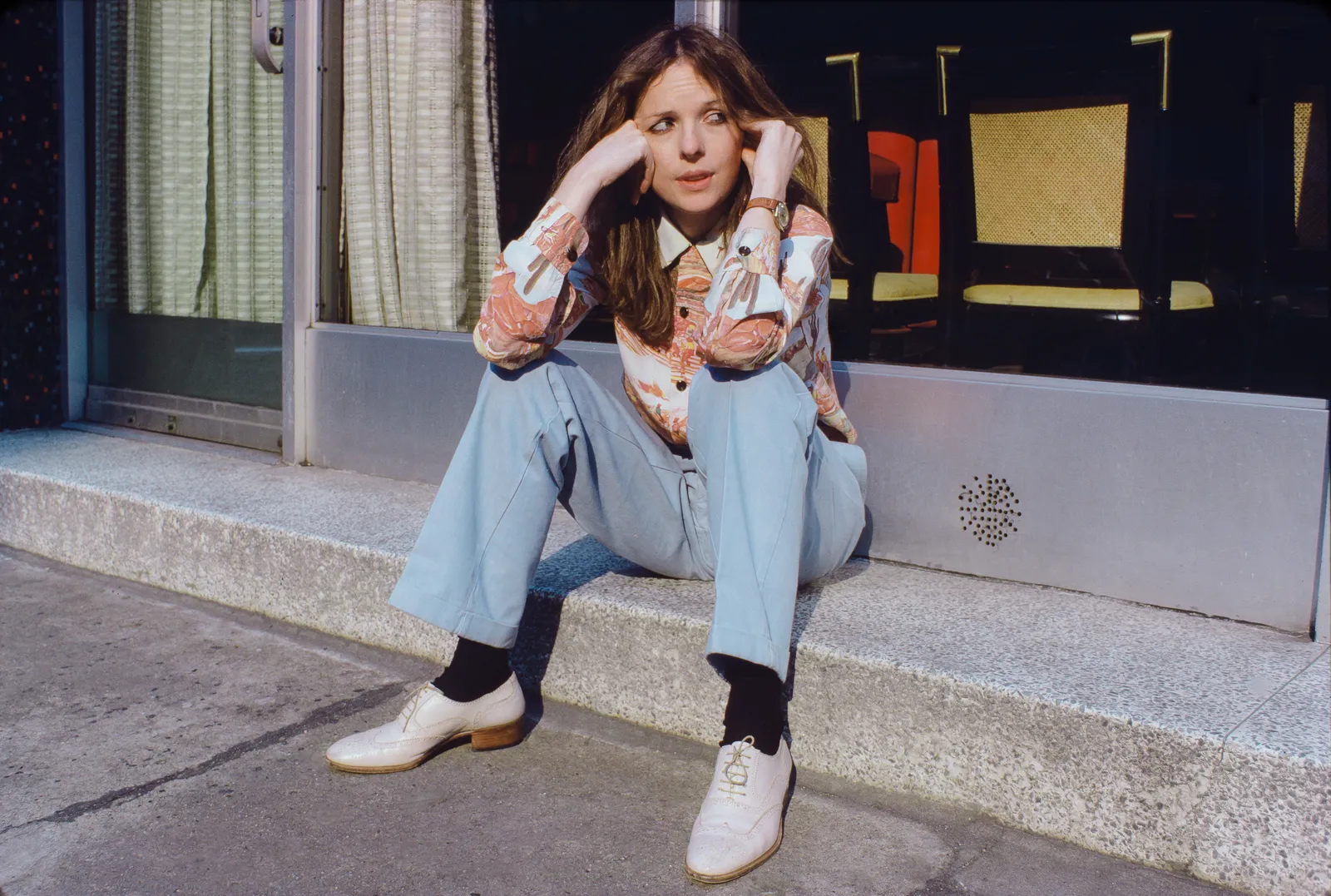
Diane Keaton in the late 1970s: the ultimate subversion of personal style. By borrowing from classical menswear tailoring and vintage haberdashery, she crafted an iconic, highly intellectual wardrobe that remains entirely her own. Credit: (Photo: Archive / Reproduction)
The Archive Wardrobe Revolution
Fortunately, even algorithms grow weary of themselves. We are currently witnessing a refreshing, elegant backlash: the rise of Hyper-Personal Style. Tired of the spectacle of homogenization, the most compelling tastemakers have stopped staring at their feeds and turned their attention back to their own closets—to vintage archives, heirloom wardrobes, and flea markets. Today’s ultimate flex is not the seasonal "it-bag" seeded to a thousand influencers simultaneously; it is the perfectly worn 1990s leather jacket that no algorithm can replicate.
True style was never about obeying an algorithm; it is about having the audacity to be a limited edition of oneself.
The Elegance of Imperfection
This shift in perspective is deeply liberating. It restores narrative weight to the act of getting dressed. A garment with a past—a hand-finished seam, an inherited silk scarf, a blazer hunted down with the methodical patience of an urban archaeologist—carries a tactile depth that mass production simply cannot emulate. It is the understated elegance of the imperfect, the magnetic charm of looking entirely unstudied.
Embracing this new era of visual culture does not require rejecting fashion altogether, but rather reclaiming agency over it. It is about cultivating a sharp eye, an intellectual irony toward fleeting fads, and, above all, the discernment to know what remains after the trend fades. Trends, after all, vanish in an instant, genuine taste remains untouched.
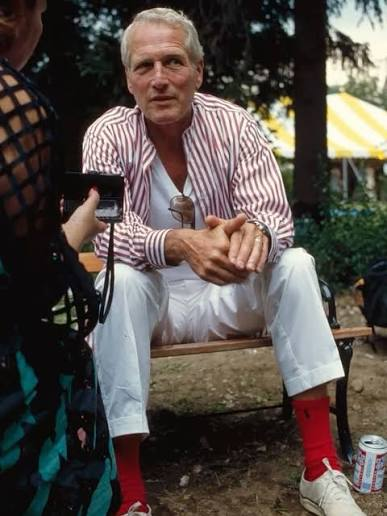
Paul Newman: the timelessness of utilitarian menswear. A masterclass in pairing distressed leather, relaxed tailoring, and archival pieces that retain their sharp resonance half a century later.
Credit: (Photo: Archive / Reproduction)