The Science of Luxury: Inside Aspen & Meursault with Sunny Hodge
Luxury does not look the way it used to. It is no longer just about chandeliers, white tablecloths or bottles that arrive with ceremony and a story you are expected to nod along to.
Increasingly, the most interesting kind of luxury is quieter than that. Less about showing off, more about actually knowing what is going on.
That shift is written into Aspen & Meursault, a London wine bar that feels less like a statement and more like a question.
It does not try to impress you in the usual sense. It does not need to. Instead, it invites you into something rarer in hospitality right now, a place where you are allowed to understand things properly.
Sunny Hodge is the driving force behind this approach.

Credits Aspen & Meursault
Meet the man who keeps asking why
Hodge is not your typical wine bar owner. Before wine, he trained as a mechanical engineer, which explains quite a lot once you hear him talk.
He is wired differently to most people in hospitality. While others might inherit a way of doing things, he is more likely to pull it apart and ask what is actually going on underneath.
Wine, in his world, is not magic. It is a system. And systems can be understood.
That idea is basically the blueprint for Aspen & Meursault.

Credits Aspen & Meursault
Demystifying the glass
Most of us meet wine in a slightly strange way. Someone tells us what is “good”, what sounds impressive to say, and which words to use. You learn the language before you learn the logic.
Hodge is not interested in that performance.
At Aspen & Meursault, the goal is to actually possess knowledge, not just display it. The vibe is less “say the right thing” and more “let’s figure out why this tastes like this in the first place”.
So instead of wine being an intimidating puzzle you are meant to decode, it becomes an exercise in curiosity. You ask questions, and no one looks at you like you have ruined the moment.
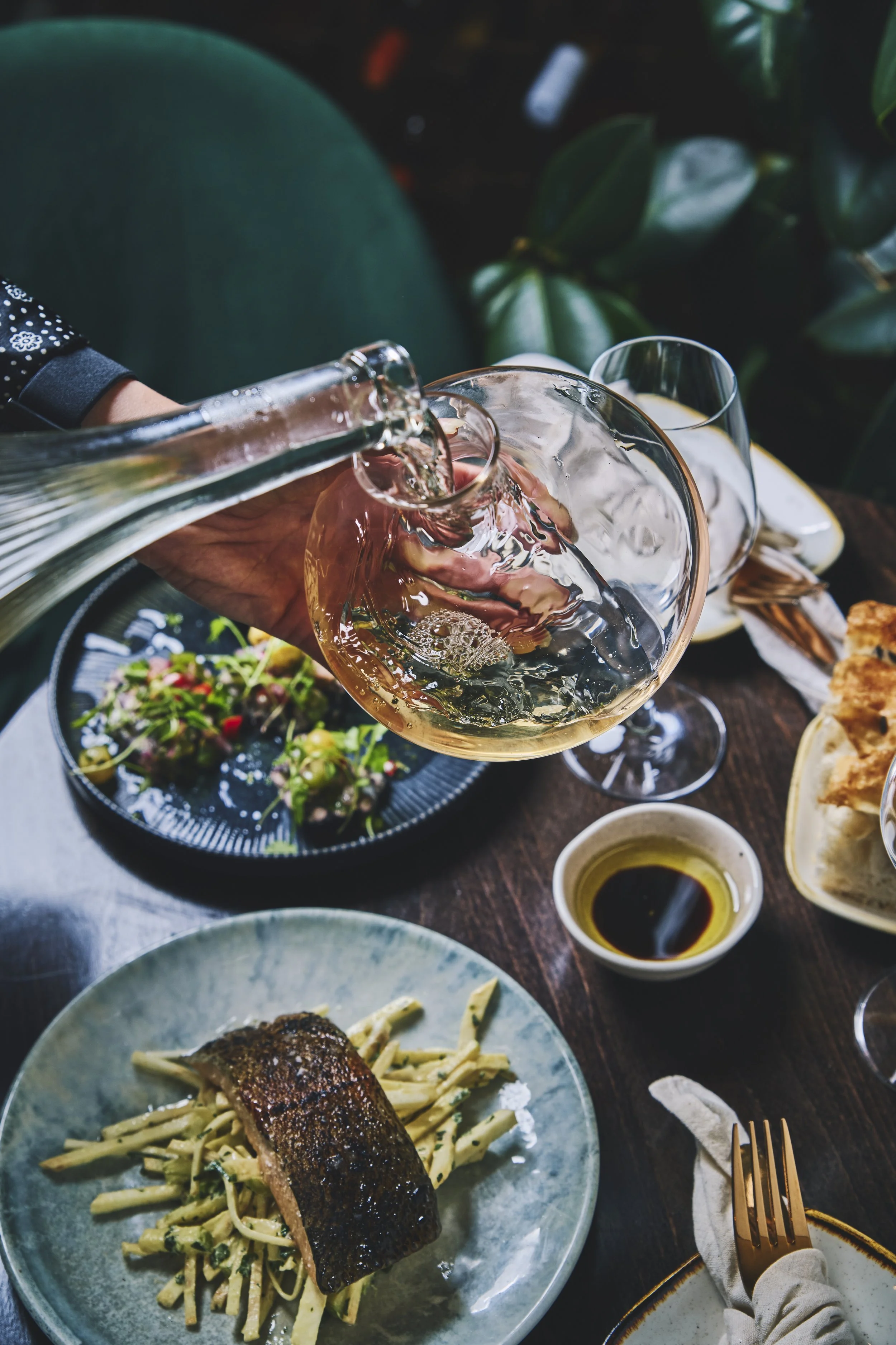
Credits Aspen & Meursault
The bar that does not do gatekeeping
One of the most noticeable things about Aspen & Meursault is that nothing feels guarded. Staff are not there to quiz you or impress you with jargon. They are trained to thoroughly understand what they are talking about, which sounds obvious but is surprisingly rare.
The idea is simple: if someone asks a question, you do not dodge it. You answer it properly.
Even the wine list follows that logic. It is not trying to overwhelm you with rare names or flexy bottles. It is built to show you how wine actually works. Why does something taste the way it does? What changes when you move from one region to another? What is chemistry, what is place, and what is just assumption dressed up as fact?
With wine, he believes that there is a lot of conversation and not always a lot of understanding. Aspen & Meursault is his attempt to shift that balance, moving the focus from name-dropping to actual comprehension.
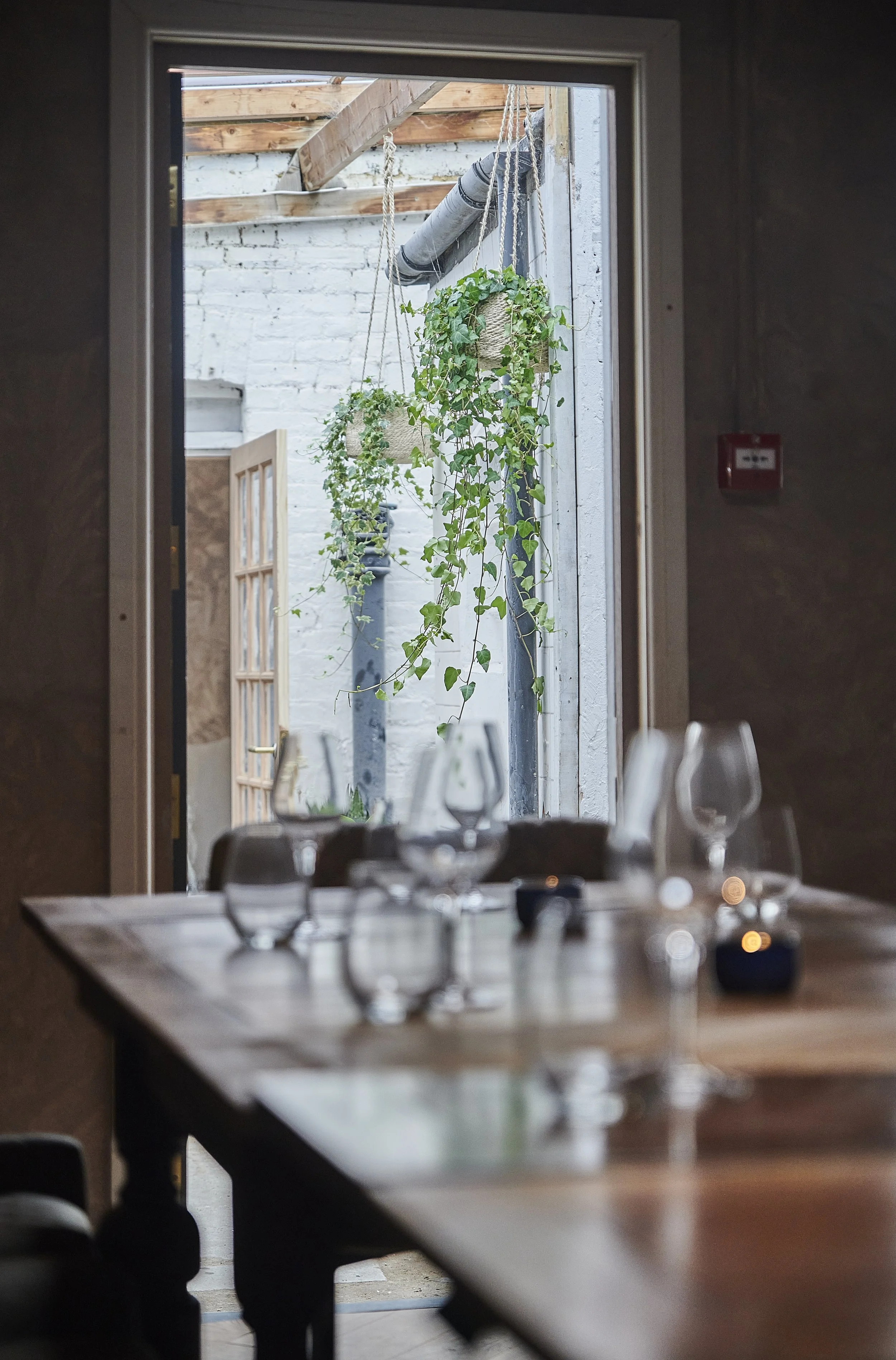
Credits Aspen & Meursault
Not just a wine bar
Aspen & Meursault is part of a much bigger way of thinking that Hodge has been building for years.
His book, The Cynic’s Guide to Wine, came from a simple observation: people kept asking the same foundational questions about why wine tastes the way it does. The more he answered them, the more he realised how many gaps there were in how wine is usually explained.
He also works as a wine judge and educator, which means he operates inside the traditional wine world while simultaneously questioning parts of it. That combination matters. It is not someone shouting from the outside; it is someone rearranging things from within.
To see more about Aspen & Meursault (and maybe book your own tasting session), check out their website.

Credits Aspen & Meursault