The Scripted Life: When Reality Borrows from the Art Department
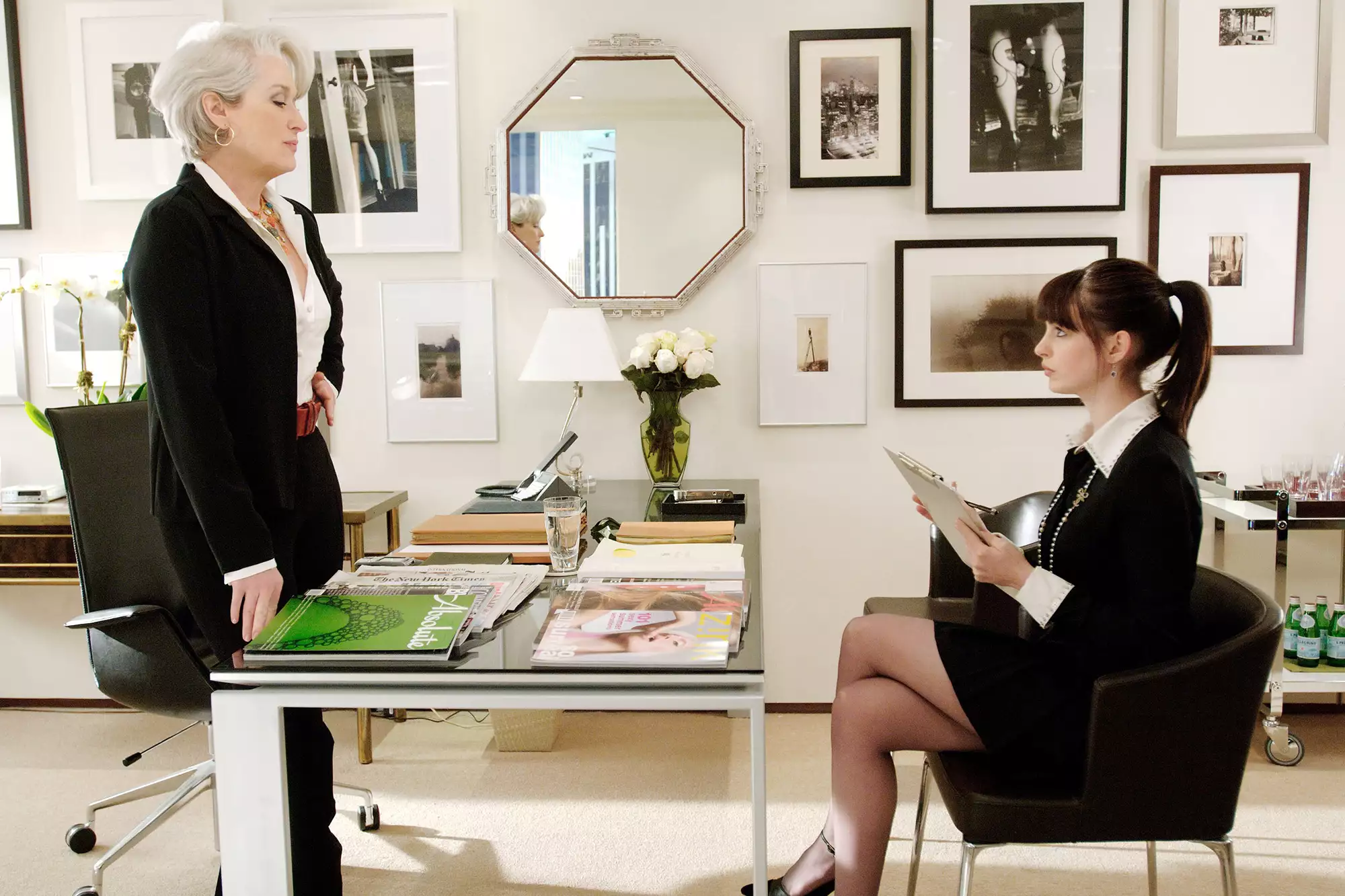
Hathaway’s frantic energy vs. Streep’s icy precision. Cinema history was made in this office.
They say life isn’t a movie, but whoever "they" are clearly never chose a pair of sunglasses based on the specific mood of a gray Tuesday. There is a certain vertigo in admitting it, but the truth is that all of us, somewhere between the second espresso and the final e-mail, act as the production designers of our own existence.
Cinema isn't merely about what happens on the screen; it’s about what we carry from the frame back to our own entryways. It’s that sudden urge to curate a bookshelf after a period drama, or the decision to adopt a more somber, noir-inspired palette after a weekend marathon of suspense. It is the luxury of understanding that aesthetics aren't a frivolity, they are a form of courtesy toward our own gaze, a quiet attempt to elevate the mundane into something worthy of a close-up.
The Miranda Priestly Effect: From Screen to Storefront
However, this personal "curatorship" rarely happens in a vacuum. We live within a global set design. Cinema and contemporary prestige television are the silent architects of our desire, dictating not just what we wear, but what we have come to define as "elegant" or "desirable."
The definitive commentary on this phenomenon remains Meryl Streep’s monologue in The Devil Wears Prada regarding the color cerulean. With surgical precision, her character explains how an aesthetic choice made in an elite creative room eventually ends up, years later, in a clearance bin, dressing someone who believes they are "above" visual influences. The lesson is clear: the production design of a masterpiece doesn't end when the credits roll, it spills over into storefronts, interior design, and the very fabric of social behavior.
The Architecture of Desire
Today, this influence runs even deeper. When we watch productions that exalt "quiet luxury" or high-end minimalism, we aren't just admiring costumes, we are absorbing a visual vocabulary of power and serenity. Modern cinema has realized that we don't just consume objects, we consume the sense of order that a particular aesthetic suggests.
Meryl Streep, in her many guises, remains the gold standard of this precision. The elegance she projects, that brand of sophistication that seems effortless but is, in fact, the result of absolute technical mastery, is what many of us seek when building a personal brand. It is the idea that our image should serve as an executive summary of who we are, without our ever having to say a word.
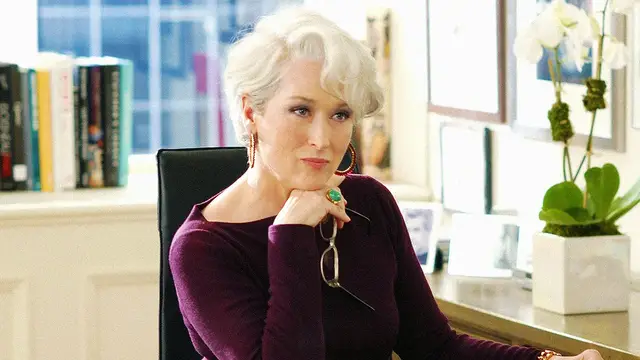
Meryl Streep, delivering a legendary performance as Miranda Priestly in The Devil Wears Prada (2006).
Identity Behind the Lens
The challenge, of course, lies in not becoming a mere carbon copy of the scenery. The influence of visual narratives on our identity is fascinating because it offers us the tools to signal our values to the world. But real sophistication, the kind that survives decades like a classic film, is born from our ability to filter these stimuli through our own temperament.
Modern elegance is knowing that while the costume is a communication tool, the original screenplay belongs to you. We may draw inspiration from an award-winning director’s lighting or the impeccable tailoring of an iconic character, but the truth of the scene only holds if our essence is present in the room.
At the end of the day, the question cinema and televisionleaves us with isn't "how much did this production cost?" but "how did it make you feel while it lasted?" If life is a movie, let us be directors with an impeccable eye for detail, ensuring that amidst all the references, our own voice never slips out of frame.
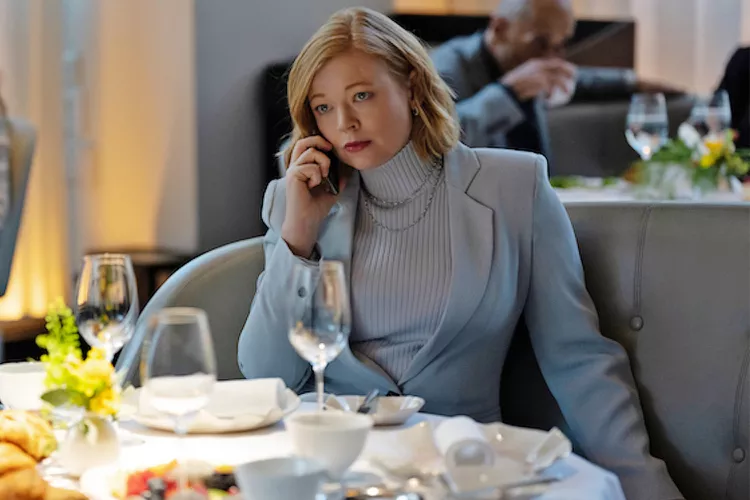
Sarah Snook, portraying the sharp-tongued and strategic Shiv Roy in Succession.