Tony: Anthony Bourdain, The Lost Explorer and a Shared Appetite for the World
Credits: Courtesy of A24 & The Lost Explorer Mezcal
There are people we discover at a particular moment in our lives who somehow remain with us long after that moment has passed. Anthony Bourdain is one of them for me. I first encountered his work many years ago. I would later read Kitchen Confidential, the book that transformed a New York chef in his forties into an unlikely literary and cultural figure, and follow the television journeys that took him into restaurants, markets, homes and streets around the world.
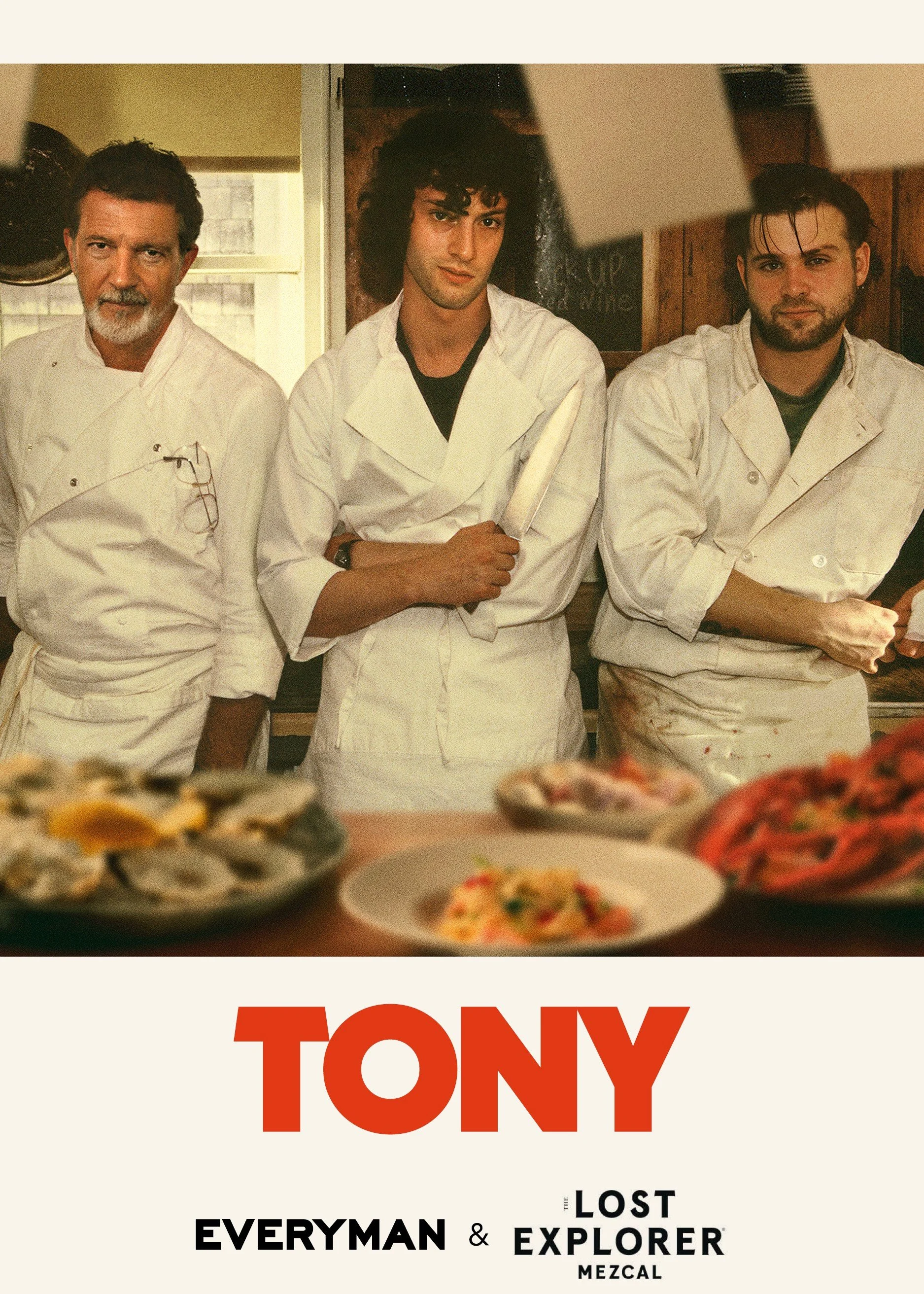
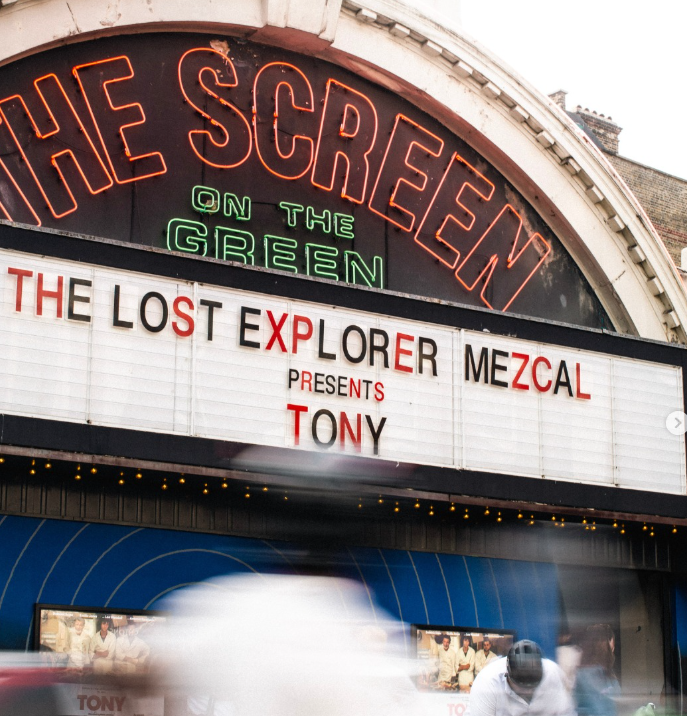
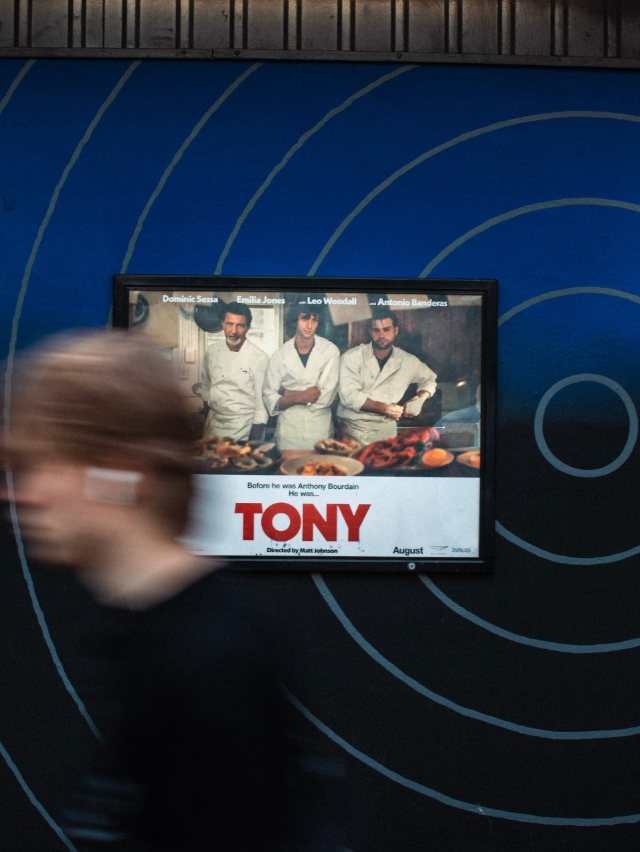
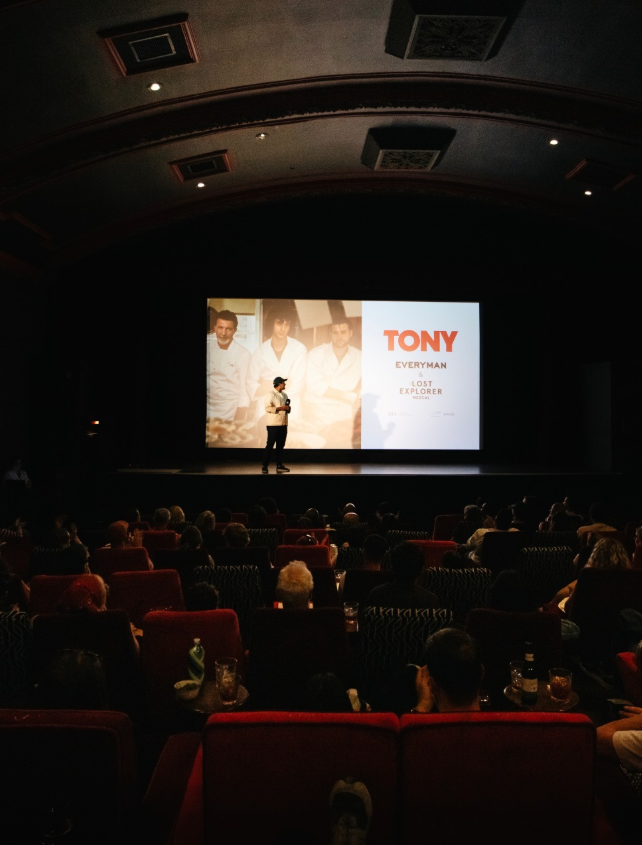
On 10 August, I was invited by The Lost Explorer Mezcal to a special preview of A24's Tony at Everyman Screen on the Green in Islington, London. Directed by Matt Johnson and starring Dominic Sessa as a 19-year-old Bourdain, the film does not attempt to tell the entirety of his extraordinary life. Instead, it returns to the beginning.
Credits: Courtesy of A24 & The Lost Explorer Mezcal
Set around Bourdain's formative time in Provincetown, Massachusetts, Tony follows a young man who considers himself a writer rather than a cook as he stumbles into the chaotic world of restaurant kitchens. It is here, surrounded by the intensity, characters and peculiar camaraderie of kitchen life, that something begins to take shape. The film draws loosely from episodes Bourdain himself later recounted in Kitchen Confidential, while taking creative liberties rather than presenting itself as a literal reconstruction of events. Watching it made me think less about how Anthony Bourdain became famous and more about why his work would eventually matter to so many of us.
Before Bourdain became Bourdain
Bourdain was rebellious. Perhaps that is the easiest word with which to begin. There was a restlessness to him that Tony finds in the young man before the television programmes, bestselling books and international recognition. He was someone looking for something, even when he did not necessarily know what that something was.
Credits: Courtesy of A24 & The Lost Explorer Mezcal
The kitchen eventually provided part of the answer. When Kitchen Confidential was published in 2000, Bourdain transformed professional kitchens from places diners rarely thought about into characters in their own right. He wrote about their hierarchies, intensity, addictions, personalities and excesses without attempting to sanitise the industry. But the kitchen was ultimately only the beginning.What made Bourdain particularly fascinating to me was what happened when he stepped outside it.
Food as a passport
Anthony Bourdain travelled differently. He certainly visited celebrated restaurants, but some of the moments that defined his programmes happened far away from white tablecloths. He ate in markets, modest restaurants, family homes and places that conventional luxury travel itineraries might easily overlook. Food was rarely just food.
A dish could become a conversation about migration, colonialism, politics, poverty, religion, conflict or identity. Sitting at someone's table allowed him to ask questions that would have felt entirely different in a television studio. He understood something that becomes increasingly apparent the more we travel: food is one of the most immediate ways of understanding a place.
And perhaps that is why his approach continues to resonate with me. Travelling can become an exercise in collecting destinations. We photograph landmarks, save restaurants, create lists and move on to the next city. Bourdain suggested another possibility. To travel well requires curiosity, but also enough humility to accept that the people whose country you are visiting probably have considerably more to teach you than you have to tell them.
Credits: Isabela Espindola
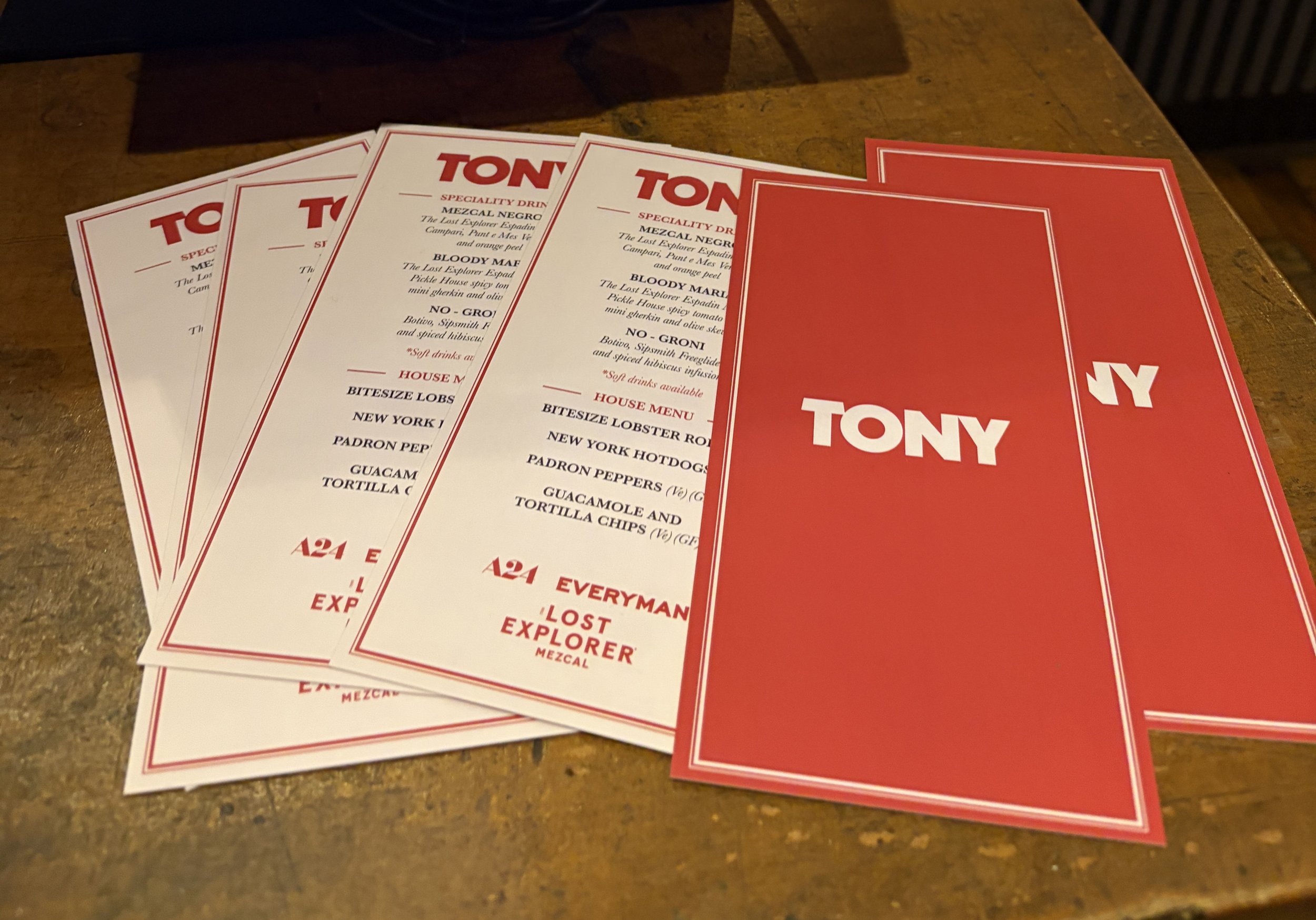
The evening itself reflected some of that relationship between food, drink and storytelling. Before the screening, guests were offered a menu that included lobster rolls, New York hotdogs, padrón peppers and guacamole, alongside drinks created with The Lost Explorer Mezcal. The cocktails included a Mezcal Negroni and Bloody Maria, as well as a non-alcoholic No-Groni. It was a fitting way to enter Bourdain's world: through something to eat, something to drink and then a story.
The complicated man behind the traveller
There is, of course, another dimension to watching Tony today. We know where the story eventually goes. Bourdain died in 2018 at the age of 61, and any retrospective consideration of his life inevitably carries the knowledge of its ending. His story has consequently become intertwined with conversations around addiction, vulnerability and mental health, including within an industry notorious for its pressures. That knowledge makes watching a 19-year-old version of him particularly poignant.
Here is Bourdain before Kitchen Confidential. Before television. Before millions of people travelled vicariously alongside him. Before he became Anthony Bourdain as the world knew him. And perhaps that is one of the film's strengths. It reminds us that cultural figures do not begin as cultural figures. They begin as people trying things, failing, changing direction and occasionally saying yes to something without understanding where it might lead.
The art of saying yes
That, more than anything, is what has stayed with me about Bourdain. His programmes made curiosity feel almost like an obligation. Say yes to the unfamiliar dish. Sit at the table. Talk to the person beside you. Go somewhere you had not considered going. Ask questions. Be willing to discover that your assumptions about a place were wrong. There was a rebelliousness in that philosophy too. Bourdain was deeply suspicious of sanitised versions of the world. He preferred places with contradictions, imperfections and stories.
Credits: Courtesy of A24 & The Lost Explorer Mezcal
Travel, through his eyes, was not about escaping reality. It was about getting closer to it. And the greatest luxury was often not the hotel, restaurant or destination itself, but access: being welcomed somewhere you did not belong, sharing someone's food and being given an opportunity to understand their world for a moment.
Leaving the Everyman Screen on the Green after Tony, I found myself thinking about the strange trajectory contained within that young man on screen. The reluctant cook would become a chef. The chef would become a writer. The writer would become a traveller. And the traveller would encourage millions of people to look at the world differently. Perhaps that is why Anthony Bourdain still matters. He never simply taught us what to eat or where to travel. He showed us that curiosity can become a way of moving through the world.
And sometimes, an entire life can begin with an unexpected yes.