When the Vineyards Come Alive: Travelling Europe During Harvest Season
Source: Getty Images
September is the biggest month of the year for wine travel. With over 60 wine festivals across 23 countries, this month marks the atmosphere for an annual wine-break.
Across Europe, vineyards enter their most animated season: grapes are picked, cellars begin filling, villages celebrate the harvest and wine regions that are postcard-perfect during the rest of the year become places of movement, work and anticipation.
For travellers, this creates a particularly atmospheric kind of escape. During harvest season, you are drinking finished wines while watching the next vintage being born.
A glass of Chianti may arrive at lunch while, just a few kilometres away, crates of freshly picked Sangiovese are being carried into a cellar. In Bordeaux, an older vintage can be tasted as another year's grapes reach maturity on the vines outside. Along the Douro, terraces turn into working landscapes, populated by harvest teams rather than simply admired from hotel balconies.
Wine travel in September is therefore less about visiting a vineyard and more about arriving at precisely the moment when an entire region revolves around wine.
Tuscany: a harvest celebration turns 100
Few destinations embody the romance of wine travel quite like Tuscany. In September, however, the landscape becomes more than decorative.
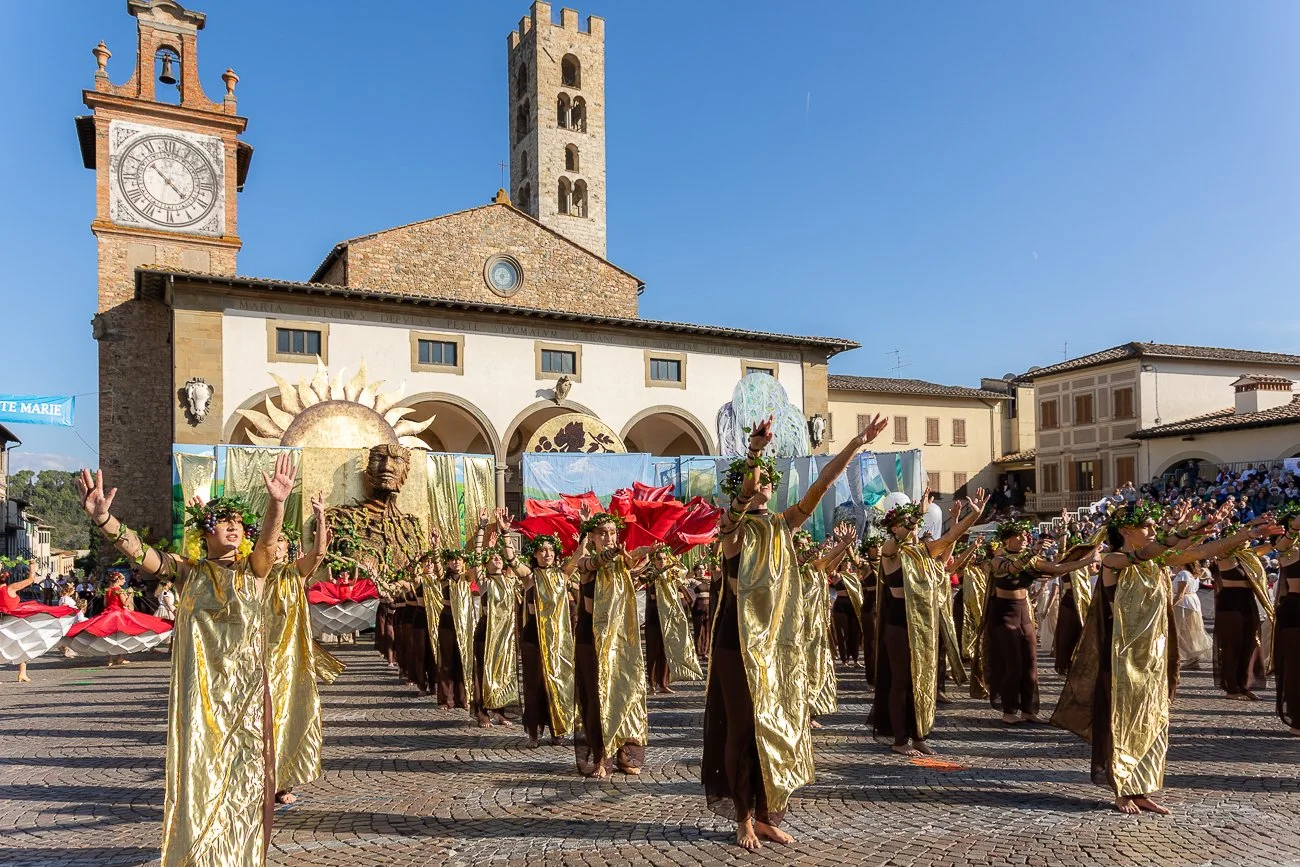
In Impruneta, just outside Florence, the Festa dell'Uva celebrates its 100th anniversary in 2026. First held in 1926, the festival has grown into a month-long celebration of local identity, culminating on 27 September with a large parade and performance in Piazza Buondelmonti.
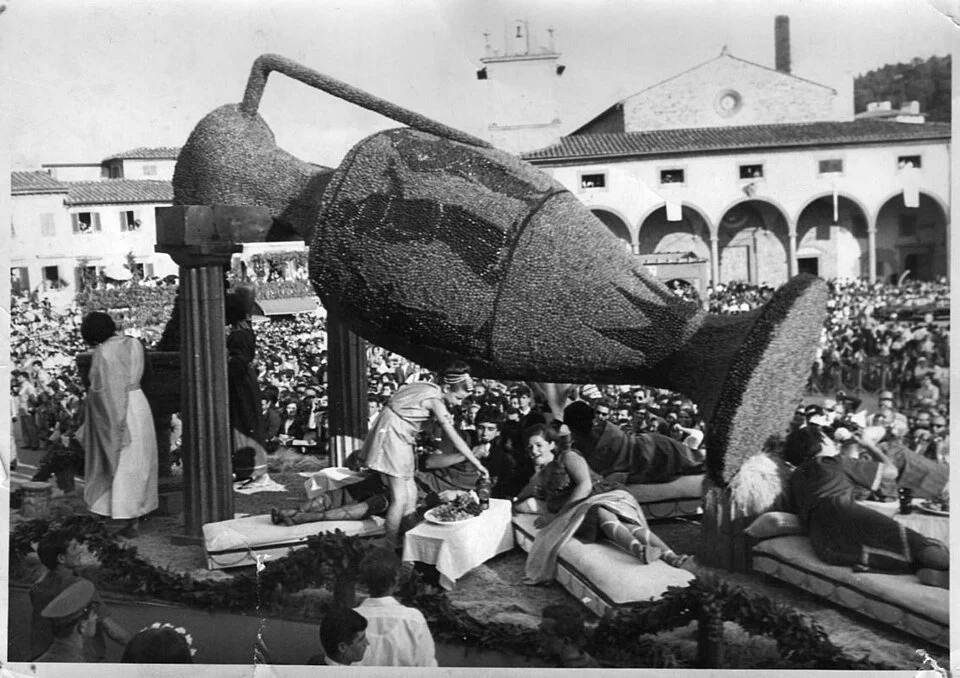
Festa Dell’Uva in 1960s. Source: wikiCommons
Source: Courtesy of Festa Dell’Uva Impruneta
More than a wine tasting event, the festival turns the grape harvest into theatre. The town's historic districts prepare elaborate displays, performances and decorations centred on wine and local tradition.
It is also a reminder that the vendemmia in Italy is much more than an agricultural deadline. In many wine-producing towns, harvest still acts as a marker in the social calendar: families return to vineyards, seasonal menus appear, and wineries shift from the measured rhythm of tastings to the urgency of production.
For visitors, the pleasure lies in being close to the process. Tractors move between the vines, crates accumulate outside cellars and the smell of crushed grapes joins the familiar scents of olive groves and late summer heat.
Saint-Émilion: when the harvest begins with a proclamation
In Saint-Émilion, harvest season comes with considerably more ceremony.
The Jurade de Saint-Émilion still begins with a ceremony rooted in more than 800 years. Dated back to 1199, when it was entrusted with overseeing the quality of local wines and formally declaring when the harvest could begin. Today, its September Ban des Vendanges preserves that ritual symbolically: around a hundred Jurats in scarlet robes process through the medieval village before the start of the new harvest is proclaimed.
The setting could hardly be more theatrical. Members of the Jurade process through the medieval village before the harvest proclamation is made from the Tour du Roy. Surrounded by limestone buildings, underground cellars and some of the world's best-known wine estates, Saint-Émilion transforms wine production into ritual.
The Douro: wine made on the landscape
In Portugal's Douro Valley, the harvest is inseparable from geography.
Vines climb steep terraces above the river, creating one of Europe's most recognisable wine landscapes. In September, those terraces become intensely active as grapes destined for Douro wines and Port are collected and transported to the region's quintas.
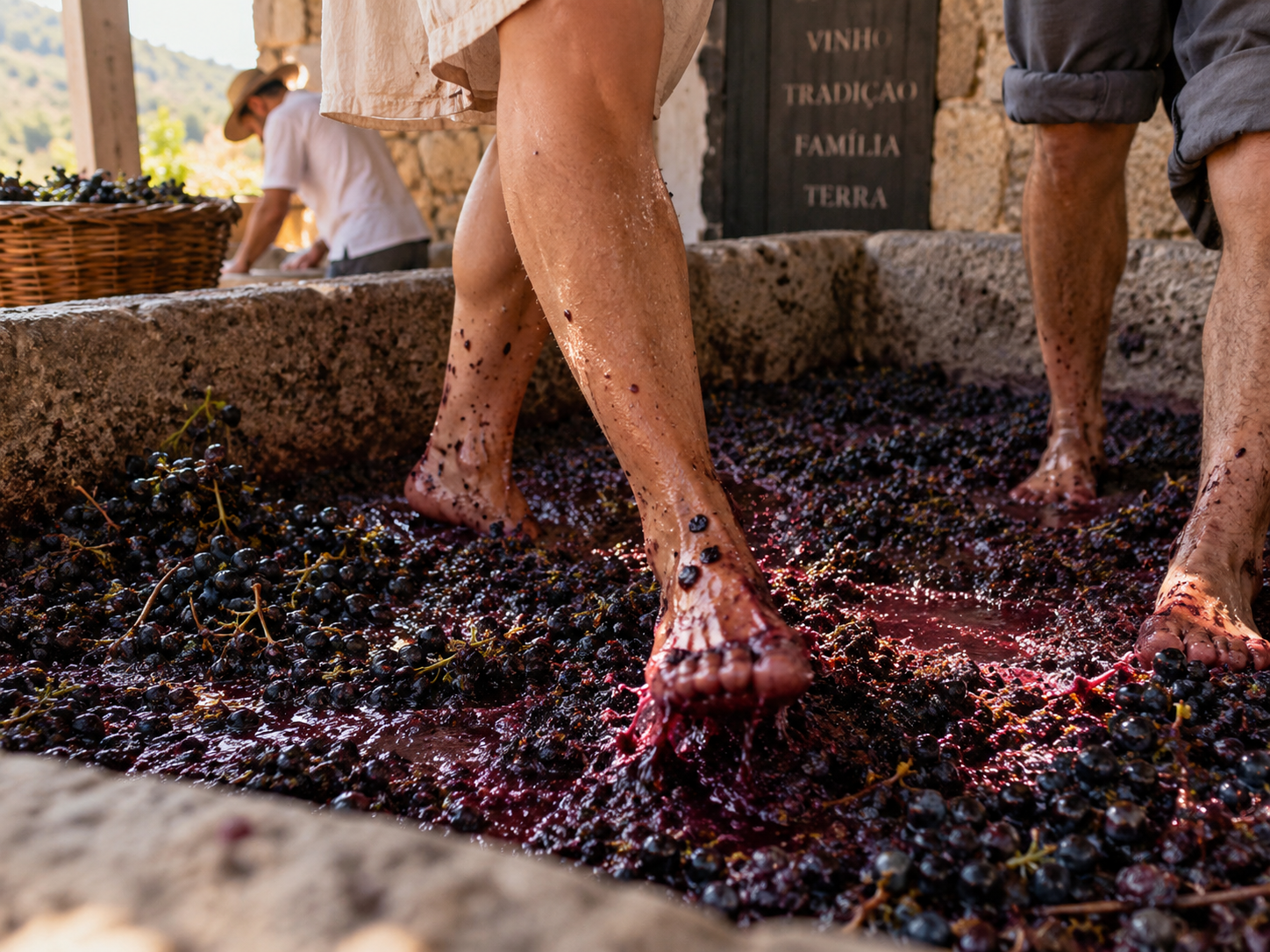
The harvest here also maintains one of wine's most tactile traditions: grape treading.
Source: Image created by AI agent, 17 of September 2026
Some estates continue to use granite lagares, where grapes are crushed underfoot, while many wineries combine these traditional methods with modern production. Visitors during harvest season can sometimes participate in picking, communal meals and lagaradas, turning what would otherwise be a conventional winery visit into something far more immersive.
Bad Dürkheim: when wine country becomes a festival
Not every harvest celebration is quiet or contemplative. In Germany's Palatinate region, Bad Dürkheim hosts the Dürkheimer Wurstmarkt, described by the town itself as the world's largest wine festival.
The event, which reaches its 610th edition in 2026, takes place over two long weekends in September and combines regional wines with food, music, fairground rides and traditional festival culture. But its name (which literally means "sausage market") gives some indication that this is not a solemn tasting affair.
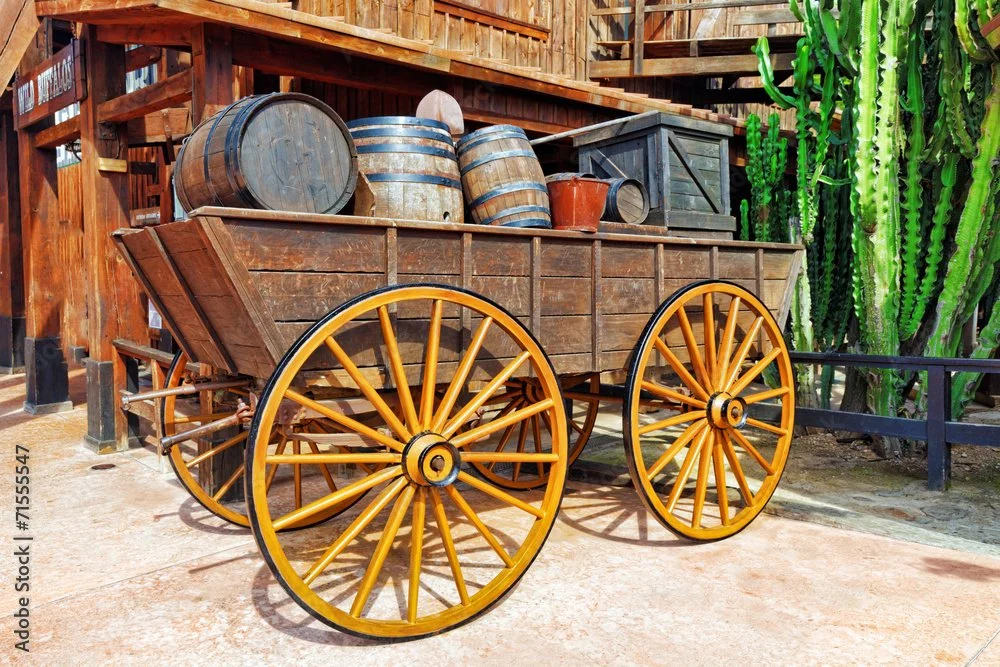
One of its most distinctive traditions is the Schubkarchstände, communal wine stalls where visitors sit close together on narrow wooden benches. Their name recalls the time when winemakers transported barrels to the festival grounds on wheelbarrows before turning the carts over and using them as makeshift serving stands. Thirty-six of these traditional stalls still appear at the festival today.
Source: Getty Images
Georgia: harvest as hospitality
Travel farther east and harvest season becomes even more closely connected to family and ritual. In Georgia, the grape harvest is known as Rtveli.
Rather than one single festival, Rtveli is a season of picking, winemaking, meals and celebrations that takes place across the country's wine regions, particularly Kakheti.
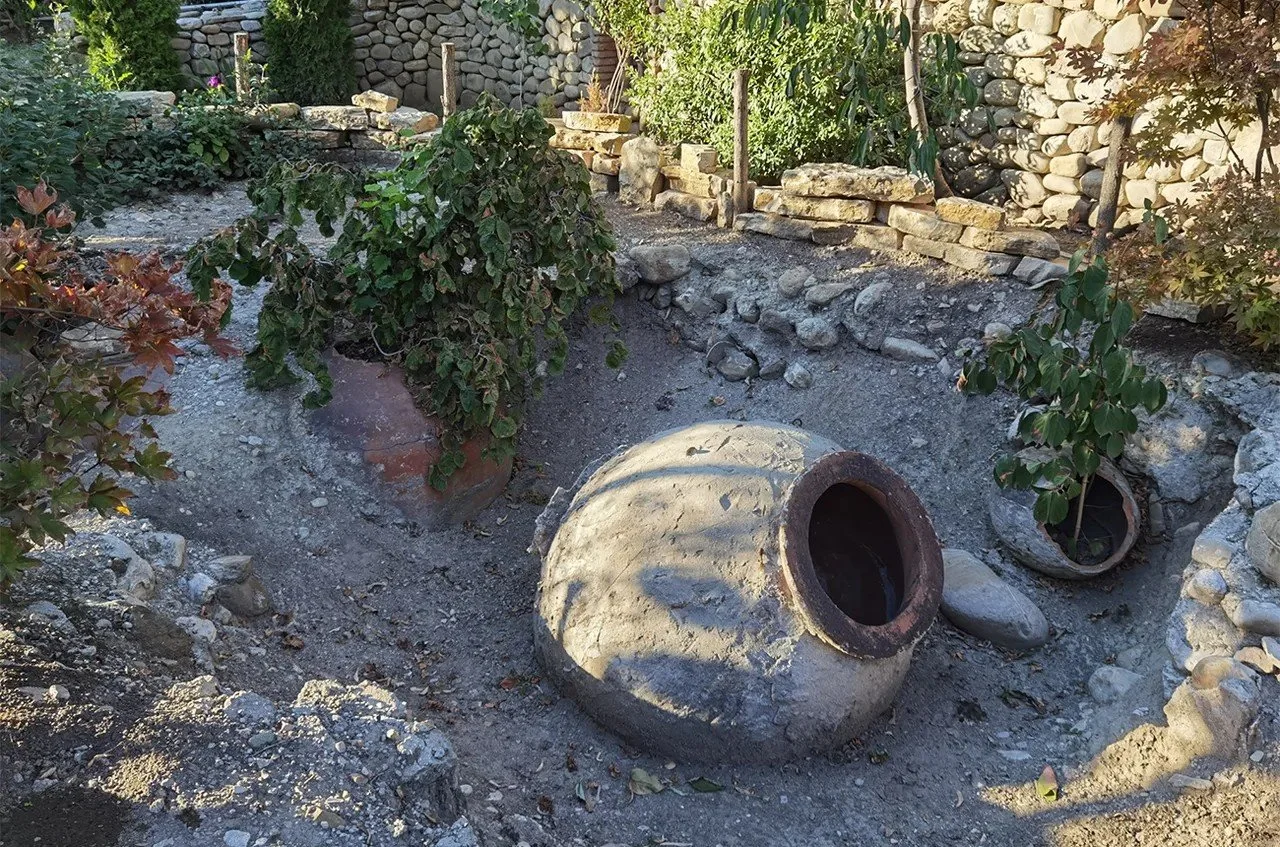
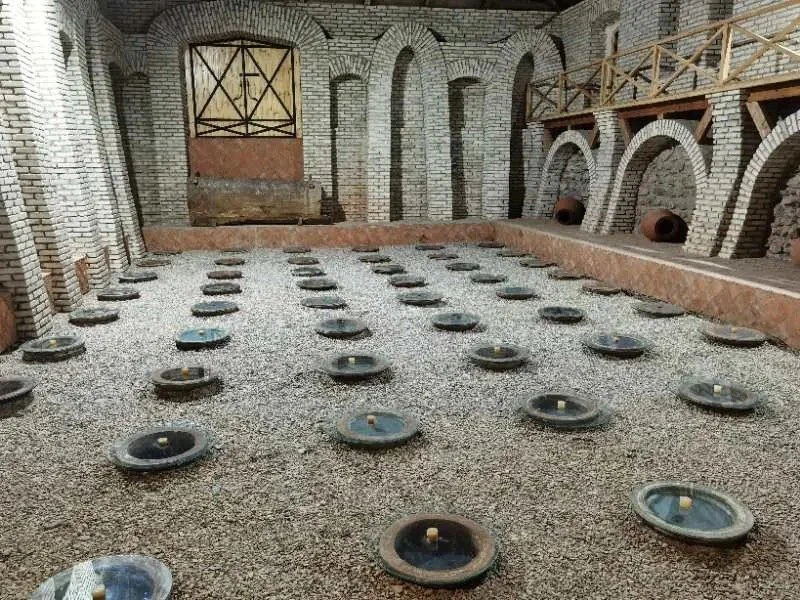
Its tradition involves not only harvesting but preparation of qvevri , large clay vessels used for fermentation. Alongside food, songs and the supra, the elaborate Georgian feast.
Source: Courtesy of Sylvia Wu
Its qvevri winemaking tradition stretches back thousands of years. The day can begin among the vines, continue with grape pressing and end around a table filled with food, wine and toasts. Rather than observing wine production from a tasting room, visitors encounter it as part of domestic and community life, in a more intimate way to experience wine season.
Why September feels different
Wine regions can be visited at any time of year. But September allows travellers to see what all those landscapes are ultimately for.
The vineyards are no longer simply scenery: Winemakers move between fields and fermentation tanks. Restaurants adjust their menus to the season. Villages host celebrations whose origins often long predate modern wine tourism.
Wine becomes less an object and more a process, shaped by labour, tradition and time. There’s something special about travelling through wine regions during harvest: the past and future of wine exist side by side. A producer can pour a bottle that has spent years ageing while, elsewhere on the estate, this year's grapes have only just arrived.