Autumn in London:
The exhibitions, festivals and cultural events filling the city before Christmas takes over.
Source: Getty Images
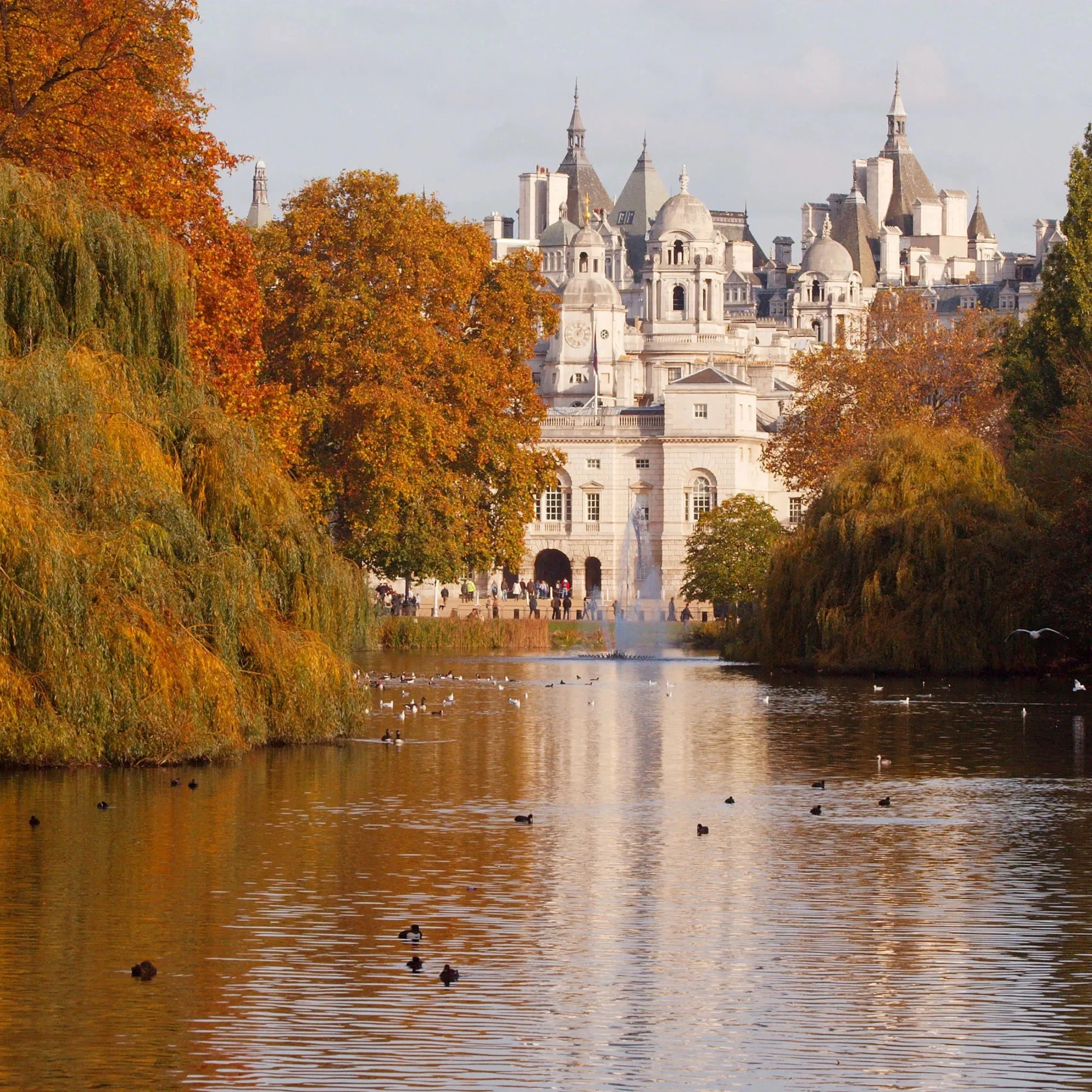
There is a moment in London when summer has clearly ended, Christmas has not begun yet, and the city turn its attention indoors.
The parks are changing colour, evenings arrive earlier and terraces slowly give way to galleries, cinemas, theatres and concert halls. Before the Christmas lights take over Oxford Street and festive markets begin appearing across the capital, October and November offer something quieter and, maybe, more interesting: London at the height of its cultural season.
This year, that short window is particularly crowded.
From major art fairs and film premieres to Impressionism, literature and jazz, the coming weeks make a good argument for resisting the temptation to treat autumn merely as the waiting room before Christmas.
Cinema takes over the city
October begins with one of London's largest cultural events.
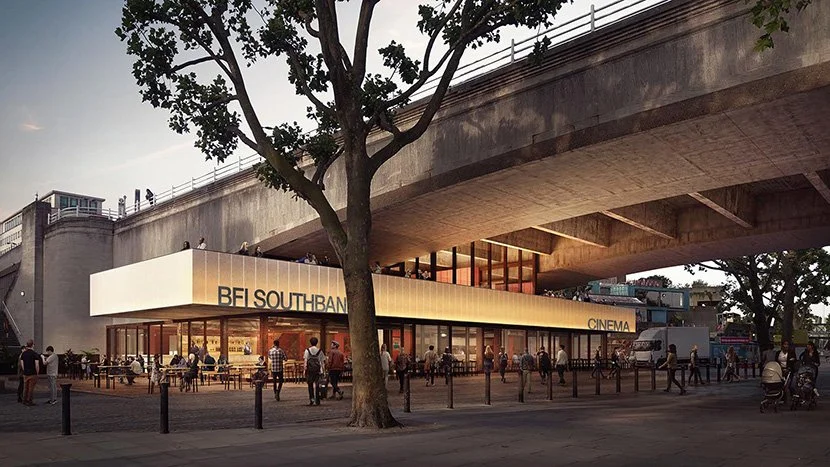
The BFI London Film Festival returns for its 70th edition, bringing screenings, premieres and conversations to venues across the capital. The festival has become far more than a gathering for the film industry: for just over a week, London itself becomes part of the programme, with audiences moving between cinemas and cultural venues across the city.
Autumn in London has always suited the cinema. Darker evenings make the ritual of disappearing into a screening room somehow more sympathetic, while the festival offers the chance to see films long before their wider release.
And then there is the simple pleasure of emerging from a cinema into a London evening in October, when the streets are cold enough to feel different, but not yet dominated by Christmas crowds.
Source: BFI Riverfront
Art week arrives in Regent's Park
A week later, London changes gears. From 14 to 18 October, Frieze London and Frieze Masters return to Regent's Park, bringing almost 300 galleries from 48 countries and regions to the capital. Frieze London concentrates on contemporary practice and living artists, while Frieze Masters places historical work in conversation with the present.
During Frieze week, exhibitions, gallery openings, dinners and events spread across London, making the city feel temporarily organised around art. Even without entering the main fairs, Frieze Sculpture turns Regent's Park itself into an open-air exhibition.
It is one of those London events where the atmosphere extends well beyond the ticketed programme. For a few days, art becomes part of how the city socialises.
Renoir comes to Trafalgar Square
Elsewhere, autumn brings something more intimate.
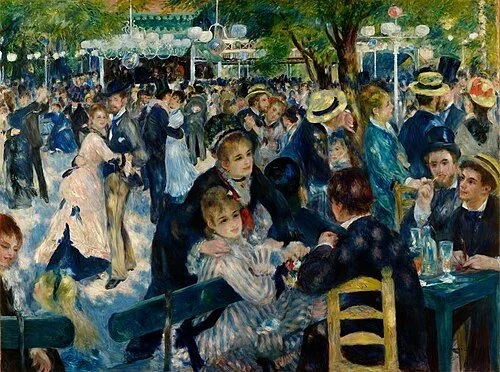
At the National Gallery, Renoir and Love opened on 3 October and runs until 31 January. Bringing together 45 works, it is the most significant exhibition devoted to Renoir in the UK for two decades. Among them is Dance at the Moulin de la Galette, shown in Britain for the first time.
Source: Getty Images
The exhibition looks at affection in its many forms: flirtation, friendship, courtship, family life and the sociability of cafés and theatres, which makes it particularly suited to London in autumn. Renoir's world is one of conversation, gathering and shared spaces precisely the things the city returns to as outdoor life begins to retreat.
From 23 October, the National Gallery will also offer Friday evening admission to the exhibition on a pay-what-you-wish basis.
It gives the exhibition a different possibility altogether: Renoir after work, followed by dinner somewhere around Soho, Covent Garden or Chinatown. Sometimes the best cultural plans in London are the ones that occupy only part of an evening.
Then comes literature
By late October, attention shifts towards the South Bank.
The London Literature Festival runs from 24 October to 2 November, extending London's autumn calendar into conversations, readings and performances just as the evenings become noticeably darker.
As Autumn encourages lingering, there is something particularly fitting about literary festivals at this time of year
The South Bank itself changes character as the season progresses: fewer people sprawling along the river, more moving between the National Theatre, Hayward Gallery, BFI and Royal Festival Hall.
The destination is no longer simply London outdoors: it is London as a collection of rooms.
November finds its soundtrack
And before Christmas fully arrives, November offers one final major cultural takeover.
From 13 to 22 November, the EFG London Jazz Festival spreads across dozens of venues including the Barbican, Southbank Centre, Ronnie Scott's, Royal Albert Hall, Jazz Cafe, Union Chapel and smaller clubs throughout the city.

Courtesy of EFG London Jazz Festival
Unlike an event confined to one venue, the festival encourages another kind of London exploration. One evening might mean a grand concert hall; another, a small jazz club hidden behind an ordinary street frontage.
London's cultural identity has never depended solely on its great institutions. It is built just as much through neighbourhood venues, independent cinemas, small theatres, galleries and rooms where a few hundred people gather for something they may never see performed in quite the same way again.
The season before the season
By late November, London begins changing again. Christmas lights come on, ice rinks appear, Christmas markets open. Shop windows transform, and an entirely different version of the city begins competing for attention.
But there is something worth noticing about the weeks that come immediately before it.
It is a season of going somewhere deliberately: choosing an exhibition, booking a film, entering a gallery, listening to music, meeting someone after work and discovering that the evening has become an occasion.
This why October and early November suit London so well. Sometimes all it needs is an earlier sunset, a full cultural calendar and somewhere worth going once the lights come on.

Source: Own archive