Copacabana Palace unveils a new chapter for its Pool Wing in Rio de Janeiro
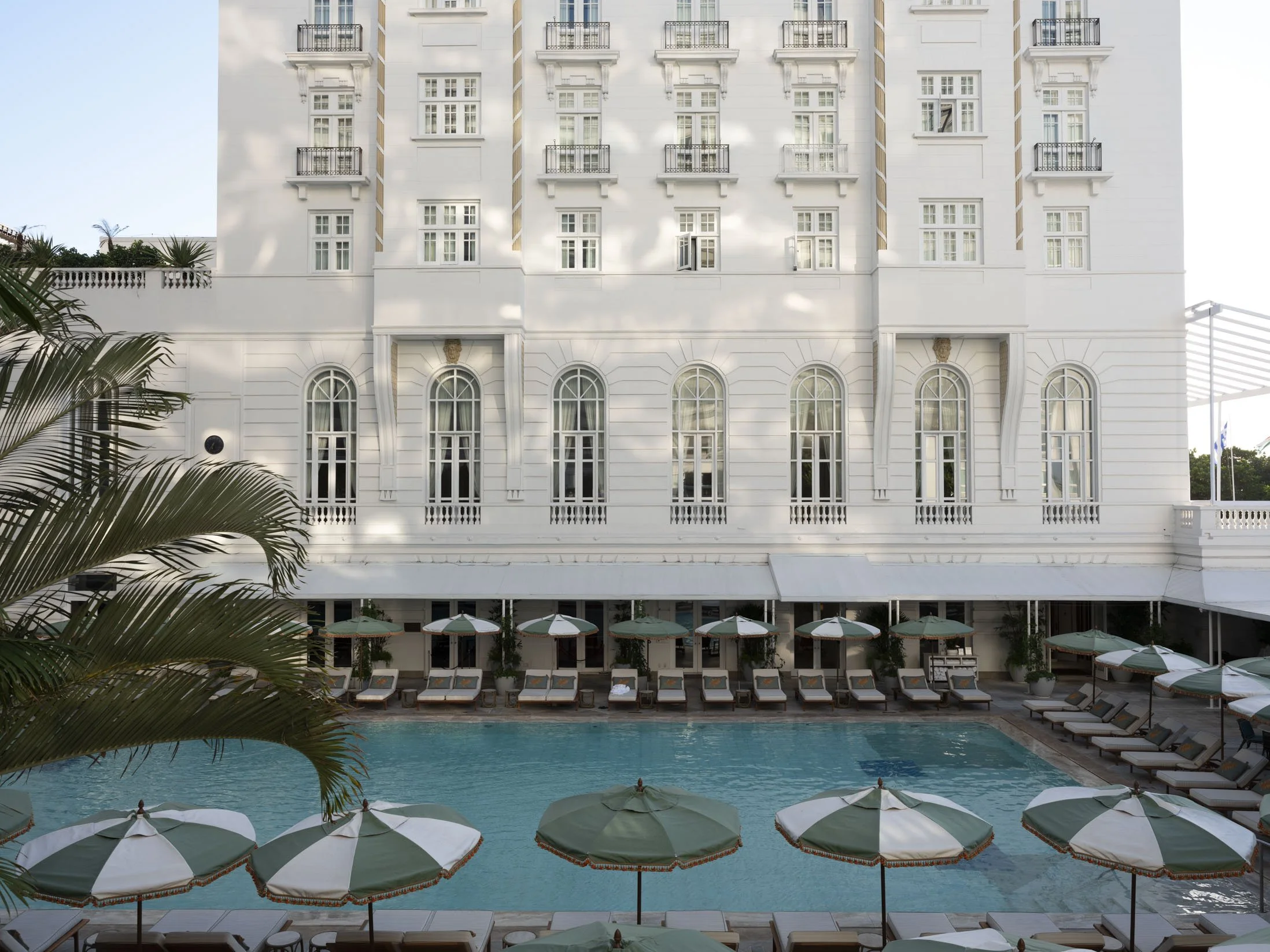
Few hotels in the world have such an intimate relationship with the identity of a city as Copacabana Palace has with Rio de Janeiro.
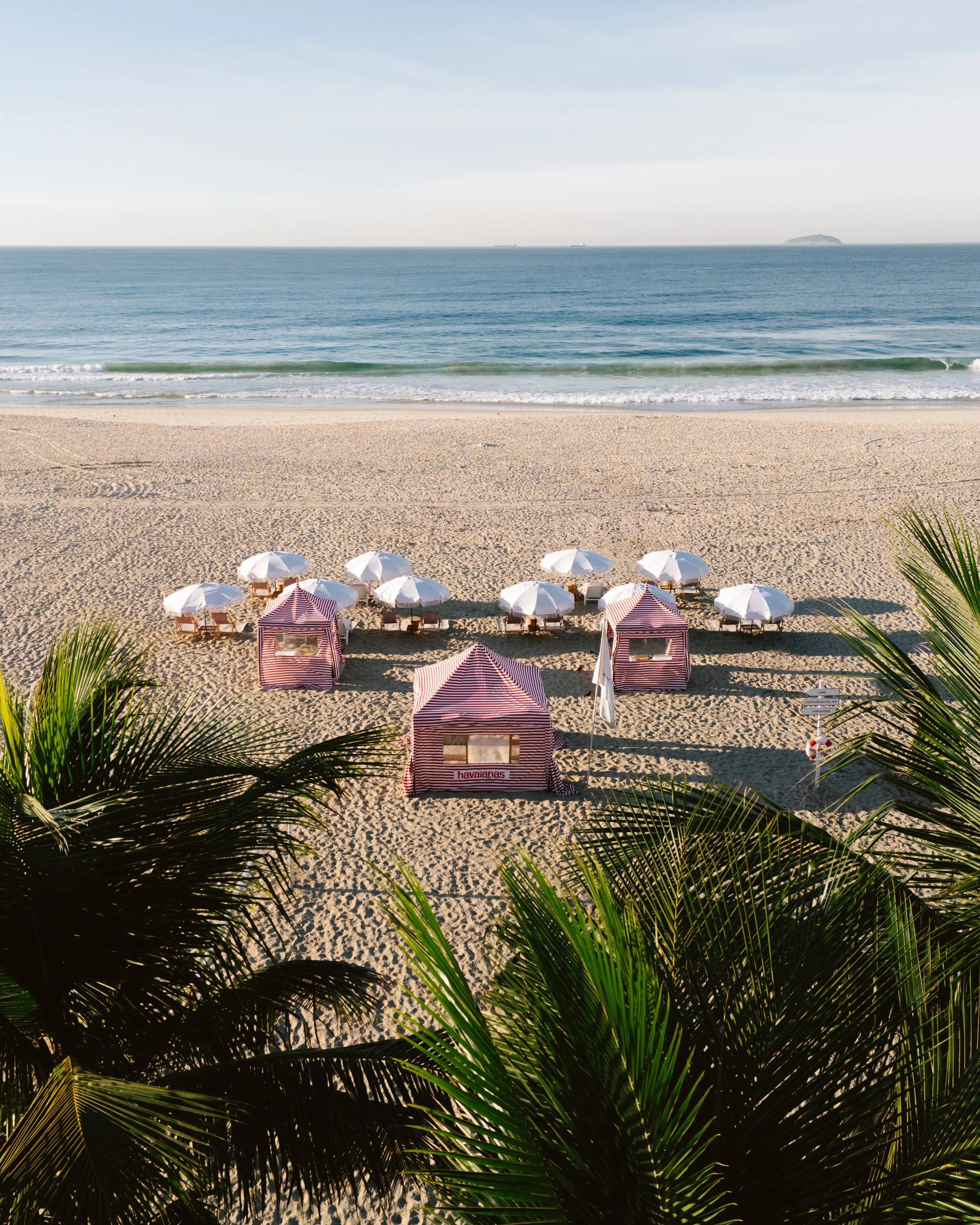
Facing Copacabana Beach, one of Brazil’s most recognisable landmarks, the hotel has spent more than a century woven into the social, cultural and cosmopolitan history of the city. For those who know Rio, the Copa needs little introduction. For those who do not, it is perhaps one of the best places to begin to understand the fascination the city inspires.
There is something very particular about walking into Copacabana Palace. Every time I return, I feel the same sense of excitement. It may be the architecture, the history, the location, the movement through its rooms, or simply that atmosphere that is almost impossible to replicate elsewhere. Whatever it is, the Copa has presence.
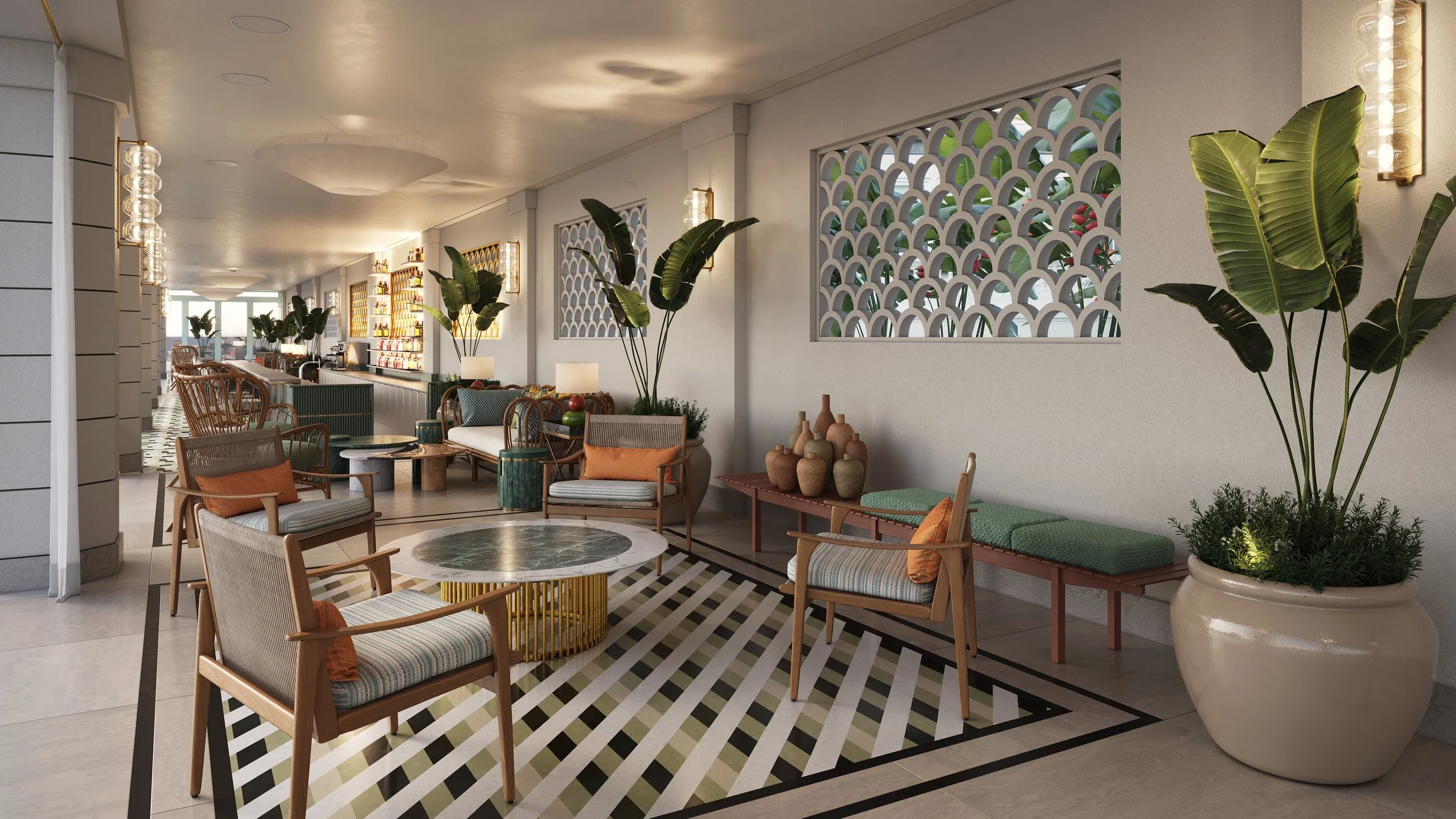
I was at the hotel during Carnival and already knew that the pool area was undergoing a major renovation. Since then, I have been curious to see what would come from reimagining one of the most emblematic spaces in the property.
That new chapter is now almost ready to be revealed.
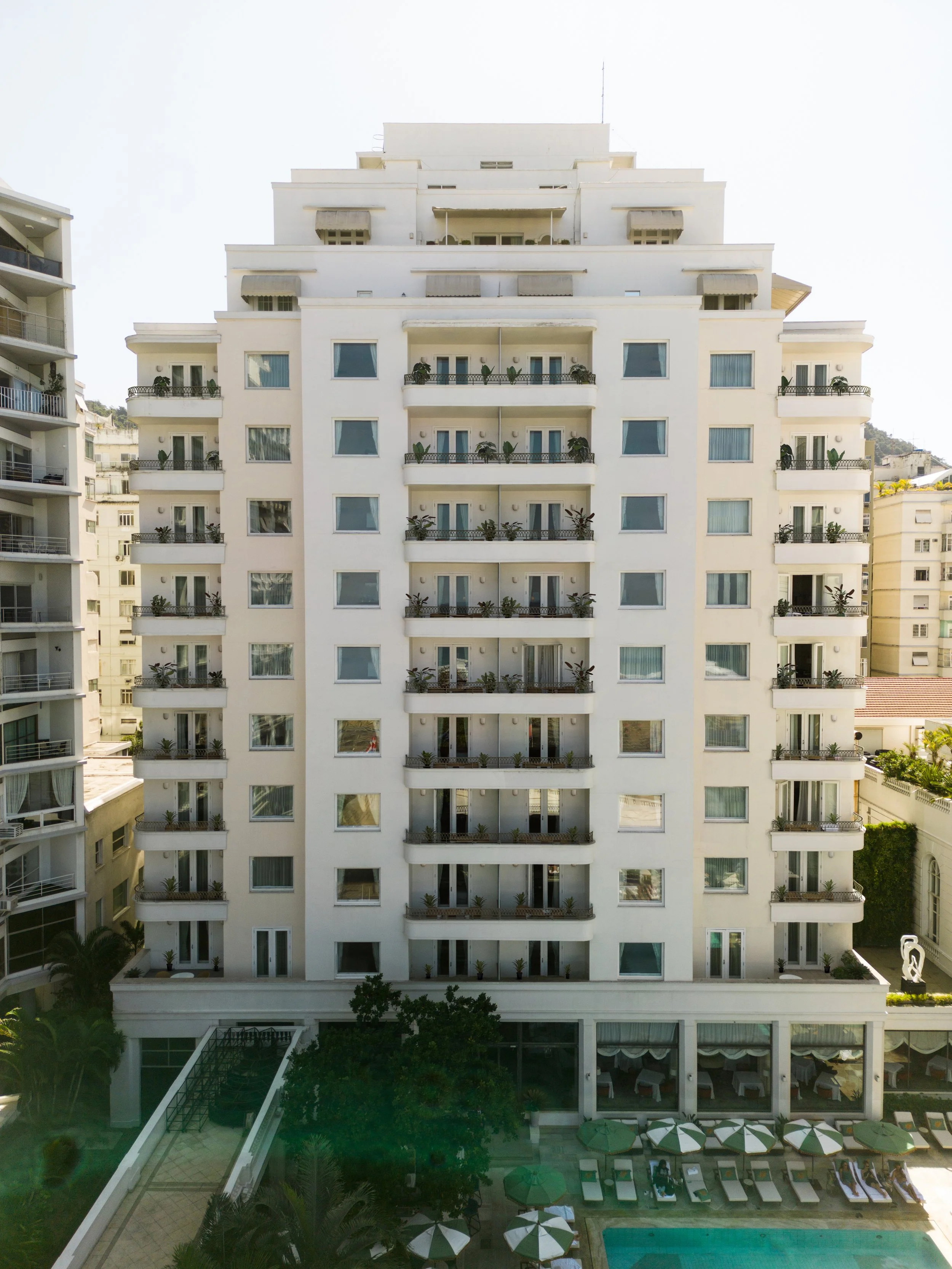
In November 2026, following 19 months of work, Copacabana Palace will unveil the renewed Pool Wing and redesigned pool area, with new suites, a bar, an Italian restaurant, a boutique dedicated to Brazilian craftsmanship and five floors devoted to wellness.
But it is impossible to speak about this renovation without speaking about the pool itself.
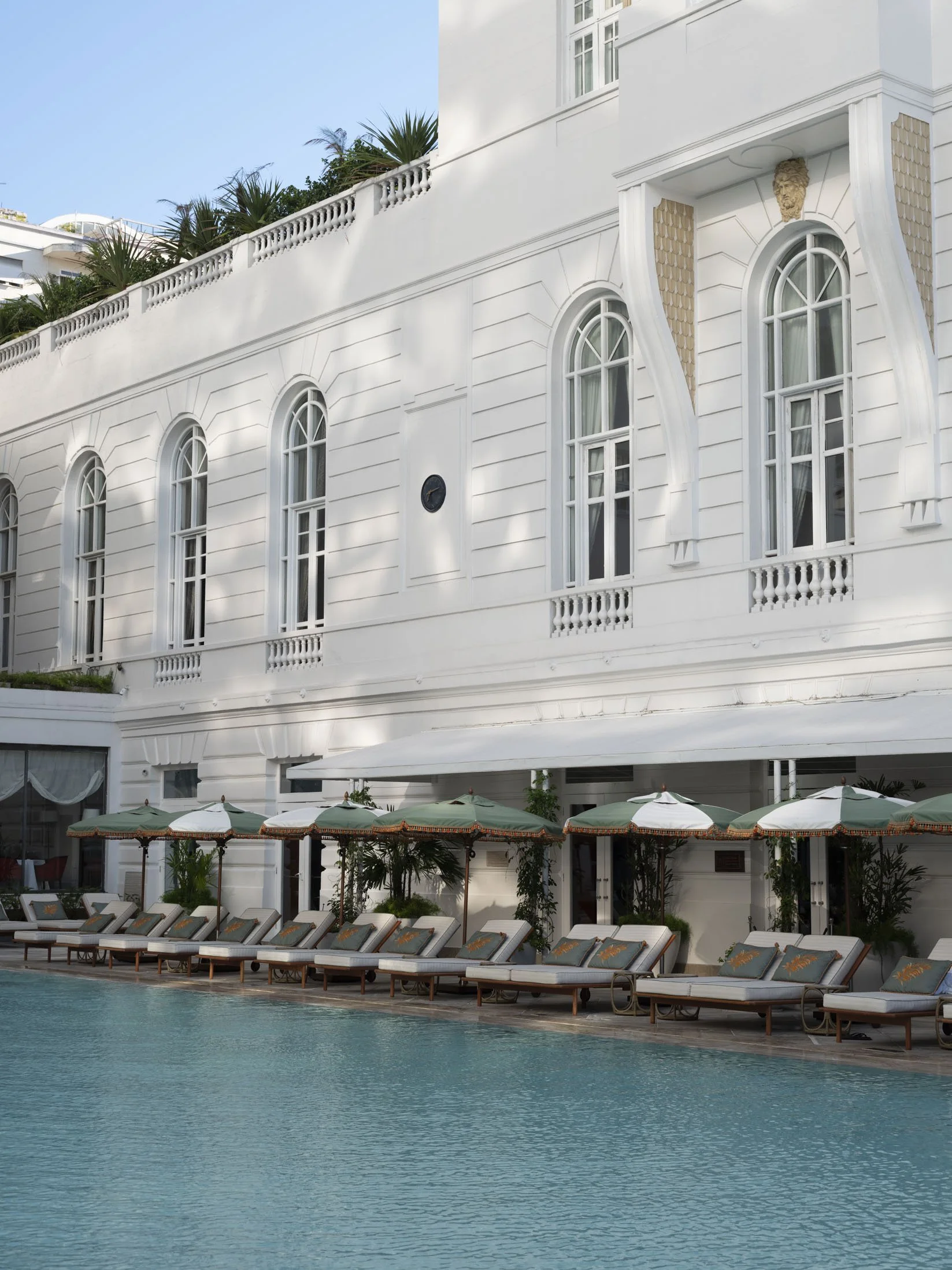
It is part of the history of the hotel and, in many ways, part of the history of Rio. Princess Diana swam there. Orson Welles and Marlene Dietrich are also part of the stories attached to that terrace.
Copacabana Palace has always had this extraordinary ability to bring together remarkable people from completely different eras. Albert Einstein stayed there. Josephine Baker danced in its salons. Brigitte Bardot sunbathed on the terrace. Ella Fitzgerald sang beneath its chandeliers.
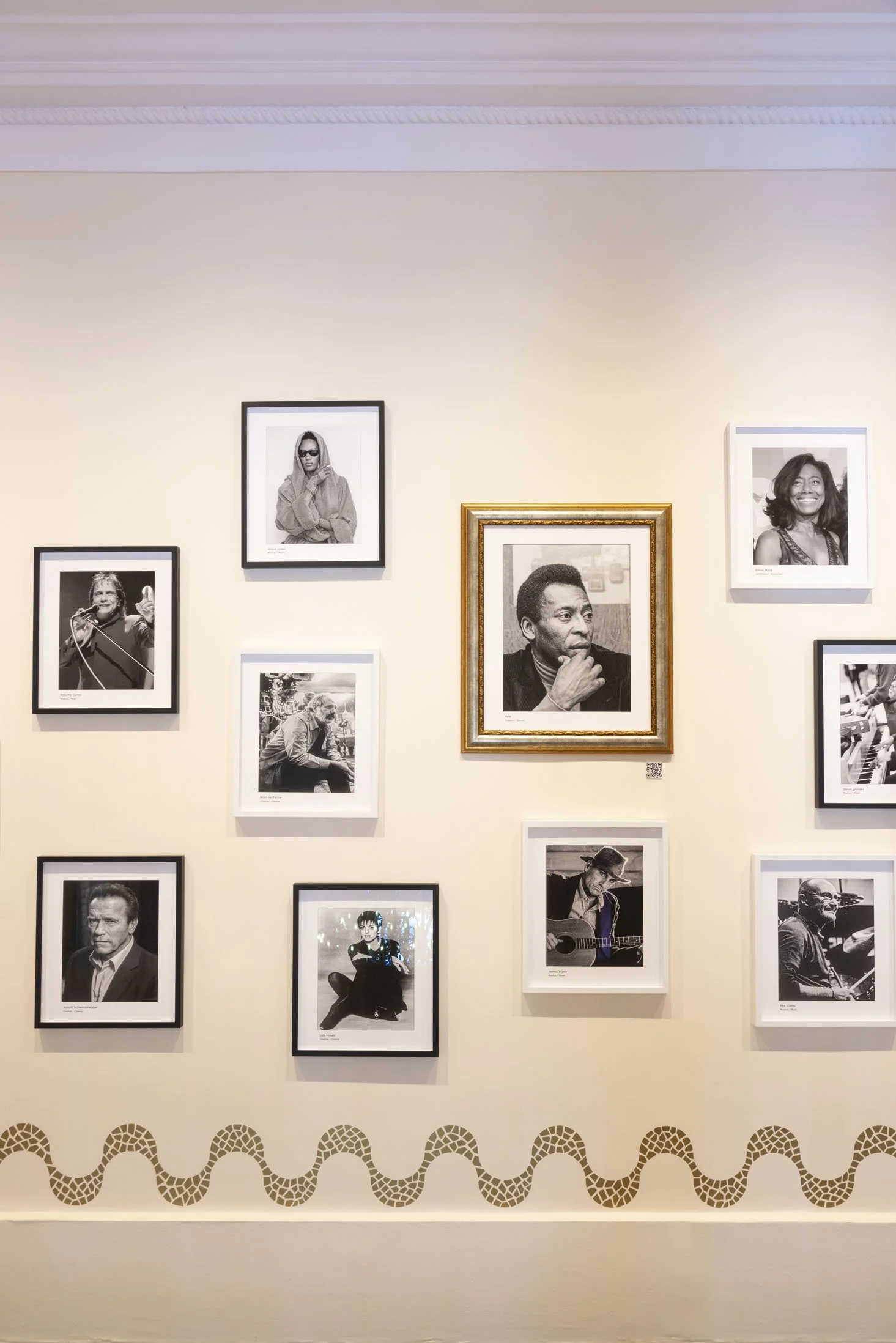
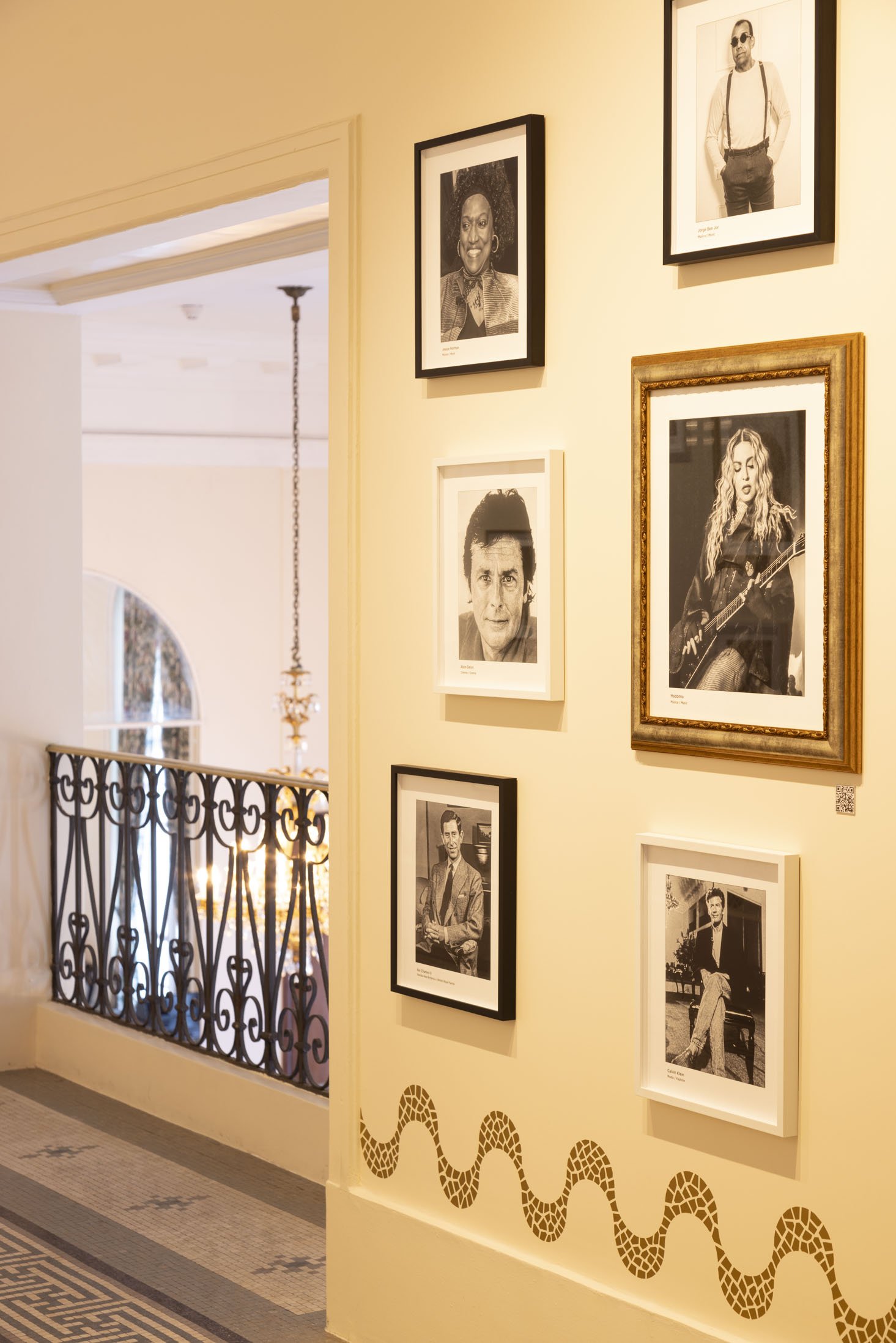
And perhaps that is exactly what makes the hotel feel like more than a luxury address.
There is a collective memory attached to the Copa. It forms part of the image the world has built of Rio over decades: glamour, music, beach life, grand celebrations, international personalities and a city that has always known how to combine sophistication with spontaneity.
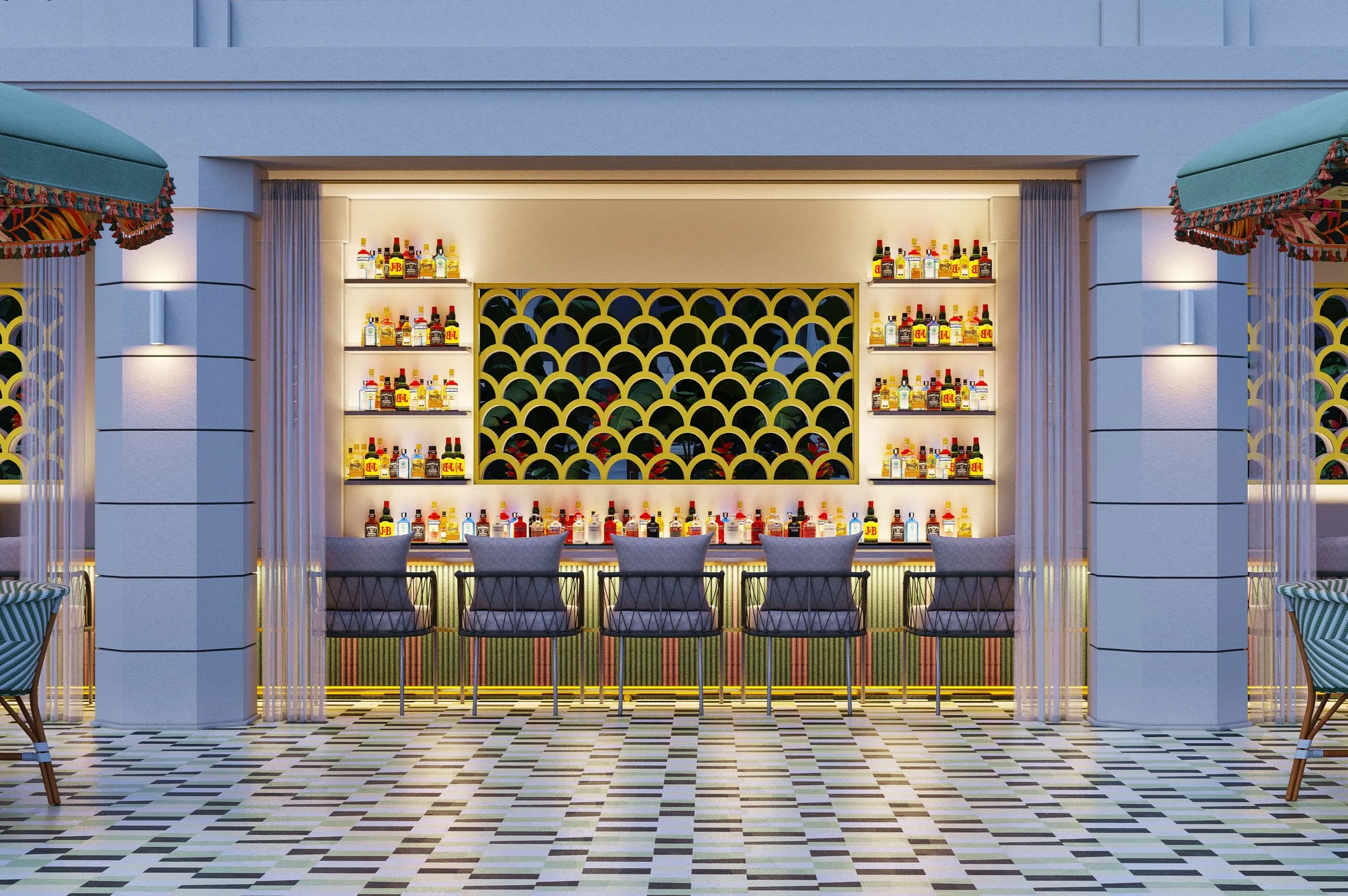
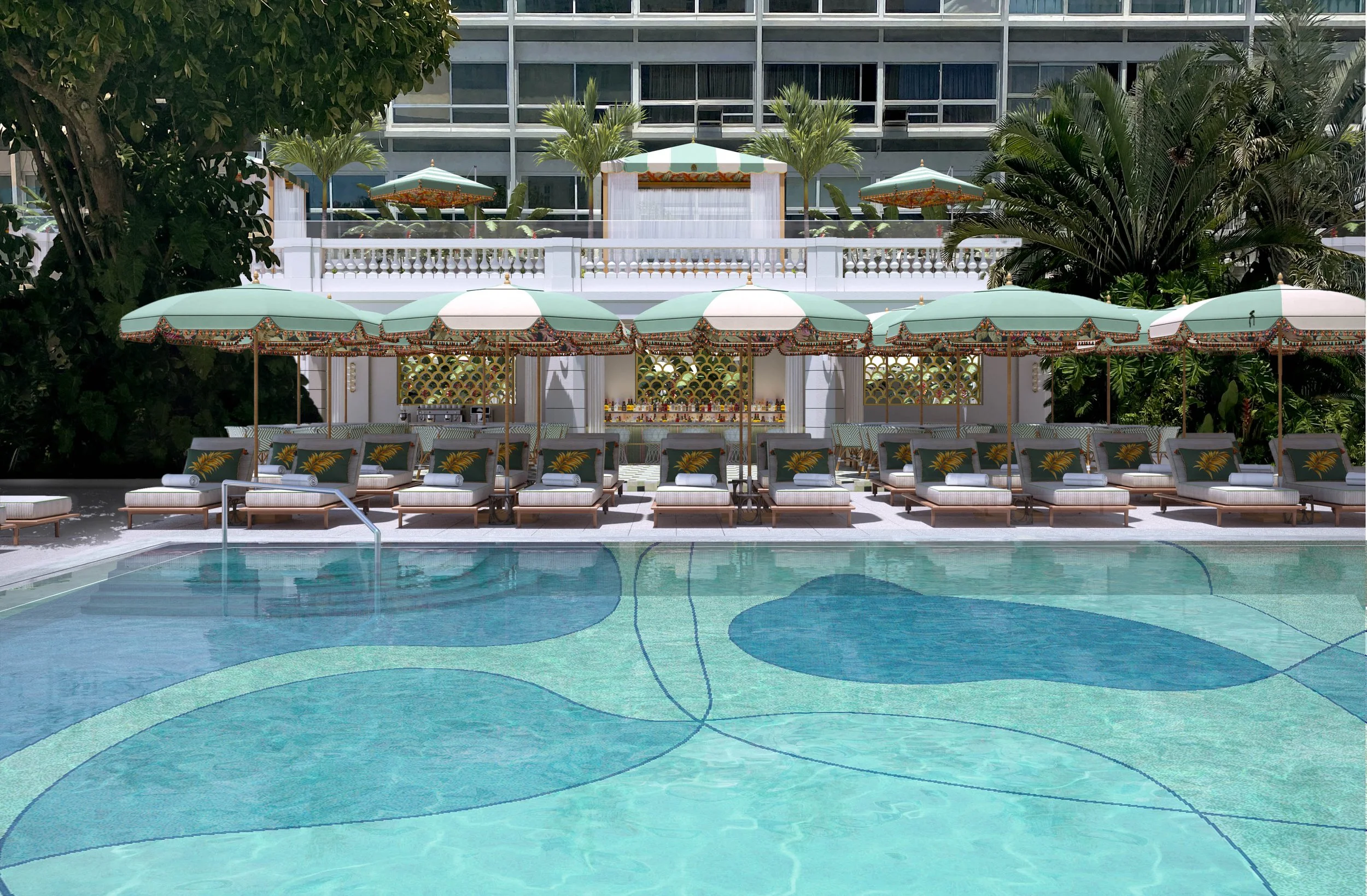
The renewed pool now features a design inspired by the movement of the ocean directly in front of the hotel. Beside it, the new Bar do Copa becomes part of the experience, with a focus on Brazilian cocktails and an atmosphere that changes throughout the day.
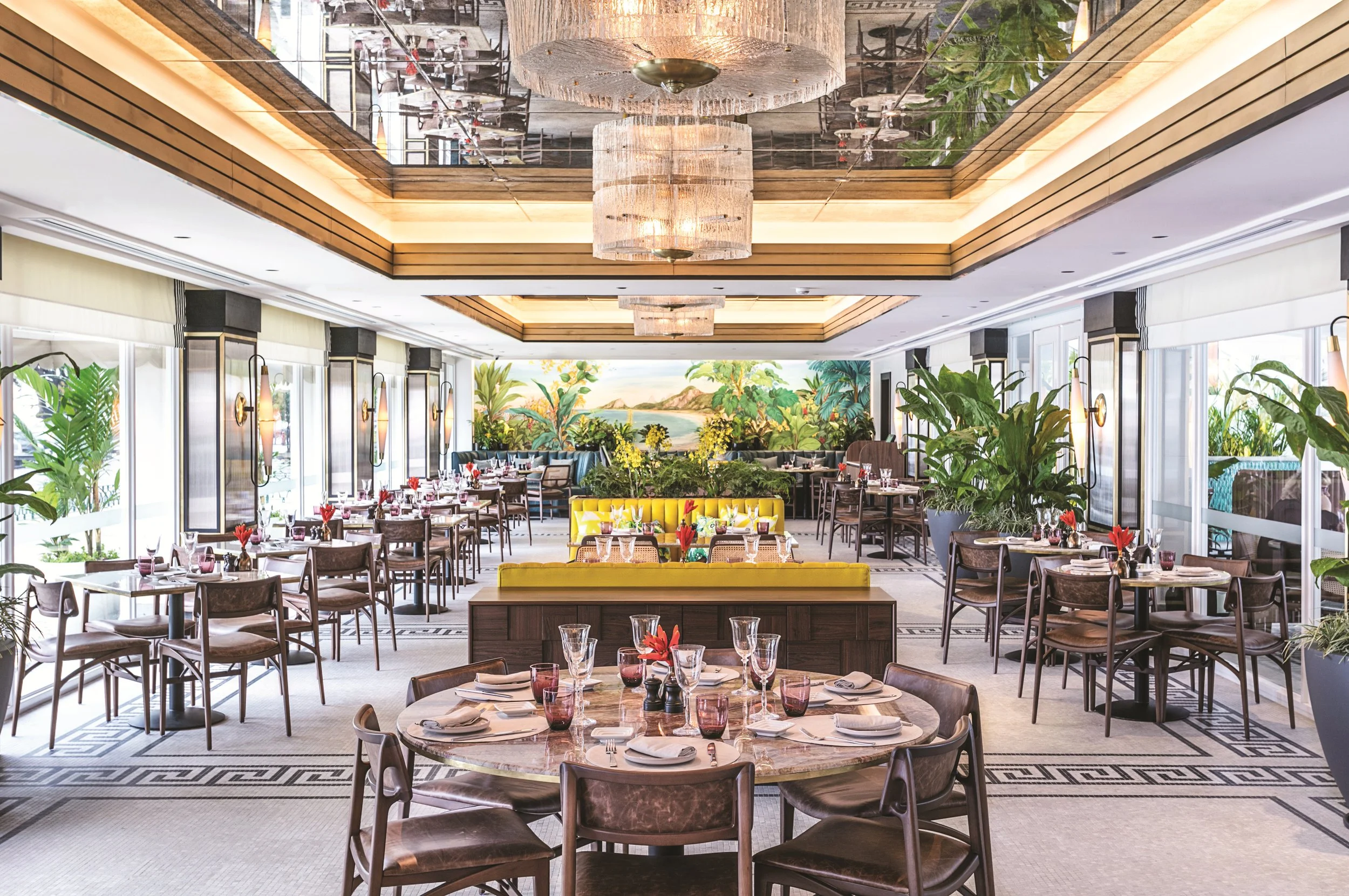
The Pool Wing itself also takes on a more distinctly Brazilian identity. The interiors incorporate native woods, stone from different regions of the country, Brazilian modernist furniture and work by Brazilian artisans.
This is the part that interests me most.
When a hotel with such international recognition chooses to look towards Brazil through its own design, materials and makers, the result can become far more than an aesthetic renovation. It becomes a more sophisticated way of presenting the country to the world.
And that is exactly what I want to experience the next time I am in Rio.
I want to return to the pool, discover the new Bar do Copa and see how this new chapter fits into a hotel that has already crossed a century without losing the qualities that made it so instantly recognisable.
In Rio de Janeiro, facing one of the most famous beaches in the world, Copacabana Palace continues to do what it has always done best: remain unmistakably Brazilian while belonging entirely to the international imagination.
Photos courtesy FSB. comunications consultancy