From Paris with Love: Rosewood Hong Kong Makes History as the World of Hospitality Meets in Paris for The 50 Best Hotels 2026
Credits: Courtesy of The 50 Best
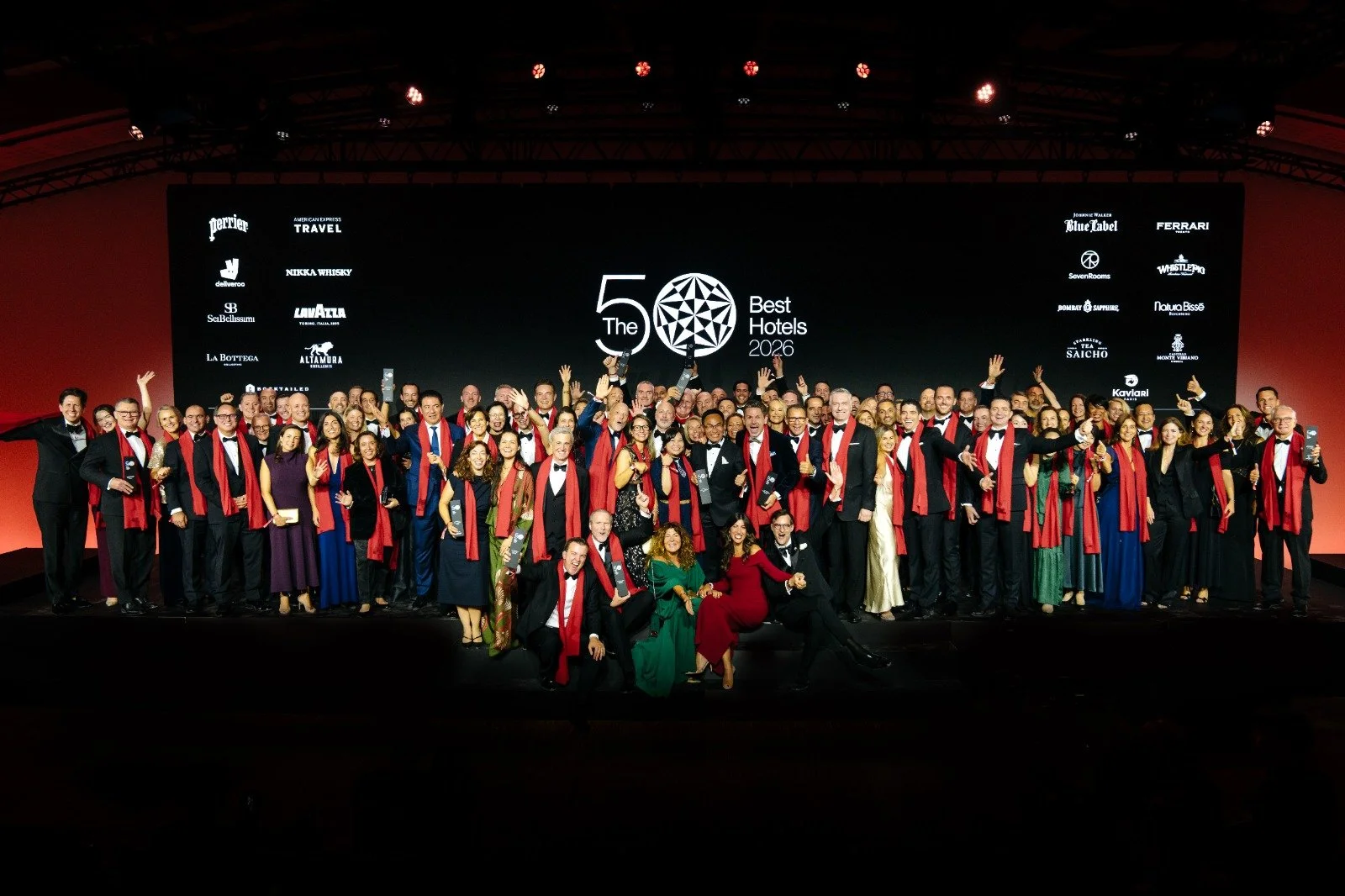
There are few cities where a celebration of hospitality feels quite as natural as Paris. A city built around rituals of arrival, dining, drinking and staying well, the French capital became the new home of The 50 Best Hotels on 15 September, when some of the most influential figures in international hospitality gathered at Les Salles du Carrousel for the unveiling of the 2026 ranking.
For me, there was also a sense of familiarity. This was my second consecutive year attending the ceremony on behalf of Avesso Magazine, but the first time experiencing the awards outside London. After three editions in the British capital, moving the event to Paris felt significant. The ranking is increasingly international, not only in the hotels it celebrates, but in the world it seeks to bring together. And by the end of the evening, one name remained above all others.
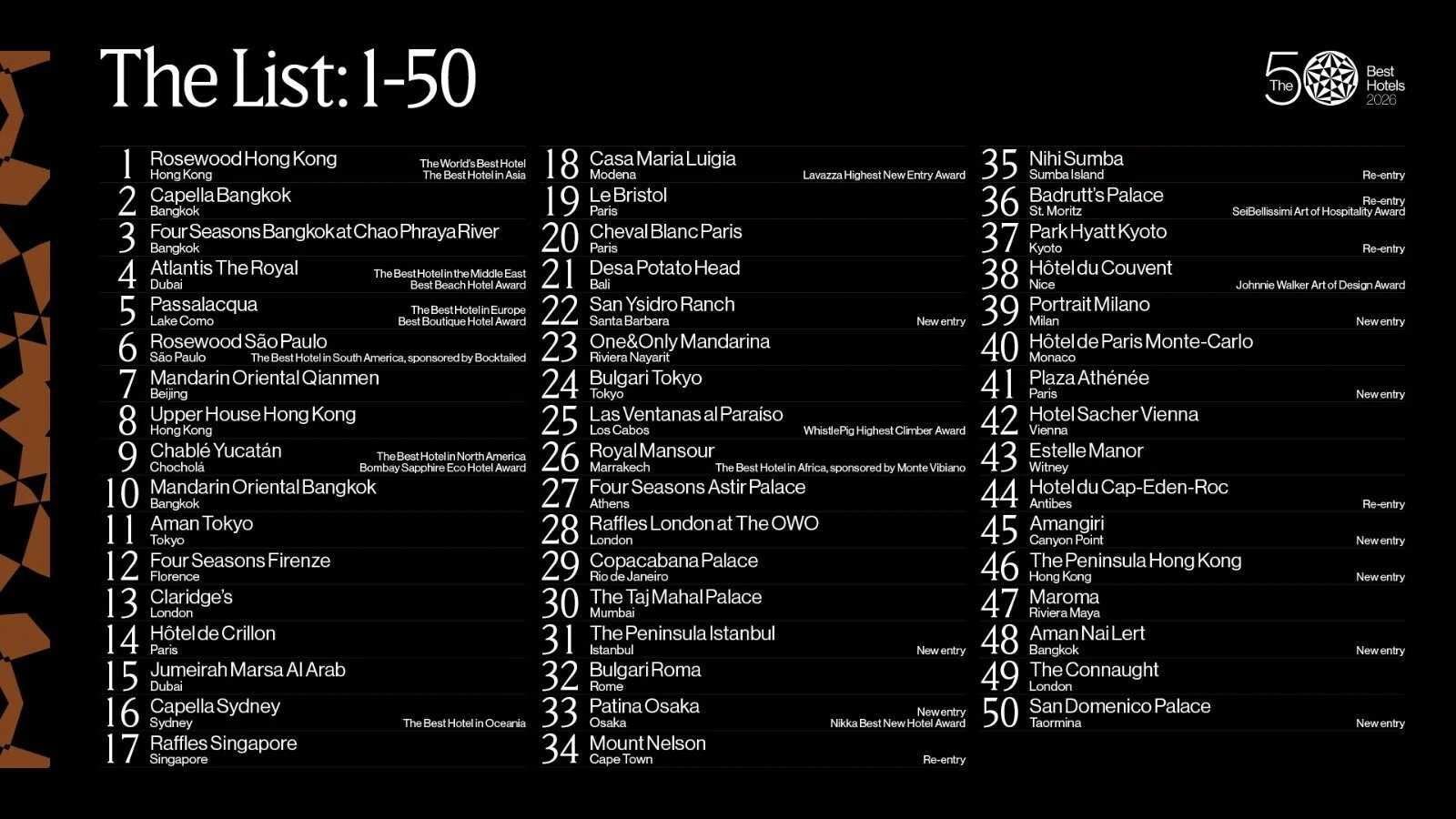
Rosewood Hong Kong was named No.1 in The 50 Best Hotels 2026, retaining the position it achieved last year and becoming the first property to be named The World’s Best Hotel twice. The result also secured its position as The Best Hotel in Asia.
Hong Kong holds onto the crown
Rising above Victoria Harbour, Rosewood Hong Kong has had a remarkably swift ascent since opening in 2019. The property reached No.3 in 2024 before taking No.1 in 2025. Its return to the top in 2026 suggests something more interesting than the simple repetition of a title. Maintaining a reputation can prove considerably more difficult than establishing one.
The hotel combines the scale of a major urban property with an approach to service more commonly associated with smaller hotels. Its tower houses more than 400 rooms and suites, alongside 11 restaurants and bars and its Asaya wellness concept. Interiors conceived by designer Tony Chi use art, objects and individual details to soften the scale of the building and create something closer to a private residence than a conventional skyscraper hotel.
Accepting the recognition in Paris, Rosewood Hong Kong Managing Director Hugo Montanari credited the achievement to the people behind the property and those who continue to visit it.
Credits: Courtesy of The 50 Best
That relationship between hotel and destination became one of the more interesting threads running through this year's ranking.
Asia at the top, Europe across the list
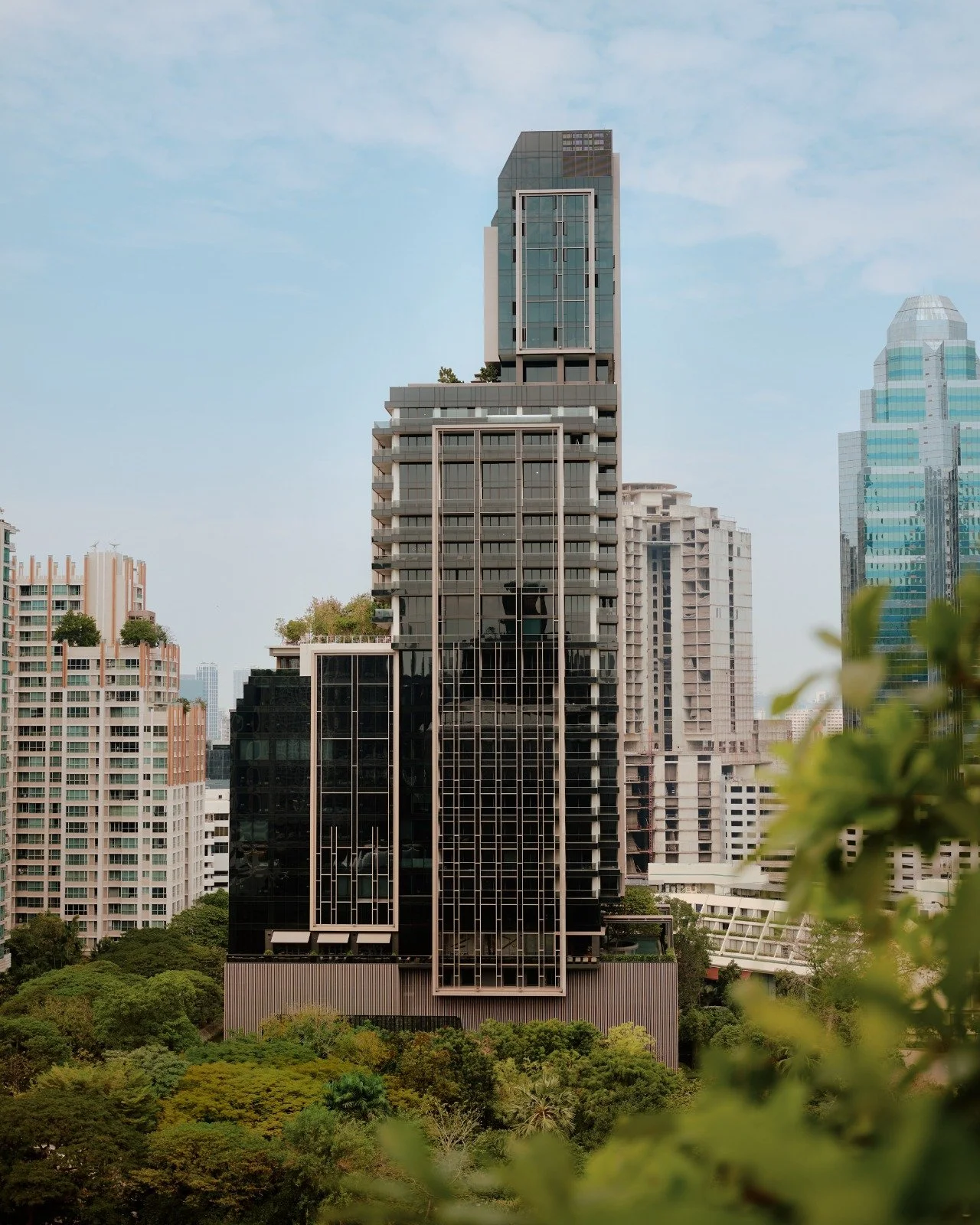
Rosewood Hong Kong may have retained the crown, but it was hardly alone in demonstrating Asia's influence on contemporary luxury hospitality. Capella Bangkok climbed to No.2, having been named No.1 in 2024, while Four Seasons Bangkok at Chao Phraya River reached No.3. Three Asian properties therefore occupy the first three positions. Bangkok alone has four hotels in the top 50, with Mandarin Oriental Bangkok at No.10 and newcomer Aman Nai Lert at No.48 joining the two properties in the top three.
Hong Kong also makes another appearance within the top ten through Upper House Hong Kong at No.8, while Mandarin Oriental Qianmen in Beijing reaches No.7. Yet geographically, Europe has the largest presence across the entire ranking. Twenty-one of the 50 hotels are European, compared with 18 in Asia. Passalacqua, overlooking Lake Como, is Europe's highest-ranked property at No.5 and was once again named The Best Boutique Hotel, an award it has now received for three consecutive years.
Credits: Aman Nai Lert. Courtesy of The 50 Best
The contrast is fascinating. Europe retains extraordinary depth when it comes to luxury hospitality, particularly through historic hotels, grand houses and properties deeply connected to place. Asia, meanwhile, occupies the very summit of the ranking with a concentration of contemporary hotels increasingly shaping expectations around service, wellness, design and the guest experience.
And then there is Paris
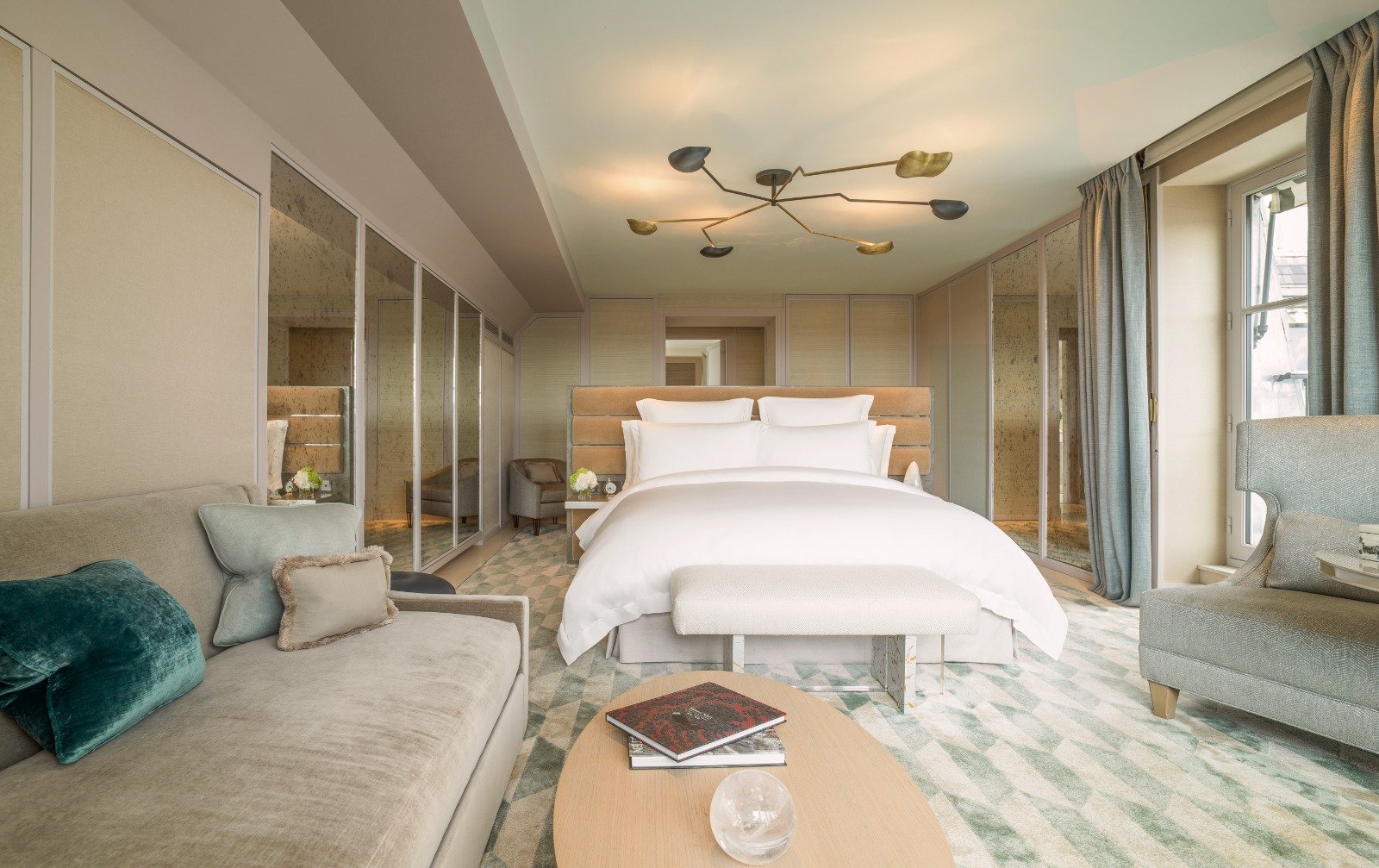
Hosting the ceremony in Paris created another interesting layer. The city was not simply the backdrop to the awards. It was one of their protagonists. Four Parisian properties entered the top 50: Hôtel de Crillon at No.14, Le Bristol at No.19, Cheval Blanc Paris at No.20 and Plaza Athénée at No.41. La Réserve Paris narrowly missed the main ranking at No.51, while Ritz Paris appeared at No.72 on the extended 51-100 list.
Credits: Hôtel de Crillon. Courtesy of The 50 Best
Spending the hours before the ceremony walking through Paris made that presence feel particularly appropriate. Paris has long understood luxury as something broader than expense. It exists in ritual, architecture, gastronomy and attention to detail. It is visible in its grand hotels, certainly, but also in the way a table is set, a room is composed or an afternoon is allowed to unfold without urgency. The contemporary luxury traveller increasingly looks for precisely that intersection between place and experience.
The hotels changing the conversation
One of the pleasures of a ranking such as this is discovering what is happening beyond its first few positions. Ten properties entered the top 50 for the first time this year, while several of the special awards offered another way of looking at what the industry currently values. Casa Maria Luigia in Modena, created by chef Massimo Bottura and Lara Gilmore, entered at No.18 and received the Highest New Entry Award. Patina Osaka, at No.33, received the Best New Hotel Award. Las Ventanas al Paraíso in Los Cabos climbed 19 positions to No.25, earning the Highest Climber Award.
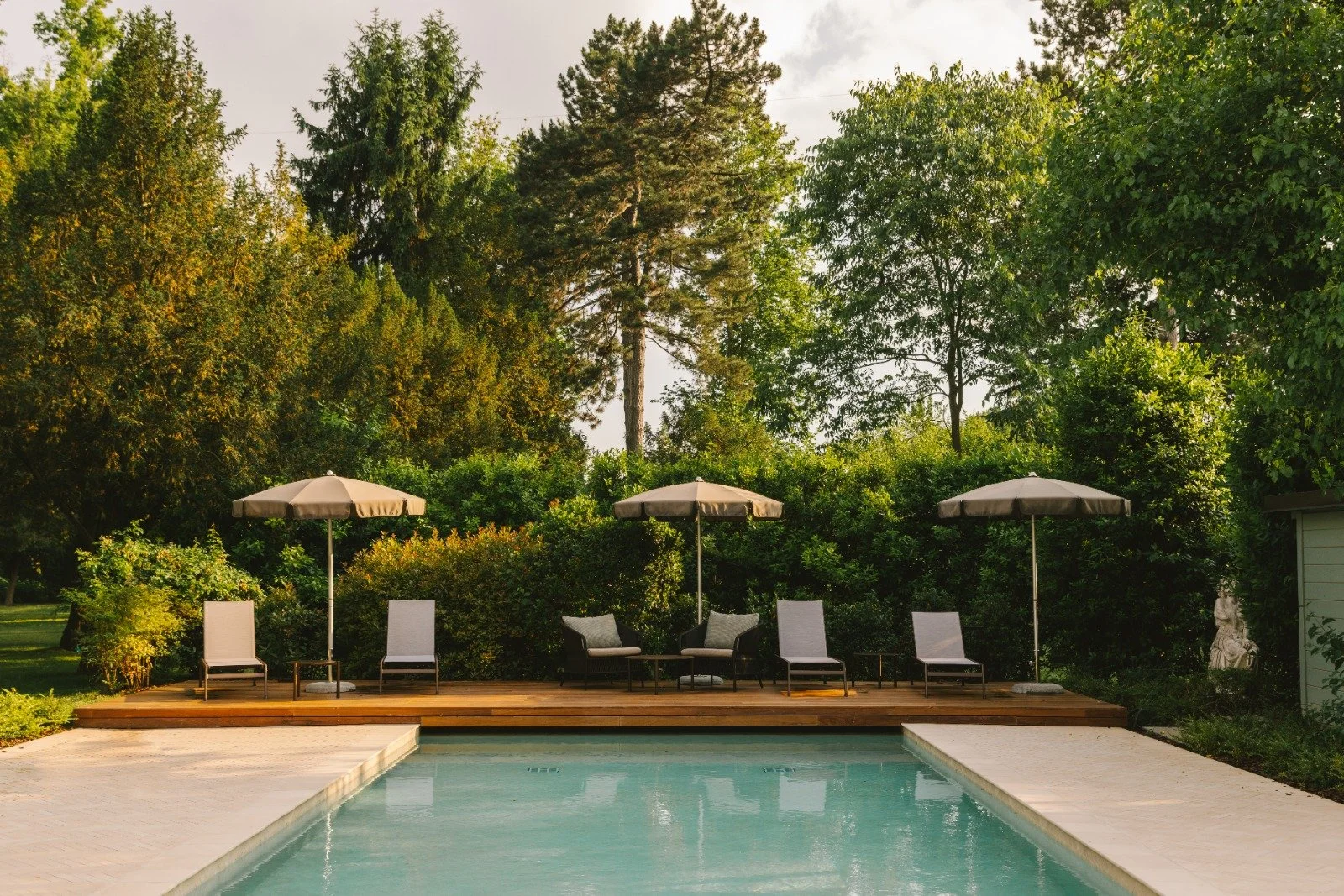
Credits: Casa Maria Luigia. Courtesy of The 50 Best
Sustainability also occupied a visible place in the conversation. Mexico's Chablé Yucatán, ranked No.9 and named The Best Hotel in North America, received the Eco Hotel Award following an audit by the Sustainable Restaurant Association. Meanwhile, Hôtel du Couvent in Nice received the Art of Design Award, and James McBride, founder of Nihi Hotels, was recognised with the Icon Award. Rosewood's evening extended beyond its Hong Kong flagship when the group itself received the Most Admired Hotel Group Award.
Two stories Avesso followed before arriving in Paris also reached their conclusion during the ceremony. Badrutt's Palace, previously announced as the recipient of the Art of Hospitality Award, entered the ranking at No.36. The Fifth Avenue Hotel, recipient of the One To Watch Award, appears at No.78 on the extended list.
A world mapped through hotels
The final ranking stretches across 22 destinations and six continents. Atlantis The Royal in Dubai, No.4, was named The Best Hotel in the Middle East and received the Best Beach Hotel Award. Rosewood São Paulo reached No.6 and was named The Best Hotel in South America. Chablé Yucatán represents North America at No.9, Capella Sydney leads Oceania at No.16, and Royal Mansour in Marrakech, No.26, is The Best Hotel in Africa.
The list itself is determined by more than 800 anonymous members of The 50 Best Hotels Academy, drawn from hoteliers, travel journalists, educators and experienced luxury travellers. No ranking can provide a definitive answer to something as personal as hospitality. What makes one hotel unforgettable may be entirely different from what stays with another traveller. But viewed collectively, the results offer an interesting snapshot of where the industry is moving.
The grand European hotel has certainly not disappeared. Neither has the tropical resort, the intimate boutique property or the extraordinary urban palace. Instead, the definition of luxury appears to be widening. Design matters. Gastronomy matters. Wellness matters. Sustainability increasingly matters. But the hotels generating the greatest attention are also those capable of translating those elements into something less tangible: a sense that the experience could exist nowhere else.
From London to Paris
As the ceremony came to an end beneath the streets of Paris, I found myself thinking about how much can change between two editions of the same awards. Last year was my first time attending The 50 Best Hotels. This year, I returned for Avesso in another city, watching many familiar names appear again alongside hotels entering this global conversation for the first time.
And at No.1, Rosewood Hong Kong remained. There is something particularly telling about that result. In an industry constantly searching for the newest opening, the next destination and the experience travellers have not yet discovered, remaining relevant may be one of luxury hospitality's greatest challenges. For one more year, the view from the top looks out across Victoria Harbour.
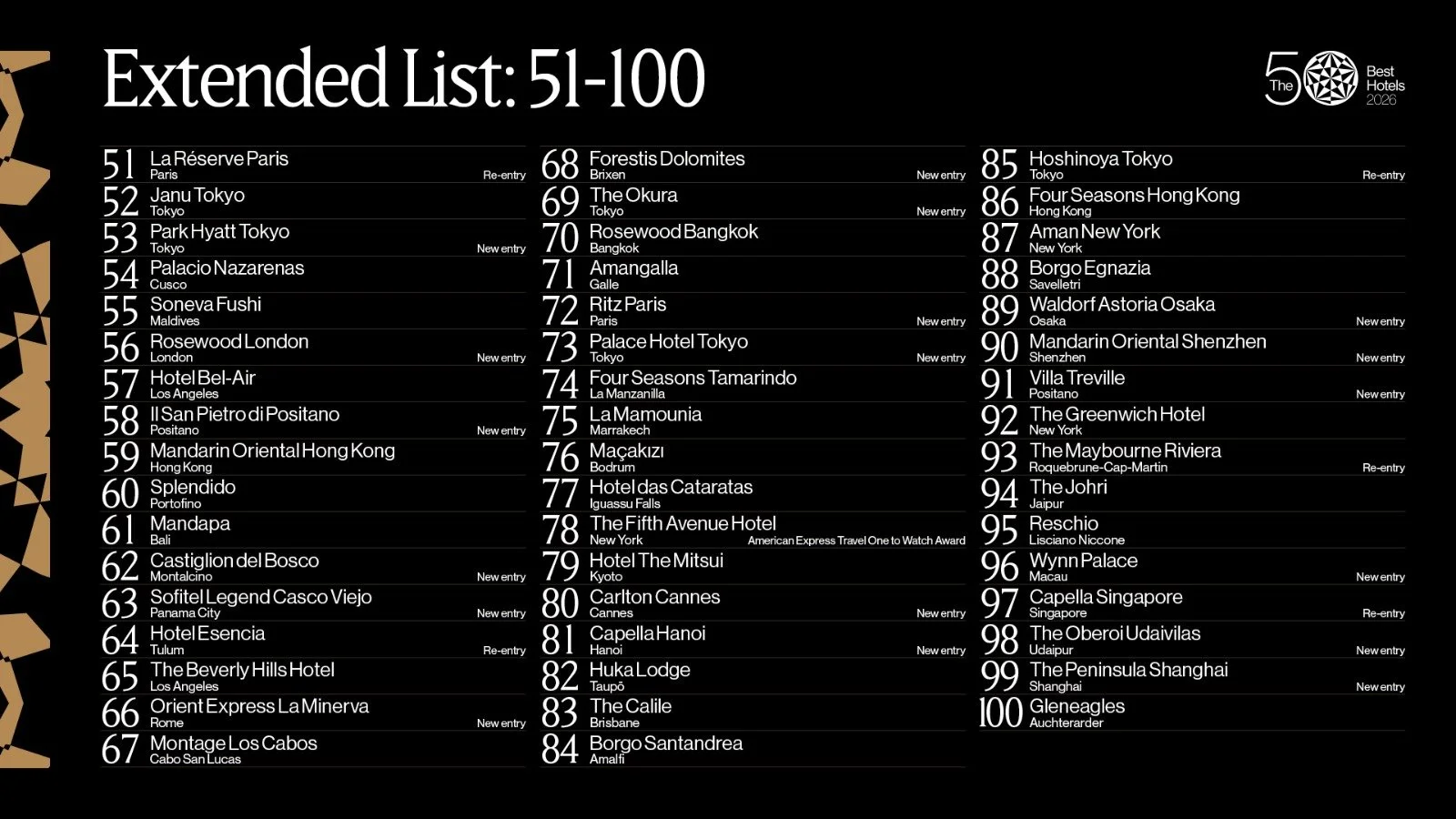
Credits: Courtesy of The 50 Best
But perhaps the most interesting story from Paris was everything surrounding it: the rise of Asian hospitality, Europe's enduring influence, the arrival of new names and an industry continuing to reconsider what makes a hotel worthy of travelling across the world to experience. After all, the best hotels do more than give us somewhere beautiful to stay. They become part of the reason we travel.